NASA’s live coverage of the Roscosmos Soyuz MS-27 spacecraft rendezvous and docking is now underway on NASA+.
Crew from NASA, Roscosmos Approaching Station Aboard Soyuz Spacecraft

Read Full Post

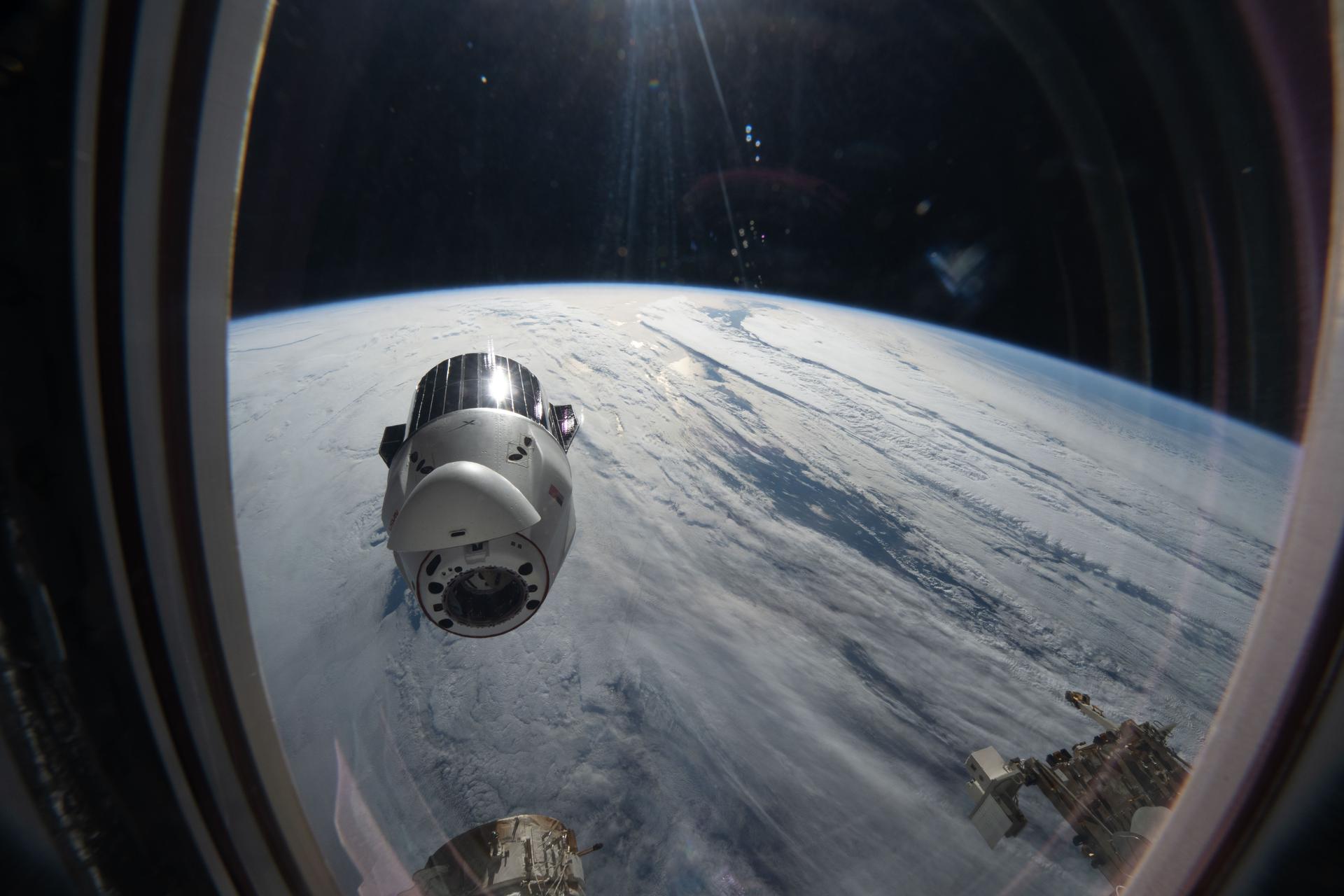








NASA’s live coverage of the Roscosmos Soyuz MS-27 spacecraft rendezvous and docking is now underway on NASA+.
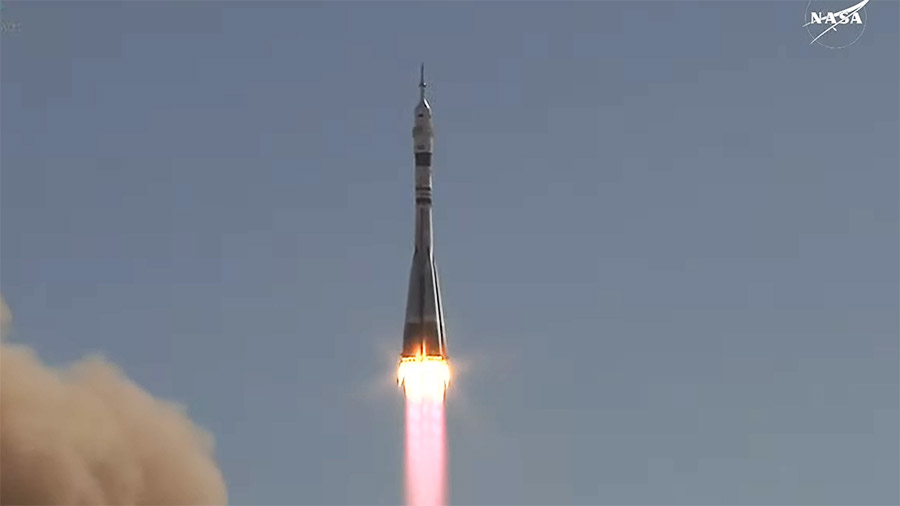
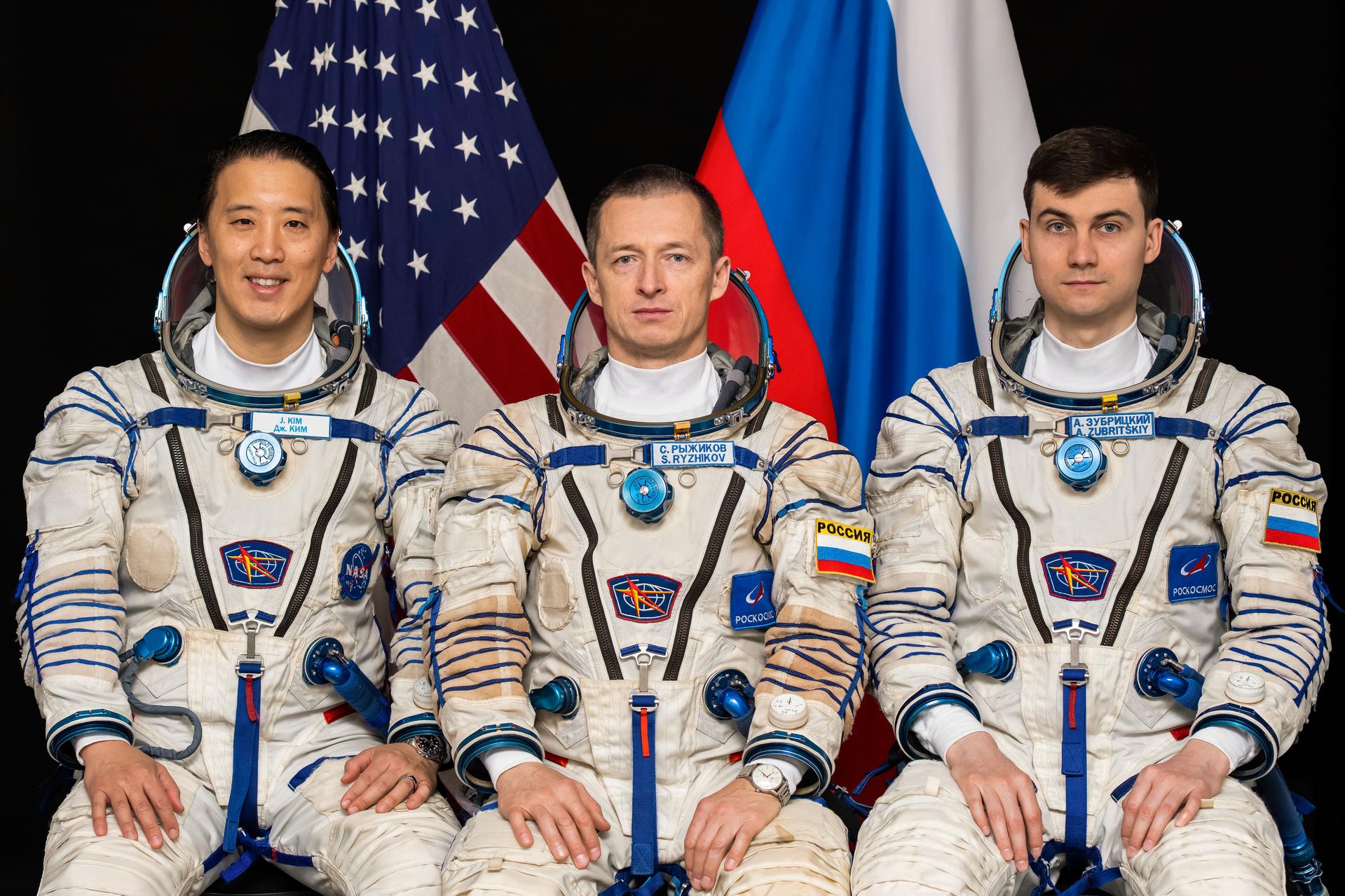
The crewed Soyuz MS-27 spacecraft is safely in orbit headed for the International Space Station following a launch at 1:47 a.m. EDT on April 8 (10:47 a.m. Baikonur time) with NASA astronaut Jonny Kim and Roscosmos cosmonauts Sergey Ryzhikov and Alexey Zubritsky aboard.
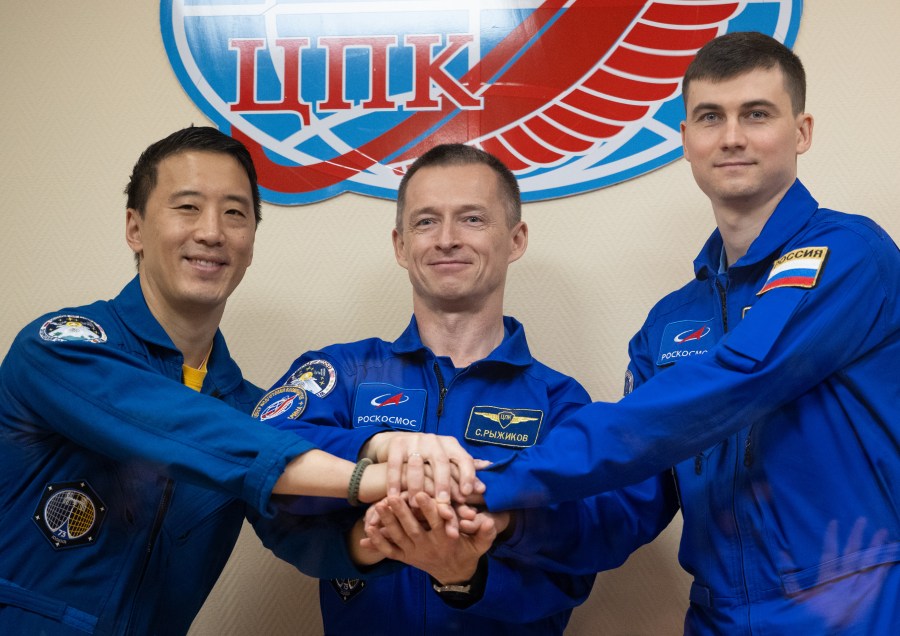
NASA’s live launch coverage is underway on NASA+ as teams prepare for launch of the Soyuz MS-27 spacecraft to the International Space Station, scheduled for 1:47 a.m. EDT (10:47 a.m. Baikonur time) from the Baikonur Cosmodrome in Kazakhstan.
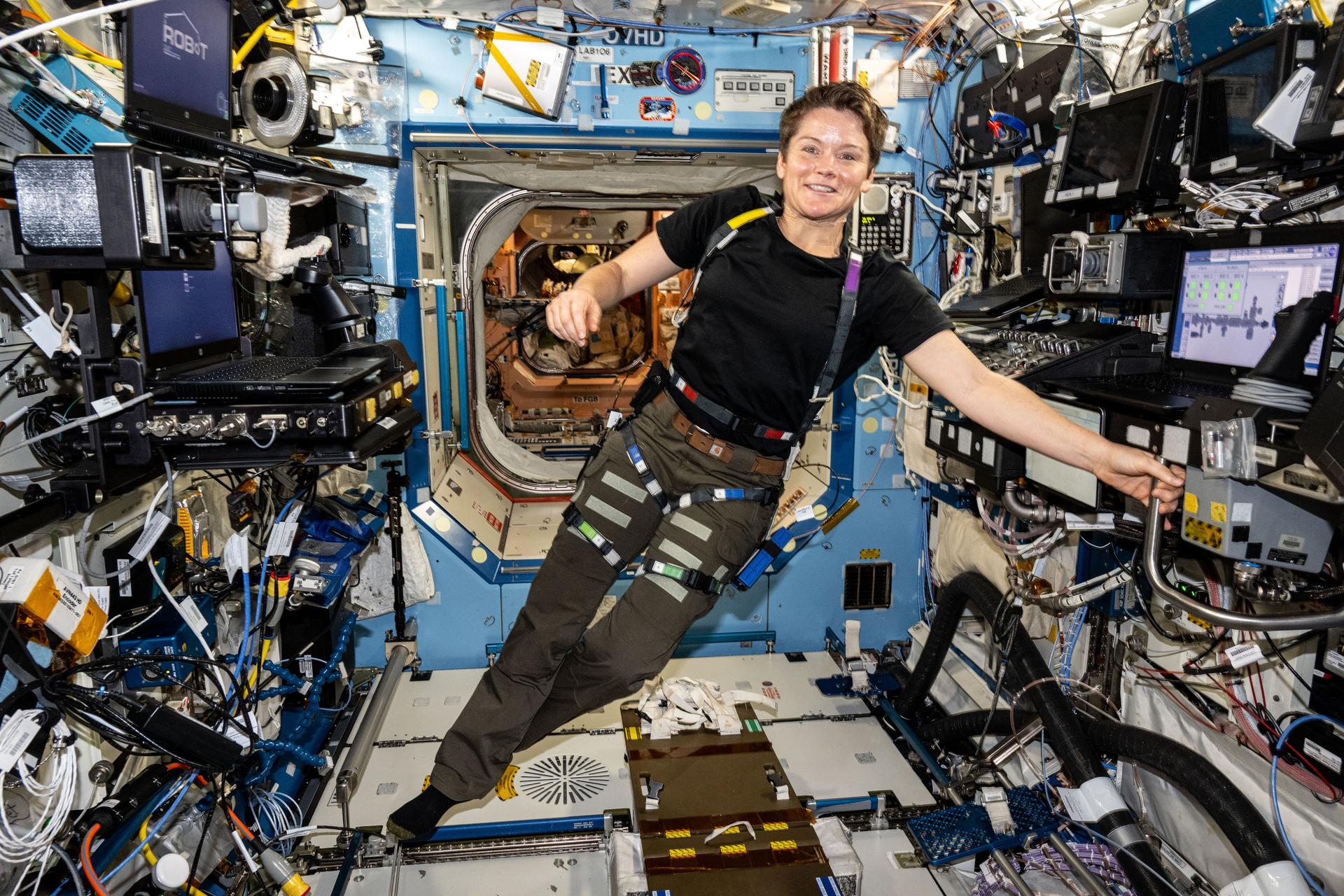
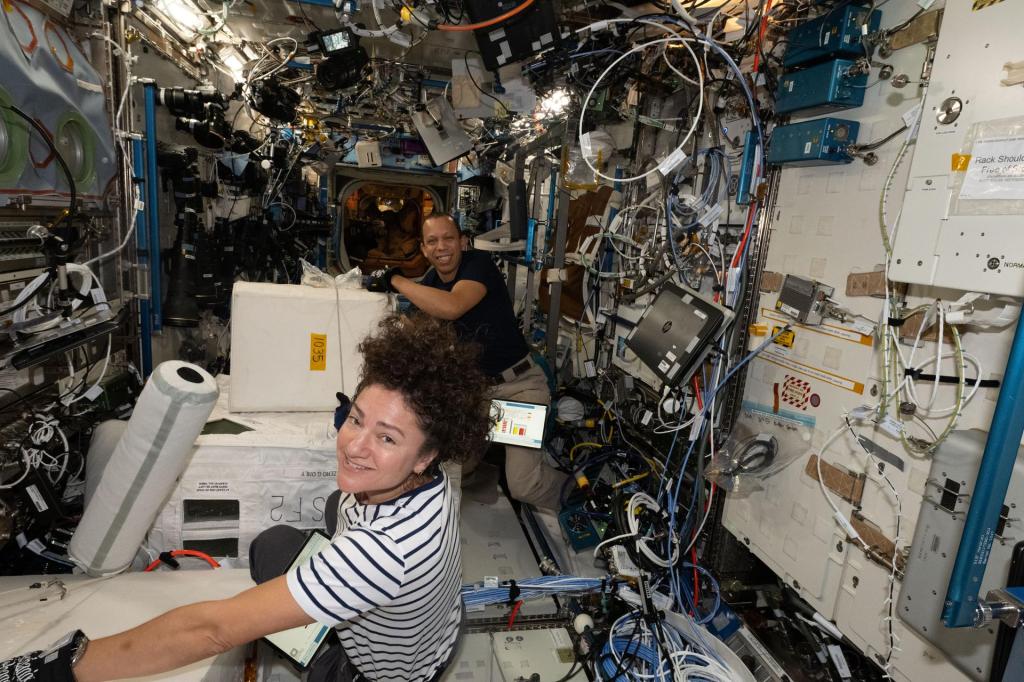
Astronaut Anne McClain is pictured in the Destiny laboratory module wearing an experimental wearable dosimeter that measures radiation dosages crews are exposed to in real time aboard the International Space Station.
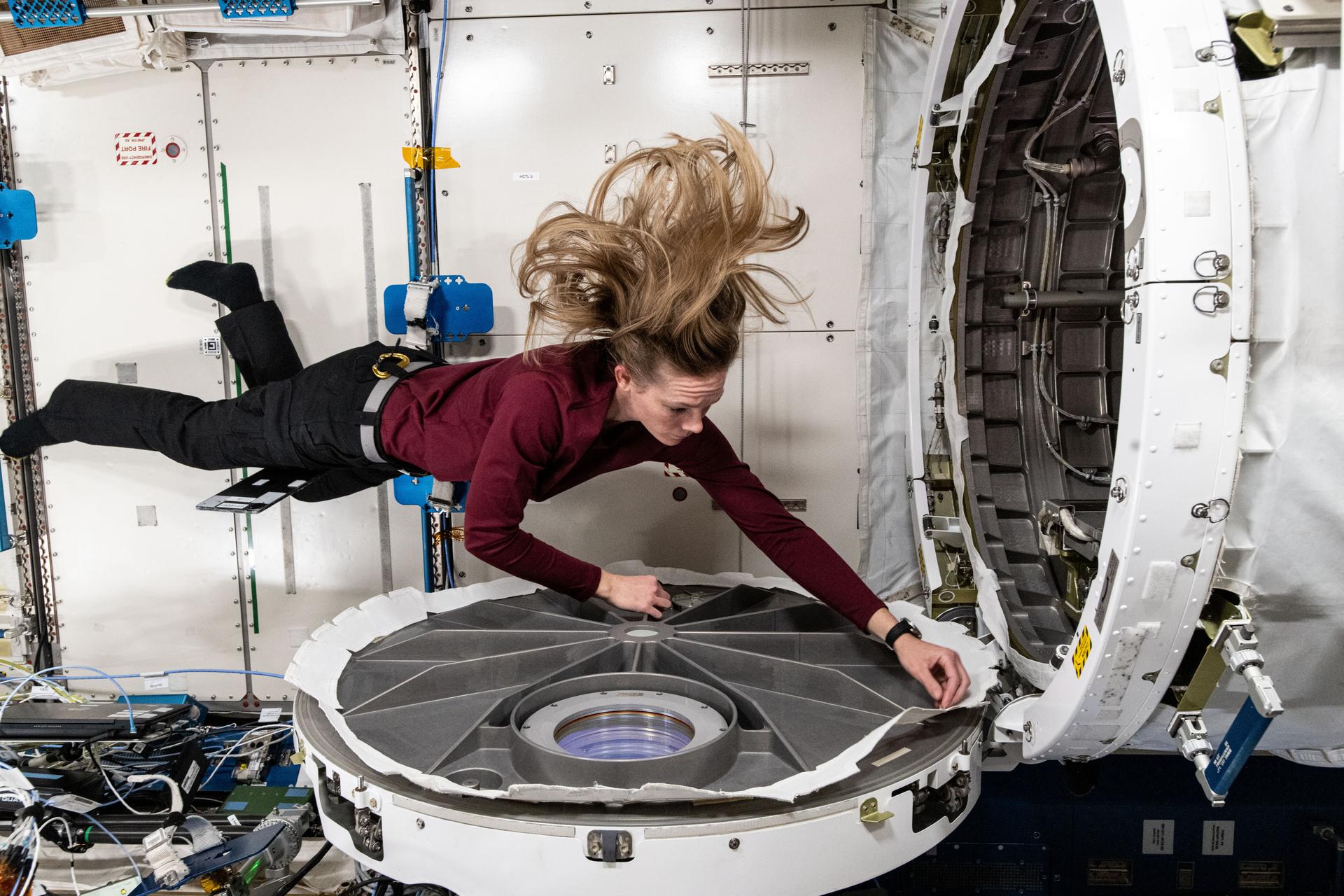
3D printing, space navigation, and human research filled the science schedule aboard the International Space Station on Thursday. The Expedition 72 crew members are helping researchers plan missions farther away from Earth with less support from mission controllers.
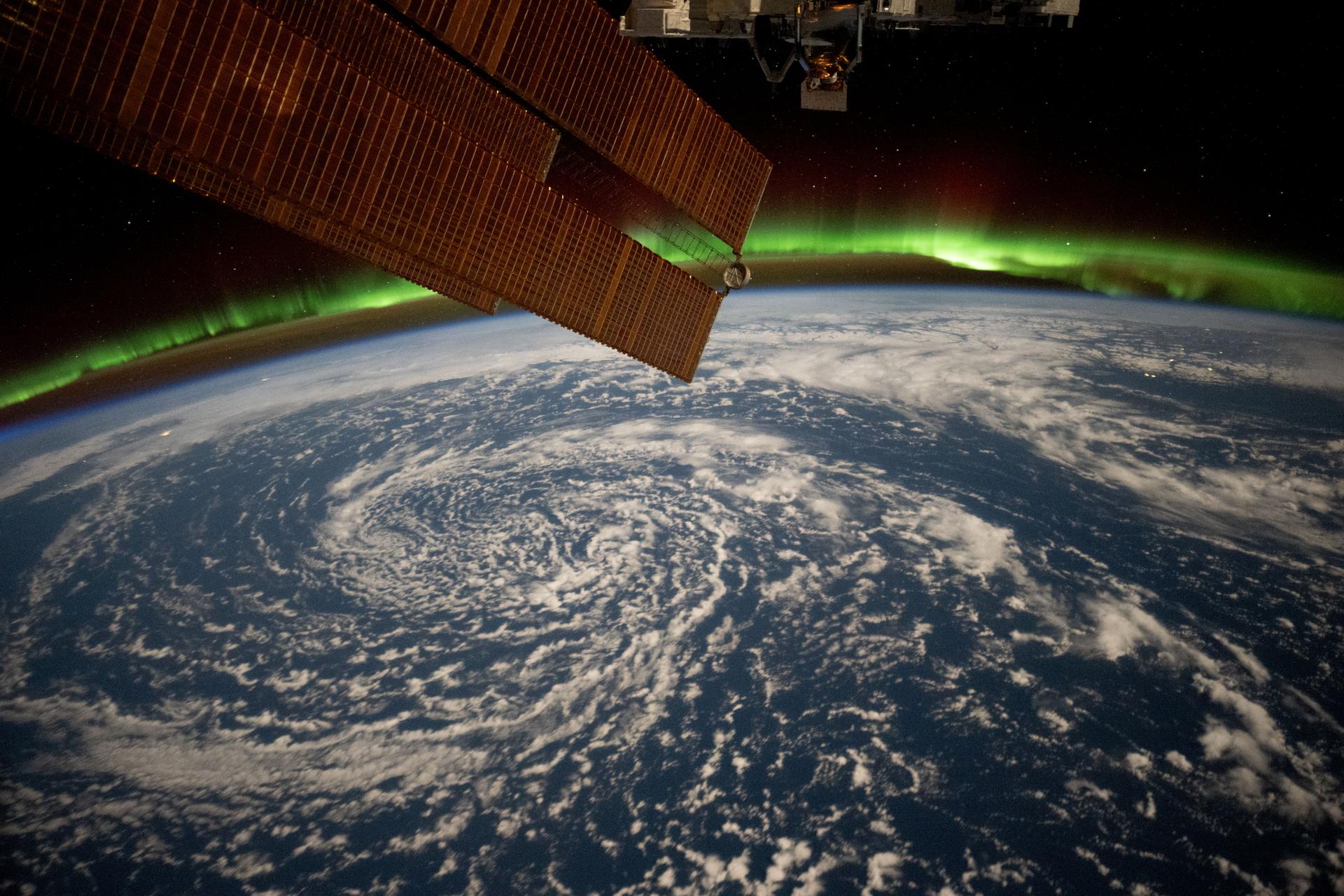
The International Space Station is orbiting higher today after the Progress 91 cargo craft fired its thrusters for over 17 minutes while docked to the Zvezda service module. The reboost places the orbital outpost at the correct altitude for the arrival of the Soyuz MS-27 spacecraft and its three crew members next week.
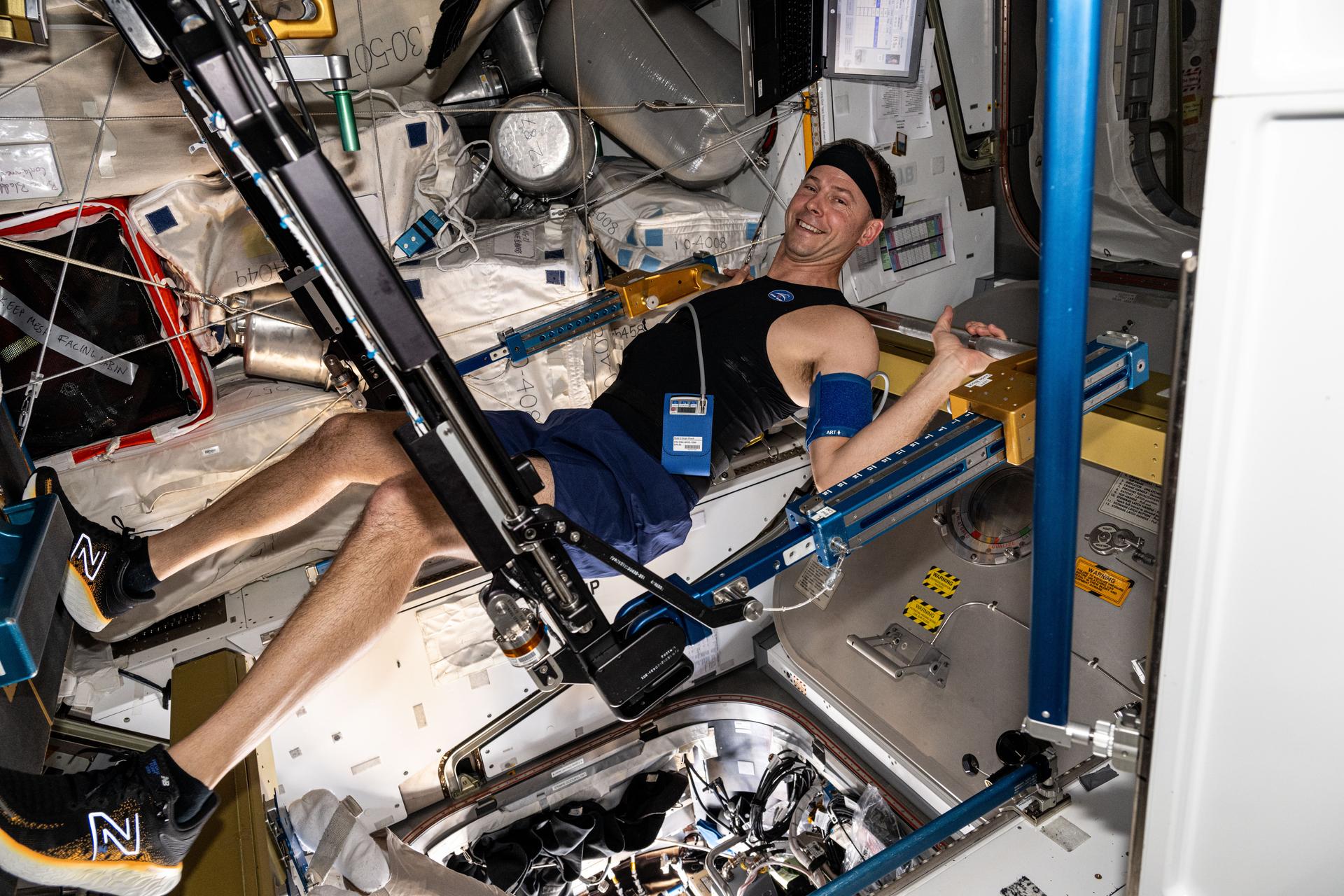
Exercise research was back on the science schedule for the Expedition 72 crew on Tuesday ensuring astronauts stay healthy and in shape while living and working in weightlessness. The International Space Station residents also continued a host of other microgravity research exploring robotics, combustion, and more.
Several Expedition 72 crew members began Monday attaching a variety of sensors to themselves and exercising so researchers can see how their bodies are adapting to living and working in microgravity. The International Space Station crewmates also kept up their science maintenance and life support duties at the beginning of the week.
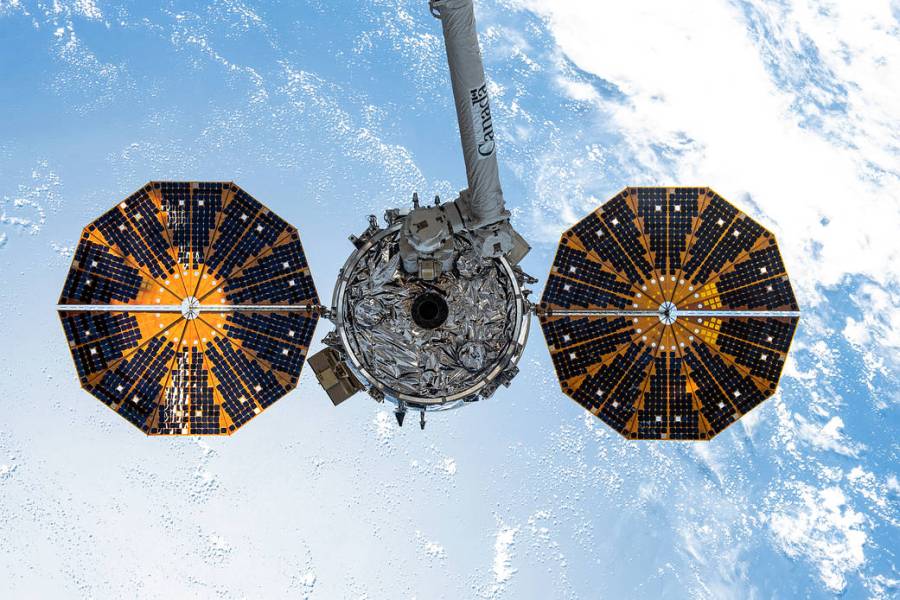
At 6:55 a.m. EDT, the S.S. Richard “Dick” Scobee Northrop Grumman Cygnus spacecraft was released from the Canadarm2 robotic arm, which earlier detached Cygnus from the Earth-facing port of the International Space Station’s Unity module. At the time of release, the station was flying about 260 miles over the Pacific Ocean.
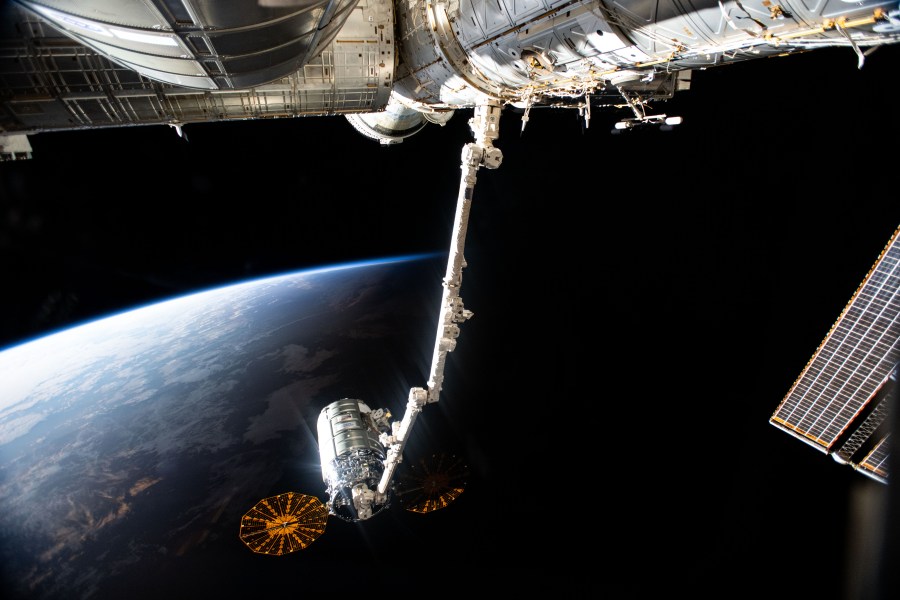
Live coverage of the departure of the S.S. Richard “Dick” Scobee Northrop Grumman’s uncrewed Cygnus cargo spacecraft from the International Space Station is underway on NASA+, with its release from the robotic arm scheduled for 6:55 a.m. EDT. Coverage will conclude following departure from station.
