



















Human-Autonomy Teaming (HAT) Laboratory
Mission Statement
The Human-Autonomy Teaming (HAT) Lab works to enable the use of transformative aviation technologies by incorporating them as teammates to human operators.
Lab Overview
The Human-Autonomy Teaming (HAT) Lab works to understand the relationship between humans and automation in the context of near and far-term airspace operations. The lab researches techniques and procedures for refining the relationship between humans and automation to better incorporate cutting-edge aerospace technologies and increase capacity while maintaining safety. Best practices in human-to-human delegation require feedback, transparency and calibrated trust between team members. We believe these same principles can be used to improve human-automation teams.
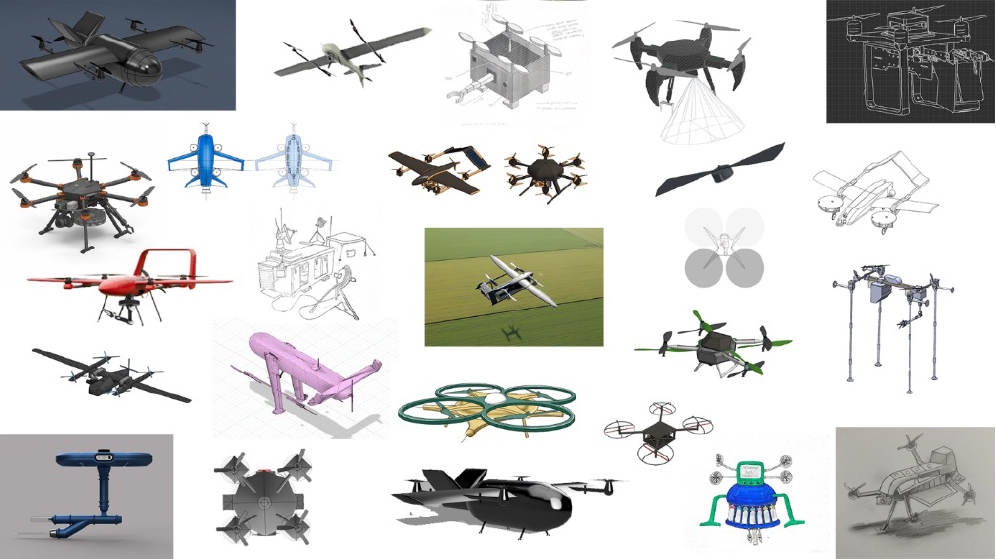
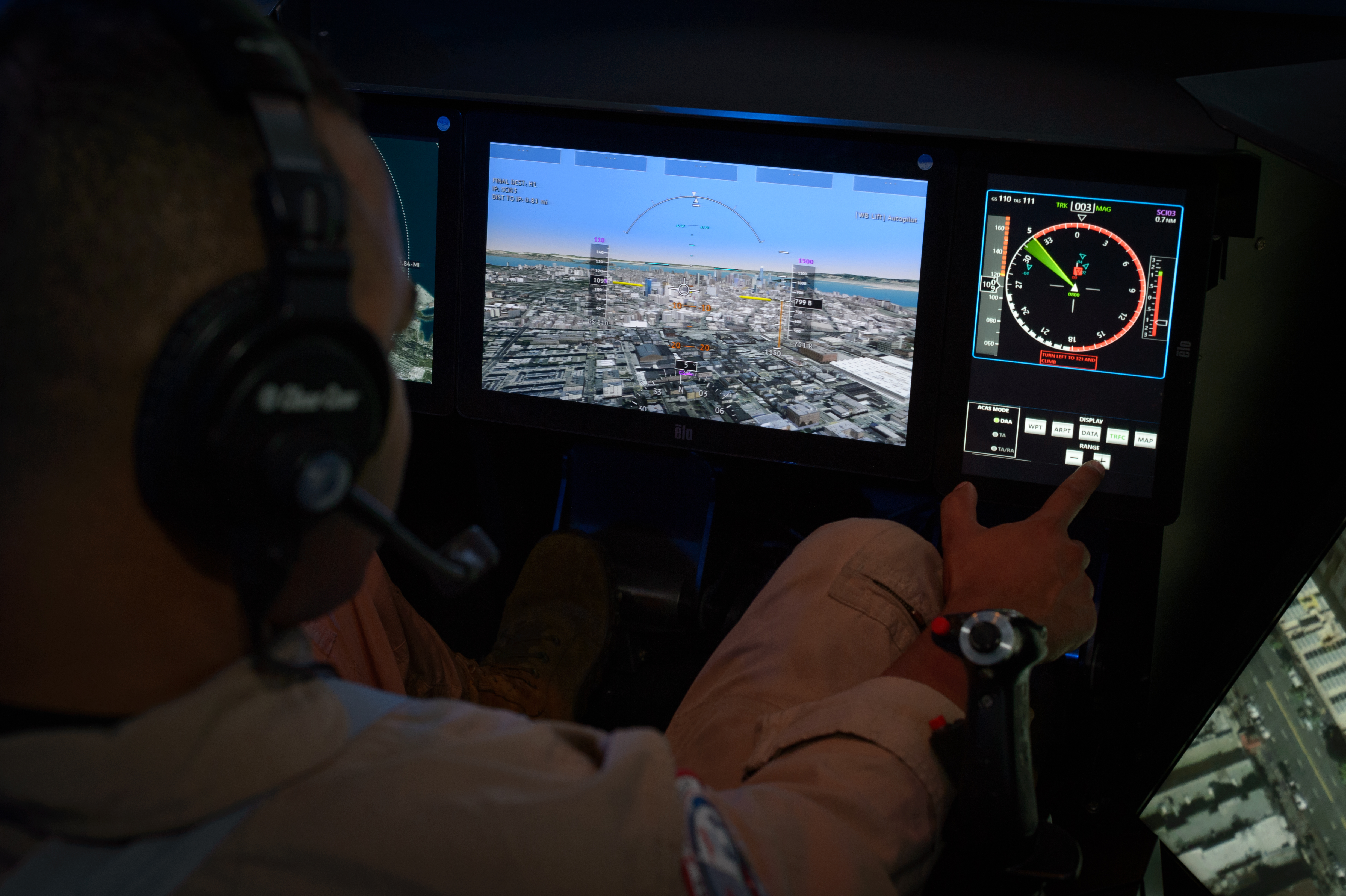
Major research domains include developing requirements for technologies that enable remotely piloted aircraft to detect and avoid (DAA) other traffic and designing protocols and interfaces that allow a team of ground operators to fluidly share control over a group of vehicles (m operators to N vehicles, or m:N). The HAT Lab applies their simulation facilities and expertise in these areas to address technical challenges identified by multiple NASA Aeronautics Mission Research Directorate (AMRD) projects.
The HAT Lab is co-led by Summer Brandt and R. Conrad Rorie.
Current Research
Safely Enable Routine Autonomous Operations
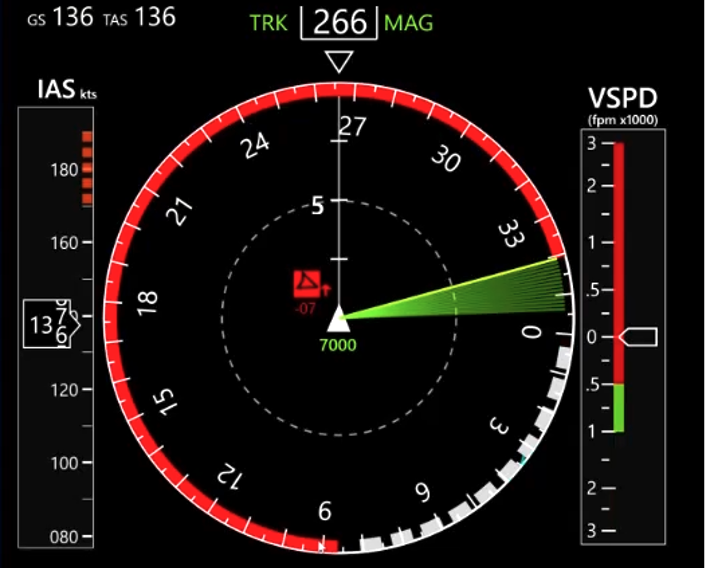
The HAT Lab is supporting multiple areas of work under the NASA Air Traffic Management and Safety (ATMS) project’s Safely Enable Routine Autonomous Operations research area. One area focuses on advancing the standards for the Airborne Collision Avoidance System X for Rotorcraft (ACAS Xr), with an emphasis on terminal area operations. The interaction between ACAS Xr and the human operator, as well as with other automated systems on or off-board the aircraft (e.g., terrain and obstacle awareness, surface hazard avoidance), other aircraft, and air traffic control are of particular interest to the HAT Lab and this research area. Designing for higher levels of automation first requires us to characterize the interactions and dependencies between these different systems and actors. Once established, higher individual and system-level automation can be assessed.
Multi-Vehicle Control (m:N)
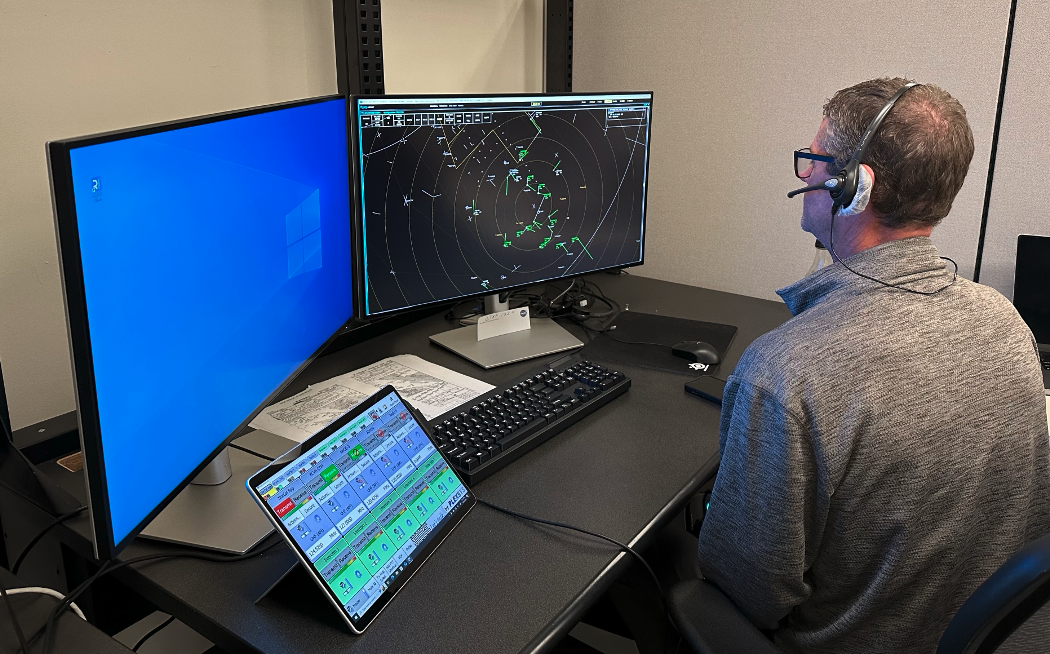
An additional focus area under ATMS is on multi-vehicle control, particularly when multiple operators cooperatively manage multiple vehicles (or m:N). The HAT Lab is coordinating this work with industry partner Wisk Aero, who is designing their electric vertical takeoff and landing (eVTOL) with an m:N architecture in mind. This area seeks to better understand the impact of m:N operator designs on other users of the airspace, especially air traffic control. Proposed operations will be assessed with air traffic controllers “in-the-loop” to determine any impacts (positive or negative) on their performance, workload, or acceptability.
HAT Personnel
Research Staff
Meghan Saephan, Ph.D.
Software and Hardware Engineers
Sheik Nizamuddin, M.S.