


















Integration and Evaluation
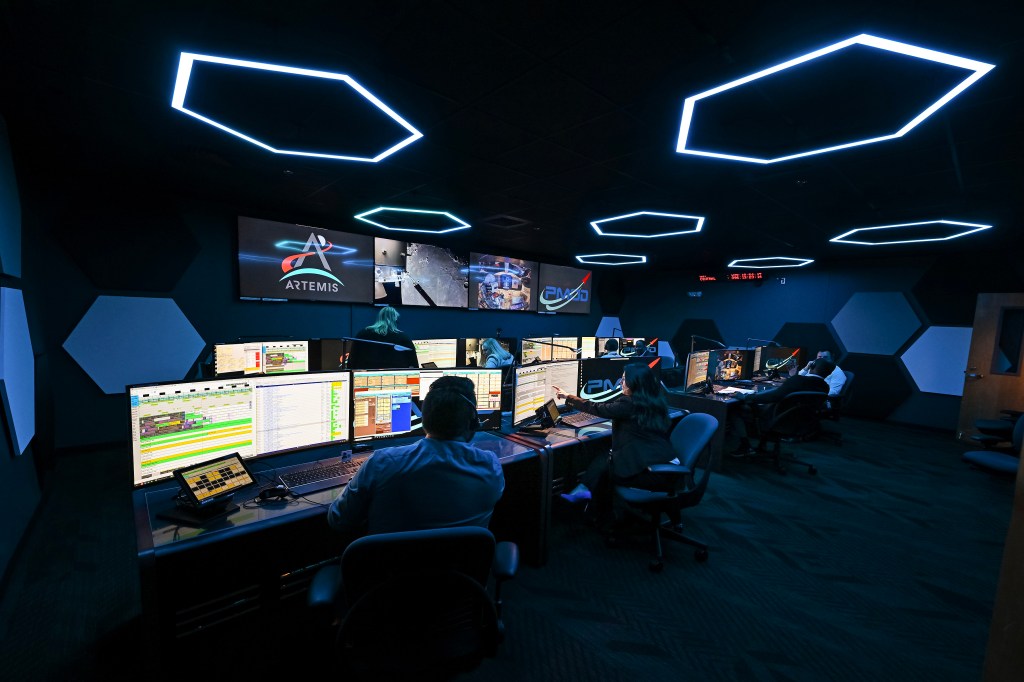
The Integration and Evaluation Group is committed to improving the efficiency and safety of the National Air Transportation System, with an emphasis on emerging operations enabled by increased automation. This group develops and evaluates methods to better integrate humans into future air transportation systems, drawing from human factors principles/expertise and related disciplines. The group includes full-mission laboratories associated with air traffic management, flight deck procedures, and remote piloting. It also includes labs dedicated to complex human-systems design and human-automation teaming.
Every day, the Federal Aviation Administration’s air traffic controllers provide services to more than 45,000 flights and 2.9 million passengers. By 2030, experts are predicting a significant increase in air travel, with potentially 12 billion travelers taking to the skies. As demand for air travel continues to grow, and new vehicles are introduced into the National Airspace System (NAS), the demands on the pilots, air traffic controllers and flight operators continues to grow.
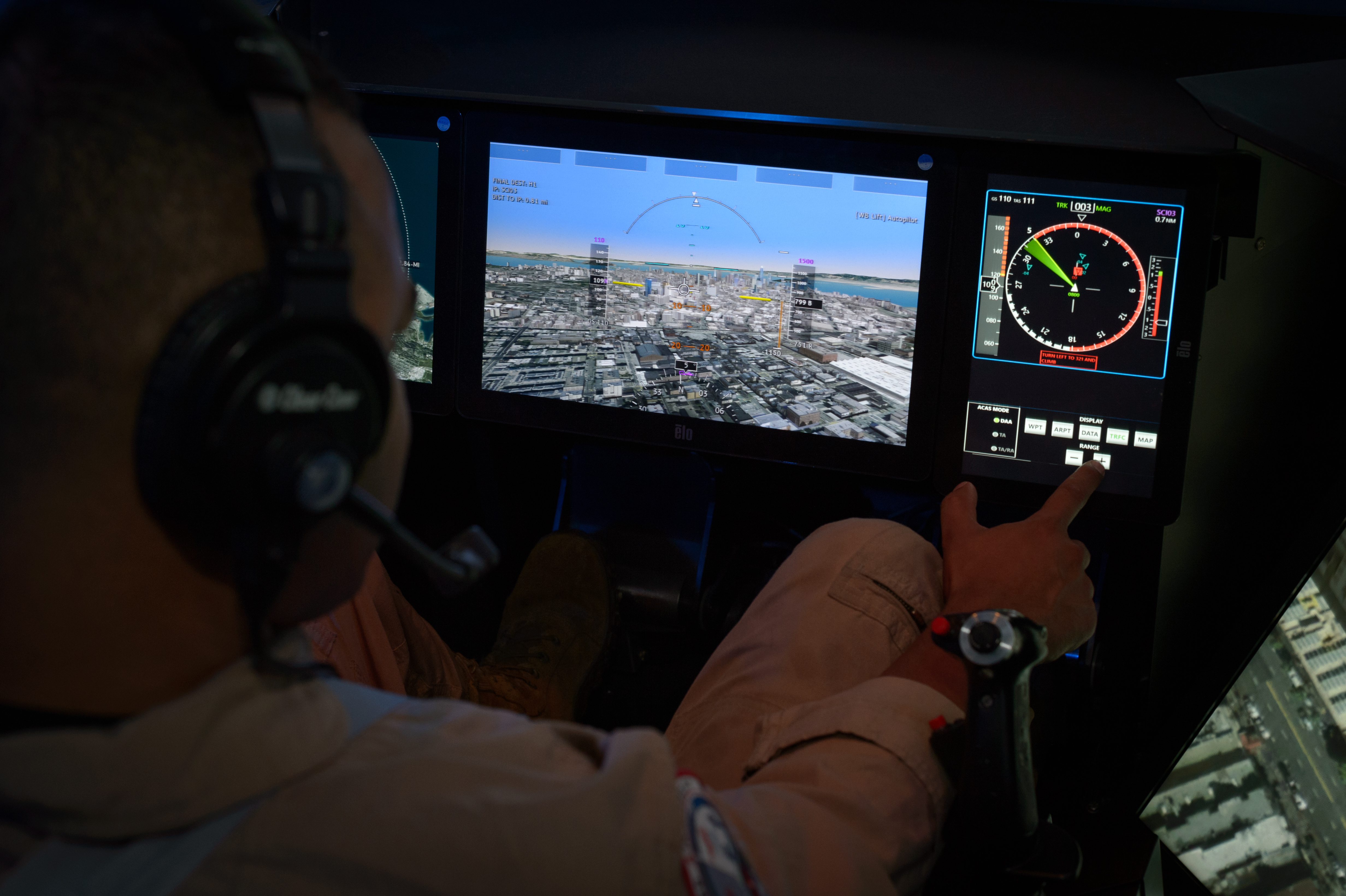
The Integration and Evaluation Branch consists of the following labs:
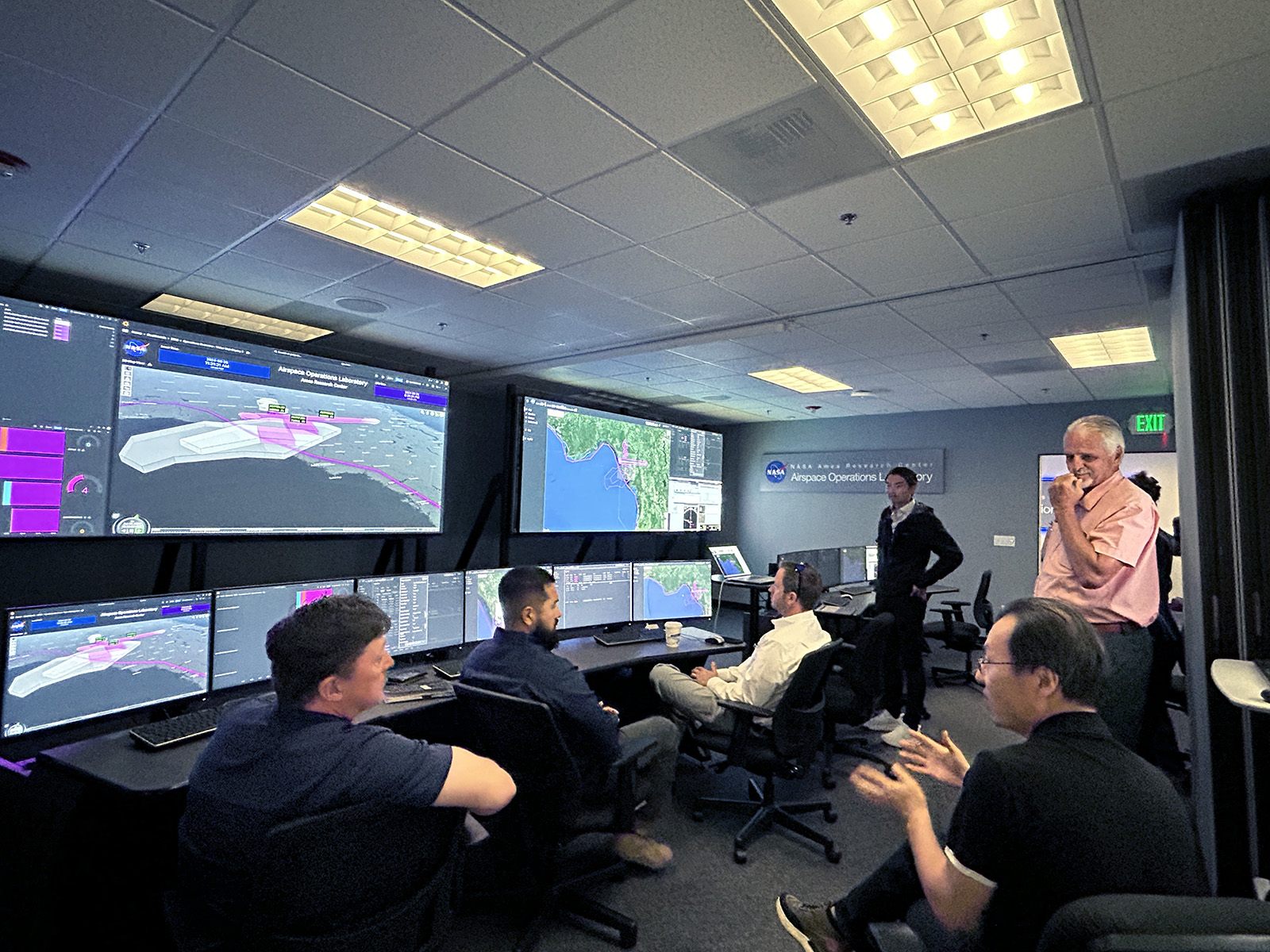
- Airspace Operations Laboratory (AOL)
- Aerospace Cognitive Engineering (ACE)
- Autonomous Vehicle Applications Laboratory (AVAL)
- Human-Autonomy Teaming Laboratory (HAT)
Contact
Jeffrey Homola- jeffrey.r.homola@nasa.gov