
















Airspace Operations Laboratory (AOL)
Lab Overview
The Airspace Operations Laboratory evaluates air traffic management (ATM) concepts and explores human-system interaction issues in a simulation environment designed to allow rapid prototyping of NextGen concepts. This environment allows simulations of aircraft, ATM systems and communication infrastructure for both current day operations and a variety of future, highly automated concepts. Controller workstations are realistic emulations of today’s en route, Terminal Radar Approach Control (TRACON) and oceanic systems, enhanced with various AOL-developed decision support tools and automated functions.
Our main research goal is to evaluate future ATM systems and associated human-system interactions. These findings help the ATM community to understand how these issues relate to NextGen concepts, and can lead to better understanding of roles and responsibilities for human operators and automation in future ATM systems.
Research Overview
AOL research is focused on operational concepts in which controllers and pilots use integrated air/ground procedures and automation tools to efficiently manage aircraft arriving at a hub airport.
The bulk of our research is done in support of the Airspace Operations and Safety Program (AOSP), which aims to “enable safe, sustainable, and efficient aviation transportation operations to benefit the flying public and ensure the global competitiveness of the U.S. aviation industry”.
Advanced Capabilities for Emergency Response Operations (ACERO)
Natural Disasters are costing the US billions annually and have resulted in substantial loss of life, property and resources. Existing disaster response requires extensive manual collaboration and cooperation from a wide coalition of agencies and companies, which is more challenging in a limited communication infrastructure. As emergency responders adopt beneficial technology, they are faced with new challenges on top of existing ones. Ultimately, the timely relay of data into the hands of decision makers enables an efficient and effective response, scaled to the size and nature of the situation.
By leveraging and building on existing NASA technologies alongside government, industry, and academic partners, STEReO will improve efficiency and timeliness of the response, mitigation, and recovery phases of a disaster, ultimately saving lives and minimizing the cost to taxpayers.
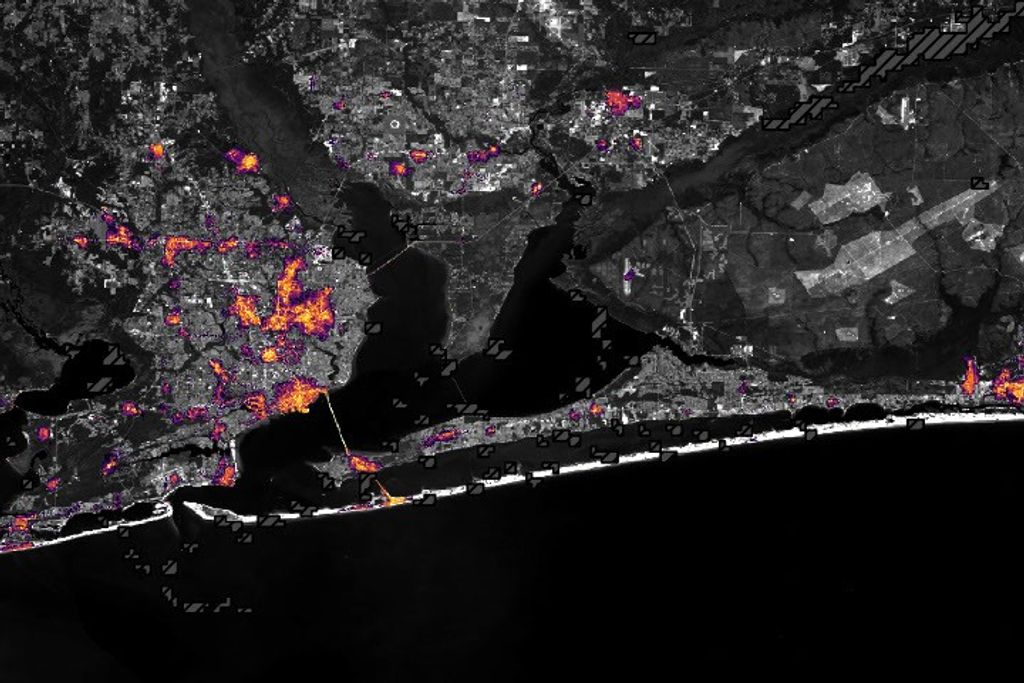
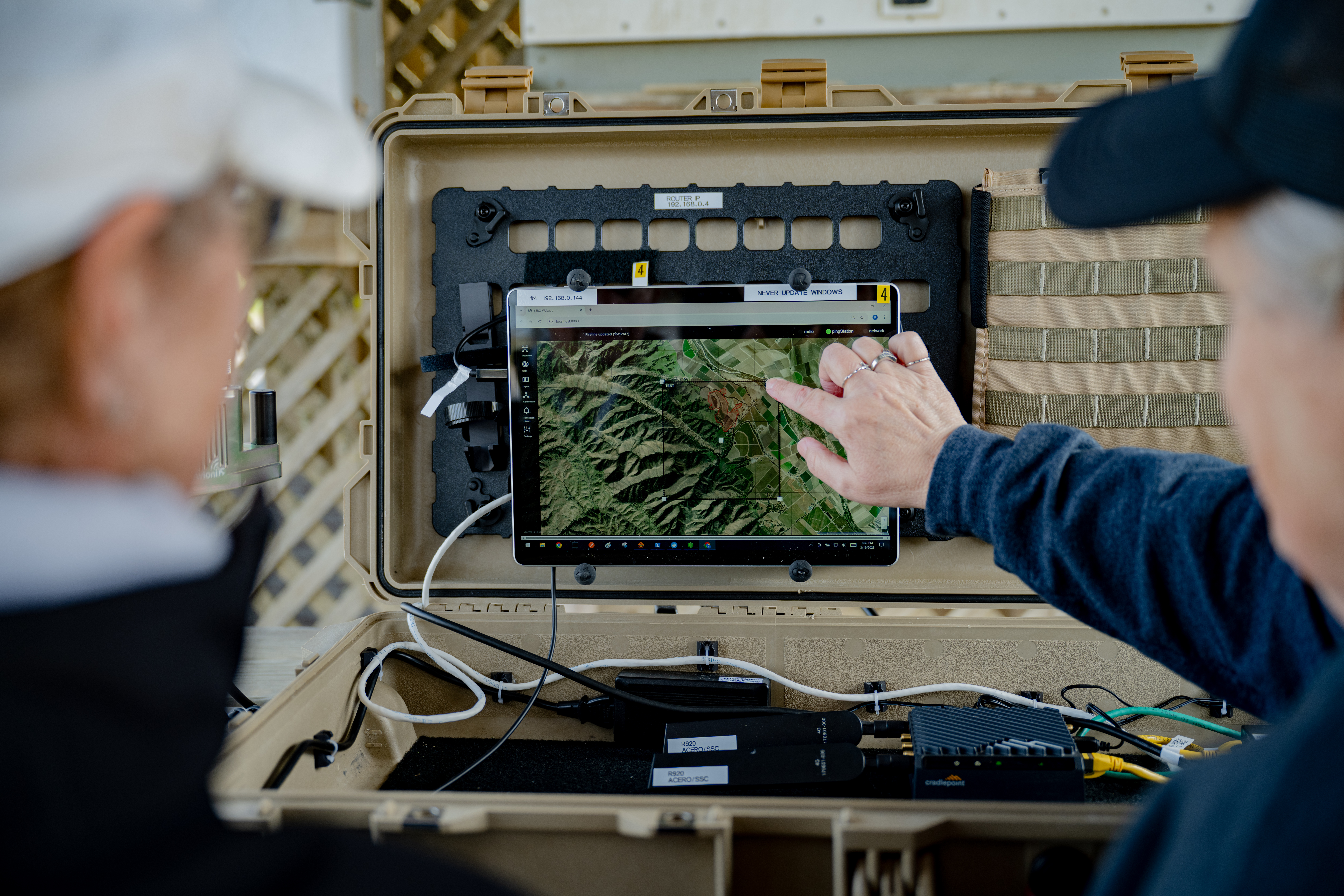
To keep pace with the growing threat of wildland fires across the United States, NASA’s Advanced Capabilities for Emergency Response Operations (ACERO) project is developing airspace management technologies that will enable remotely piloted aircraft to identify, monitor, and suppress wildfires 24 hours a day.
Advanced Air Mobility (AAM)
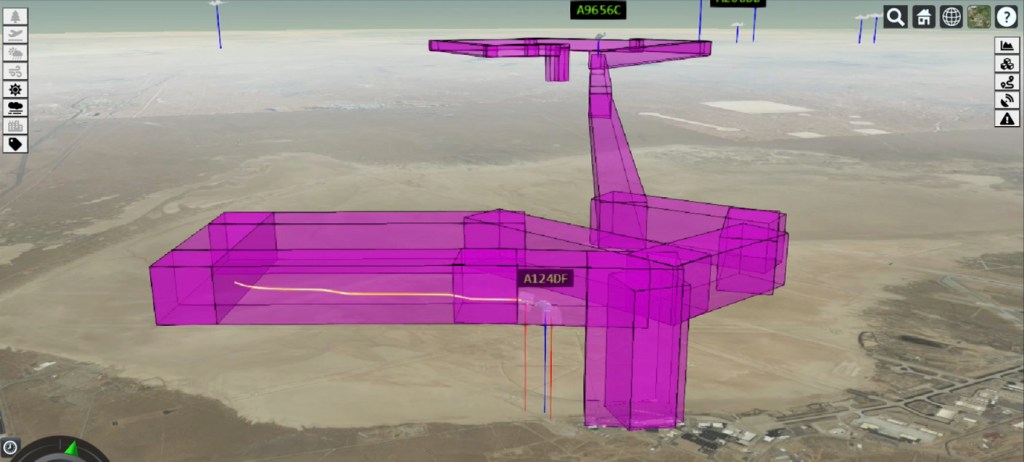
From air taxiing passengers and cargo in urban areas, to infrastructure inspection missions, the Advanced Air Mobility (AAM) ecosystem offers newfound capabilities which have an increasing range of commercial applications and opportunities for use. However, with new technologies come novel challenges, which is the case for integrating highly automated and remotely piloted aircraft into the National Airspace System (NAS). To promote public confidence and help the community understand what it takes to conduct safe and efficient AAM operations in urban, suburban, rural, and regional environments, NASA has collaborated with the Federal Aviation Administration (FAA) and industry partners to conduct a series of “National Campaigns”. The National Campaign (NC) testing series will help NASA identify AAM barriers, validate the state of the art, and inform the design and integration of vehicle, airspace, and ground infrastructure.
Building on its legacy of work in air traffic management for crewed aircraft and its key role in the success of NASA’s Unmanned aircraft systems Traffic Management (UTM) efforts, the Airspace Operations Laboratory (AOL) is leading the integration and testing of the AAM ecosystem for the National Campaign that will help inform airspace integration requirements to enable safe, efficient, and scalable AAM operations in the NAS.

Higher Airspace Traffic Management (HATM)
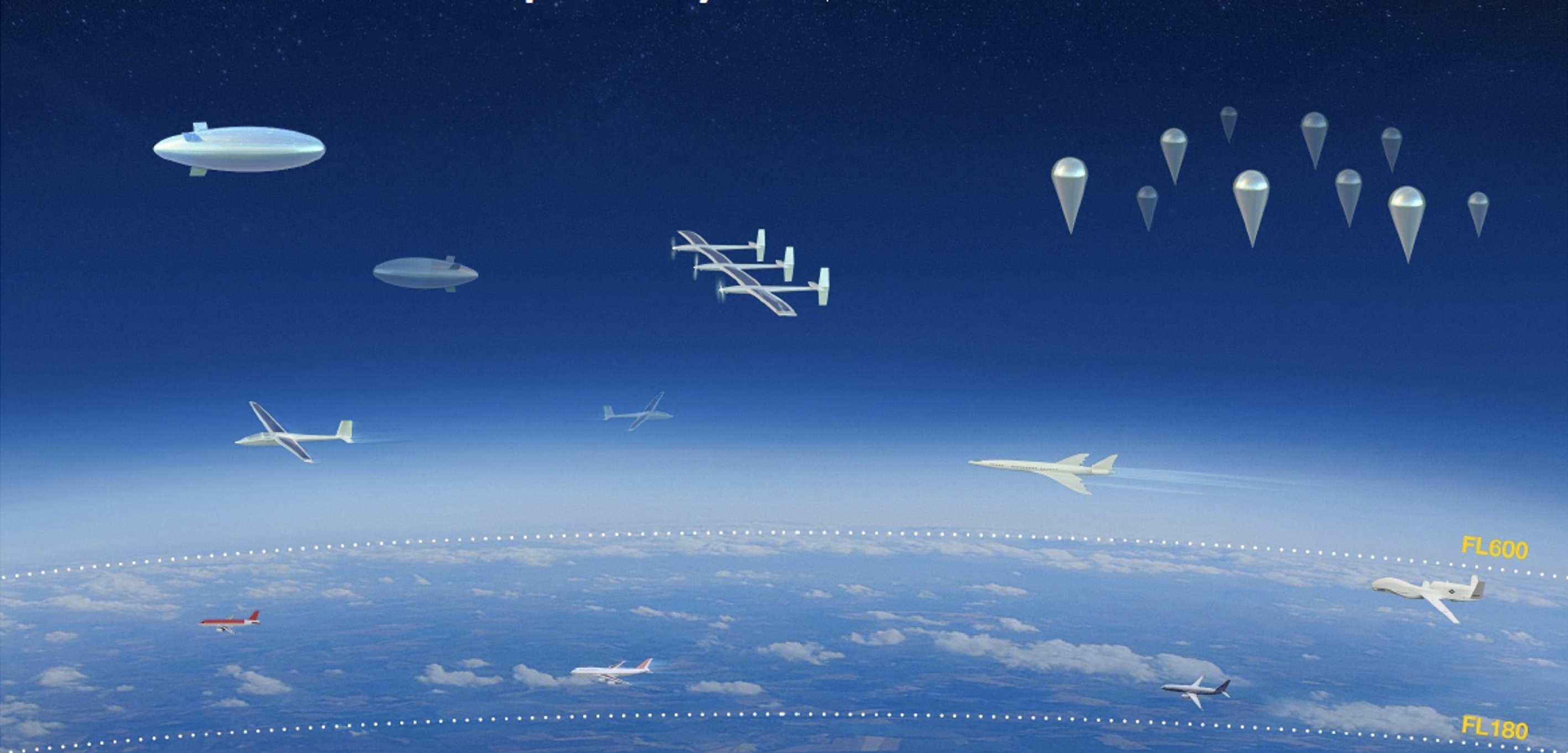
Higher Airspace Traffic Management (HATM) is an airspace management concept for National Airspace System (NAS) flight operations at or above FL600. As recent advances in technologies increase the demand in the stratospheric airspace, the diversity of vehicle types and the mixture of operating paradigms present new opportunities for a cooperative and interactive traffic management perspective.
HATM is part of the Future Airspace Research Area in the Air Traffic Management and Safety (ATMS) Project under the Airspace Operations and Safety Program (AOSP) within the Aeronautics Research Mission Directorate (ARMD).
Past Research Projects
Advanced Air Mobility (AAM) Project’s National Campaign Testing Series
Building on its legacy of work in air traffic management for crewed aircraft and its key role in the success of NASA's Unmanned aircraft systems Traffic Management (UTM) efforts, the Airspace Operations Laboratory (AOL) led the integration and testing of the AAM ecosystem for the National Campaign that helped inform airspace integration requirements to enable safe, efficient, and scalable operations in the National Airspace System (NAS).
Federal USS Synthesis Effort (FUSE)
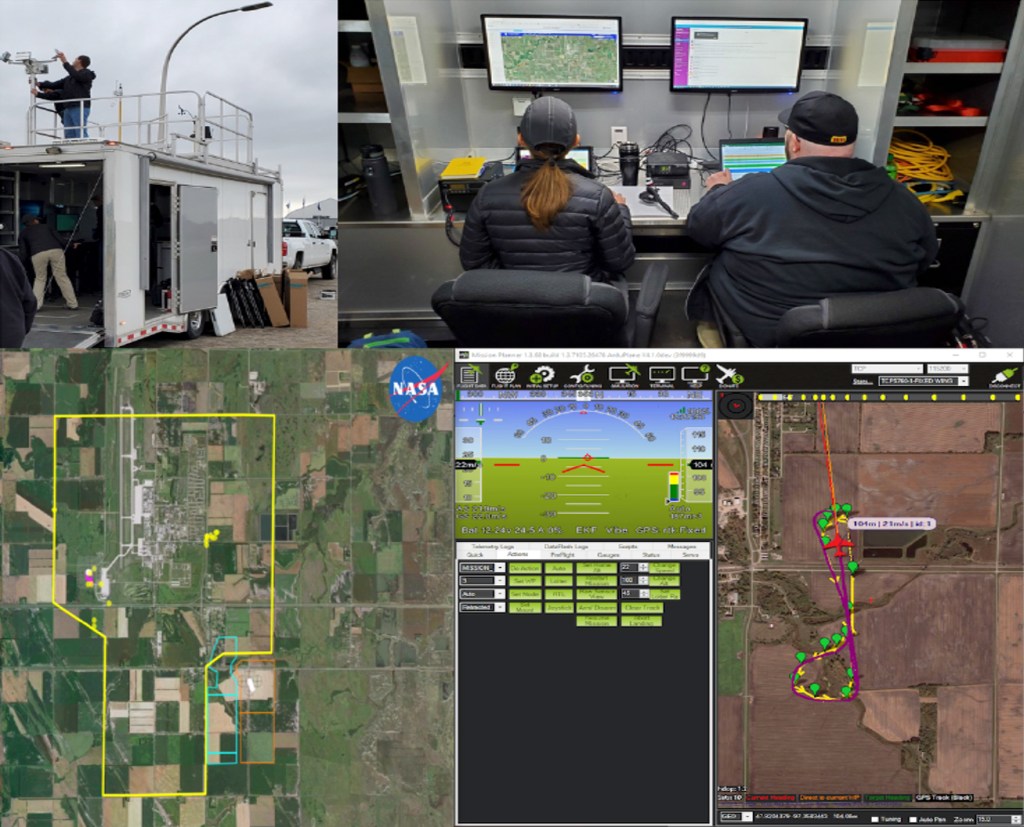
In September of 2019, NASA Ames Research Center, along with the Department of Defense (DoD), conducted live unmanned flight tests at the Grand Forks Air Force Base in conjunction with the North Dakota UAS Test site to support Federal Agencies in developing a prototype Federal UAS Service Supplier (FUSS). The aim of this research was to assist in determining the functions and features needed for a Federal USS and its integration with the UAS Traffic Management (UTM) environment by consulting with stakeholders and exploring use cases.

Scalable Traffic Management for Emergency Response Operations (STEReO)
Scalable Traffic Management for Emergency Response Operations combined NASA technologies and partnerships to transform emergency response operations. STEReO brought together several technologies in Unmanned Aircraft Systems (UAS) Traffic Management (UTM), Autonomy, Communications, Human Factors, and Domain Expertise & Tools, aimed at providing scalability and flexibility, as well as operational resiliency to emergency responders during a disaster event.

Air Traffic Management Technology Demonstration 1 (ATD1)
NASA collaborated with the FAA and other industry partners to develop several advanced automation tools that provided air traffic controllers, pilots, and other airspace users with more accurate real-time information about the nation’s traffic flow, weather, and routing. The greater precision of this information was a key enabler of the Next Generation Air Transportation System (referred to as NextGen). NextGen was a comprehensive transformation of the NAS, which was safer, more reliable and more efficient, and reduced the impact of aviation on the environment.
Airspace Technology Demonstration 2 (ATD-2)
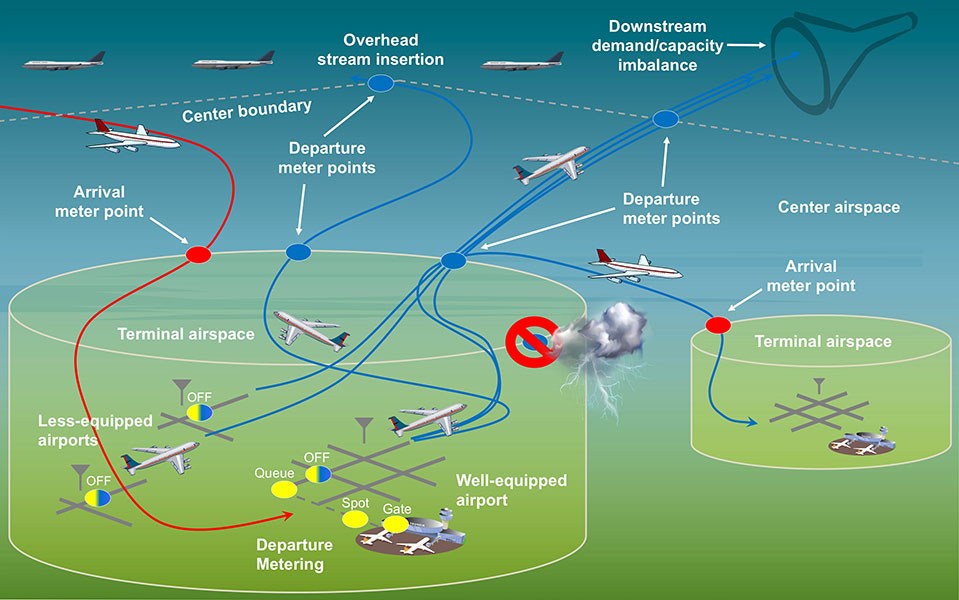
The Airspace Operations Laboratory (AOL) participated in a multi-lab effort and a field evaluation of the integration of a number of tools that comprises the Airspace Technology Demonstration 2 (ATD-2) system. ATD-2 was an ambitious NASA project which, in collaboration with the Federal Aviation Administration (FAA), air carriers, airports, and the general aviation community, aimed to integrate multiple concepts and technologies to enable integrated arrival, departures, and surface (IADS) operations in a metroplex environment. The AOL’s role was specialized in evaluating airspace solutions and human factors from an operational stand-point.
Crew Activity Tracking System (CATS)
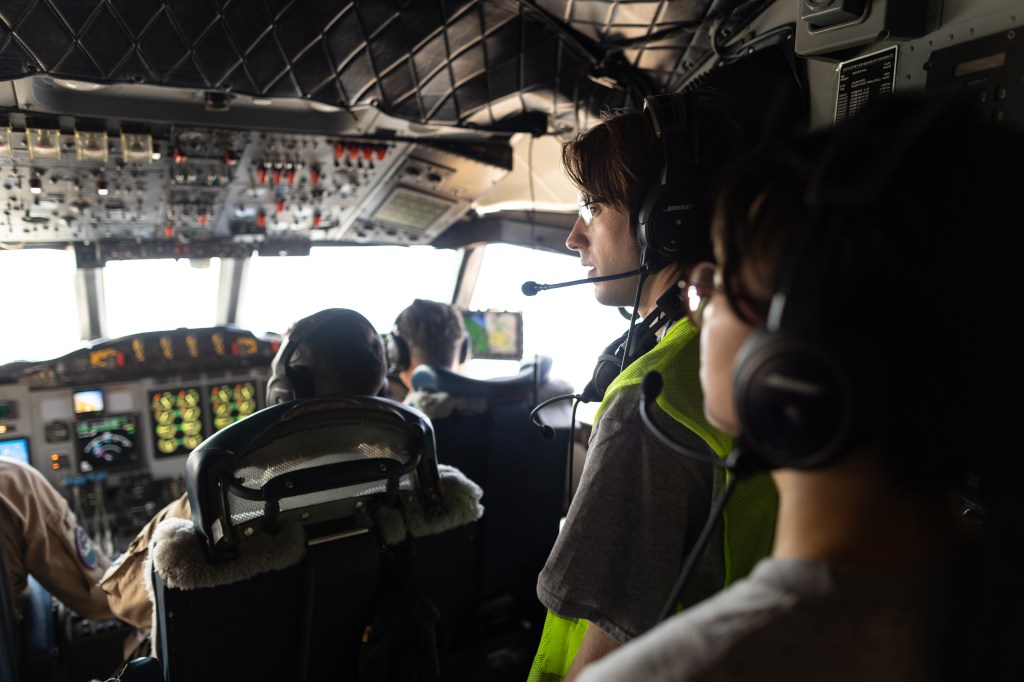
The Crew Activity Tracking System (CATS) was developed to track human operator activities in order to detect deviations from correct operations that may impact the safety of complex systems. It supports visualization and analysis of operator-caused deviations and the context surrounding them. CATS has a computational hierarchical model of the preferred way to control the system. With data about the current state of the system and constraints on its behavior, CATS generates a representation of the current operational context and predicts operator activities according to its model.
CTAS-FMS Integration, 2002 (CFI'02)
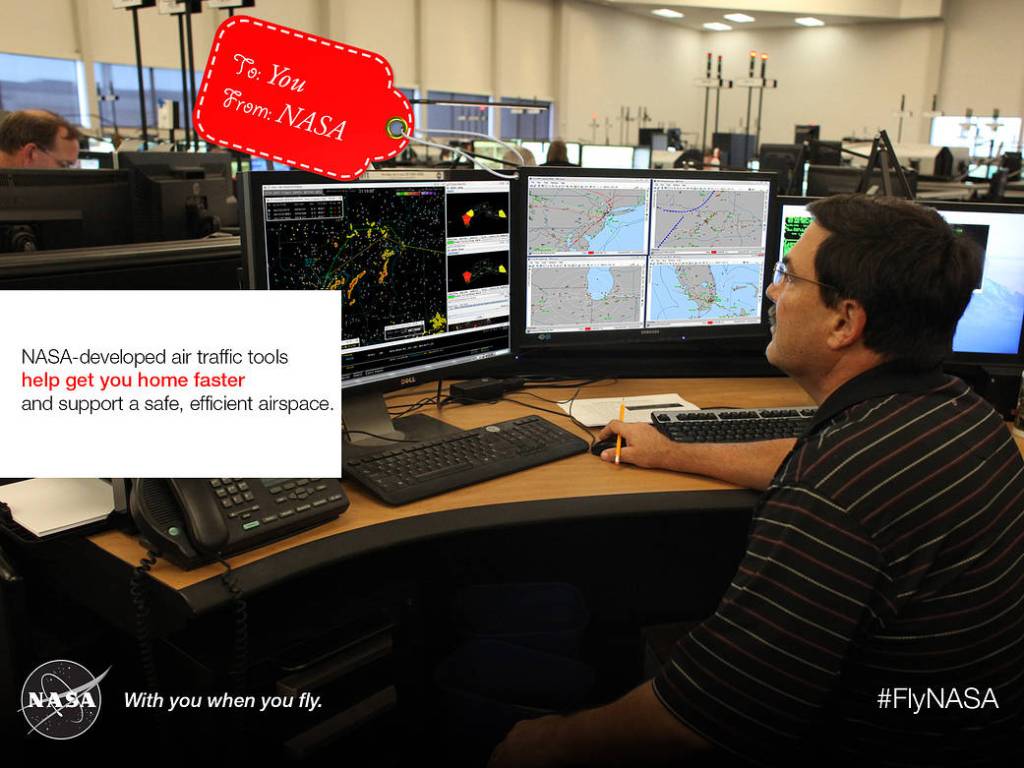
CFI'02 compared a sector-oriented approach to arrival flow management to a candidate trajectory-oriented approach. The sector-oriented approach was based on the existing 2002 operations for handling arrival traffic in a time-based metering situation. The trajectory-oriented approach provided advanced tools for the controller and introduced a more active interaction with the traffic management coordinator (TMC). These additions helped to manage an arrival flow from a broader perspective, helping controllers, especially controllers in upstream sectors, to use strategic clearances to improve the downstream flow at the meter fix merge.

Distributed Air Ground Traffic Management (DAG-TM)
NASA developed the DAG-TM concept to distribute decision-making responsibilities among flight deck crews, air traffic service providers, and operational control facilities. The initiative emphasized a human-centered operational approach and aimed to increase National Airspace System (NAS) capacity by enhancing user flexibility and efficiency while maintaining air traffic management requirements. The principles of the DAG-TM concept—designed for gate-to-gate operations beyond 2015—have informed and were implemented as part of the FAA’s Next Generation Air Transportation System (NextGen).

Functional Allocation
In conjunction with NASA Langley Research Center, NASA's Airspace Operations Lab investigated issues and ideas for allocating separation assurance functions to meet the future air transportation needs. A separation assurance system primarily performs the functions necessary to ensure that aircraft remain safely separated from other traffic. Such a system is also simultaneously concerned with the avoidance of severe weather, the conformance of flights to a variety of operational constraints, and the overall expeditious flow of traffic from origin to destination.
High Density Vertiplex (HDV)
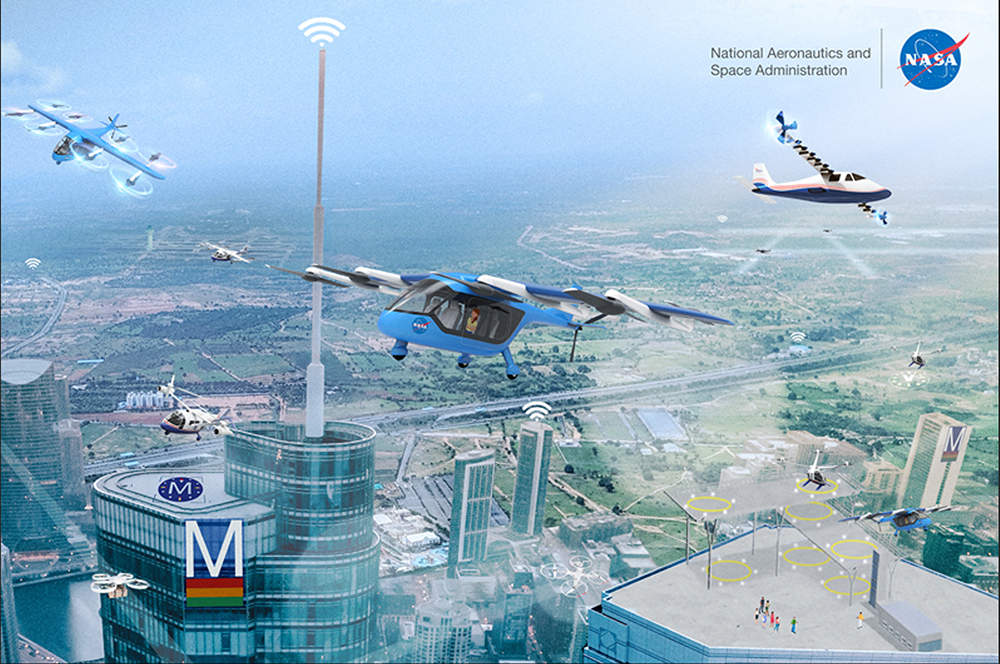
The High Density Vertiplex (HDV) project was responsible for the development and evaluation of a reference automation architecture that addresses scalable and efficient aircraft operations, flight and airspace management procedures, and vertiport operations in high density vertiplex environments. Aircraft-airspace-vertiport automation technology was integrated and matured to support three main use cases: (1) automated landing, (2) automated merging and spacing, and (3) automated contingency decision making.
Integrated Demand Management
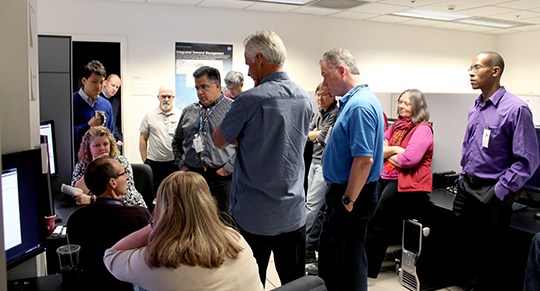
AOL researchers led the development of the Integrated Demand Management concept for operational integration of two of the FAA's NextGen decision support systems to improve capacity-constrained arrival operations in the National Airspace System (NAS). The AOL's human-in-the-loop (HITL) simulation platform was used to engage stakeholders in the development and evaluation of new methods and procedures for using Traffic Flow Management System (TFMS) initiatives to strategically precondition traffic for the more tactical Time-Based Flow Management (TBFM) system.

Multi-Sector Planner
The Federal Aviation Administration (FAA) investigated a concept that introduced a new multi-sector planner (MSP) position within air traffic operations. A key research issue was the determination of roles and responsibilities of the MSP in relation to the current controller and traffic management teams. The AOL worked closely with the FAA in developing, and evaluating technologies, and operational procedures to assess the impact of this new team concept on future airspace operations.
Dynamic Airspace Configuration (DAC)
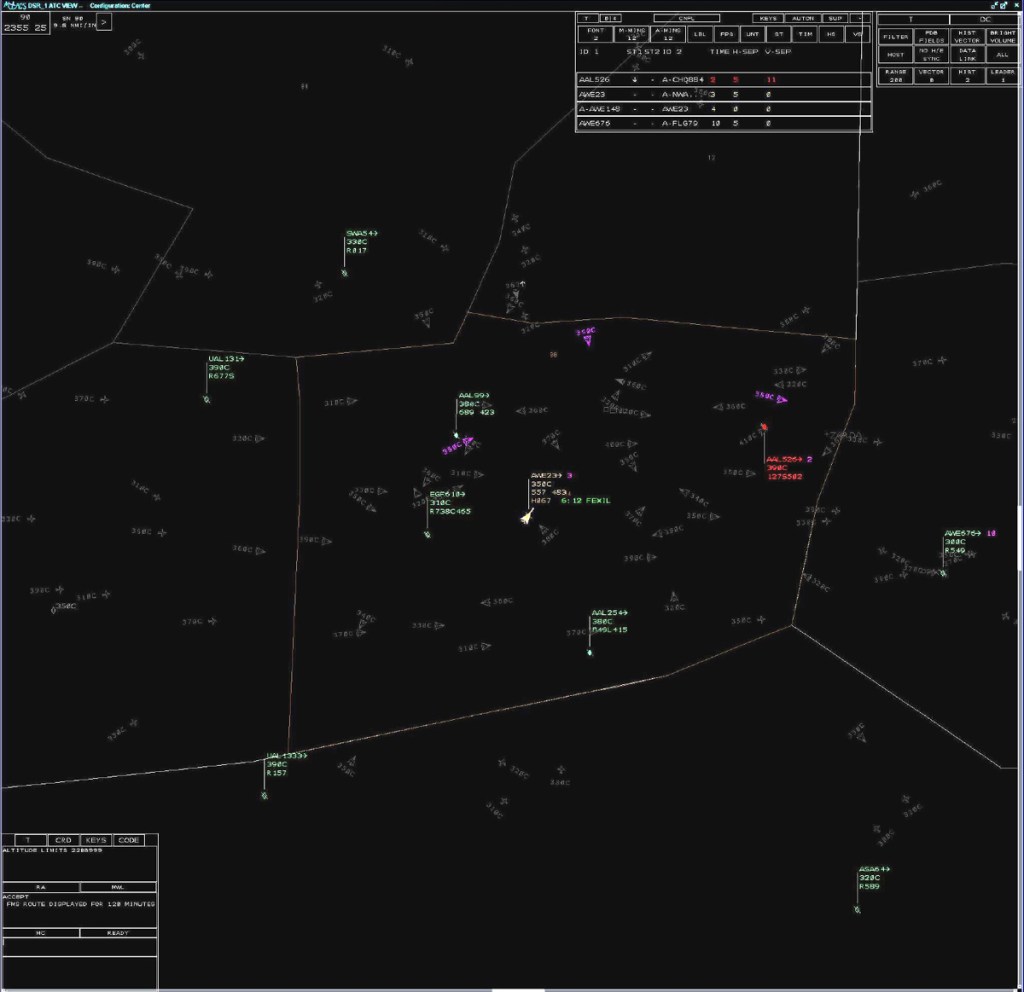
Dynamic Airspace Configuration (DAC) was a new operational paradigm that proposed to migrate from the existing structured, static airspace to a dynamic airspace capable of adapting to user demand while meeting changing constraints of weather, traffic congestion and complexity, as well as a highly diverse aircraft fleet. DAC research consisted of three major components: 1) the overall organization of the airspace; 2) dynamically changing airspace to meet the demand; and 3) a generic airspace characterization.

New York Operational Improvements
The New York area airspace is notoriously complex and demanding, and is responsible for a large portion of the delays and congestion in the United States. A new research effort was initiated to examine the chronic problems associated with New York, and to develop integrated NextGen concepts that leveraged existing NASA and other NextGen technologies to reduce delays, increase throughput, and/or improve trajectory efficiencies in this region. AOL researchers identified the bottlenecks which were causing delays and then developed an integrated operational concept that addressed each issue before evaluating the concept in a human-in-the-loop (HITL) simulation.
Operational Airspace Sectorization Integrated System (OASIS)
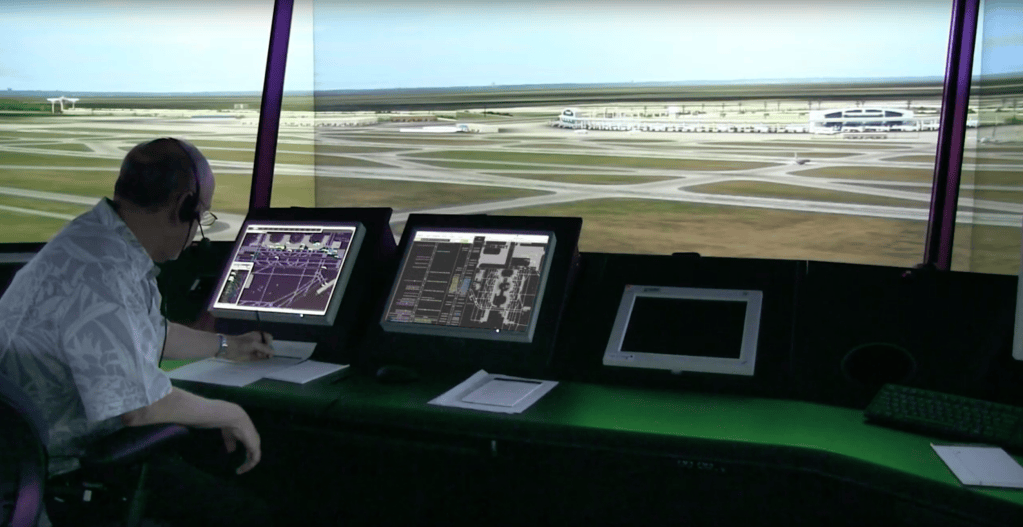
The Operational Airspace Sectorization Integrated System (OASIS) tool assisted Area Supervisors in their planning of sector combine/decombine operations as well as opening/closing of Data-side (D-side) control positions. These advisory solutions were tailored to the predicted traffic demand over a period of 3-4 hours.

SOAR
This research focused on how to support air traffic controllers in safely and efficiently managing arriving and departing aircraft that are flying in shared airspace. In metroplex environments, efficiency and delays can be further compromised by the density and complexity of operations. A metroplex is defined by the Joint Planning and Development Office (JPDO) as an area with high traffic demand served by two or more airports with arrival and departure operations that are highly interdependent. Metroplex interdependencies stem from different traffic flows sharing common fixes, paths or airspace volumes within the metroplex airspace.
Unmanned Aircraft System (UAS) Traffic Management (UTM)
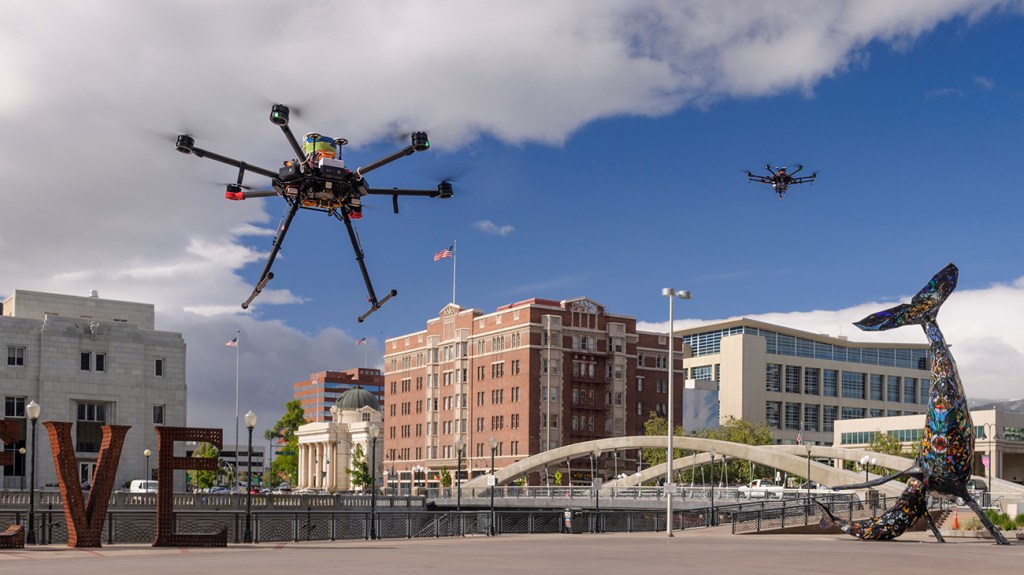
In collaboration with industry leaders, academia, and government groups, the AOL was responsible for the simulations and human/system integration research focus areas and played a vital role in developing requirements needed to safely and efficiently integrate low-altitude UAS operations into the National Airspace System (NAS). Various extensions of the AOL's UTM work were also conveyed into projects such as Scalable Traffic Management for Emergency Response Operations (STEReO) and Federal UAS Service Supplier (FUSS).
Personnel
NASA Scientists
- Yasmin Arbab, M.S.
- Lucas Cusano, M.S.
- Jolene Feldman, M.A.
- Gita Hodell, M.A.
- Jeff Homola, M.S.
- Vimmy Gujral, B.S.
- Paul Lee, Ph.D.
- Lynne Martin, Ph.D.
- Joey Mercer, M.S.
- Faisal Omar, M.S.
- Lauren Roberts, M.A.
Research Associates
- Debbie Bakowski, M.A.
- Connie Brasil, M.S.
- Michele Cencetti, Ph.D.
- Eric Chevalley, Ph.D.
- Kevin-Christian Garzon Galindo, Dipl. Ing
- Darius Mahasin
- Carmen Roberts
- Abhinay Tiwari, M.S.
Systems Administrators
- Latha Balijepalle
- Duke Ho
Software Developers
- Stefan Baldin
- Bill McCarty
- Mark Snycerski
- Charles Walter, Ph.D.
Contact Us
Jeffrey Homola- jeffrey.r.homola@nasa.gov, 650-604-4603
Joey Mercer- joey.mercer@nasa.gov, 650-604-0017