


















Human-Computer Interaction Branch
The NASA Ames Human-Computer Interaction (HCI) Branch contributes to the development of measurably better NASA software through careful application of HCI methods. We follow an iterative process that consists of user research, interaction design, and usability evaluation. It is commonly assumed that HCI is exclusively focused on interface design. However we are also focused on the users and their goals in order to build the right tool for NASA, which means that we are focused on functionality as well as interface.
Mixed-initiative planning
Planning for space operations is complex and requires consideration of many kinds of information. Tools built to support planning must balance power and usability, and must offer some level of integration with other tools and information sources that support a mission.
Collaborative decision-making
We study how to build tools to manage data, facilitate communication, and support decision making in the aerospace domain. We place a particular emphasis on understanding how decision support systems can be integrated with the various processes and organizational structures present at NASA.
New concepts in HCI for aerospace and planetary exploration
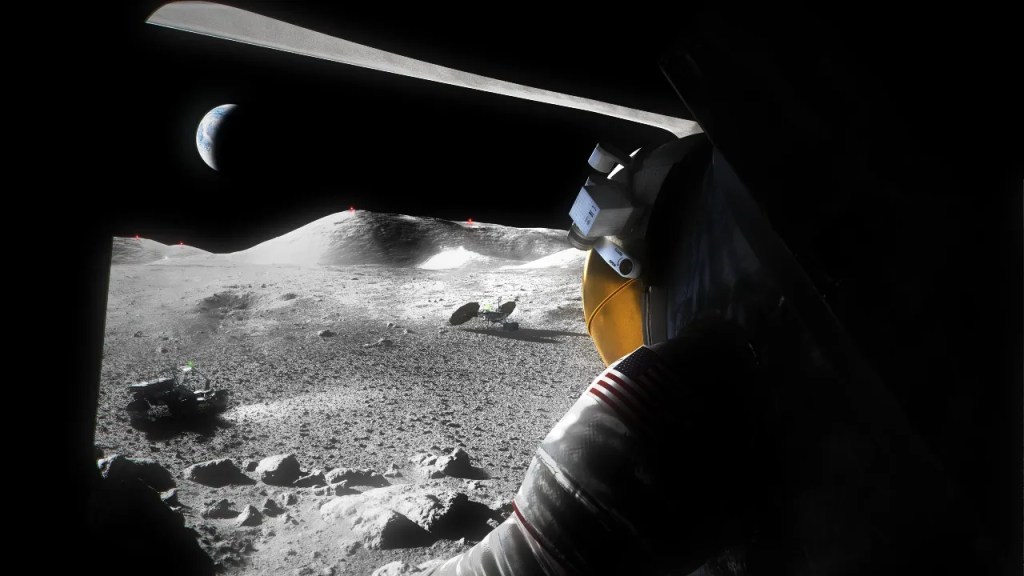
In collaboration with Carnegie Mellon University, we explore emerging technologies and concepts that may shape the future of deep space exploration. Example domains include: Human Performance Modeling, Wearable Computing, Human-Robot Interaction, and Planetary Operations.
Current Projects
- CPIDS (Cross-Program Integrated Data System)
- SPIFe (Scheduling and Planning Interface for Exploration)
- EIO (Earth-Independent Operations)
Deputy Division Chief/Branch Chief/Contact
Elizabeth Wagstaff- elizabeth.wagstaff@nasa.gov