



















News Archive
Below you will find an archive of recent news and highlights from NASA’s Human Systems Integration Division.
Human-Computer Interaction
The Crew Health and Performance Exploration Analog (CHAPEA) Mars Analog, Supported by Playbook, Surpasses 300 Mission Days
9/1/26
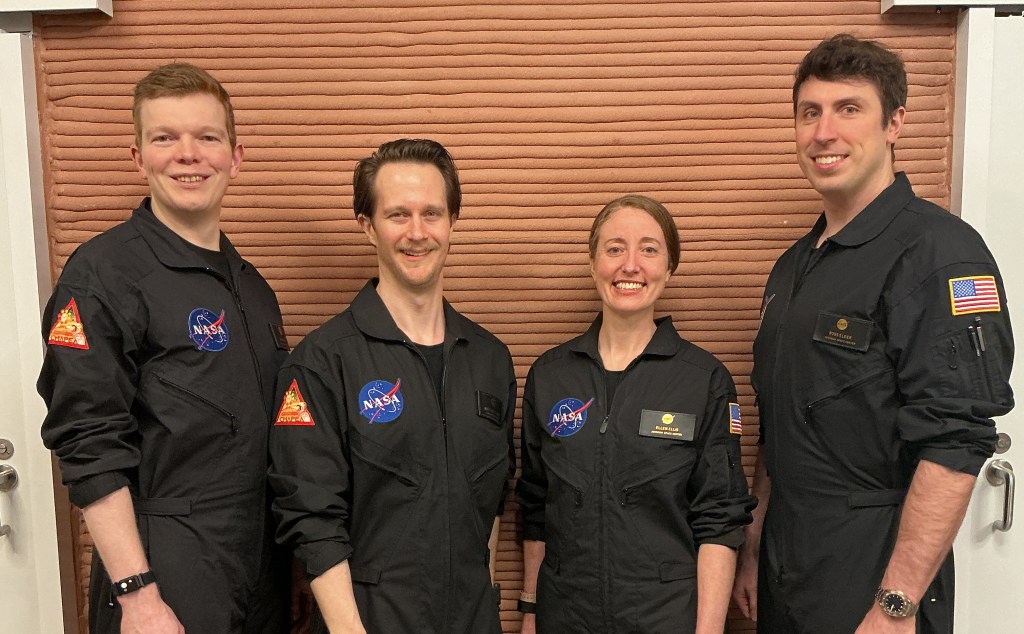
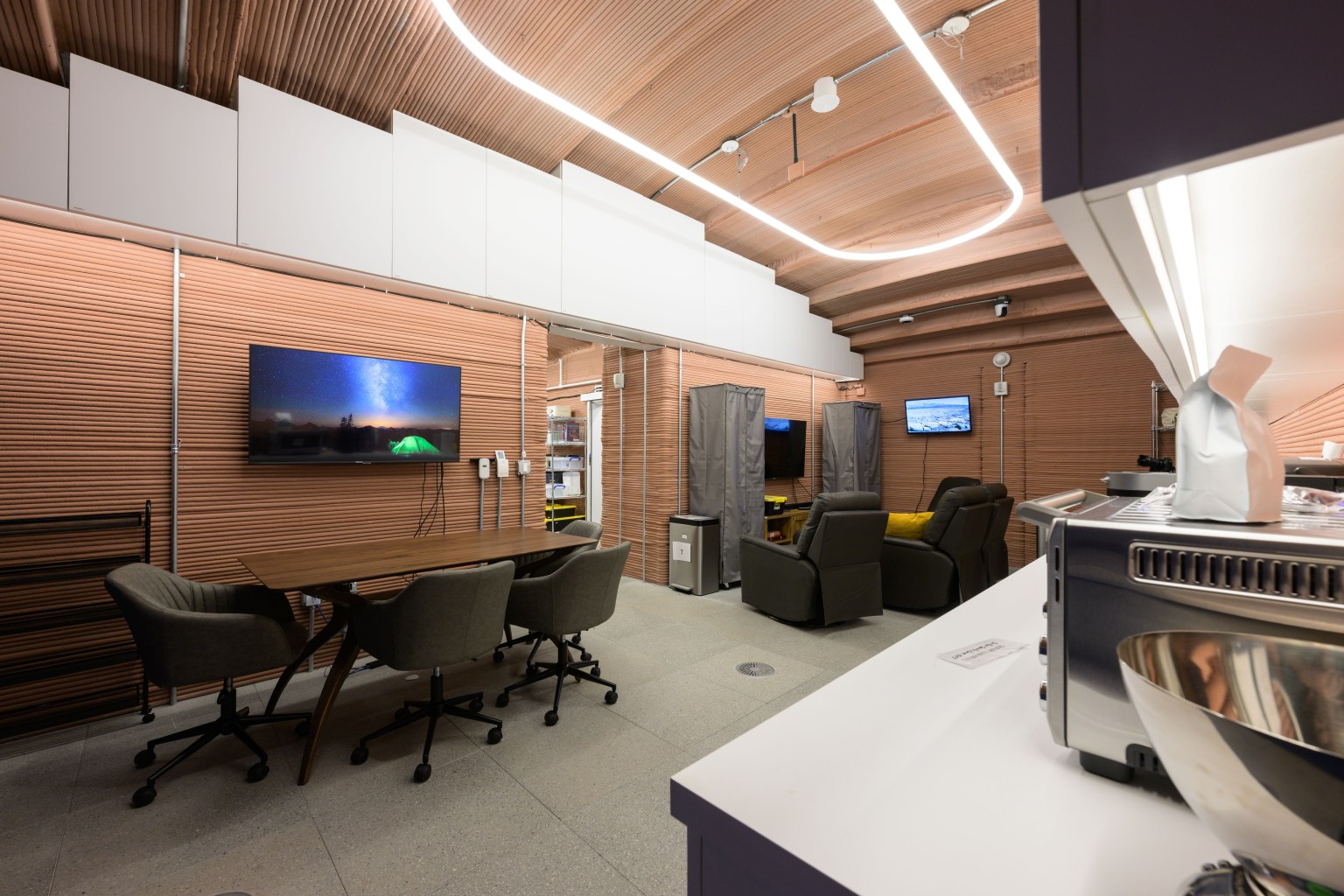
On August 15, Mission 2 of the Crew Health and Performance Exploration Analog (CHAPEA) at NASA Johnson Space Center successfully crossed the 300-day mark of its year-long, simulated Mars mission. Behind the scenes, the Human-Computer Interaction (HCI) Group at NASA Ames continues to support the mission with Playbook, enabling the Mission Control Center (MCC) and crew to plan and execute their schedules. Throughout the mission, the Playbook team has deployed iterative software improvements to enhance the application’s performance, given the long duration and high activity density of the mission plan.
Looking ahead to late September, the simulation will enter an exciting new phase by transitioning to Martian time, where each Martian day is extended to 24 hours and 40 minutes. Adapting to this unique planetary cycle will mark the first time that Playbook has supported a non-24 hour shift. The mission will remain in Martian time until the crew egresses and concludes the mission on October 31, mission day 377.collaborative evaluation demonstrated the team’s technical leadership and innovation. Winning this award highlights the AOL team’s impact on shaping future concepts and capabilities for the National Airspace System.
High Airspace Traffic Management
Airspace Operations Laboratory Researchers and Higher Airspace Traffic Management Team Recognized for High‑Altitude Traffic Management Innovation
6/8/26
The NASA Air Traffic Management eXploration (ATM‑X) Project’s Opening Upper Class E: High Airspace Traffic Management Collaborative Evaluation earned top honors by winning the “Seamless Skies for All” category at the Seamless Skies Awards on May 26. This achievement recognizes the project’s significant contributions to advancing airspace management and enabling more efficient, safe, and integrated high‑altitude operations.
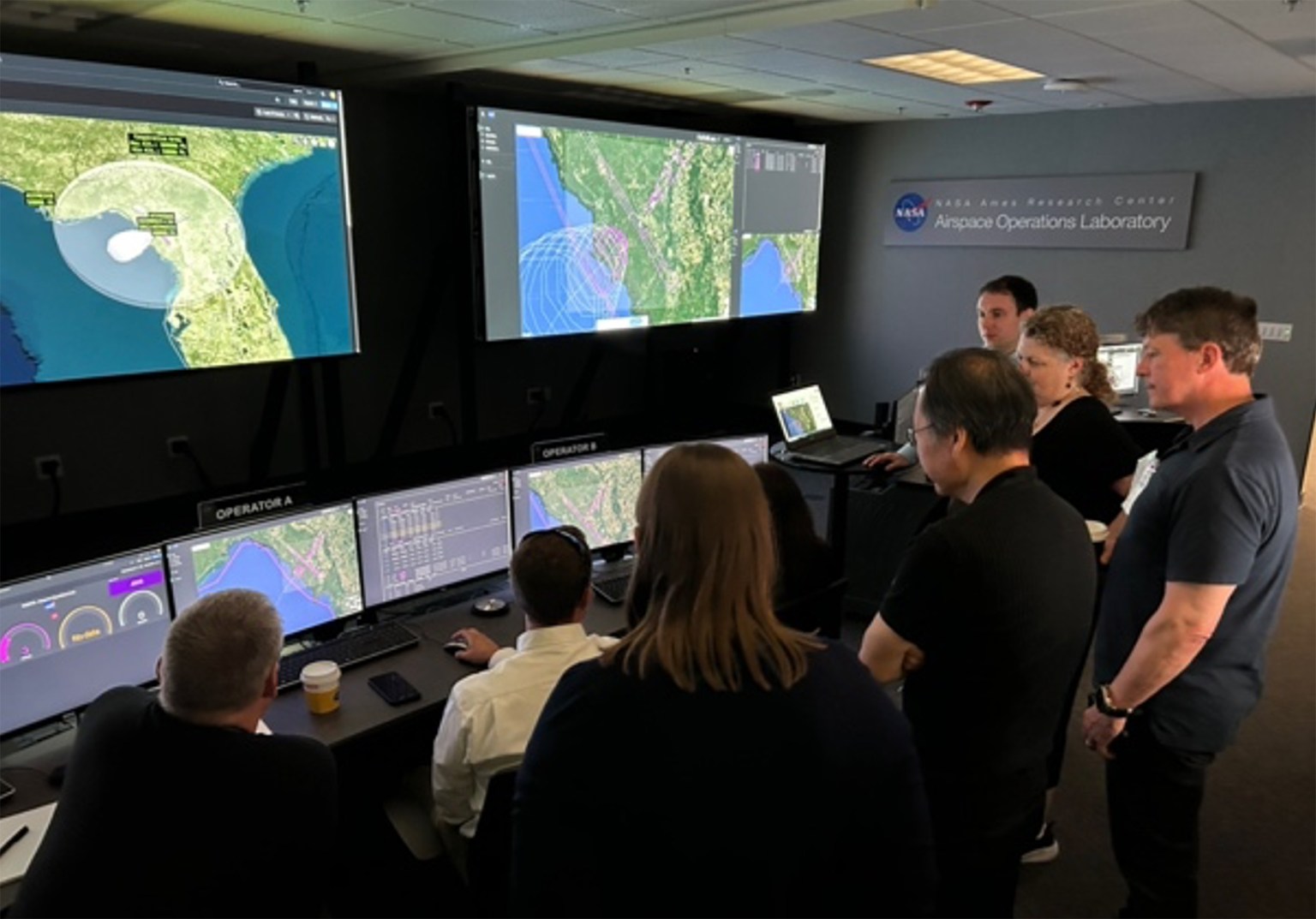
The Human Systems Integration Division’s Airspace Operations Laboratory (AOL) played a central role in this accomplishment. The team designed and executed a real‑time simulation environment that allowed multiple high‑altitude platforms—such as long‑endurance balloons, airships, and fixed‑wing solar‑powered vehicles—to operate within a shared digital ecosystem. Their work integrated live flight data with simulated position and intent information and used automated conflict‑detection tools to manage dynamic traffic in upper airspace.
Conducted in summer 2025 with participation from industry partners, the Federal Aviation Administraion (FAA), and Department of War (DoW) observers, the collaborative evaluation demonstrated the team’s technical leadership and innovation. Winning this award highlights the AOL team’s impact on shaping future concepts and capabilities for the National Airspace System.
Aviation Safety
NASA’s Aviation Safety Reporting System (ASRS) Celebrates 50 Years
5/21/26
April 15th, 2026 marked the 50th anniversary of the NASA Aviation Safety Reporting System (ASRS) operated by NASA Ames Research Center since 1976. In that time, ASRS has received more than 2.3 million voluntary, confidential reports describing safety issues, near misses, and close calls from aviation professionals across the national Airspace System (NAS) including pilots, air traffic controllers, dispatchers, cabin crew, maintenance technicians, ground operations, and drone operators.
ASRS receives more than 350 reports a day. A small team analyzes each one and works to rapidly share urgent safety information with the aviation community. ASRS highlights emerging issues, shares best practices, and thereby helps prevent future accidents through a variety of communication products including safety alerts, monthly teleconferences, newsletters, analyses, and a public database of reported aviation incidents.
ASRS data informs research and development efforts across NASA and government agencies including the Federal Aviation Administration (FAA) and the National Transportation Safety Board (NTSB). Its insights have contributed to decades of human factors research on a vast array of topics such as Crew Resource Management, Pilot-ATC communication, checklist design, pilot decision making, fatigue management, low visibility landing and surface operations, automation management, and the integration of Unmanned Aircraft Systems in the NAS.
ASRS data also support FAA regulation, policy, procedures, and initiatives such as airspace classification, runway incursion mitigation, and Notice to Air Missions (NOTAM) modernization. The NTSB values the insights gleaned from ASRS reports to inform accident investigations and develop mitigations to prevent future accidents. ASRS data have been used to monitor the safety impacts of emerging risks such as COVID-19, 5G Interference, and commercial space launches.
Artemis II Mission
The Human Systems Integration Division Provides Multiple Contributions to the Artemis II Mission and Launch
4/8/26
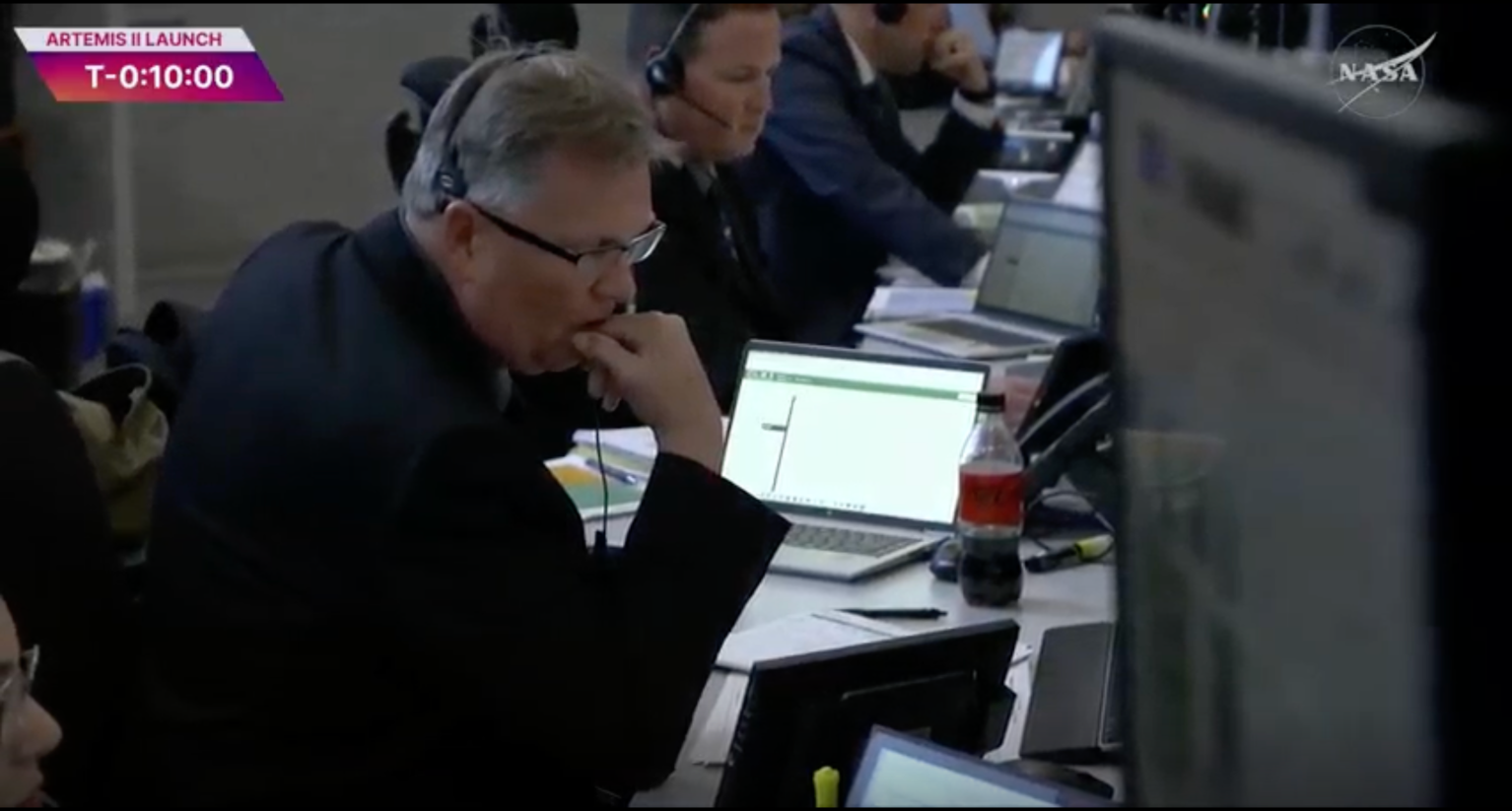
The Human Systems Integration Division at NASA Ames Research Center has been heavily involved in multiple aspects of NASA’s Artemis II mission and launch, contributing critical software support to mission operations personnel, safety support via fatigue countermeasures and ongoing on-site observational research during the mission.
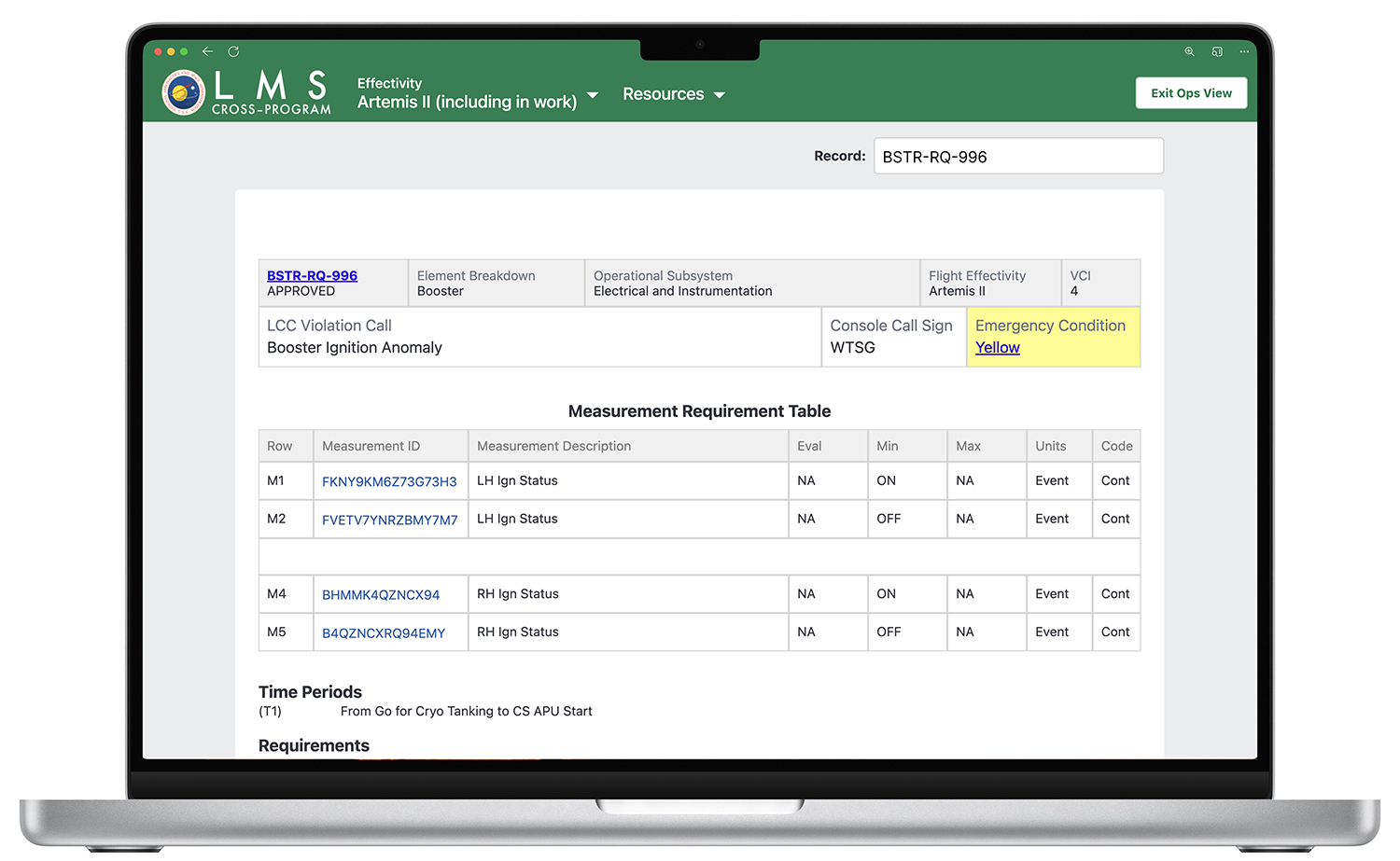
The Cross-Program Integrated Data System (CPIDS) team, part of the Human-Computer Interaction Group (HCI), developed a collection of software solutions that provided real-time support for Artemis II launch operations and mission support personnel. Two CPIDS applications, the Launch Commit Criteria Management System (CP-LMS) and the Cross-Program Operations and Maintenance Requirements and Specifications Management System (CP-OMS), contributed to a successful launch by allowing launch support personnel at Kennedy Space Center to quickly monitor and troubleshoot any pre-launch anomalies. Several other CPIDS tools will continue to be used throughout the duration of the Artemis II mission to track in-flight anomalies, identify items for investigation, and provide immediate access to schematics of the Orion capsule.
Of course, these tools will provide the most benefit when their human operators are able to perform at an optimal level. In the lead-up to the Artemis II launch, the Human Systems Integration Division’s Fatigue Countermeasures Laboratory provided guidance to mission personnel and the Artemis II astronauts around sleep schedules and other circadian rhythm-related issues which may affect their performance during the complex and strenuous 10-day mission.
Finally, to study and collect as much data as possible from the Artemis II mission, several Human Systems Integration Division researchers were deployed to Johnson Space Center to conduct observational research on anomaly recording, data analysis, and real-time decision-making. These observations will assist with further refinement and improvement of the Division’s support for future NASA missions.
Air Traffic Management/Wildfire Response
Airspace Operations Laboratory Researchers Present and Moderate Discussions at the ACERO Workshop
1/29/26
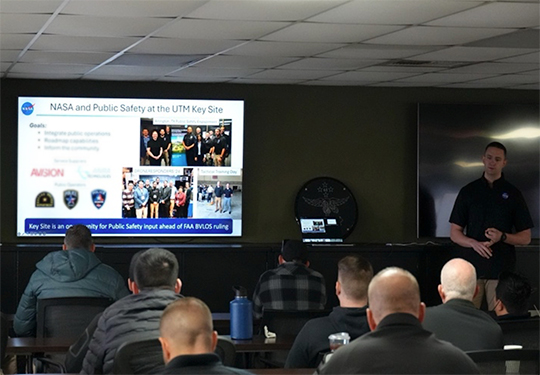
Members of the Human Systems Integration Division’s Airspace Operation Laboratory (AOL) presented research materials and moderated knowledge elicitation sessions at the ACERO Post-TCL1 Technology Transfer and UTM BVLOS Workshop on January 27, 2026. The workshop brought together NASA, the Federal Aviation Administration (FAA), industry partners, and public safety stakeholders for a full day of in-person activities at NASA Ames Research Center.
ACERO team members had an in-depth exchange on research outcomes and operational pathways following the completion of Technical Capability Level 1 (TCL1). The workshop opened with program-level context on the TCL framework and ACERO objectives, followed by detailed briefings on the Portable Airspace Management System (PAMS) system, including flight test results, and performance analysis.
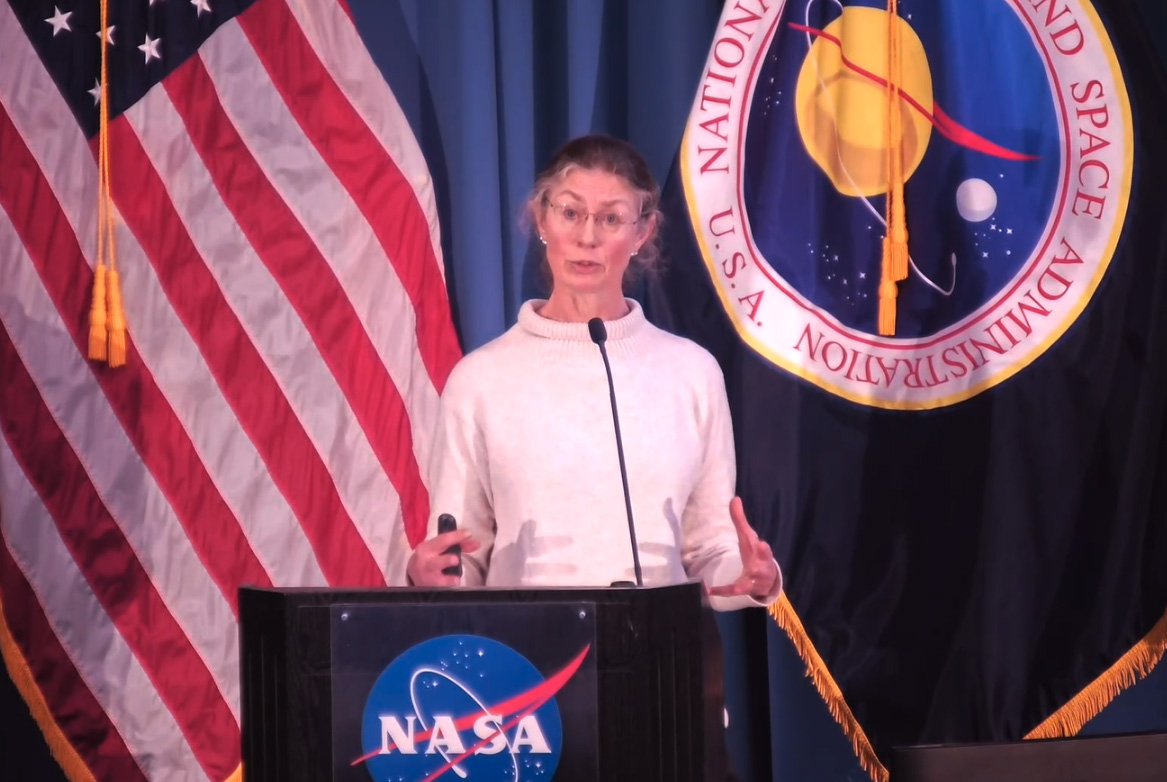
Dr. Lynne Martin was on hand to present details of the human factors research that they have been conducting in the field with wildland fire response teams from multiple agencies. Afternoon presentations framed Unmanned Aircraft System Traffic Management Beyond Visual Line of Sight (UTM BVLOS) operations within the broader UTM ecosystem, covering public safety integration, key sites, and emerging regulatory pathways. The interactive breakout sessions included focused discussion on topics such as strategic deconfliction, conformance monitoring, and operational priority. The workshop concluded with synthesis of breakout findings, open discussion of upcoming opportunities, and closing remarks reinforcing collaboration toward safe, scalable BVLOS and emergency response operations.
Human-Computer Interaction
NASA Playbook Provides Mission Planning Support as CHAPEA Mission Reaches 100-day Milestone
1/28/26
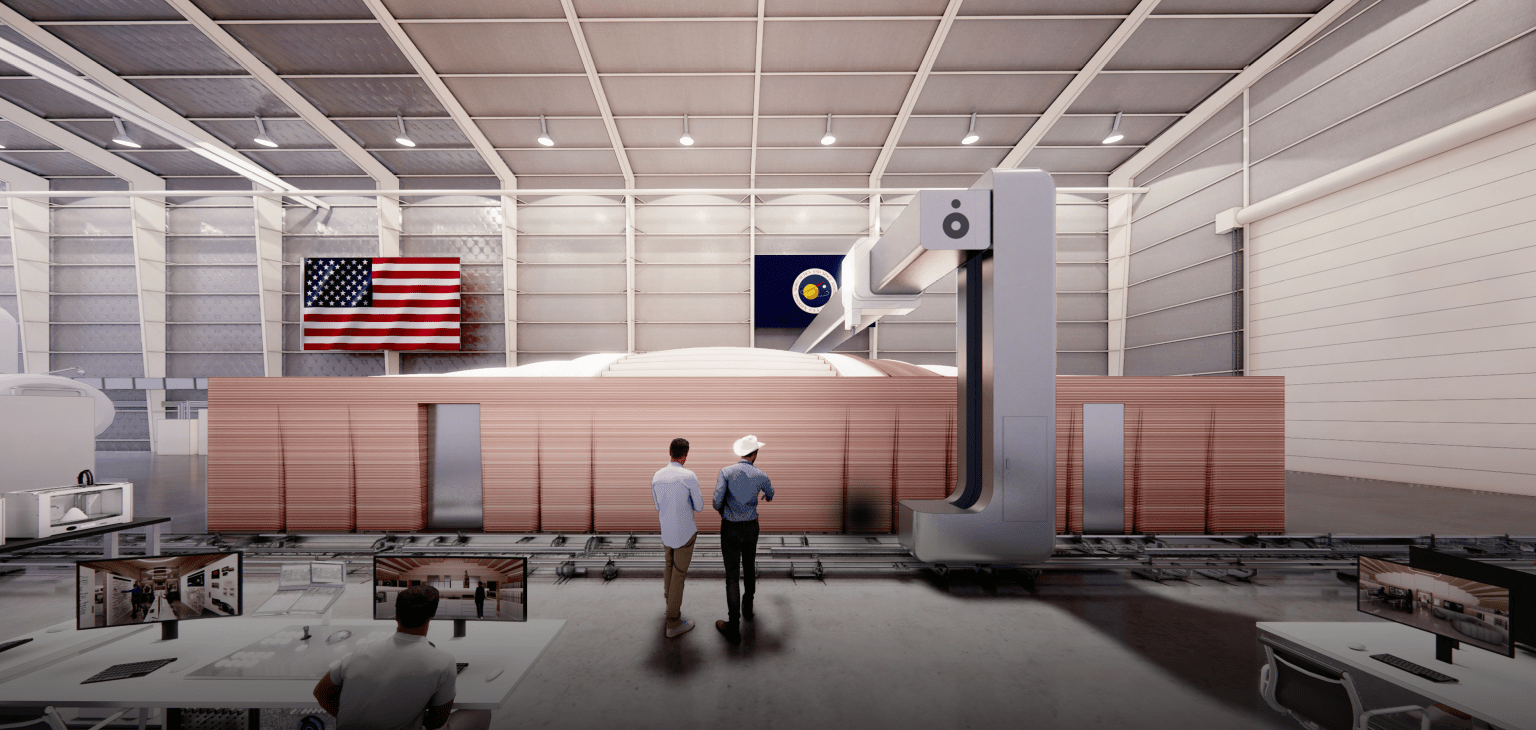
The Crew Health and Performance Exploration Analog (CHAPEA) research team at NASA Johnson Space Center is conducting a series of missions to simulate a year-long stay on Mars. Data collected during these missions will allow NASA researchers to study potential food system design, resource management, and other potential effects on physical and behavioral health and performance. Each mission will consist of four crew members living in the CHAPEA habitat, an isolated 1,700 square foot habitat.
In collaboration with this project, NASA Ames’ Human-Computer Interaction (HCI) Group provides the mission software Playbook tool that enables planning, scheduling, and execution of crew timelines. Additionally, Playbook provides the essential capability of a multimedia chat interface that simulates the long communication latencies expected on Mars (up to 22 minutes delay). This is also the first time Playbook has supported timelines of this length, supporting search of hundreds of messages and activities – a new technical achievement for the software.
Higher Airspace Traffic Management
Human Systems integration Division Researcher Briefs on NASA Efforts in Higher Airspace Traffic Management
12/9/25
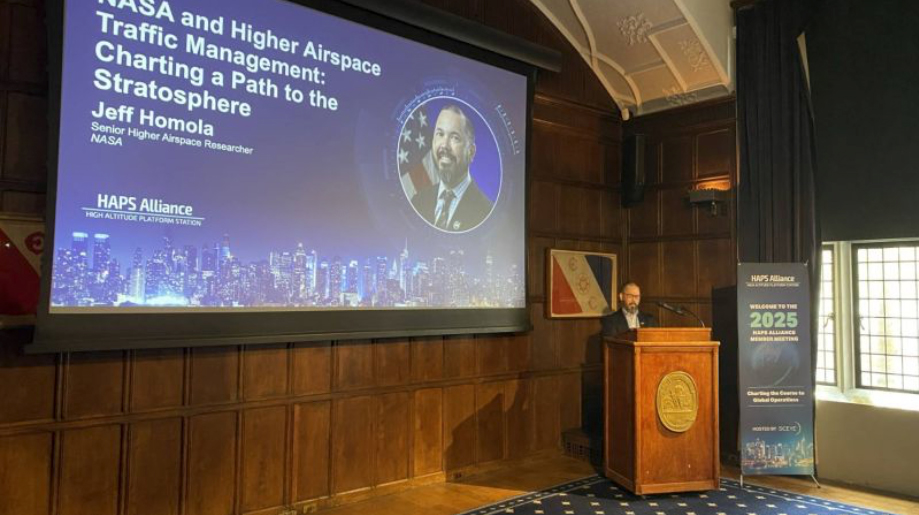
On November 20-21, 2025, Human Systems Integration Division researcher Jeff Homola participated in the High Altitude Platform Systems (HAPS) Alliance Member Meeting in New York, NY. This meeting is the premiere industry event for higher airspace operators, associated technologies, and government stakeholders. Given NASA’s leading role in the research on integrating these unique aircraft into the airspace and the Human Systems Integration Division’s central role, Jeff attended and presented at the member meeting to brief attendees on NASA’s recent accomplishments and potential paths ahead. Much of this briefing focused on the successful real-time simulations that were conducted this past summer with partners Aerostar (Aerostar International LLC), Sceye, and AV utilizing the NASA-developed Higher Airspace Traffic Management architecture.
The impact of participating in this meeting was: 1) the continued solidification of NASA and US leadership in the approach to airspace integration in domestic and international airspace; and 2) define key points of reference and identify emerging needs with current and new collaborative stakeholders in charting a path toward operational implementation of new higher airspace technologies.
Aviation Safety
NASA Paper Titled “Measuring Monitoring Skills Using Crew Briefing Task” Receives Best Paper Award
12/5/25
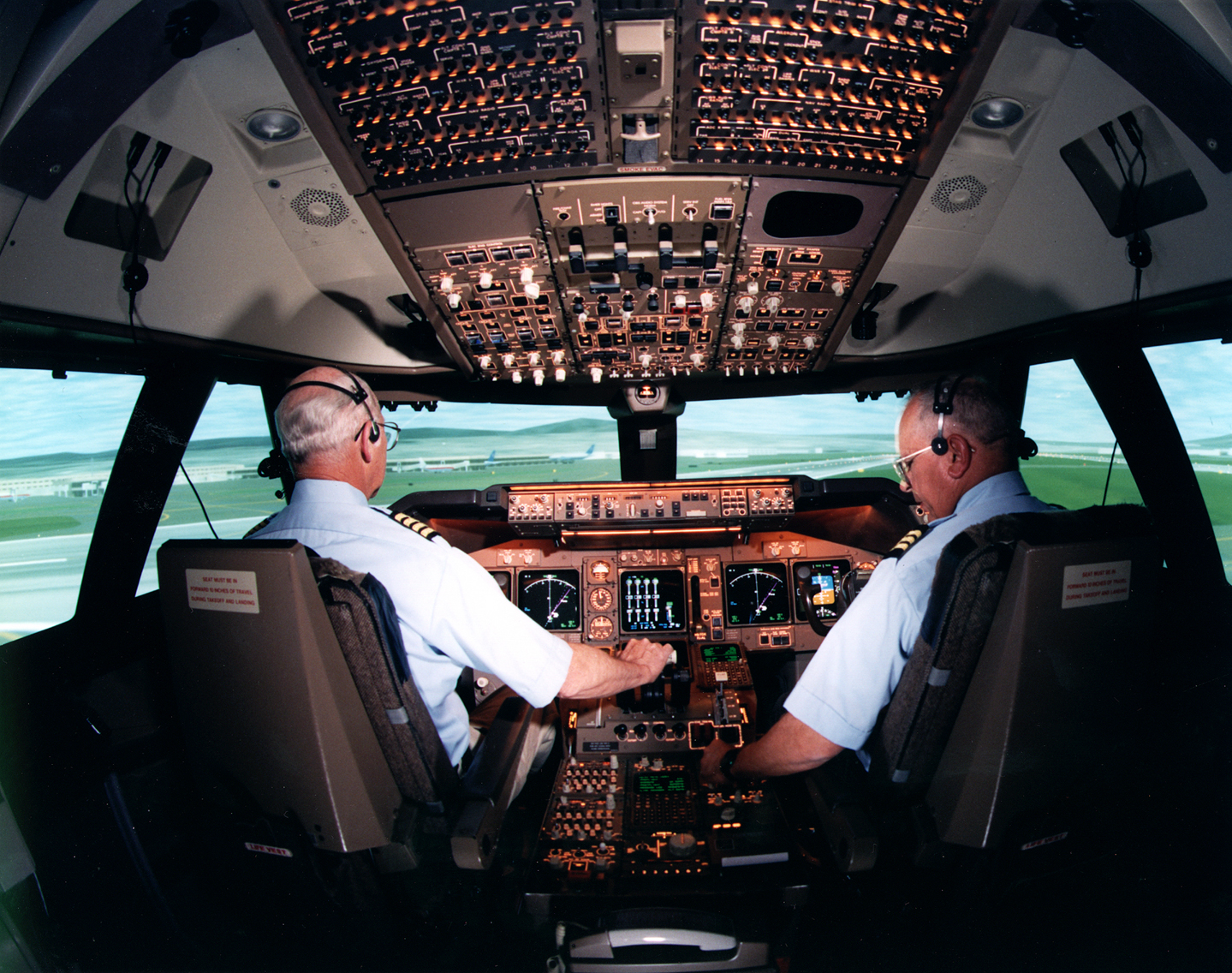
A paper written by researchers (Dorrit Billman, et.al.) in NASA’s Human Systems Integration Division won the “Best Paper” award for the Aerospace Systems Technical Group at the 2025 Human Factors and Ergonomics Society annual meeting. The paper, titled “Measuring Monitoring Skills Using Crew Briefing Task”, sought to address the issue of inadequate monitoring, and its contribution to aviation accidents and incidents over the years. NASA researchers were able to mitigate some of these risks by identifying the skills and knowledge needed for effective anticipatory monitoring and improving the training and assessment requirements to do so.
The work was supported by the Human Contribution to Safety group within the System-Wide Safety Project. It presented methods for online measurement of anticipatory monitoring using a briefing task that assessed the effectiveness of an on-line tutorial developing anticipatory monitoring skills. The monitoring skill takes on additional importance when projecting behavior of automated systems adds to the monitoring burden. The research provides new data types and develops practical, effective methods for improving and measuring monitoring.
Human-Computer Interaction
The Cross-Program Integrated Data System (CPIDS) lab enables Artemis II Waiver/Deviation Tracking
12/2/25
The Cross-Program Integrated Data System (CPIDS) is a collection of digital solutions developed and managed by the Human-Computer Interaction (HCI) group in the Human Systems Integration Division at NASA Ames Research Center. These tools have facilitated data sharing across disparate computer systems and provided NASA with an interconnected set of data which can enable reliable decision support across a geographically and organizationally diverse workforce. Together, these tools have played an integral role in ensuring crew and vehicle safety for human spaceflight missions, and will support ongoing NASA missions, such as the upcoming Artemis II mission.
Recently, the CPIDS lab delivered an important update to the Moon to Mars (M2M) Baseline Integration application to incorporate requirement waiver/deviation lifecycle status tracking. This change enables M2M Systems Engineering and Integration (SE&I) Leadership to make real-time decisions based on open waivers or deviations that could have a cross-program effect on the Artemis II mission. After this critical update, NASA leadership will be able to run reports broken down by impacted technical area, program, or across the entire M2M enterprise.
Aviation Safety
Dr. Immanuel Barshi’s Aviation Safety Research Featured in the Flight Safety Magazine of the Swiss Air Force
11/18/25
An article featuring the research of the Human Systems Integration Division’s Dr. Immanuel Barshi appeared in the November 2025 issue of the Swiss Air Force Flight Safety magazine. The article titled “People as the Architects of Safety” describes Dr. Barshi’s work under the Human Contribution to Safety (HC2S) subproject of the System Wide Safety (SWS) Project of ARMD/AOSP. The article describes the overall approach taken by the HC2S work and includes specific recommendations to be implemented by Air Force organizations and by individuals. Such recommendations include seeing variability as a strength rather than a threat to be controlled, creating error-tolerant structures, and promoting trust in the professional competence of employees.
The magazine which is published in both German and French concludes the article with the following: “If we want to further develop aviation safety, we must view people not as a risk, but as active producers of safety. This means putting the following into practice: A culture of learning instead of blame; A focus on improvement instead of control; Systems and processes that utilize human strengths instead of limiting them.”
Air Traffic Management
Air Traffic Management eXploration Project Conducts Airspace Ecosystem Flight w/ Collins Aerospace, Wisk Aero
9/3/2025
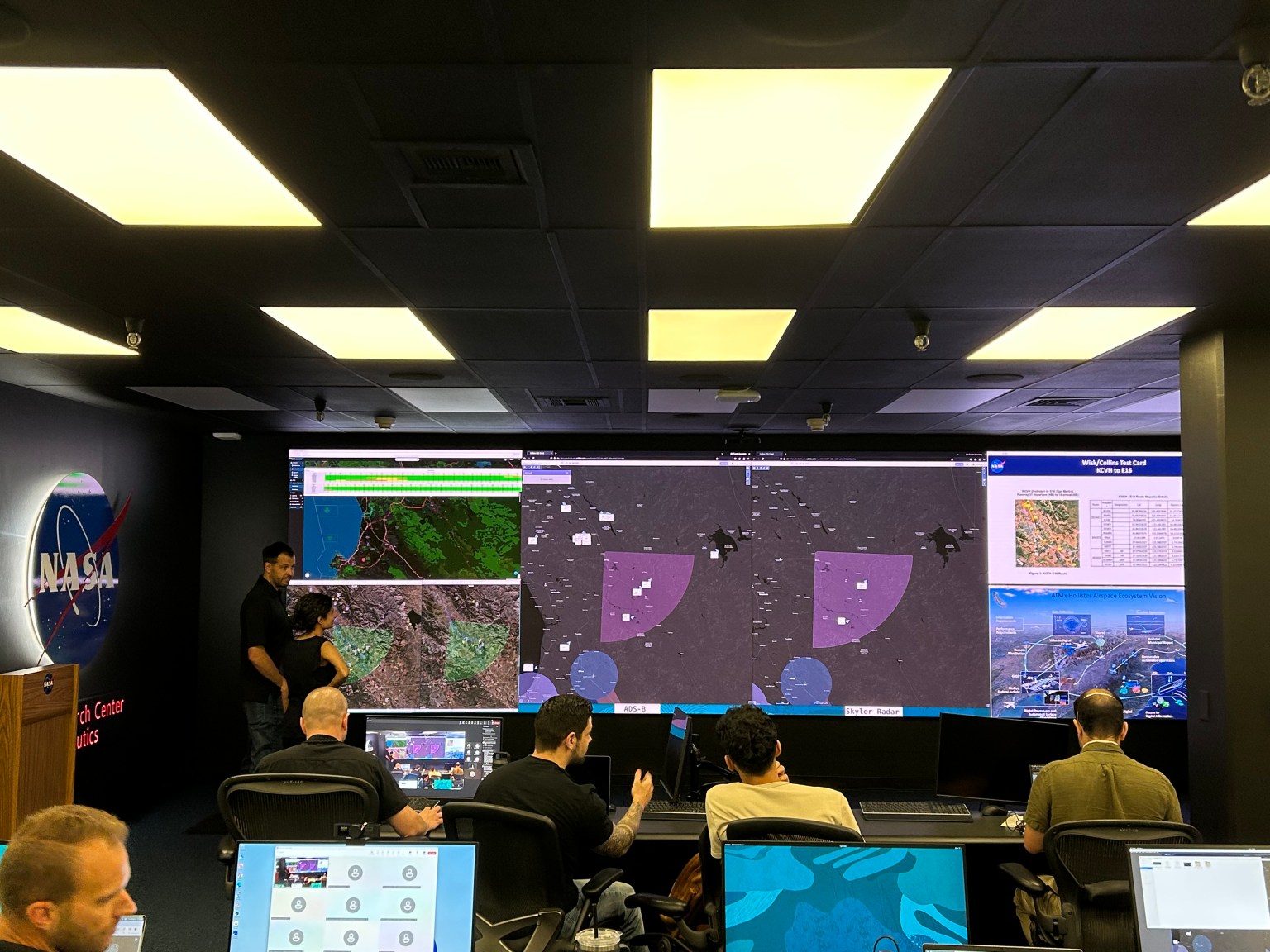
Human Systems Integration Division researchers, who are part of the Air Traffic Management eXploration (ATMx) project, partnered with Collins Aerospace and Wisk Aero to assess the use of ground-based surveillance data as a potential service to support safe, routine operations for emerging aircraft operations.
On August 21, 2025, Wisk Aero piloted their Bell 206 helicopter on a route contained within the surveillance volume of Collins Aerospace’s Skyler ground-based surveillance system just north of Hollister Municipal Airport (KCVH). Throughout this test flight, Members of ATMx, NASA Ames Aeronautics leaders, and researchers from Wisk Aero observed the flight activity from NASA Ames’ Mission Visualization and Research Control Center (MVRCC), collecting valuable data which will be used to characterize the performance of the Skyler ground-based radar and its conformance to current standards.
Ultimately, this effort will enable new entrants and communities to better understand what infrastructure is needed for lower-altitude, air taxi-like flights that can help move people and cargo around in novel ways. NASA’s history of air traffic management research provides us with the insights to be able to inform integration of these new use cases into tomorrow’s airspace.
Air Traffic Management
Collaborative Evaluation with Higher Airspace Operators Conducted in the Airspace Operations Laboratory (AOL)
8/11/2025
The Higher Airspace/Upper Class E Traffic Management (HA/ETM) team conducted its second Collaborative Evaluation with industry partners in NASA’s Airspace Operations Lab (AOL) on July 29–30th. The evaluation aimed to advance collaborative traffic management by testing system compatibility, real-time conflict negotiation, and data exchange among high-altitude operators. The high-altitude vehicle operators were Aerostar (stratospheric balloon) and Sceye (lighter-than-air high-altitude platform station); with AeroVironment (slow-speed, high-altitude, fixed-wing vehicle) also participating in discussion sessions. During three simulated flight scenarios, Aerostar and Sceye submitted operational intent and telemetry data remotely, while on-site operators visualized this information on the ETM Client. The partners explored how adjustments to volume size and duration affected conflict resolution and negotiated solutions in real-time.
Researchers and partners discussed key HA/ETM topics, including generating operational intent volumes, strategic conflict detection, vehicle maneuverability constraints, conflict negotiation strategies, and mission-specific considerations affecting conflict resolution. Feedback gathered will help develop cooperative practices for HA/ETM operations.
Representatives from the FAA, Department of Defense, and Air Traffic Control subject matter experts observed the simulations and contributed to the discussions.
The evaluation also enabled NASA to test its HA/ETM system’s ability to ingest, process, and display live flight data from an actively flying Aerostar balloon. This was a pioneering effort that demonstrated the technical feasibility of the HA/ETM concept.
Members of the AOL supported the planning and execution of this Collaborative Evaluation. This work is part of the National Airspace System (NAS) Exploratory Concepts and Technologies (NExCT) subproject, which aims to enable safe, efficient, and equitable Higher Airspace Operations (HAO). NExCT is a component of the Aviation Operations and Safety Program’s (AOSP’s) Air Traffic Management eXploration (ATM-X) project.
Crew Scheduling
NASA’s Playbook Recognized with an Honorable Mention for NASA’s 2025 Software of the Year Award
7/25/2025
NASA’s Playbook software tool has been recognized by the National Aeronautics and Space Administration (NASA) as an Honorable Mention for the NASA Software of the Year Award for 2025. Another Ames product, CONDOR, was named co-winner of the coveted award.
Playbook Collaborative Planning, Scheduling, and Execution Tool for Space Operations is a revolutionary web-based software tool designed to seamlessly integrate a comprehensive suite of capabilities in mission operations, adept in both real-time and communication-delayed environments. Playbook provides a collaborative planning, scheduling, and execution software platform for mission operations.
Uniquely grounded in human-centered design principles from its inception, Playbook has evolved over thirteen years of development into a highly usable, operationally capable, and robust tool, enabling a diverse range of missions on Earth, the Moon, and Mars. Playbook was developed by the Human Systems Integration Division’s Human-Computer Interaction (HCI) Group at NASA Ames Research Center.

Fatigue Countermeasures
NASA’s Dr. Erin Flynn-Evans and Dr. Rachel Jansen Interviewed by the Washington Post to Discuss the Challenges of Sleeping in Space
6/5/2025
NASA’s Dr. Erin Flynn-Evans, lead of the Fatigue Countermeasures Laboratory at NASA Ames Research Center, and Dr. Rachel Jansen were interviewed by the Washington Post in a May 5, 2025 article titled “How to Get a Good Night’s Rest, According to NASA Sleep Scientists”. In the article, the NASA sleep experts discuss the many questions and unusual circumstances that surround sleep during a space mission.
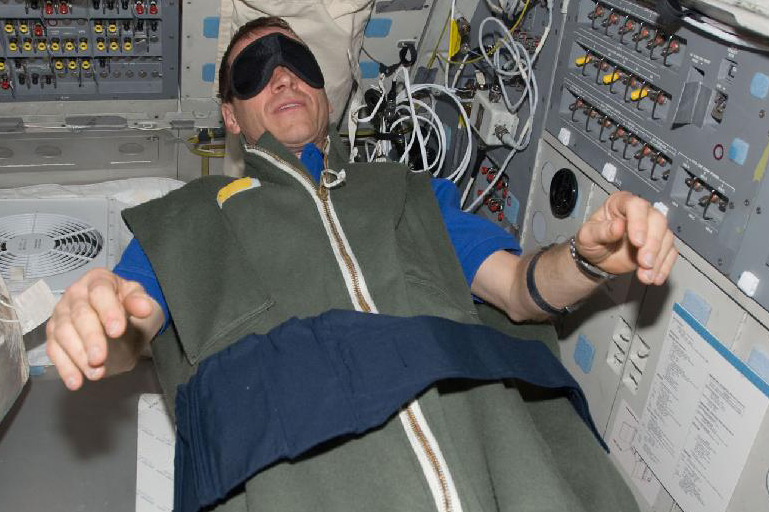
Astronauts and Mission Specialists face innumerable challenges in the harsh environments of space. They are expected to conduct complex scientific experiments, complete maintenance work, and engage in public affairs activities, while also juggling sleep, exercise and free time. Such a demanding schedule would be a challenge on Earth, made exponentially more difficult by the conditions introduced in space. High levels of radiation, extreme temperatures, microgravity and the lack of traditional day/night patterns all work to negatively affect the health and performance of humans in space.
In order to help mitigate these negative impacts, and enhance performance during a mission, it is critical for astronauts to maintain healthy sleep habits. Some countermeasures include controlling the light levels in a vessel, maintaining a comfortable ambient temperature and controlling the noise levels. As Dr. Jansen states, “Because the space station has been up for over 20 years, we’ve been able to add private crew quarters, which have more temperature controls, and reduce light and noise”. As NASA looks to the travel deeper into space, sleep quality will certainly be a critical factor in mission success.
Emergency Response Operations/Air Traffic Management
Advanced Capabilities for Emergency Response Operations (ACERO) Successfully Completes TCL-1 Milestone
5/15/25
The Advanced Capabilities for Emergency Response Operations (ACERO) project successfully completed its first Technical Capability Level (TCL-1) milestone with a two-week field demonstration in the foothills of the Sierra de Salinas mountains in Salinas, CA, March 17–28, 2025.
ACERO is investigating how technology can be used to provide additional aerial support in fighting wildland fires. To help fill the gaps created when crewed aircraft cannot operate, ACERO’s Second Shift concept aims to extend the use of UAS into low-visibility conditions.
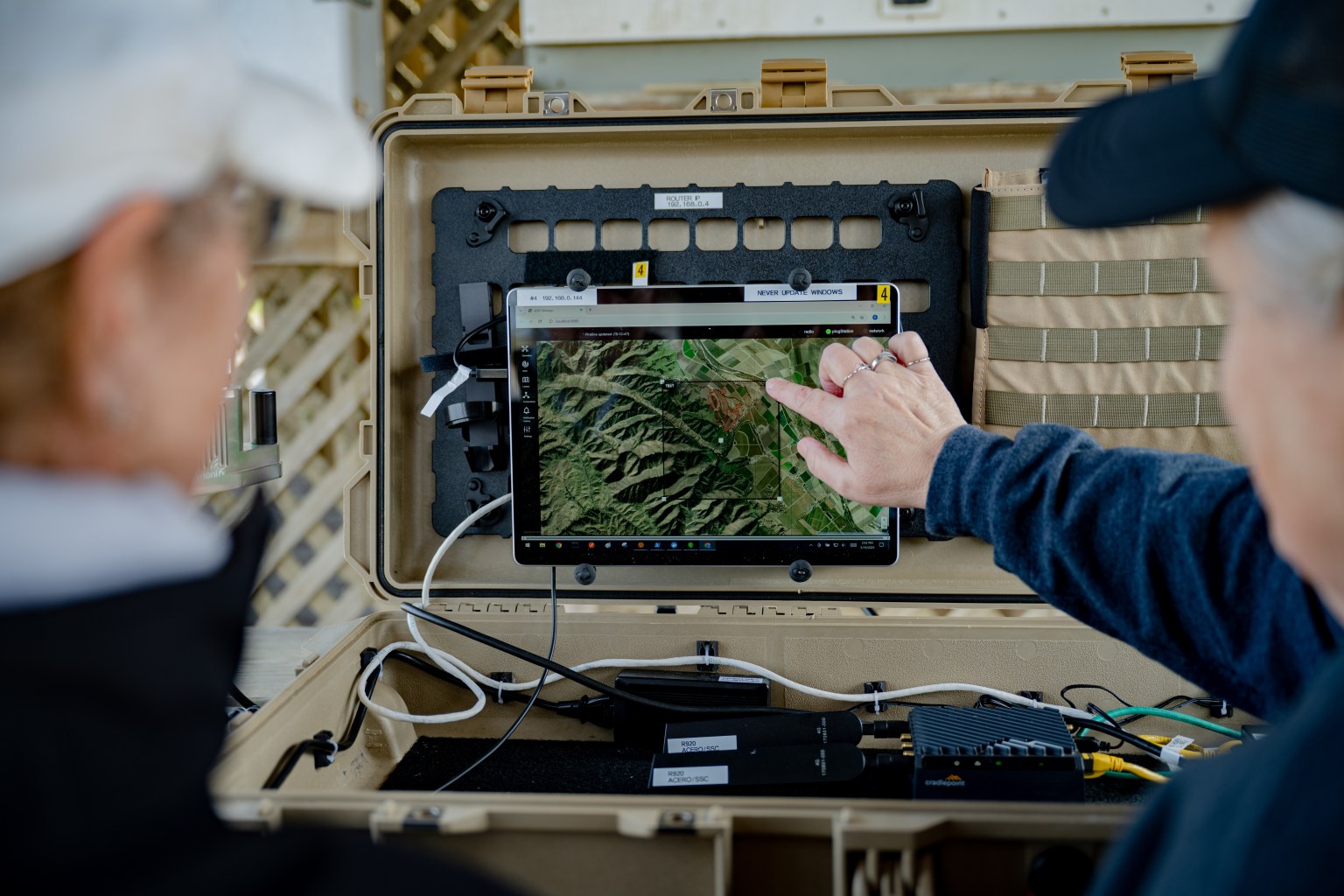
During the field evaluation, the prototype Portable Airspace Management System (PAMS) was tested with multiple, live UAS operations. PAMS consists of the Wildland Fire Service Supplier (WFSS) airspace management system for deconflicting and monitoring UAS operations, an air-to-ground digital communications network for information exchange, decision support tools, and a graphical user interface (GUI) for supporting the UAS operator’s situation awareness. Ruggedized PAMS cases were developed by members of the Airspace Operations Laboratory (AOL) to transport the Surface Pro computer, a digital radio, ADS-B receiver, and other supporting equipment to each UAS launch site.
A team of more than 60 people, consisting of members from Ames, Langley, Glenn, and multiple partner organizations, were onsite to support the demonstration. Subject Matter Experts from the wildland firefighting community joined researchers onsite to participate and provide feedback about the GUI. As part of a joint venture with Foreflight, live UAS operations data were bundled, formatted, and displayed live in the Foreflight app. Another partner, Joby Aviation, joined the field evaluation for one day by submitting and sharing their operational intent to the WFSS while remotely flying their autonomous/optionally piloted Cessna 208B above the participating UAS.
Members of the AOL have prepared two conference papers to document the process of designing the TCL-1 GUI and to summarize the human factors data collected during the field evaluation.
Fatigue Countermeasures
NASA’s Dr. Erin Flynn-Evans Interviewed by the Mercury News to Discuss the Negative Effects of Daylight Saving Time and Possible Countermeasures
3/17/2025
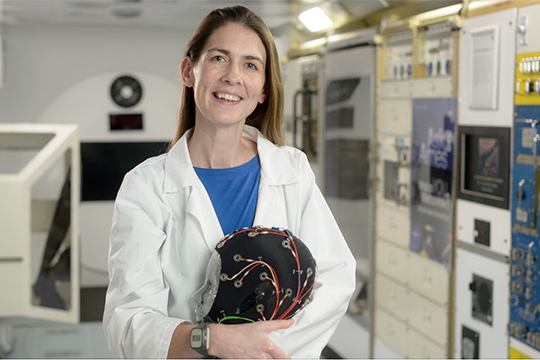
NASA’s Dr. Erin Flynn-Evans, lead of the Fatigue Countermeasures Laboratory at NASA Ames Research Center, was interviewed by the Mercury News for a March 6, 2025 article titled “Daylight saving time is bad for you. Here’s what you can do to soften the blow”. In the article, the Mercury News interviewed several sleep experts to learn about the harmful effects that daylight saving time can have on the human body, and what can be done to “soften the blow”.
Daylight saving time, originally introduced to the United States during World War I as a wartime energy-saving initiative, has been found to result in an increase in car accidents, heart attacks and strokes, and negative side effects on blood pressure and, most obviously, quality of sleep. Sleep researchers, like Dr. Erin Flynn-Evans, are keenly aware that sleep quality is closely related to performance, alertness, communication and interpersonal relationships, so it’s critical that people understand what they can do to help them adjust to the one-hour shift.
Fortunately for us, “This is actually a place where the space research that we do is really helpful for us living here on the surface of the Earth,” said Flynn-Evans. Simple tasks such as managing lighting conditions throughout the day, and maintaining good sleep hygiene and a proper sleep environment, can help people get better sleep during this adjustment period. Though most sleep experts like Dr. Erin Flynn Evans agree that daylight saving time should come to an end, we are still “falling back” and “springing forward” once a year. Luckily, with the sleep strategies developed in the Fatigue Countermeasures Laboratory, we can all sleep a little better after we change our clocks.
Human-Autonomy Teaming
NASA’s Human-Autonomy Teaming (HAT) Lab Completes Human-in-the-Loop Hurricane Relief and Recovery Simulation
3/14/2025
On Wednesday, March 5, 2025, researchers in the Human-Autonomy Teaming (HAT) Laboratory completed a human-in-the-loop (HITL) simulation in support of the System-Wide Safety (SWS) project Safety Demonstrator Series. This study was designed to demonstrate and evaluate how a set of NASA developed services, functions, and capabilities (SFCs) could be used in operational hurricane relief and recovery scenarios. Twelve uncrewed aircraft system (UAS) remote pilots were run through three 30-minute scenarios in which they managed up to six UAS performing supply drops to residents stranded after a severe hurricane.
The supply drop flights were operating beyond visual line of site (BVLOS). There were also other scripted operations including search and rescue and levee inspection missions creating airspace constraints for the supply drop mission. The SFCs helped with scheduling and conformance monitoring of the supply drop flights and alerted pilots to and helped mitigate various contingencies including GPS degradation and intrusions by non-participant aircraft.
Data were collected on pilot performance and mission success as well as subjective ratings of workload and usability and their perceptions of the operational concept. This information and lessons learned will flow back into the preparations for SWS hurricane relief and recovery operational evaluation flight tests planned for 2027.
Human-Computer Interaction
NASA’s Playbook Supports Two Missions for Project Scientists in NASA’s Commercial Lunar Payload Services (CLPS) Program
3/14/2025
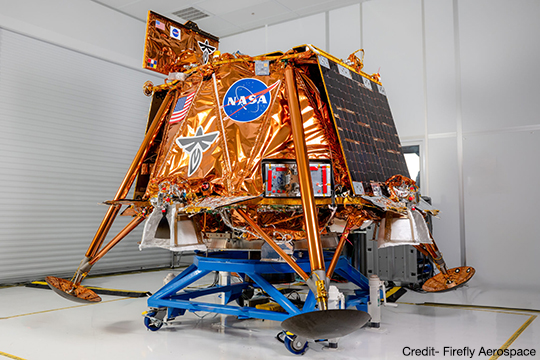
NASA’s Playbook tool is providing mission planning and scheduling support for two separate missions in NASA’s Commercial Lunar Payload Services (CLPS) program. With the successful lunar landing of Firefly Aerospace’s Blue Ghost Mission 1 and the launch of Intuitive Machines’ IM-2, Playbook is being used for the operations of NASA payloads, helping NASA personnel maintain awareness of science activities as well as review allocations of constrained resources, such as power availability and data limits.
Playbook, which is a mobile software platform built to support the next generation of planning, scheduling, and execution tools for space exploration, was developed by the Human Systems Integration Division’s Human-Computer Interaction Group at NASA Ames Research Center.
The CLPS program is a collaboration between Johnson Space Center and Ames Research Center which is helping to shape the transition to NASA’s work with commercial launch providers, while also establishing best practices for robotic payload planning for the Artemis program and beyond.
Air Traffic Management
NASA Conducts Outreach to the Public Safety Small Drone Operator Community
1/14/2025
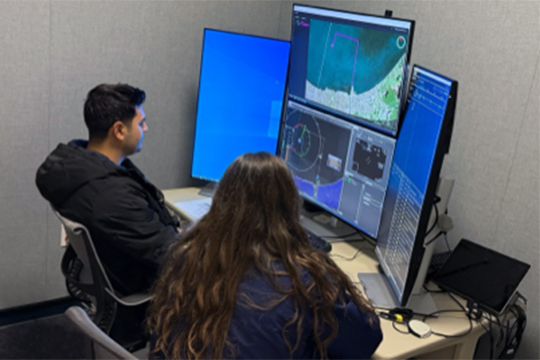
On December 9th, the UAS Traffic Management Beyond Visual Line of Sight (UTM BVLOS) team travelled to Southern California and presented UTM at the SoCal Regional UAS Training Day hosted by the Orange County Sheriff’s Department. Roughly 100 public safety operators were in attendance, including sheriff’s departments, police departments, special operations teams, and federal agencies. On December 10th, the team was invited to the Beverly Hills Police Department Headquarters to explore their Drone as a First Responder (DFR) program and Real Time Watch Center (RTWC). The RTWC includes a Drone Pilot, Business District Virtual Patrol Officer, and two other Virtual Patrol Officer stations. The purpose of this tour was to provide NASA with a better understating of the technology and capabilities of a fully operational and successful DFR program.
On December 11th and 12th, the team travelled to Florence, Texas to attend the Public Safety Drone Expo hosted by Texas Department of Public Safety. The Drone Expo was attended by sUAS public safety operators from across the country who came together to train, observe presentations and panels, and meet with industry vendors. NASA spoke on a panel called “The Role of the FAA and NASA in Public Safety UAS,” which focused on the current implementation of UTM operations in the North Texas region. NASA also had a booth to engage directly with the public operator community and listen to how sUAS operations are being performed today.