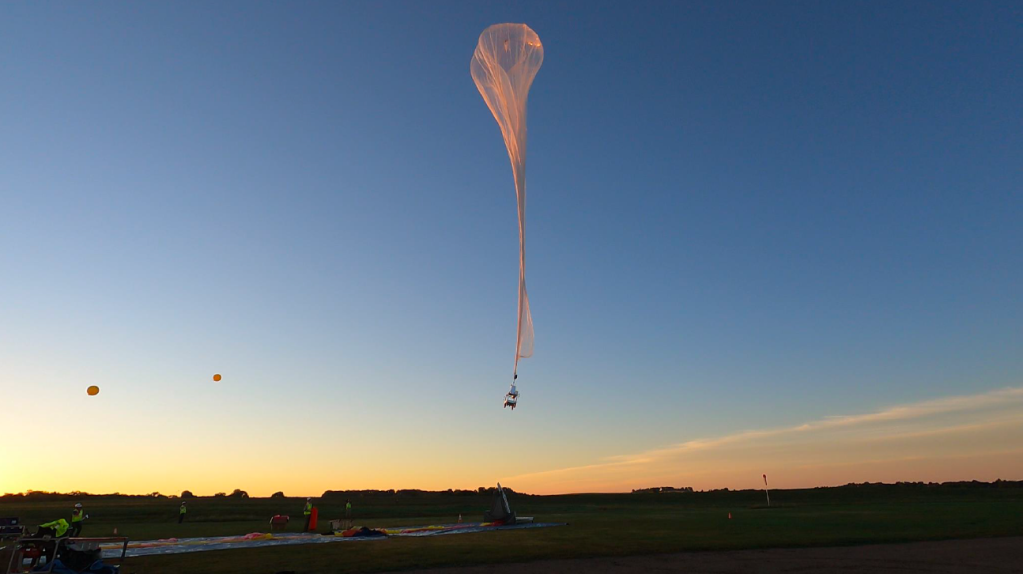










Video for illustrative purposes only.
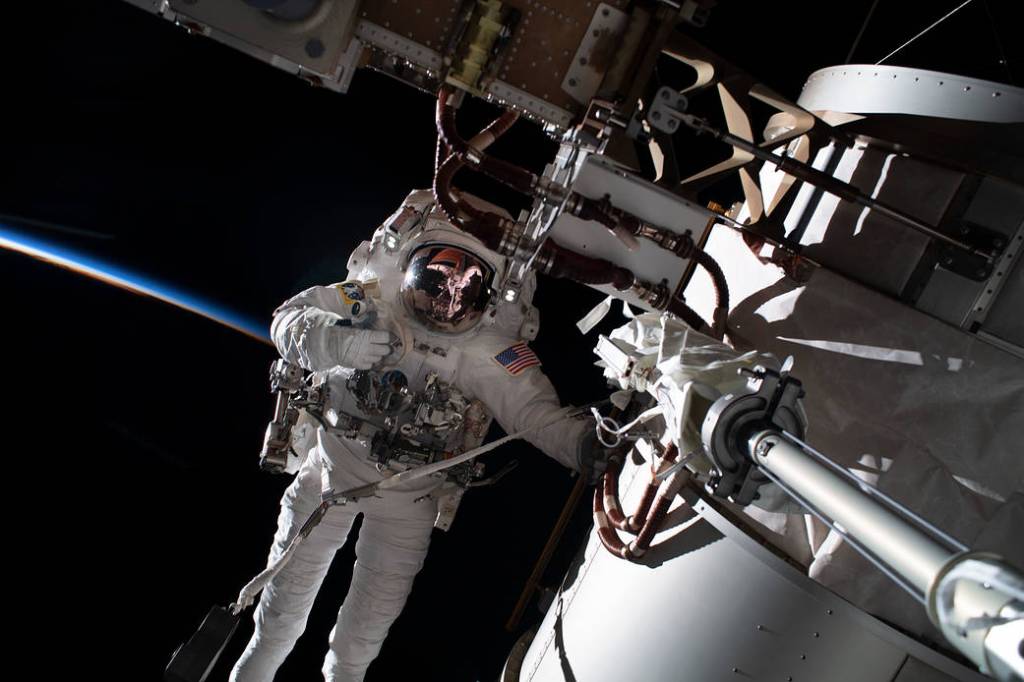
Launched on May 20, 2026, as the fifth in NASA’s TechLeap Prize series, the Robotically Manipulated Payload Challenge aims to advance persistent infrastructure for in-space servicing, assembly, and manufacturing (ISAM). Applicants were invited to propose payloads that can interact with, be manipulated by, or be reconfigured by a robotic arm in low Earth orbit. Potential applications included robotic inspection, structural assembly, sensor deployment, material processing, modular systems that can be swapped and upgraded, and more.
NASA TechLeap Prize
Robotically Manipulated Payload Challenge
submissions closed
Aug. 12, 2026
Awardees to be selected
Up to 3
Total Expected Prizes
Up to $1.5 million + flight tests
About the Challenge | Related Webinars | Prior and Ongoing Challenges
About the Challenge
In September 2026, up to three teams will be selected to win up to $500,000 each to develop flight-ready payloads with the opportunity to have their technology demonstrated in orbit at no additional cost. These TechLeap payloads will fly aboard an orbital spacecraft that will rendezvous with the Fly Foundational Robots (FFR) spacecraft expected to launch in late 2027. The TechLeap payloads are slated to launch in early 2028.
Developing robotic systems to perform ISAM in orbit expands what is possible in space. This TechLeap Prize challenge serves as a building block for capabilities such as swapping out a failed component on an orbiting satellite, assembling a structure too large to be launched on any single rocket, or fabricating new parts in orbit from raw materials. Advancing these capabilities supports NASA’s goals for building, sustaining, and pioneering exploration and scientific discovery, including at the Moon Base, humanity’s first lunar outpost.
Learn more about this challenge
Webinars Related to This Challenge
Virtual Information Session for the Robotically Manipulated Payload Challenge
Robotically Manipulated Payload Challenge Webinar
Presents key details of the new challenge, provides an overview of ISAM and FFR, and offers tips for preparing an application. A Q&A session is included at the end.
Prior and Ongoing TechLeap Challenges

Space Technology Payload Challenge

Universal Payload Interface Challenge
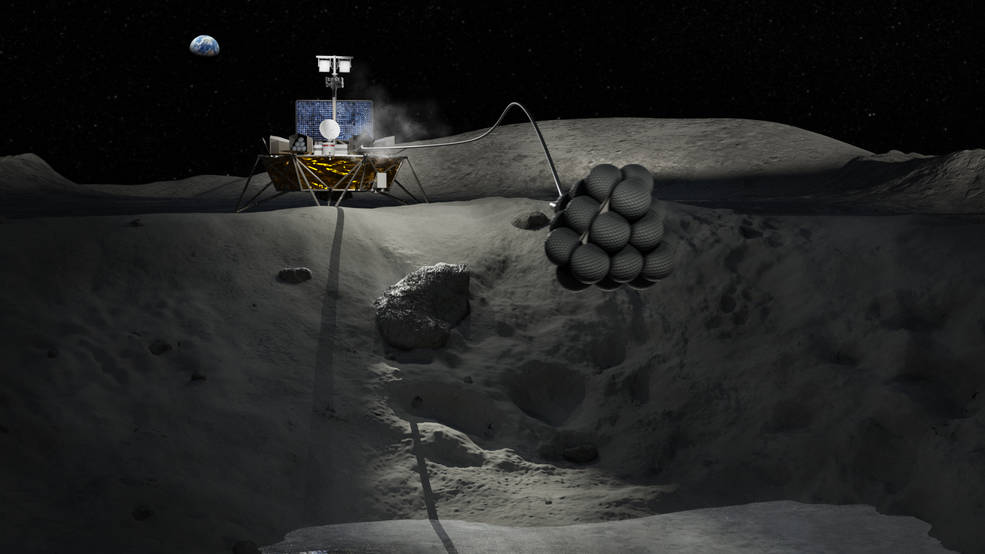
Nighttime Precision Landing Challenge