











TechLeap Universal Payload Interface Challenge
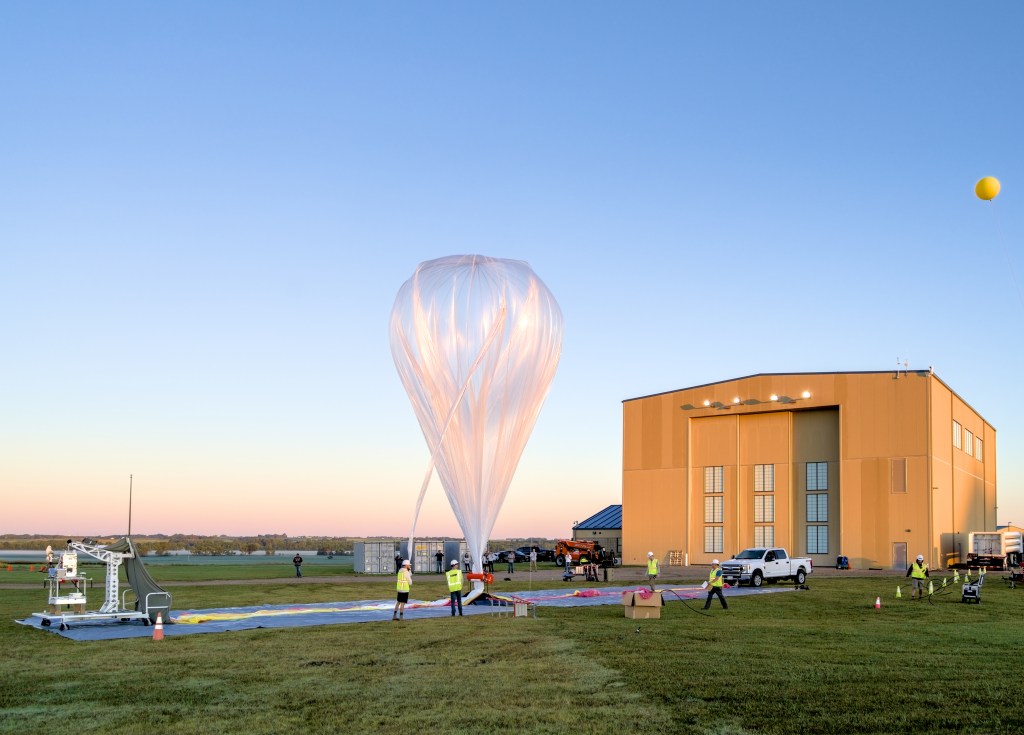
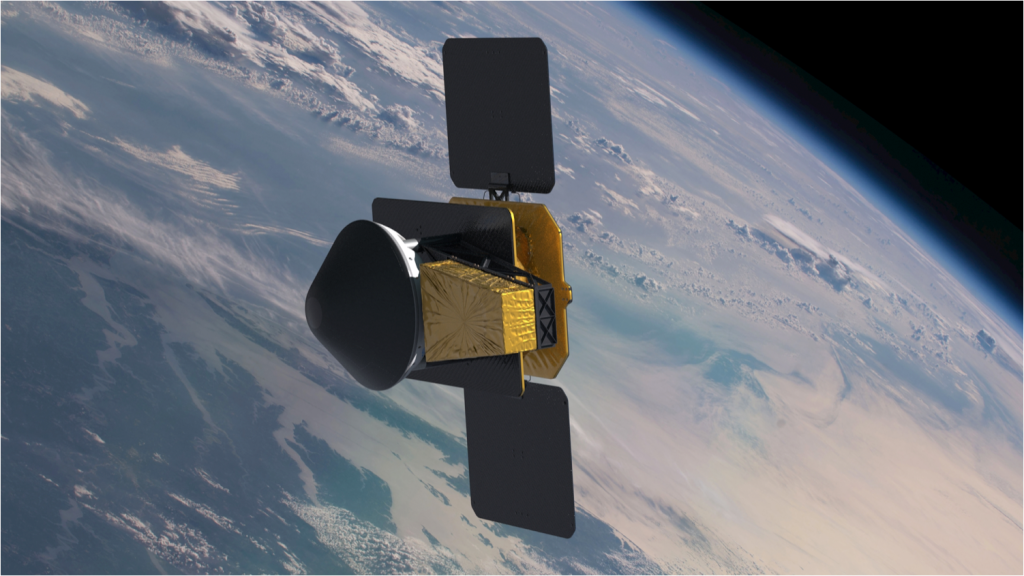
This challenge invited applicants to propose an optimized “system of systems” to enable easy integration of diverse technology payloads onto various commercial suborbital vehicles, orbital platforms, and planetary landers. The goal was to facilitate rapid integration of payloads for flight by removing the need for vehicle-specific interface designs.
All three teams have made significant achievements with their technologies outside of this TechLeap challenge. Their successes highlight the need for universal, flexible integration systems that can keep pace with rapid development and diverse mission requirements.
NASA TechLeap Prize
Universal Payload Interface Challenge
Selections Announced
June 4, 2024
Number of Awardees
3
Total Expected Prizes
Up to $1.9 million + flight tests
About the Challenge | The Winners | News | Prior and Ongoing Challenges | Related Webinars
About the Challenge
Integrating Diverse Space Payloads onto Flight Vehicles
The process to ensure payloads can properly interface with a host vehicle for flight testing is currently complex, time-consuming, and can vary greatly from vehicle to vehicle as well as between suborbital flights, orbital flights, and beyond. These variables put an increased burden on the payload technology development effort. Reducing the cost and complexity of payload integration can help accelerate the pace of technology maturation to support future space exploration missions.
The winners of the Universal Payload Interface Challenge received an initial $200,000 award with the opportunity to win additional awards for a total of up to $650,000 plus the opportunity to flight test their interface system. Winners proceeded through two rounds of building their system, with site visits by field judges.
All three winners met the specified technical guidelines, and their systems will provide payload integration aboard one of Virgin Galactic’s new Delta Class spaceships.
More information about this challenge is available on the NASA TechLeap website.
The Winners
EPIIC Modular Cube-Sat-based payload adaption | ANIMA onboard computer |
SDPI Software-Based Interface
Aegis Aerospace
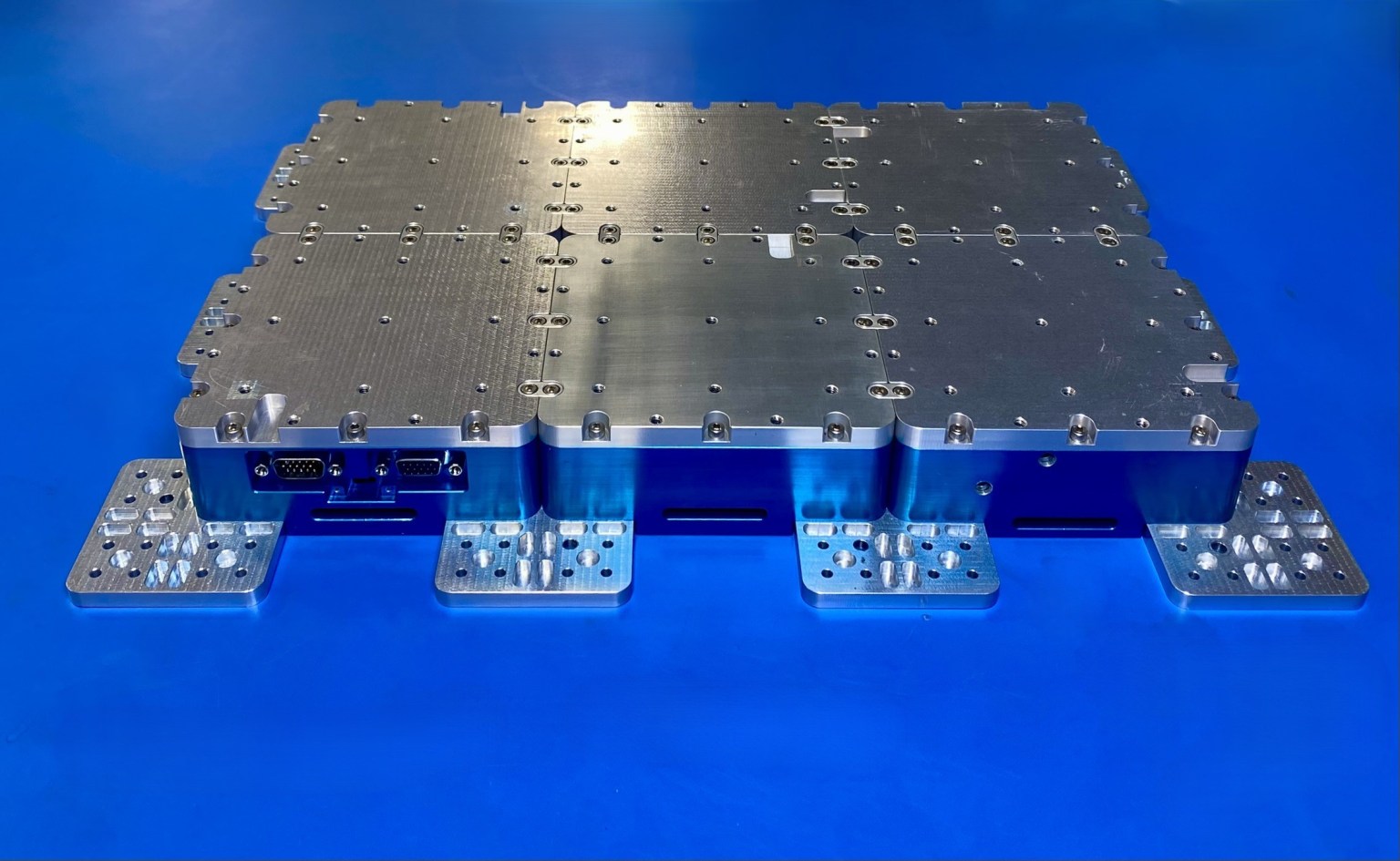
Easy-to-Use Payload Interoperable Integration Carrier (EPIIC)
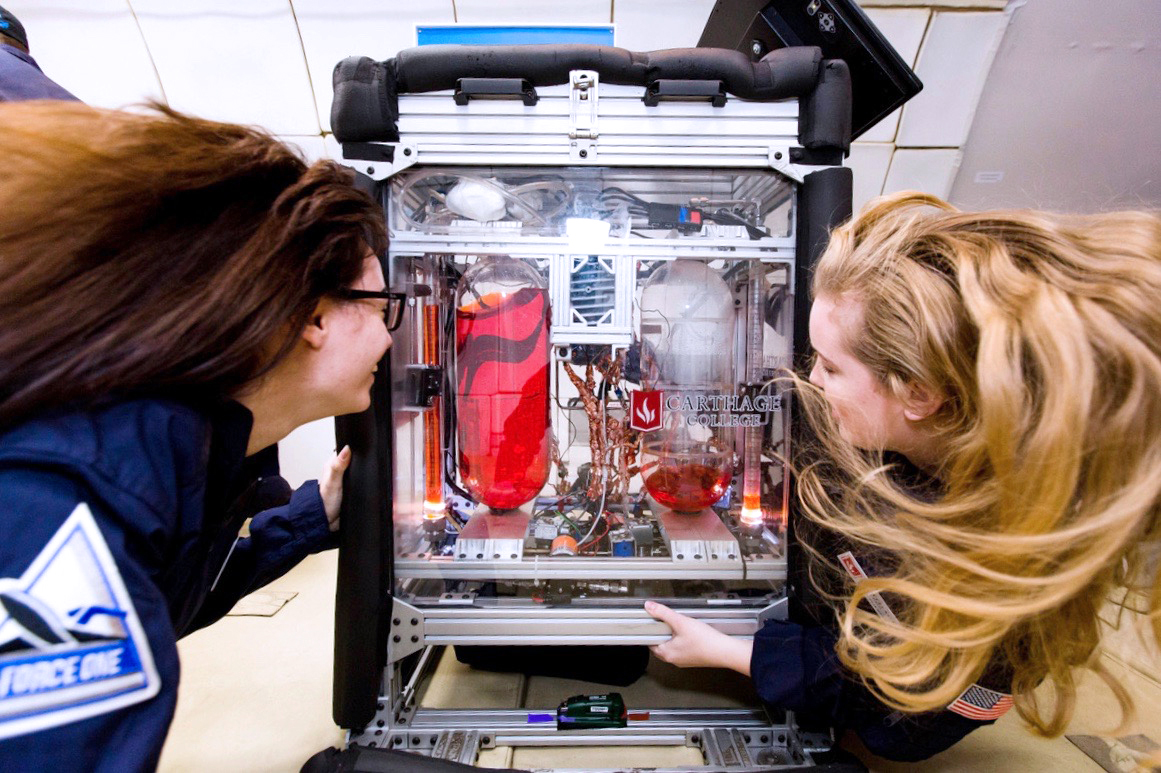
The EPIIC is a modular payload adapter designed around a CubeSat construct, enabling simple, rapid, and interchangeable integration onto suborbital vehicles and lunar landers. The design, developed by Aegis Aerospace, optimizes mass and volume, and leverages spaceflight-proven hardware.
The EPIIC adapter is the latest evolution of a previous interface design developed by Aegis Aerospace and first used in low Earth orbit in 2014. The new version of the technology — developed via TechLeap — has completed internal testing and will be integrated into Aegis Aerospace’s orbiting Multi-purpose International Space Station Experiment (MISSE) facility in January 2027.
›› View the Aegis Aerospace challenge application video
Ecoatoms
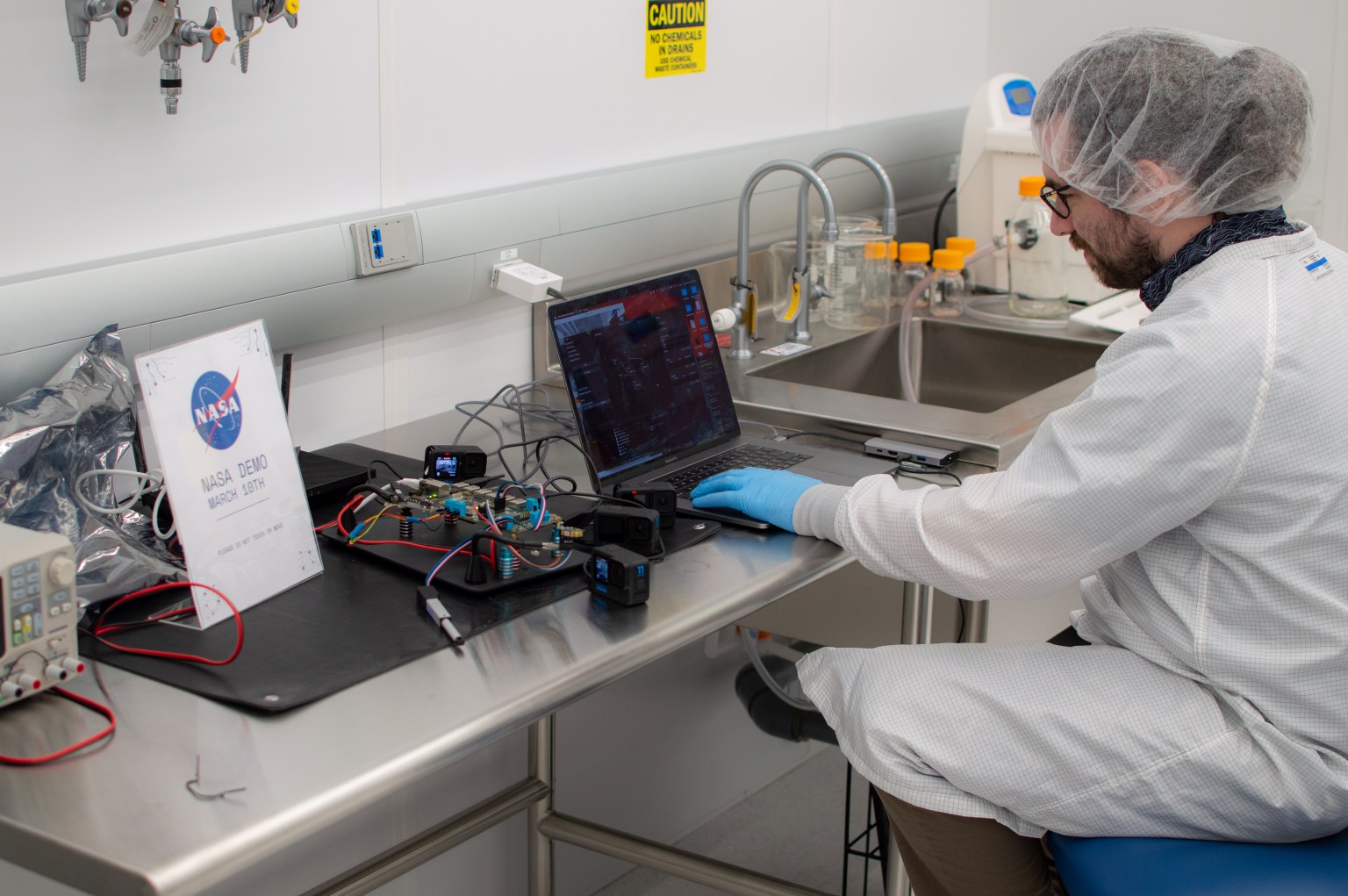
Apparatus for Nominal Integration with Minimal Adaptations (ANIMA)
Developed by Ecoatoms, ANIMA consists of an interchangeable adaptor, a universal connector, and an on-board computer that is designed to take payloads from suborbital all the way to lunar demonstrations with minimal adaptations.
The ANIMA technology performed successfully on a Blue Origin suborbital flight that carried multiple payloads and launched from West Texas on Sept.18, 2025. During that flight, the ANIMA onboard computer effectively powered and controlled Ecoatoms’ ARES (Advanced Reinforced Engineering Structure) technology, executing a coating process in microgravity and providing critical redundancy for a second experiment within the payload.
›› View the Ecoatoms challenge application video
UCLA Space Institute — ELFIN Student Team
Software-Defined Payload Interface (SDPI)
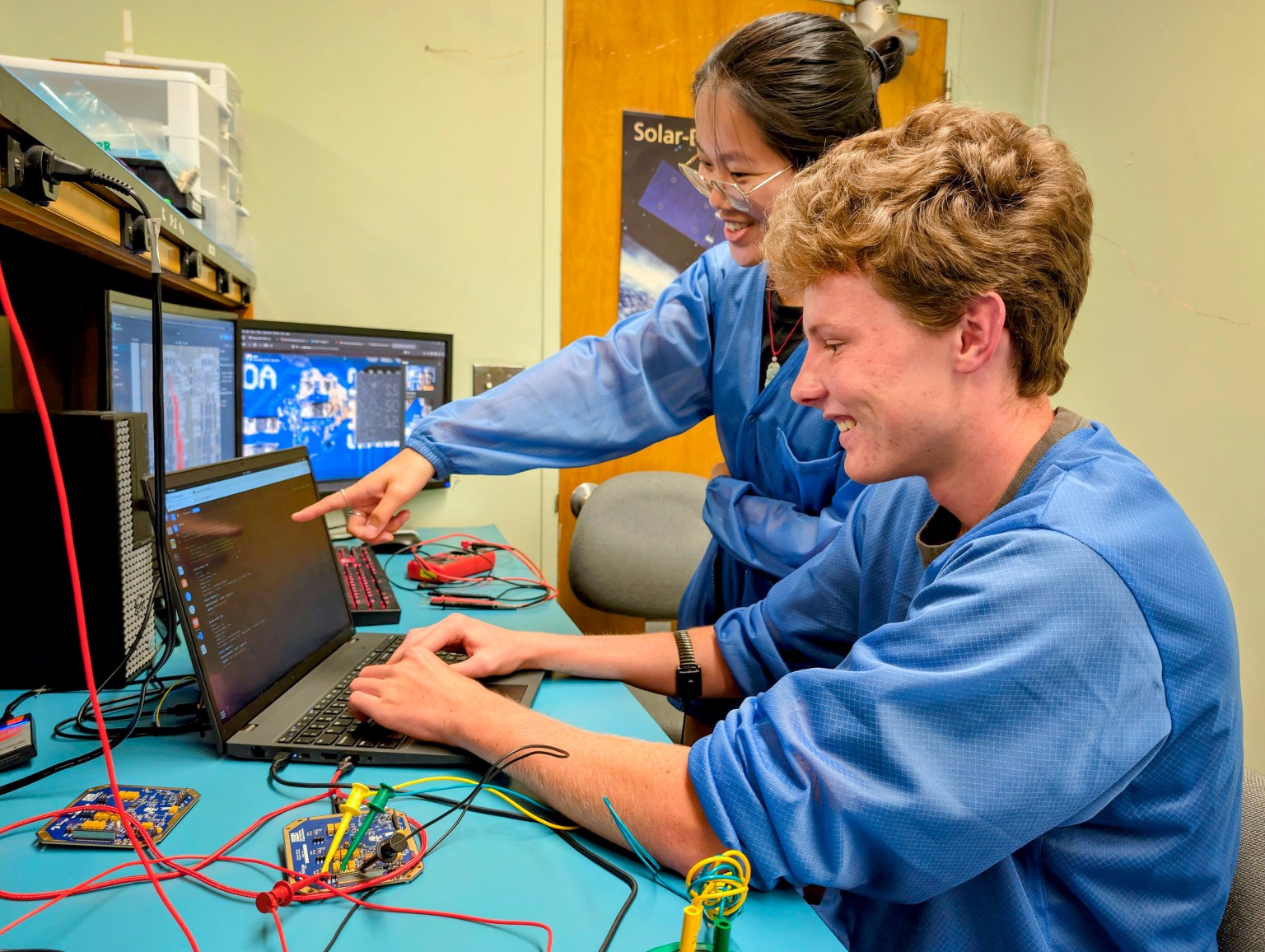
The Software-Defined Payload Interface (SDPI) is a compact, CubeSat-compatible payload interface system designed to simplify the integration and operation of multiple scientific payloads. Developed at the UCLA SPACE Institute with contributions from more than 40 undergraduate students, SDPI payload-friendly features include the ability to acquire and process data, compress and store science data, synchronize payload clocks, and manage payload power timing and fault conditions enabling it to be customized for a wide range of instruments and mission architectures.
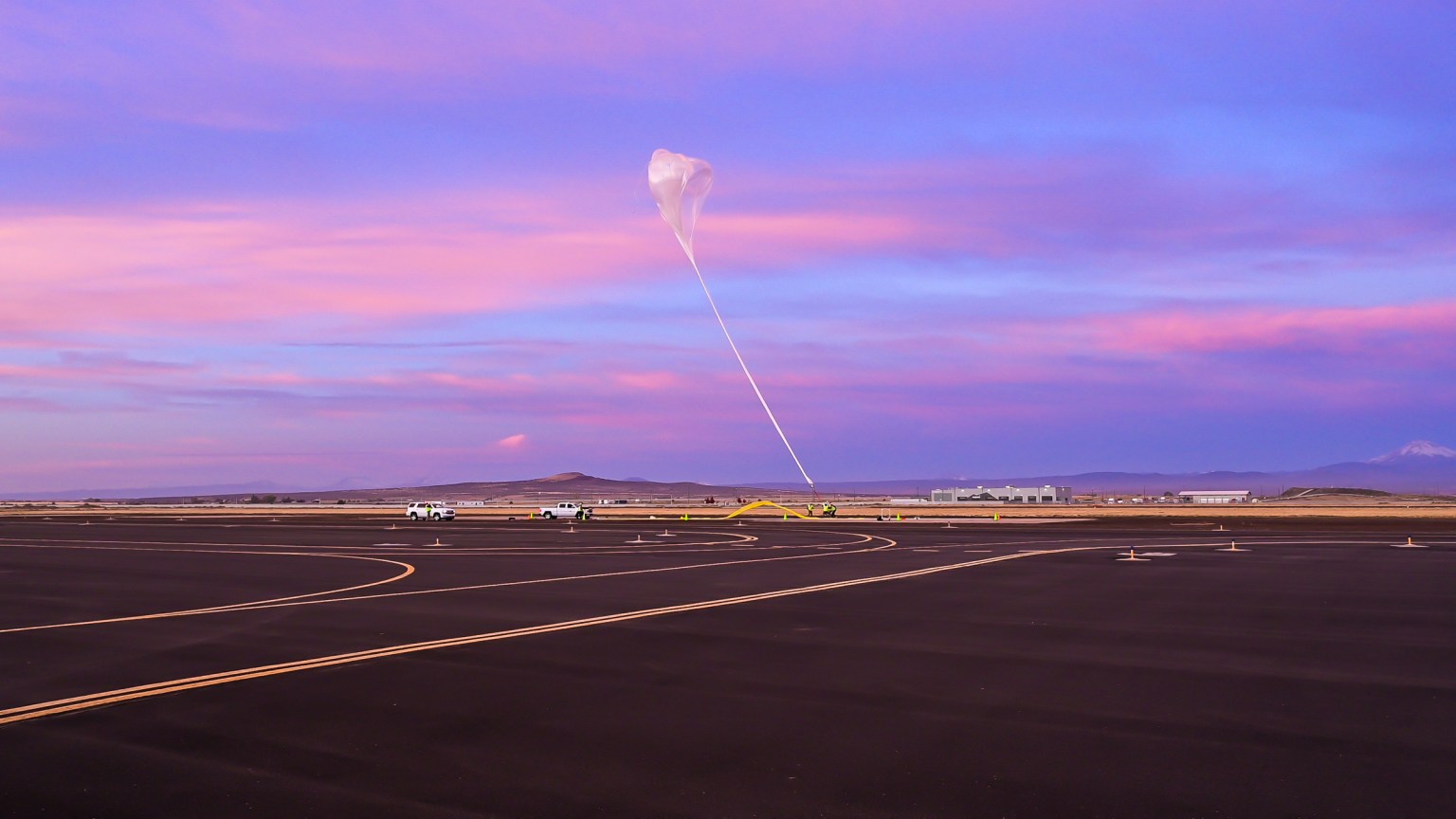
SDPI was successfully flight tested on a scientific balloon as part of the ELVES (Electron Losses Driven by Very Low Frequency Emissions) mission on Sept.15, 2025, in Fort Sumner, New Mexico. This balloon campaign carried a prototype miniature fluxgate magnetometer, a 3-axis high-frequency magnetic loop antenna, and an x-ray detector, all linked together by the custom SDPI. The flight test turned the prototype SDPI into a tested, validated design and gave the team a clear pathway for reaching technological maturity and flight readiness.
›› View the ELFIN team’s challenge application video
›› Learn more about the UCLA ELFIN student team.
Universal Payload Interface Challenge News

NASA Seeks Development of Universal Payload Interface
Prior and Ongoing TechLeap Challenges
Robotically Manipulated Payload Challenge

Space Technology Payload Challenge
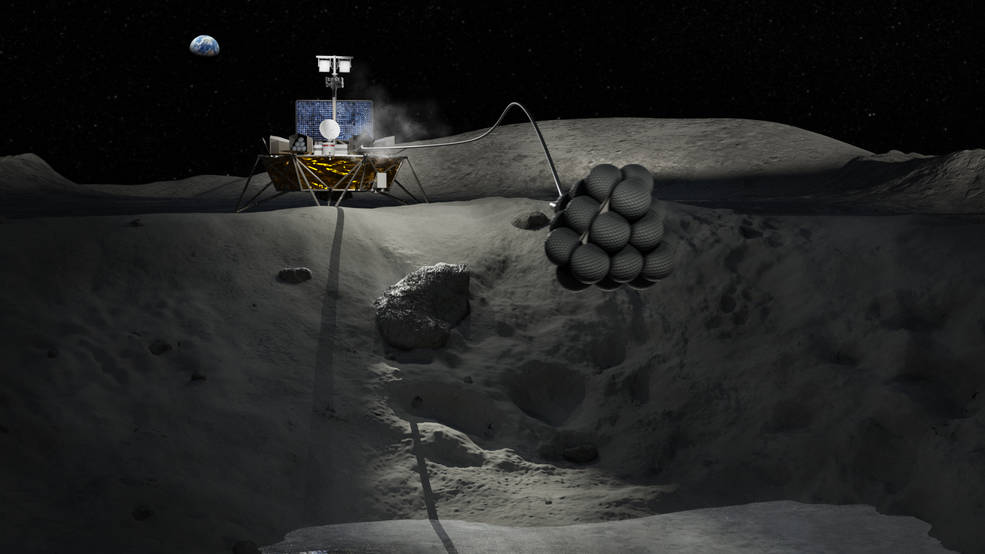
Nighttime Precision Landing Challenge
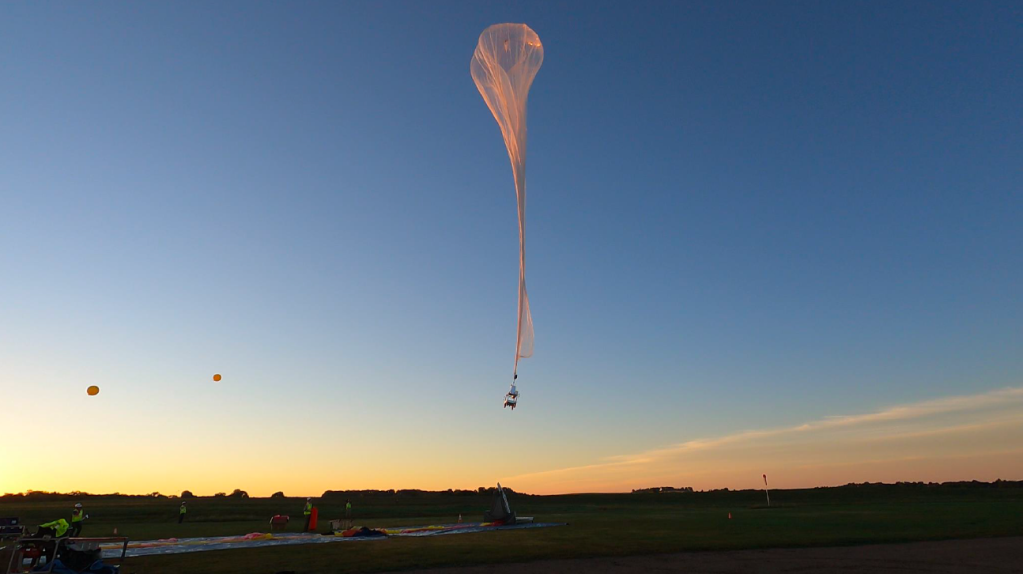
Autonomous Observation Challenge
TechLeap Universal Payload Interface Challenge: Spotlight on Winning Solutions
The three winning teams talk about the solutions they developed as part of the NASA TechLeap Prize Universal Payload Interface Challenge.
With the goal of changing the pace of space, NASA’s Flight Opportunities program issued this challenge to help move technologies into flight testing and between different flight environments as quickly as possible. This challenge invited businesses, academic institutions, entrepreneurs, and other innovators to devise a flight-ready solution to enable easy integration of diverse technology payloads onto various commercial vehicles.
See also, NASA TechLeap Universal Payload Interface Challenge Q&A Webinar