














Researchers: Help NASA Prevent and Treat Blood Clot Formation in Space
NASA is seeking novel practices to monitor, prevent, or treat blood clots (known as venous thrombosis) that may form in space.
What Is Venous Thrombosis?
Venous thrombosis is the development of a blood clot in a vein. It’s commonly associated with clots in the deep veins of the leg after surgery, injury, or long periods of sitting on airplanes or lying in bed. Blood clots in the upper body, particularly in the jugular veins in the neck, are much less common.
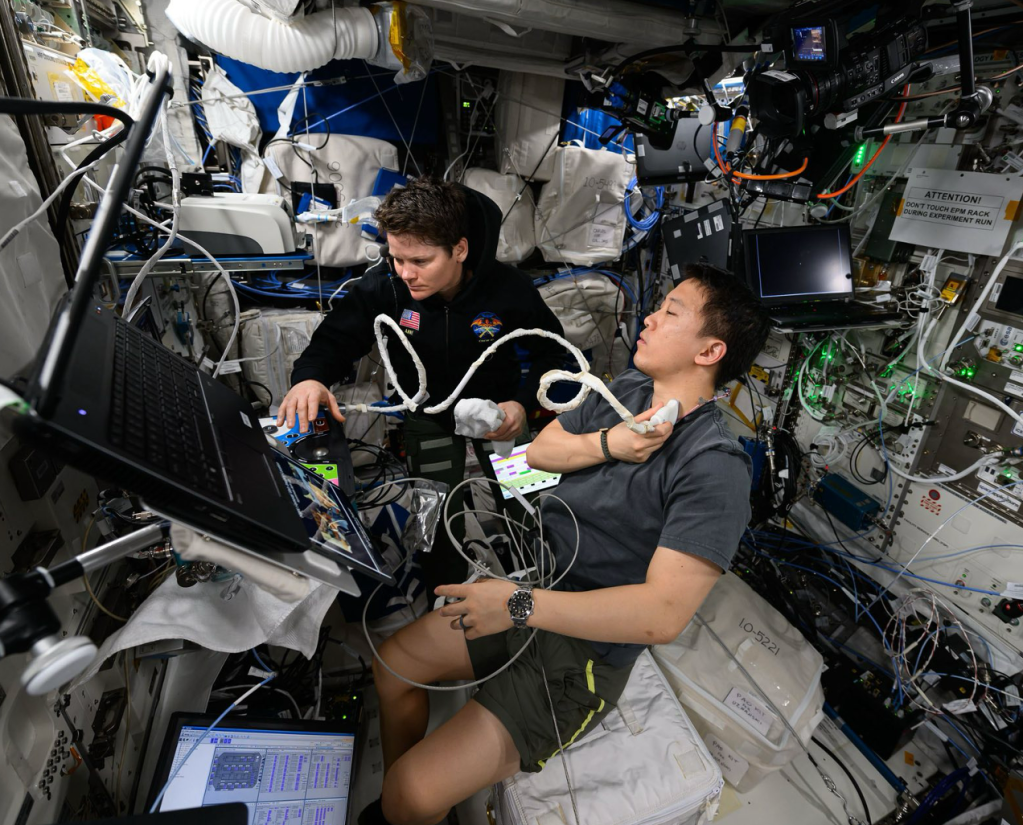
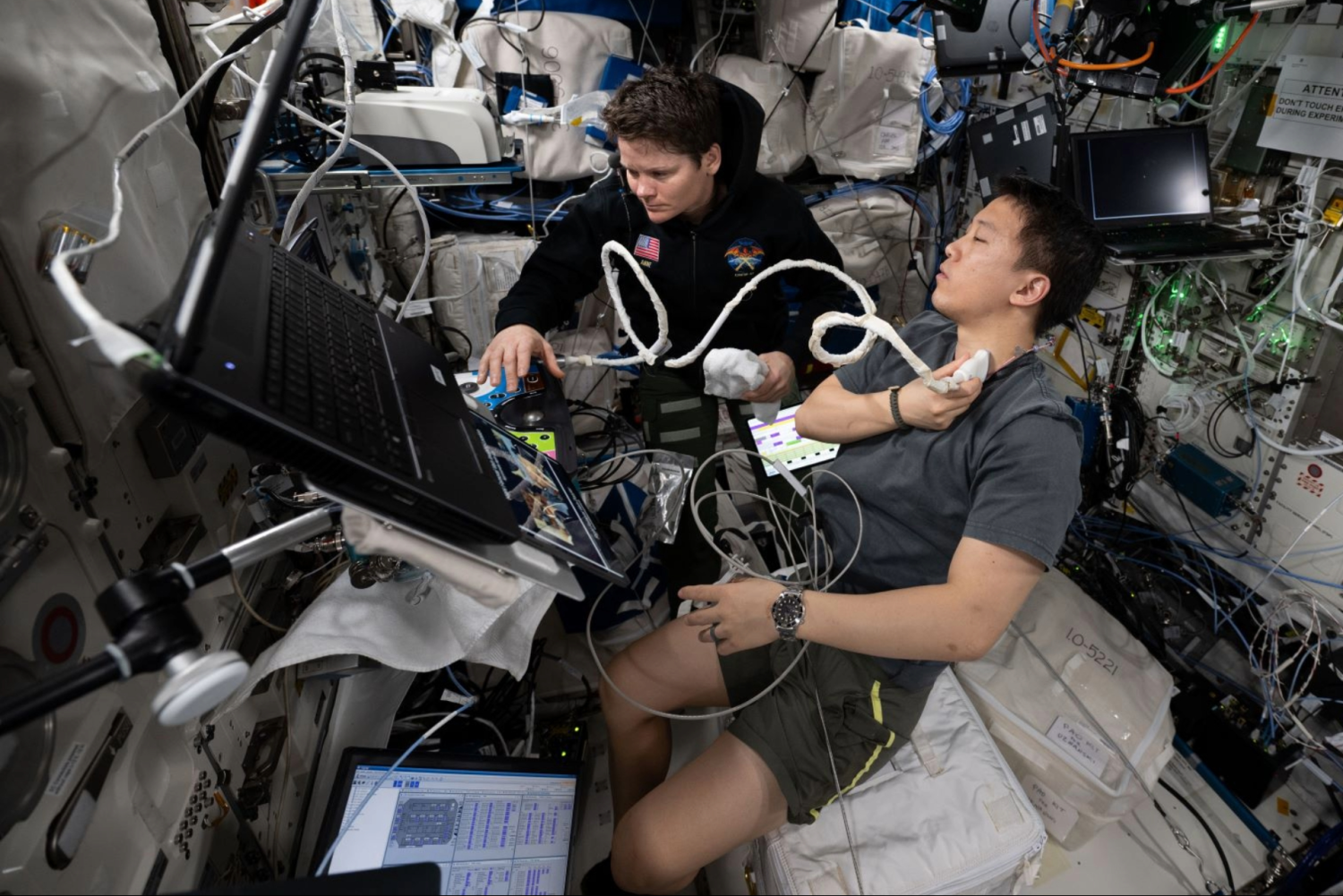
Venous thrombosis can be associated with local swelling, redness, and pain. If an astronaut develops a clot in their internal jugular vein during spaceflight, there may be no symptoms, but the blood clot could be detected using ultrasound.
NASA’s Human Research Program (HRP) is requesting plans along with budget quotes to perform retrospective or prospective research on current, enhanced, or novel approaches to monitor, reduce risk of, and/or treat venous thrombosis during spaceflight.
What Do We Need From You?
The full text of this request for project plans and budget quotes, along with instructions for how to formulate your submissions, can be found here. Responses must be submitted electronically at NASA Procurement.
Tips for appropriate responses to this request:
- Responses should address strategies for the development and validation of approach(es) to surveil, reduce risk of, and/or prevent or treat (either via prophylactic or treatment countermeasures) venous thrombosis during spaceflight and exploration missions, including rationale and methodology.
- Responses may include either (or both) prospective research or retrospective analysis.
Resources:
- Office of the Chief Medical Officer Technical Brief on venous thrombosis:
- Existing data from previous NASA spaceflight missions are available through the NASA Life Sciences Portal
- NASA’s Evidence Documentation for Human Research
- Risk Approach Plans for HRP’s Human Health Countermeasures Element
Deadline: Send responses to joshua.r.hlavenka@nasa.gov no later than 1:00 PM CT on November 20, 2026.
Apply: Click here to submit your plan and quote.
Questions: Email js-hrp-chief-science-office@mail.nasa.gov