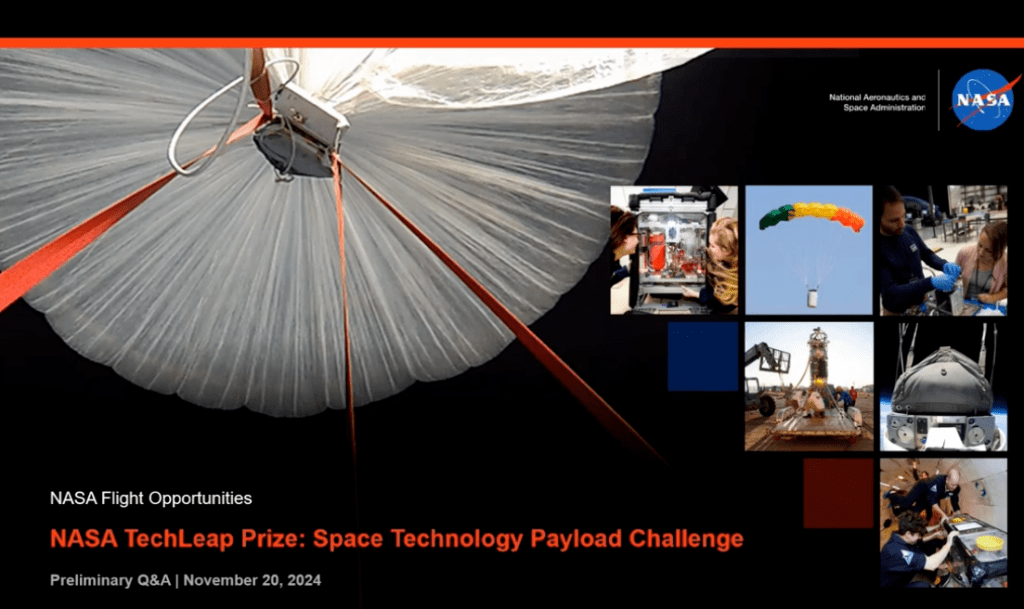














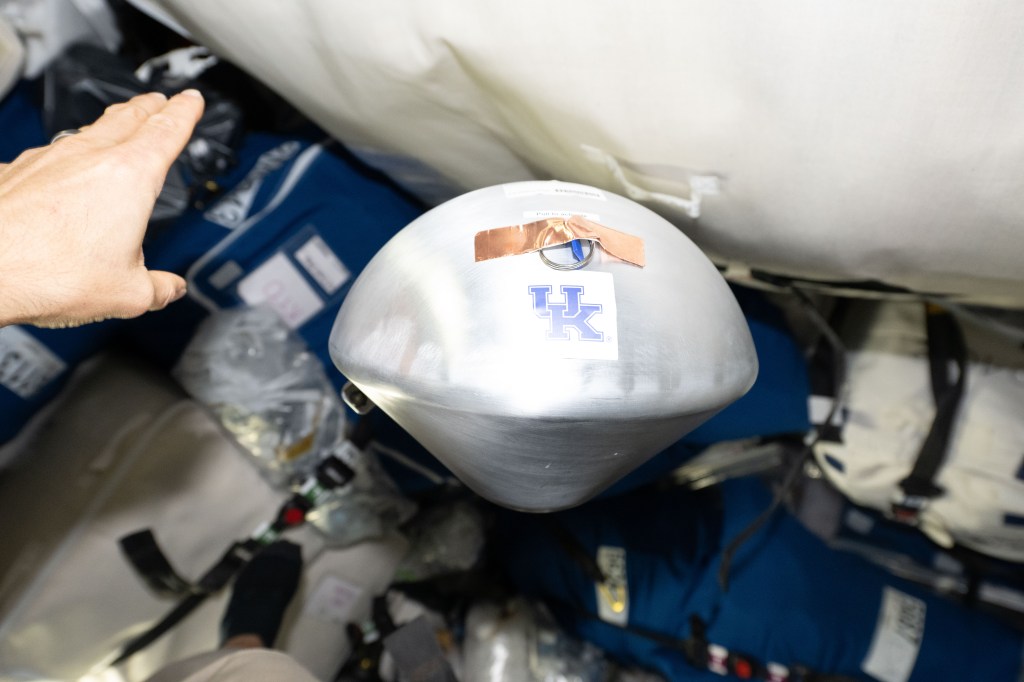




Launched in December 2024, the NASA TechLeap Prize Space Technology Payload Challenge sought solutions that address a wide variety of NASA’s technology shortfalls to meet future exploration, science, and other mission needs. Announced on June 26, 2025, 10 selected teams have the chance to win up to $500,000 each plus the opportunity for a flight test to develop and advance their payloads.
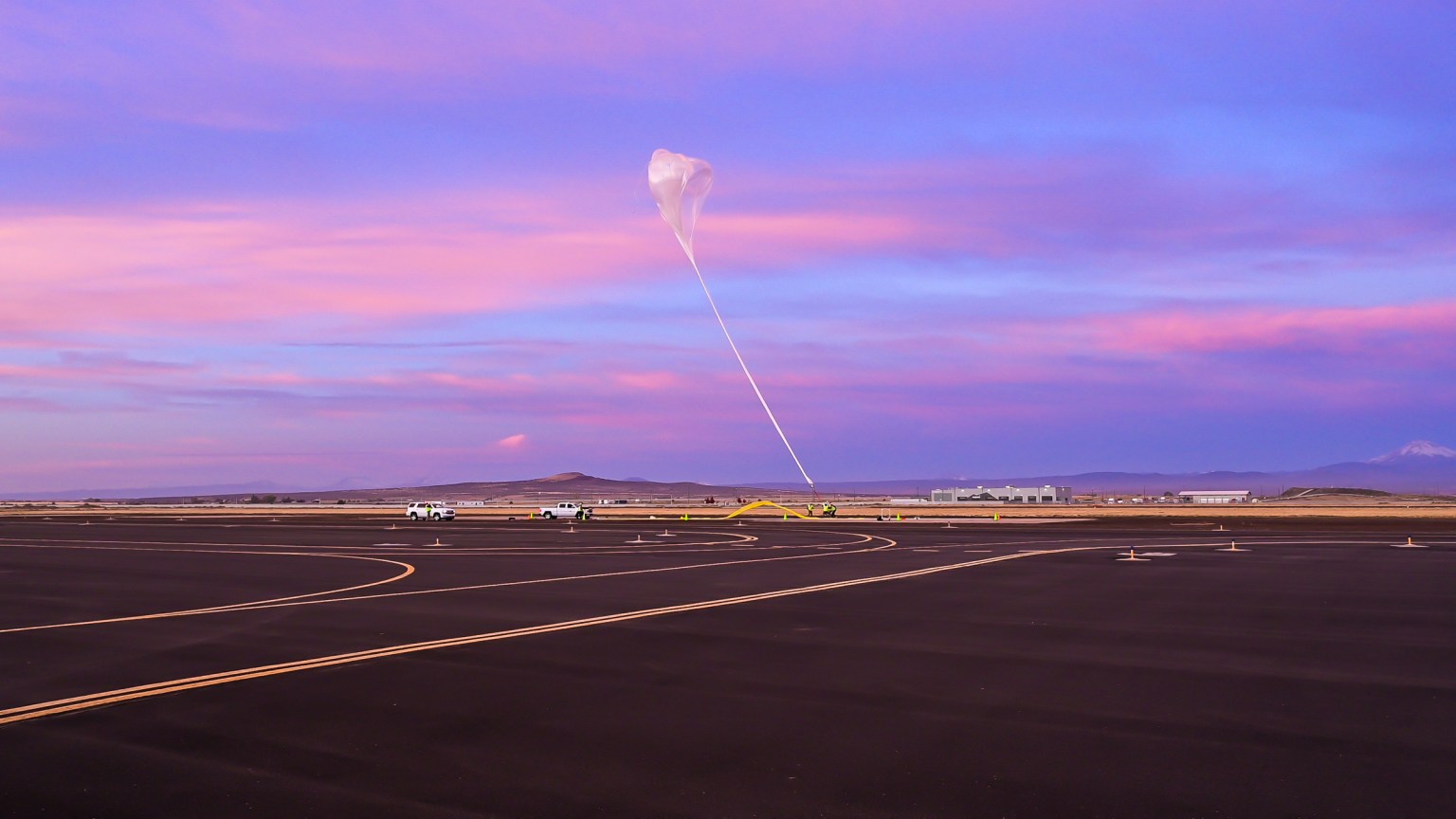
The teams’ technologies are expected to begin flight testing in summer 2026 aboard either a suborbital rocket-powered vehicle, a high-altitude balloon, a parabolic flight, or an orbital vehicle that can host payloads. More information about the challenge and the 10 winning teams’ solutions appears below.
NASA Techleap prize
Space Technology Payload Challenge
selections announced
June 26, 2025
Number of Awardees
10
Total Expected Prizes
Up to $5 million + flight tests
About the Challenge | Meet the Winners | Prior and Ongoing Challenges | Related Webinars
About the Challenge
Addressing NASA’s Technology Shortfalls
To participate in this challenge, individuals, teams, and organizations were invited to submit applications for systems that advance technology to address one or more of NASA’s technology shortfalls or the Commercially Enabled Rapid Space Science Initiative. The challenge was divided into two groups. The first group was derived from the Space Technology Mission Directorate civil space shortfall list released in July 2024. The second group was developed in partnership with NASA’s Biological and Physical Sciences Division in the Science Mission Directorate and derived from the Commercially Enabled Rapid Space Science Initiative program needs.
Meet the Winners
Aerofly LLC
Near-Vertical Regolith Conveyance for Oxygen ISRU Using “Rego-LIFT”
Shortfall: Extraction and Separation of Oxygen from Extraterrestrial Minerals
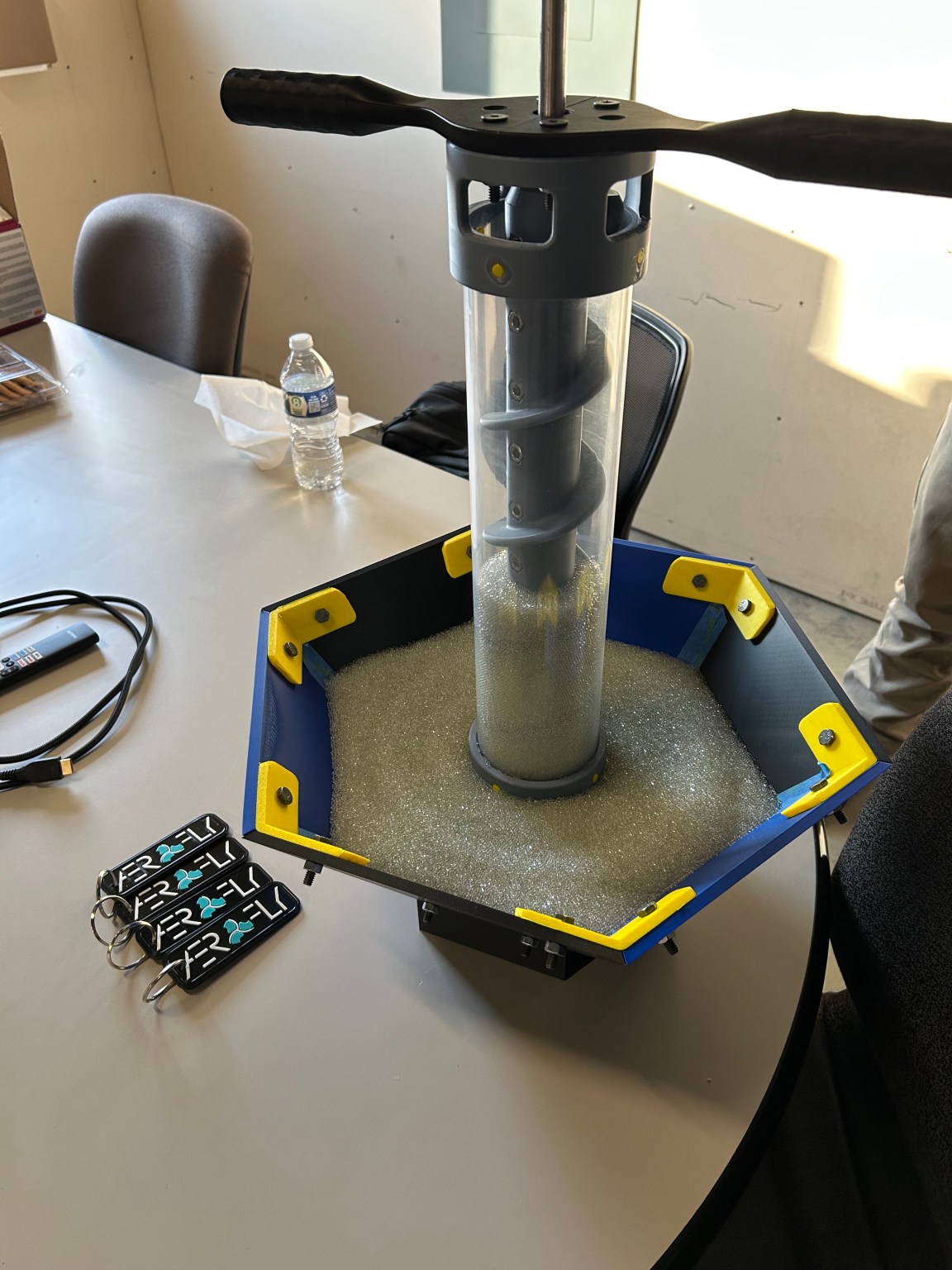
Leveraging Aerofly’s proven Rego-LIFT system, this solution demonstrates near-vertical regolith conveyance for oxygen in-situ resource utilization (ISRU). By refining motor scaling, system architecture, and energy budgeting, their approach directly addresses a NASA shortfall, optimizing material handling for efficient oxygen extraction from lunar regolith.
›› View the Aerofly application video
Ambrosia Space Manufacturing Corporation
Cell Separation (Cel-Sep) Centrifuge for Nutrient Production for Crewed Missions
Shortfall: Food and Nutrition for Mars and Sustained Lunar
The Ambrosia Space team is building scalable in-space biomanufacturing systems for large-scale protein and nutrient manufacturing for long-duration human spaceflight. Key to this solution is the capability to process large volumes of liquid-based cell culture efficiently in reduced and micro-gravity environments.
›› View the Ambrosia application video
Carthage College
Microgravity Ullage Trapping (MUT)
Shortfall: In-Space and Surface Transfer of Earth Storable Propellants
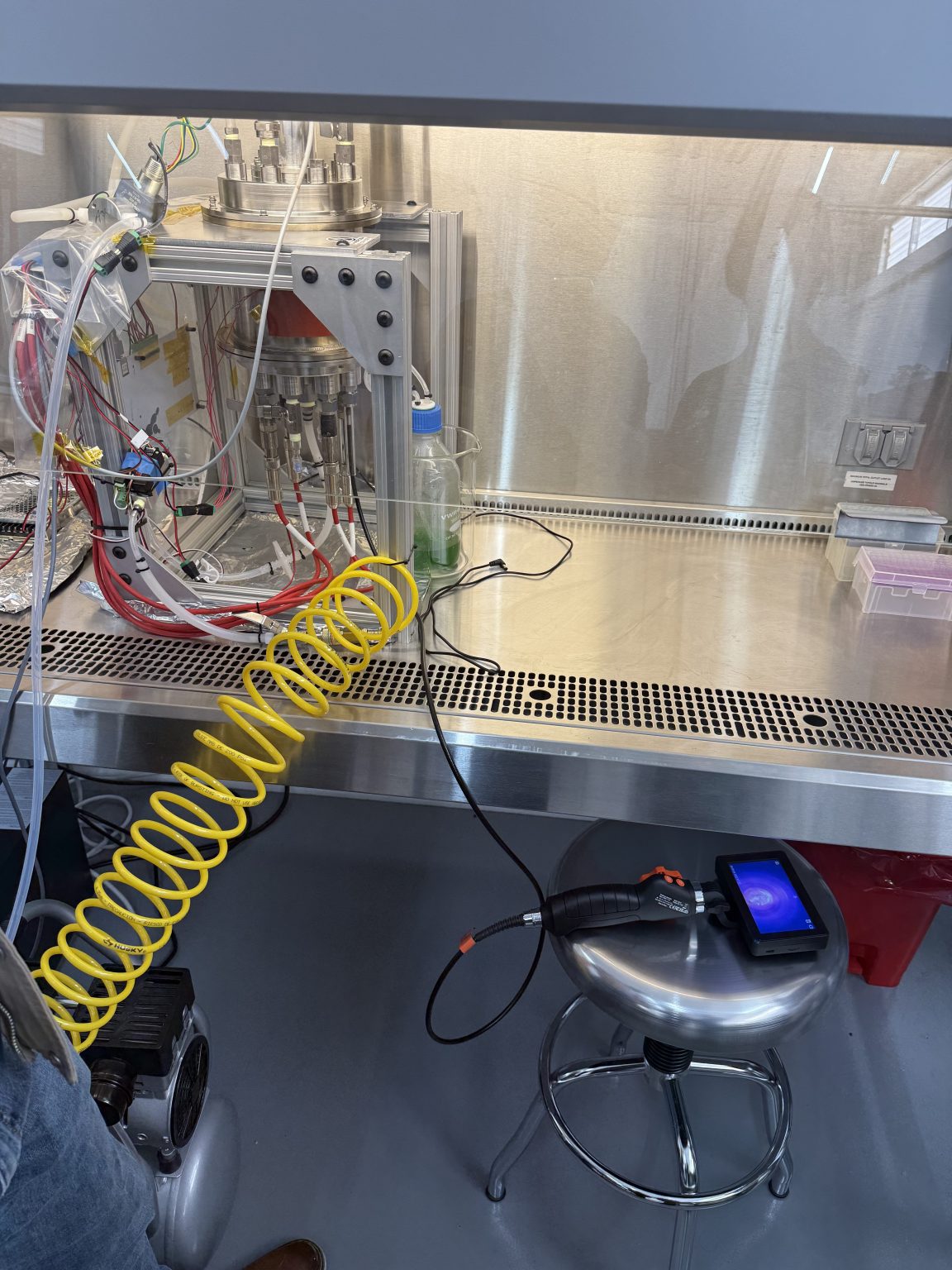
The Carthage College MUT technology uses phased-array ultrasonic transducers to form, direct, and collect helium bubbles into a controlled gas pocket (i.e., ullage), near the vent port. The innovation extracts dissolved helium directly from the propellant — eliminating fuel-consuming settling burns. This enables gas-only venting with minimal propellant loss.
›› View the Carthage College application video
Ecoatoms
Hardware for Extraction and Reagent Mixing in Experimental Studies (HERMES)
Shortfall: General-Purpose Robotic Manipulation to Perform Human-Scale Logistics, Maintenance, Outfitting, and Utilization
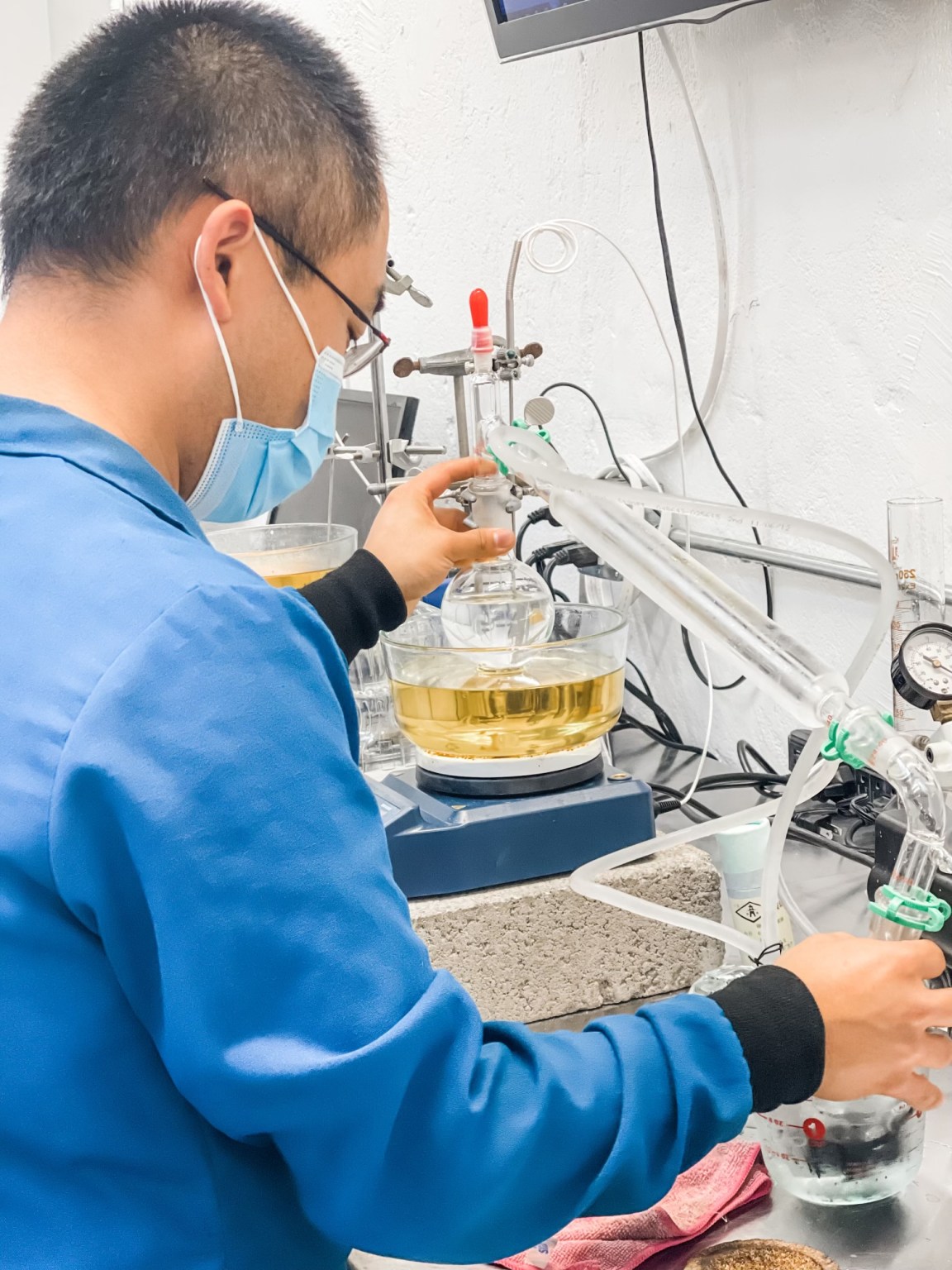
The HERMES automated genetic material extraction solution for diverse biological samples was developed by Ecoatoms to reduce astronaut time spent on research and development procedures. This innovation advances human-scale logistics and utilization in space, reducing significant costs and allowing astronauts to focus on critical missions while automation handles complex laboratory tasks with precision and consistency.
Learn more about the Ecoatoms HERMES solution about Hardware for Extraction and Reagent Mixing in Experimental Studies (HERMES)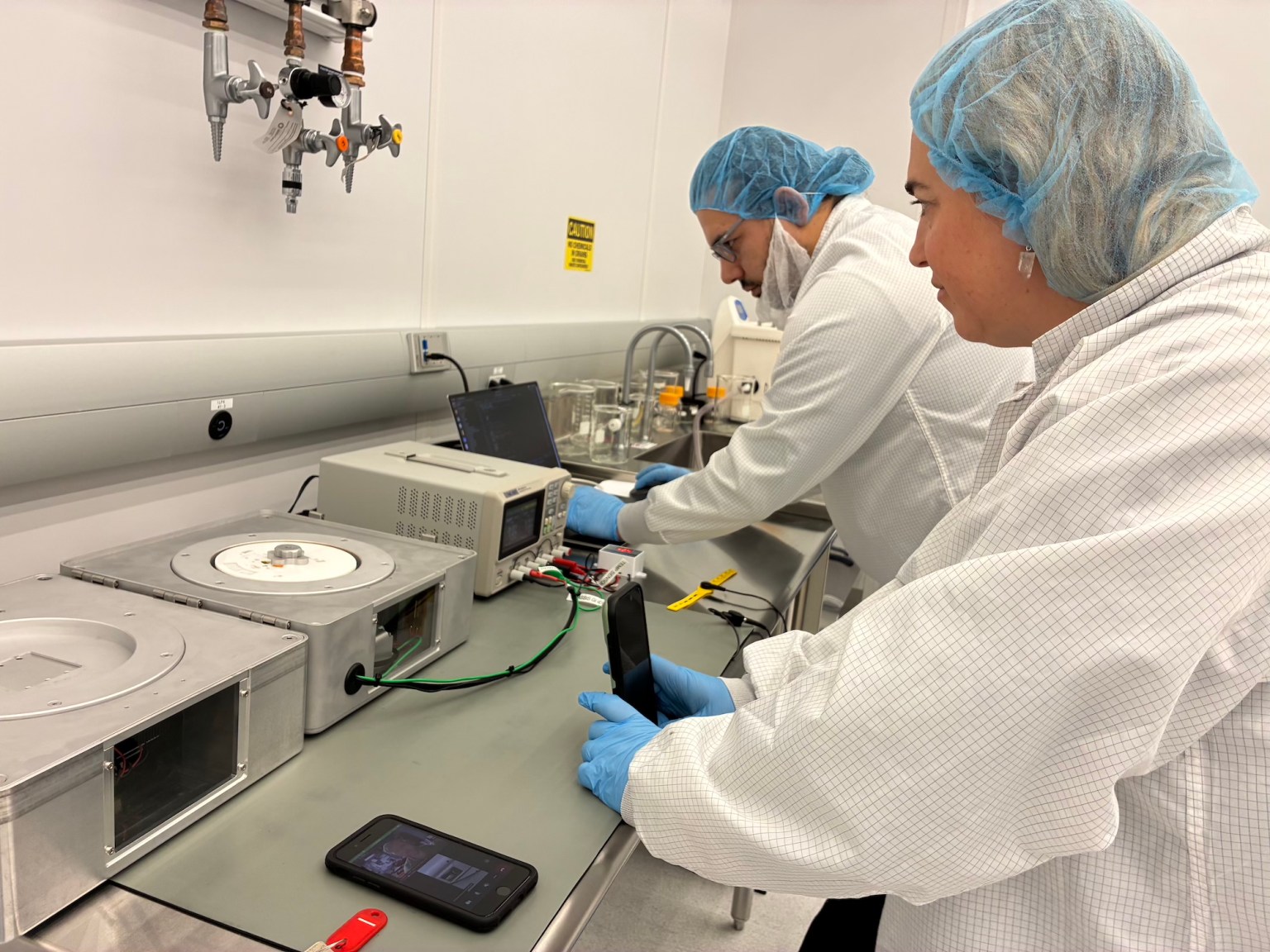
Guinn Partners
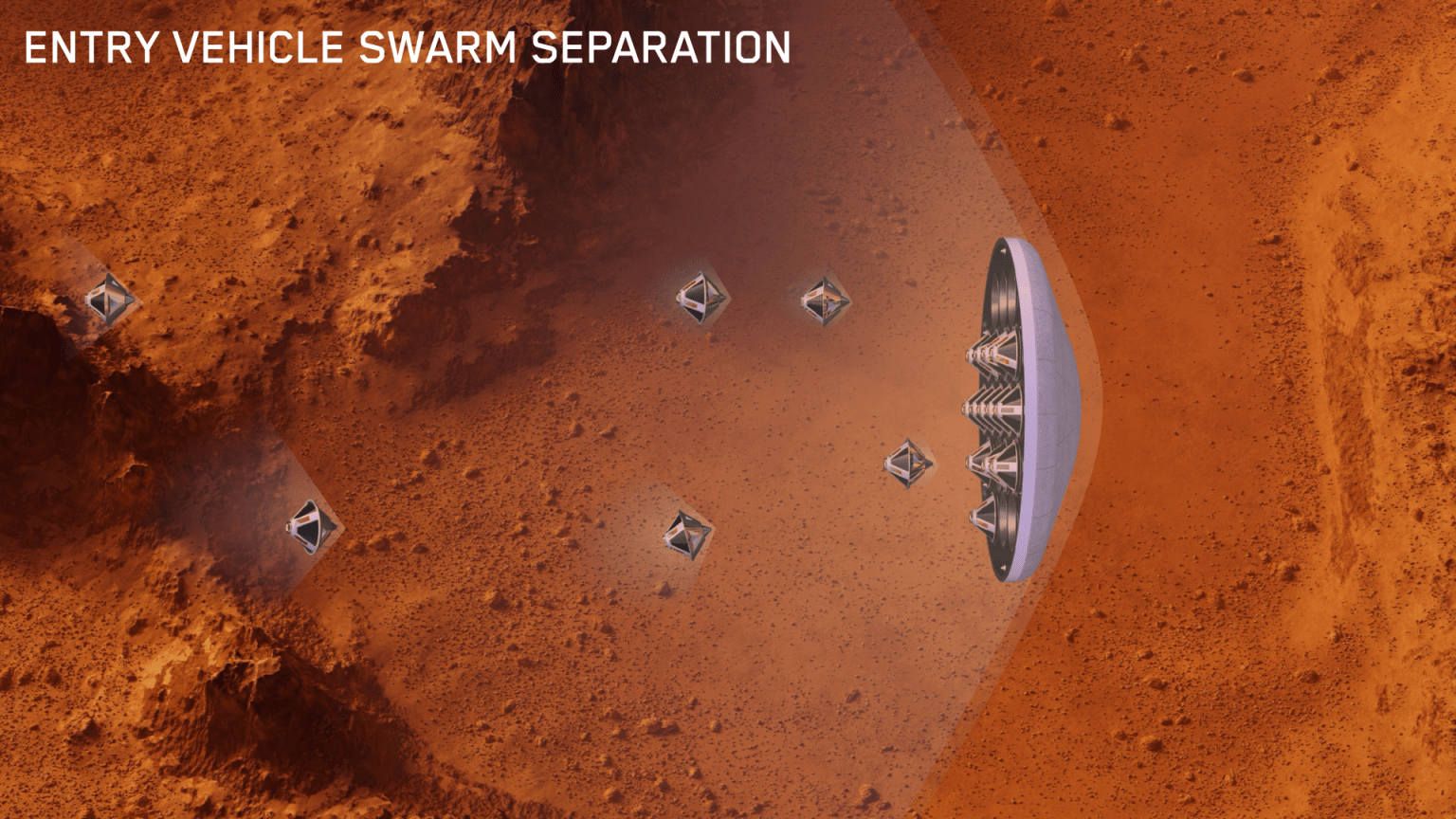
Iterative Mars Penetrator for Subsurface Science (IMPRESS)
Shortfall: Navigation Sensors for Precision Landing
Guinn Partners’ IMPRESS technology supports affordable rideshare missions and enables Mars swarm deployment for small-scale spacecraft. After an aluminum air brake ensures controlled descent, penetrators embed 50 cm and deploy a 150-g payload for resource reconnaissance. An ultra-high frequency radio beacon aids precision landing for future missions.
›› View the Guinn Partners application video
Helogen Corporation
Cellular Experiment Laboratory System (CELS)
Shortfall: In-situ Sample Preparation Capabilities
The CELS technology is an autonomous biological payload developed by Helogen Corporation to enable sample handling and preparation for in-orbit analysis. This technology focuses on ensuring high-quality biological experimentation comparable with state-of-the-art ground-based research. It is designed for suborbital, hosted orbital, commercial low Earth orbit destination, and CLPS (Commercial Lunar Payload Services) use.
›› View the Helogen application video

Juno Propulsion Inc.
Rotating Detonation Rocket Engine Satellite Propulsion with Green Propellants
Shortfall: Rotating Detonation Rocket Engine (RDRE)
Juno’s novel, high-thrust, high-efficiency propulsion system utilizes rotating detonation rocket engine technology powered with nitrous oxide and ethane, non-toxic propellants that are storable and self-pressurizing. The product leverages the 5–10% higher specific impulse of the RDRE technology to be competitive with current hypergolic bi-propellant solutions.
›› View the Juno application video

Space Dust Research & Technologies, LLC
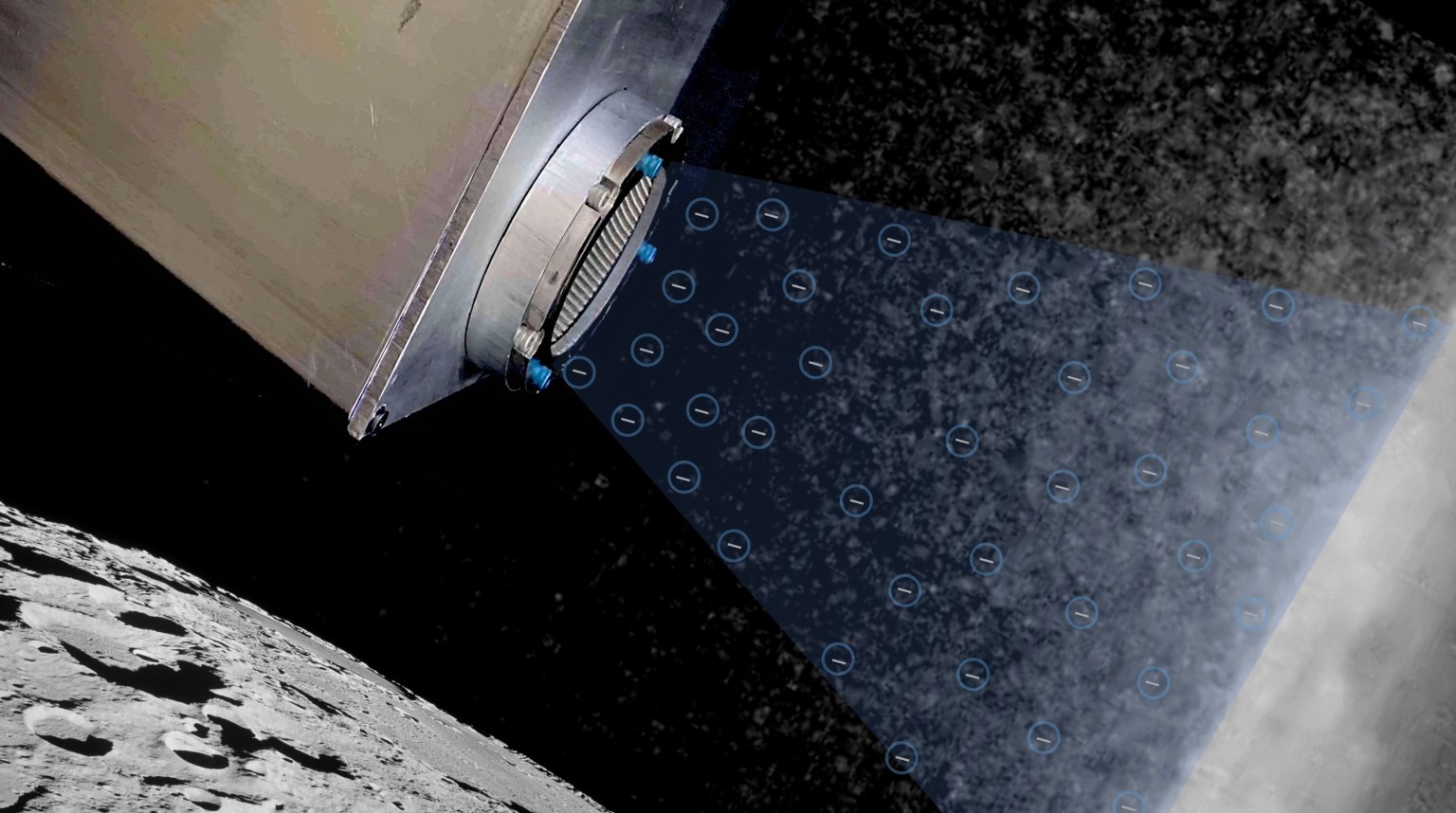
Electron Beam Dust Mitigation (EBDM) Technology
Shortfall: Active Dust Mitigation Technologies for Diverse Applications
This technology developed by Space Dust Research & Technologies uses an electron beam to charge particles to mitigate dust hazards for exploration on dust-rich airless bodies, like the Moon. It has demonstrated cleaning efficacy up to 92% for various surfaces, including spacesuits, solar panels, optical lenses, and thermal blankets.
›› View the Space Dust application video
SpaceWorks Enterprises, Inc.
High-Cadence Microgravity Silicon Semiconductor Crystal Manufacturing
Shortfall: In-Space and On-Surface Manufacturing of Parts/Products from Surface and Terrestrial Feedstocks
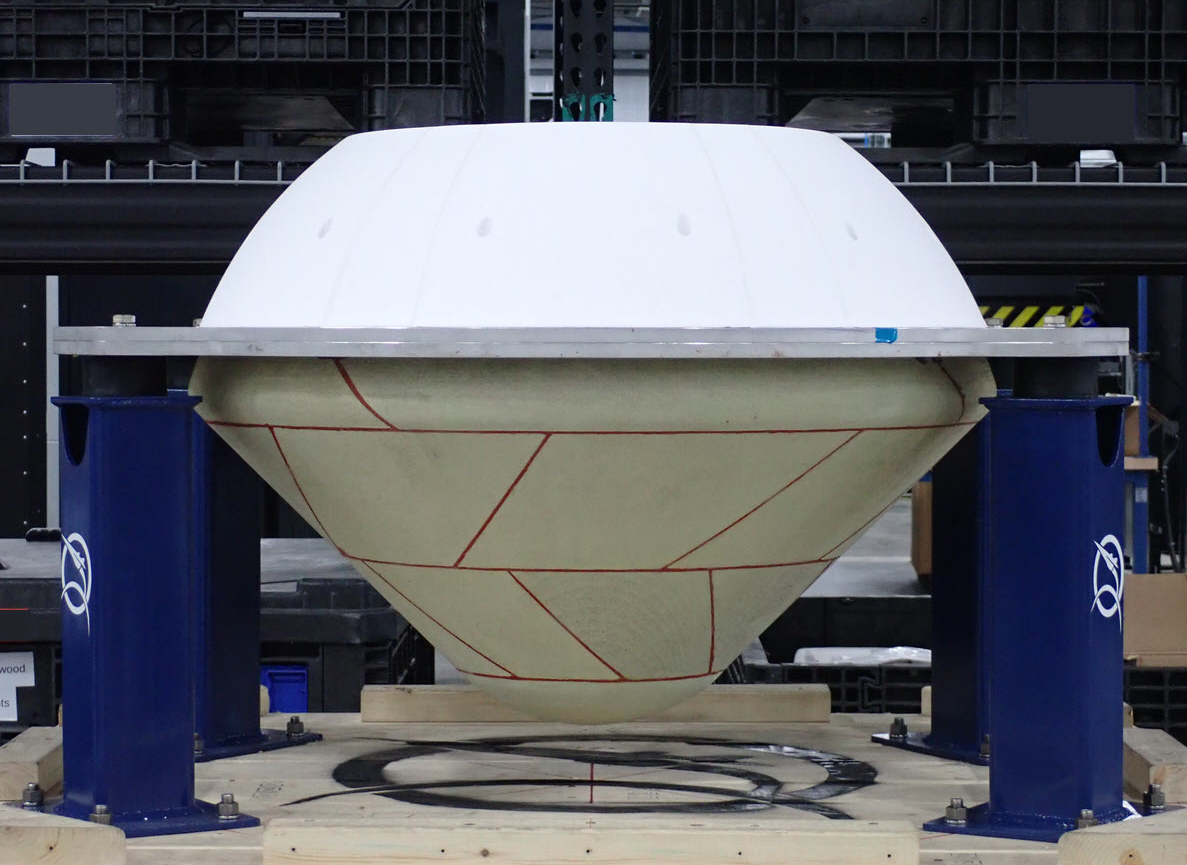
Commercial Orbital System for Microgravity In-Space Crystallization (COSMIC) is a prototype processing and re-entry system that can be hosted on readily available commercial orbital platforms. The re-entry vehicle is engineered for high-cadence payload return of materials manufactured in space. The recoverable COSMIC payload aims to enable high-temperature silicon crystal growth in microgravity and support scalable, low-cost in-space manufacturing.
›› View the SpaceWorks application video
The University of Texas at San Antonio (UTSA) e5 Lab
Mars Atmospheric Reactor for Synthesis of Consumables (MARS-C)
Shortfall: Produce Propellants and Mission Consumables from Extracted In-situ Resources
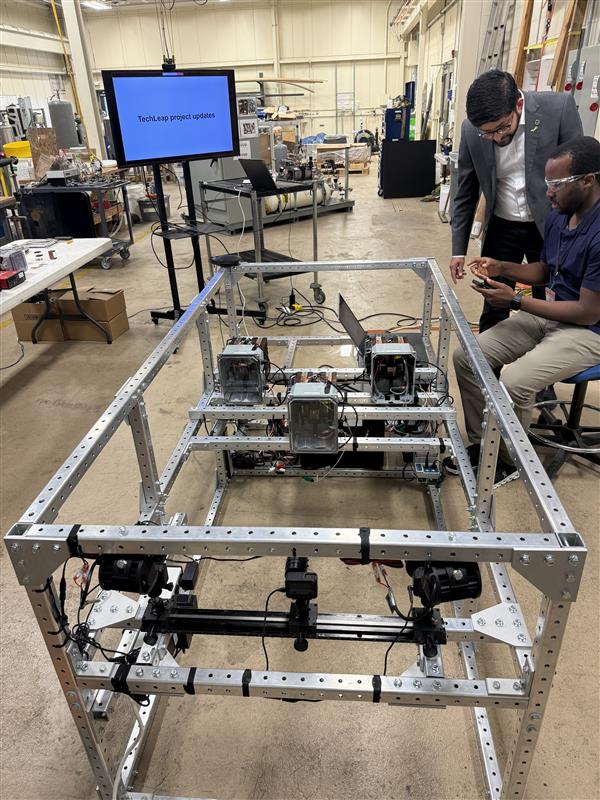
The e5 Lab’s MARS-C provides an electrochemical in-situ resources utilization (ISRU) approach to producing oxygen, hydrogen, and C1 and C2 hydrocarbons at Martian temperatures and pressures. Using water with dissolved and suspended minerals from the Martian regolith and atmospheric carbon dioxide may enable simultaneous electrolysis of the brine and gas to produce hydrocarbons and oxygen on Mars.
›› View the UTSA application video
Prior and Ongoing TechLeap Challenges

Universal Payload Interface Challenge
Nighttime Precision Landing Challenge
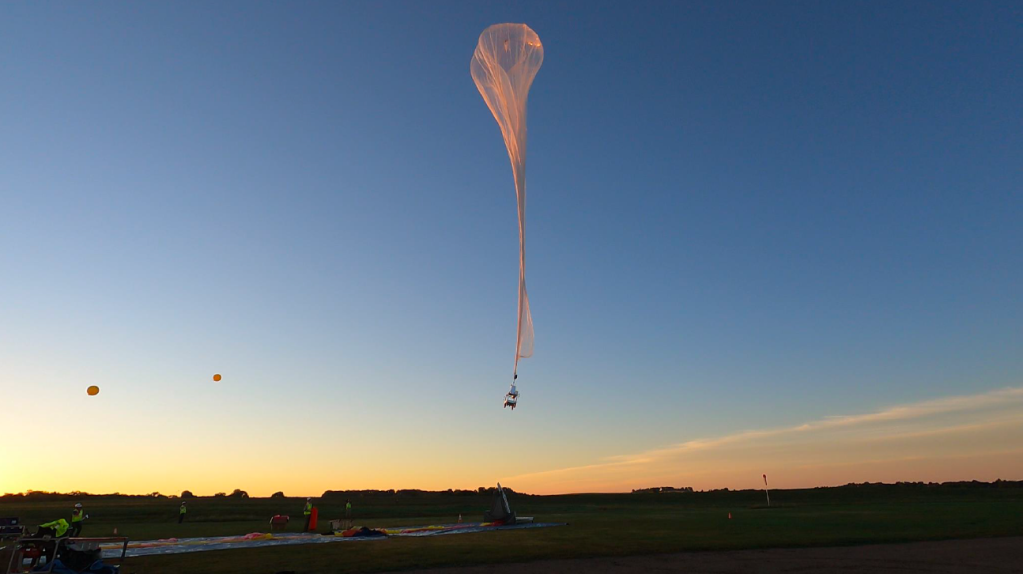
Autonomous Observation Challenge
Related Webinars

NASA TechLeap: Space Technology Payload Challenge (Pre-Submission Webinar)
Space Technology Payload Challenge: More on the Latest TechLeap Prize