















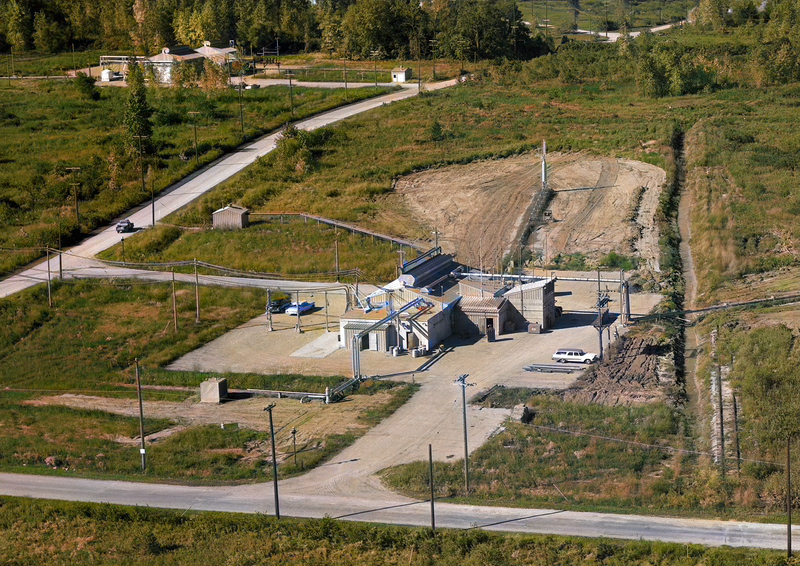
D-Site
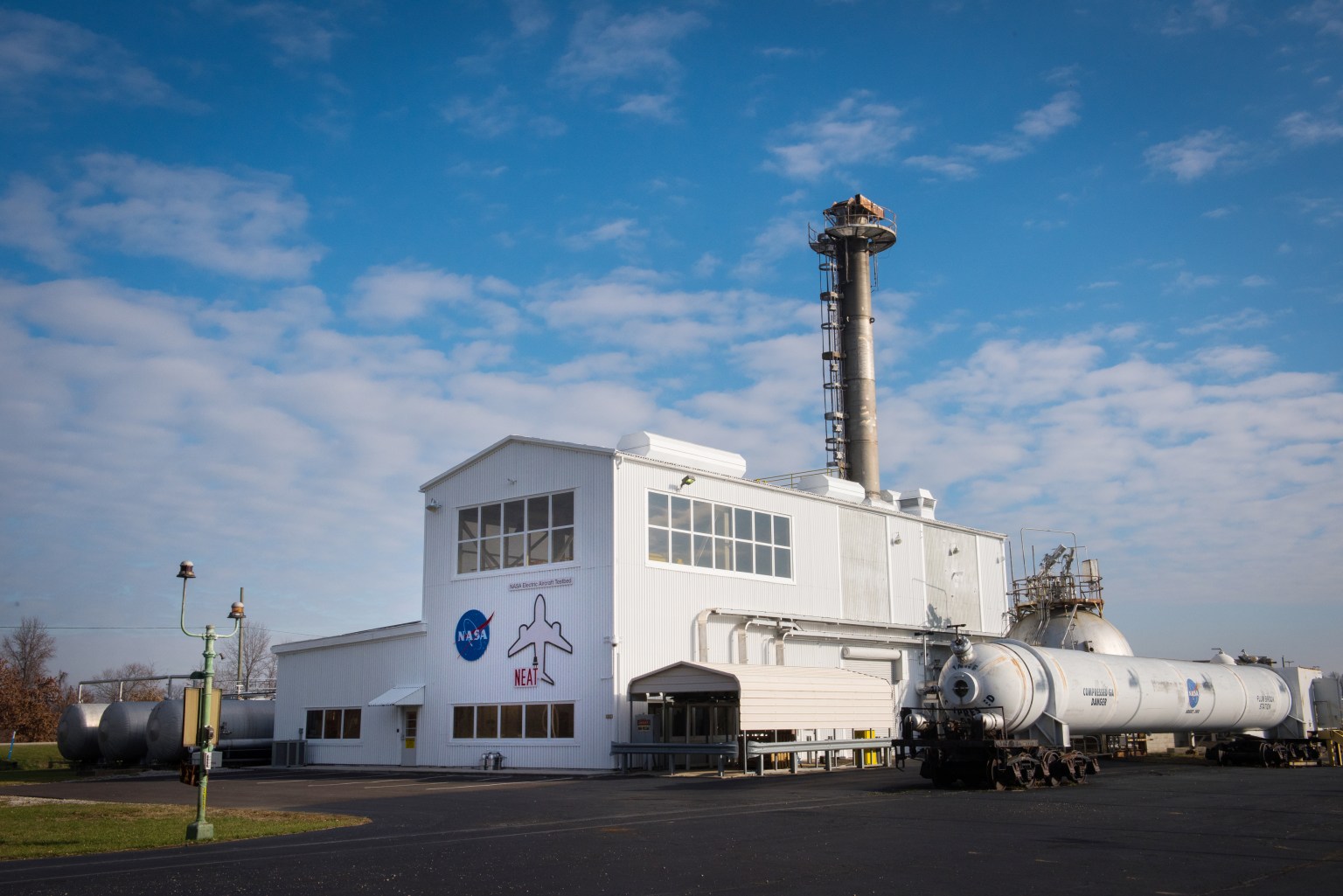
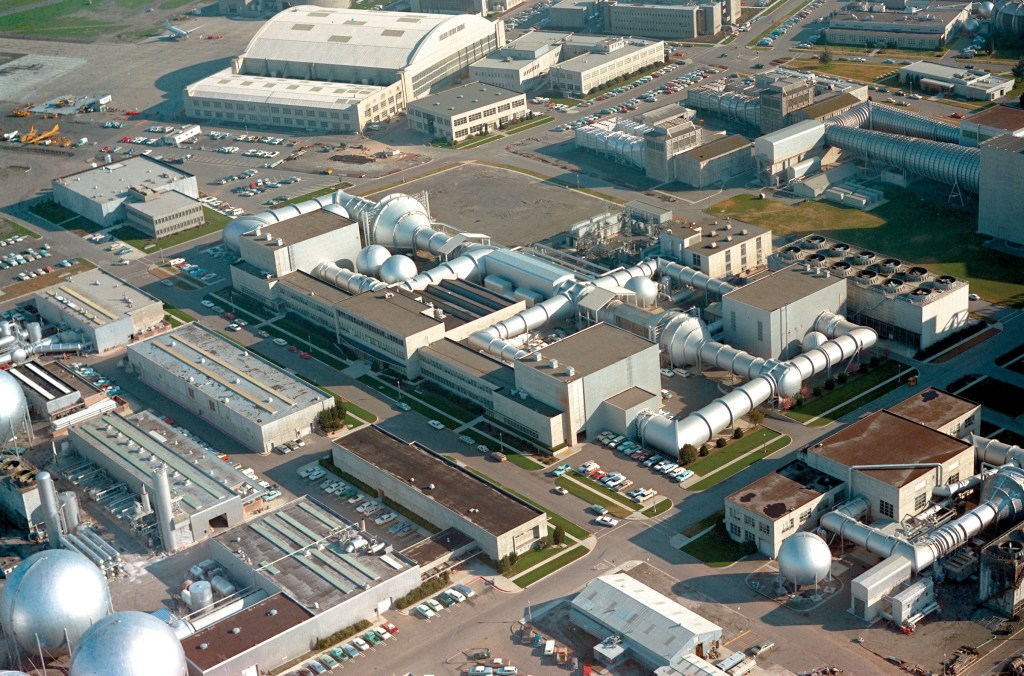
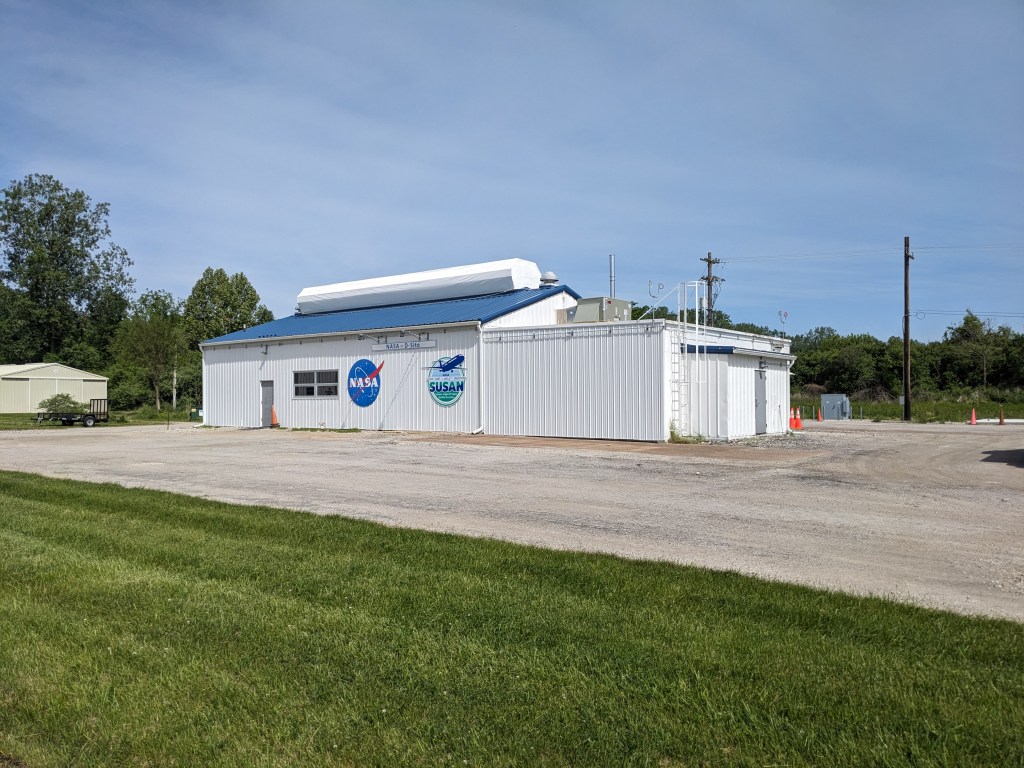
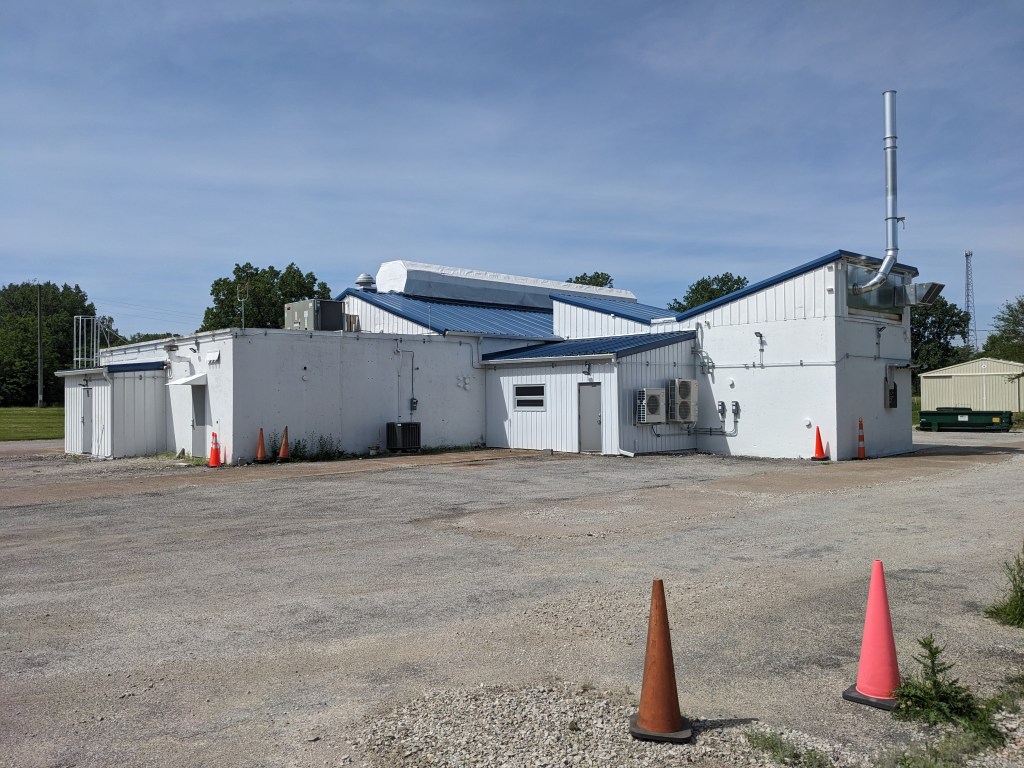
The D-Site facility is a sub-megawatt testbed enabling advanced electrical powertrain ground testing for a range of aerospace applications. Located at NASA’s Neil Armstrong Test Facility in Sandusky, Ohio, D-Site is equipped with unique battery, altitude, and electromagnetic interference (EMI) test capabilities designed to meet technology research, development, and certification requirements in the aerospace industry.
Quick Facts
Formerly used to test rocket engine turbines in the 1960s, D-Site is now home to one of NASA’s premier ground test facilities for electrified aviation research.
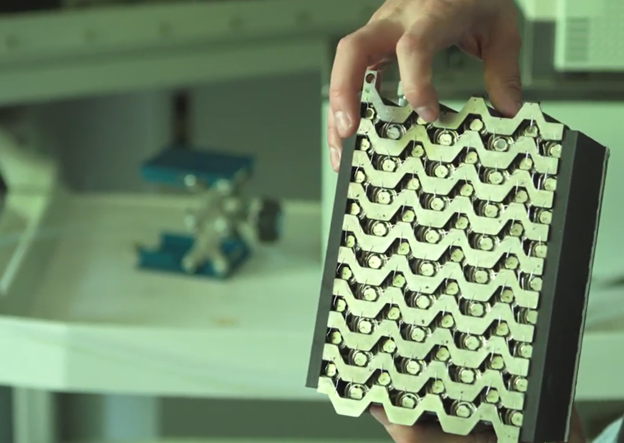
D-Site is a leading facility for aviation battery testing, enabling pack-level performance testing for hybrid electric aircraft.
The facility’s altitude chamber can simulate conditions up to 50,000 feet.
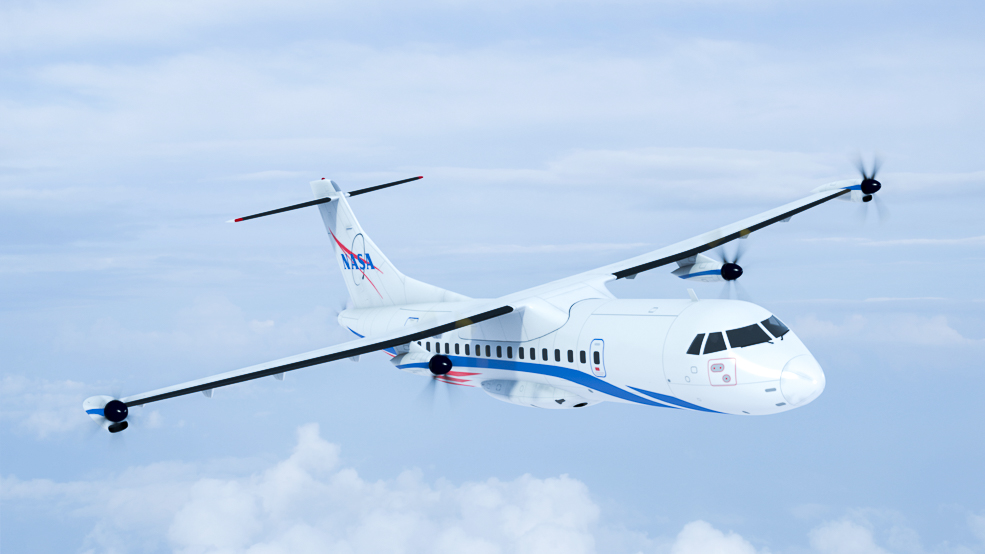
U.S. companies use D-site as a safer and more cost-effective way to conduct critical ground testing required for propulsion systems certifications.
Overview
Electric powertrain systems face complex design, testing, and integration challenges in both aviation and space applications due to increased power levels operating at higher altitudes. Components such as batteries require high energy density and increased reliability in order to operate safely under extreme conditions and be certified for flight. D-Site offers a unique environment for industry, government, and academia to conduct advanced testing on critical components and meet key requirements for certification.
Capabilities
General
The facility is supplied with 580 kW of electrical power for general facility use and 2 MW for test equipment.
Battery Testing
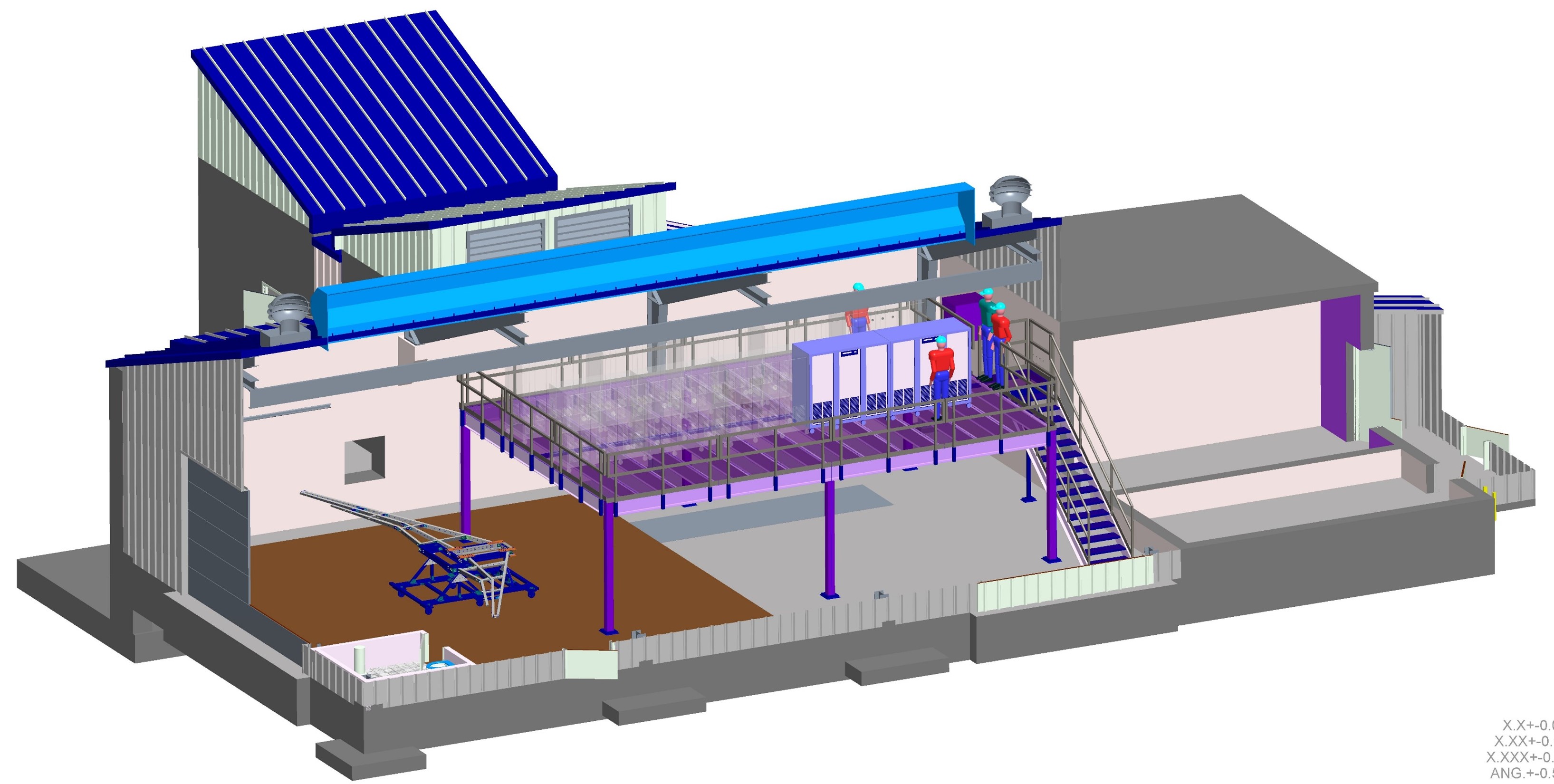
D-Site’s battery chamber allows researchers to conduct non-destructive pack-level performance testing to ensure safety and reliability under normal operating conditions. This includes assessing key elements such as energy capacity, voltage, and charge and discharge cycling.
- Chamber
- Layout
- 13’x13’x18’, 169 sq ft
- 26” thick reinforced concrete walls
- Dedicated inlet/outlet ventilation system with 14′ exhaust stack
- Maximum battery size: ~20” x 32″
- Energy limit: 16,000 Ah
- Safety features
- Fire detection & suppression systems
- Gas/flame detection system (methane, ethylene, CO, CO2, hydrogen, hydrogen sulfide, oxygen, combustibles)
- FLIR thermal camera and network video system
- E-Stop (power supply / battery disconnect)
- Redundant battery temperature monitoring system for automatic abort
- Additional features
- Custom battery profiler tool: battery emulation based on performance characteristics of unit under test
- Layout
- Electrical
- Hardware
- Keysight RP7982A, bi-directional power supply
- Voltage: 0-1000 VDC
- Current: 0 – 90 A
- Power: 30kW
- Accuracy: 0.03% +/- 75 mV / 0.03% +/- 9 mA
- Keysight SL1740A
- DC Bus Voltage: 50 – 1200V
- Maximum current with power units in parallel:
- 500A at 1,200V
- 600A at 1,000V
- Maximum current from single power unit:
- 250A at 1,200V
- 300A at 1,000V
- Accuracy: 0.03% +/- 150 mV / 0.03% +/- 150 mA
- Keysight RP7982A, bi-directional power supply
- Cooling
- PAO chiller/cooling loop
- Up to 14 GPM at 60 PSI, 4.4kW of cooling
- Water/glycol cooling loop
- PAO chiller/cooling loop
- Hardware
- Data Acquisition
- NI cDAQ 9179
- 14-slot chassis
- Software: LabVIEW
- Analog/digital input/output
- RTD & thermocouple input
- NI cDAQ 9179
Altitude Testing
D-Site’s altitude chamber enables a safer and more cost-effective way to conduct ground testing and evaluate electric machine performance under simulated, realistic flight conditions with extreme temperature shifts, humidity, and high altitudes.
- Max altitude: 50,000 ft, 86.9 torr
- Altitude control requirement: +/- 2,000ft from setpoint
- Driveshaft max speed: 7,000 rpm (direct drive to dynamometer)
- Mechanical load: 500 kW bi-directional electric dynamometer
- Power supplies:
- Keysight SL1840A: Up to 600kW bi-directional power for test articles
- DC Bus Voltage: 50 – 1200V
- Maximum current with power units in parallel:
- 500A at 1,200V
- 600A at 1,000V
- Maximum current from single power unit:
- 250A at 1,200V
- 300A at 1,000V
- Accuracy: 0.03% +/- 150 mV / 0.03% +/- 150 mA
- Magna: Up to 500kW at 700V for electric dynamometer
- Keysight SL1840A: Up to 600kW bi-directional power for test articles
- Features:
- Environmental measurements inside chamber:
- Temperature: -70 to +180 °C
- Relative humidity: 0-100%
- Dewpoint/frost point (Td/f): 0 – 100 °C (32 – +212 °F)
- Environmental measurements inside chamber:
Electromagnetic Interference (EMI) Testing
EMI can have harmful impacts on how components perform and the overall health of electrical systems. D-Site’s EMI testing capabilities help ensure hardware is safe and in compliance with EMI requirements by the Radio Technical Commission for Aeronautics.
- Pre-compliance EMI testing for DO-160 Section 21 radio frequency conducted emissions (RF CE)
- Modeling of Section 21 radio frequency radiated emissions (RF RE)
- Measure radio frequency conducted emissions (CE) on 1kV, 1kA components and compare results to existing DO-160 RF CE limits
- Model component’s RF RE for comparison with DO-150 Section 21 RF RE limits using CE measurements
Applications
D-Site’s unique capabilities provide industry, government, and academia with a safe and cost-effective way to carry out critical ground tests on electrical power systems. Data gathered from these tests can help advance electrified systems in aviation and space, identify gaps in regulations, and inform standards for future electrified powertrain systems.
Testing at D-Site
Interested in testing with us? D-Site is currently available to U.S.-based companies for advanced battery pack-level performance testing. Get in touch via the link below.
Send an email