
















Fly Foundational Robots
find out more
FEATURE
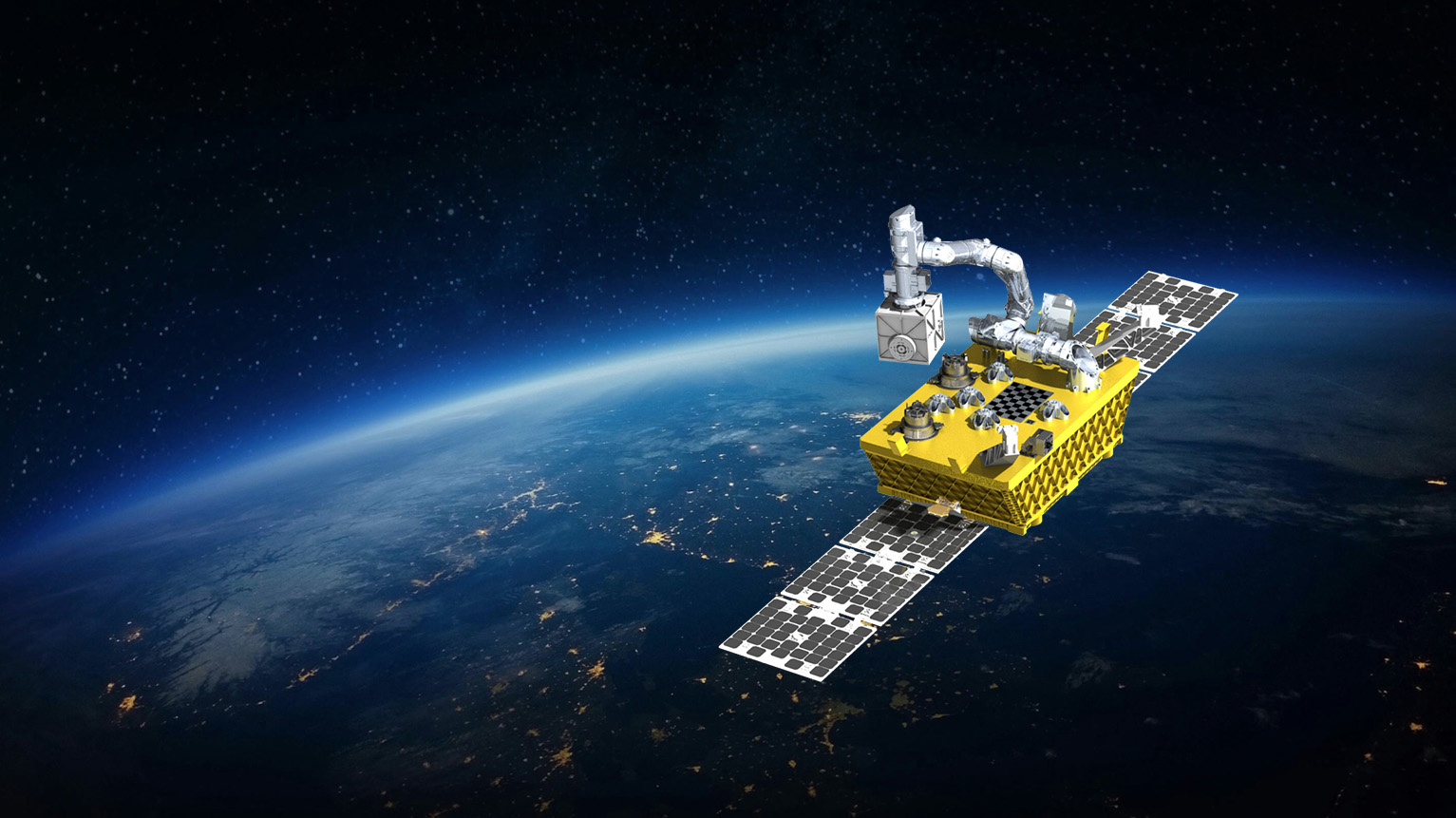
Set to launch in late 2027, FFR will deploy and operate a commercial robotic arm in low Earth orbit — allowing the spacecraft to act as an in-space platform and destination for robotic demonstrations. Developed by small business Motiv Space Systems, now Rocket Lab Robotics, the arm is capable of dexterous manipulation, autonomous tool use, and walking across spacecraft structures in zero or partial gravity. These capabilities will be demonstrated and validated, establishing foundational behaviors necessary for future in-space robotic and servicing operations.
The FFR payload deck will feature Motiv’s robotic arm, aimed at demonstrating a key capability: the ability to repair or upgrade a space system by installing a modular component in-space. Known as an Orbital Replacement Unit, this movable module is designed to extend or enhance the functionality of the space system. During the mission, the robotic arm will pick up and reposition the unit in flight, marking the platform’s first in-orbit operations.
After the initial maneuvers, NASA, serving as the inaugural Guest Roboticist, will manipulate the robotic arm by deploying and executing software on the FFR payload to complete additional tasks.
For continued demonstrations on FFR’s in-space robotic testing platform, NASA is looking for partners from industry, government agencies, and academia to fill the Guest Roboticist’s role. Learn more about this opportunity.
The FFR mission will fly with four separable interfaces from various industry partners, creating a task board for the robotic arm to perform in-space robotic tasks. Looking ahead, the spacecraft will include docking mechanisms to support rendezvous operations with future spacecraft delivering additional payloads — opening the door to a wide range of follow-on missions.
NASA Robotic Tech Demo Will Advance Prototype Gamma-Ray Detectors
A new type of gamma-ray sensor developed by NASA will take part in a robotic arm demonstration on the agency’s…
Read the Story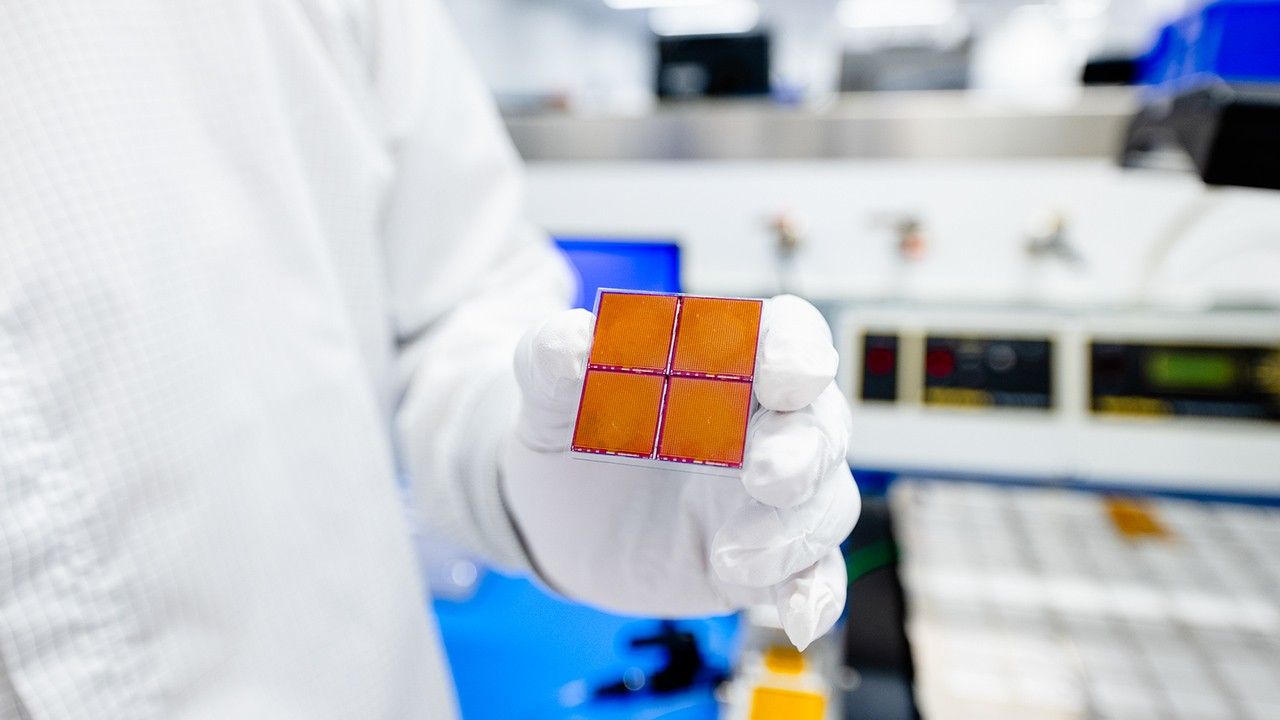

Space Roboticist Challenge
Go to Challenge
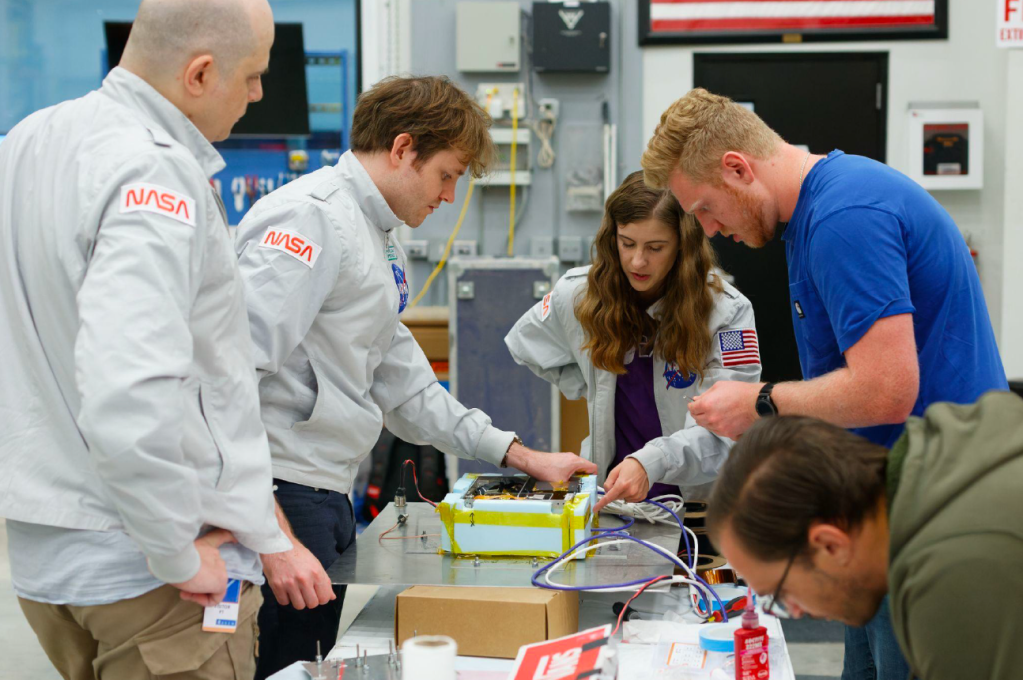
NASA’s Fly Foundational Robots demonstration is funded through the NASA Headquarters In-space Servicing, Assembly, and Manufacturing (ISAM) portfolio and managed by NASA’s Goddard Space Flight Center in Greenbelt, Maryland. Motiv Space Systems, now Rocket Lab Robotics, will supply the mission’s robotic arm system through a NASA Small Business Innovation Research Phase III award. Astro Digital of Littleton, Colorado, will flight test Motiv’s robotic payload through NASA’s Flight Opportunities program managed by NASA’s Armstrong Flight Research Center in Edwards, California.