
















Assembly in Progress
NASA is building a Moon Base near the lunar South Pole to strengthen American leadership in space, unlock scientific discovery, drive innovation with industry and international collaborators, and prepare humanity for missions to Mars.
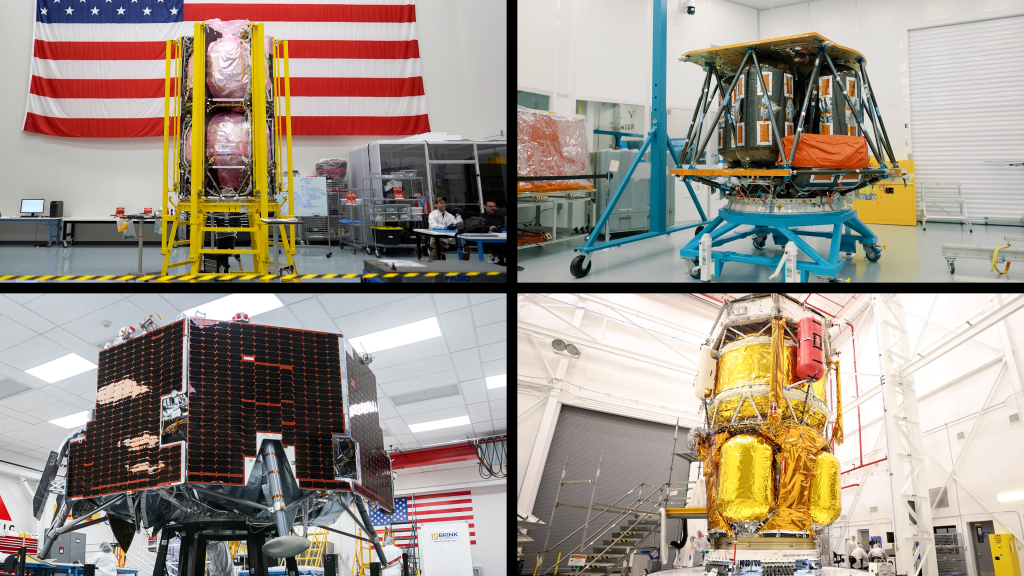
Learn MoreNASA JPL Testing Readies Voyager Technologies Lander for Moon Mission
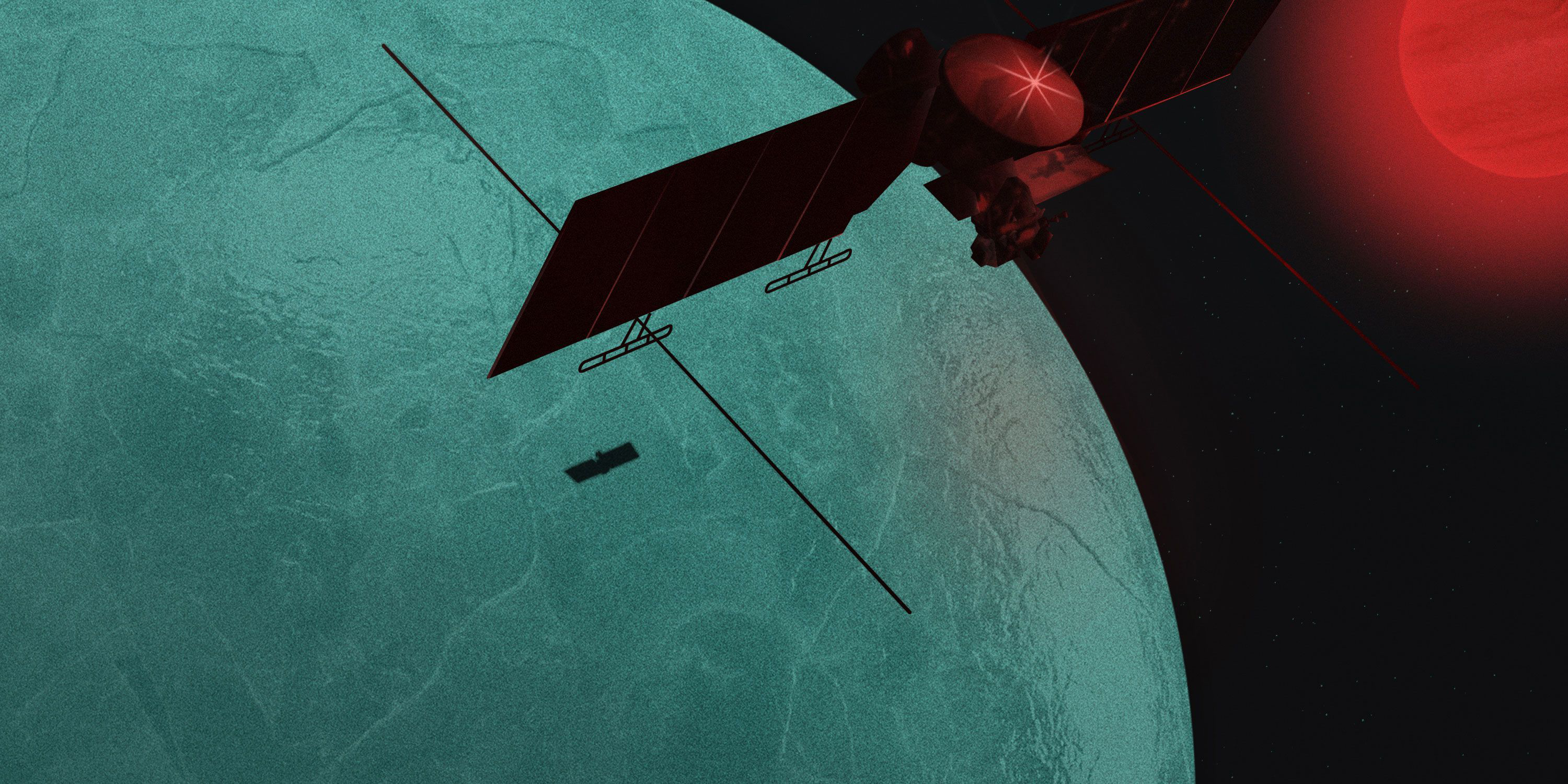
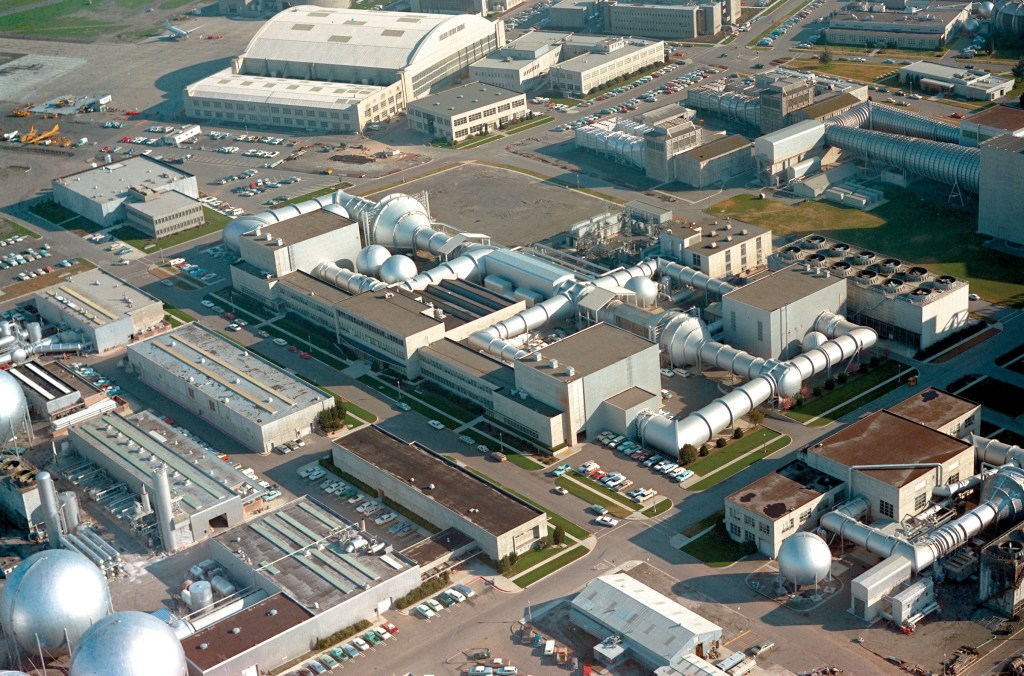
A commercial lander that will be at the forefront of NASA’s efforts to establish a Moon Base, humanity’s first lunar outpost, has passed a series of critical tests at the agency’s Jet Propulsion Laboratory in Southern California.
Read the Story about NASA JPL Testing Readies Voyager Technologies Lander for Moon Mission
The Vehicles That Will Drive Early Moon Base Development
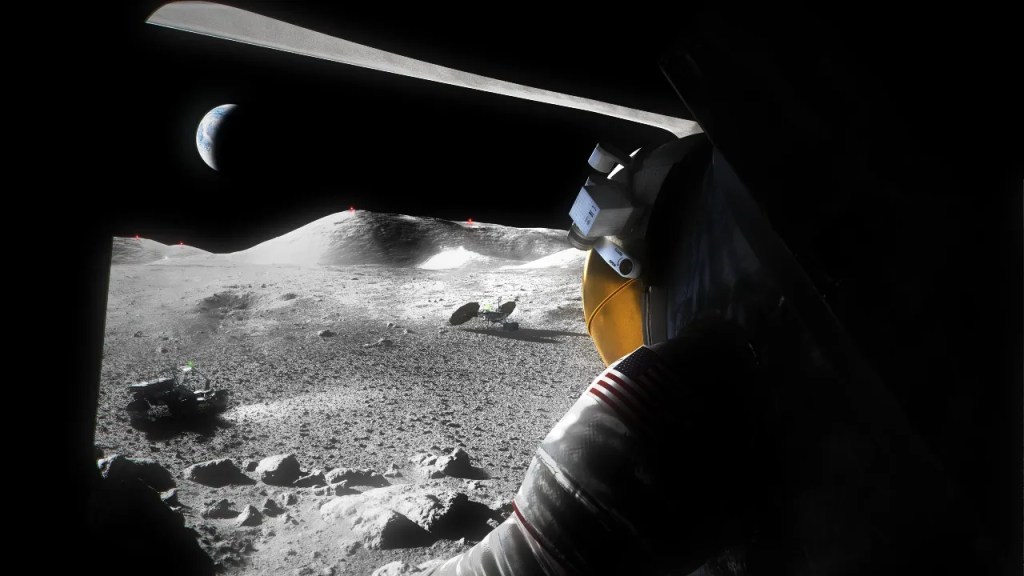
There’s a lot of ground to cover when you’re building a Moon Base. From robotic rovers exploring the rugged lunar landscape to lunar terrain vehicles carrying Artemis astronauts across the surface, mobility will play a crucial role in establishing an enduring human presence on the Moon. During the early phases of Moon Base development, these vehicles will help NASA investigate the lunar South Pole region, conduct scientific research, test new technologies, and gather data that will inform future missions.
Learn MoreHelp Build the Moon Base
The Moon Base represents one of the most ambitious engineering and exploration efforts in human history — and it cannot be achieved alone. NASA is partnering with commercial industry, academia, and innovators around the world to develop the technologies, infrastructure, and capabilities needed to establish an enduring human presence on the Moon.
Learn More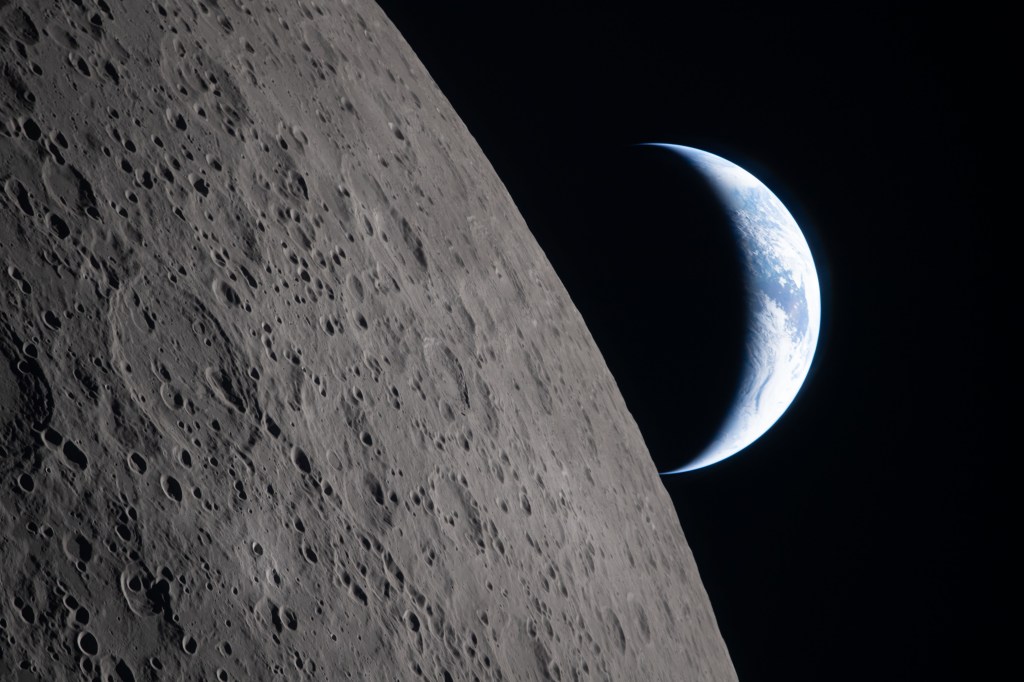
Why the Lunar South Pole region?
The Moon Base will be built in one of the most extreme environments humans have ever set out to explore.
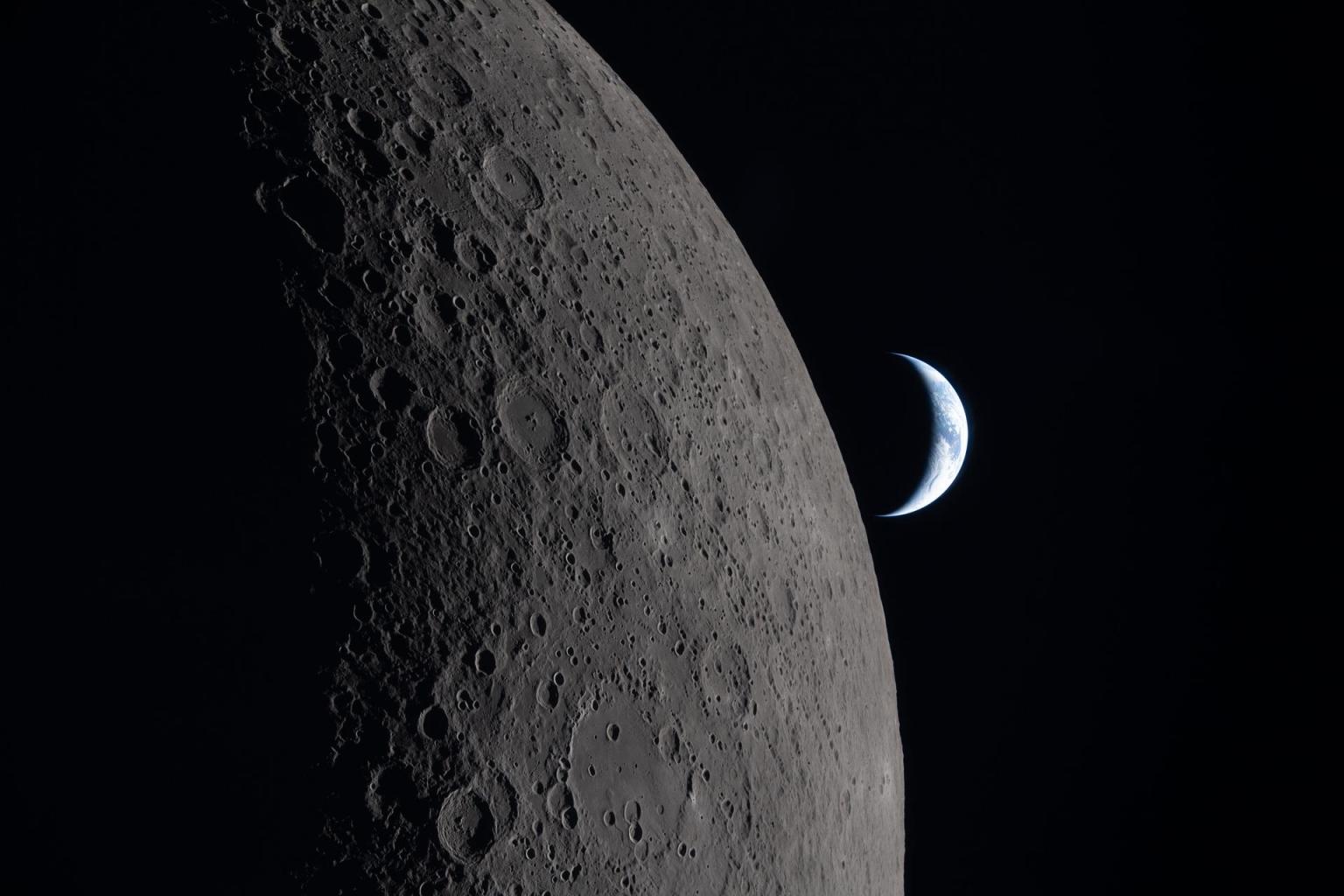
The lunar South Pole region offers unique opportunities for exploration, scientific discovery, and a long-term human presence. The region may contain resources that could one day help support future explorers. Studying this part of the Moon could also help scientists answer important questions about the history of the Moon, Earth, and our solar system.
How will we build the Moon Base?
Three phases. Many missions. One goal: build the Moon Base.
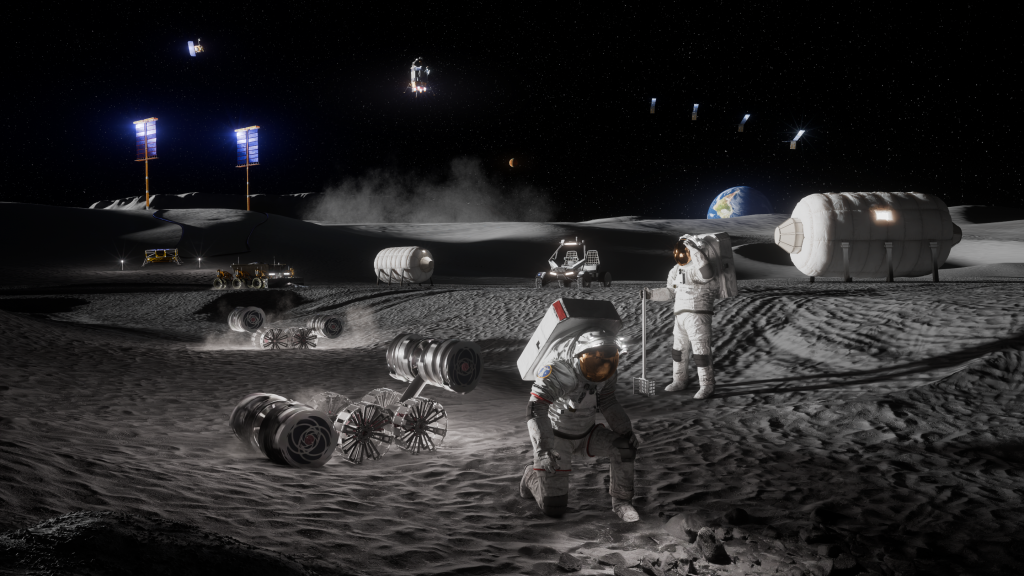
NASA will establish the Moon Base through a phased, iterative approach that builds capability over time. By starting with near-term technology demonstrations, robotic missions, and early experiments, NASA and its partners can test systems, learn quickly, and steadily mature the capabilities needed to support an enduring human presence on the Moon.
Moon Base News

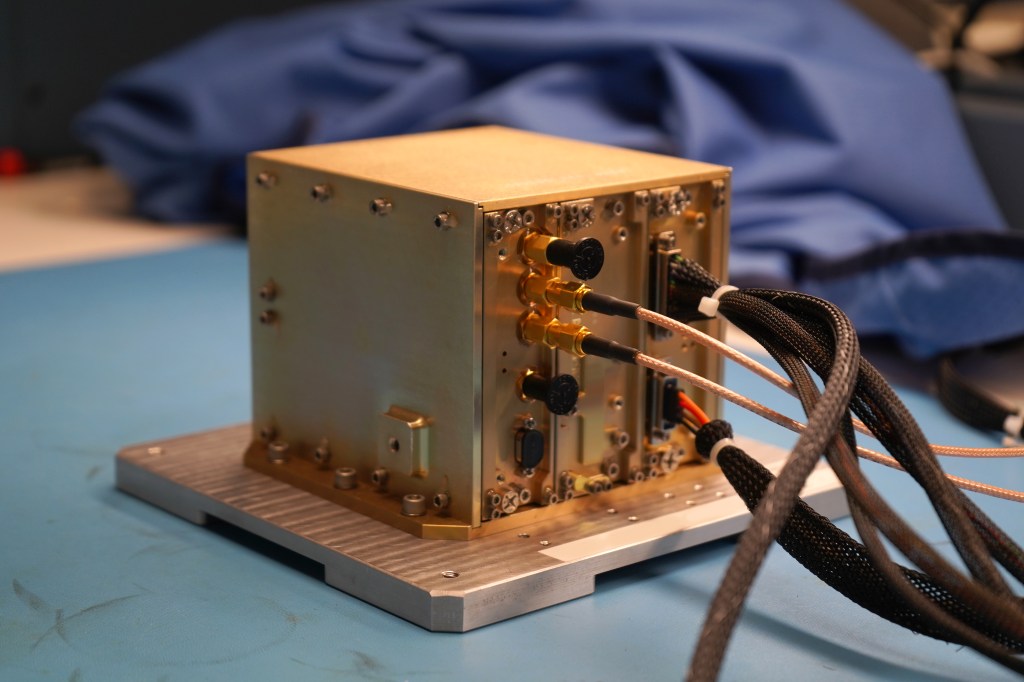

NASA Adds New Science Investigations for Moon Base
NASA Challenge Tests Wheel Designs for Moon Base Mobility
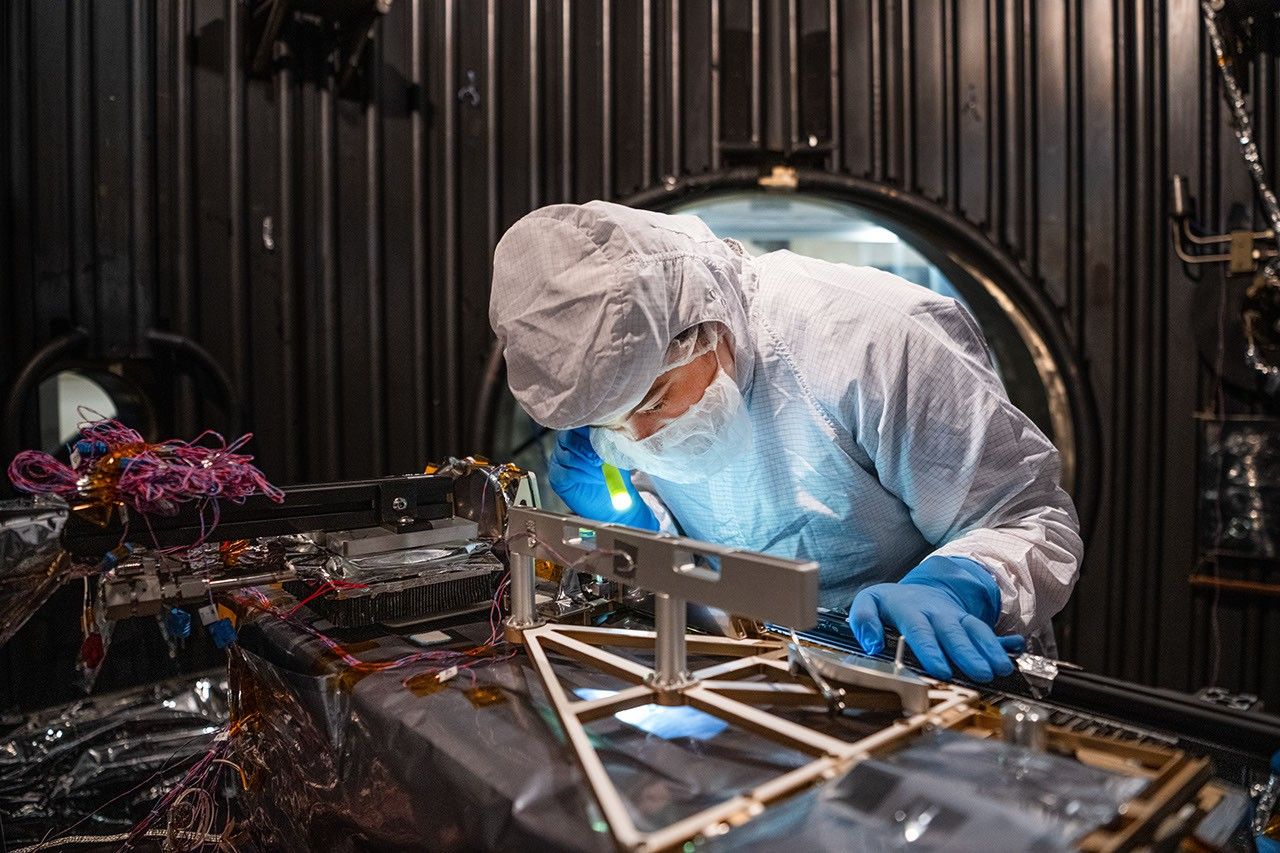
NASA Completes Astronaut-Deployed Science Instrument for Lunar Surface
Building the Moon Base: NASA Stories at the Ion
Lunar Exploration
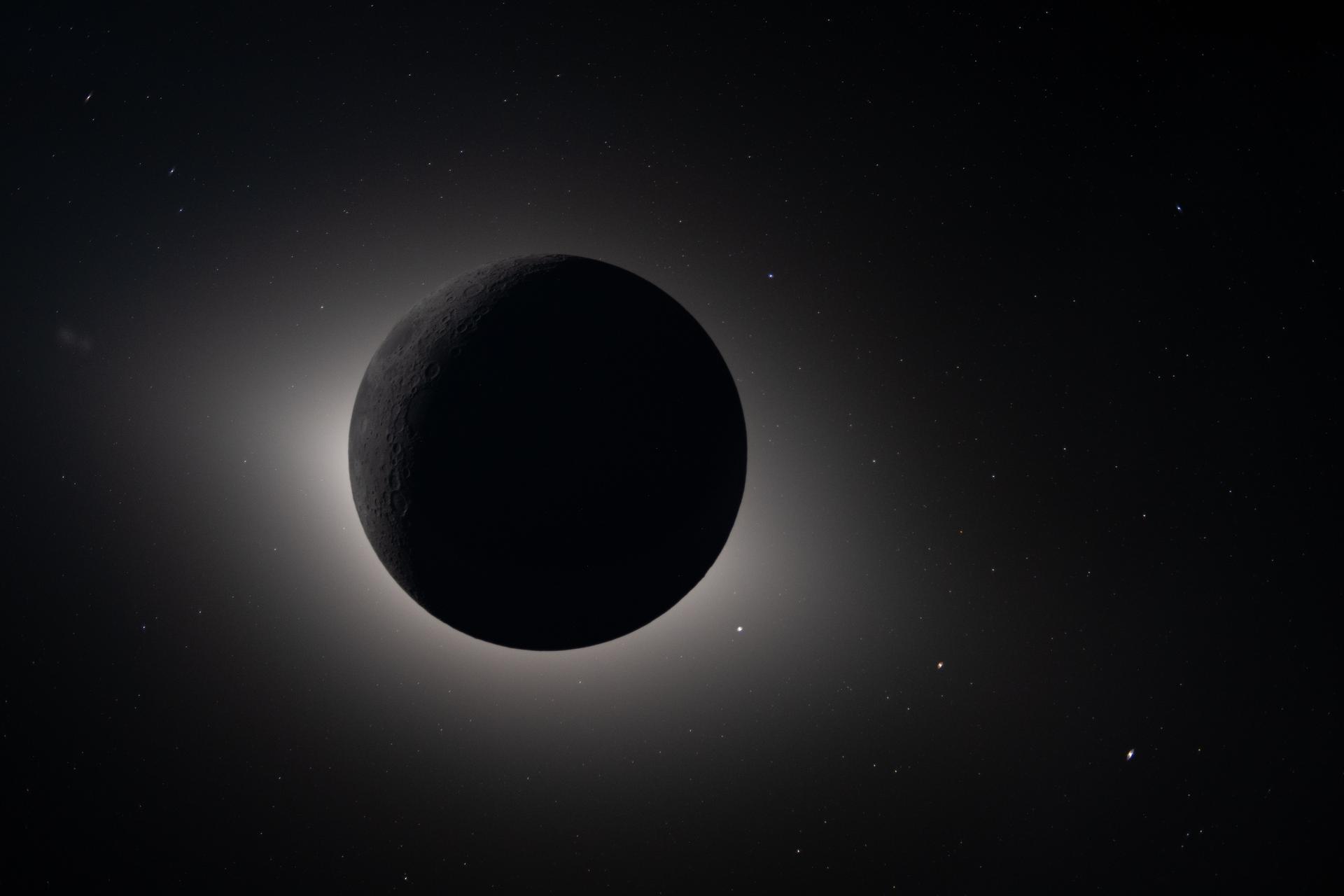
The Moon is a 4.5-billion-year-old time capsule.
As Earth’s nearest planetary neighbor, the Moon has profound potential to be a source of new scientific advances. It is also the best place for us to test our deep space systems and operations in preparation for the first human mission to another planet: Mars.
Lunar Science
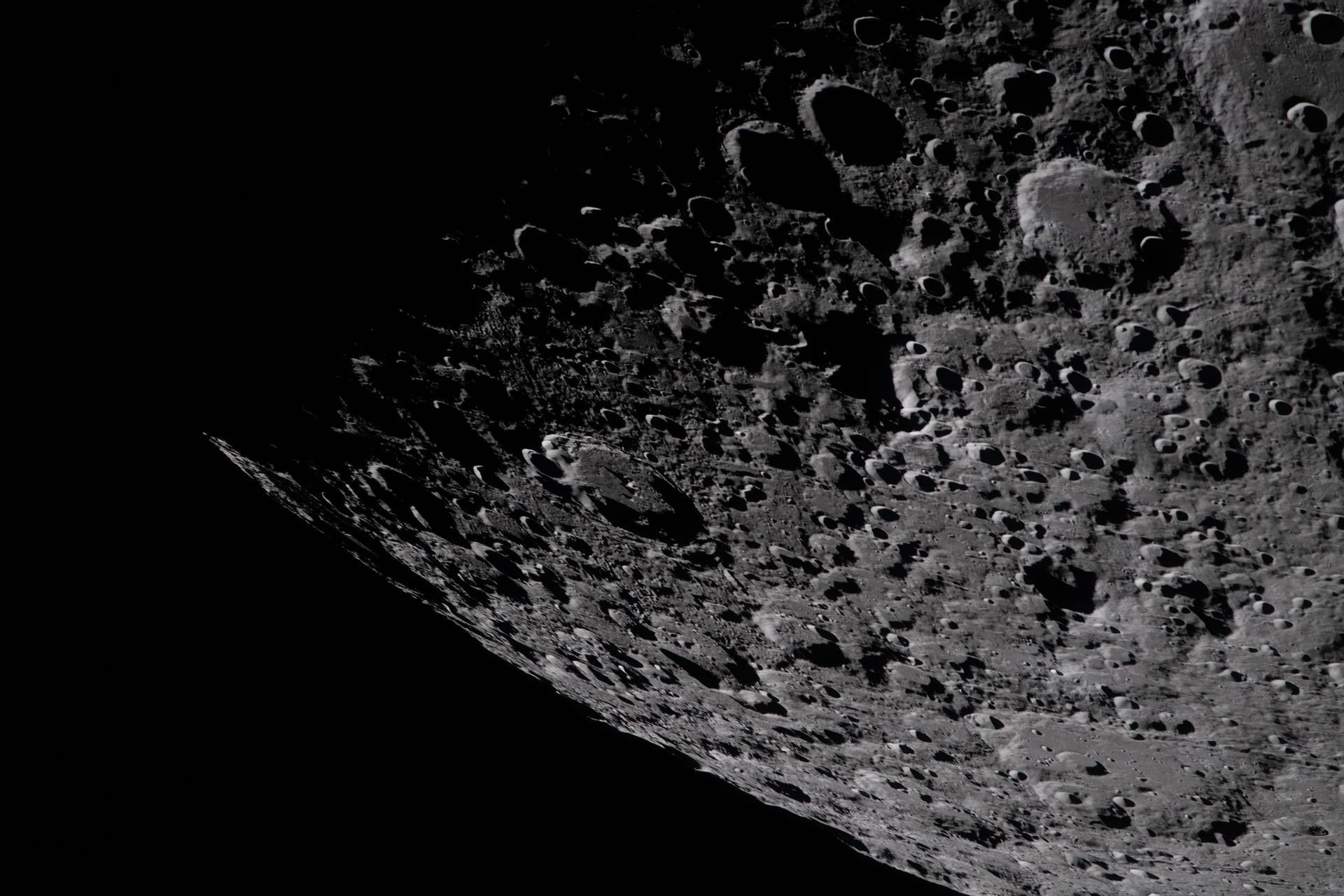
The Moon holds clues to the evolution of Earth, the planets, and the Sun.
Every mission to the Moon is an opportunity for new discoveries. Studying the Moon can help scientists answer important questions about the history and evolution of the Moon, Earth, and our solar system.
Lunar Technology
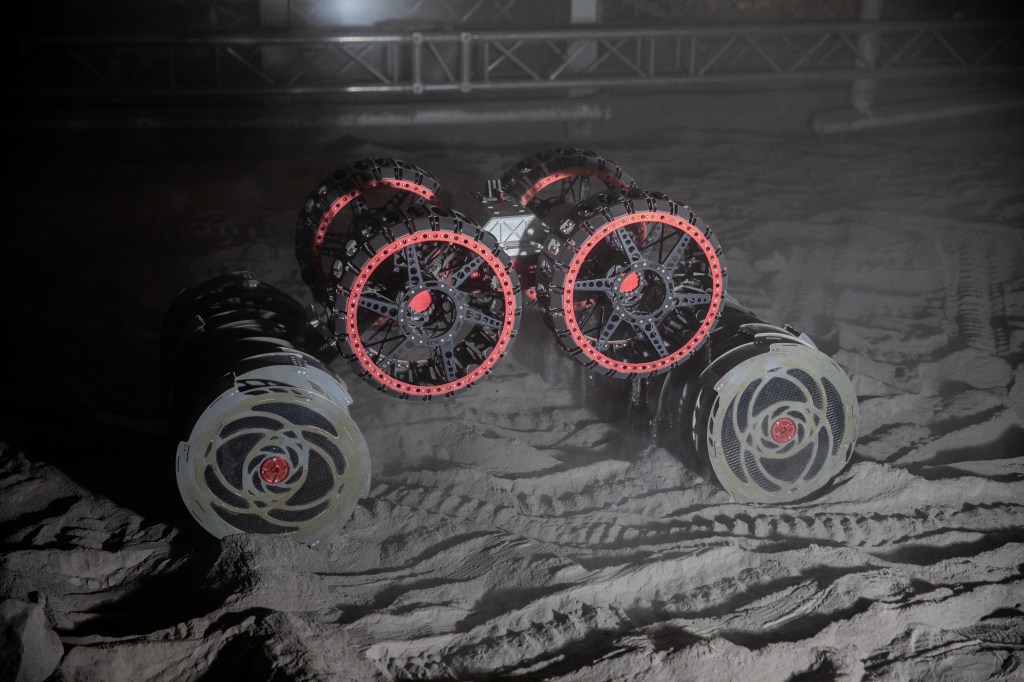
Discover the technologies NASA is advancing to support the next chapter of lunar exploration
Surface power. Autonomous robots. Lunar dust mitigation. These are just some of the technologies and capabilities NASA is advancing to support long-term exploration near the lunar South Pole.
Moon to Mars
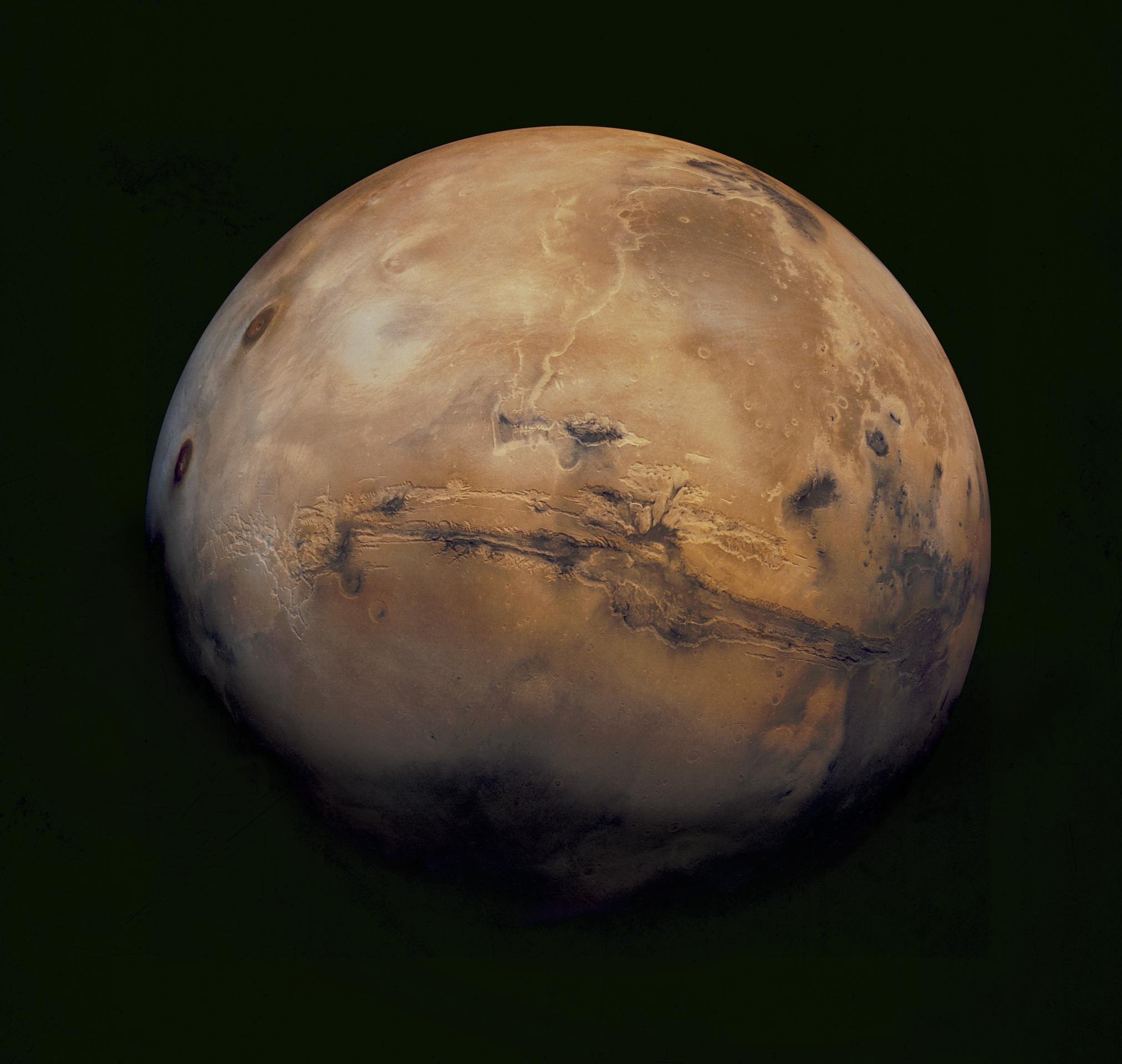
The Moon is not our final destination. It’s a proving ground.
The Moon Base will help NASA learn what it takes to live and work on another celestial body. The knowledge, technologies, and operational experience gained on the lunar surface will help prepare for future human missions to Mars.
Moon Base 101
Step into the future of lunar exploration with this episode of “Houston We Have a Podcast,” the official podcast of NASA’s Johnson Space Center. In a conversation with NASA Moon Base Program Manager Carlos García-Galán, learn how the Moon Base will take shape over time, the capabilities and partnerships that will help enable an enduring human presence on the lunar surface, and the progress already underway to turn that vision into reality.
Listen to the Podcast about Moon Base 101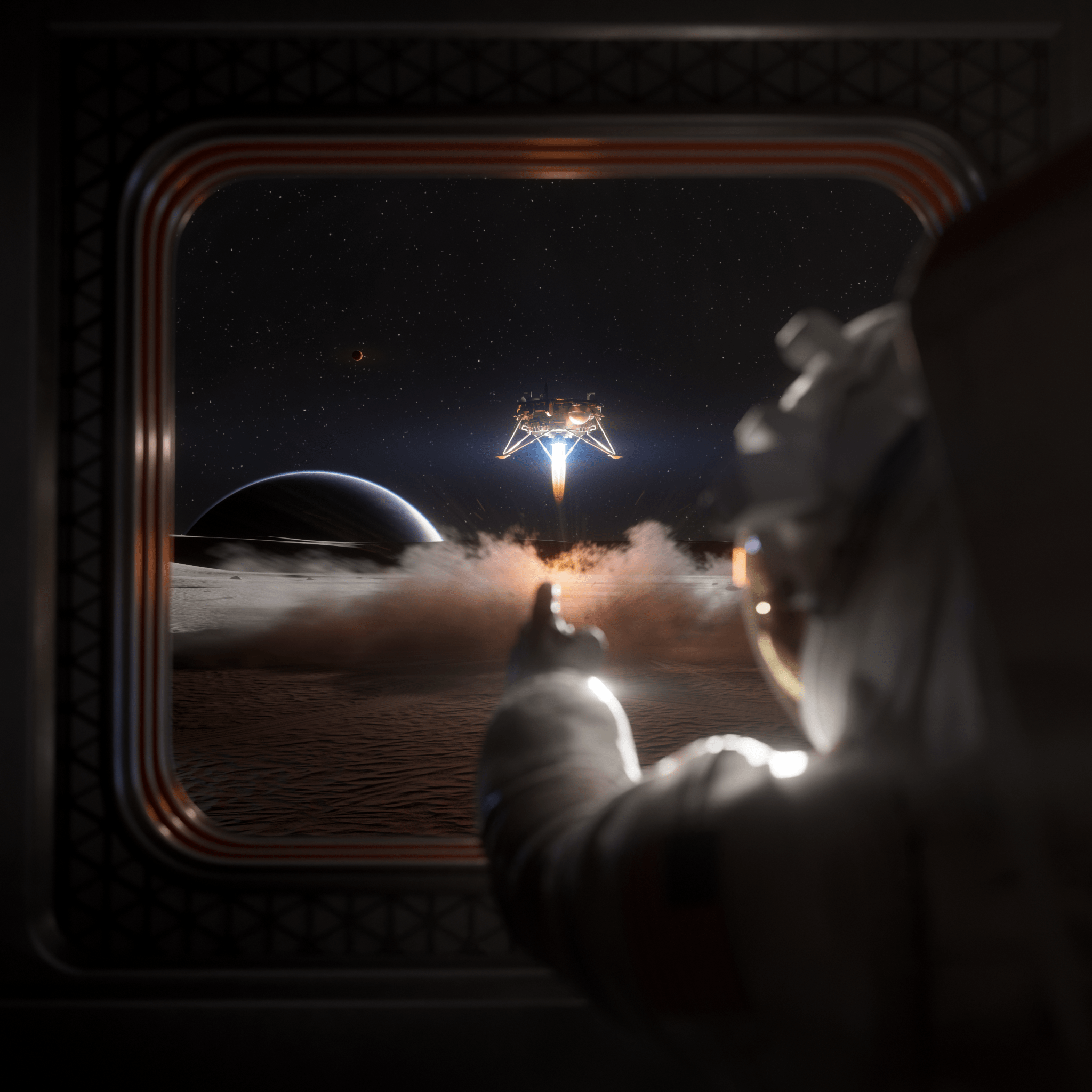
Moon Base Learning Resources
Discover the wonders of the Moon and the future Moon Base with this collection of NASA learning resources. Explore the Moon through interactive experiences, get an up-close look at Moon rocks, download a Moon Base poster or postcard, and even 3D print your own set of lunar geology tools.
Start Exploring