



















Overview
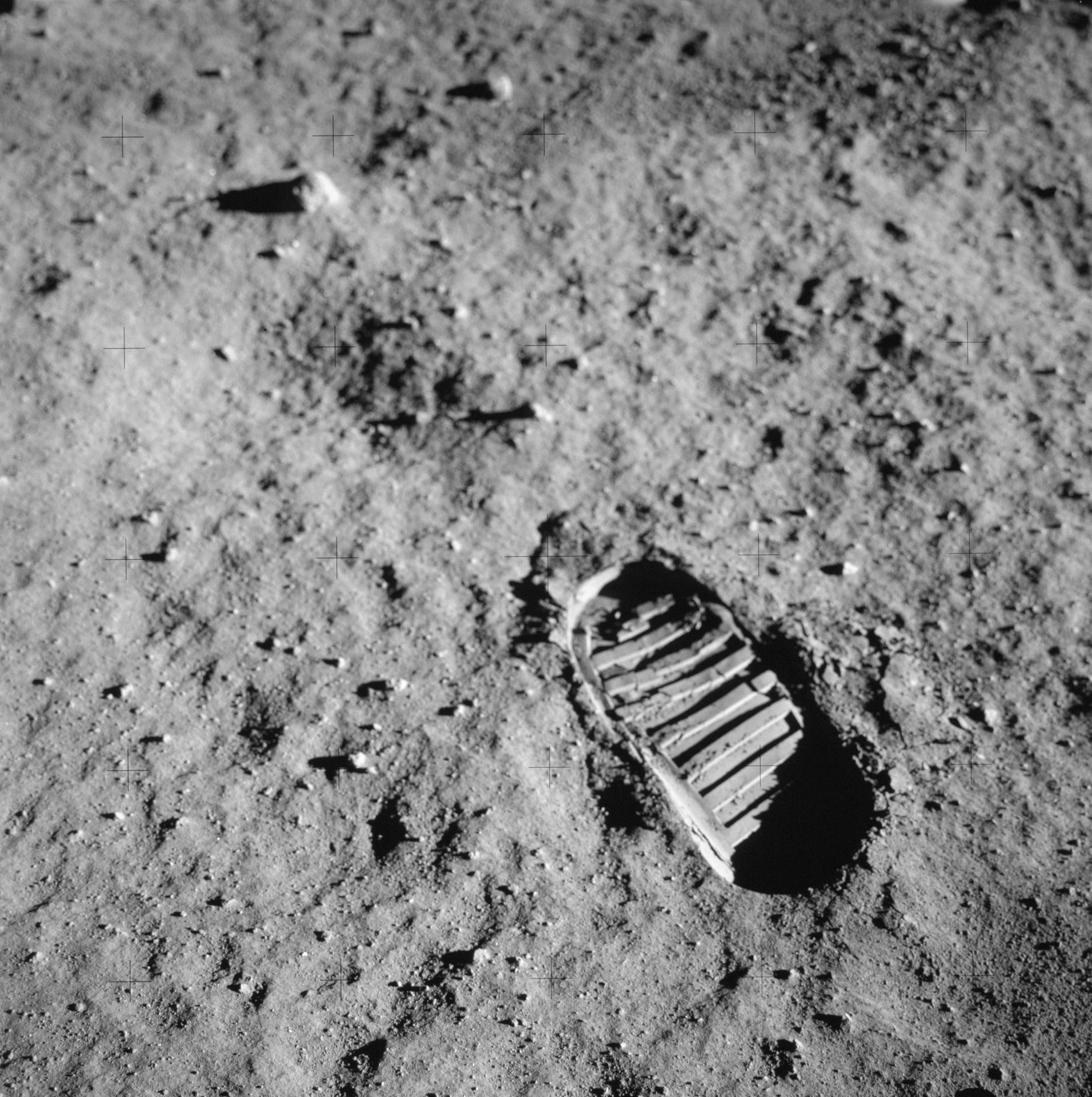
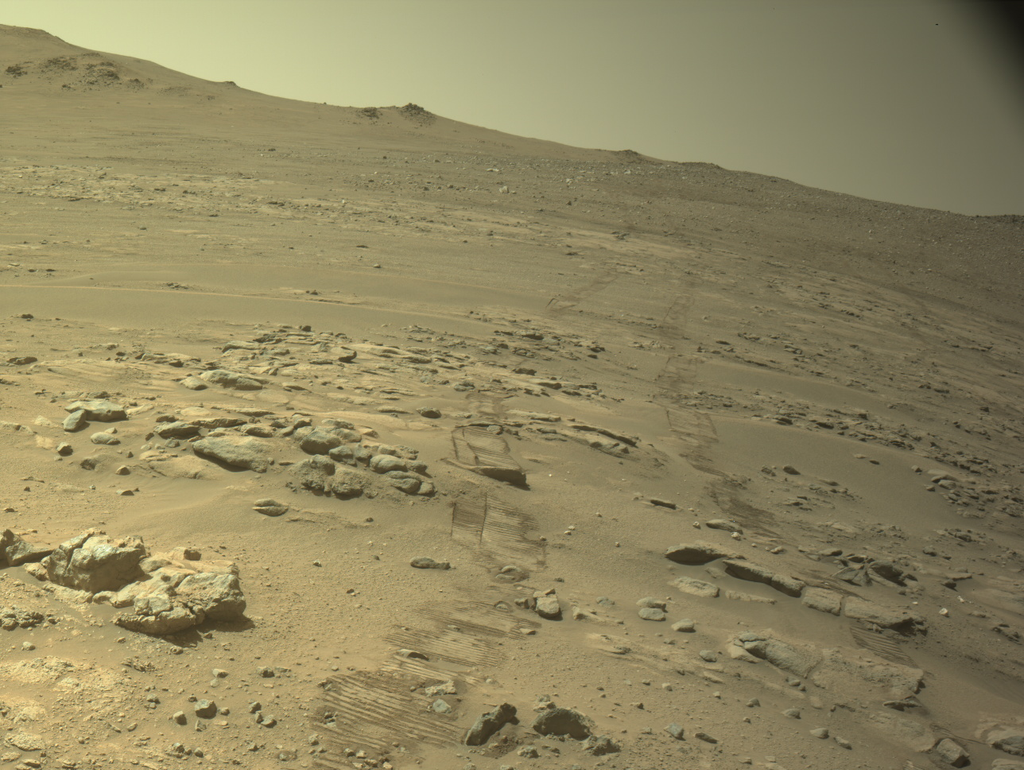
NASA is embarking on one of the most ambitious endeavors in human history: building humanity’s first outpost on another celestial body. Located near the lunar South Pole, the Moon Base will be built step by step through a series of robotic and human missions that help us learn how to live and operate in one of the most demanding and dangerous environments humans have ever set out to explore. The discoveries made and lessons learned there will help shape the future of exploration, from the Moon to Mars.
Location
For generations, humans have looked up at the Moon and imagined what it would be like to live there. Now, for the first time, that vision is within reach.
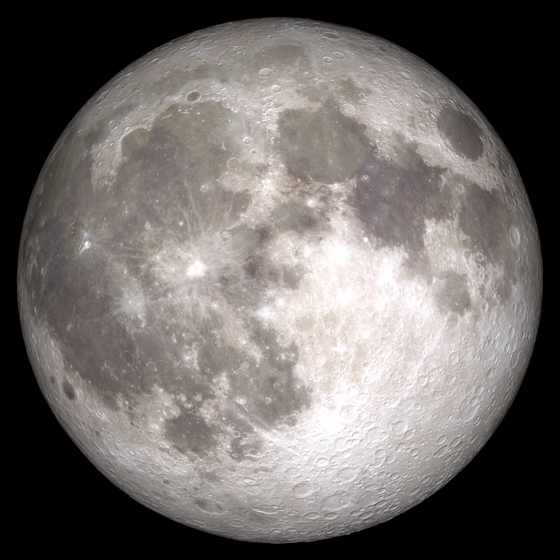
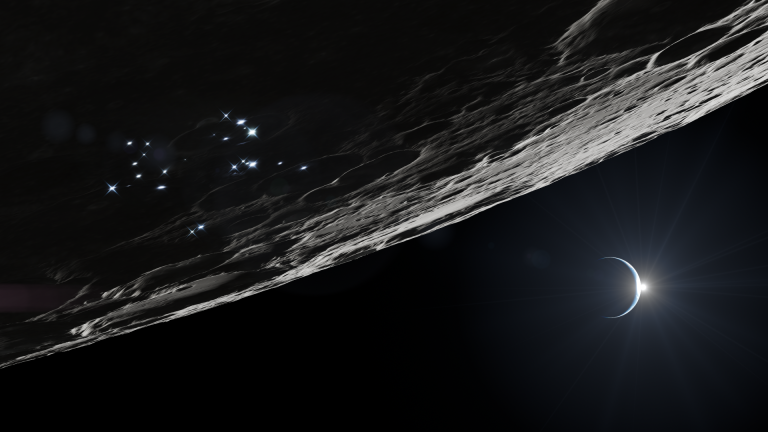
NASA plans to establish the Moon Base near the lunar South Pole, a region that offers unique opportunities for exploration, scientific discovery, and a long-term human presence. The region may contain resources that could one day help support future explorers. Studying this part of the Moon could also help scientists answer important questions about the history of the Moon, Earth, and our solar system.
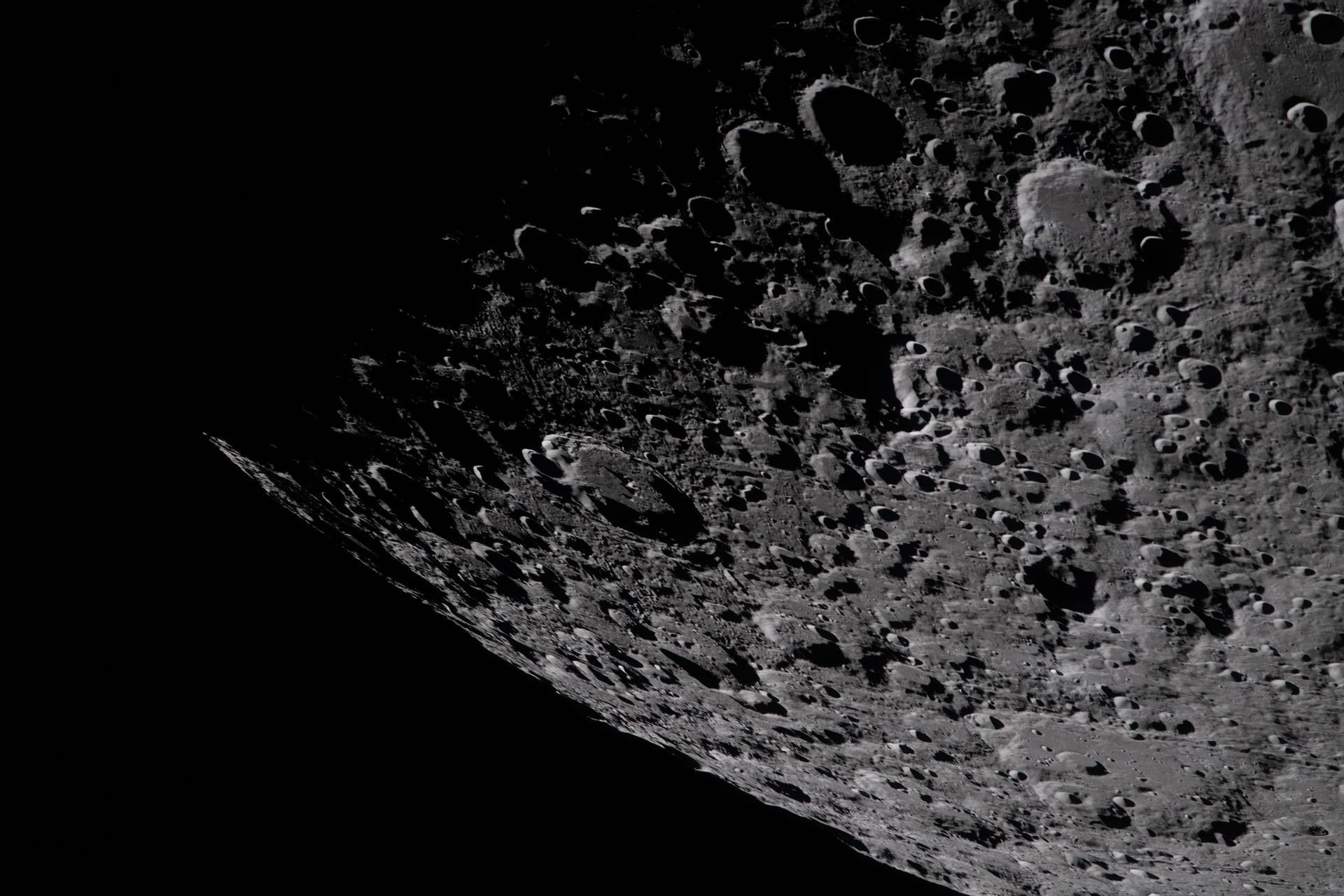
But the lunar South Pole region is also a place of extremes. There are extreme temperature differences between sunlit and shadowed areas, the terrain is rugged and unforgiving, and astronauts will face challenges unlike any encountered before. Learning to live and work in this environment will push the boundaries of science, engineering, and human capability.
Development
The Moon Base will be built step by step using a phased approach. NASA will begin with robotic missions that explore the lunar environment and test new technologies, then gradually establish the systems and infrastructure needed for astronauts to live and work on the Moon. Each phase builds on the knowledge and capabilities gained in the last, allowing the Moon Base to grow into a flexible, expandable outpost that can sustain an enduring human presence.
Phase One (Now–2029): Gain Reliable Access , Experiment, and Learn
The first phase focuses on gaining reliable access to the lunar surface and building a deeper understanding of the environment. Robotic missions will explore the lunar South Pole, demonstrate new technologies, and gather the knowledge needed to guide future development.
By expanding experience landing and operating on the Moon, NASA will identify promising locations for future infrastructure, improve mission capabilities, and reduce risk before astronauts arrive.
Phase Two (2029–2032): Build and Expand
Building on what is learned during Phase One, NASA will begin deploying the first infrastructure needed to support long-term operations on the Moon. Early power systems, cargo transportation, logistics, and communications capabilities will will expand humanity’s footprint on the Moon and enable increasingly complex missions.
By establishing infrastructure across multiple locations, NASA will create a flexible and resilient foundation that can support continued exploration and future expansion of the Moon Base.
Phase Three (2032 and Beyond): Live and Work on the Moon
With the Moon Base’s foundational infrastructure in place, NASA will begin assembling a permanent lunar outpost where astronauts can live and work for extended periods. Habitats, power systems, communications, transportation, and other critical capabilities will come together to support an enduring human presence near the Moon’s South Pole.
As the Moon Base grows and evolves, it will enable increasingly ambitious scientific research, technology demonstrations, and exploration, while helping prepare humanity for future journeys deeper into the solar system.
Collaboration
NASA’s Moon Base strategy is built on commercial participation at an unprecedented scale, combining the strengths of government, private innovation, and global collaboration.
From early demonstrations to long-term surface operations, Moon Base build-up will offer multiple entry points for industry and international collaborators to participate, innovate, and contribute. Get involved.
Leadership


History
2026
- The Moon Base was announced during NASA’s “Ignition” event on March 24, 2026, where the agency unveiled a series of transformative initiatives designed to achieve President Donald J. Trump’s National Space Policy and advance American leadership in space. During the event, NASA introduced a phased approach to establishing a lunar base and enabling an enduring human presence on the Moon.
- Following the “Ignition” event, NASA released a series of Requests for Information (RFIs) and Requests for Proposals (RFPs) to begin advancing development of Moon Base and its supporting systems and services.
- In May 2026, NASA announced the first three Moon Base missions and new partnerships supporting sustained lunar exploration. The agency selected Astrolab and Lunar Outpost to develop lunar terrain vehicles, awarded Blue Origin task orders supporting delivery of those vehicles to the lunar surface, and selected Firefly Aerospace to build the spacecraft that will transport NASA’s MoonFall drones to the Moon.
- NASA announced June 30 the selection of three companies to land four new missions on the Moon in late 2028 as part of the agency’s Moon Base Program. Astrobotic, Firefly Aerospace, and Intuitive Machines will deliver NASA science payloads to the lunar surface.
- NASA announced July 24 the CAPSTONE 02 mission, a technology demonstration that will test advanced navigation, communications, and rendezvous capabilities in lunar orbit to help inform future Artemis missions and development of Moon Base.
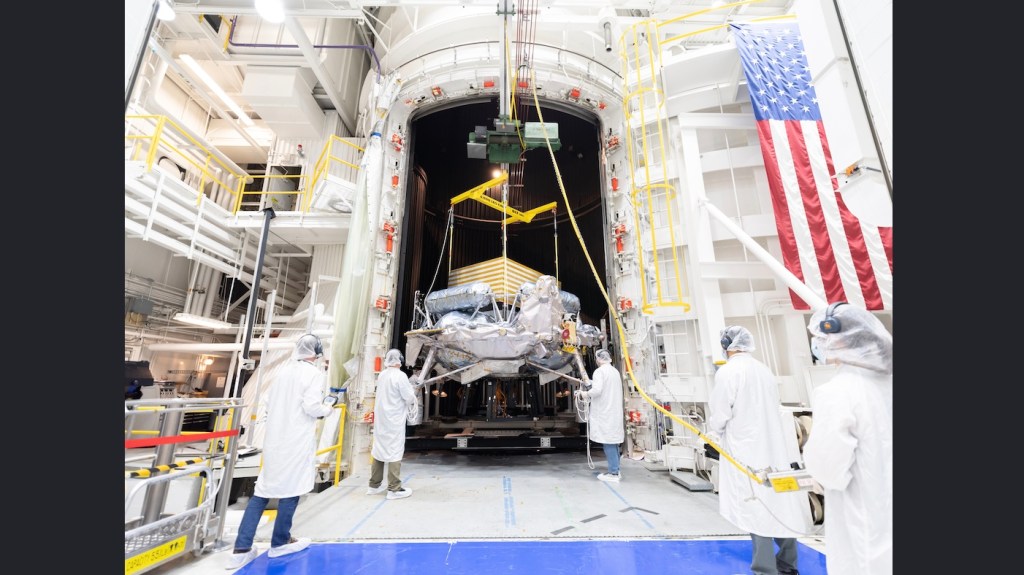
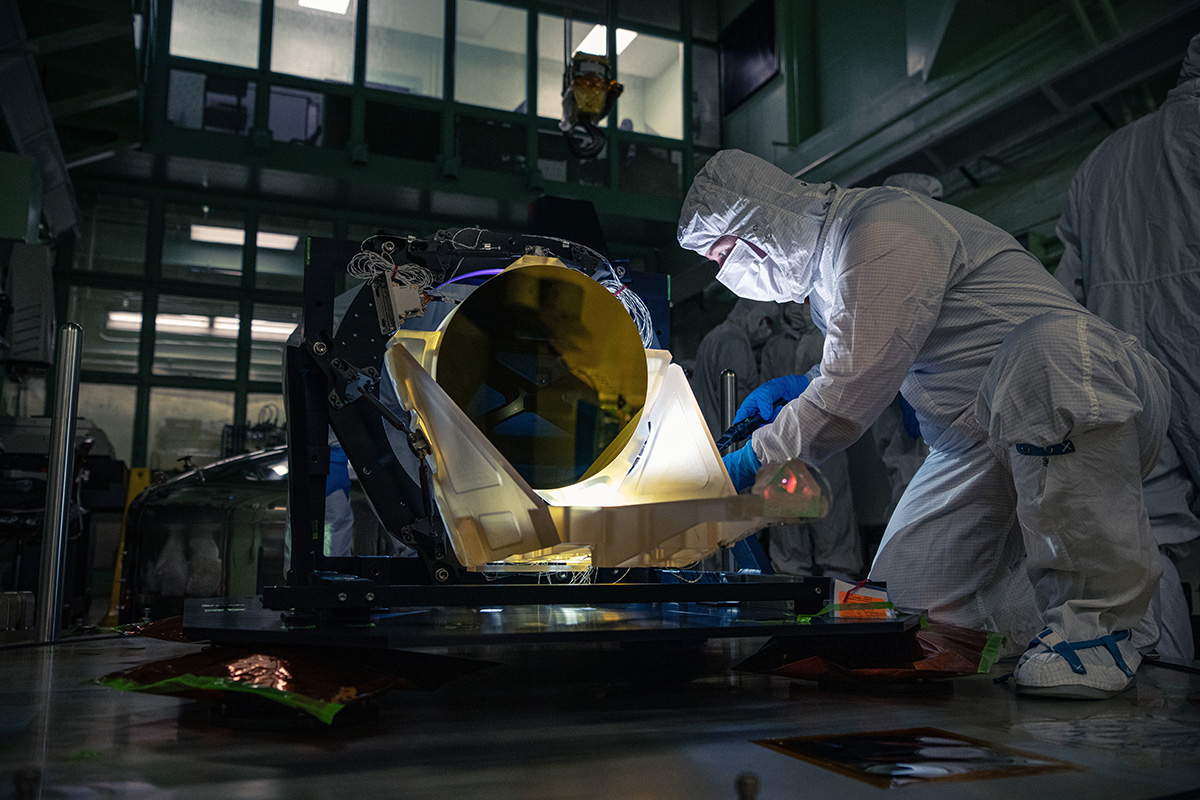
- In August 2026, NASA released its third Moon Base Update, highlighting the first four commercial lunar landers that will deliver NASA science, technology, and infrastructure to the Moon in support of Moon Base development. The update offered a behind-the-scenes look at the assembly, integration, and testing of the spacecraft.
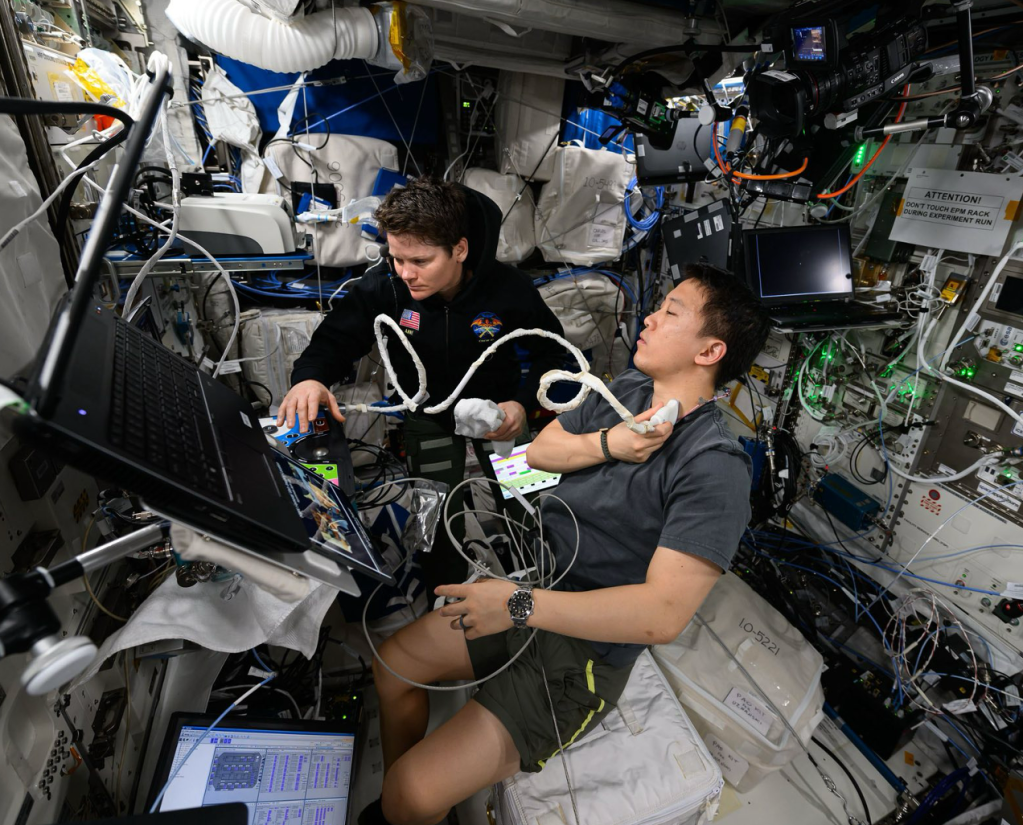
Every mission, crewed and uncrewed, will be a learning opportunity as we return to the lunar surface, build the infrastructure to stay, and master the skills required to live and operate in one of the most demanding and dangerous environments imaginable. We will go for the science, for all we stand to gain from an economic and technological perspective, for the innovations that will make life better here on Earth, and to prepare for where we will inevitably go next.

Temperatures at the lunar South Pole can range from more than 130°F (54°C) in sunlit areas to as low as -334°F (-203°C) inside permanently shadowed craters.
Shackleton Crater is more than twice as deep as the Grand Canyon. Its permanently shadowed interior is believed to contain ice, making it a leading target for future lunar exploration.

As part of the Moon Base, NASA is advancing radioisotope heating demonstrations to help protect surface assets during cold lunar nights and operations in permanently shadowed regions.

NASA’s MoonFall mission will send four propulsive drones to survey the Moon’s South Pole region in unprecedented detail.

NASA’s VIPER (Volatiles Investigating Polar Exploration Rover) will conduct the first resource-mapping mission of the Moon, using advanced instruments to identify the location and concentration of water in the lunar South Pole region.
NASA is partnering with American industry through the CLPS (Commercial Lunar Payload Services) initiative to deliver a steady cadence of robotic missions to the lunar South Pole region in support of Moon Base development.

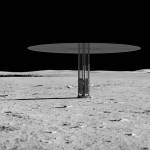
NASA is advancing fission power technologies to provide reliable, long-term energy for future operations on the Moon.
A pressurized rover supplied by JAXA is expected to dramatically expand how far astronauts can explore across the lunar South Pole.

Lunar regolith may one day help sustain life on the Moon. Researchers are studying how lunar soil might be used to build habitats, grow crops, and produce oxygen for astronauts as well as liquid oxygen for rocket propellant.