











Overview
NASA plans to establish the Moon Base in the lunar South Pole region, a place unlike anywhere humans have explored before. Its ancient terrain, distinctive lighting conditions, and areas of persistent shadow make it an important destination for scientific discovery and the future of human lunar exploration.
Some of the same characteristics that make this region so valuable also present challenges for living and working there. Its environment will influence nearly every aspect of surface operations, from landing and mobility to power generation, equipment performance, and scientific work.
Understanding those conditions is fundamental to building the Moon Base. With each mission, NASA will learn more about how to operate in this environment, building the knowledge and experience needed for an enduring human presence on the Moon.
Learning to live and work in this region will push the boundaries of science, engineering, and human capability.
Light and Shadow
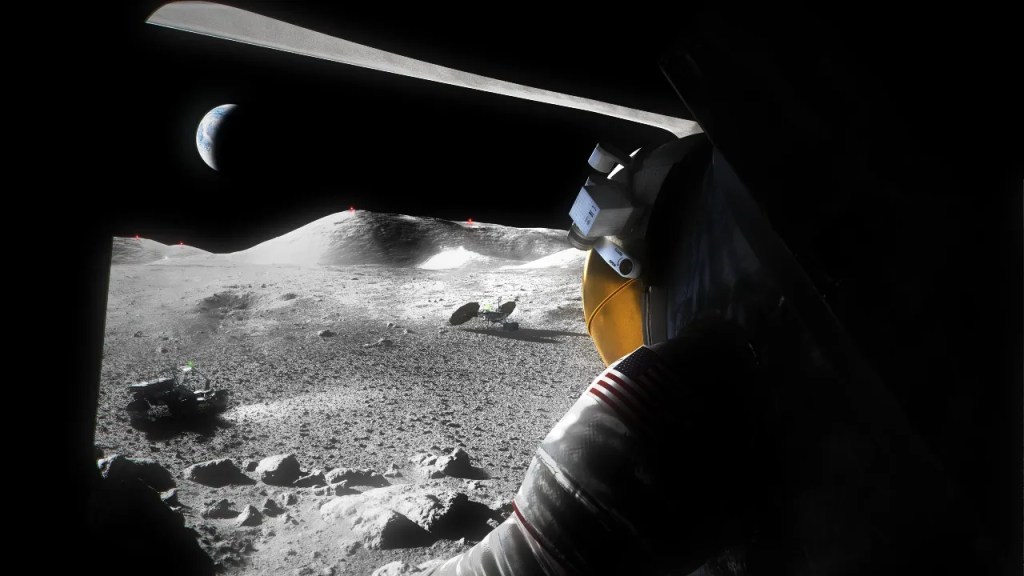
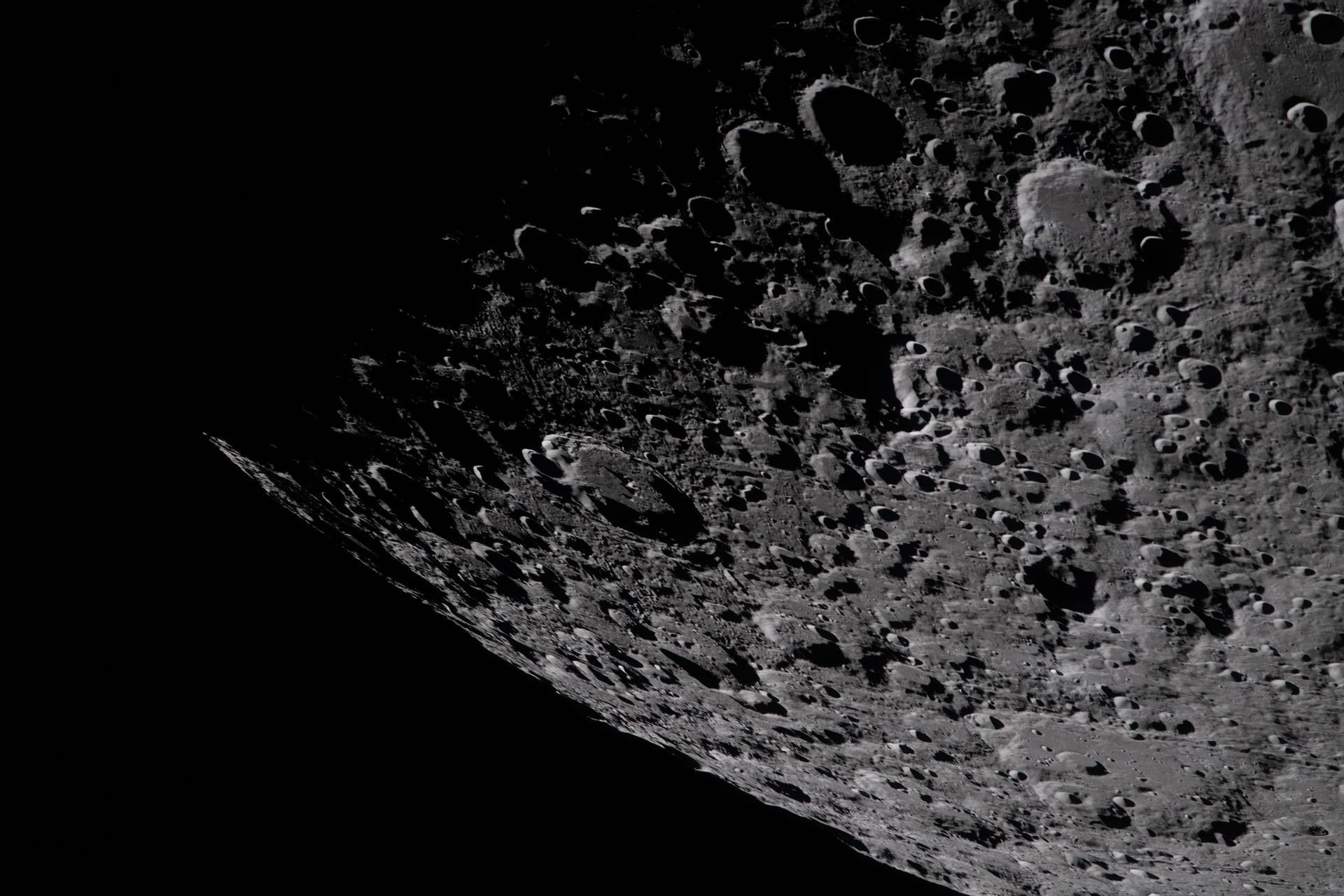
The lunar South Pole has a dramatically different lighting and thermal environment than the equatorial regions explored during Apollo. Near the pole, the Sun stays low on the horizon, creating a striking landscape of light and shadow. Depending on elevation and surrounding terrain, some areas can receive extended periods of sunlight, while others remain in shadow for long periods. In permanently shadowed regions, sunlight may never reach the surface at all.
These unusual lighting conditions create both opportunities and challenges for long-duration exploration. Areas that receive extended sunlight could provide more favorable conditions for solar power generation and surface operations. At the same time, long shadows and periods without sunlight can complicate navigation, power generation, and the operation of surface systems.
Lighting also shapes the region’s extreme thermal environment. With essentially no atmosphere to redistribute heat, surface temperatures depend heavily on how much solar energy a location receives. Some permanently shadowed regions can reach temperatures as low as about minus 334°F (minus 203°C), while nearby sunlit areas can be much warmer. The exact conditions vary considerably with latitude, elevation, and terrain.
Moon Base systems will need to operate reliably across these changing conditions. Site planning will account for patterns of sunlight and shadow, access to solar power, and the ability of hardware to manage both extreme cold and warmer conditions. As the Moon Base grows, planners will also need to consider how habitats, power systems, and other structures cast shadows that could affect nearby operations and solar power generation.
Water Ice and Other Frozen Materials
Permanently shadowed regions near the lunar poles are among the coldest environments on the Moon. In these locations, temperatures can remain low enough to preserve water ice and other frozen materials. NASA missions have found evidence of these materials in some permanently shadowed regions, although their distribution is complex and not every shadowed area contains the same materials or concentrations.
These frozen deposits could contain clues about the Moon’s past. Studying their composition, age, and distribution could help researchers understand where lunar water came from, how it has moved across the lunar surface, and how water and other materials have been transported throughout the inner solar system over billions of years.
Scientists and engineers are also studying whether these materials could one day help support future exploration. Better understanding their abundance, distribution, and characteristics will be essential before those possibilities can be fully understood.
Rugged Terrain
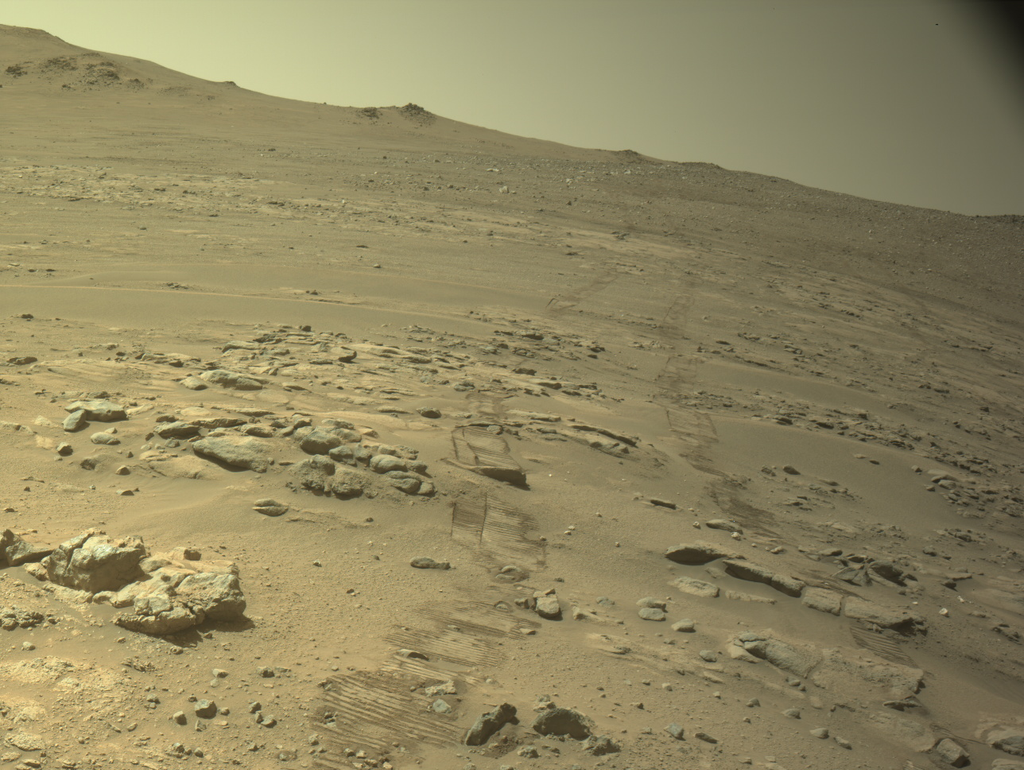
The ancient record of impacts that makes the lunar South Pole region scientifically valuable has also left behind a rugged, heavily cratered landscape. Steep slopes, ridges, deep craters, rocks, and dramatic changes in elevation shape nearly every part of the environment.
That terrain will influence where spacecraft can land, where habitats and other infrastructure can be placed, and how astronauts and robotic systems move across the surface. Some of the region’s most scientifically interesting destinations, including permanently shadowed areas, are also among the most difficult to reach.
Detailed mapping, robotic exploration, autonomous navigation, and increasingly capable surface systems will help NASA identify safe landing and operating areas, plan routes, characterize sites, and expand access to more challenging terrain over time.
Lunar Dust
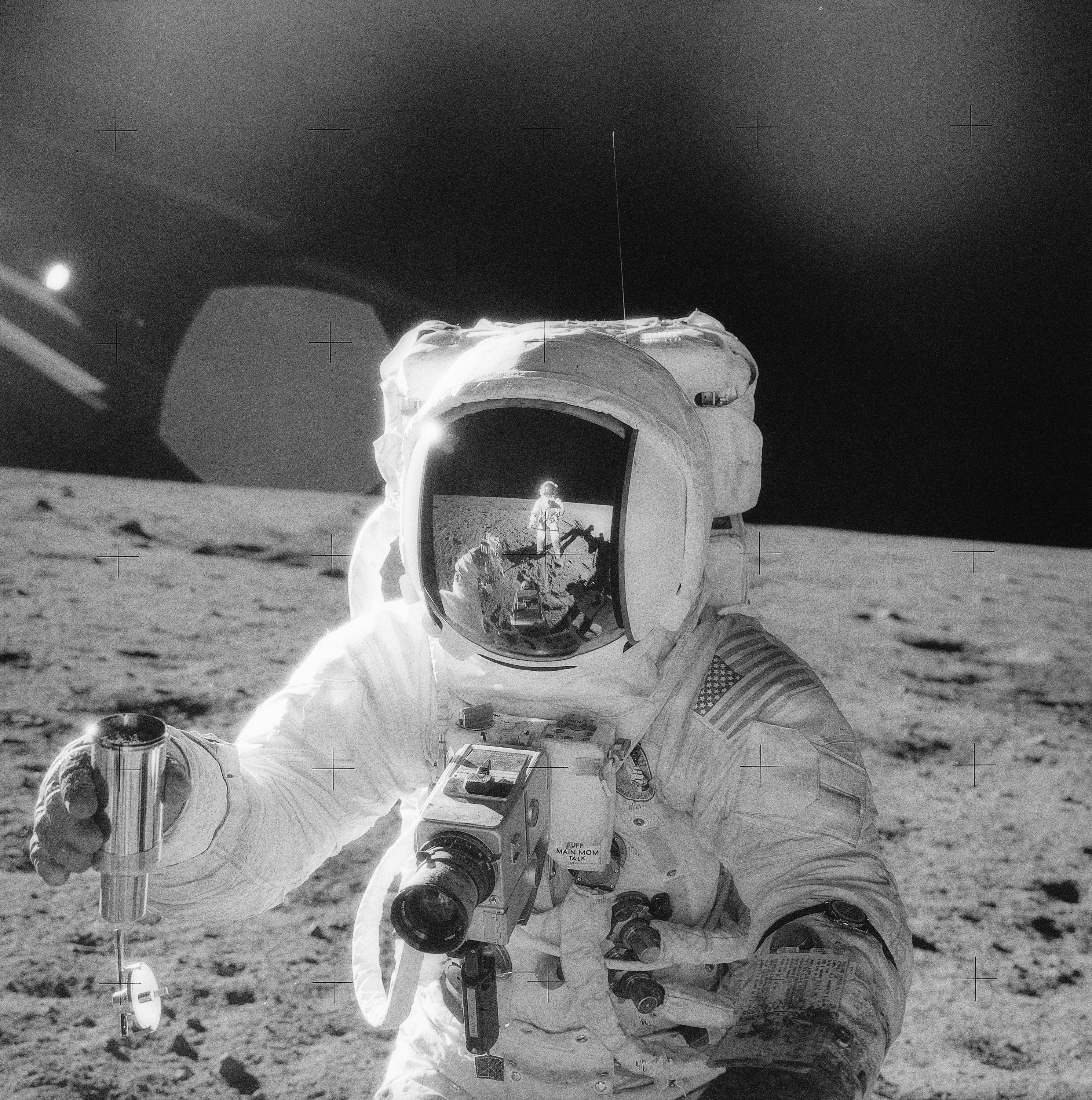
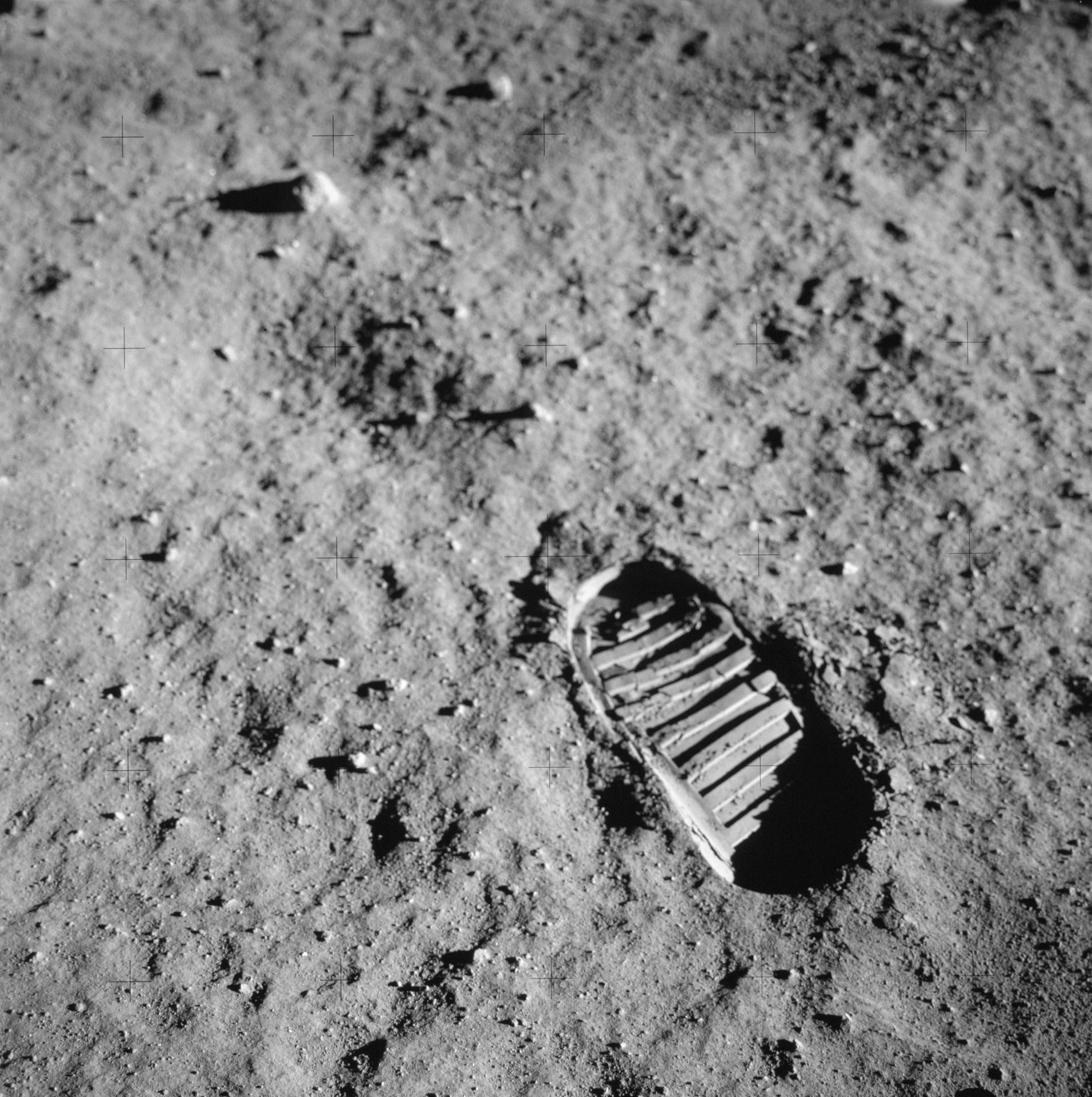
Lunar dust is not unique to the South Pole, but it will be an important consideration anywhere humans live and work on the Moon. The lunar surface is covered in regolith, a layer of broken rock, mineral fragments, glass, and fine dust shaped over billions of years by impacts and exposure to the space environment. Without wind or flowing water to weather the material, many of its particles remain irregular and abrasive.
Apollo astronauts experienced firsthand how easily lunar dust can cling to spacesuits, coat equipment, and travel inside crewed spacecraft. Dust can work its way into mechanisms and seals, obscure optical surfaces, and reduce the performance of systems such as radiators and solar arrays. These effects become increasingly important when equipment must operate repeatedly or for long periods on the lunar surface.
Future Moon Base systems and assets will need to limit how much dust is disturbed, protect sensitive equipment, remove dust where possible, and remain resilient when some exposure is unavoidable. Managing lunar dust will be an important part of sustaining reliable operations on the Moon for longer periods of time.
Learning to Live and Work on the Moon
The lunar South Pole region will shape every part of the Moon Base, from how it is built to how people live and work there. Meeting the demands of this environment will require new technologies, new approaches, and new ways of sustaining crews and assets on the lunar surface.
The lunar South Pole region is not our final destination. It is a proving ground for what comes next. Through the Moon Base, NASA will learn what it takes to establish and support an enduring human presence on another celestial body, building the knowledge and experience that will help prepare humanity for the next great destination: Mars.
The Moon was formed ~4.5 billion years ago, about 30-50 million years after the origin of the Solar System.
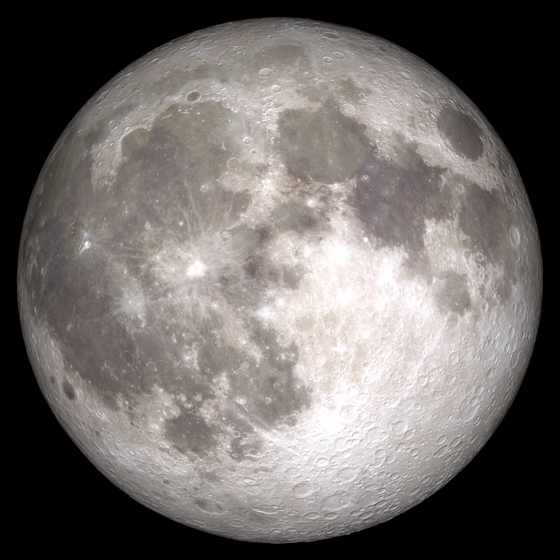
Near the Moon’s South Pole, the Sun stays low on the horizon, creating rare areas that can remain sunlit for long periods of time —offering operational benefits, including milder temperatures, reduced duration of lunar nights, and persistent availability of solar power.
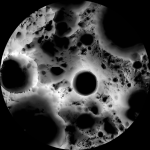
Some surfaces near the lunar South Pole may be more than 3.85 billion years old, making them older than any site explored by Apollo astronauts.
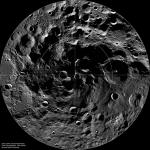
The Moon’s South Pole-Aitken Basin is the largest known impact crater in the solar system, stretching more than 1,550 miles (2,500 km) wide — about the distance from Waco, Texas, to Washington, D.C.
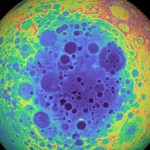
Shackleton Crater is more than twice as deep as the Grand Canyon. Its permanently shadowed interior is believed to contain ice, making it a leading target for future lunar exploration.
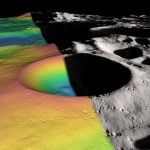
As part of the Moon Base, NASA is advancing radioisotope heating demonstrations to help protect surface assets during cold lunar nights and operations in permanently shadowed regions.

Lunar regolith may one day help sustain life on the Moon. Researchers are studying how lunar soil might be used to build habitats, grow crops, and produce oxygen for astronauts as well as liquid oxygen for rocket propellant.