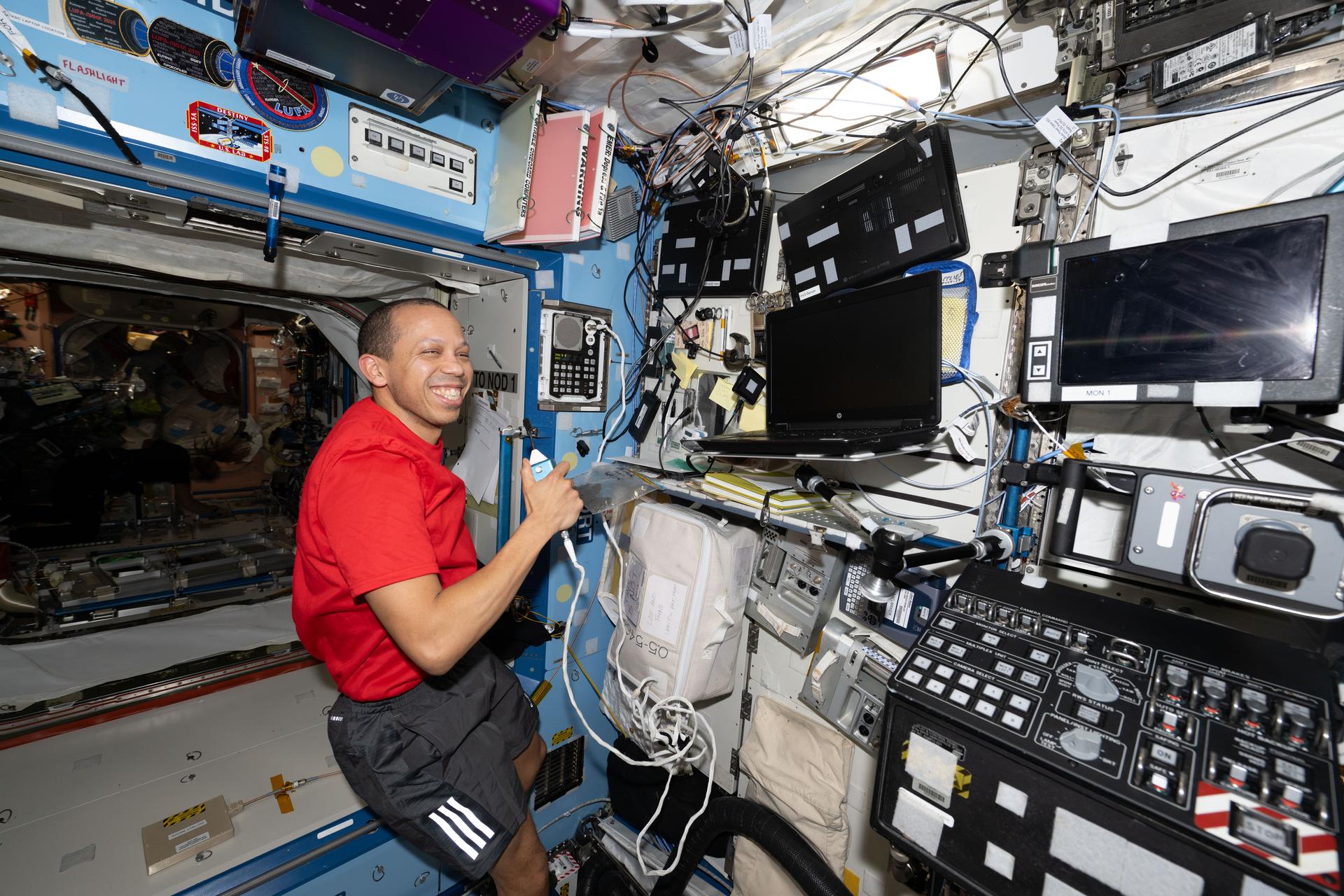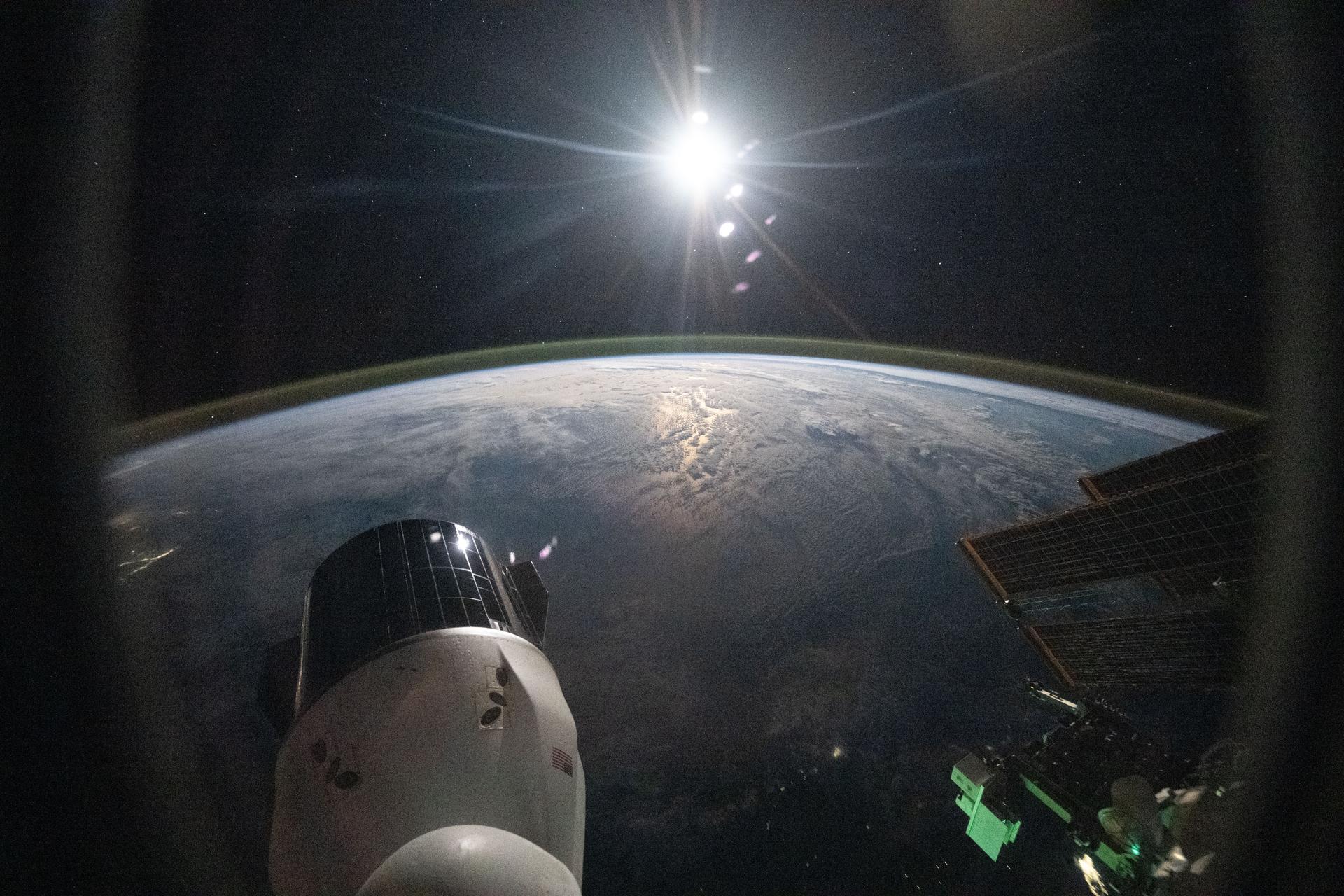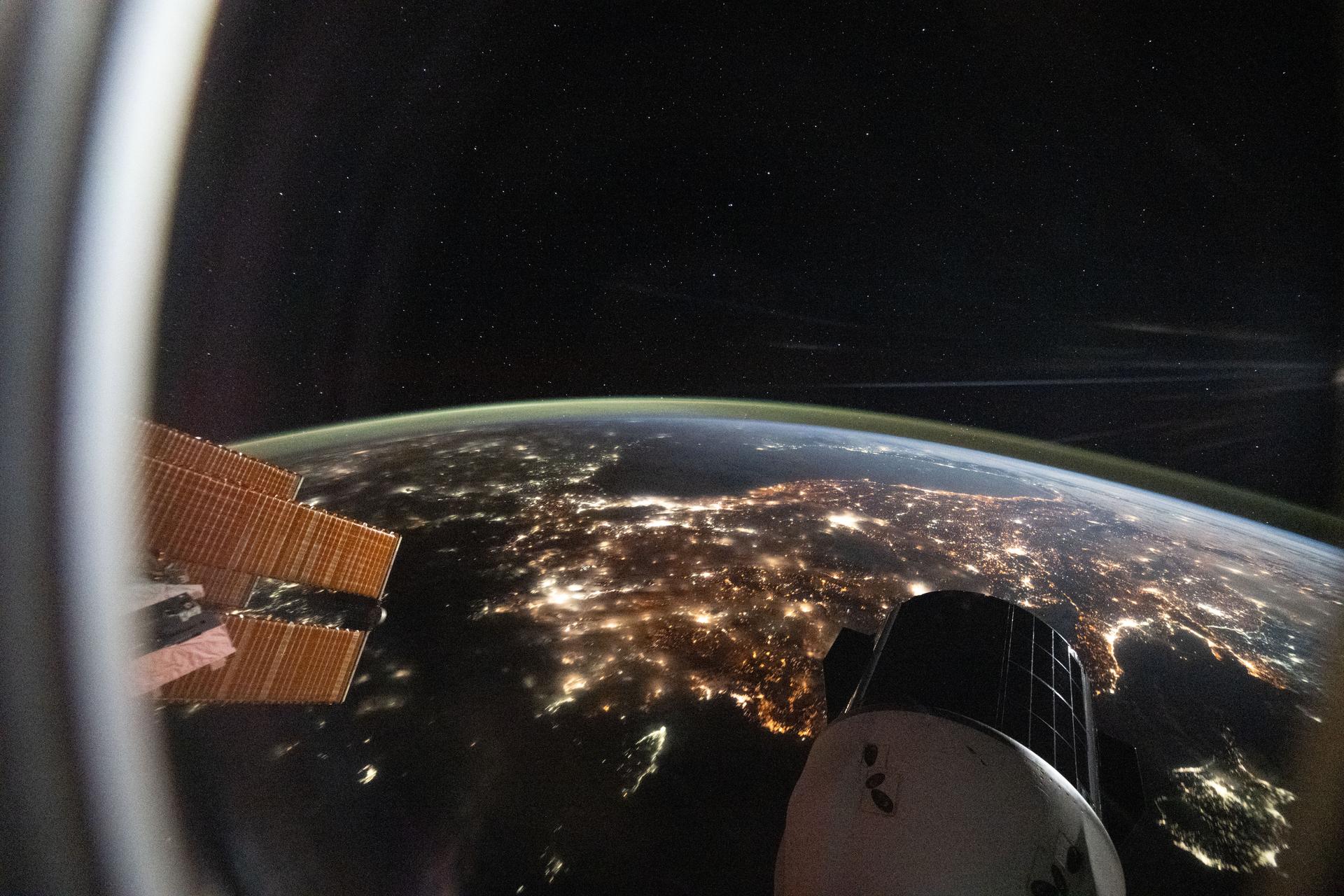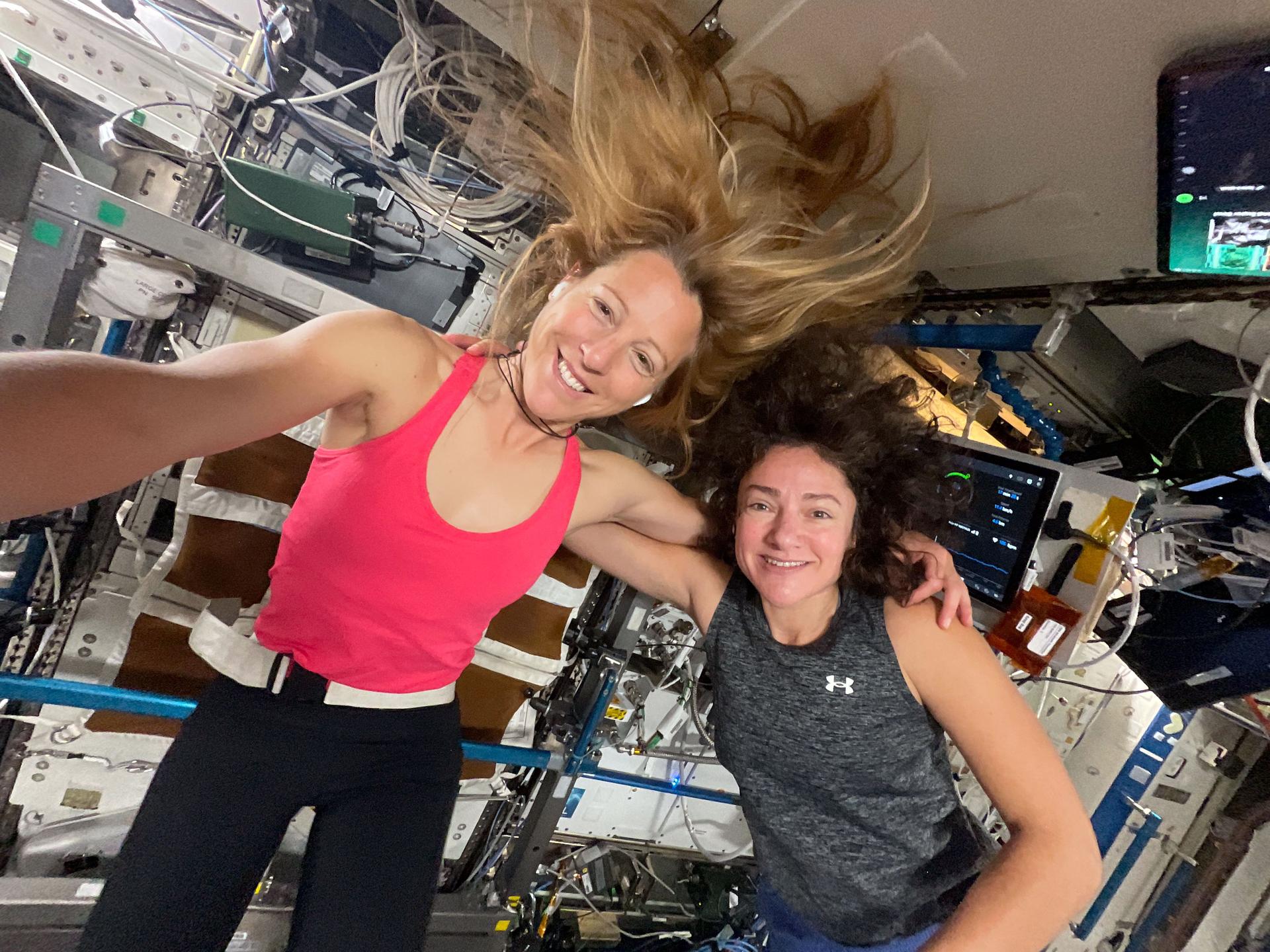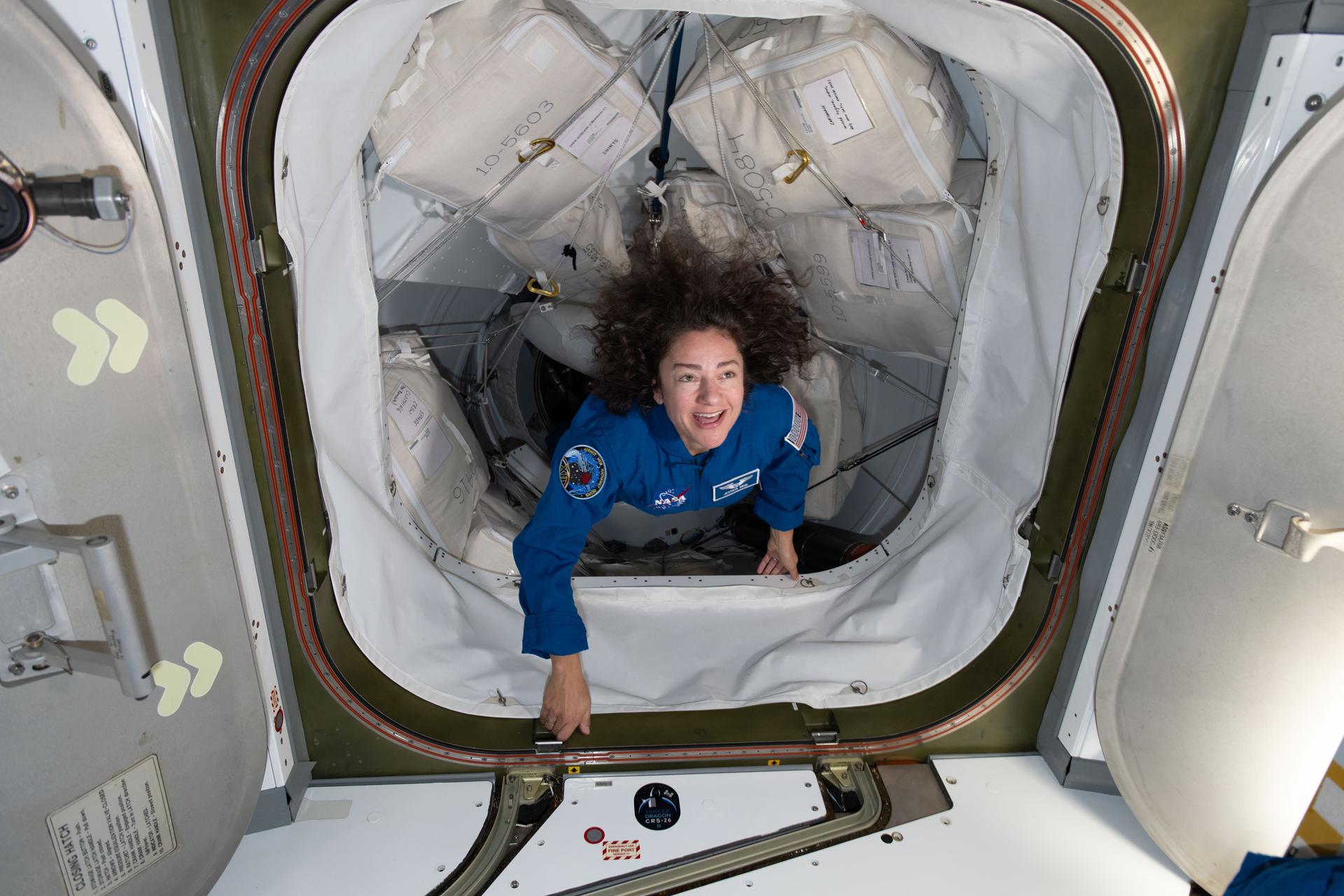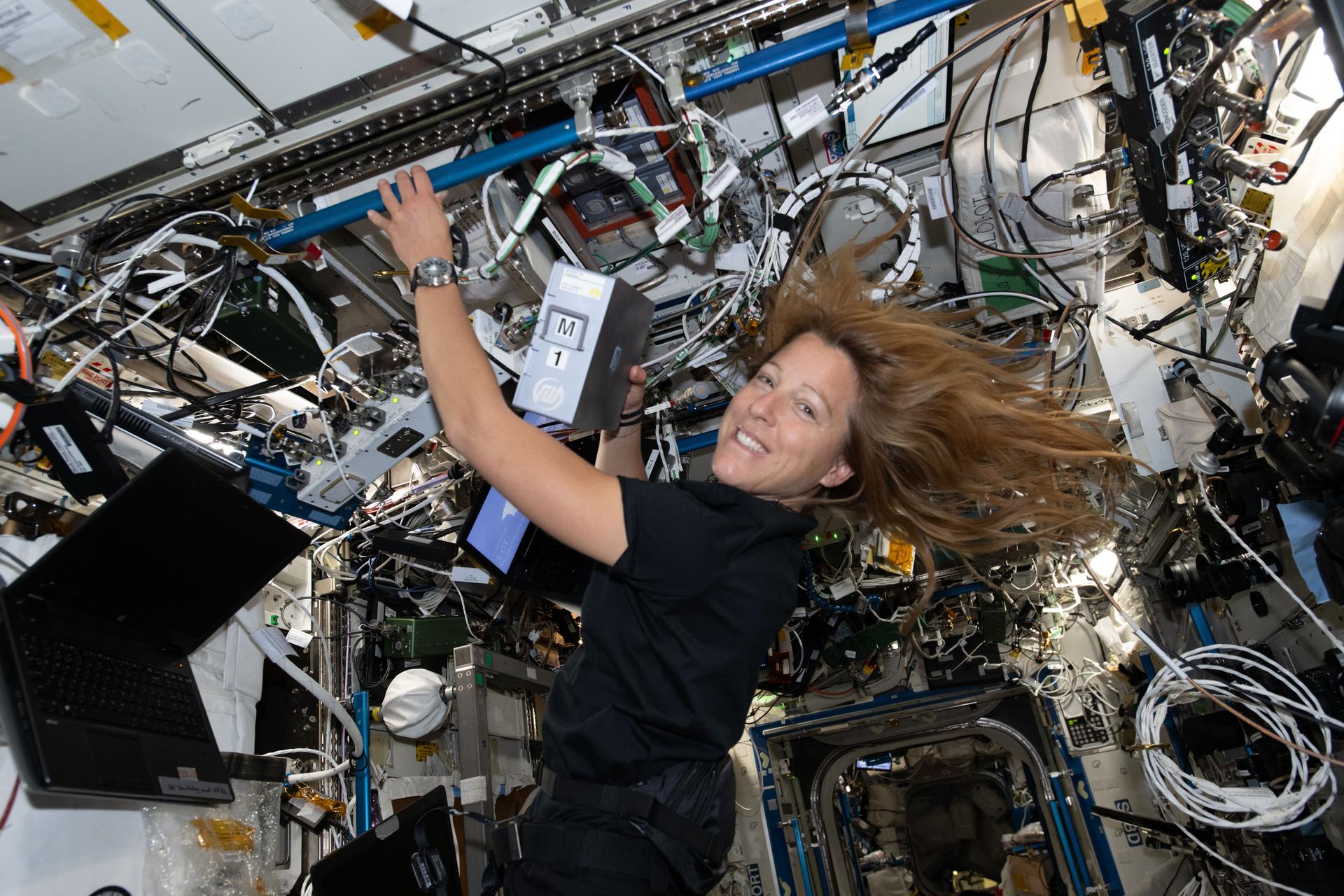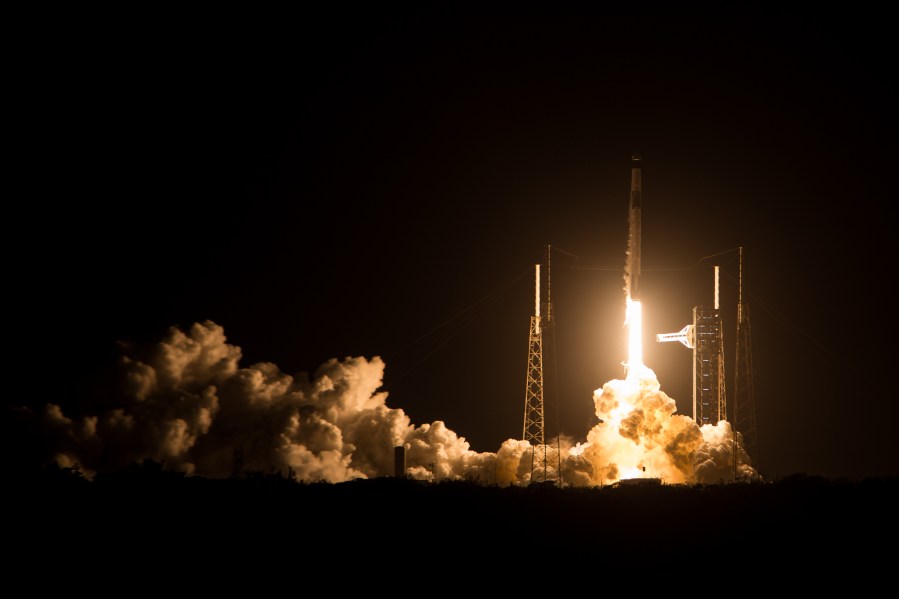












Eye structure, digestion, and heart health were the top research subjects for the Expedition 73 crew aboard International Space Station on Thursday.
Space Medicine Protecting Crews, Station Reboost Aborted


Eye structure, digestion, and heart health were the top research subjects for the Expedition 73 crew aboard International Space Station on Thursday.

Fitness research and vision studies once again topped the science schedule aboard the International Space Station on Wednesday helping doctors ensure the crew remains healthy on orbit. The Expedition 73 crewmates also worked throughout the day inspecting lab module hatches, installing research cables, and testing robotic communications.

The Expedition 73 crew members explored how exercise in space affects the body, conducted an eye exam, and continued upgrading computer networking gear aboard the International Space Station on Tuesday. The orbital residents also transferred emergency gear into the SpaceX Dragon crew spacecraft, maintained life support equipment, and continued unpacking a Progress resupply ship.

Expedition 73 kicked off the week with ultrasound scans for cardiac research and unloading new science experiments delivered last week aboard the Cygnus XL cargo craft. Spacesuit work and computer networking maintenance rounded out the day aboard the International Space Station.

The crew aboard the International Space Station continue to unpack more than 11,000 pounds of critical spares, food and supplies delivered Sept. 18 by a Cygnus XL commercial resupply mission. The arrival of the Cygnus XL to the space station was delayed by one day, due to changes in the rendezvous planning resulting from the main spacecraft engine shutting down early on two burns on Sept. 16.

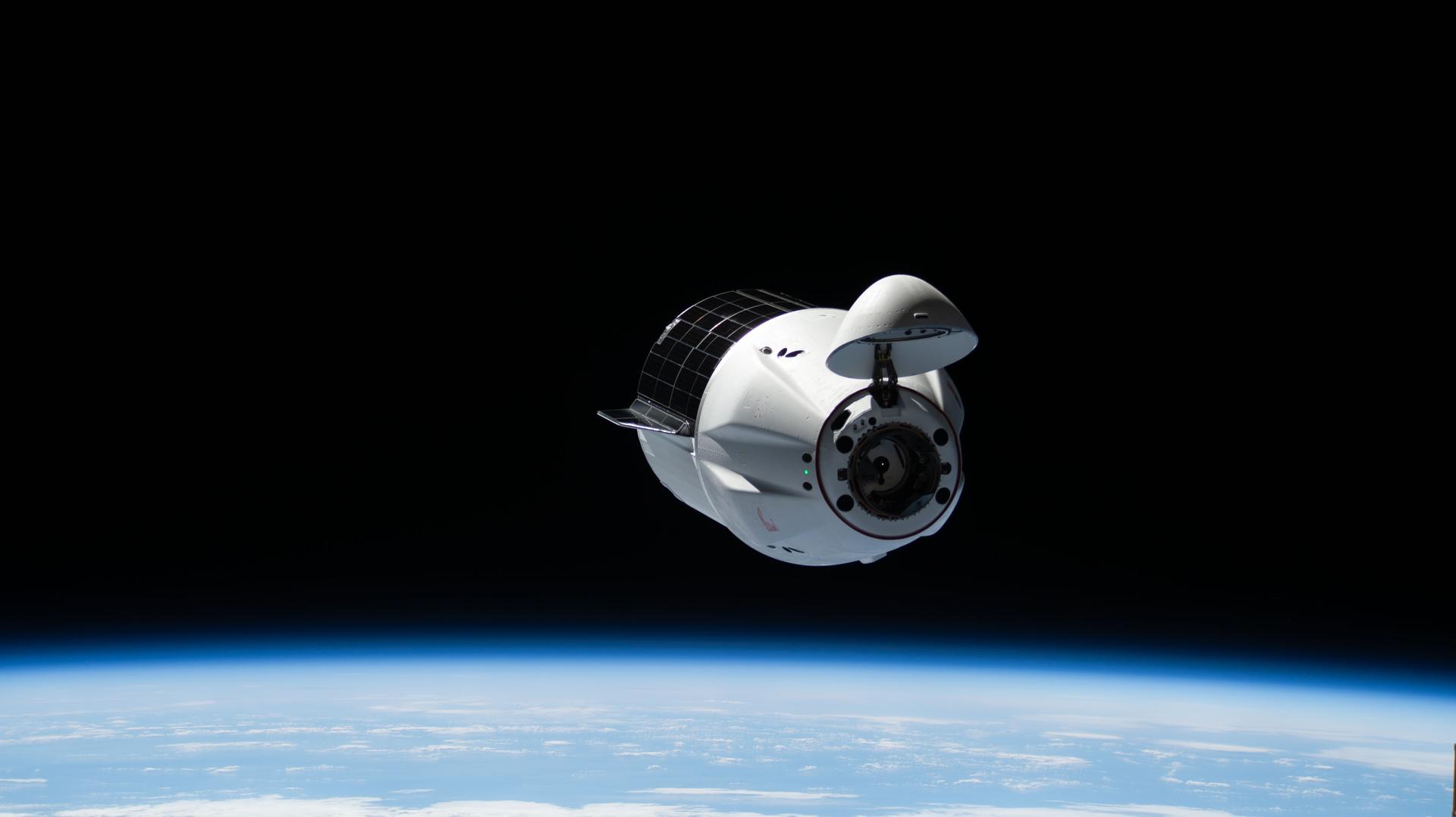
Northrop Grumman’s new Cygnus XL spacecraft has been installed to the International Space Station. The mission is known as NASA’s Northrop Grumman Commercial Resupply Services 23, or Northrop Grumman CRS-23.

At 7:24 a.m. EDT, NASA astronaut Jonny Kim, with NASA astronaut Zena Cardman acting as backup, captured the Cygnus XL spacecraft using the International Space Station’s Canadarm2 robotic arm.

At 7:24 a.m. EDT, NASA astronaut Jonny Kim, with assistance from NASA astronaut Zena Cardman, captured Northrop Grumman’s Cygnus XL spacecraft using the International Space Station’s Canadarm2 robotic arm.

At approximately 7:18 a.m. EDT, NASA astronaut Jonny Kim will capture the spacecraft using the International Space Station’s Canadarm2 robotic arm, and NASA astronaut Zena Cardman will assist. After capture, the spacecraft will be installed on the Unity module’s Earth-facing port for cargo unloading.
NASA and Northrop Grumman are targeting the safe arrival of the company’s Cygnus XL at approximately 7:18 a.m. EDT Thursday, Sept. 18, to the International Space Station. The Cygnus XL now will conduct a series of burns to bring the spacecraft to the space station for its robotic capture and installation. NASA astronaut Jonny Kim […]