
















Suggested Searches

Small Satellite Missions

    NASA’s INCUS Mission on Road to Launch, Study Storms From Space

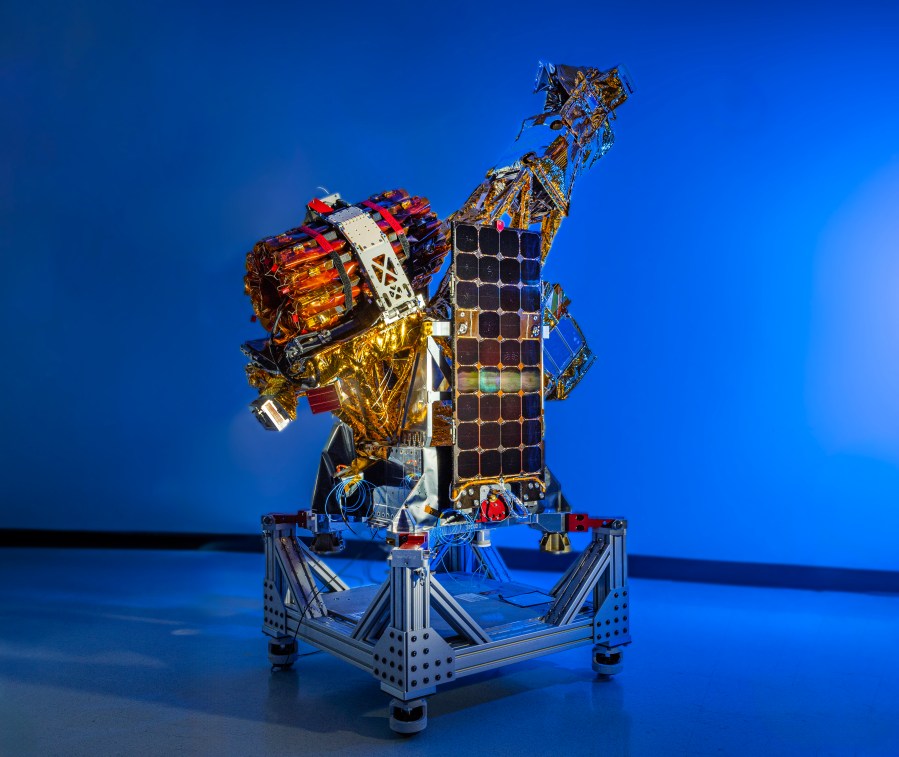
    A complex spacecraft partially wrapped in gold-colored foil and featuring a large rectangular solar panel stands on a metallic support structure against a solid blue background.

    Teams working on NASA’s INCUS (Investigation of Convective Updrafts) mission, the first space-based survey of the dynamics of tropical convective storms, have completed assembly and tested two of the mission’s small satellites, or SmallSats. Testing continues on the third SmallSat and is scheduled for completion no earlier than September in advance of a 2027 launch. […]

    Read Full Post

    NASA Wideband Demo Completes Primary Mission, Extends Operations  

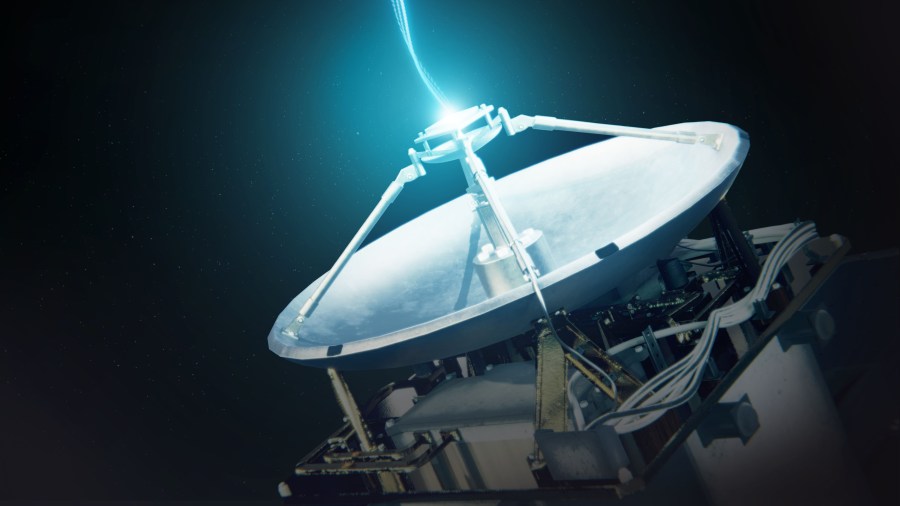
    This rendering shows a large spacecraft dish antenna in deep space points upward, illuminated by a bright blue beam of light that appears to transmit or receive a signal. The metallic structure and support arms of the dish are visible in the foreground, with a dark star‑filled background behind it.

    NASA’s Polylingual Experimental Terminal (PExT), designed to enable interoperability between satellite relay networks, has completed its planned technology demonstration. Given the primary mission’s success and the flexibility of the technology, NASA has extended operations to pursue new partnership opportunities and additional capability demonstrations. The terminal launched July 23, 2025, aboard York Space Systems’ BARD spacecraft […]

    Read Full Post

    NASA CubeSats Advance Space Weather, Tech Research

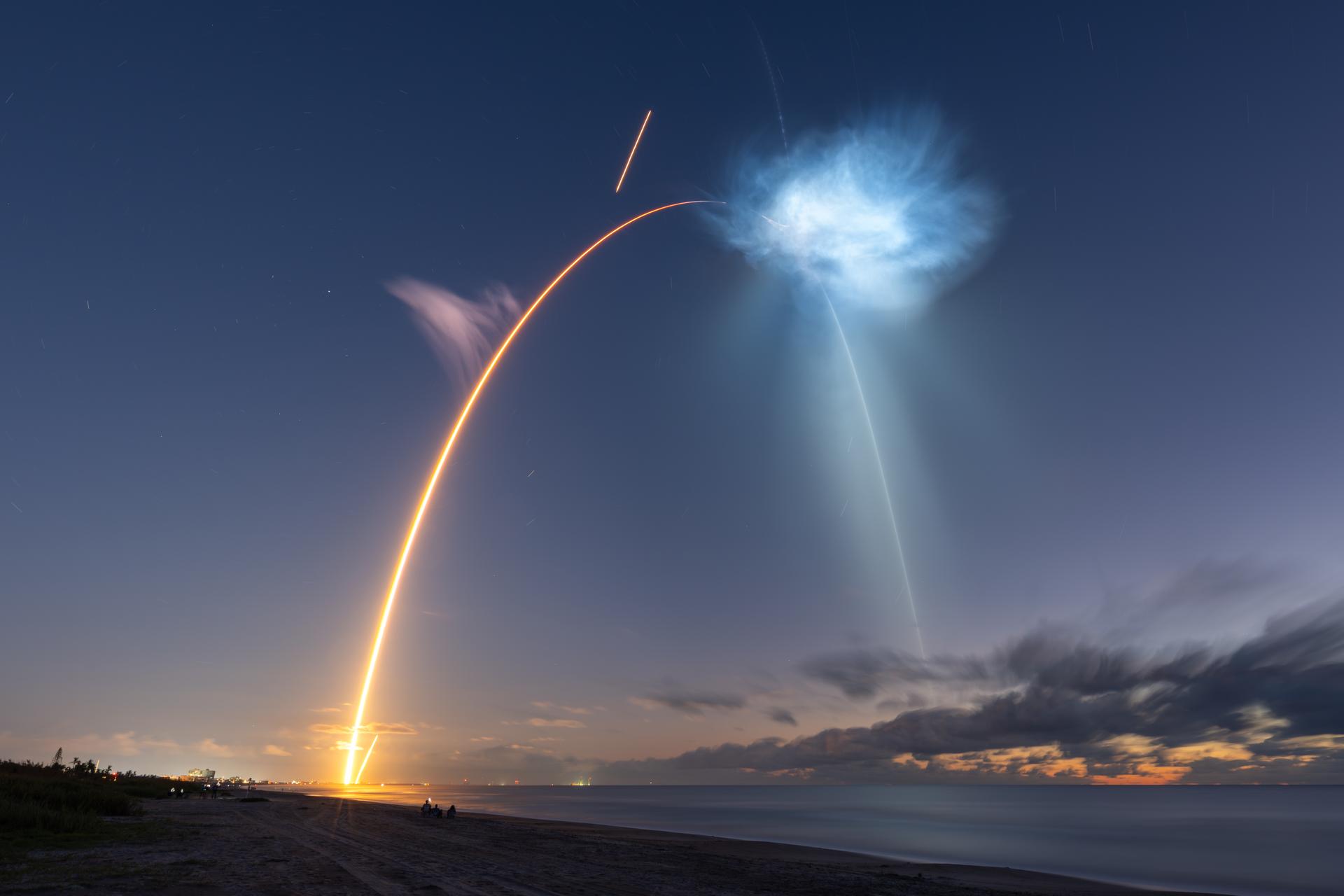
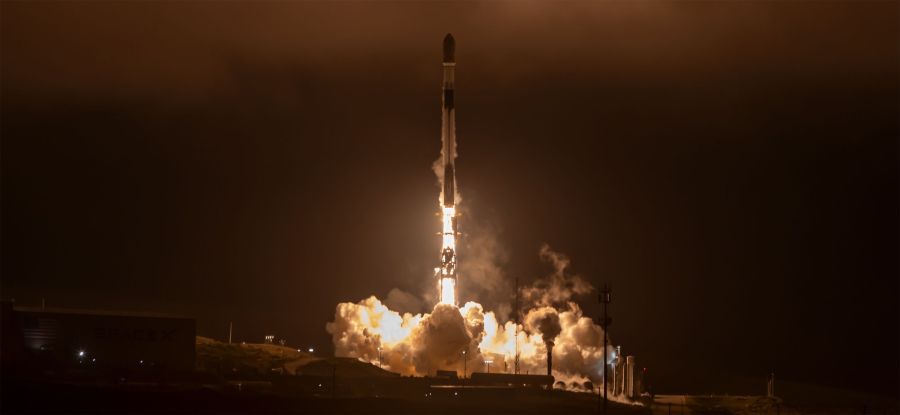
    A long-exposure image of a rocket launch

    Editor’s note: The article has been updated to reflect who developed AEPEX Several NASA science and technology payloads launched in the early morning hours on March 30 to test new thermal protection methods, improve in‑space communications, and study Earth’s atmosphere, advancing future innovation and exploration. The missions launched aboard a SpaceX Falcon 9 rocket from […]

    Read Full Post

    NASA CubeSat Begins Mission to Study Radio Waves in Space

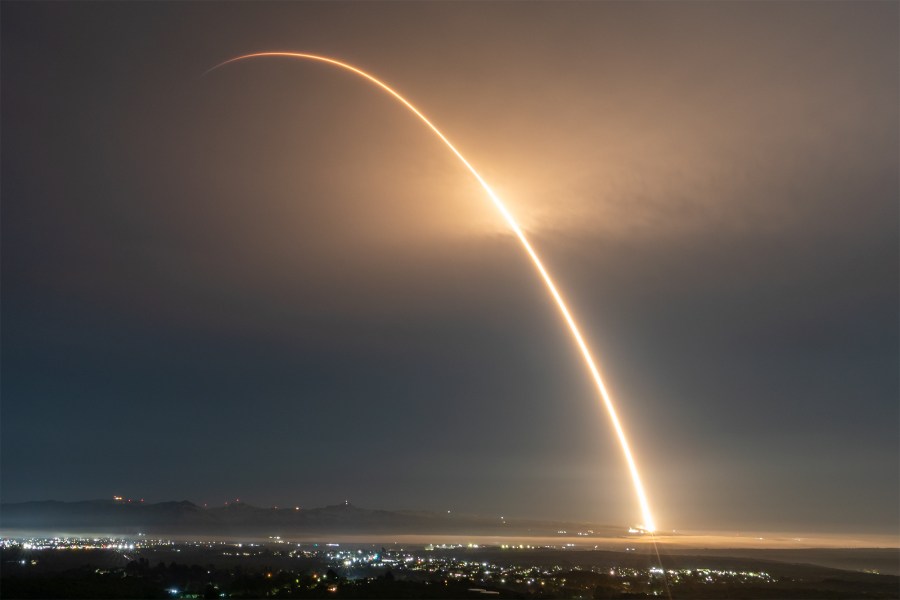
    Rocket lifting off at night

    Editor’s Note: This post was updated April 21, 2026, to reflect mission funding by the U.S. National Science Foundation. NASA’s latest small satellite mission is now in orbit studying how natural and human-made radio waves travel from Earth’s surface into space, helping scientists better understand and predict changes in the near‑Earth space environment. The Climatology […]

    Read Full Post

    NASA’s Arcstone Instrument Successfully Completes Primary Mission 

    Earth fills the bottom half of the image, against the black expanse of space. A satellite — consisting of a thin rectangle, with a long, flat rectangular solar panel attached perpendicularly to one side — orbits above the planet. From the left, an orange beam points to the upper left in space. On the right, a green beam points to the upper right in space.

    NASA’s Arcstone instrument, designed to improve the accuracy of lunar calibration, successfully completed its technology demonstration, and now begins extended operations.   Arcstone launched on June 23 on a SpaceX Transporter-14 from Vandenberg Space Force Base in California, on a six-month mission to measure light reflected by the Moon, which is a stable and potentially highly-accurate calibration source, for satellite sensors.  The mission, led by NASA’s Langley Research Center in Hampton, Virginia, uses a specially designed spectrometer system and is the first on-orbit instrument solely dedicated […]

    Read Full Post

    NASA’s Pandora Satellite Acquires Signal

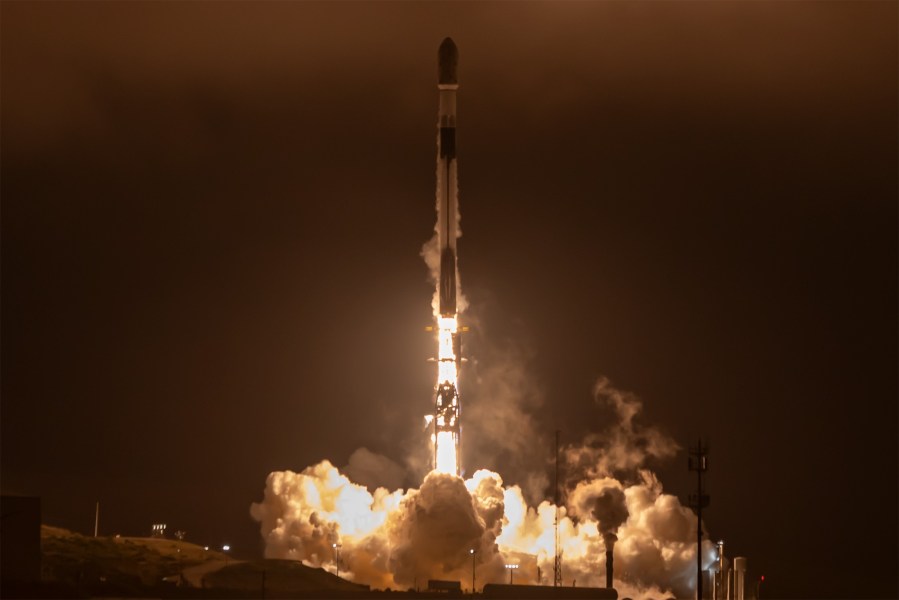
    Image shows the ignition and launch of a SpaceX rocket carrying NASA's Pandora small satellite during the early morning hours on Sunday, Jan. 11, 2026 from Vandenberg Space Force Base in California. Photo credit: SpaceX

    NASA’s Pandora satellite mission controllers received full acquisition of signal from the spacecraft on Jan. 11 on the first ground pass after liftoff from Space Launch Complex 4 East at Vandenberg Space Force Base in California. Pandora will study planets outside our solar system – called exoplanets – discovered by other missions to gain information […]

    Read Full Post

    NASA’s Exoplanet Observing Satellite Separated From Rocket

    Image shows the Earth in the background while NASA's Pandora small satellite separates from the SpaceX second stage.

    NASA’s Pandora space telescope satellite is in sun-synchronous orbit, preparing to study planets and their respective host stars beyond our solar system. Pandora will spend the next year conducting detailed observations of 20 exoplanets to determine whether any of their atmospheres contain water vapor, hazes, and clouds. It will simultaneously study their stars to discover […]

    Read Full Post

    Liftoff of NASA’s Newest Planet-Observing Satellite

    Image shows the ignition and launch of a SpaceX rocket carrying NASA's Pandora satellite at 5:44 a.m. Sunday, Jan. 11, 2026, from Vandenberg Space Force Base in California. Photo credit: SpaceX

    A SpaceX Falcon 9 rocket carrying NASA’s Pandora small satellite lifted off at 5:44 a.m. PST Sunday, Jan. 11, from Space Launch Complex 4 East at Vandenberg Space Force Base located on California’s central coast. In addition to Pandora, the rocket carried dozens of satellites, including two CubeSats sponsored by NASA, SPARCS (Star-Planet Activity Research […]

    Read Full Post

    NASA’s Pandora Mission, CubeSats Ready for Flight

    Image shows a white payload fairing from SpaceX enclosing on NASA's Pandora small satellite ahead of launch at Vandenberg Space Force Base in California.

    Editor’s Note: This media advisory was updated Jan. 12, 2026 to correct the description of the SPARCS CubeSat. NASA’s Pandora small satellite is preparing to launch to low Earth orbit, where it will study exoplanet atmospheres and their stars. Pandora is part of the Twilight rideshare mission with SpaceX and is set to launch aboard […]

    Read Full Post

    Welcome to Launch Day for NASA’s Pandora Mission, CubeSats

    Image shows NASA's Pandora spacecraft

    SpaceX is targeting a 57-minute launch window that opens at 8:19 a.m. EST (5:19 a.m. PST) Sunday, Jan. 11, from Space Launch Complex 4 East at Vandenberg Space Force Base in California for launch of its Twilight commercial rideshare mission that includes NASA’s Pandora small satellite. A live webcast of this mission will begin about […]

    Read Full Post

Subscribe to this blog