
















NASA Wideband Demo Completes Primary Mission, Extends Operations
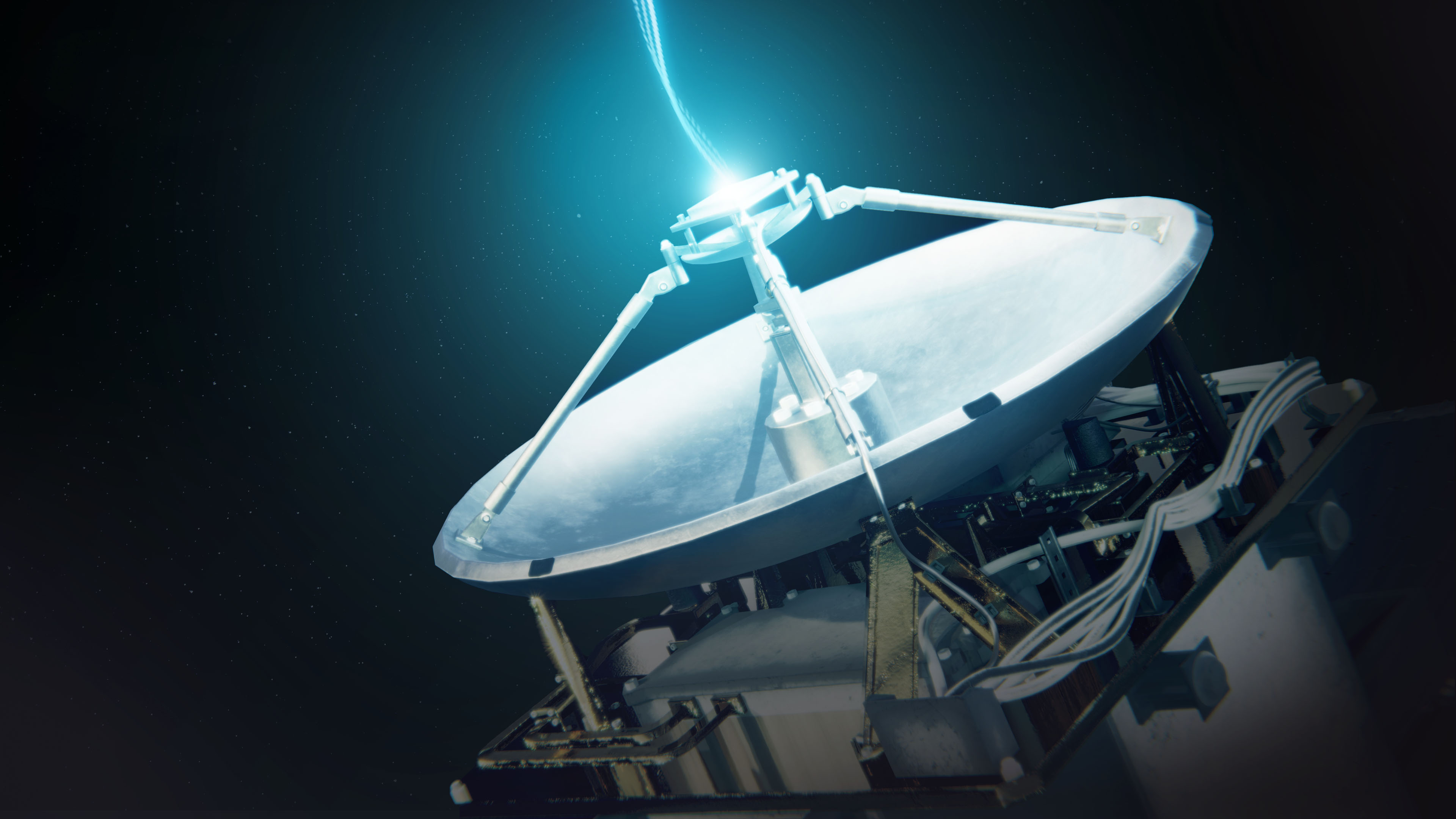
NASA’s Polylingual Experimental Terminal (PExT), designed to enable interoperability between satellite relay networks, has completed its planned technology demonstration. Given the primary mission’s success and the flexibility of the technology, NASA has extended operations to pursue new partnership opportunities and additional capability demonstrations.
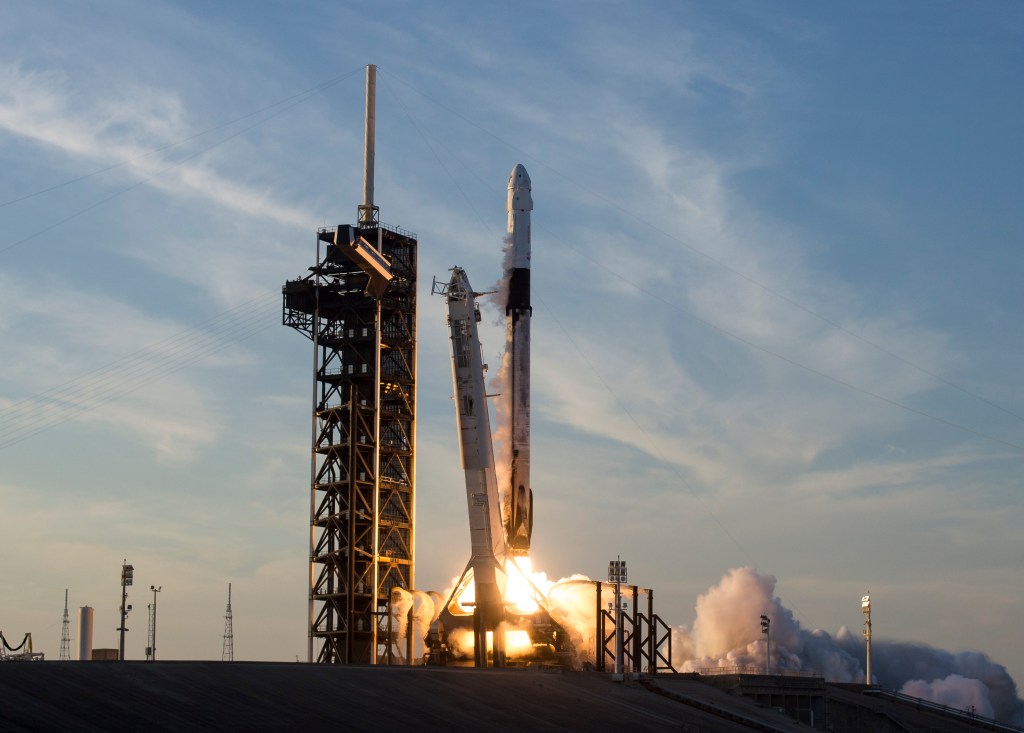
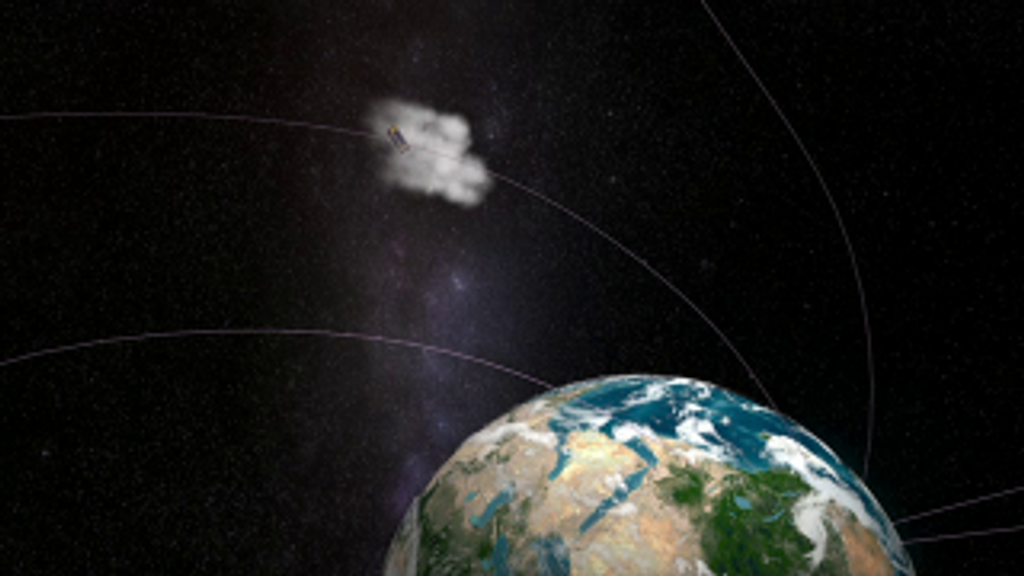
The terminal launched July 23, 2025, aboard York Space Systems’ BARD spacecraft to demonstrate how wideband technology can enable missions to communicate across both government and commercial networks. Previously, satellite communications were limited to a single network, but this technology uses the widely adopted Ka-band spectrum to enable data transfers across multiple satellite systems.
The demonstration’s primary objectives were completed in December 2025, when it successfully sent data to Earth through NASA’s Tracking and Relay Satellite system and commercial networks operated by Viasat and SES Space and Defense. Extended mission operations began in January and now will continue through April 2027.
Building on successful on-orbit testing, new operations include demonstrating direct-to-Earth forward and return links using SSC Space’s global ground station network. The demonstration is scheduled to complete more than 50 direct links to Earth via SSC Space’s partner ground station in Weilheim, Germany. These demonstrations show how missions can flexibly route data, either through relay satellites or directly to ground stations, to improve resilience, coverage, and operational efficiency.

NASA also is partnering with Aalyria Technologies to demonstrate enterprise service operations using their Spacetime software. Enterprise service management is a coordinated approach to planning, managing, and delivering communications support for multiple missions through a shared software framework. Through this effort, NASA will demonstrate how these frameworks can streamline operations, improve service visibility, and ensure missions receive reliable communications support throughout their lifecycle.
This work follows several years of collaboration between the U.S. Defense Innovation Unit and Aalyria under the Hybrid Space Architecture program. The program, a U.S. Department of War initiative, aims to create a more connected, resilient, and interoperable space networking ecosystem that allows government and commercial satellite systems to operate together seamlessly. Through this collaboration, NASA benefits from the investments to mature the Aalyria Spacetime framework, building on previous progress achieved under the agency’s NextSTEP-2 program.
Funded and managed by NASA’s Space Communications and Navigation (SCaN) Program in partnership with Johns Hopkins Applied Physics Laboratory, the demonstration supports NASA’s broader strategy to mature and validate commercial communications architecture for missions in low Earth orbit and beyond.