










Partnering with NASA STEM Engagement
Engage with OSTEM
NASA’s Office of STEM Engagement (OSTEM) collaborates with organizations across the STEM education and workforce ecosystem to create innovative, high‑impact student learning experiences. These collaborations leverage NASA’s mission, people, and facilities to inspire and prepare the next generation STEM and aerospace workforce.
OSTEM invites Statements of Interest from organizations seeking to co-develop national‑scale STEM engagement activities. Partnerships may lead to a non‑reimbursable (no‑funds‑exchanged) Space Act Agreement.
NASA prioritizes partnerships that:
- Provide free access to U.S. students and educators
- Make program materials publicly available
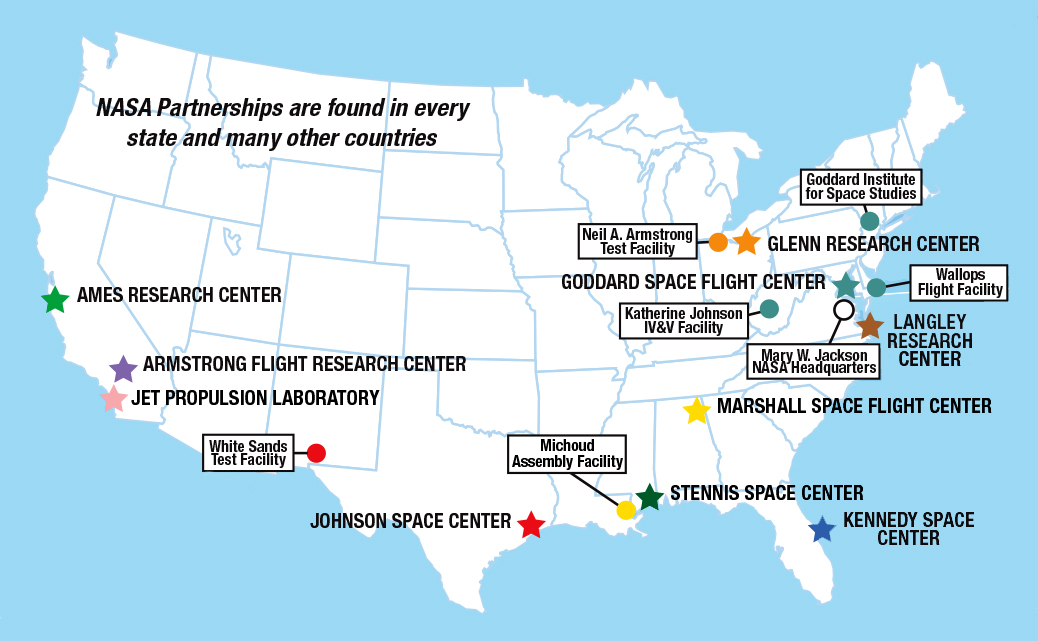
- Operate at national scale (available in all 50 states and U.S. territories)
Eligibility
- All U.S.‑based entities, including federal agencies, may submit a Statement of Interest.
- International organizations may be considered only if they serve established U.S. nationwide audiences.
Audience
NASA welcomes partnership proposals that support learners throughout their educational journey. The agency collaborates with organizations serving students from pre‑K through undergraduate levels, across classrooms, out‑of‑school programs, and digital learning environments.
Become a Partner
NASA has supported the U.S. education system by providing real world examples of STEM content in action. Partnerships typically:
- Engage audiences in NASA technical mission content
- Highlight STEM careers and role models
- Support awareness of STEM pathways
NASA typically provides collaborators with:
- Access to mission data and imagery
- Subject matter experts in relevant technical and STEM education fields
- Review of NASA related content for technical accuracy
Organizations interested in exploring a partnership with NASA STEM Engagement should submit a Statement of Interest of no more than five pages to NASAEdPartners@nasa.gov. Do not include Proprietary Data in the Statement of Interest, as NASA reserves the right to share Statements of Interest broadly inside and outside NASA.
Statements of Interest should include the following:
- Entity Name and Web Address
- Physical Address
- Country of Origin of Entity’s Headquarters
- Point of Contact Name and Title
- Overview of your organization, strategic goals and examples of past work with education audiences
- Overview of proposed partnership activities and anticipated products or programs to be produced through the relationship
- Intended outcomes of partnership activities
- Description how activities align with NASA strategic goals for STEM engagement
- Explanation of how the requested activities further your organization’s mission
- Description of target audience and anticipated student reach
- Summary of proposed organizational roles in the partnership. Include estimated commitment of NASA resources necessary (number of hours of requested staff time and facilities, etc.) to accomplish activities in non-funded relationship
- Proposed timeline for partnership activities
Statements of Interest will be reviewed against the following criteria:
Alignment to NASA
- Organization and requested partnership activities are consistent with NASA STEM Engagement mission, objectives and strategies
- The partner presents a plan to provide all or a substantial portion of resulting content/programming to US students and teachers at no-cost.
Overall Impact
- Benefit to NASA and Partner: Extent to which partnership describes a substantive benefit to both NASA and the Partner.
- Partnership Reach: Extent to which partnership will engage students at a scale NASA could not reach independently.
- Sustainability: Partnership results in products, resources, or publications that can be used by the public outside the partnership term.
- NASA Resource Commitment: Estimated level and availability of NASA resources (civil servant and contractor labor, facilities, etc.), necessary to support the request.
Management
- Viability: Extent to which organization demonstrates ability to fulfill proposed responsibilities within stated timeline and meet financial requirements to complete partnership activities.
- Organizational Roles: Anticipated roles of NASA and Partner are clearly defined and led by Partner.
Alignment to NASA Policy: Requested partnership activities do not violate any NASA policies or regulations.
Statements of interest do not have a submission due date and are received on a rolling basis. Typically, a response is provided within 2-4 weeks of submission. Subject to the availability of internal resources, NASA typically pursues 3-5 new, non-reimbursable relationships a year.
Statements of Interest are evaluated by Office of STEM Engagement against the stated criteria. Reviews are shared with Mission Directorates and Office of General Counsel for further review. OSTEM senior leadership maintains final decision on whether or not to pursue a Space Act Agreement partnership or other collaborative relationship. NASA takes a variety of factors into account in deciding whether or not to consider a Statement of Interest for a NASA partnership. Factors include, but are not limited to, resource availability, cost to NASA, and potential for high impact outcomes. All decisions on potential partnership opportunities are in NASA’s sole discretion.
Current Agreements
Pursuant to direction in Title III of House Report 113-171 accompanying H.R. 2787, the FY 2014 Commerce, Justice, Science, and Related Agencies appropriations bill and pursuant to direction in Section 841 of the NASA Transition Authorization Act of 2017, Public Law 115-10; NASA updates and posts on a quarterly basis applicable summary data on Space Act Agreements with U.S. Federal, non-Federal, and international partners.
Office of STEM Engagement Active Space Act AgreementsOpportunities With Our Partners

Help NOAA Scientists Monitor Hawai'i Bottomfish Population With OceanEYES
With OceanEYES, you will see images taken from deep-water camera systems and will learn how to identify and mark fish to train computer vision algorithms to count and recognize fish.
Save the Date: World Space Week 2026
World Space Week (WSW) is an international celebration of science and technology, and their contribution to the betterment of the human condition. WSW consists of space education and outreach events held by space agencies, aerospace companies, schools, planetaria, museums, and astronomy clubs around the world in a common timeframe. Event Dates: Oct. 4-10
Earth Science Week 2026 Contests (Video, Photography, Visual Arts, Essay)
For Earth Science Week, the American Geosciences Institute (AGI) sponsors four contests focusing on the year’s theme. Whether you’re a budding photographer, an aspiring filmmaker, a visual artist, or a reflective writer, we have a platform for you to showcase your talents. Submission Deadline: Oct. 16
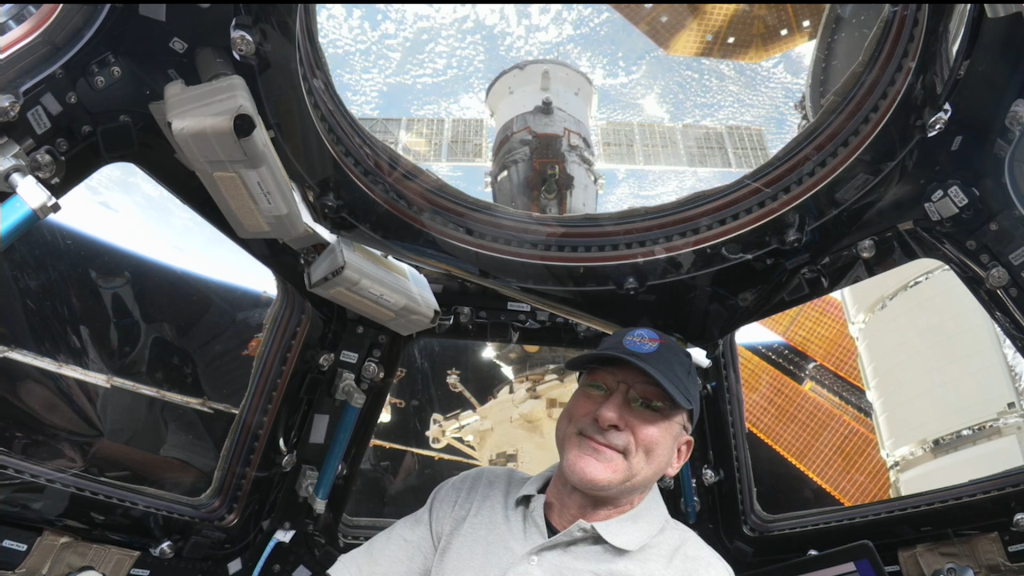
Smithsonian Lecture – At Home in Space: Stories from ISS Astronauts
Join current NASA and international astronauts as they discuss stories from their time on the International Space Station! Event Date: Oct. 29
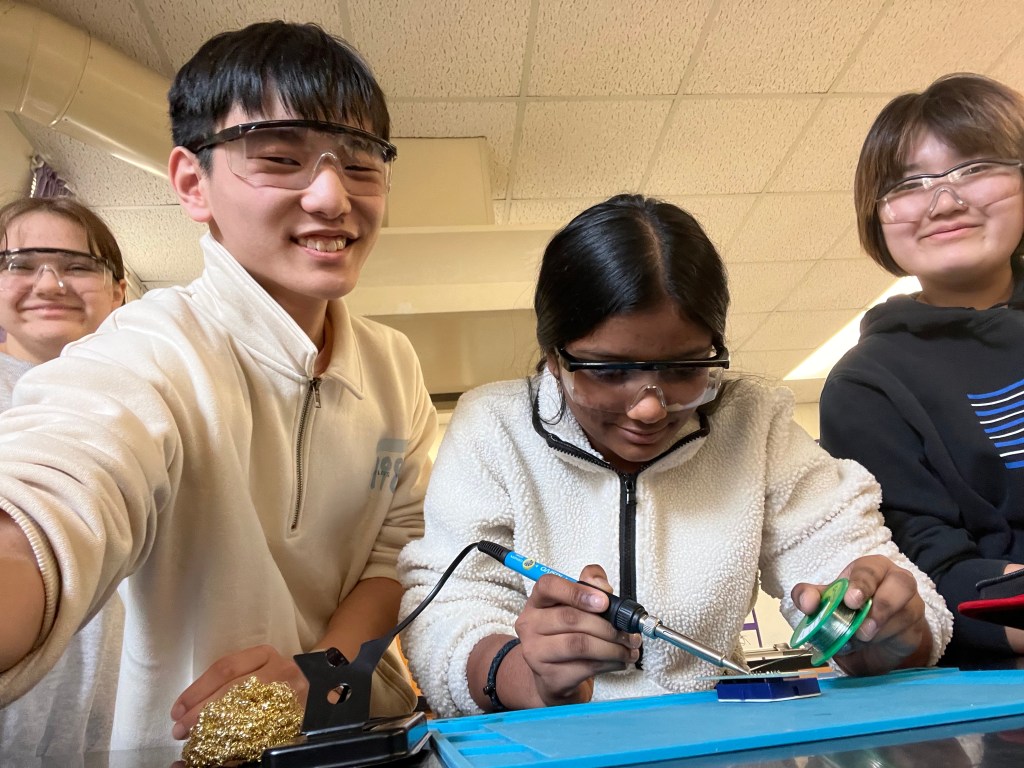
2026-2027 Conrad Challenge for Students Ages 13-18
Student innovators from around the globe compete in teams to solve real-world challenges across industries. Student competitors build leadership, entrepreneurship and innovation skills during the course of this annual, internationally-renowned competition. Registration Deadline: Oct. 29
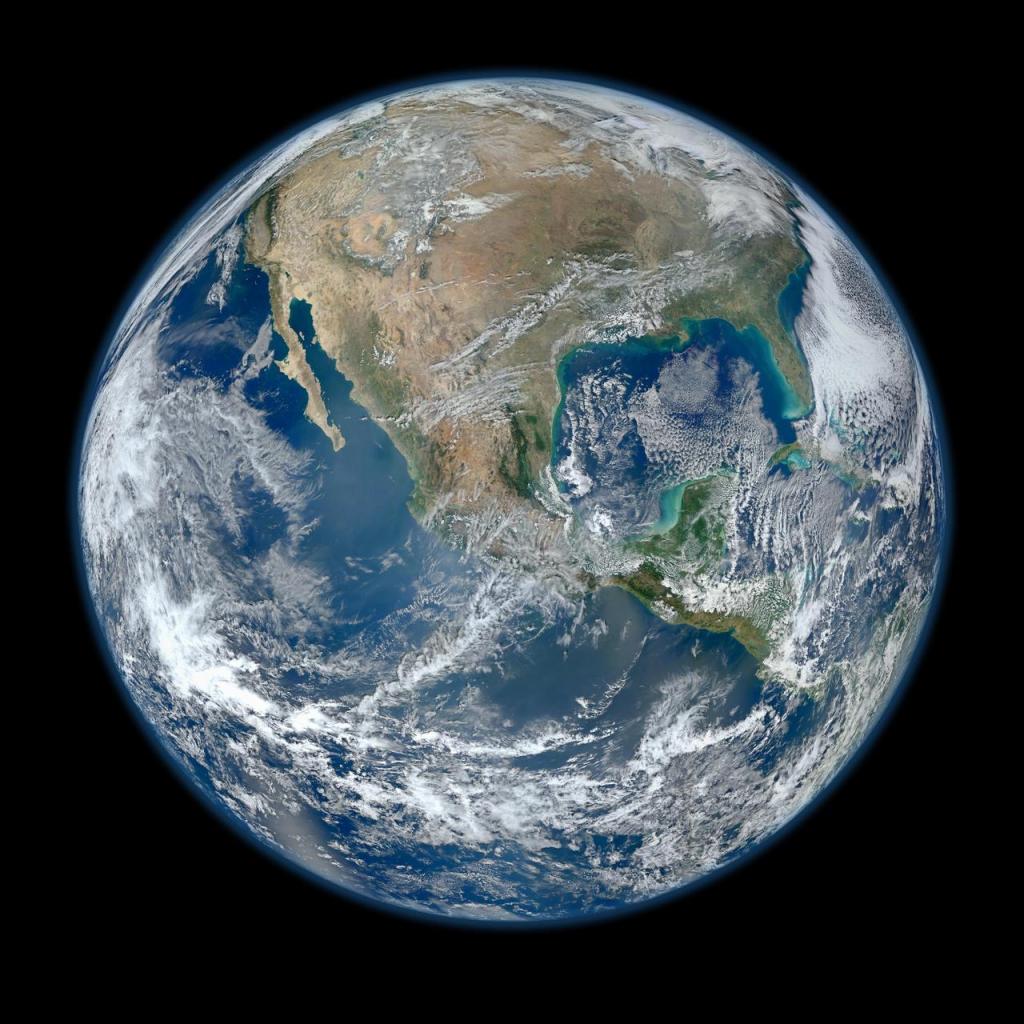
Become a Planet Steward
From the classroom to the community, the National Earth Science Teachers Association is committed to continuing the efforts of the NOAA Planet Stewards Education Project, supporting educators in building a more sustainable future. Application Deadline: Nov. 1
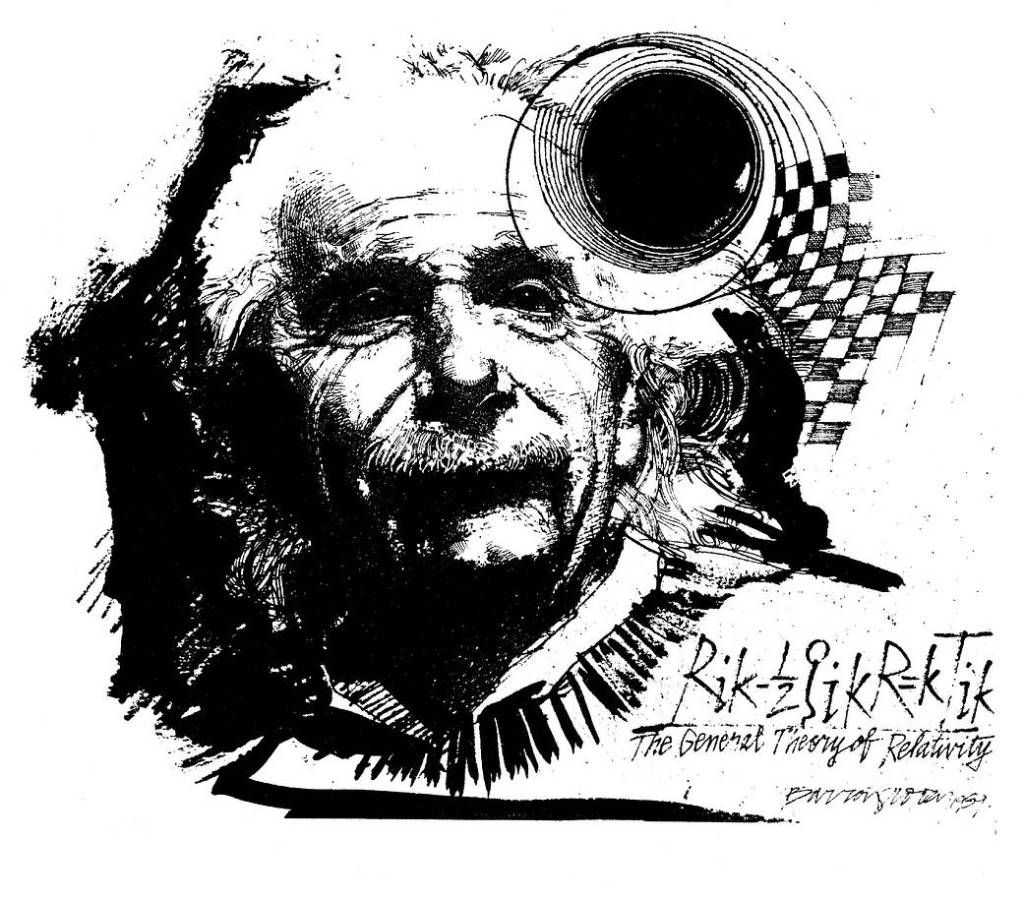
Albert Einstein Distinguished Educator Fellowship Program
The Albert Einstein Distinguished Educator Fellowship (AEF) Program provides a unique opportunity for accomplished K-12 educators in the fields of science, technology, engineering, and mathematics (STEM) to serve in the national education arena. Application Deadline: Nov. 5
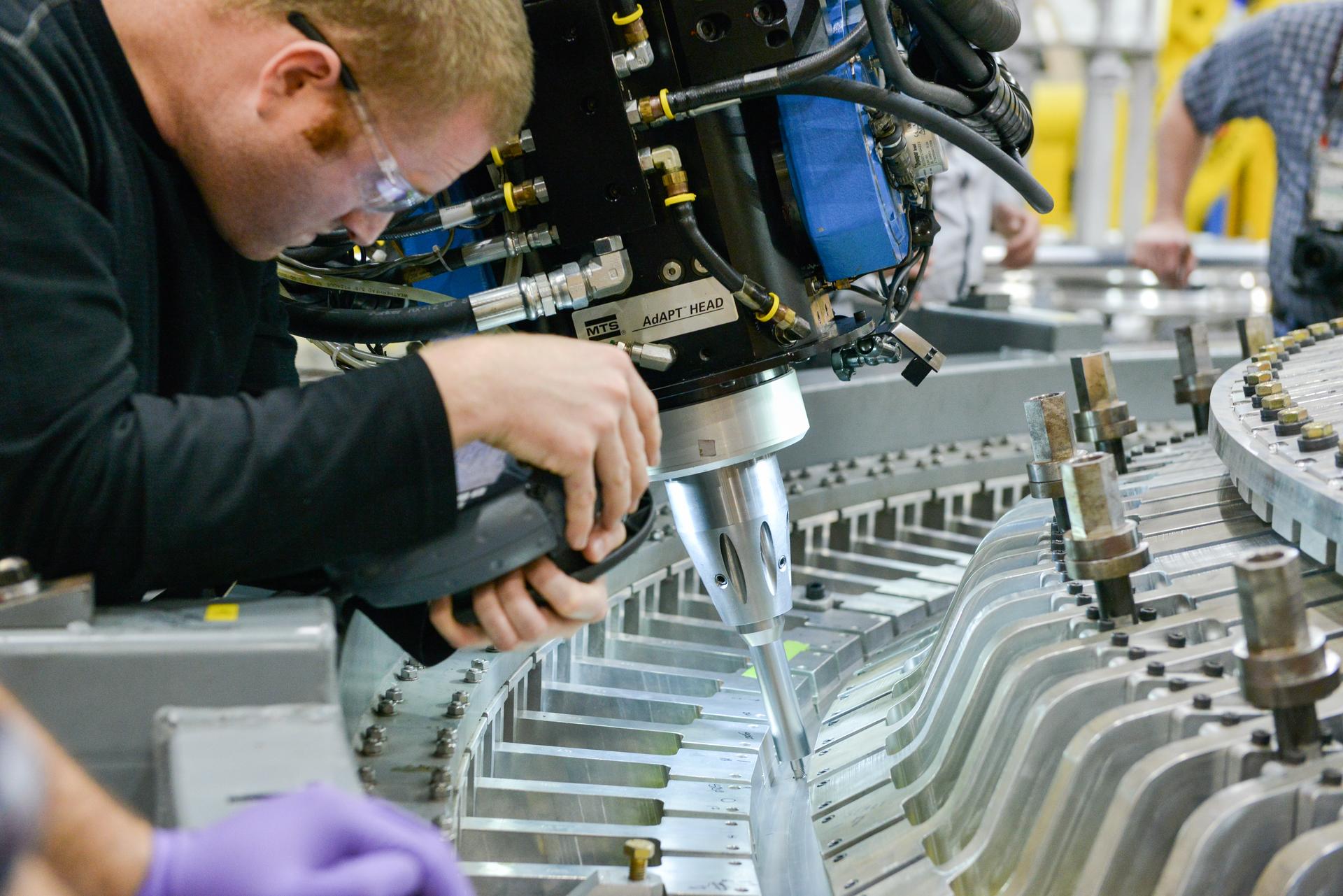
U.S. Department of Education Careers in Your Community Challenge
The Careers in Your Community Challenge is a CTE Momentum challenge to develop student-led career exploration solutions. The U.S. Department of Education invites high schools to propose solutions that improve career exploration at their schools. Submission Deadline: Nov. 19
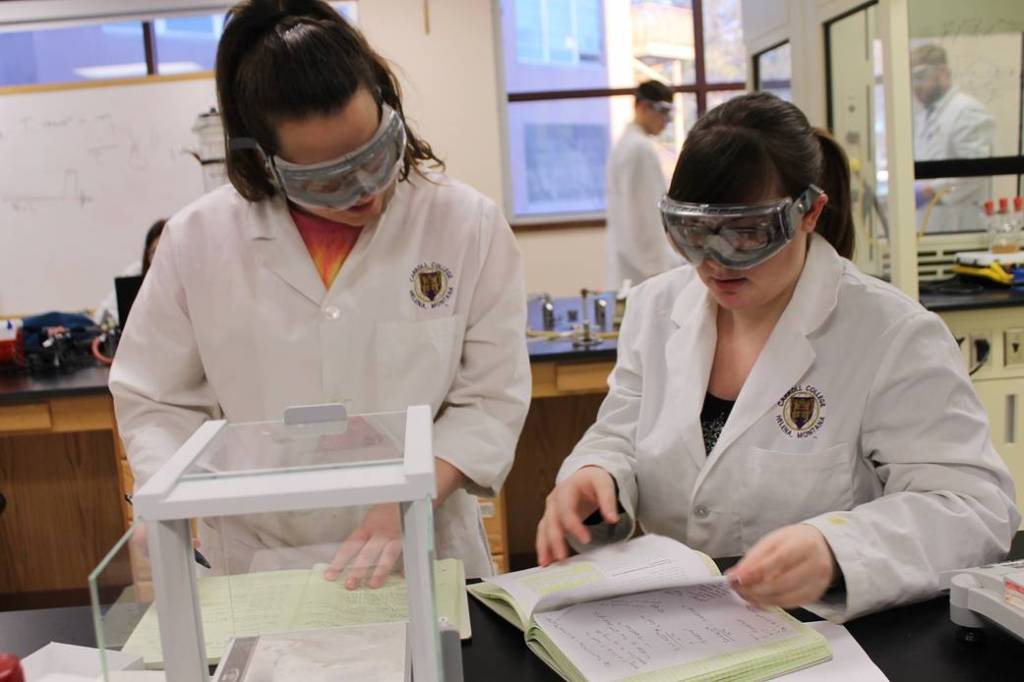
Science, Mathematics, and Research for Transformation (SMART) Scholarship-For-Service Program
The SMART Scholarship-for-Service Program is a unique opportunity for science, technology, engineering, and mathematics (STEM) students to advance their education and jumpstart their careers. SMART provides merit-based scholarships to bachelor's, master's, and doctoral students pursuing STEM degrees. SMART scholarship recipients receive full tuition, annual stipends, summer internships, and after graduation, civilian employment with the Department of War. Application Deadline: Dec. 4
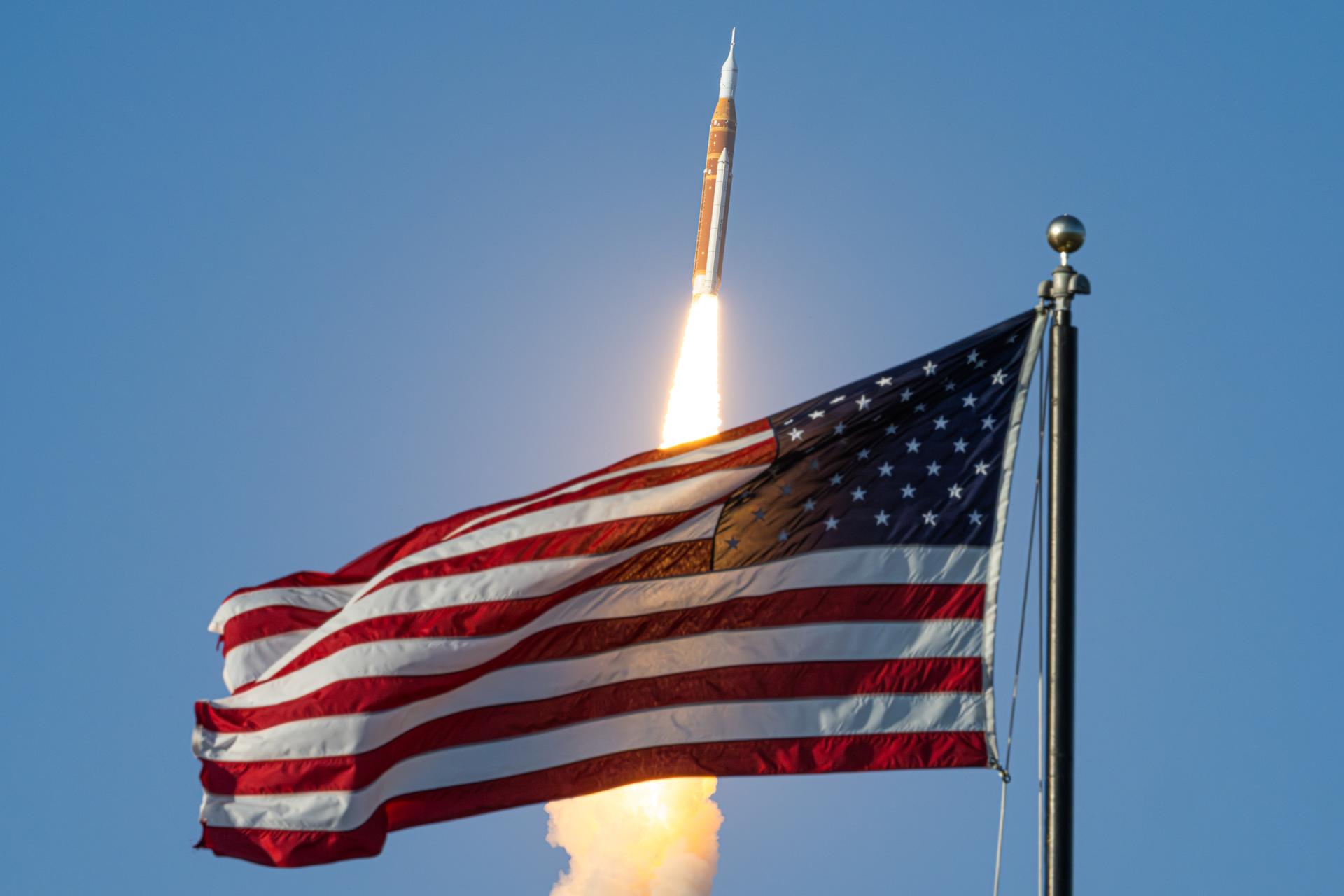
Register Your American Rocketry Challenge Team
The American Rocketry Challenge, the world’s largest student rocket competition, has engaged over 100,000 middle and high school students in model rocketry. The challenge provides a yearlong opportunity to gain hands-on engineering experience by designing, building, testing, and launching model rockets to meet rigorous requirements. Registration Deadline: Dec. 6
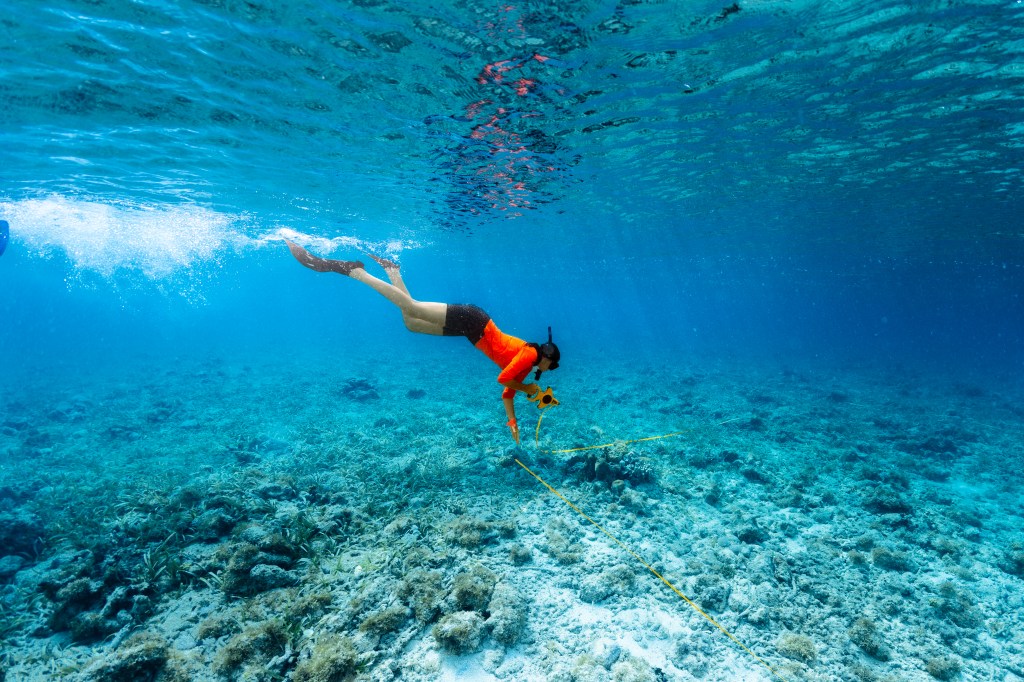
NOAA's Ernest F. Hollings Undergraduate Scholarship
This opportunity is open to undergraduate sophomores or third year students in a five year program and includes a paid NOAA internship and academic scholarship. Application Deadline: Jan. 31

The Air Force Science & Technology Fellowship Program
The Air Force Science and Technology Fellowship Program (AF STFP), funded by the United States Air Force, provides a platform for outstanding scientists and engineers to engage in vital research and development efforts.
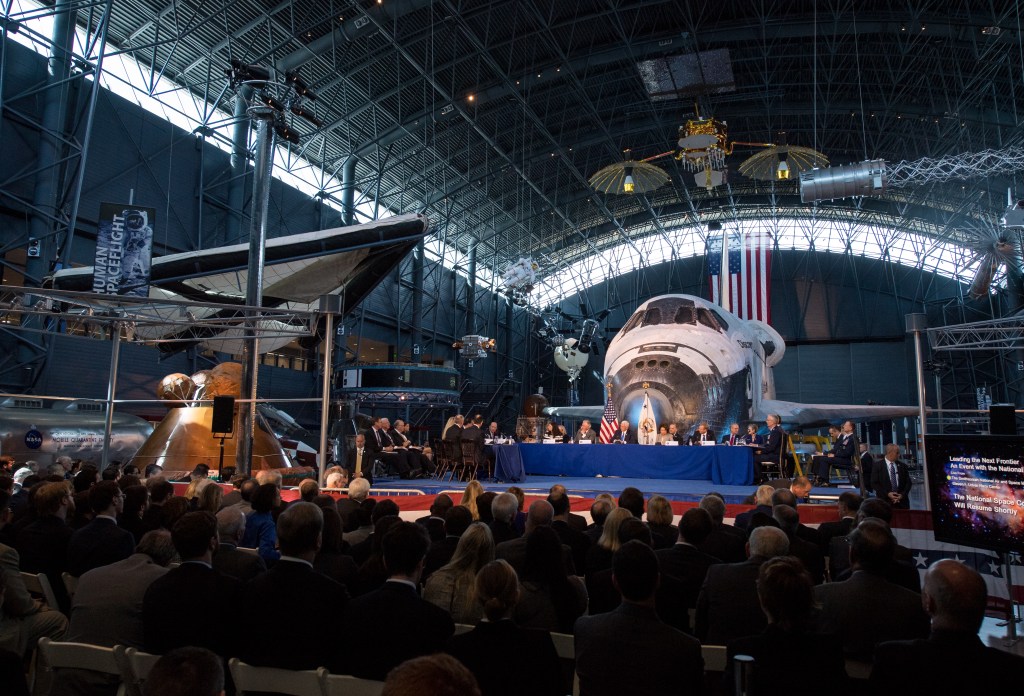
Smithsonian National Air and Space Museum Internship Opportunities
Sign up to receive email updates about internships at the Smithsonian National Air and Space Museum!
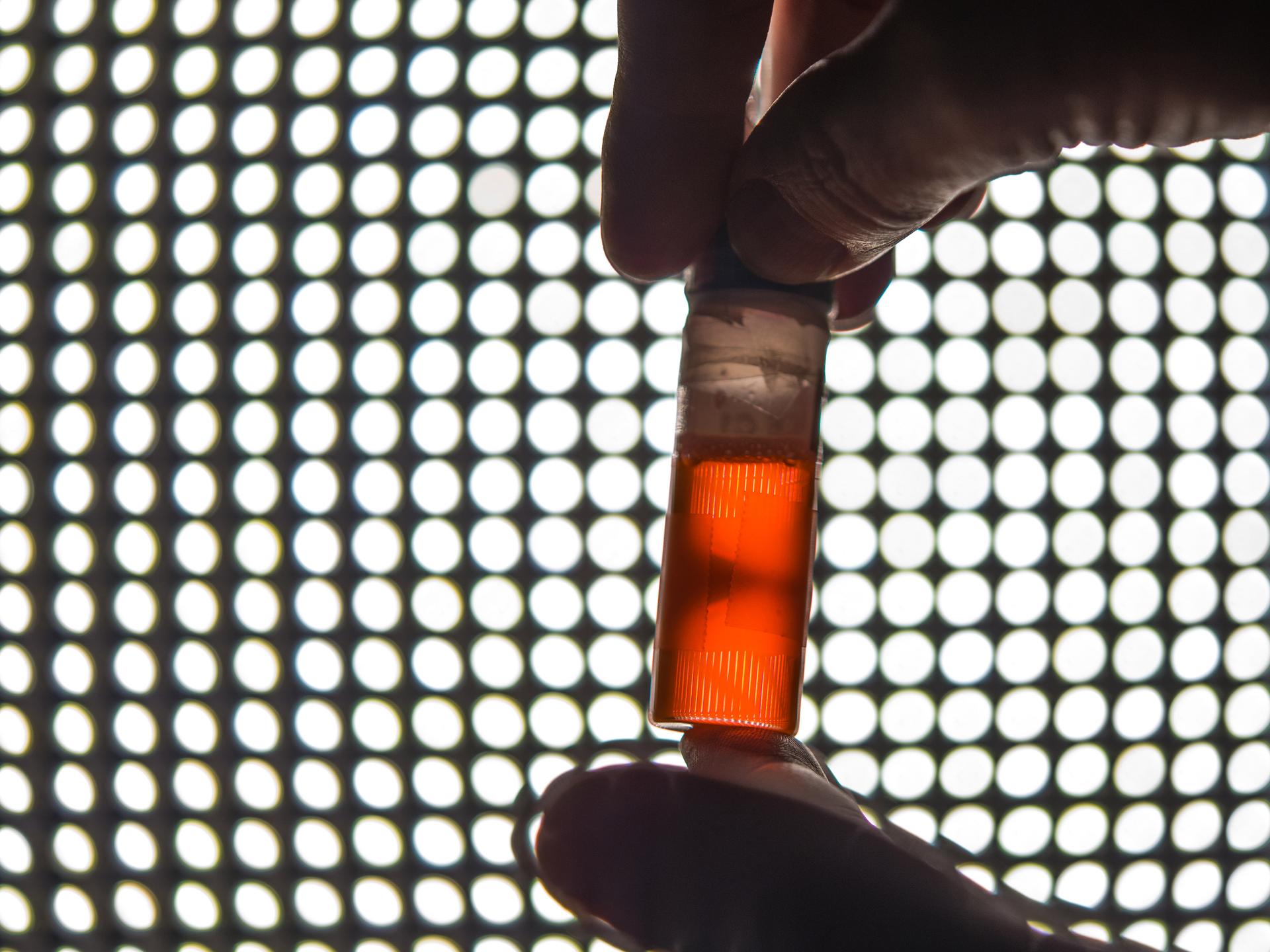
FBI Counterterrorism and Forensic Science Research Unit Opportunity
As a participant with the Counterterrorism and Forensic Science Research Unit (CFSRU) Visiting Scientist Program (VSP), you will have an opportunity to enhance your professional development and increase your research capabilities and contributions by participating in forensic research initiatives utilizing state-of-the-art equipment under the mentorship of CFSRU scientists. Applications are accepted on a rolling basis.
National Science Foundation Education and Training Opportunities
Browse NSF Opportunities to discover what could be the next step in your academic journey.
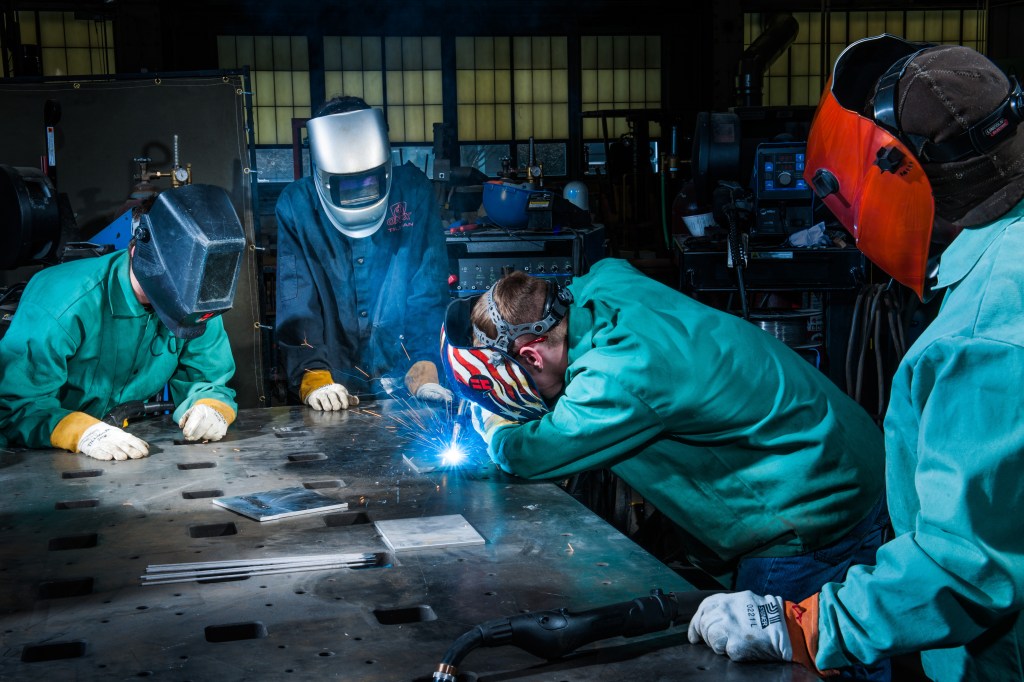
Jump Start Your Career With an Apprenticeship
When you're ready, you're ready. Why wait years to gain skills and unleash your potential when you can start now? Become an apprentice to get started in the career you're planning for, today.
National Oceanic and Atmospheric Administration: Citizen Science Projects
In citizen science, the public participates voluntarily in the scientific process to address real-world problems. NOAA has a rich tradition of supporting such collaborative work, which continues to this day. Volunteers support a range of projects that do everything from improving our country's weather forecasts to protecting and managing marine species to charting the seafloor.

U.S. Geological Survey: Virtual Classroom Visits
The USGS’s Virtual Classroom Visits (VcV) program connects our scientists with classrooms across the Nation, through virtual meeting technology. VcV allows USGS scientists to pop in to schools that are not just around the corner.

National Weather Service: Virtual School Visits
If it’s discussing weather basics, tornadoes, hurricanes, winter weather and weather safety, or other topics like space weather, climate change or hydrology, a National Weather Service professional can pop into the classroom to speak to all K-12 students. Applications are now open.
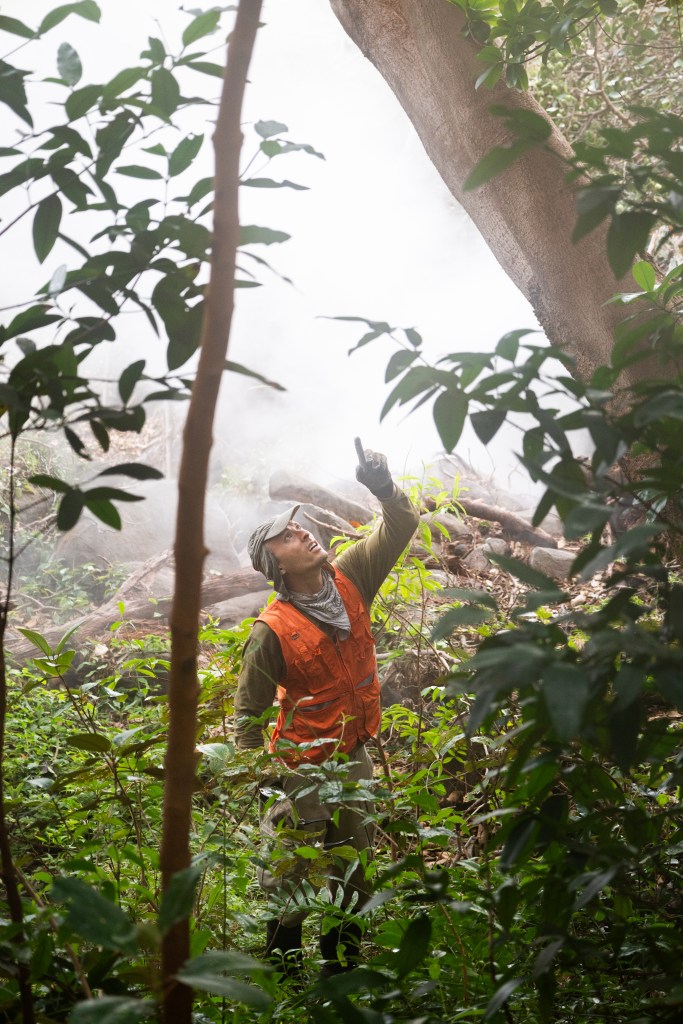
Create Virtual Field Trips: Infiniscope Self-Paced "Tour It" Training
Tour It puts the power of immersive virtual field trips in your hands. Whether you're an experienced educator or just beginning your journey, Tour It enables you to create engaging, interactive virtual tours that bring the power of place-based learning to your classroom.
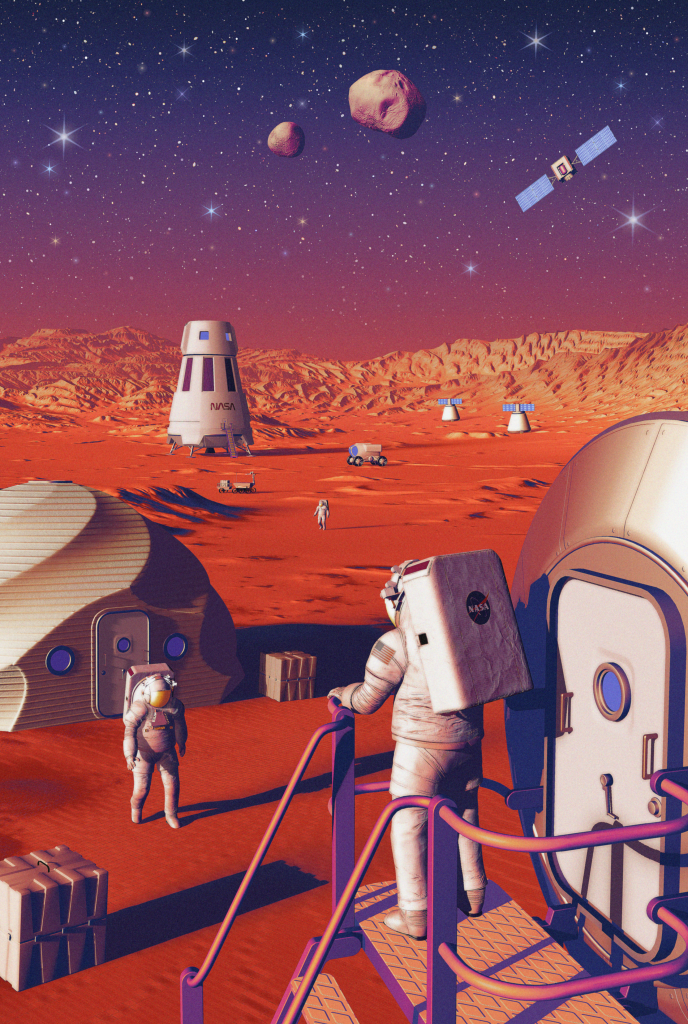
Boys and Girls Clubs Invited to Take Virtual Trips to Extreme Environments
Boys & Girls Clubs (BGCs) throughout the United States interested in participating in the VIRTEX program are invited to apply! Club teams of 10 to 20 students will virtually meet with their Mentors, who conduct research in extreme environments such as remote field locations, unique laboratory settings, aircraft, mountain tops, underwater laboratories, and more!
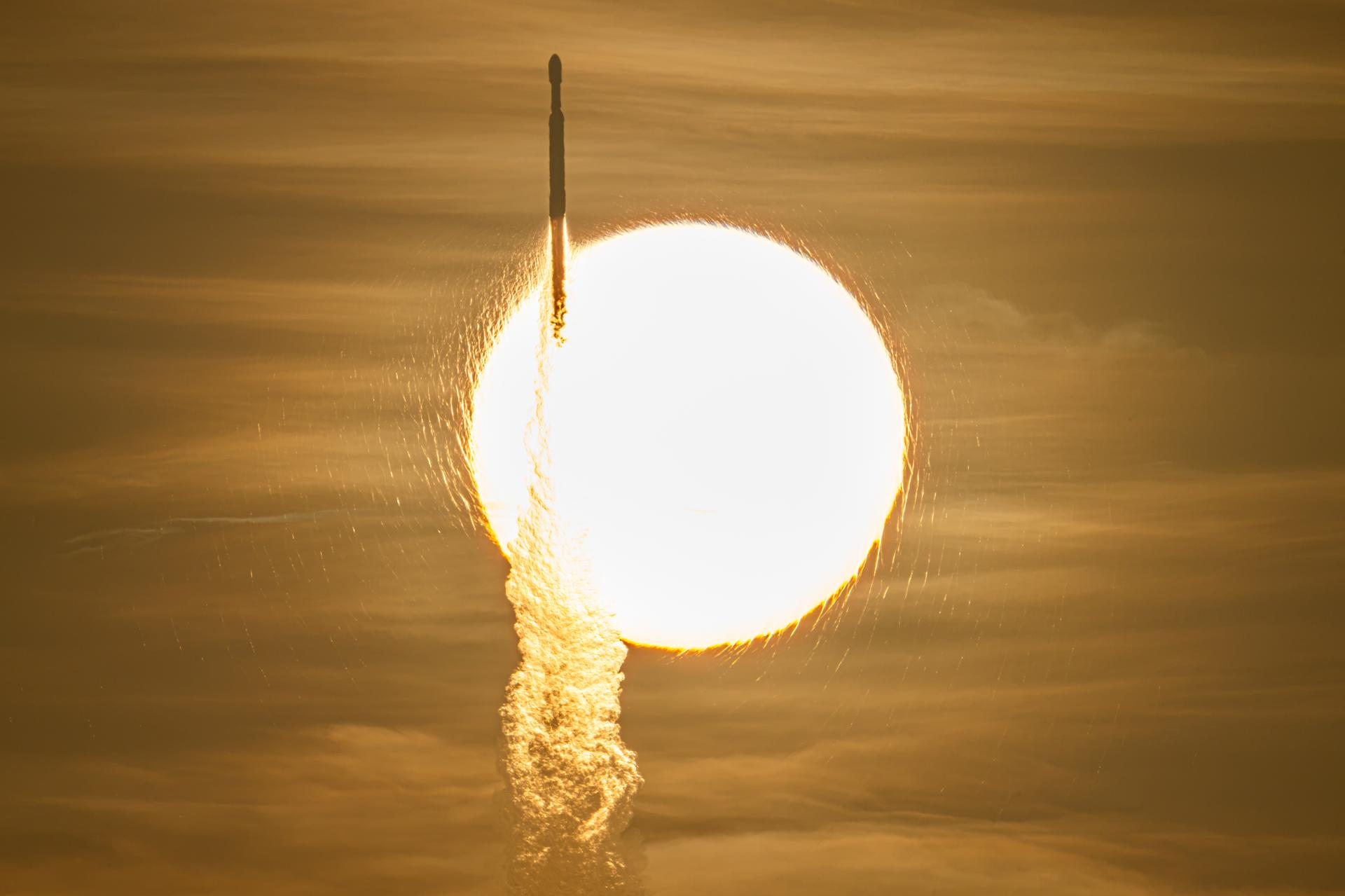
DiscoverE: Chats With Change Makers — NASA Optical Engineer Margaret Dominguez
Margaret Dominguez is an optical engineer at NASA who helped build the Roman Space Telescope that was just launched into space and will travel 1 million miles from Earth to study the expanding universe!
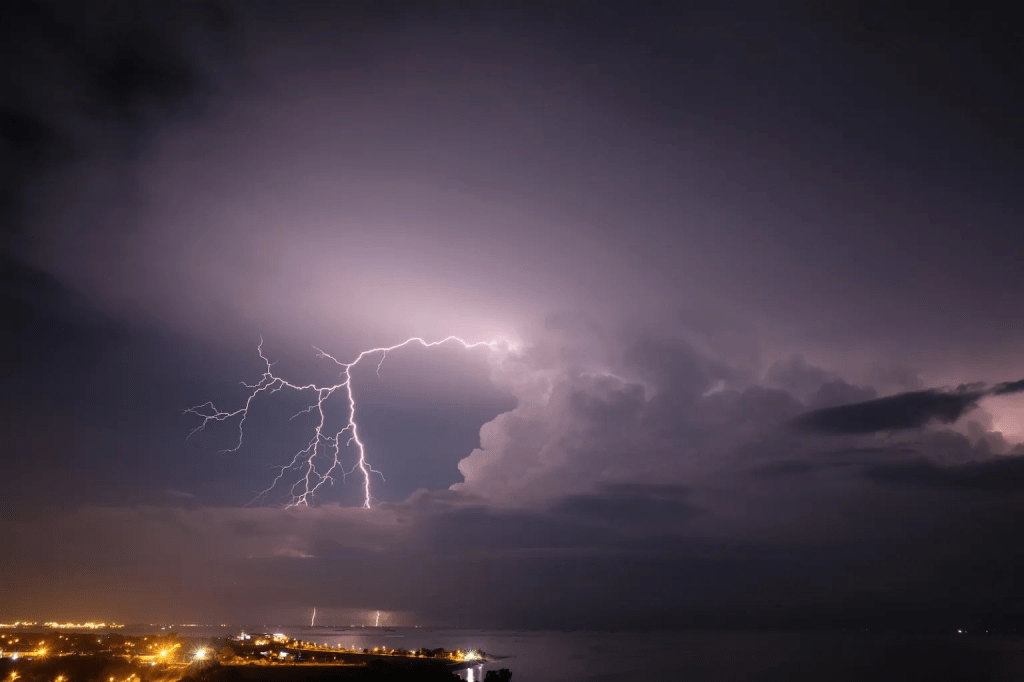
National Oceanic and Atmospheric Administration: Lighting Safety Resources
Lightning is one of the most underrated weather hazards. It makes every single thunderstorm a potential killer, whether the storm produces one single bolt or one thousand bolts. Knowing and following proven lightning safety guidelines can greatly reduce the risk of injury or death.
Nurdle Patrol Citizen Science Project: Nurdles Kit for Teachers
Are you a teacher teaching students about environmental issues? Then we have a kit just for you! It's called the “Nurdles Kit for Teachers” and it has a study guide for your students to learn how plastics get into the ocean; as well as all the necessary materials for the teacher to explain the problems and solutions clearly.
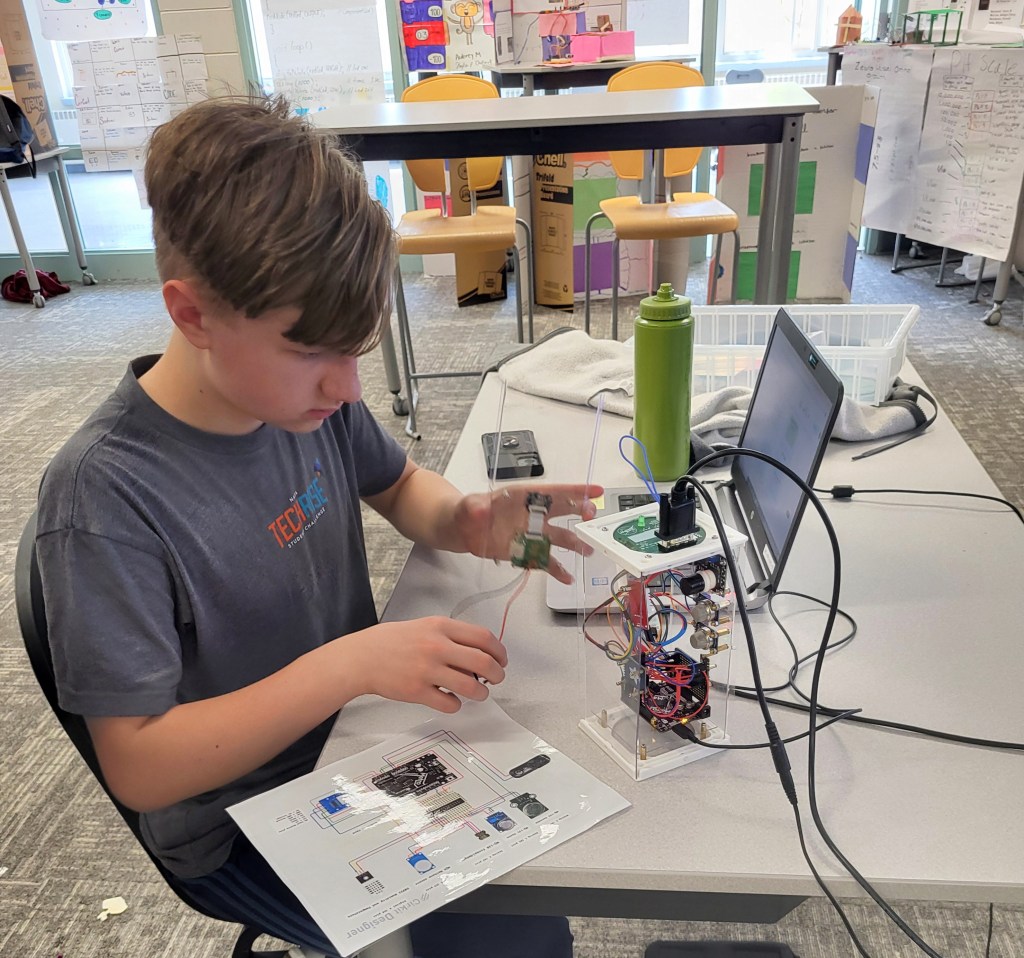
STEM Next: Challenge Based Learning Activity Bundle
The Challenge Based Learning Activity Bundle from STEM Next is designed to help afterschool and summer educators guide youth through hands-on challenges that connect learning to real community and global issues. This quick-start resource includes three ready-to-use lessons designed for grades 5-8.

U.S. Space Force Activity Booklet
Enter an operations center for the United States Space Force. Available to download now.

Survey: Building AI Literacy for Inclusion in the STEM Landscape
This survey is part of a larger study examining how educators use AI in formal and informal K-12 learning environments in an effort to surface gaps, barriers, and promising practices.
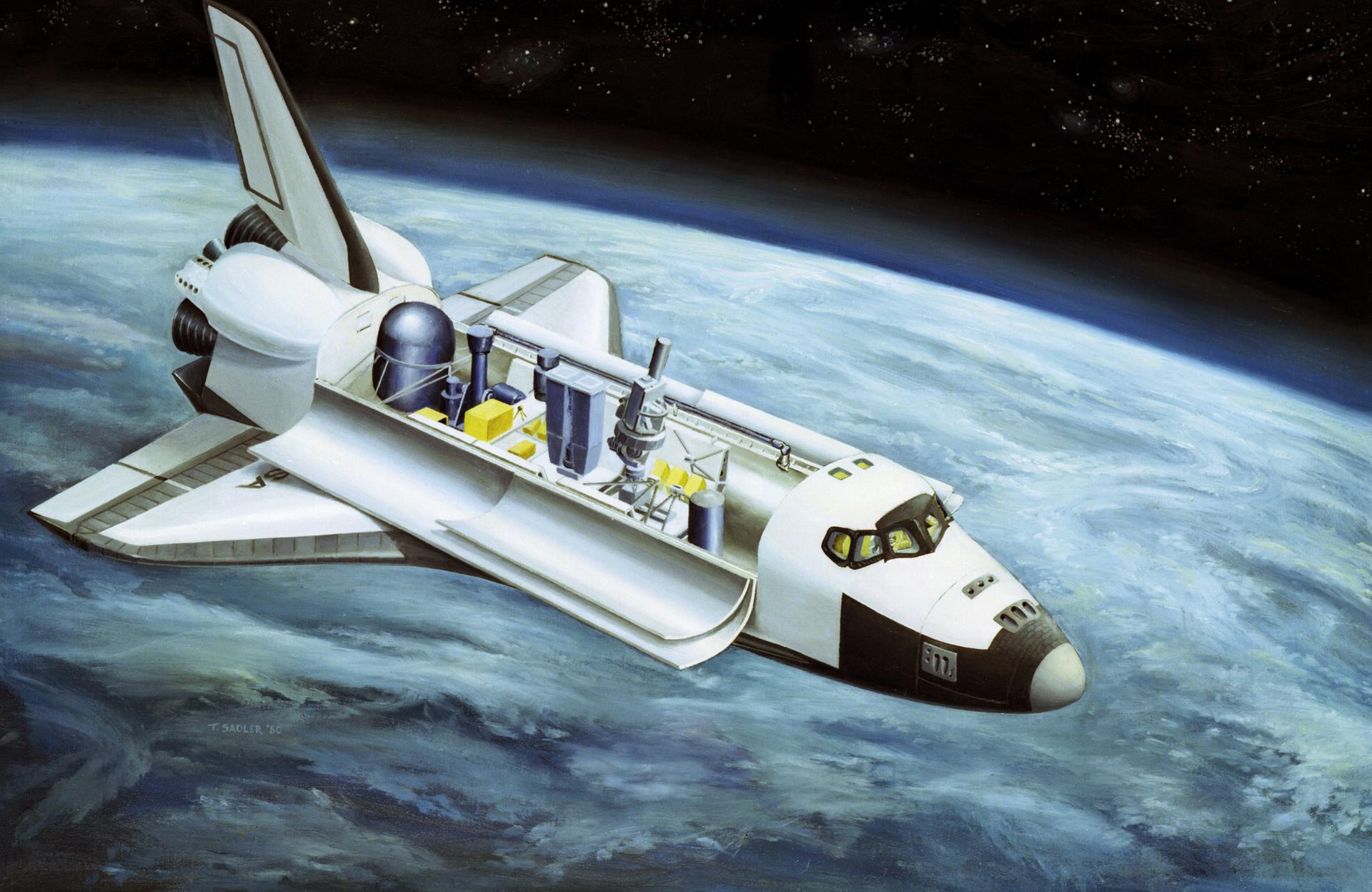
Subscribe to the Challenger Center Newsletter
The Space Shuttle Challenger crew was dedicated to a mission inspired by education. In 1986, the families of the crew established Challenger Center as a way to honor their loved ones while keeping their educational mission alive. Since then, our STEM programs have inspired and engaged 6.5+ million students through experiential hands-on learning opportunities.

Smithsonian Activity: Compare the Weather on Mars and Earth
Did you know you can check the temperature on Mars? Track the temperature on Mars and compare it to Earth.
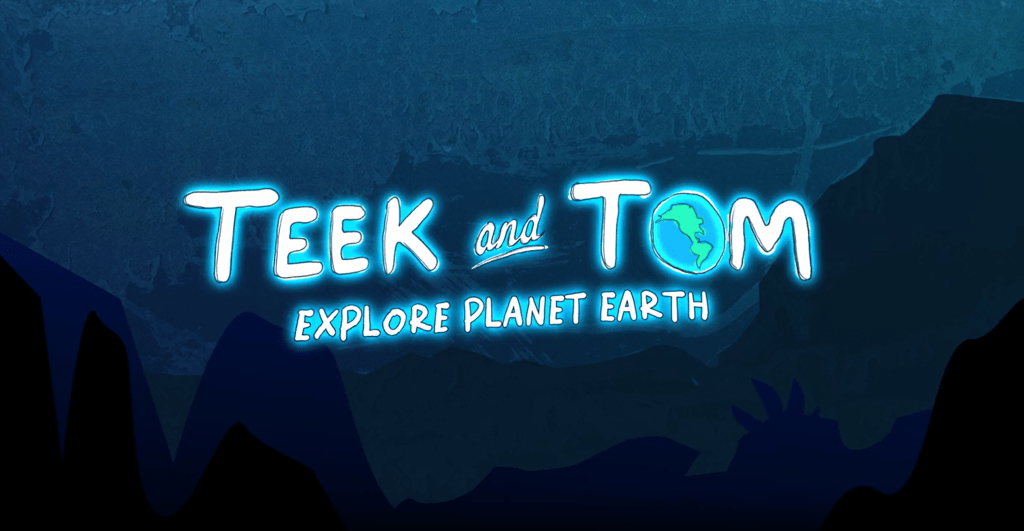
Explore Planet Earth With Teek and Tom
Join intrepid student explorer Teek from planet Queloz and NOAA climate scientist Tom Di Liberto as they explore planet Earth’s weather and climate. This five-part science series covers a range of scientific topics, including how the ocean influences weather and climate on Earth, and the technologies scientists use to gather information about our planet and its changing climate.
Partnership News and Features
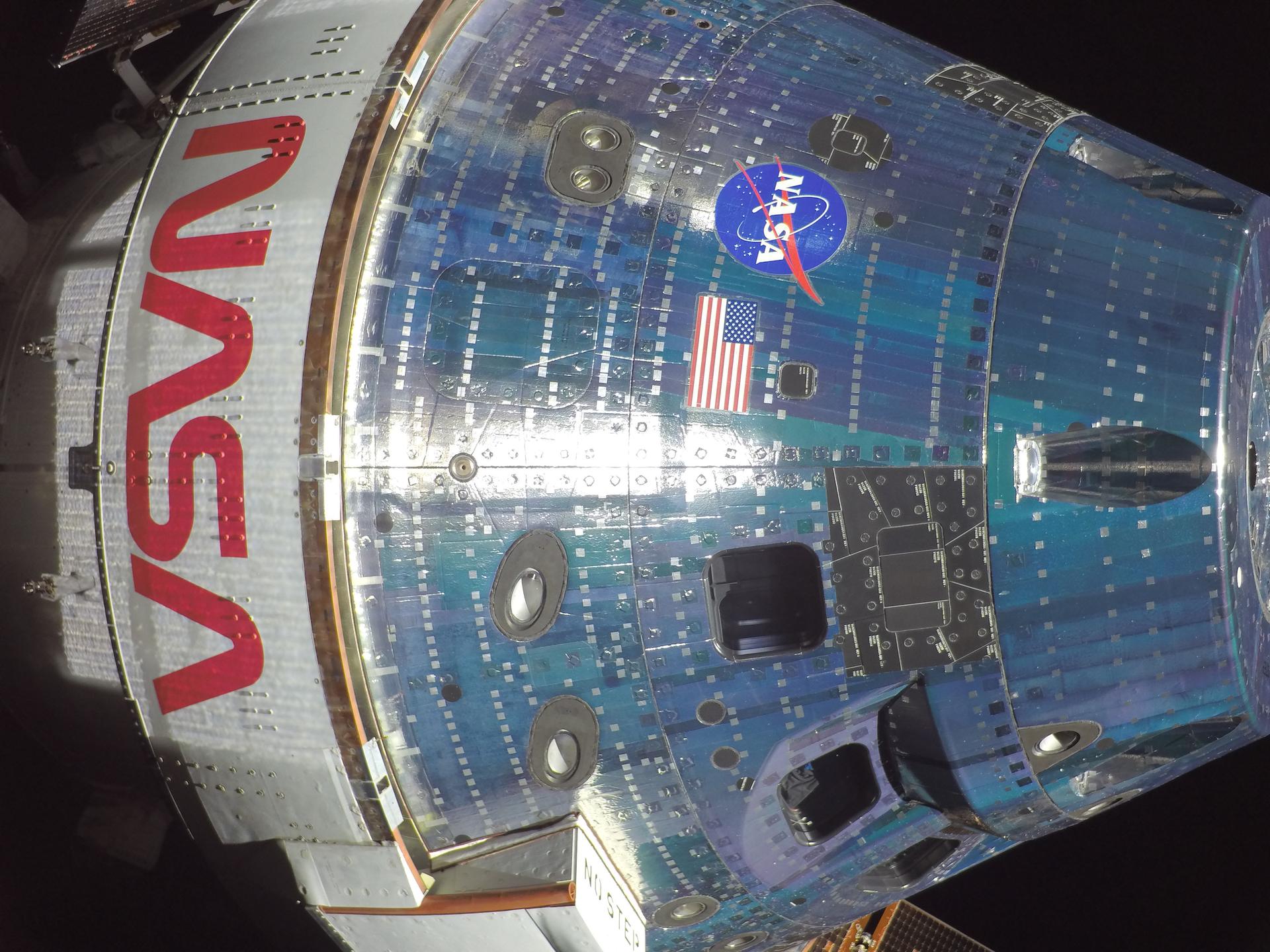
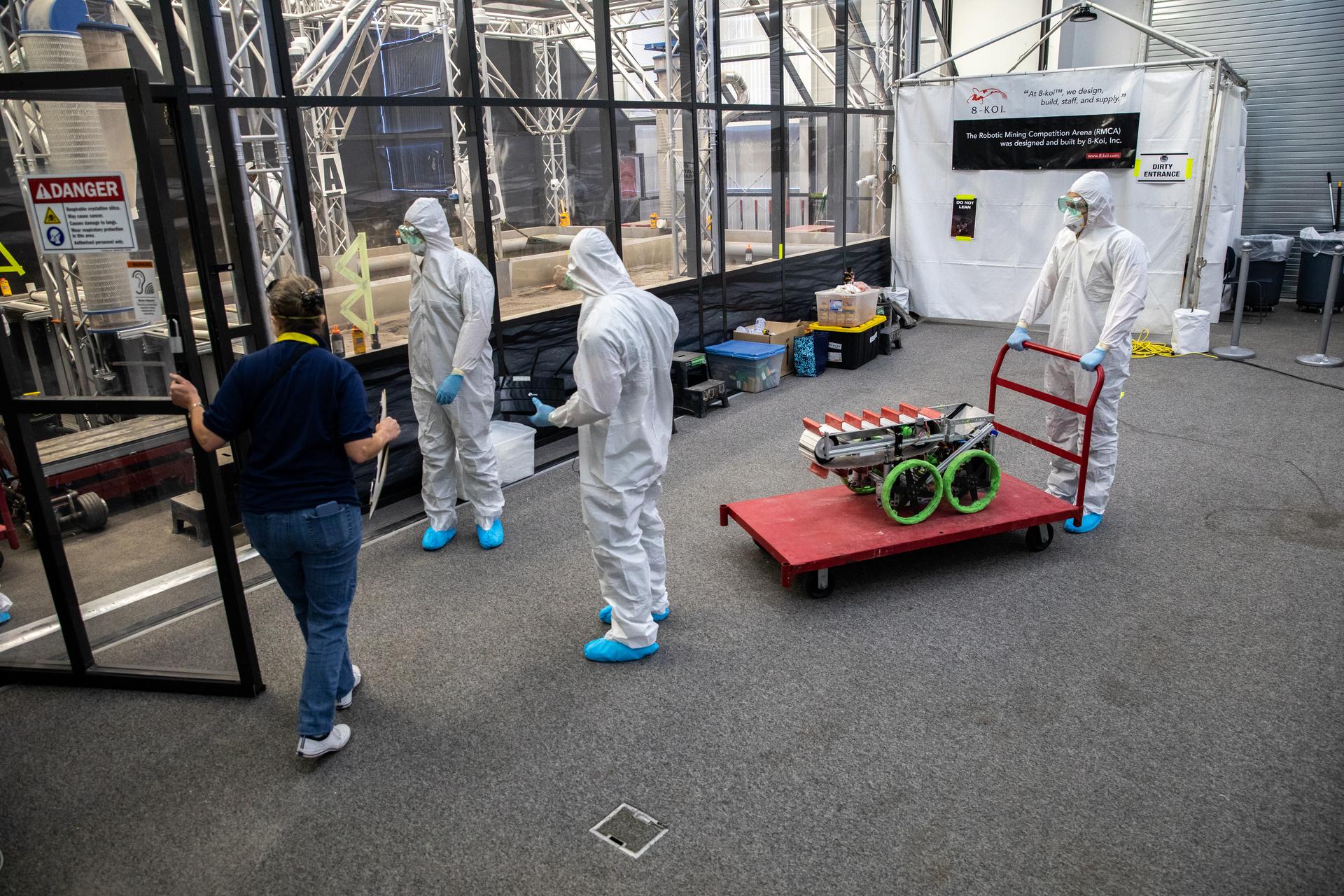
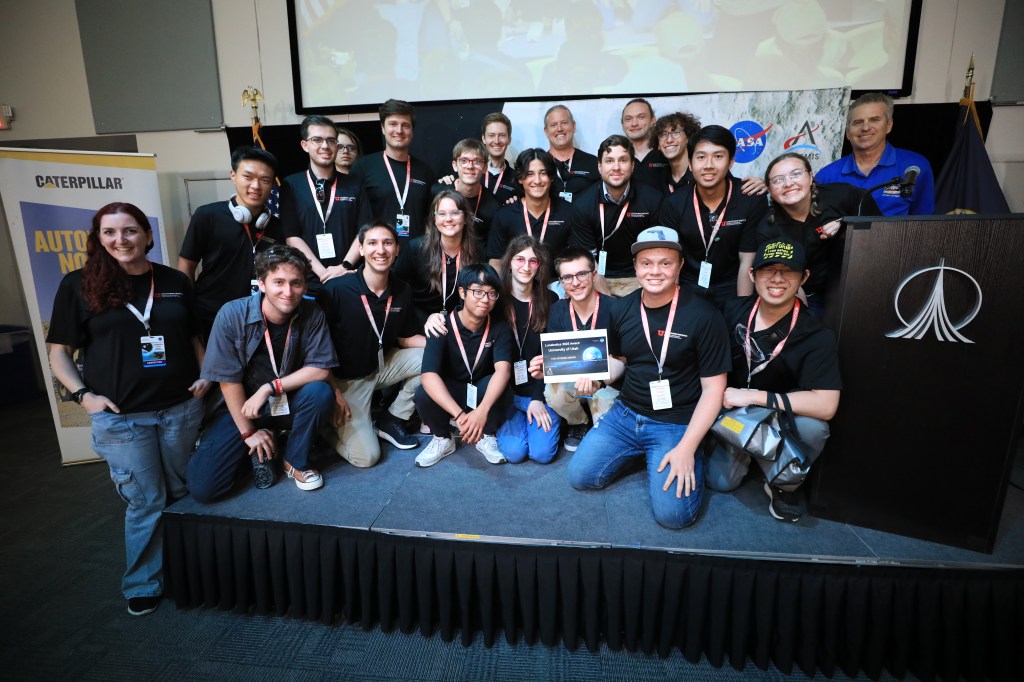
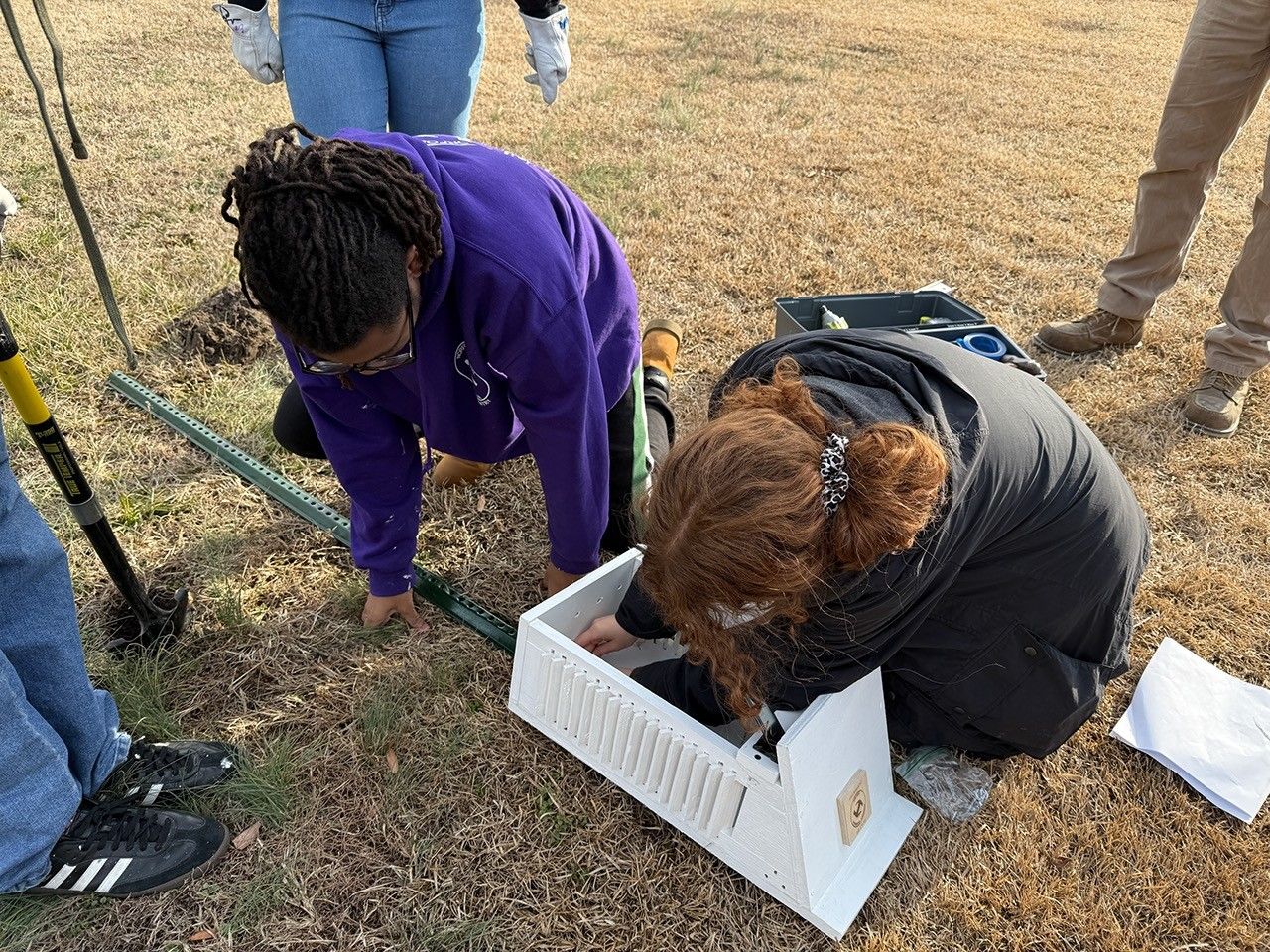
Building for a Better World: Norfolk Students Bring STEM to Life with…

NASA, Columbia U. Enact Collaborative Space Act Agreement
They Grow So Fast: Moon Tree Progress Since NASA’s Artemis I Mission
Journey Through Stars with NASA in New Minecraft Game