














Johnson Space Center
Historic Recordation

Historic Recordation Documentation
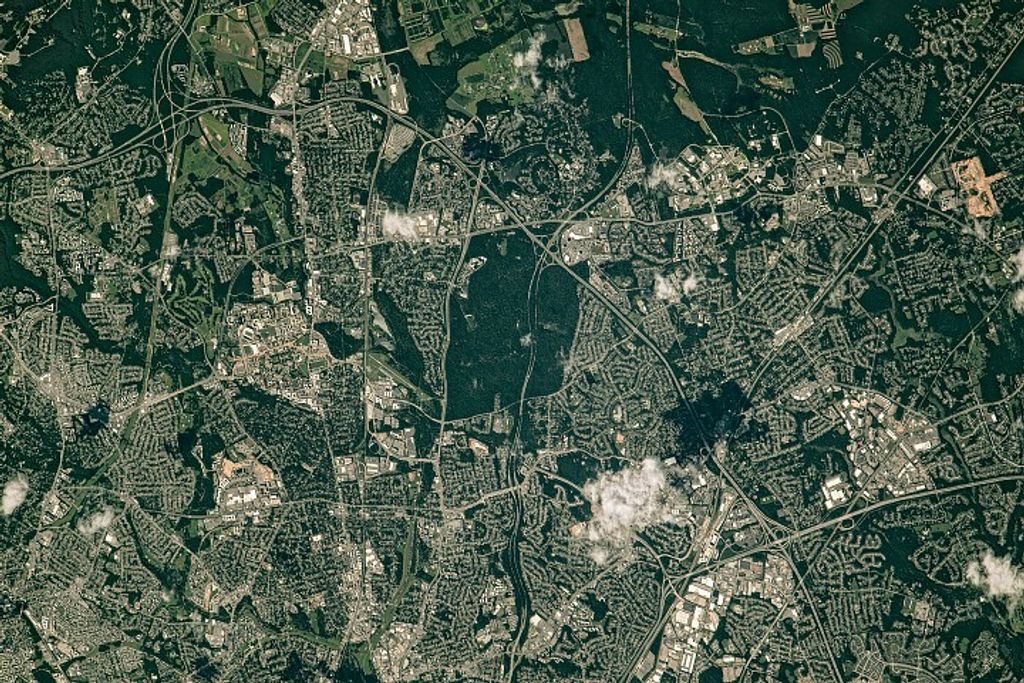
The Lyndon B. Johnson Space Center (JSC) officially opened in June 1964 as the Manned Spacecraft Center (MSC). This approximately 1,620-acre facility is located about 25 miles from downtown Houston, Texas, in Harris County. Many of the buildings are specialized facilities devoted to spacecraft systems, materials research and development, and astronaut training. Read the Historical Narrative below.

Johnson Historical Narrative
The Lyndon B. Johnson Space Center officially opened in June 1964. This approximately 1,620-acre facility is located about 25 miles from downtown Houston, Texas.

Apollo Mission Control Center
The Historic Mission Control Center at NASA's Johnson Space Center was home to the planning, monitoring and command controls that were essential to America’s early human spaceflight program.
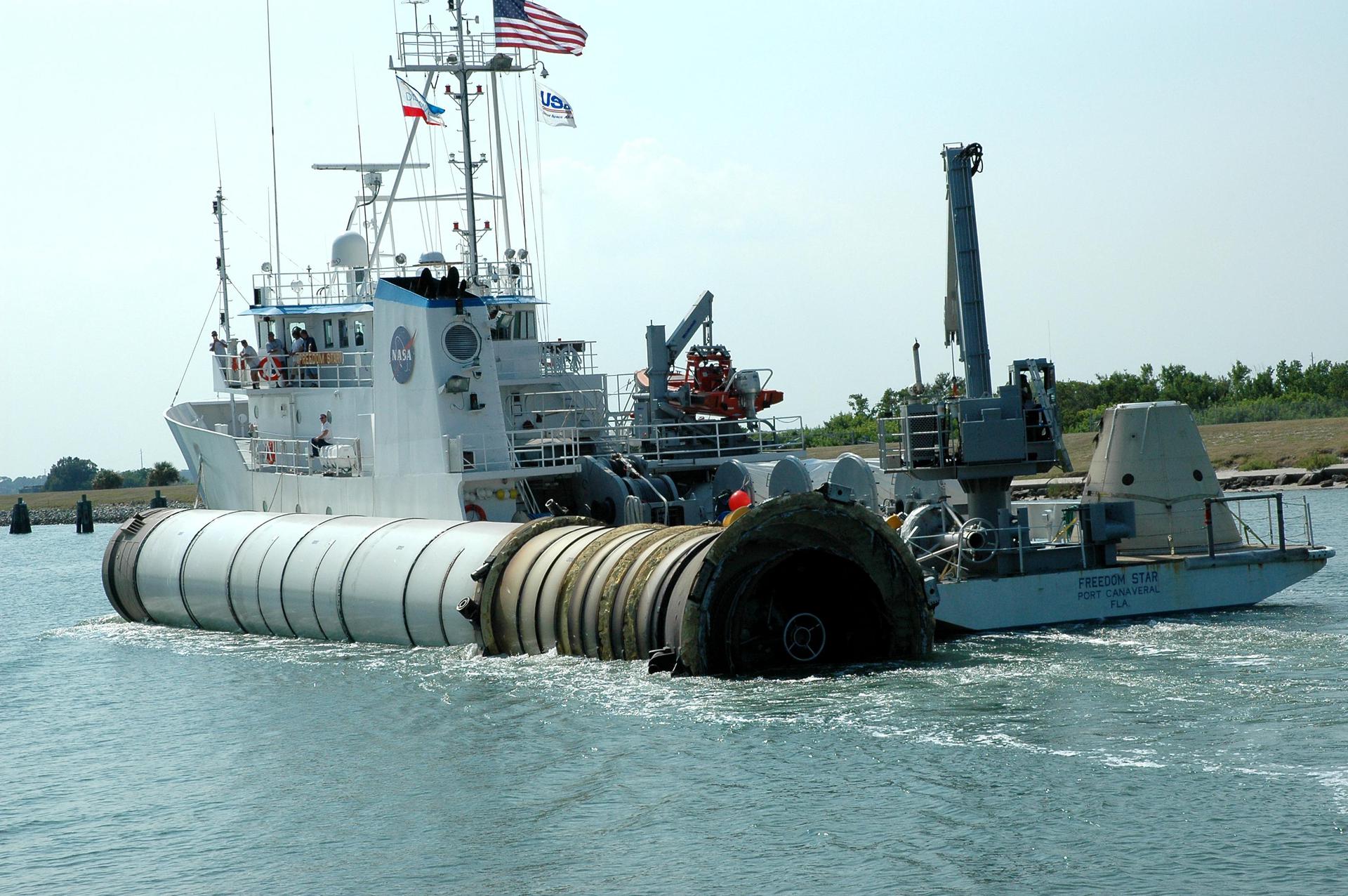
SRB Retrieval Ships
To make space shuttle launches economical, the reuse of flight hardware was crucial. To that end, the solid rocket booster (SRB) casings and associated flight hardware were recovered at sea.
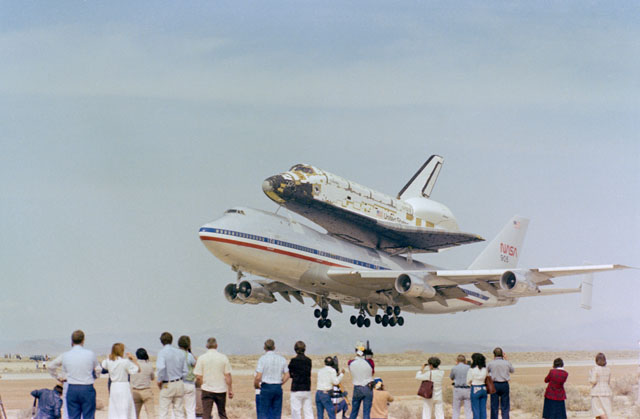
Shuttle Carrier Aircraft
NASA modified two Boeing 747 wide-body jumbo jets that were used as Space Shuttle Carrier Aircraft (SCA) to ferry orbiters from landing locations back to the Kennedy Space Center.
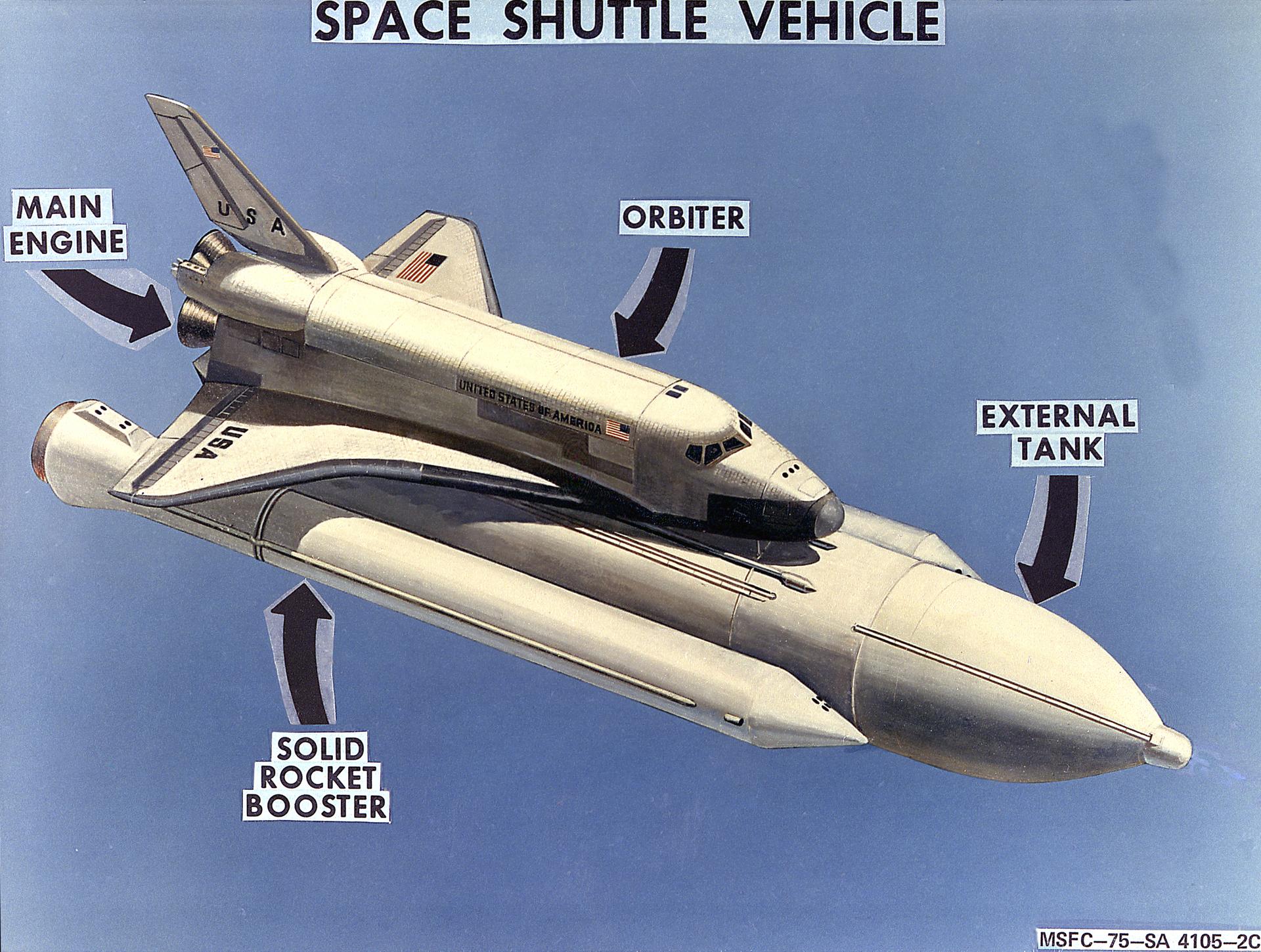
Space Shuttle
The conceptual origins of NASA’s space shuttle began in the 1950s, when the DoD began to explore the feasibility of a reusable launch vehicle in space
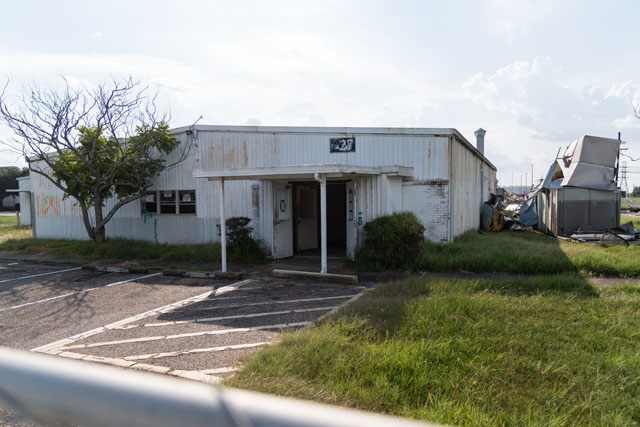
Building 227
Building 227 was originally designed to support the first Apollo Program flight, which required real-time documents for astronaut training.
Building 37
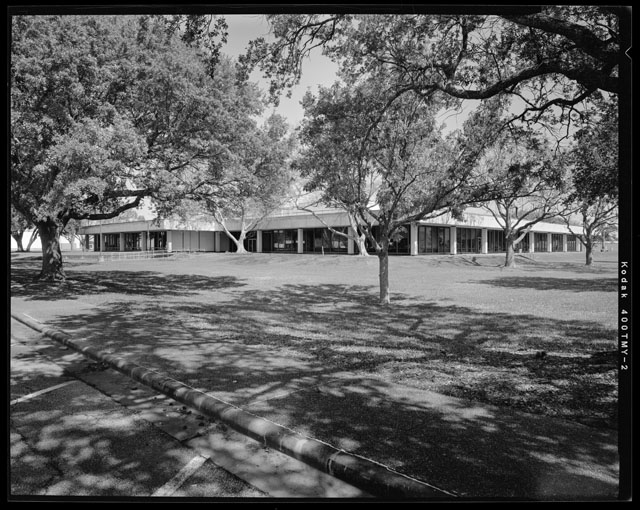
Building 37 was built in 1967 to quarantine crews, equipment, and samples returning from the moon, allowing for safe study and analysis.
Building 356A
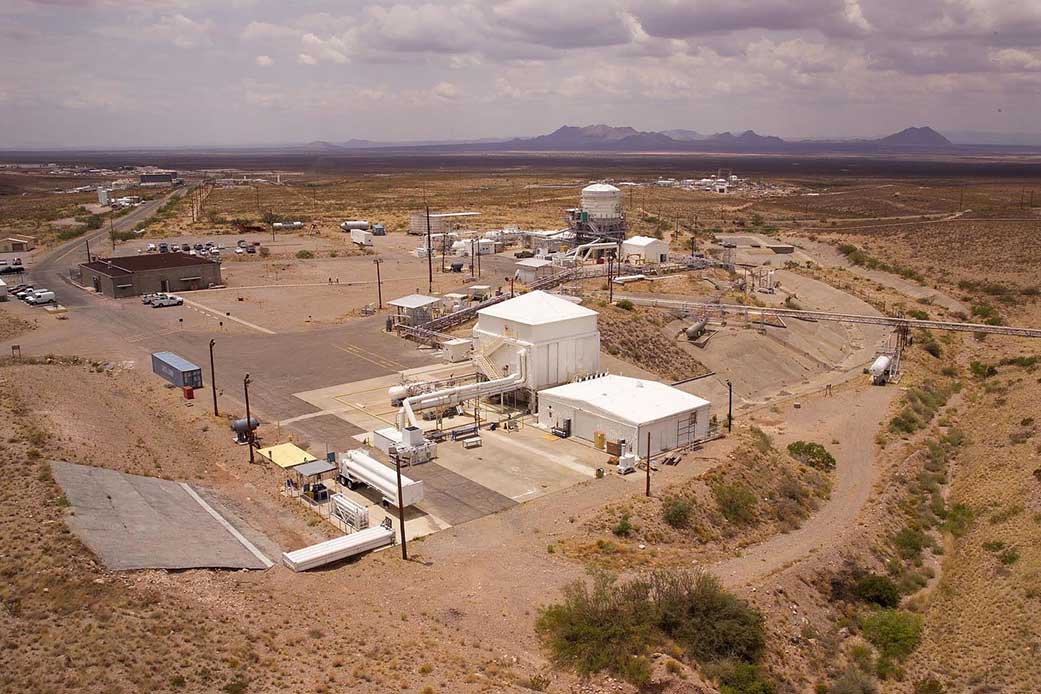
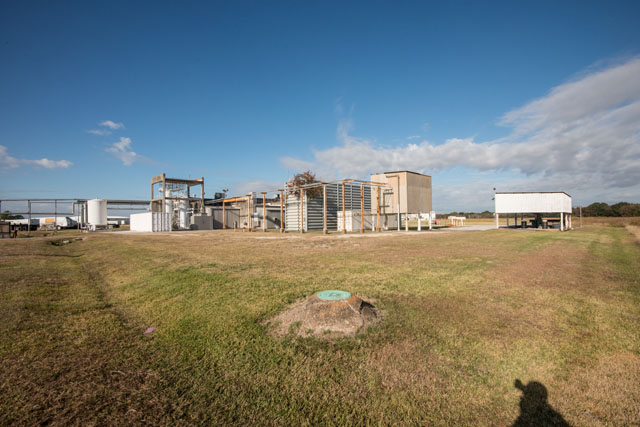
Building 356A, the Fluid Systems Test Building, was originally designed in the 1960s for propulsion tests supporting the Apollo Program (1961 to 1972).
Building 41
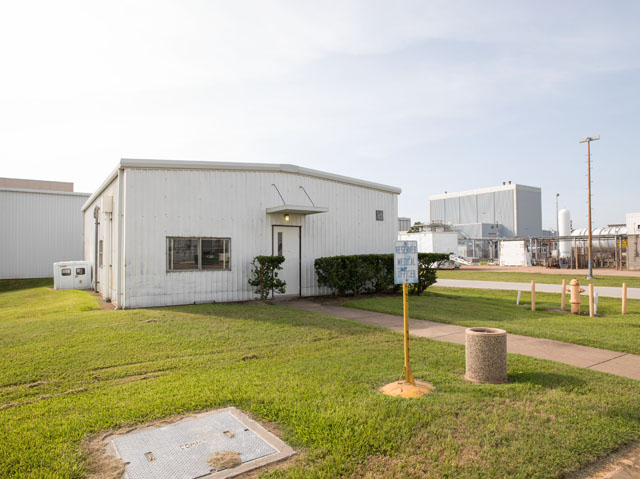
Originally built in 1969 as the Hypo/Hyperbaric Training Facility, this facility was used to train individuals on the physiological aspects of flight.
Building 222
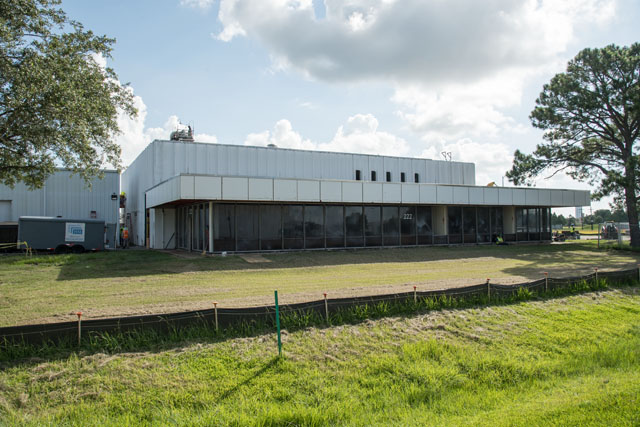
The Atmospheric Reentry Materials and Structures Evaluation Facility (ARMSEF) was originally built to support reentry environment testing for Apollo.
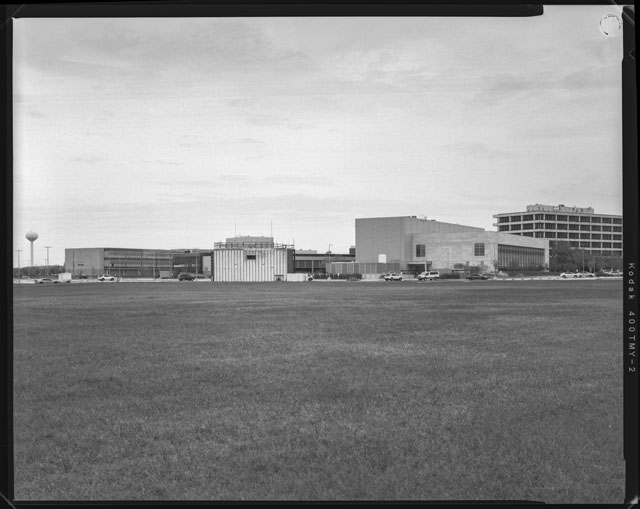
Building 18
The Radar Boresight Range Control Building was originally designed to test the Apollo rendezvous radar and the Apollo landing radar subsystems.

Houston History Magazine
The fall 2008 University of Houston, Houston History magazine was dedicated to the history of NASA's Johnson Space Center, 1958-1978.
JSC Historical Recordation Point of Contact
If you have any questions about the current content or wish to submit additional resources for the Historical Recordation website, please contact the JSC Cultural Resources Manager:
Jeni Morrison
JSC Cultural/NEPA/Natural Resources Manager
NASA Johnson Space Center
281-244-0878
jennifer.l.morrison@nasa.gov