









Psychophysiology Research Laboratory
Mission Statement/Lab Overview
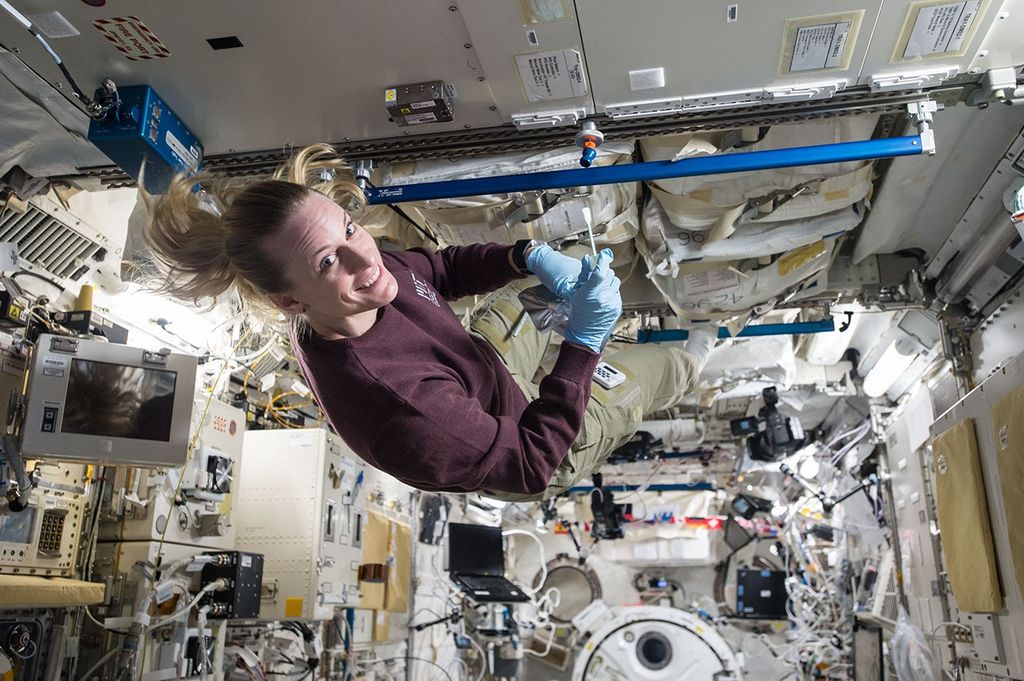
The Psychophysiology Research Laboratory studied the relationship between psychological processes (e.g., thoughts, emotions, fatigue, motivation, or stress) and physiological responses. Specifically, we studied how humans adapt in high stress operational environments such as U.S. Coast Guard crew during search and rescue missions, soldiers in enclosed armored vehicles, passengers during future air taxi flights, and astronauts in space, and evaluated behavioral countermeasures that may facilitate their adaptation.
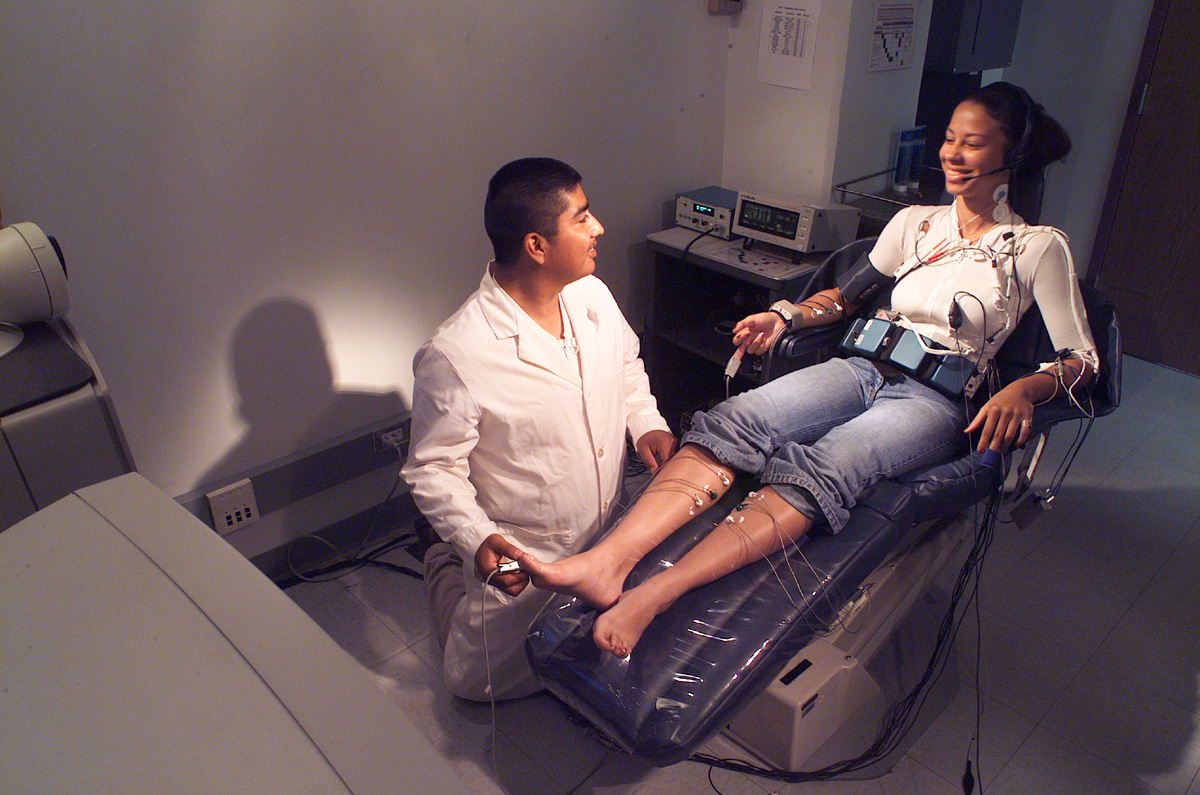
Indicators of psychophysiological state are objective or subjective measures that include autonomic nervous system responses such as heart rate, breathing rate, blood pressure, or skin conductance; central nervous system measures of brain activity; musculoskeletal responses that reflect tension, posture and movement; and subjective self-report ratings of symptoms, perceived fatigue, and discomfort.
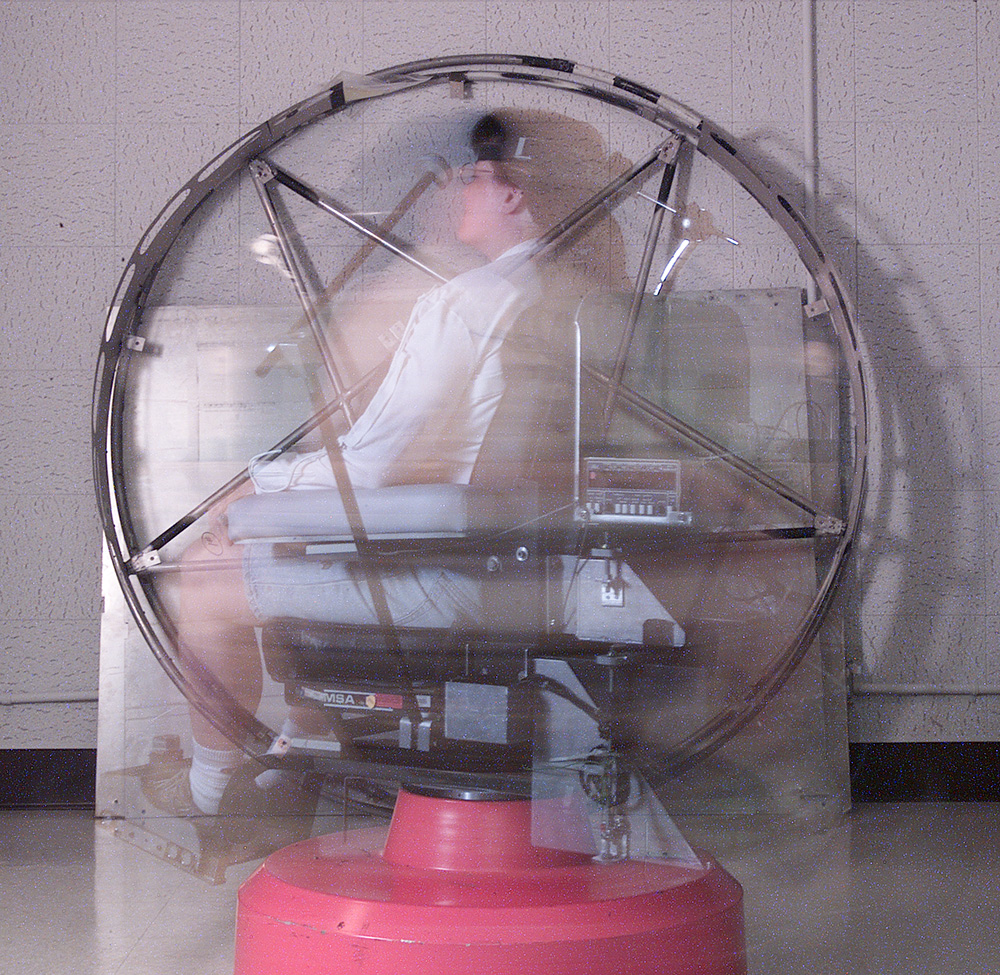
Most of our research focused on altered gravitational effects (e.g., microgravity or high-G) on human physiology and performance, using objective and subjective measures to assess stress and discomfort and the ability of humans to adapt. The overall goal of this research was to maximize the health, productivity and safety of humans in space, which ultimately led to the development of the Autogenic Feedback Training Exercise (AFTE) (see below).
In addition to our research, our laboratory was concerned with education and with transfer of NASA technology to applications on Earth.
About Us
The purpose of our research was to address the NASA requirement for ground-based and space flight studies examining the vestibular / autonomic interaction as related to adaptation to microgravity and readaptation to Earth. The primary goals of this work were to (i) understand the mechanisms by which behavioral (Autogenic Feedback Training Exercise AFTE, an autonomic conditioning procedure), and pharmacological countermeasures (e.g., promethazine) improve tolerance to motion and space motion sickness, and (ii) determine the treatment method most likely to be effective for facilitating adaptation to microgravity and re-adaptation to Earth with minimal side-effects. Through AFTE it may be possible to learn more about the influence of CNS (or cognitive) activity on other space flight related biomedical problems as well, such as cumulative sleep loss and associated performance impairments. By understanding individual differences in ANS / CNS function when exposed to altered gravity, we may be better able to develop and evaluate countermeasures needed to enhance adaptation.
Autogenic Feedback Training Exercise (AFTE)
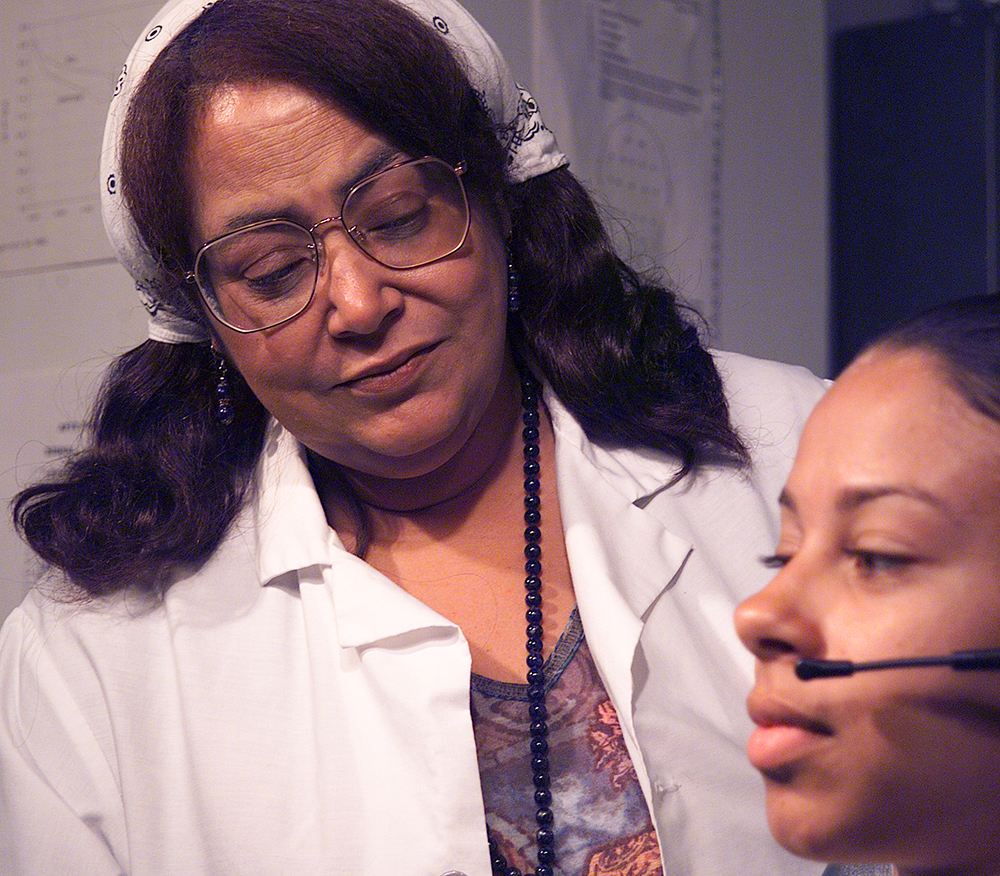
The AFTE procedure is a 6-hour physiological training program in which subjects are taught to voluntarily control several of their own physiological responses to mitigate motion sickness and spatial disorientation, maladies frequently observed in space crew. Originally developed and tested as a treatment for space motion sickness in astronauts, it has been proven effective for reducing symptoms in various motion sickness inducing environments on Earth (e.g., airsickness in pilots flying high performance aircraft). AFTE training is easy to administer and can be delivered locally or to remote locations via video teleconferencing.
Space Research
Space sickness affects approximately 50% of astronauts with symptoms similar to motion sickness on Earth and can persist between 1 and 3 days during the mission. Astronauts are subject to dangerous, challenging work and living conditions in space, so countermeasures were needed to mitigate these symptoms.
The Psychophysiology Laboratory at NASA Ames Research Center proposed AFTE as a potential countermeasure, and so, in 1979, NASA accepted our formal life sciences experiment with crew participants on two space shuttle missions.
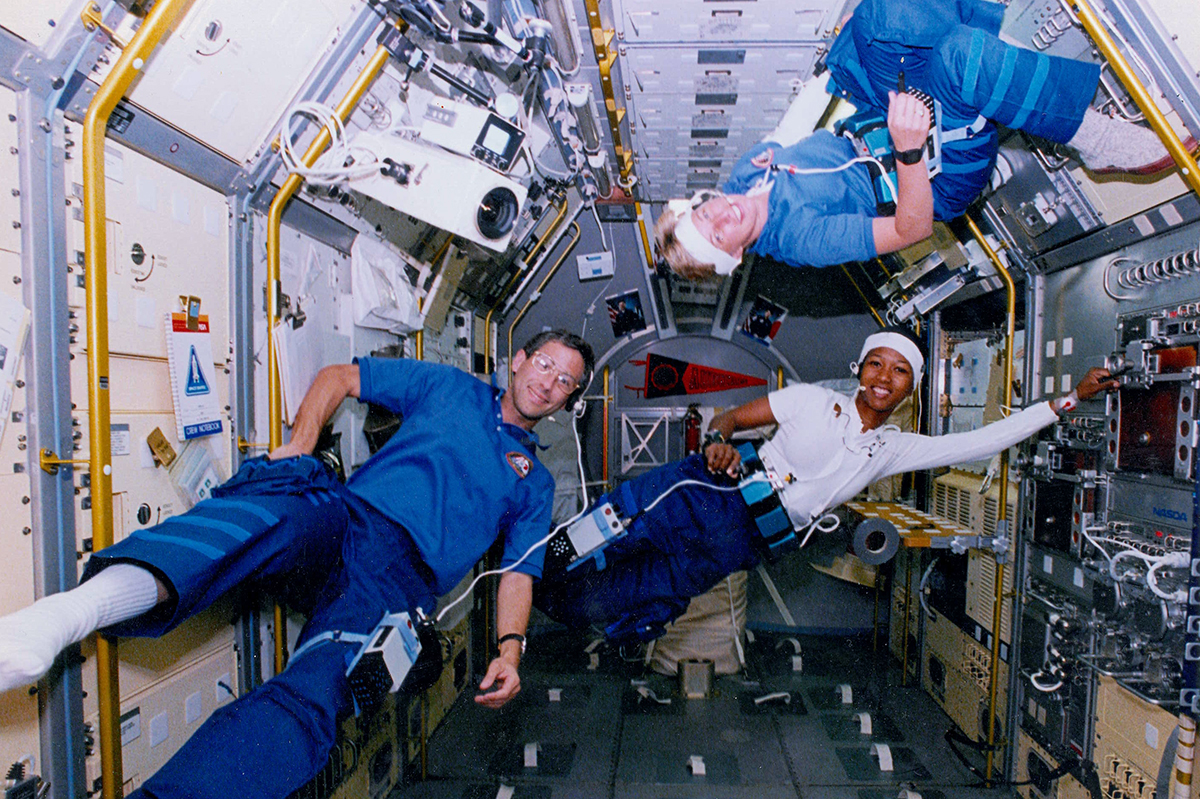
Ultimately, it was determined that subjects who completed the 6-hour AFTE preflight training program were better able to control their own motion sickness responses vs. the control subjects who reported more severe and frequent symptoms and were medicated. In short, AFTE was effective in mitigating space sickness, maximizing the health and productivity of our astronauts.
Follow-up studies to examine adaptation to long duration spaceflight and long-term effectiveness of AFTE training were also conducted with crew on the MIR space station during a 6-month mission. Results of these studies also showed that research subjects who received the 6-hour AFTE preflight and inflight training improved their post-flight orthostatic intolerance, a persistent problem observed in flight crew.
Ground Research
Once AFTE was proven to be an effective countermeasure to space sickness, our researchers turned their focus to ground-based subjects, in this case focusing on pilots during search and rescue operations. Operating under the stressful, dangerous and often chaotic conditions of a search and rescue mission, pilots are particularly susceptible to pilot error, a condition referred to as Autonomous Mode Behavior (AMB), which is one cause of aircraft accidents and fatalities.
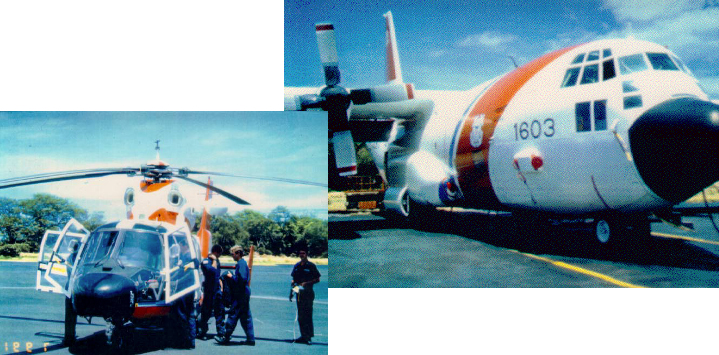
To evaluate the effectiveness of AFTE training in physiological self-recognition and regulation on crew cockpit performance, our researchers studied 17 pilots stationed at Coast Guard Air Station, Barbers Point, HI. Eight pilots were given AFTE training, while 9 were part of the non-treatment control group. By evaluating pilot performance ratings and various physiological measures (e.g. blood pressure, respiration rate, skin temperature, muscle activity), AFTE was proven to reduce the effects of AMB, reduce physiological reactivity to stress, and improve overall performance and execution of duties during “extreme” operations.
Technology Transfer to the Department of Defense (DOD)
AFTE training has been proven effective to reduce the debilitating effects of motion sickness. Clearly, AFTE training could have wide-ranging benefits across multiple organizations and entities. As such, NASA completed a transfer of NASA/AFTE technology to the U.S. Department of Defense (DOD) in 2024.
Much like their colleagues at NASA, members of the U.S. military are prone to air sickness, particularly in the context of aviation. Clearly, this presents a significant safety risk for our military pilots. NASA researchers were hopeful that they could not only teach DOD personnel to administer AFTE training on their own, but to do so in condensed, 2-hour training sessions.
After successfully training DOD personnel to administer AFTE, a study was conducted with 26 participants to determine if these DOD-led AFTE training sessions were effective in mitigating symptoms of motion sickness. Again, significant improvement in motion sickness tolerance and reduction in symptoms were observed with only 2 hours of DOD-led AFTE training. As much of this study was conducted remotely, it was also proven that AFTE training can be successfully administered remotely over the internet.
Psychophyiosology Research Lab Personnel
Patricia Cowings, Ph.D.
William Toscano, Ph.D.
Noteworthy Publications
Cowings, P.S., Toscano, , Miller, N.E., Reynoso, S. (1995). Autogenic-feedback training as a treatment for airsickness in high-performance military aircraft: Two case studies, NASA Technical Memorandum 108810.
Cowings, P.S., Stout, C., Toscano, W.B., Reynoso, S., DeRoshia, C., Miller, N.E. (1996). The Effects of Promethazine on Human Performance, Autonomic Responses, and Motion Sickness Tolerance, Aviation, Space, and Environmental Medicine, 66: 466, 1995.
Cowings, P.S., Toscano, W.B. (2001). Autogenic Feedback Training Exercise is Superior to Promethazine for the Treatment of Motion Sickness, Journal of Clinical Pharmacology, 2000;40:1-12.
Cowings, P.S., Toscano, W.B., Bruce, T., DeRoshia, C., Kornilova, L., Kozlovskya, I., Miller, N.E. (2003). Psychophysiology of Spaceflight, Paper presented at 14th IAA Humans In Space Symposium Living in Space: Scientific, Medical and Cultural Implications, Banff, Alberta, Canada, May 18-22, 2003.
Cowings, P.S., Toscano, W.B., Espinosa-Acuna, F., Ellis, G., Ludwig, A., Nimmer, M., Hess, T., Sestito, M., Novak, K. (2024). Transfer of NASA Technology to the DoD: Mitigating Motion Sickness with Autogenic Feedback Training Exercise, NASA/TM-20240005631.
* Please note, this webpage is not actively maintained and is for historical reference only.