







What the Moon Can Teach Us
The Moon holds a remarkably preserved record of our solar system’s history, with clues to the evolution of the Moon, Earth, the Sun, and the planetary neighborhood we share. Its unique environment also creates opportunities for observations and experiments that cannot be replicated on Earth. Research on and around the Moon can illuminate the past, enable new discoveries, and deepen our understanding of what it takes to explore and live beyond Earth.
How Rocky Worlds Form and Evolve
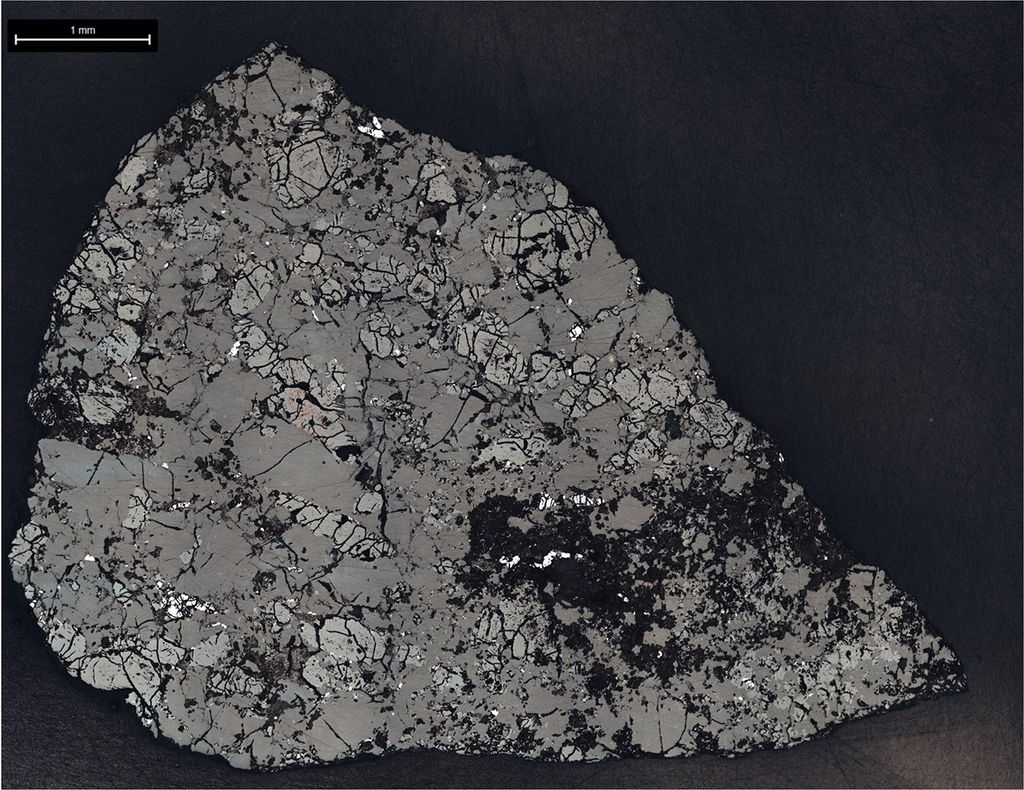
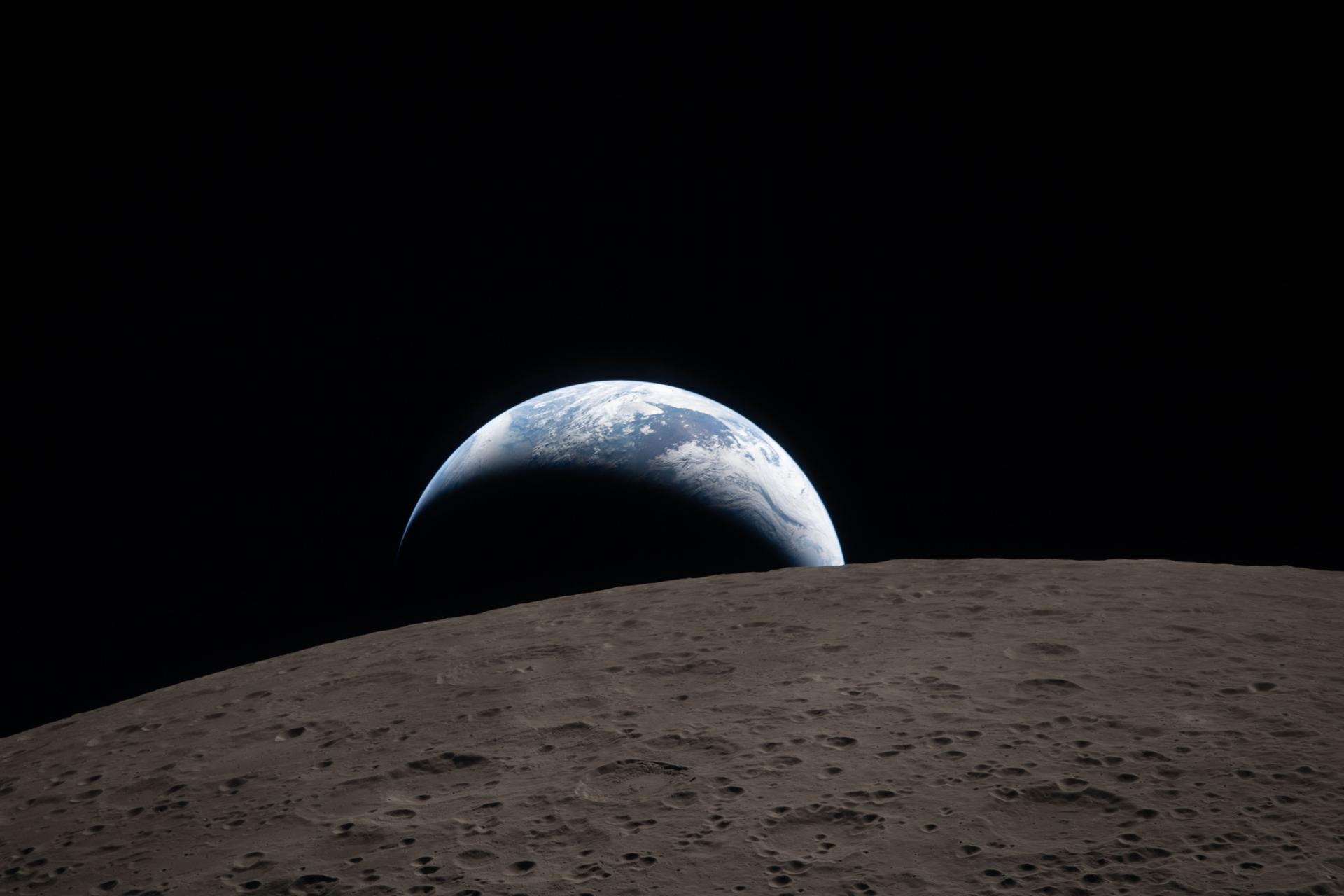
The Moon preserves evidence of the processes that shaped it from its earliest formation through billions of years of geologic change. Studying its rocks, crust, and interior can reveal how rocky bodies form, separate into layers, cool, and evolve, providing new insight into the history of the Moon, Earth, and other planets.
Reading the Solar System’s Impact Record
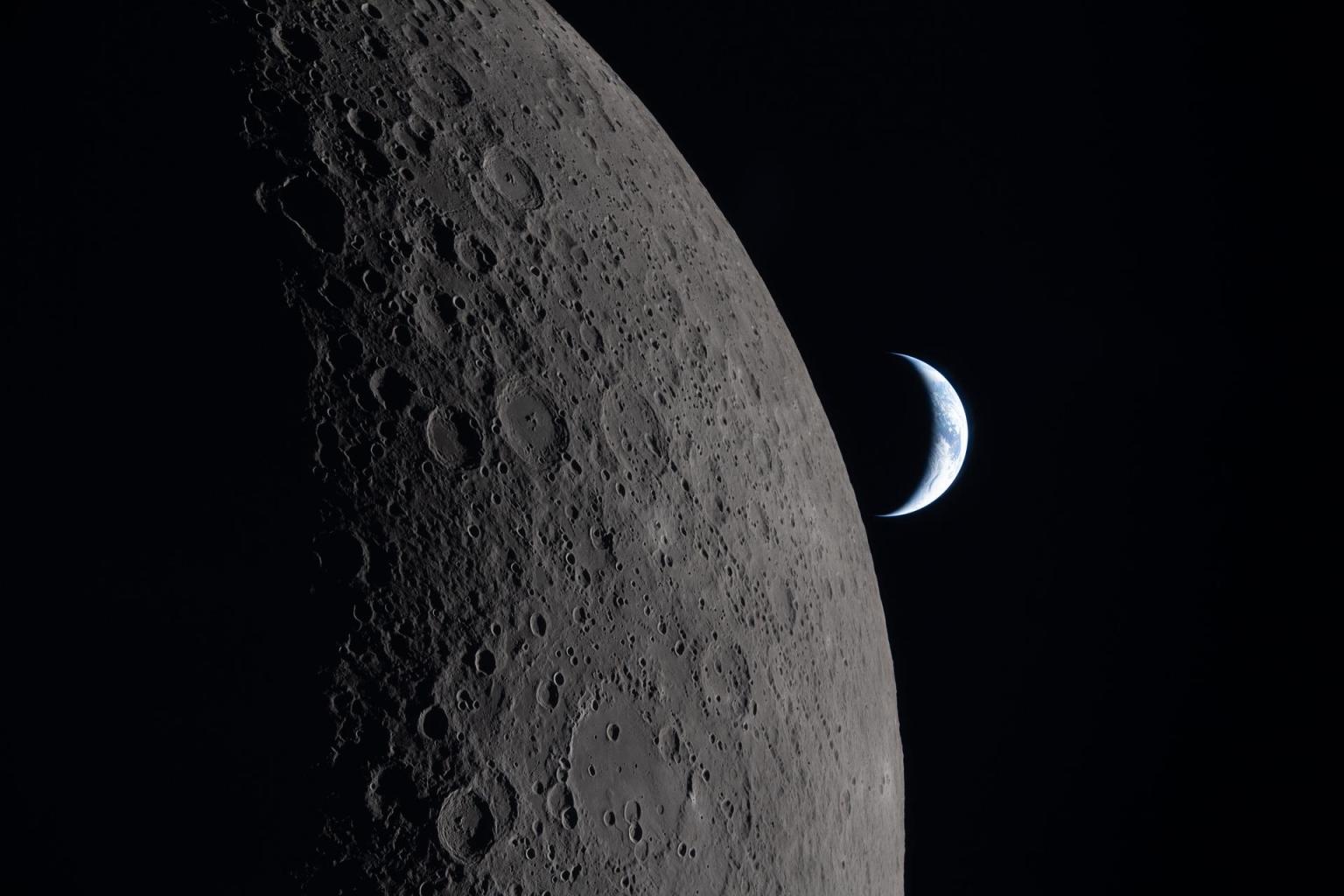
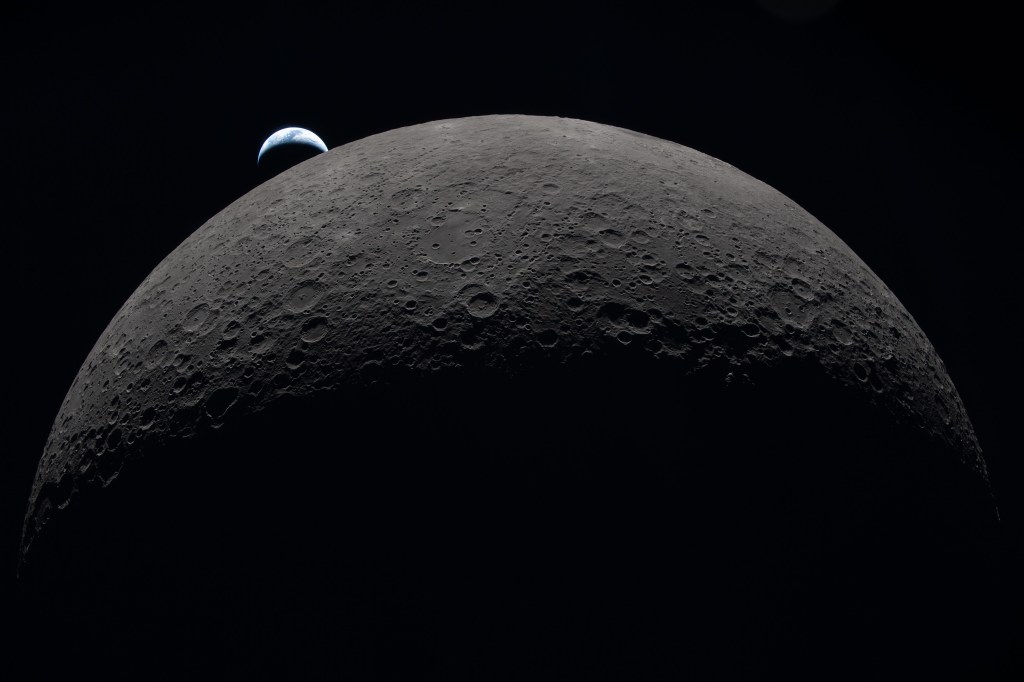
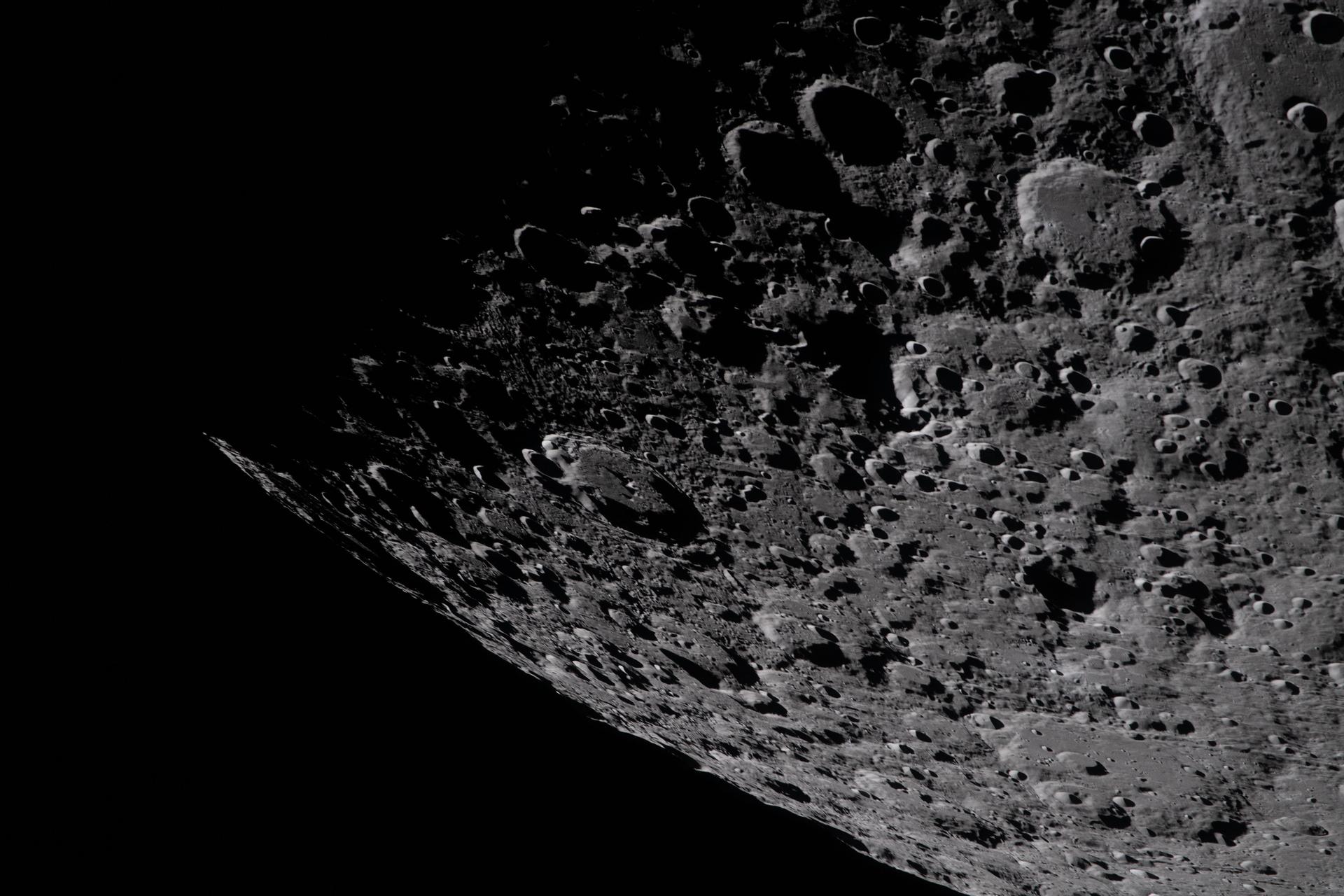
The Moon’s heavily cratered surface preserves a remarkable record of the collisions that shaped the inner solar system, including events whose evidence has long since been erased on Earth. Studying that record can reveal how impacts influenced Earth’s environment and habitability, while helping scientists reconstruct the histories and estimate the ages of surfaces on other rocky bodies, including Mars.
Exploring Water and Other Materials on the Moon
Water and other materials on the Moon hold clues to billions of years of solar system history. Studying their origins, abundance, distribution, and movement can help scientists understand how these materials arrived at the Moon, how they change over time, and what they may reveal about the origins of Earth’s oceans and the building blocks for life.

Revealing the History of the Sun
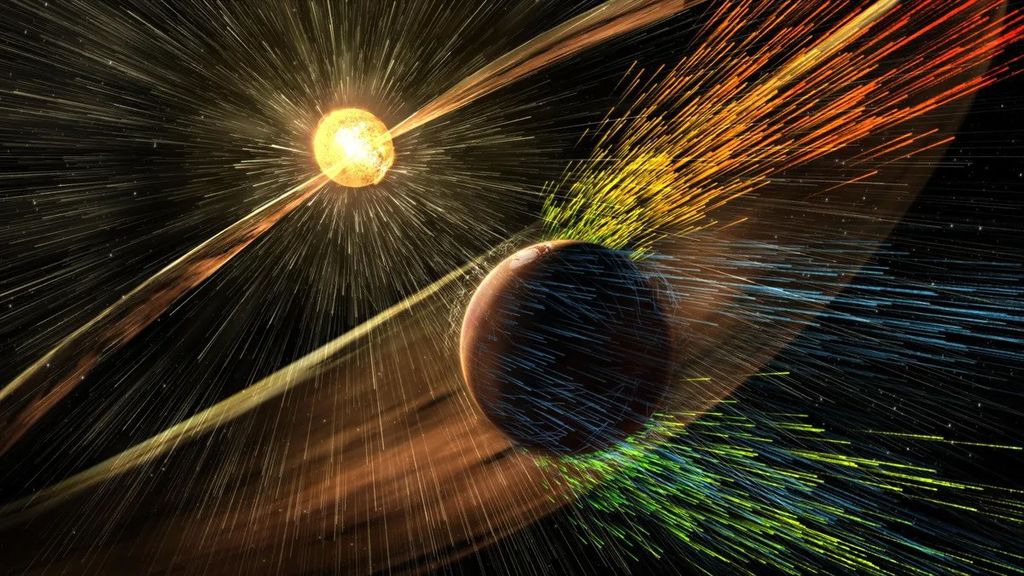
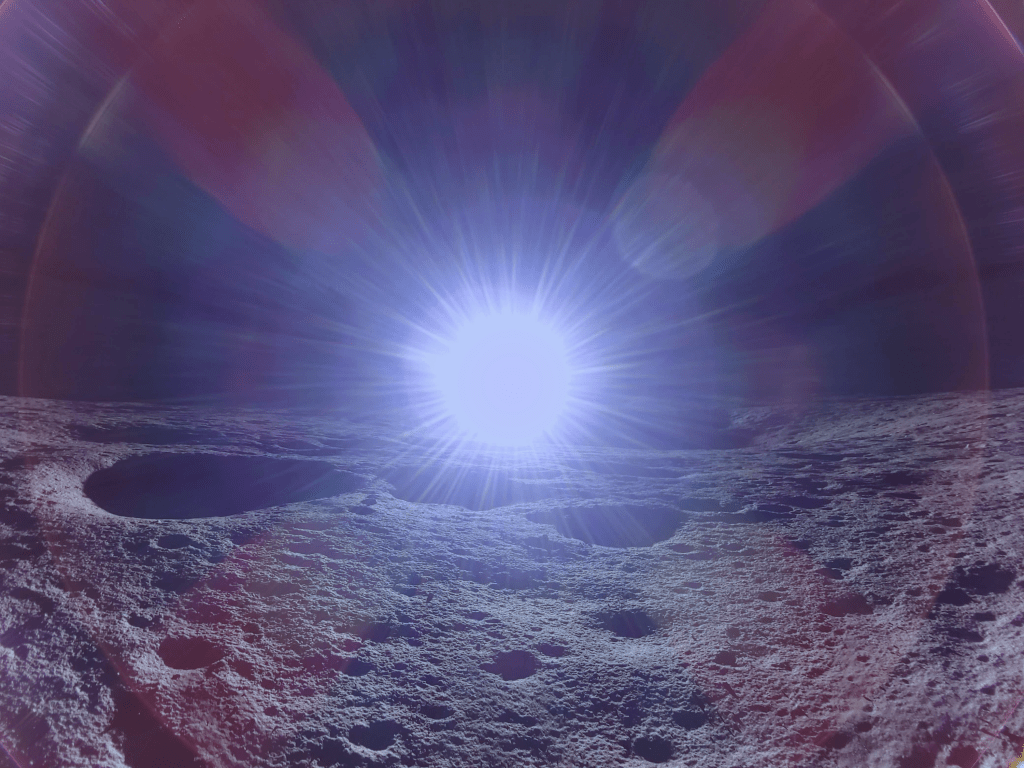
For billions of years, the lunar surface has been exposed to particles from the Sun and space. Layers of ancient lunar soil preserved beneath younger material may hold a record of that exposure, giving scientists a rare opportunity to trace how the Sun and the space environment have changed through time.
A New Window on the Universe
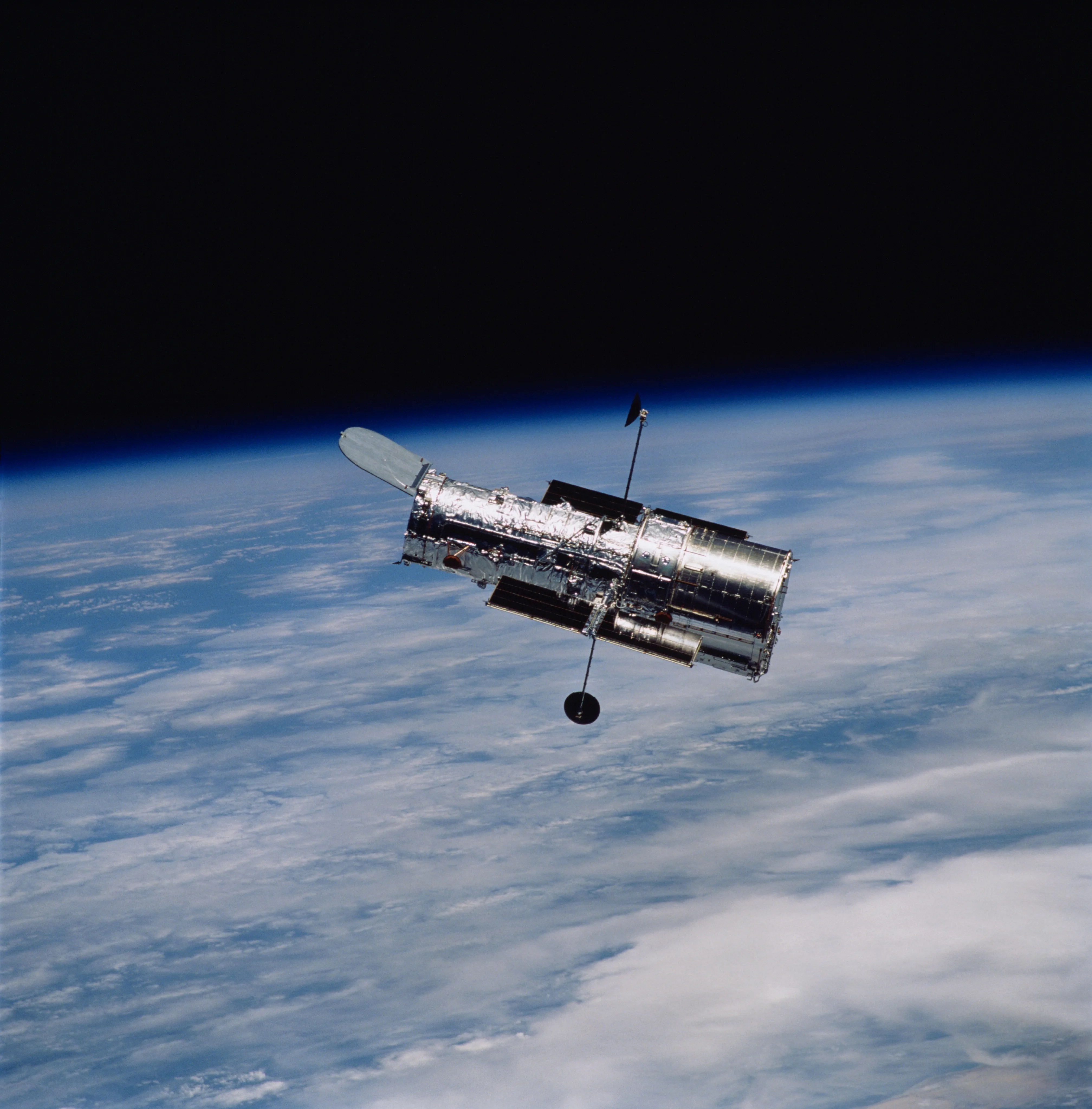
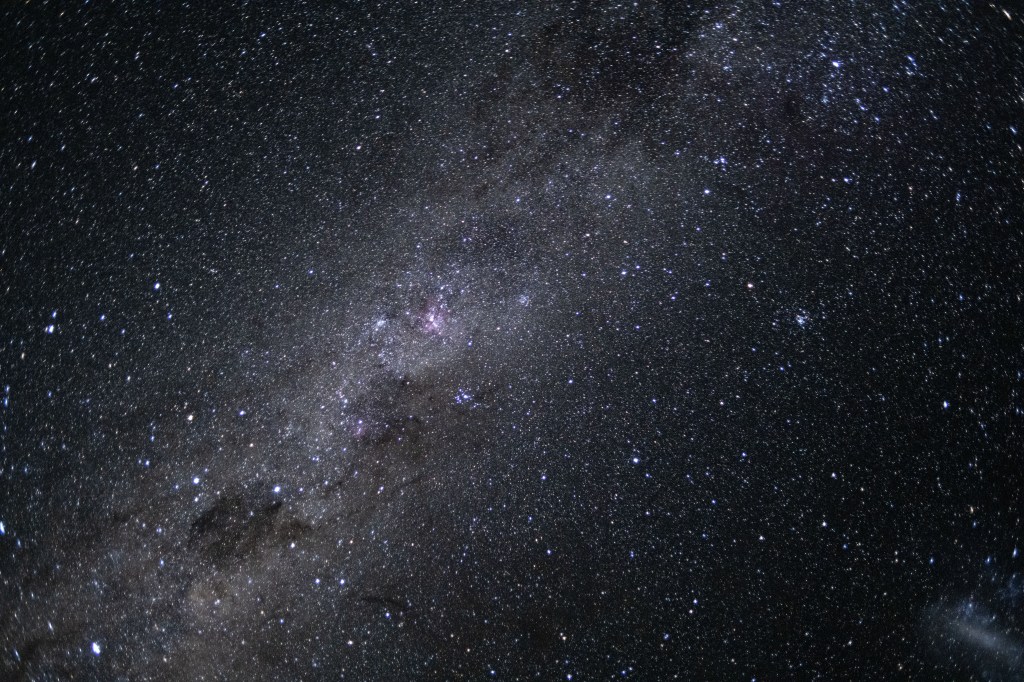
The Moon offers a remarkable platform for looking outward. With little atmosphere to obscure observations and a far side shielded from much of Earth’s radio noise, the lunar surface could enable new ways to study the Sun, Earth, our solar system, and beyond.
Learning to Live and Work on the Moon
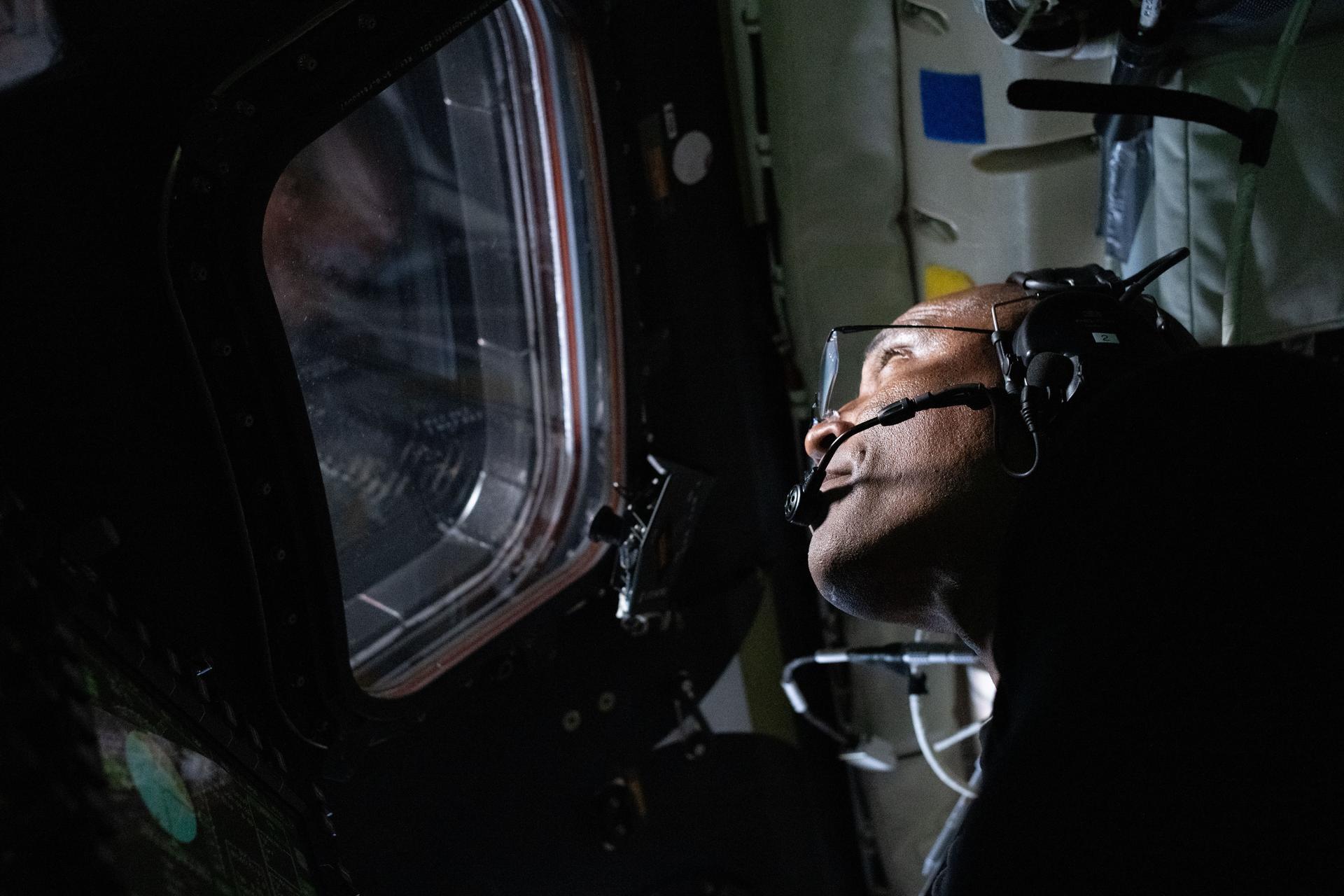
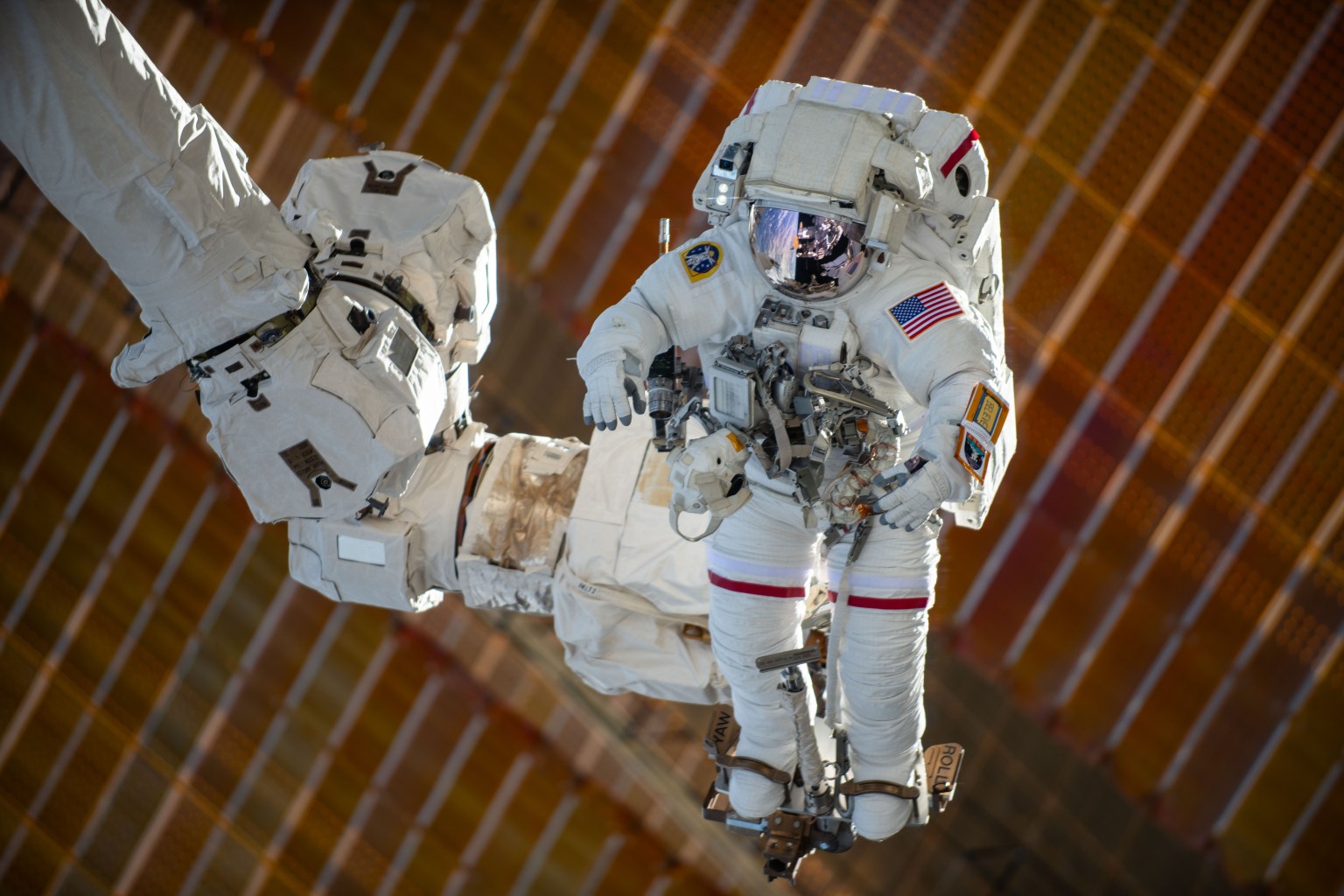
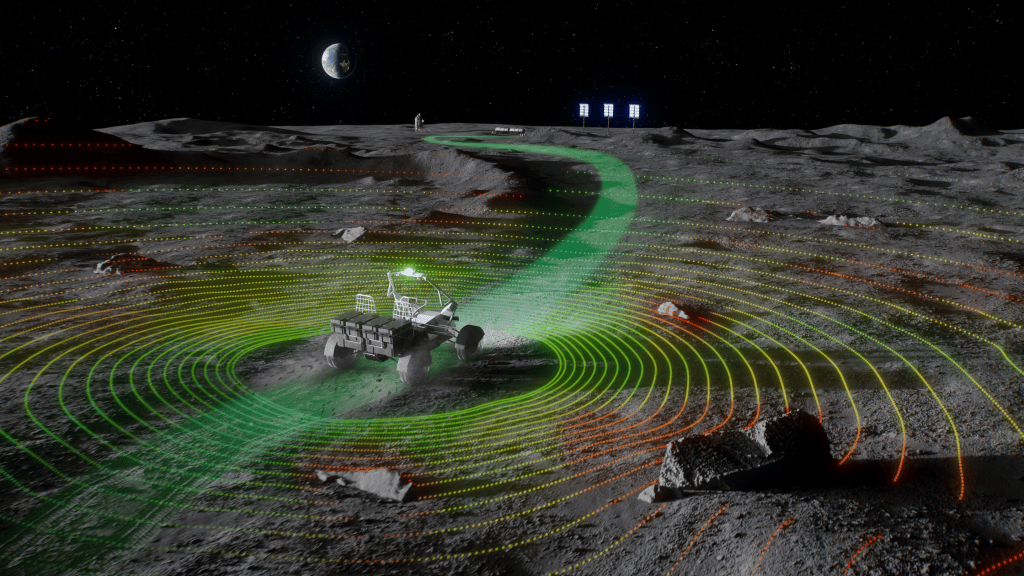
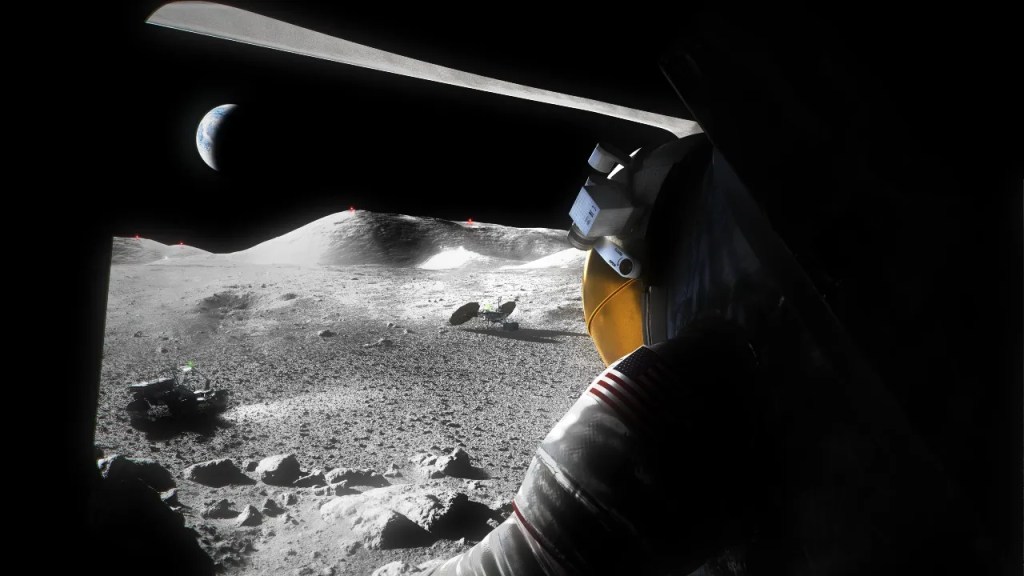
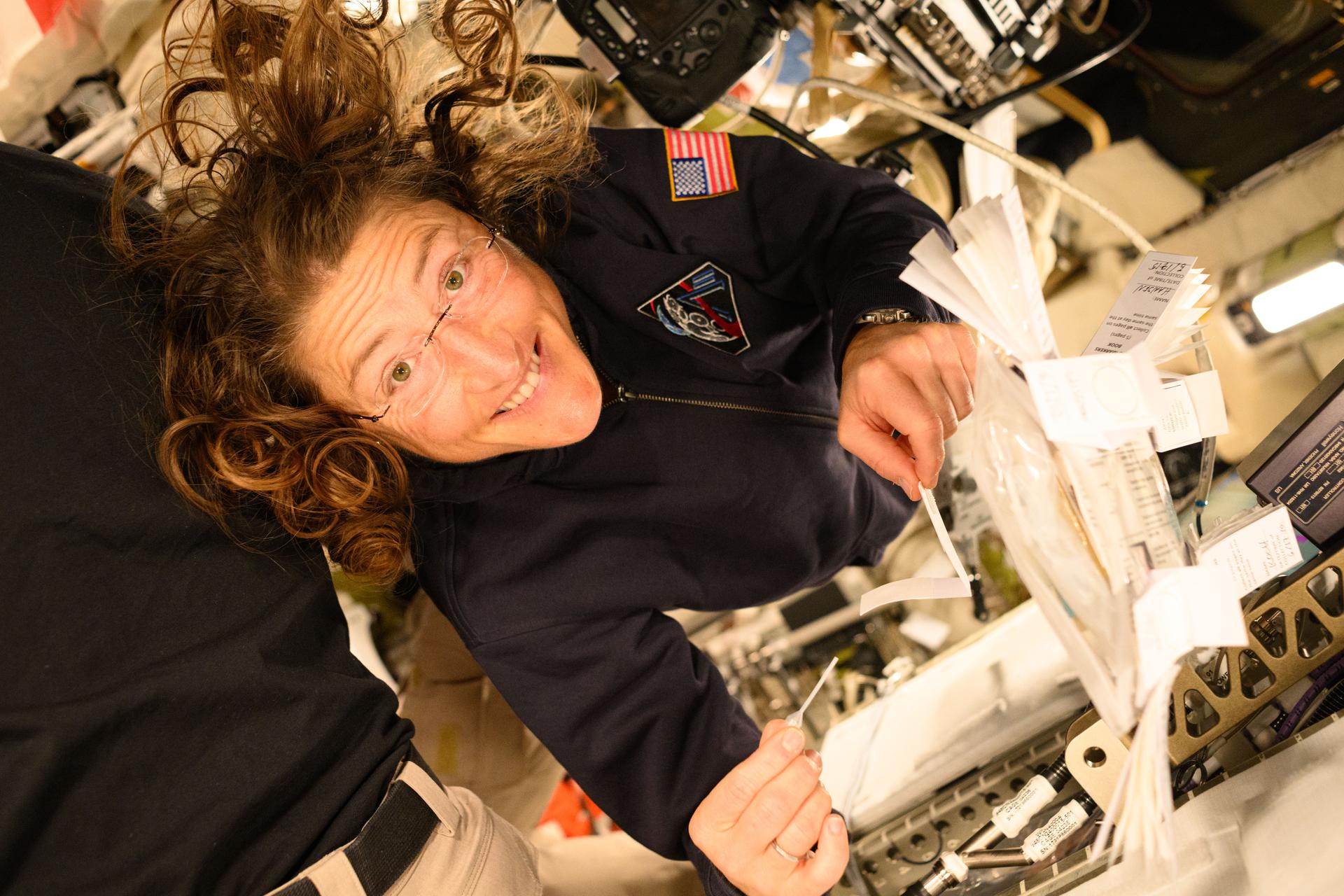
Long-duration missions on the Moon will give NASA researchers new opportunities to study how living and working in the lunar environment affects the human body, mind, and behavior. What we learn will help NASA develop new approaches, technologies, and preventative measures to protect crews during sustained exploration on the Moon and future missions deeper into the solar system.
Science for Sustained Human Exploration of the Moon
As NASA advances plans for an enduring human presence on the Moon, human spaceflight research plays a key role. Join scientists and experts Jan. 20–22 for NASA’s 2027 Investigators’ Workshop to explore the latest advances in this research. Register for free to attend in person or virtually
Learn More and Register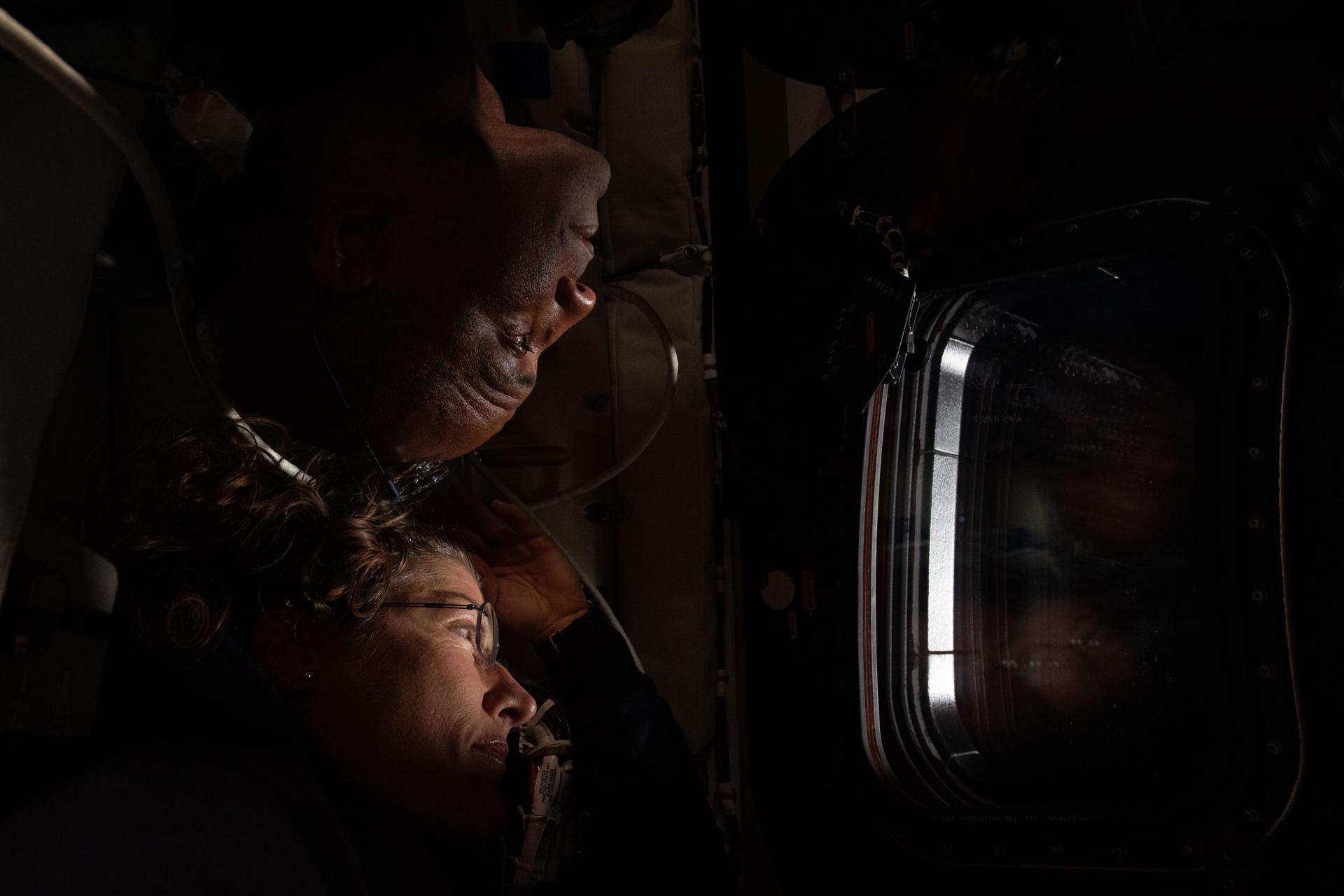
Artemis Science
Explore the science conducted through NASA’s Artemis missions, from investigations carried out by astronauts to research that advances our understanding of the Moon and human exploration. Each crewed mission creates new opportunities to gather data, make observations, and address high-priority science questions.
Learn More about Artemis Science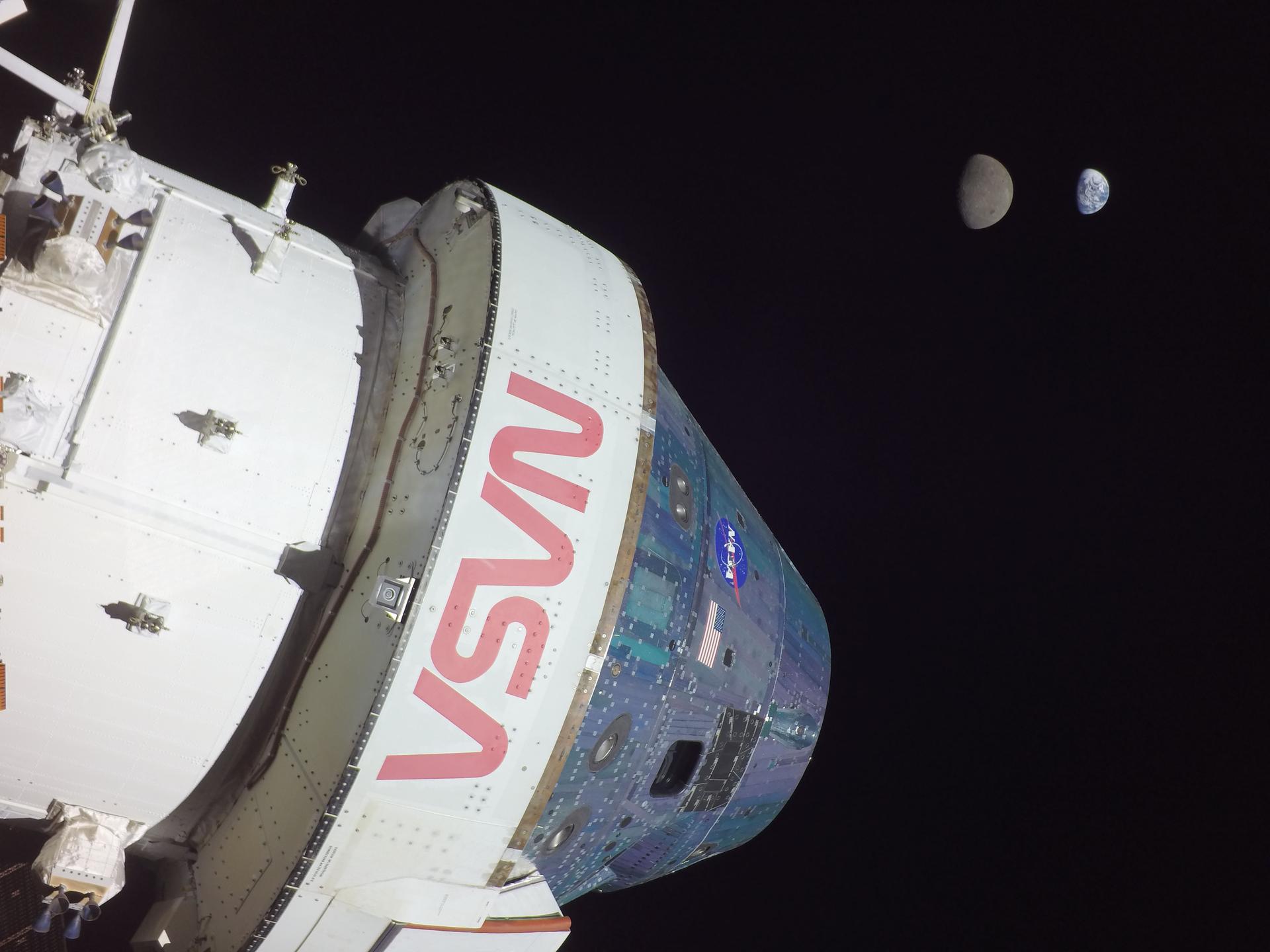
Upcoming Moon Base Missions
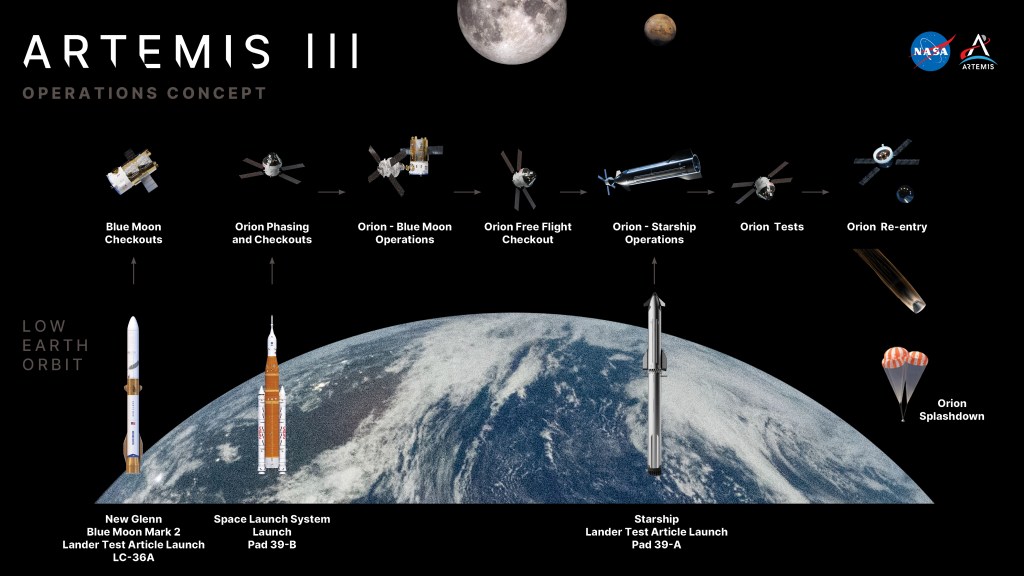
Below are some of the upcoming missions that will support Artemis exploration and early Moon Base development. By gathering data, investigating the lunar environment, and testing new capabilities, these missions will help researchers learn more about the Moon, its history and evolution, and the broader story of our solar system, while also informing how we explore and operate on the lunar surface.

Blue Origin Blue Moon Mark 1
This CLPS delivery will carry NASA science to the Moon and demonstrate precision landing technologies.
CAPSTONE 02
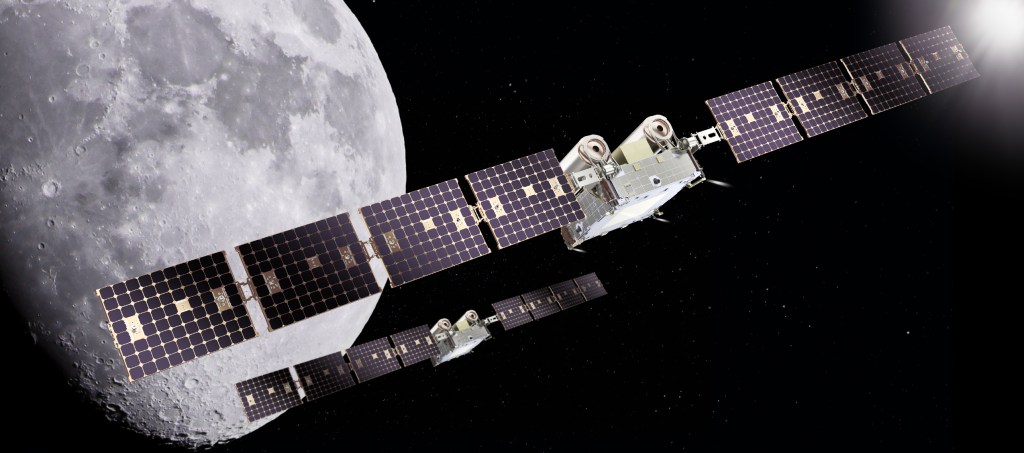
NASA’s CAPSTONE 02 mission will study radiation around the Moon and demonstrate new technologies.

Firefly Blue Ghost Mission 2
This CLPS delivery will carry LuSEE-Night, a NASA-DOE pathfinder radio telescope, to the lunar far side.

Intuitive Machines IM-3
This CLPS delivery will carry NASA science investigations and technology to the Moon.

MoonFall
NASA’s MoonFall drones will survey and characterize the lunar surface environment near the South Pole.

VIPER
NASA’s VIPER rover will search for and map water ice and other frozen materials near the lunar South Pole.

Voyager Griffin Mission-1
This CLPS delivery will carry NASA science and technology to the Moon’s South Pole region.
Commercial Lunar Payload Services
Through NASA’s Commercial Lunar Payload Services (CLPS) initiative, the agency works with American companies to deliver science investigations and technology payloads to the Moon, expanding opportunities for discovery while advancing the capabilities that will support Moon Base development and future lunar exploration.
Learn More about Commercial Lunar Payload Services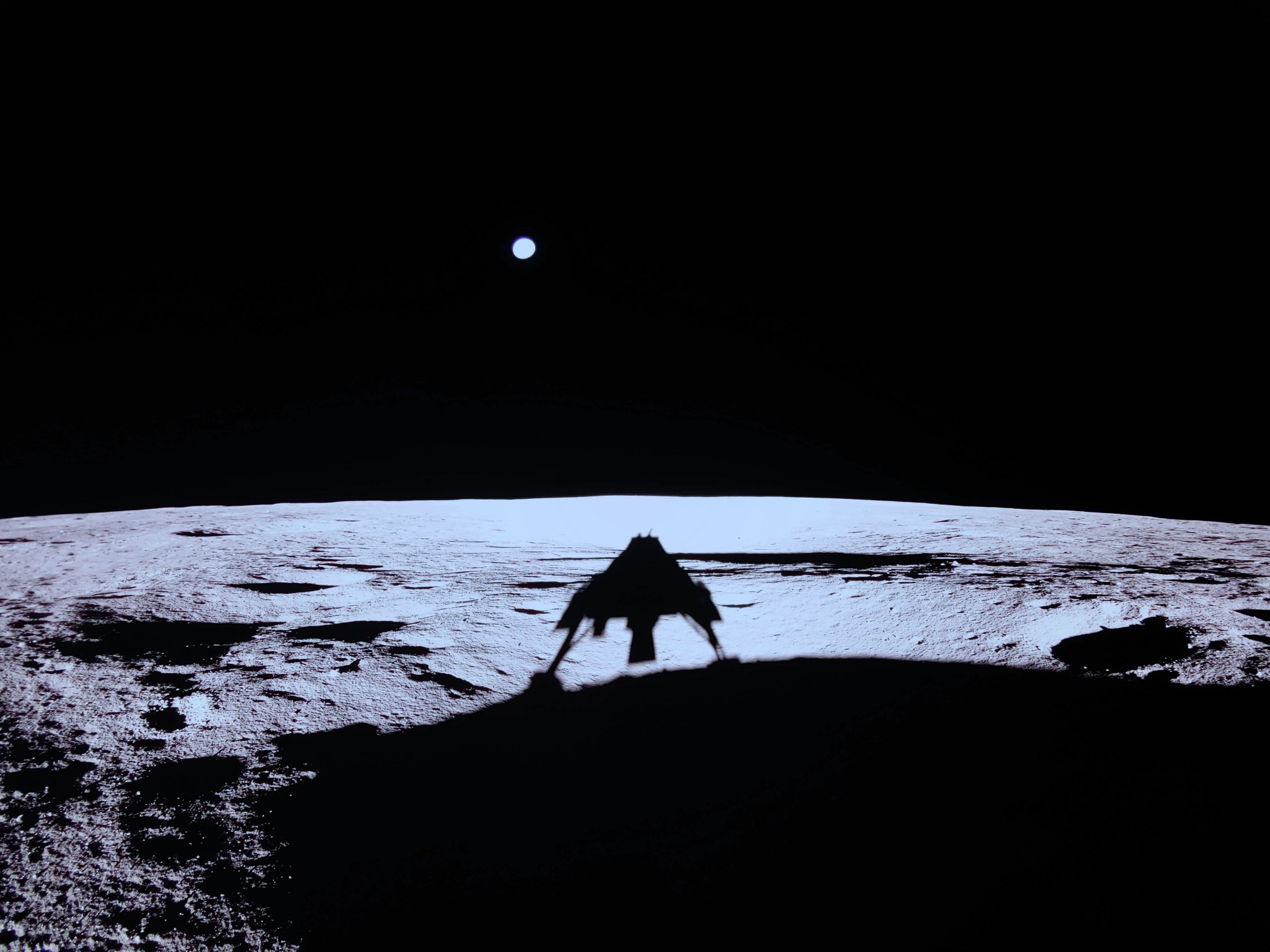
Lunar Mission Science Reports & Publications
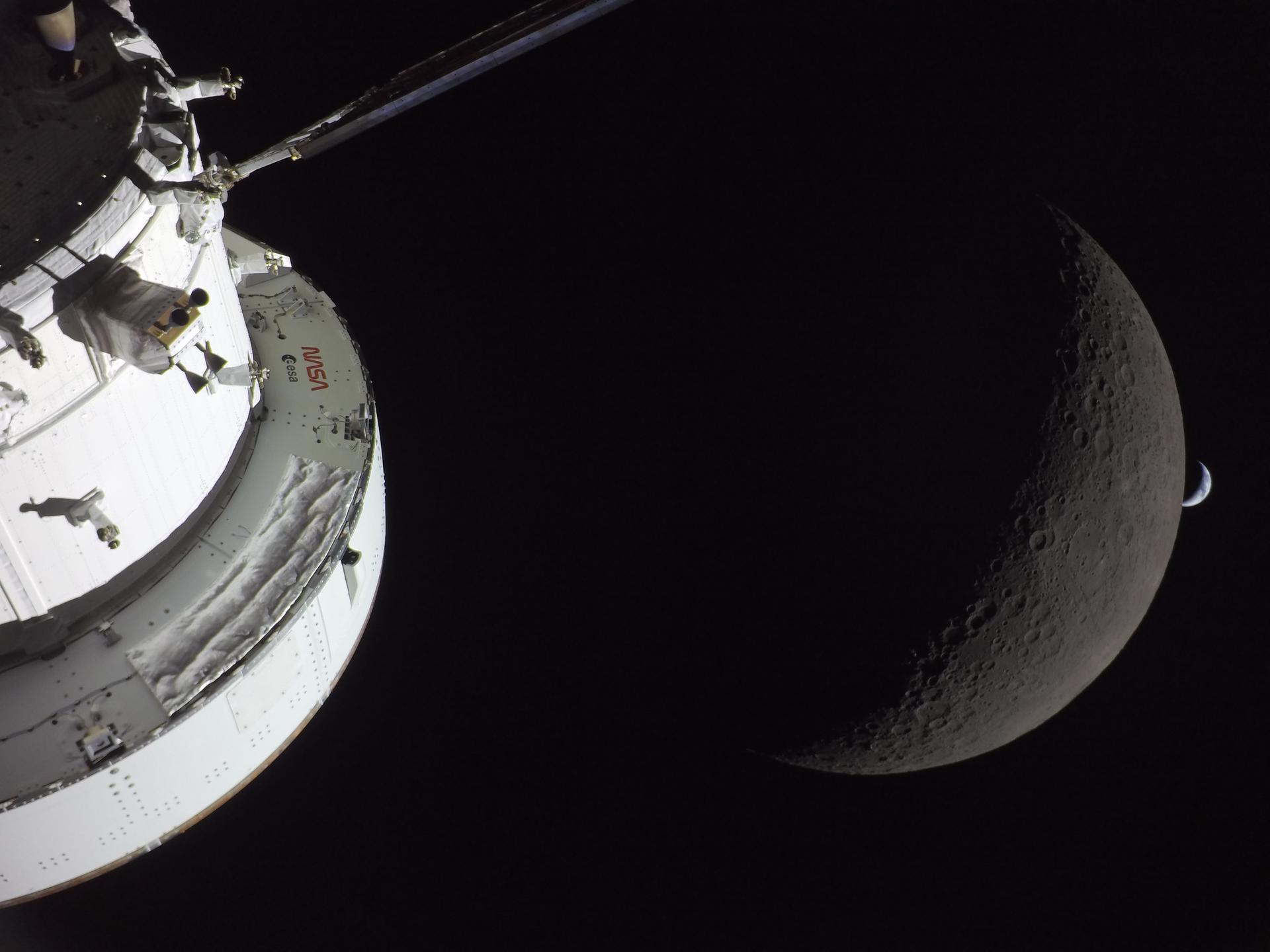
Artemis II Preliminary Science Report
The report provides an overview of how lunar science observations were planned and conducted during the mission, along with an initial discussion of the science data collected.
Artemis II Lunar Science Operations Report
The report outlines how science was integrated into mission operations, including coordination, crew training, and the execution of scientific observations. It also highlights lessons learned.

Artemis II Data User Guide
The guide explains how to access, navigate, and interpret the mission’s archived science data, including data products, documentation, and supporting materials available through NASA’s Planetary Data System.