















Investigators’ Workshop
The Investigators’ Workshop (IWS) is the primary venue for reporting progress and results from research and technology tasks funded by NASA’s Human Research Program to program leaders. The workshop also fosters cross-discipline interaction among the full spectrum of investigators within and outside NASA.
2027 IWS
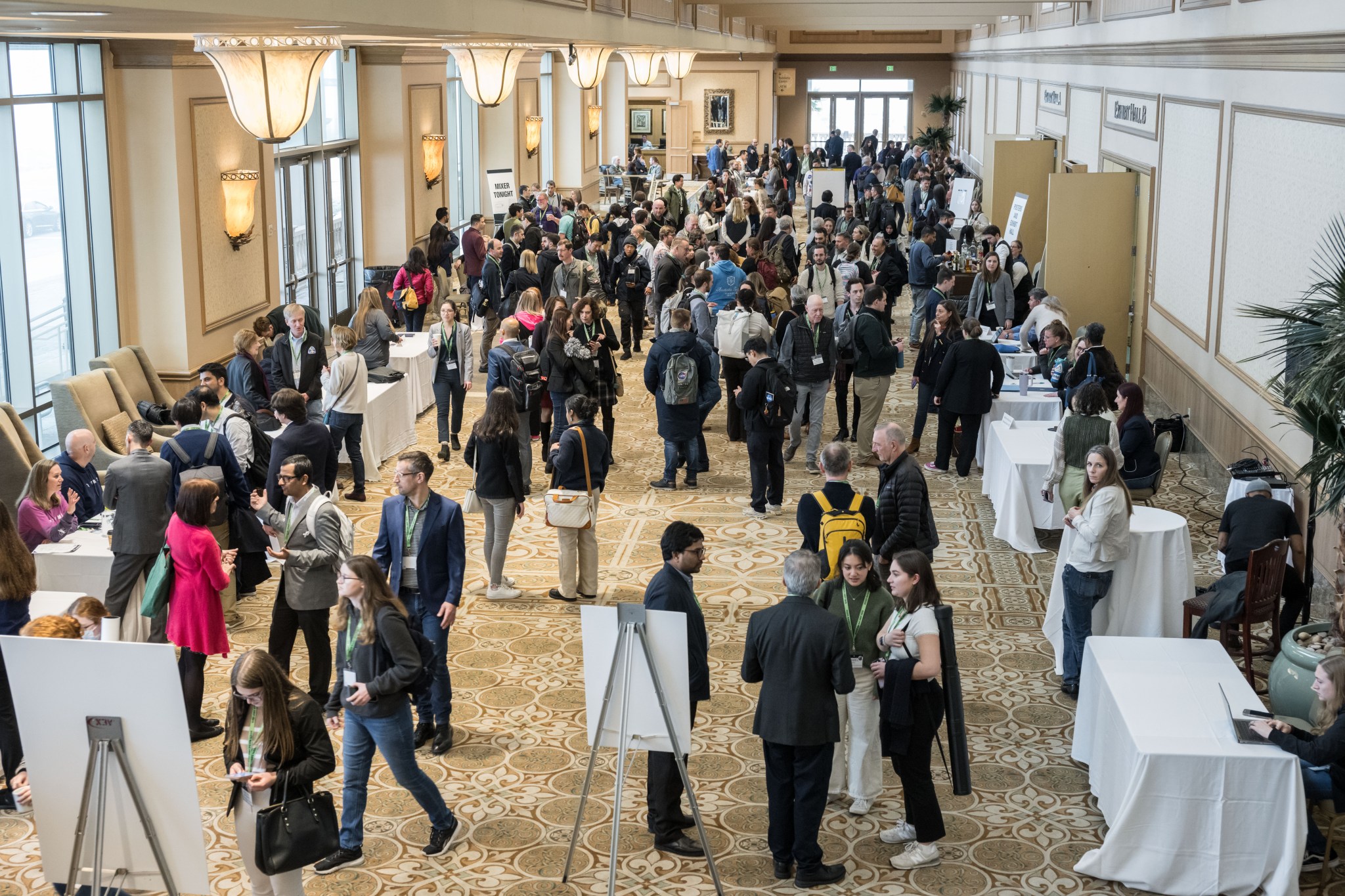
Join us at the 2027 IWS, where you can hear from scientists and investigators as they pursue cutting-edge and cross-disciplinary methods to ensure safe, productive, and efficient human spaceflight.
You must be registered to attend this event in person or to view the abstracts, on-demand content, and more. There is no registration fee for the workshop.
IWS is hosted annually by NASA’s Human Research Program (HRP).
DATE
Jan. 20 – Jan. 22, 2027
LOCATION
Galveston Island Convention Center
theme
Moonbound!
Address
5600 Seawall Blvd, Galveston, TX
2027 IWS Theme: Moonbound!
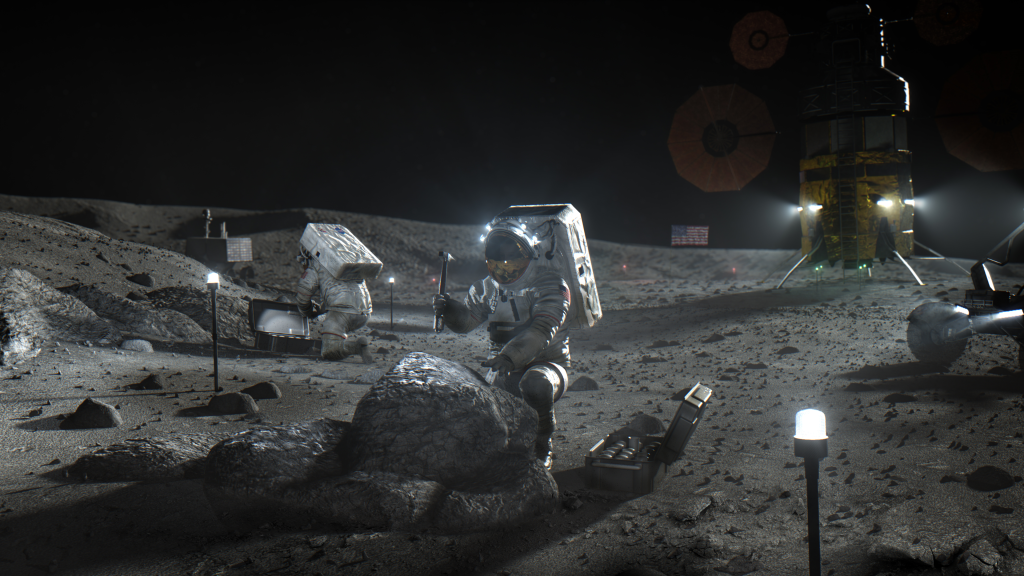
The theme for the 2027 IWS is “Moonbound!” NASA’s goal is to establish a permanent, sustainable human presence on the Moon through the agency’s future Moon Base. For that to happen, NASA needs to learn all it can about how humans can live and thrive in such an environment. Work presented at the 2027 IWS will highlight progress toward that goal.
Learn More About Moon Base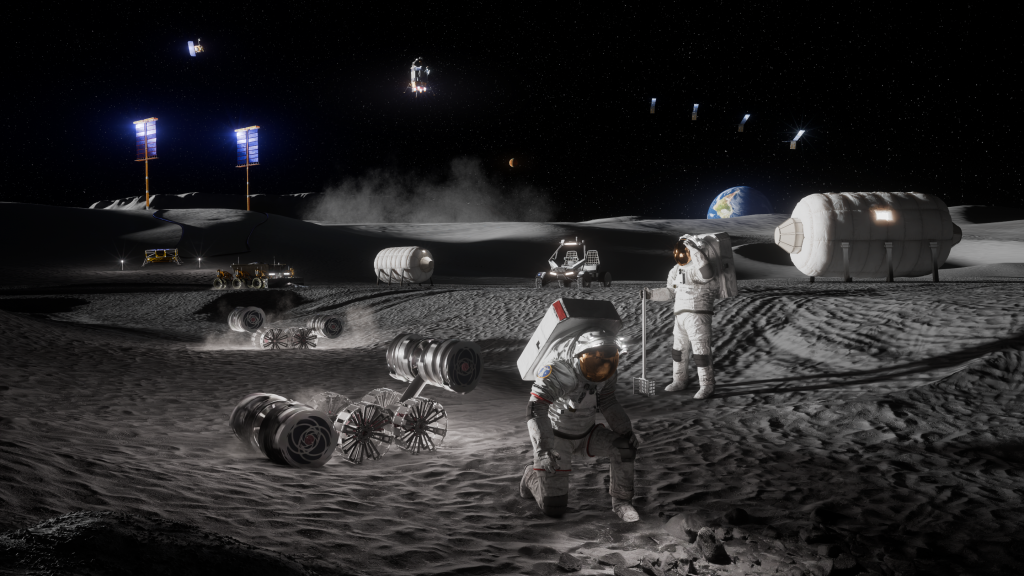
IWS Science
Scientific sessions featuring presentations by principal investigators will be organized and scheduled according to disciplines important to human research, including the focus areas below.

Biological and Physical Sciences
Studies the fundamental effects of space stressors on biological and physical phenomena.
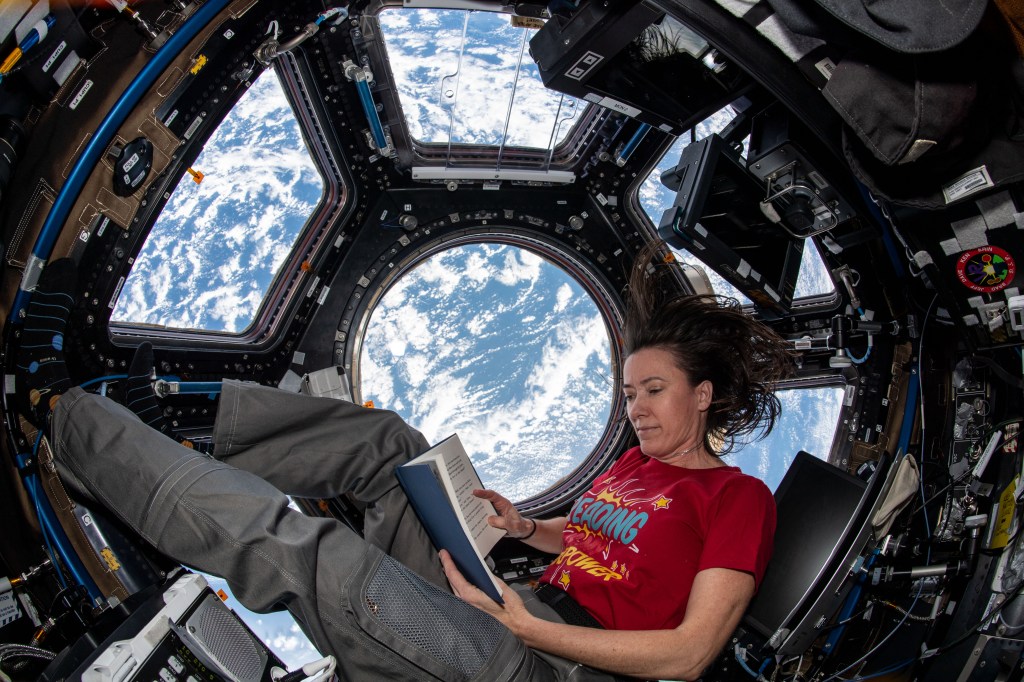
Human Factors and Behavioral Performance
Characterizes and mitigates behavioral health and performance for future missions to the Moon, Mars, and beyond.
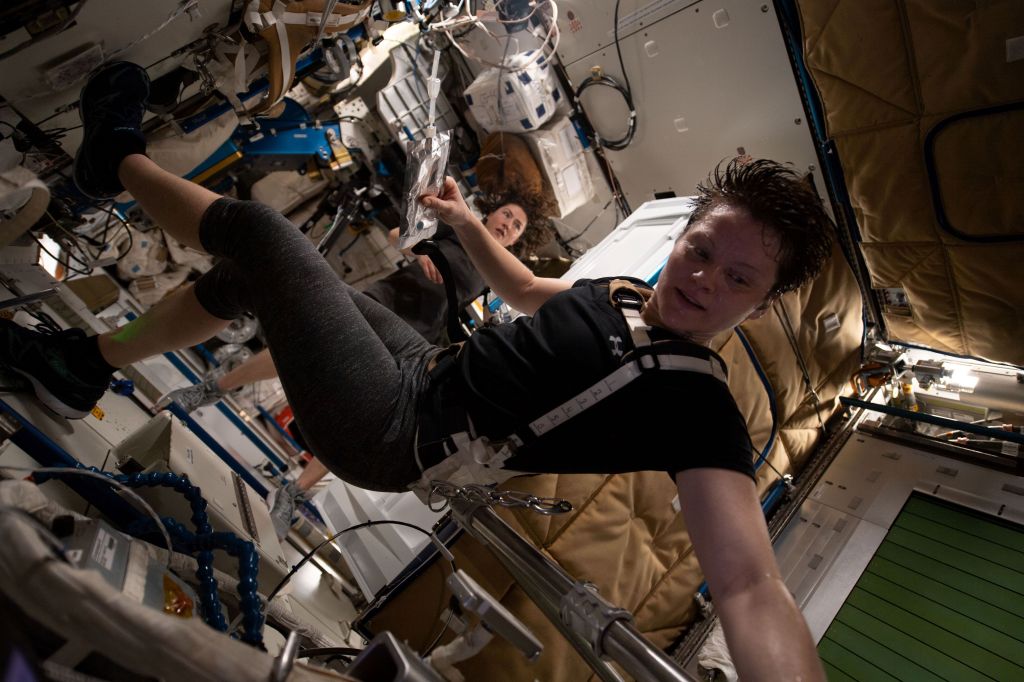
Human Health Countermeasures
Assesses the effects spaceflight has on the human body and develops safeguards to deal with those changes.
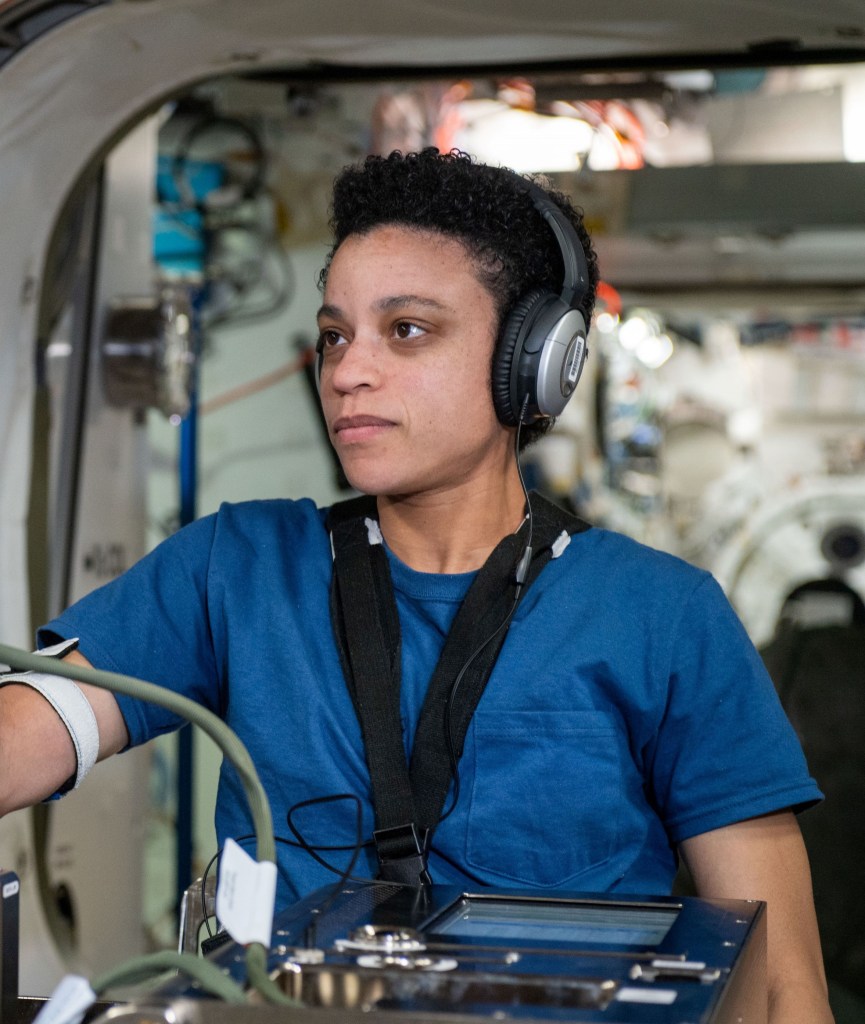
Research Operations and Integration
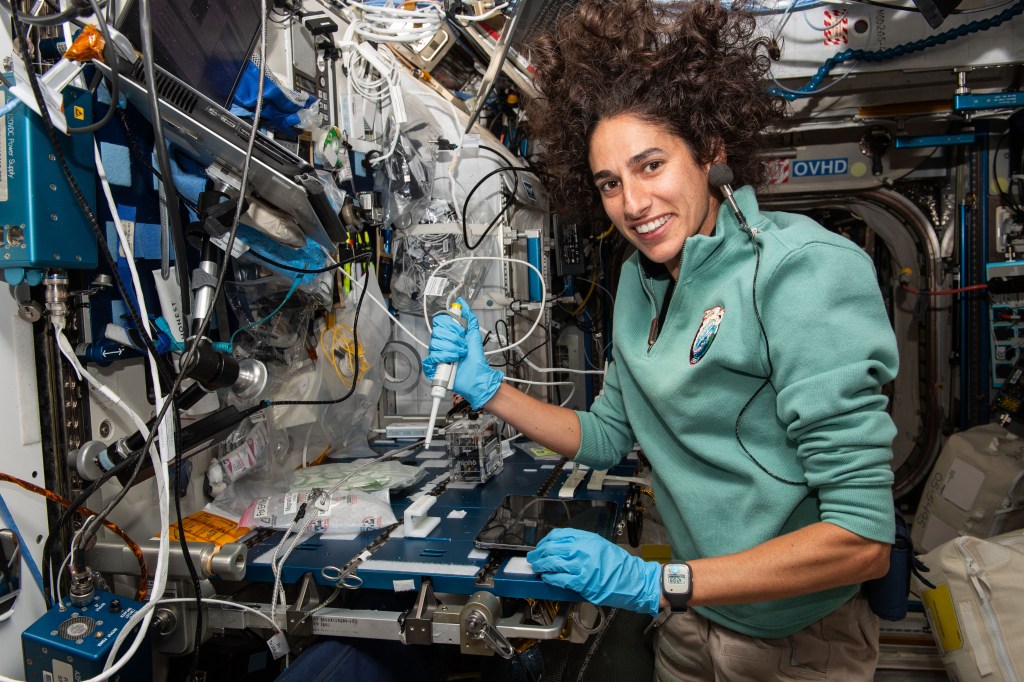
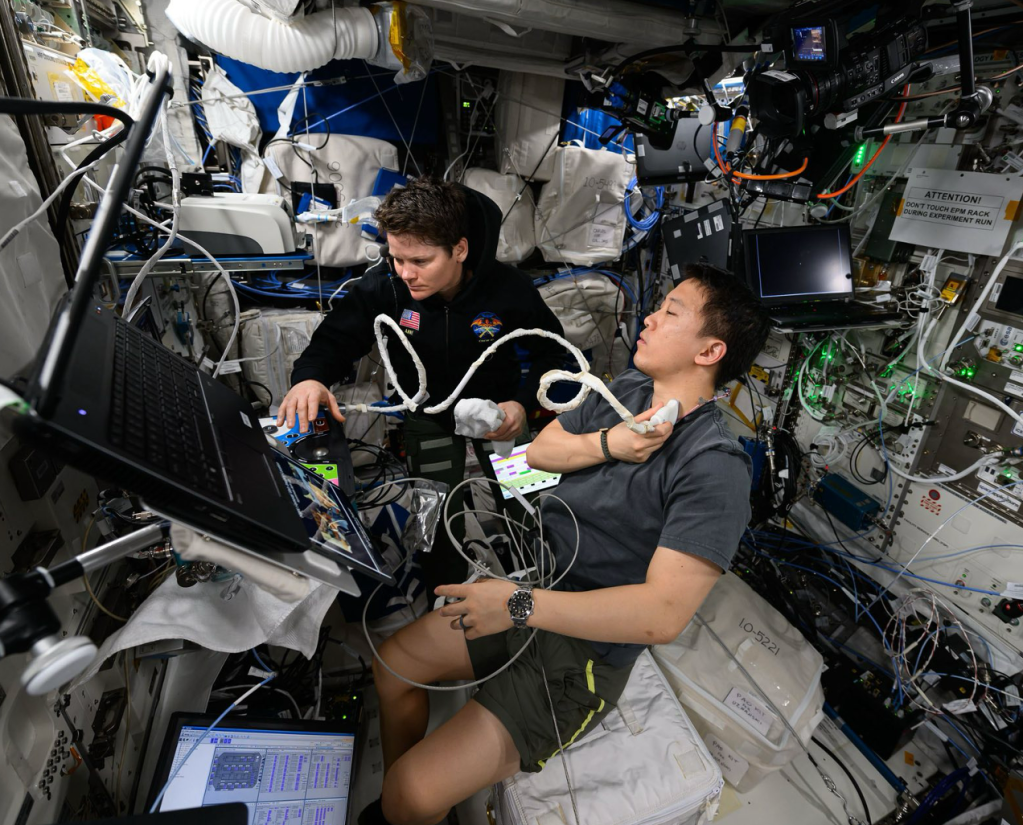
Plans, integrates, and implements services for HRP research in Earth-based simulations, the International Space Station, and other platforms.
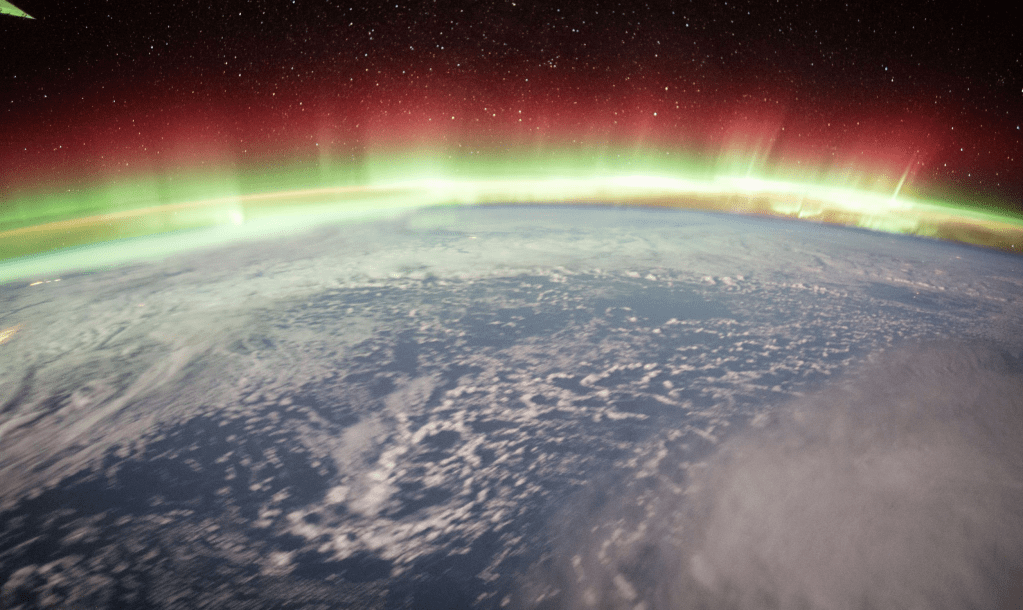
Space Radiation
Ensures that crewmembers can safely live and work in space without exceeding acceptable radiation health risks.
Translational Research Institute for Space Health (TRISH)
Funds scientific studies and technologies to help keep astronauts safe and healthy on deep space missions to the Moon, Mars, and beyond.
NASA’s HRP
HRP pursues methods and technologies to support safe, productive human space travel. Through science conducted in laboratories, ground-based analogs, commercial missions, the International Space Station and Artemis missions, the program scrutinizes how spaceflight affects human bodies and behaviors. Such research drives the program’s quest to innovate ways that keep astronauts healthy and mission ready as human space exploration expands to the Moon, Mars, and beyond.
Explore NASA’s HRP