





















JOining Demonstrations IN-Space
What is JOINS?
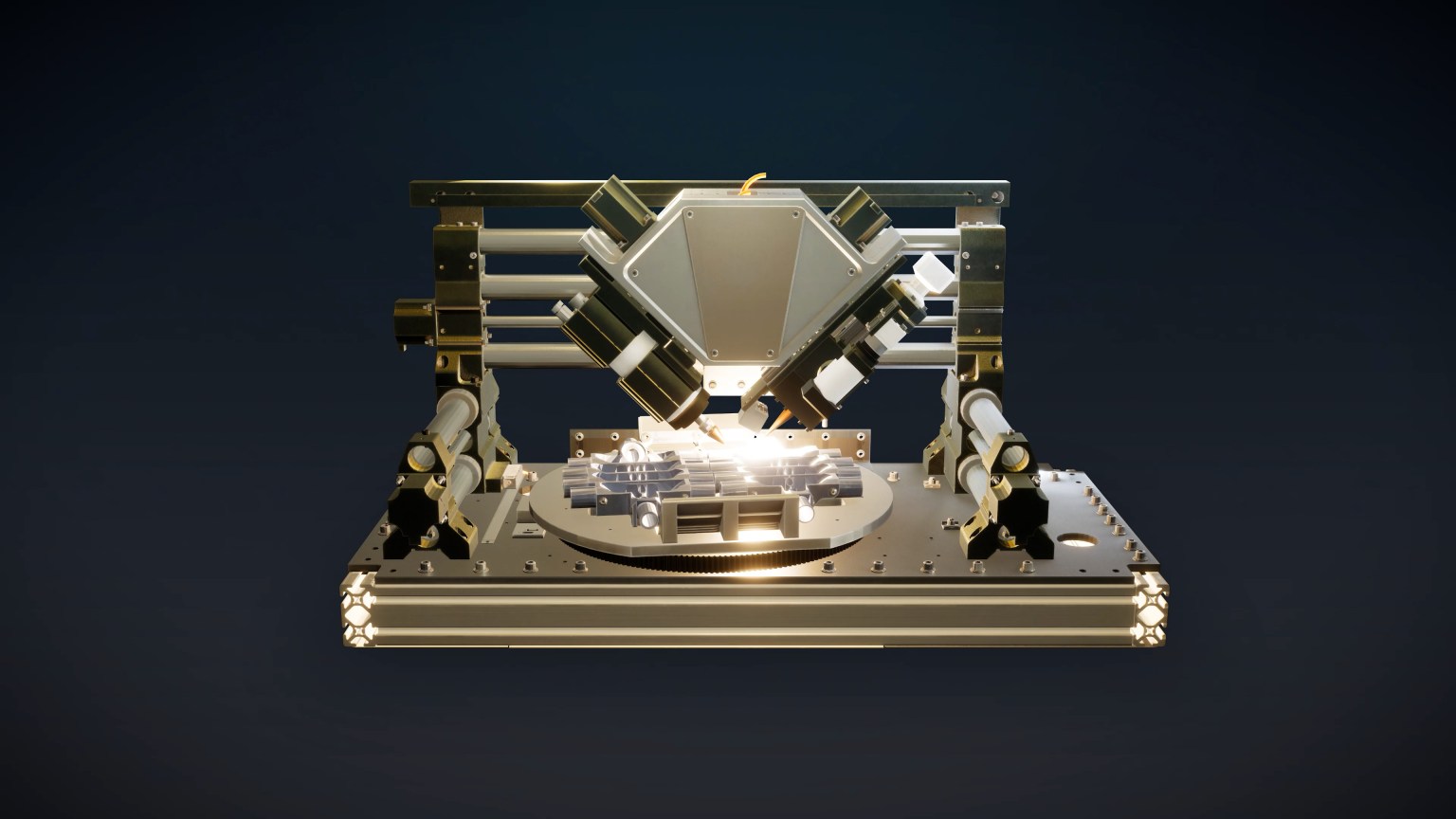
JOining Demonstrations IN-Space (JOINS) will mature technologies that allow robotic systems to weld materials and assemble large structures directly in space.
next flight
Northrop Grumman CRS-25
RESPONSIBLE MISSION DIRECTORATE
Research and Technology Mission Directorate (RTMD)
LEad organization
Lockheed Martin
award mechanism
Tipping Point
Why is joining materials in space different than on Earth?
While joining technologies can be developed and tested on Earth, space introduces unique environmental conditions that may affect their performance. Vacuum, microgravity, and extreme temperature fluctuations can affect heat transfer, material behavior, robotic operations, and welding processes. Testing these technologies in space helps demonstrate their feasibility, mature their readiness for operational use, and build confidence for future mission applications.
Why is in-space joining important for future space missions?
In-space joining enables large structures to be assembled and integrated after launch, rather than being constrained by the size and volume of a launch vehicle. This capability is essential for building and repairing future space infrastructure such as large antennas, solar arrays, radiators, sunshades, and optical systems that will support future exploration of the Moon and Mars.
As NASA and its industry partners advance technologies for lunar and deep-space exploration, in-space joining could eventually assemble infrastructure using materials derived from resources available on the Moon, Mars, asteroids, and other planetary bodies. By combining in-situ resource utilization, in-space manufacturing, and joining technologies, future missions could reduce reliance on launching equipment and materials from Earth.
What are the advantages of in-space joining?
In-space joining enables large structures to be packaged efficiently for launch and assembled once in space. This capability makes it possible to build structures that would be too large, complex, or costly to fit within a single launch vehicle.
How does JOINS work?
The JOINS demonstration will perform welding on two different materials:
- Aluminum
- Stainless-Steel
Using two distinct approaches:
- Laser beam welding: Joins materials by using a high-precision laser to melt and fuse the material together. Works well for small, thin, or detailed parts when wanting to limit heat exposure to surrounding material.
- Friction stir welding: Joins materials by using a rotating tool to stir the metals together without melting them. The friction generates enough heat to soften the material without turning into liquid. This can create stronger joints and reduce problems like cracking or warping that can occur when some metals melt and re-solidify.
Onboard cameras will monitor the demonstration and send data back down to Earth. Months later, the physical test articles will return to Earth for in-person inspections and further study.
Upcoming JOINS Technology Demonstrations

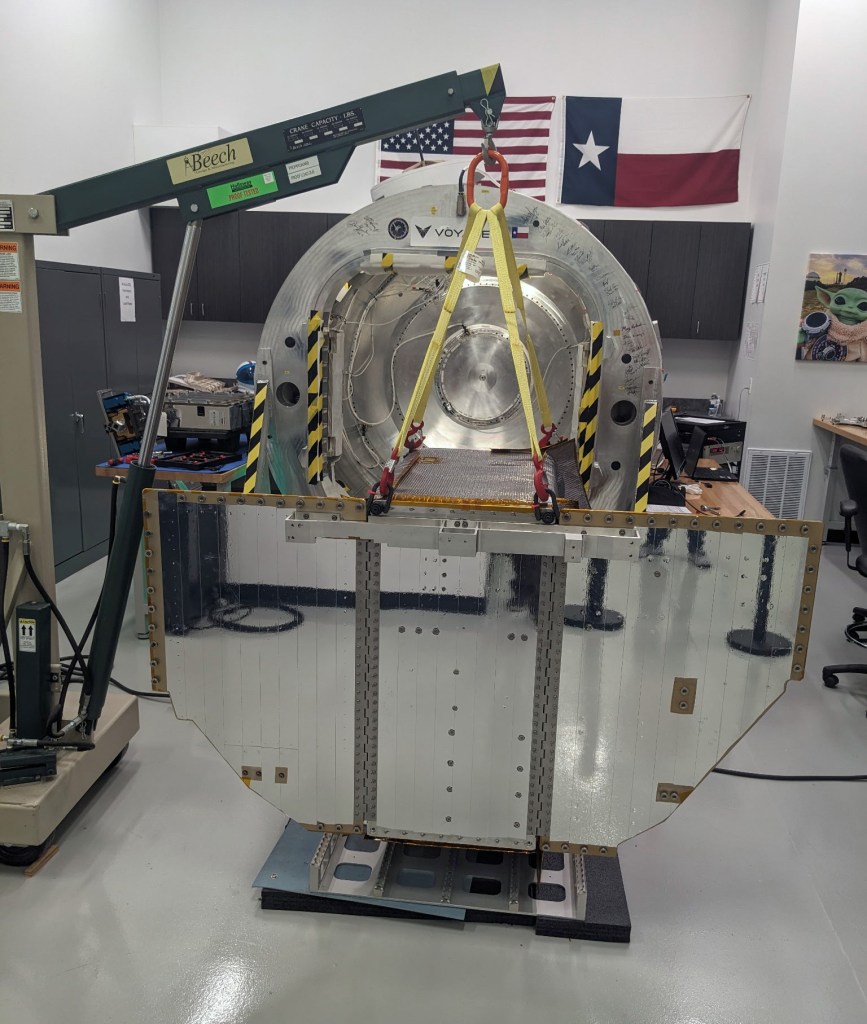
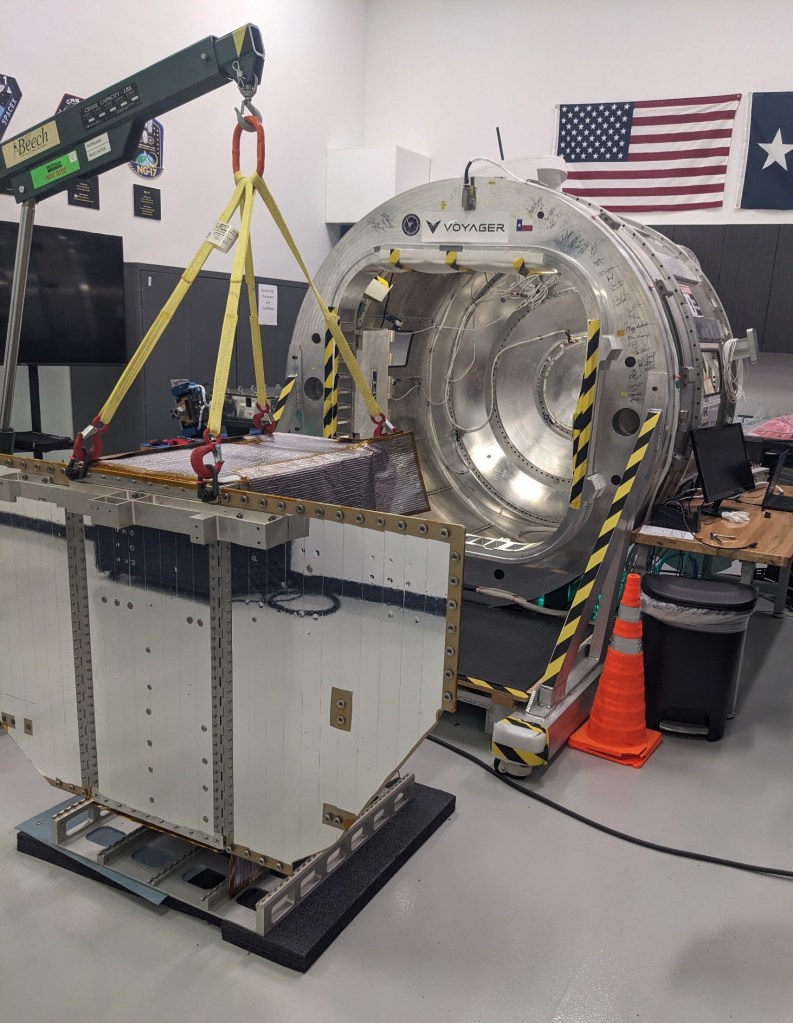
OBJECTIVE
Demonstrate robotic welding in exposed space.
MISSION
Northrop Grumman CRS-25
SPACECRAFT
Cygnus XL
DESTINATION
International Space Station
EST. LAUNCH DATE
November 2026
EST. DEMO DATE
March 2027
Tipping Point Selections
Learn More Tipping Point Selections about Tipping Point Selections