
















Gemini II
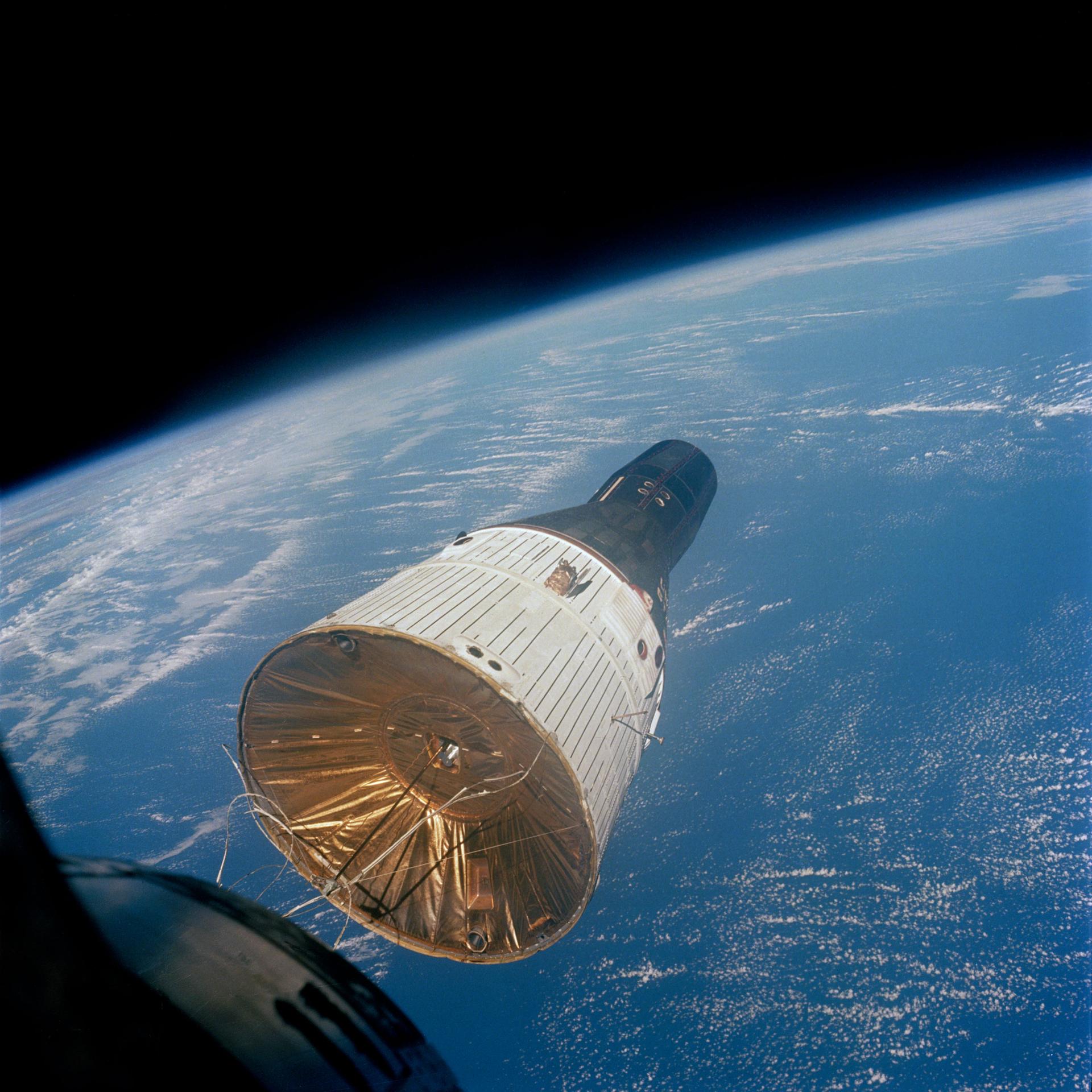
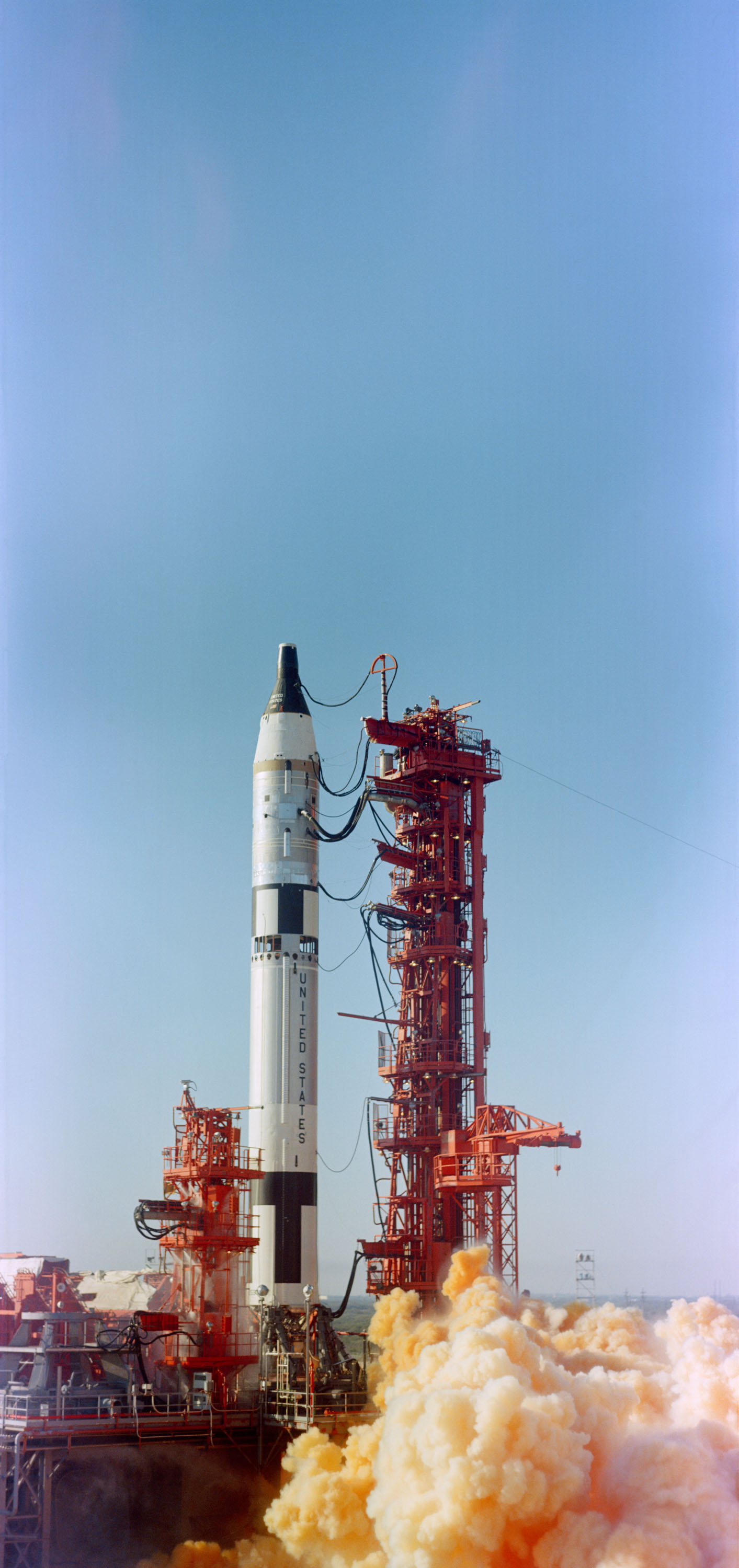
Gemini II, the second mission of NASA’s Gemini program, was a suborbital uncrewed test flight that took place on Jan. 19, 1965.
Mission Type
mission duration
Launch
Landing

Objectives
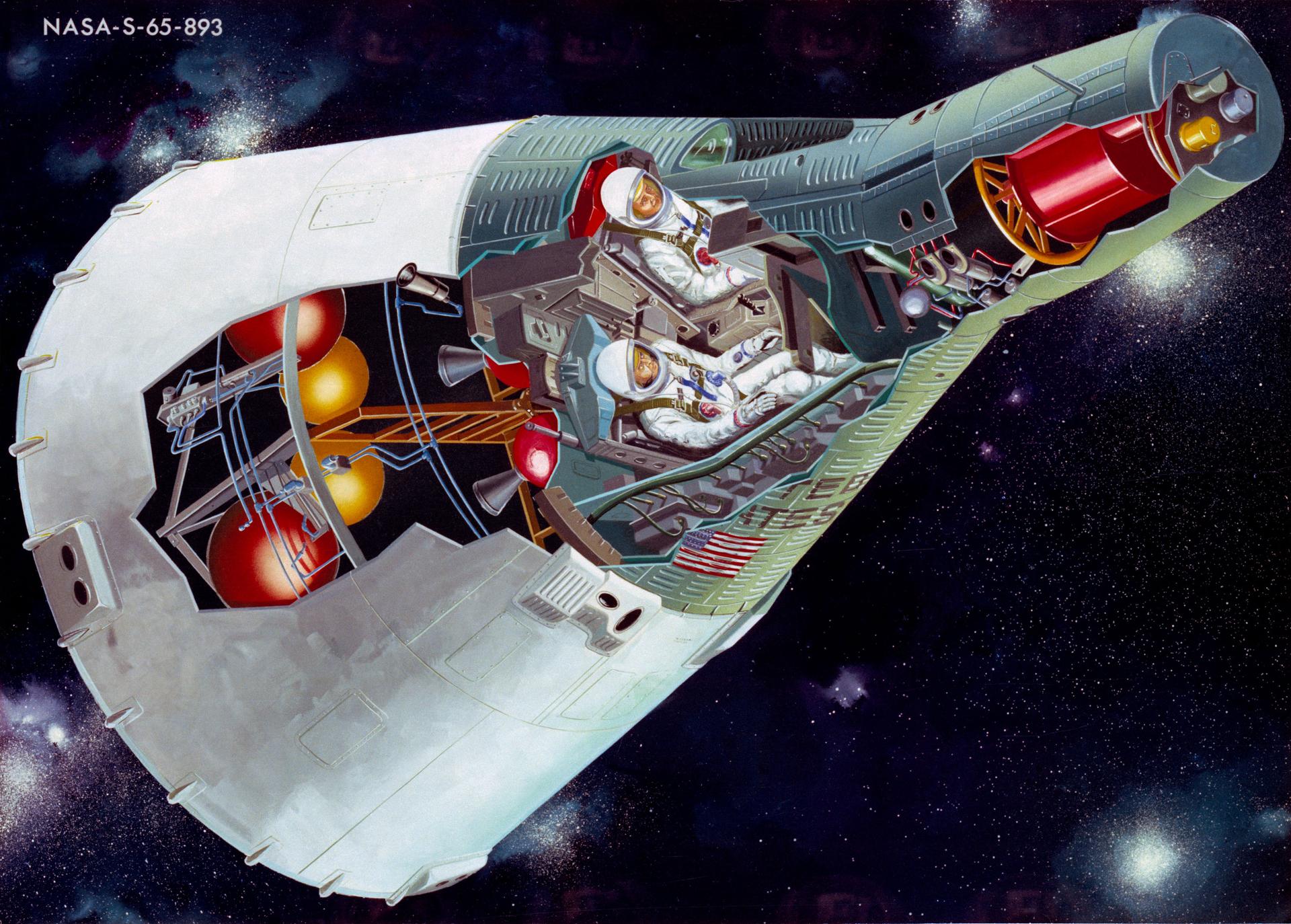
Gemini II was the second uncrewed Gemini test mission, consisting of a sub-orbital ballistic flight and reentry with the primary objectives being to demonstrate the adequacy of the spacecraft reentry module’s heat protection during a maximum heating rate return, the structural integrity of the spacecraft, and the performance of spacecraft systems. Secondary objectives included obtaining test results on communications, cryogenics, fuel cell and reactant supply system, and further qualification of the launch vehicle.
Mission Facts
Payload: Gemini 2
Mass at launch: 3,133.9 kg
Launch Date: Jan. 19, 1965, 9:03:59 a.m. EST (14:03:59 UT)
Launch Site: Complex 19, Cape Canaveral, United States
Launch Vehicle: Titan II
Maximum Altitude: 171.2 km
Duration: 18 minutes, 16 seconds
Landing Date: Mar. 23, 1965, 2:16:31 EST (19:16:31 UT)
Landing Site: Near Grand Turk Island, 22.43° N, 70.85° W
Recovery Ship: U.S.S. Lake Champlain
Mission Overview
Gemini II was launched successfully from Complex 19 at Cape Kennedy on Jan. 18, 1965, at 9:03:59 a.m. EST (14:03:59.861 UT) to a maximum altitude of 171.2 km. The spacecraft was run by an onboard automatic sequencer. At 6 minutes 54 seconds after launch retrorockets were fired and the spacecraft cartwheeled into a reentry attitude. Eighteen minutes 16 seconds after launch, the spacecraft reentered the atmosphere and landed by parachute in the Atlantic Ocean 3,419 km southeast of the launch site. The landing was 26 km short of the planned impact point. The spacecraft was successfully recovered by the aircraft carrier U.S.S. Lake Champlain, which was 84 km from the splashdown point, at 15:52 UT (10:52 a.m. EST). All goals were achieved except test results on the fuel cells because the system had failed before liftoff and was turned off. The capsule was in excellent condition and the heat shield and retrorockets functioned as planned. The temperature in the cooling system of the spacecraft was found to be too high.