









Suggested Searches

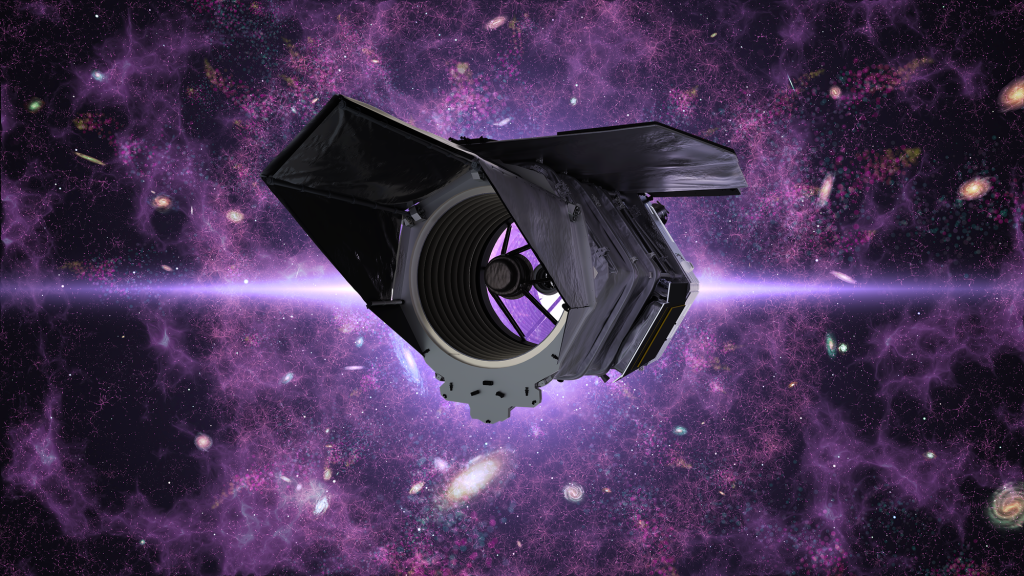
Simulated image, as it would be captured by the Roman Space Telescope’s Wide Field Instrument and then processed to remove glare, showing two interacting galaxies in detail.
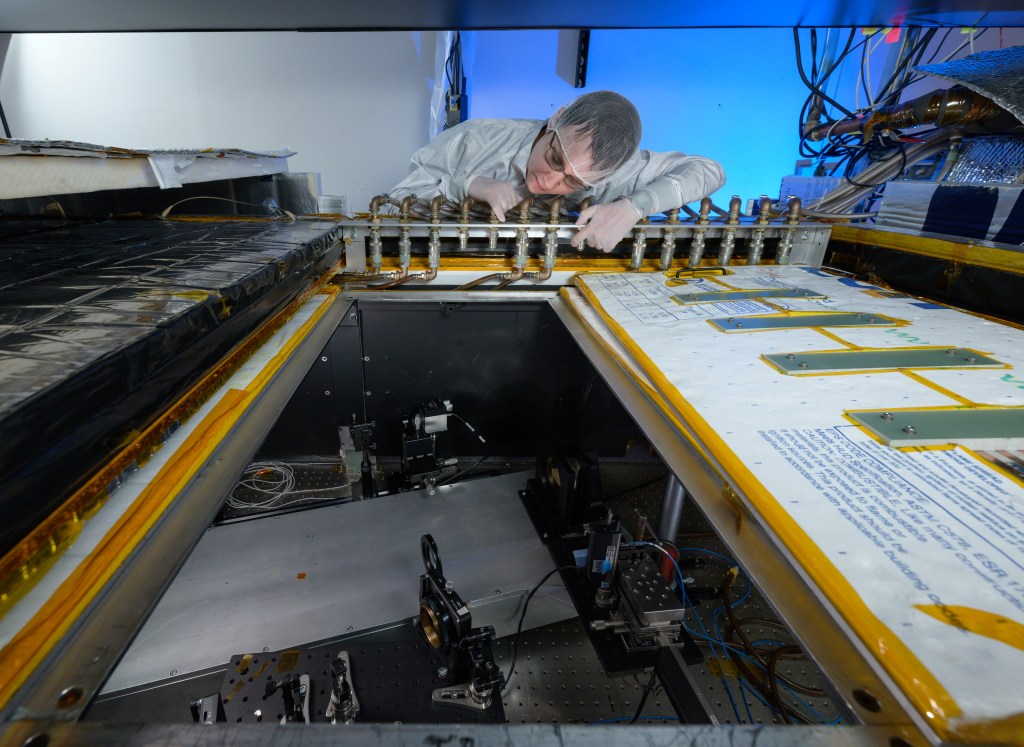
Research scientist Salma Bejaoui adjusts the infrared laser beam in the Cosmic Simulation Chamber (COSmIC) laboratory in N245 room B31.
Astrophysicist Dan Sirbu adjusts optics for the Phase Induced Amplitude Apodization (PIAA) coronograph on the Ames Coronograph Experiment (ACE) optical bench in N240 room 115.

Astrophysics Division at Ames

The Astrophysics Division at NASA Ames conducts world-class research, experiments, and technology development, aligned with NASA’s science vision and in support of NASA’s missions. The division portfolio covers laboratory astrophysics, astrochemistry, quantum chemistry, star and planet formation, galaxy formation, data science & AI/ML, high-contrast (exoplanet) imaging technologies, and mission development & support.

Meet the Team about Astrophysics Division at Ames

Location

Silicon Valley, California

ChIEf

Naseem Patrawala

Research Areas in Astrophysics

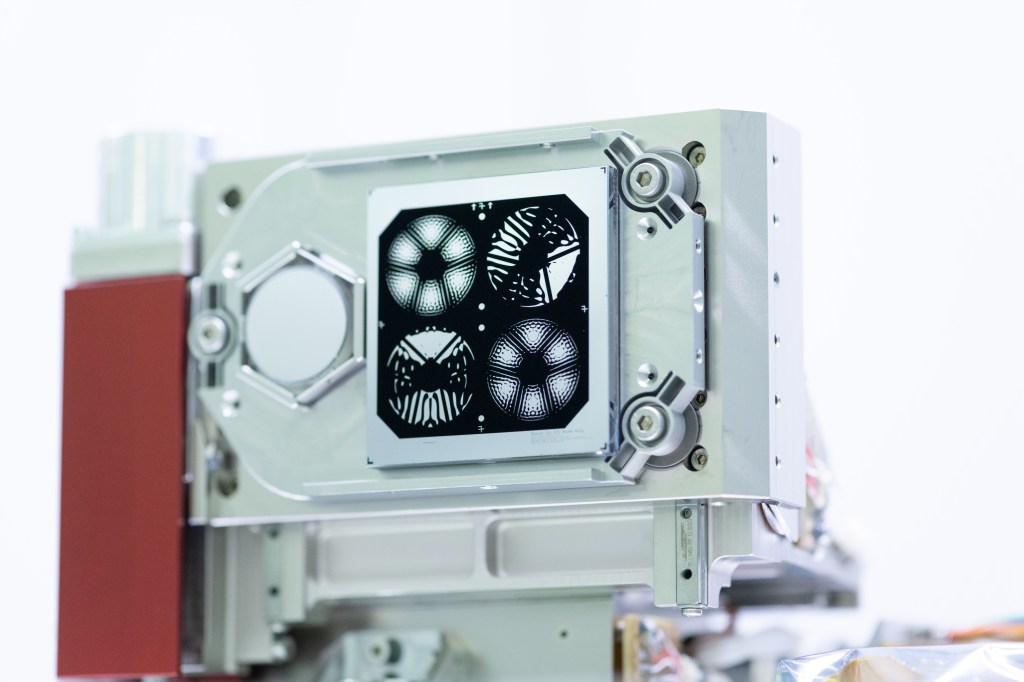
Close-up shot of four of the coronagraph’s masks. The masks are black shapes painted on a reflective silver square. The square is mounted on a metal rectangular box. The the top left and bottom right masks look like a flowers with six petals; the top right and bottom left masks look like insects with their wings spread open.

Exoplanet Technologies

Learn about the history of Glenn Research Center.

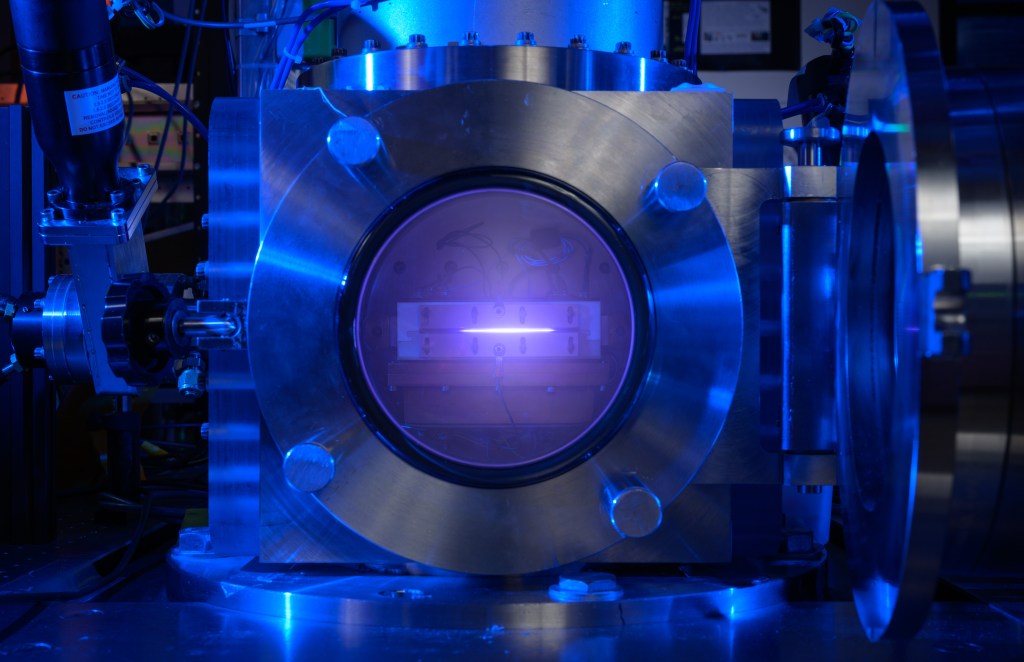
Picture of Plasma generated in the Cosmic Simulation Chamber (COSmIC)

Laboratory Astrophysics

Learn about the history of Glenn Research Center.

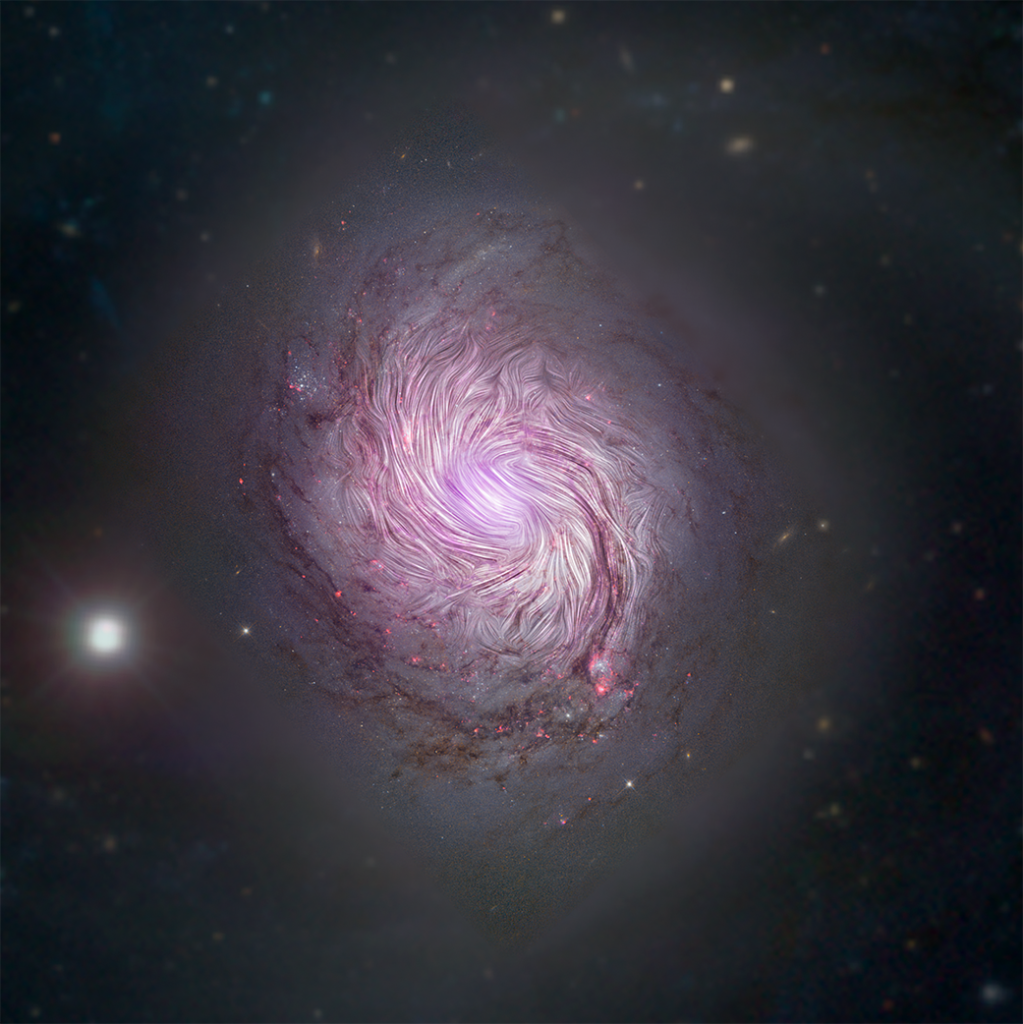
NGC 1068, or M77

Observational Astronomy

Learn about the history of Glenn Research Center.

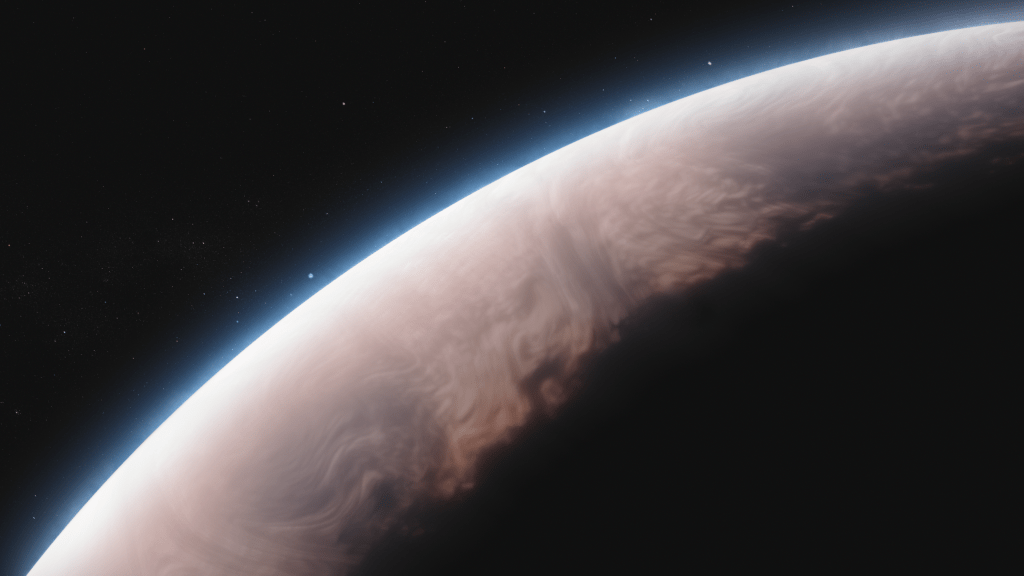
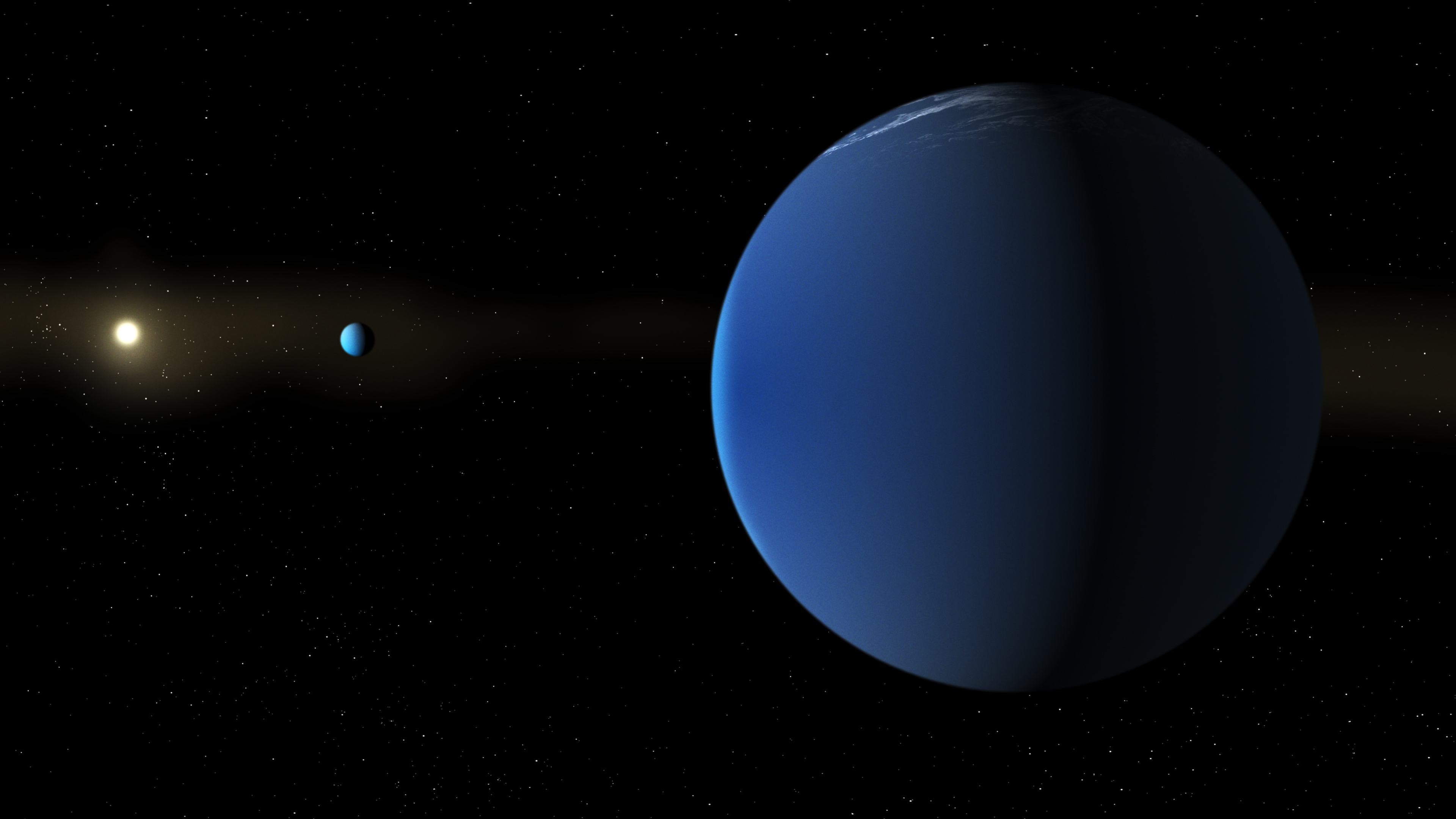
Illustration showing a portion of the disk of a cloudy planet set against the black background of space. About one-eighth of the planet is visible. It fills the lower right half of the frame, with the limb (the edge, or horizon) curving from the bottom left corner to the upper right corner. The planet is partially lit by a star that is off to the upper left, out of view. The planet is brightest along the limb (on the dayside), and grows dimmer toward the lower right corner (the nightside), becoming almost completely dark about halfway in. Wispy, light-tan-colored clouds are visible in the lit portion and there is a hazy blueish glow along the horizon. Several stars are sc attered in the background.

Planetary Atmospheres

Learn about those of the NASA corps who make “space sailing” their career profession.