









Follow this link to go to the text only version of nasa.gov
NASA -National Aeronautics and Space Administration
Follow this link to skip to the main content
+ Text Only Site
+ Site Help & Preferences
Go
ABOUT NASALATEST NEWSMULTIMEDIAMISSIONSMyNASAWORK FOR NASA

+ Home
NASA FACT?

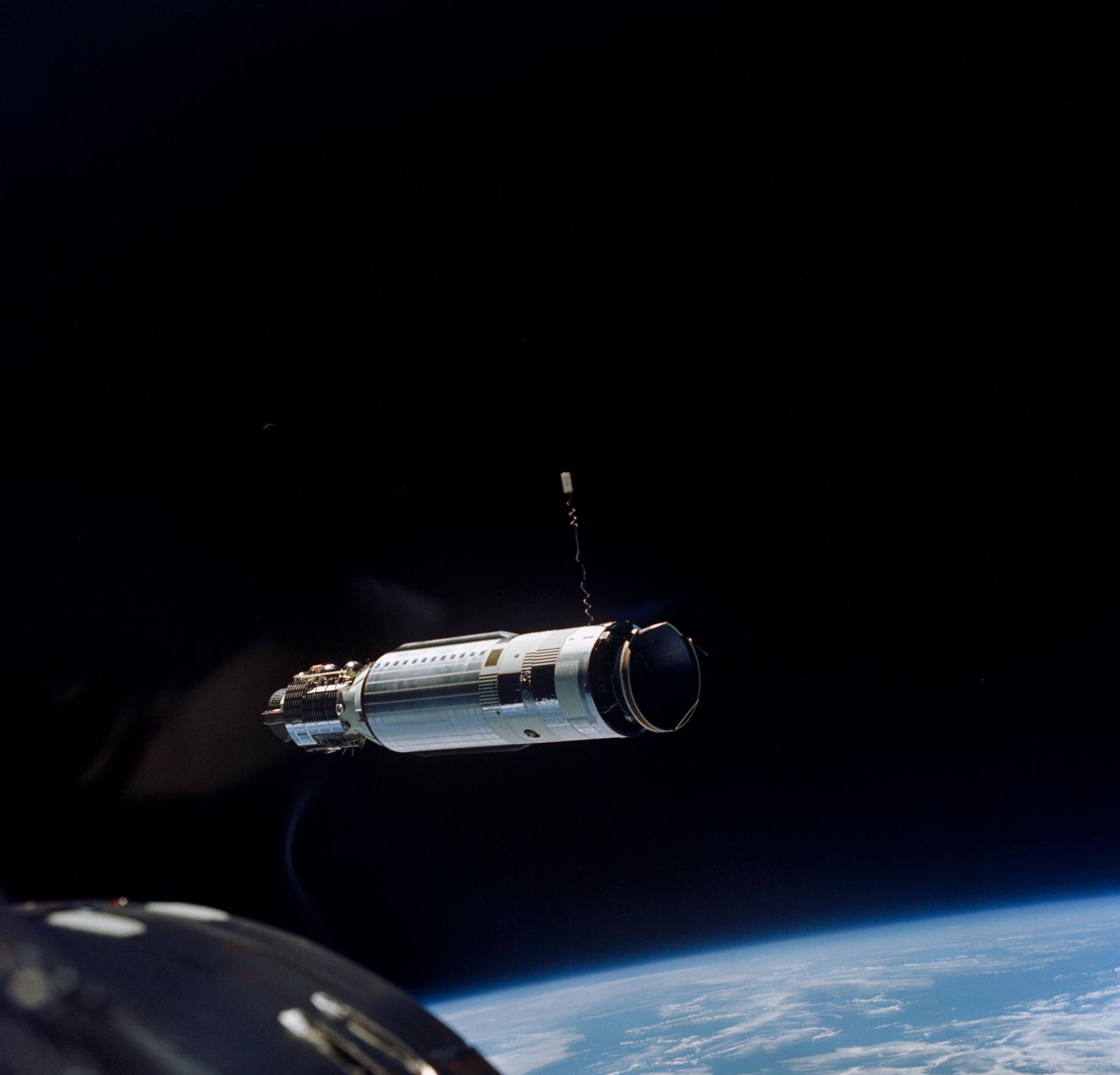
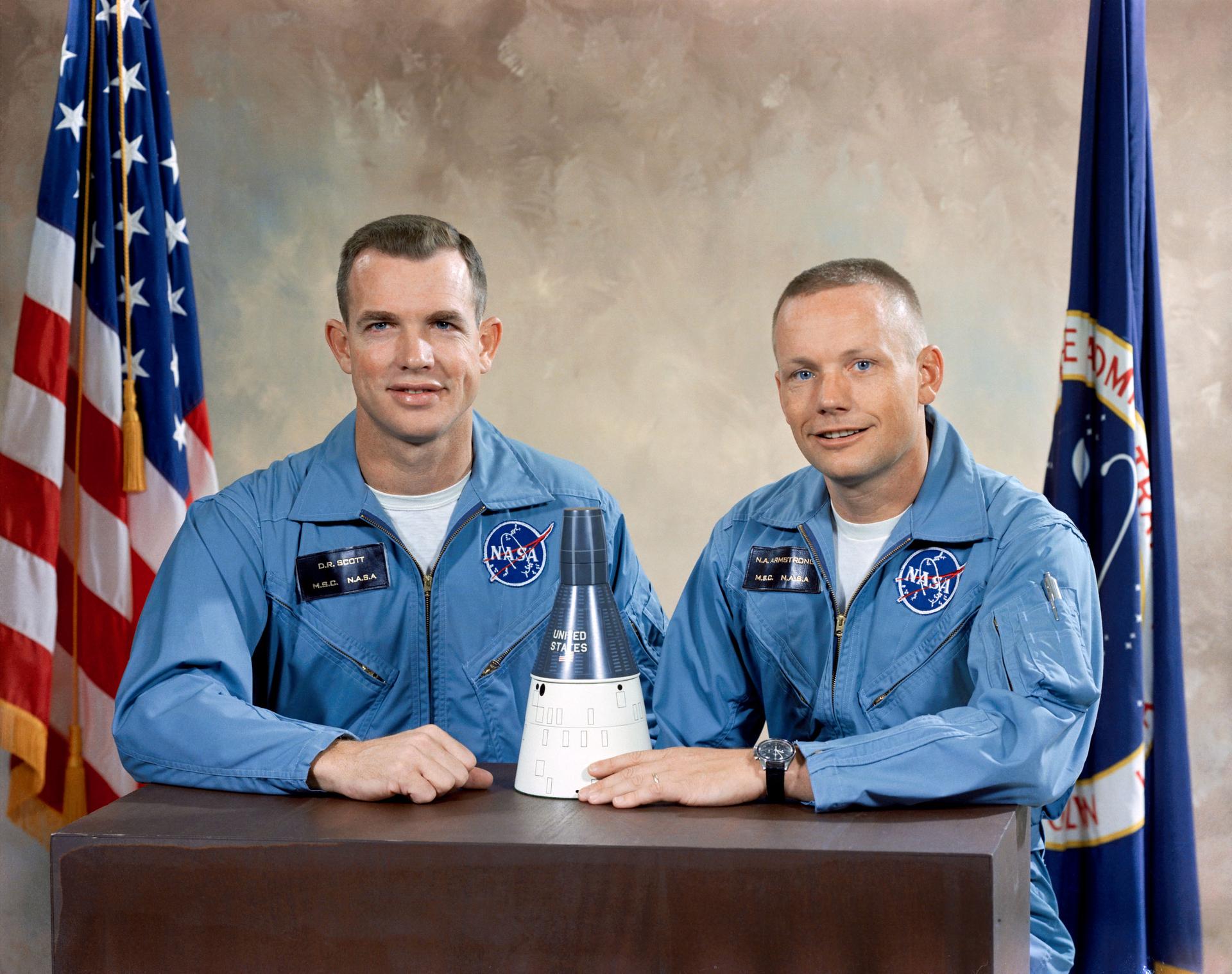
During Gemini VIII, on March 16, 1966, astronauts Neil Armstrong and Dave Scott performed the first orbital docking, joining their spacecraft with an Agena target vehicle. A stuck thruster forced Armstrong to improvise and cut the mission short, but the docking laid crucial groundwork for the moon missions to come.


+ More NASA Facts...
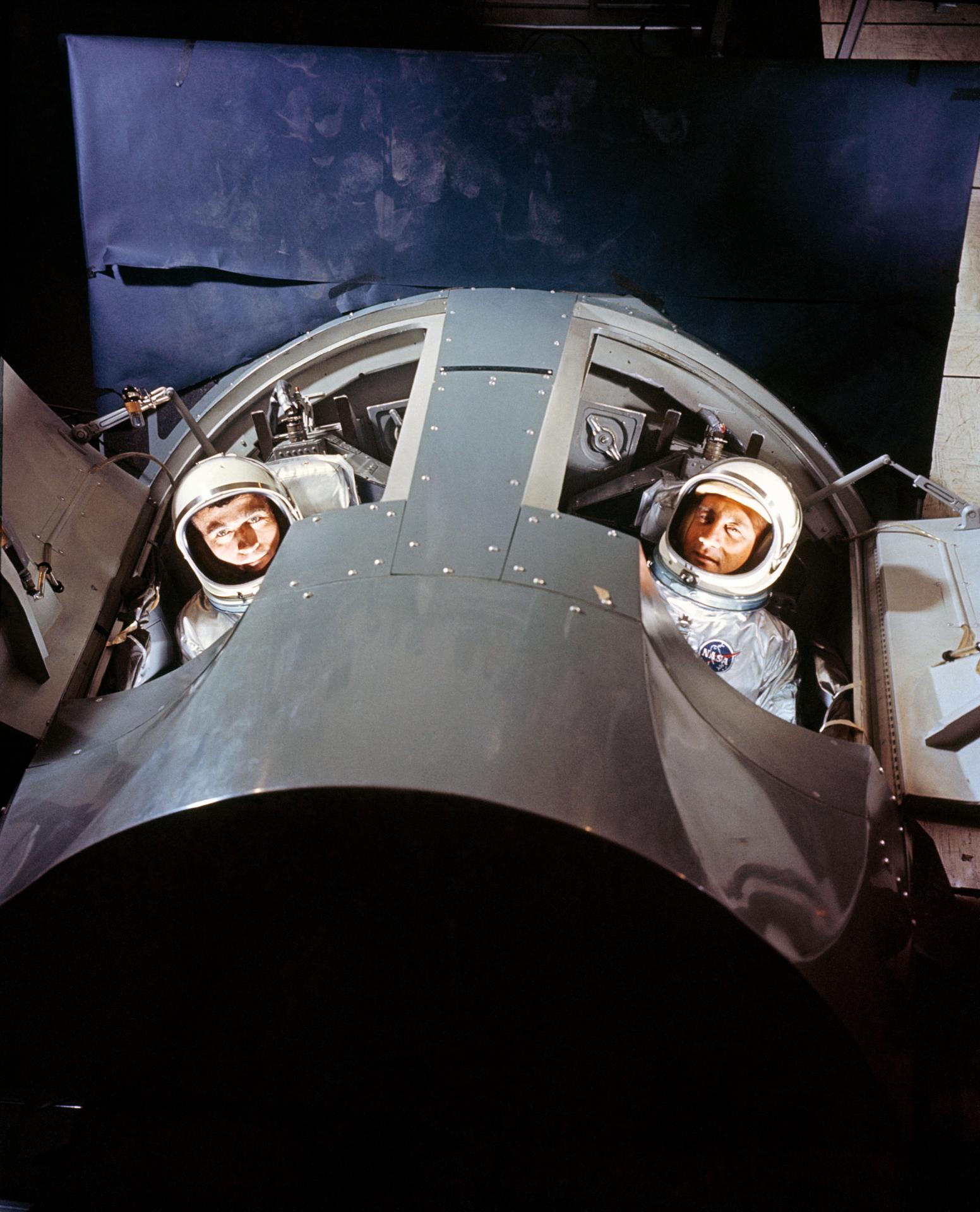
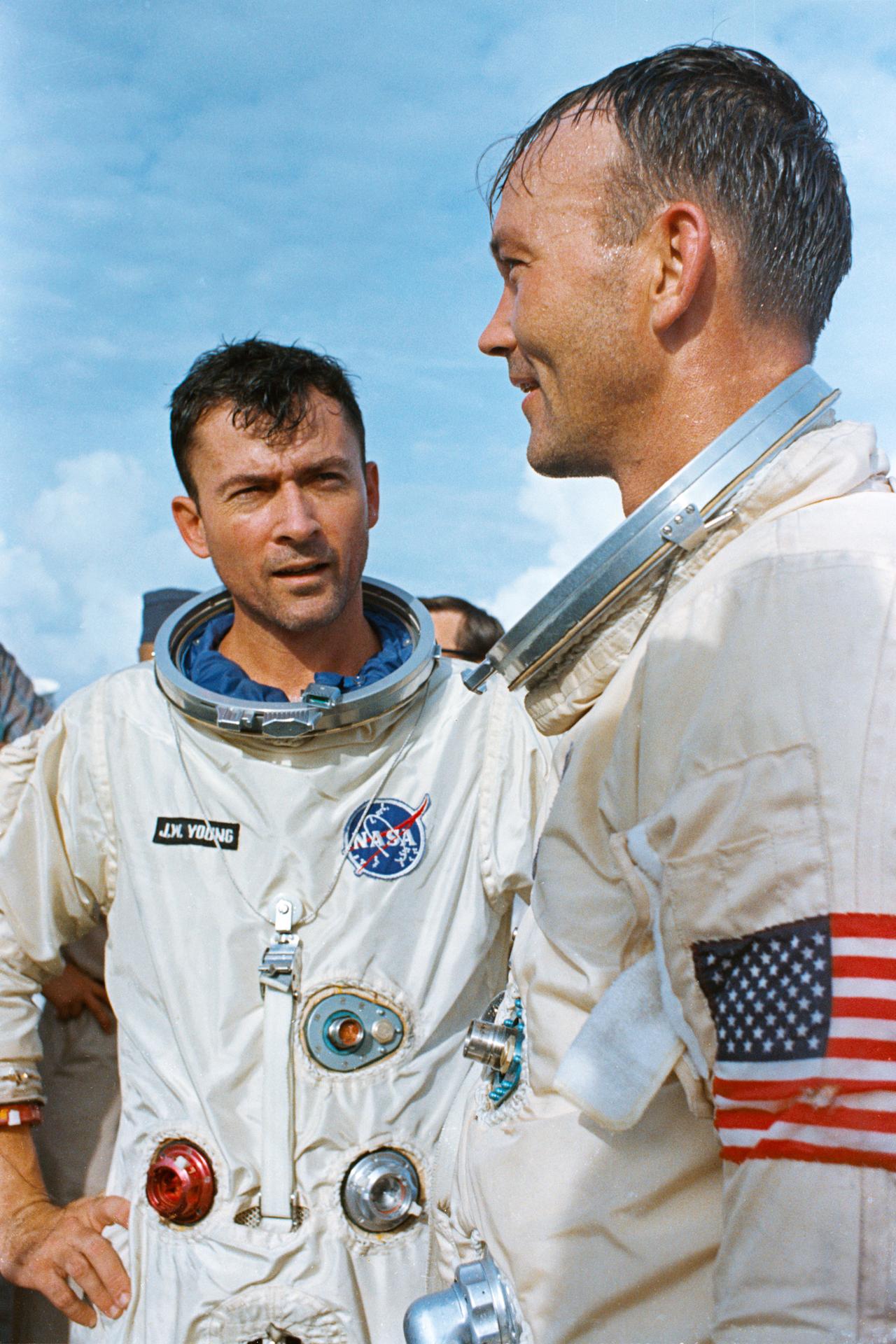
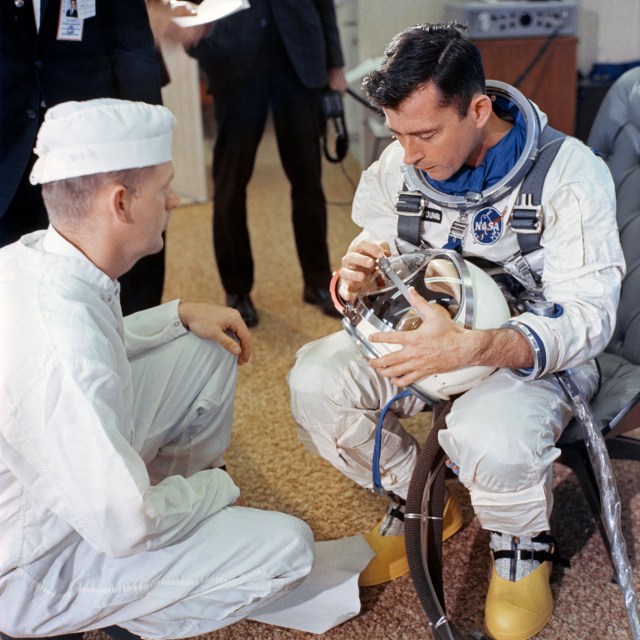
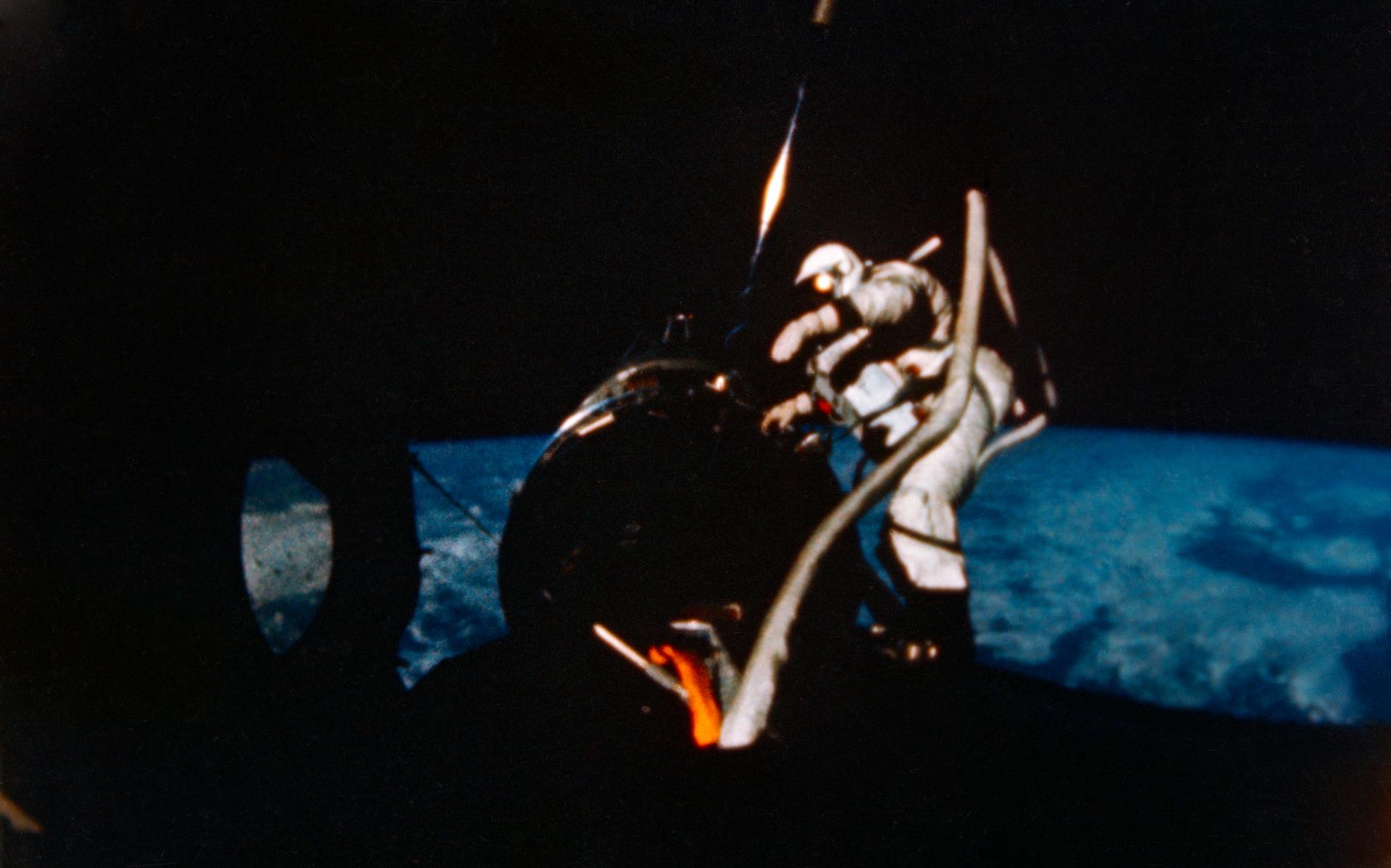
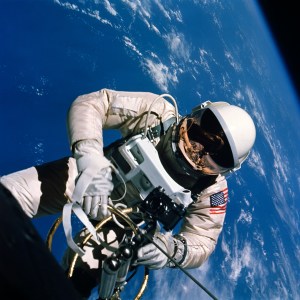
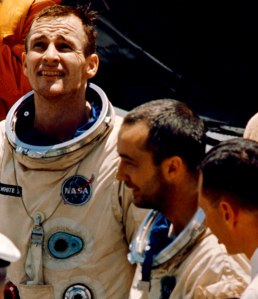
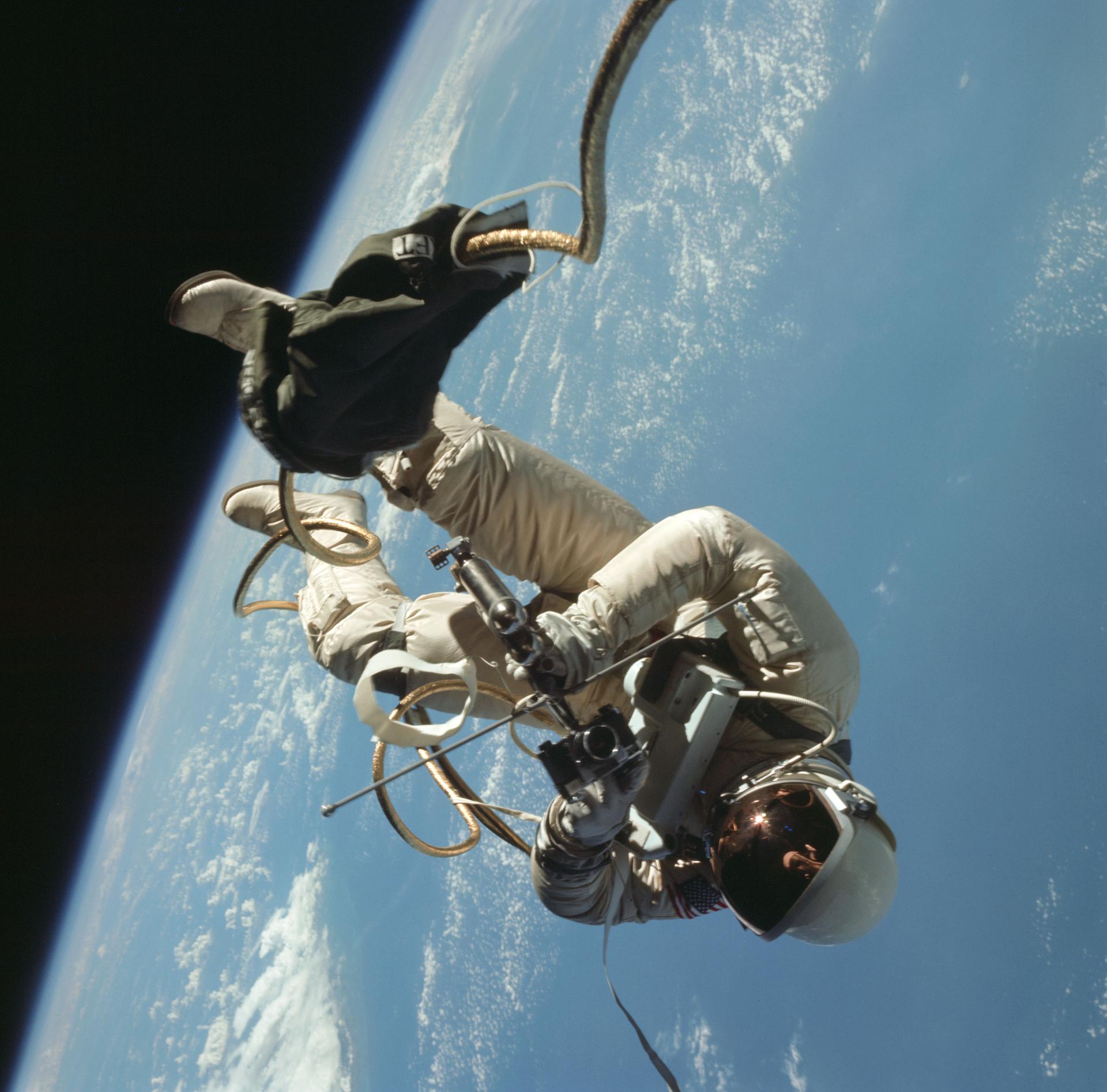
Astronaut Edward H. White II, pilot for the Gemini-Titan 4 space flight, floats in zero gravity of space.Astronauts John Young and Viril I. Grissom, prime crew for the Gemini-Titan 3 mission, are shown inside a Gemini Mission Simulator.
+ NASA Home > Mission Sections > Gemini

  OVERVIEW
 
 Gemini: Stepping Stone to the Moon -- 40 Years Later

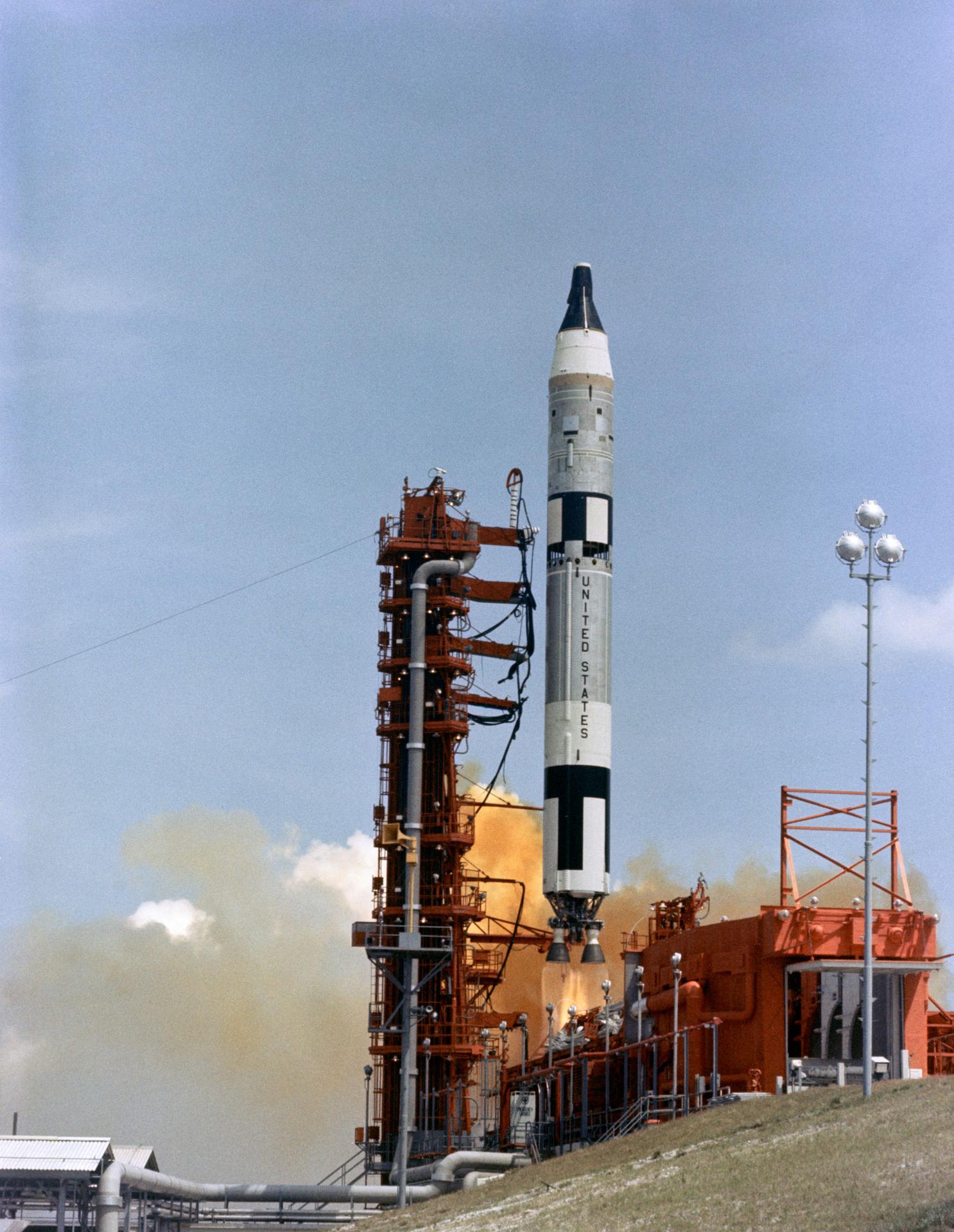
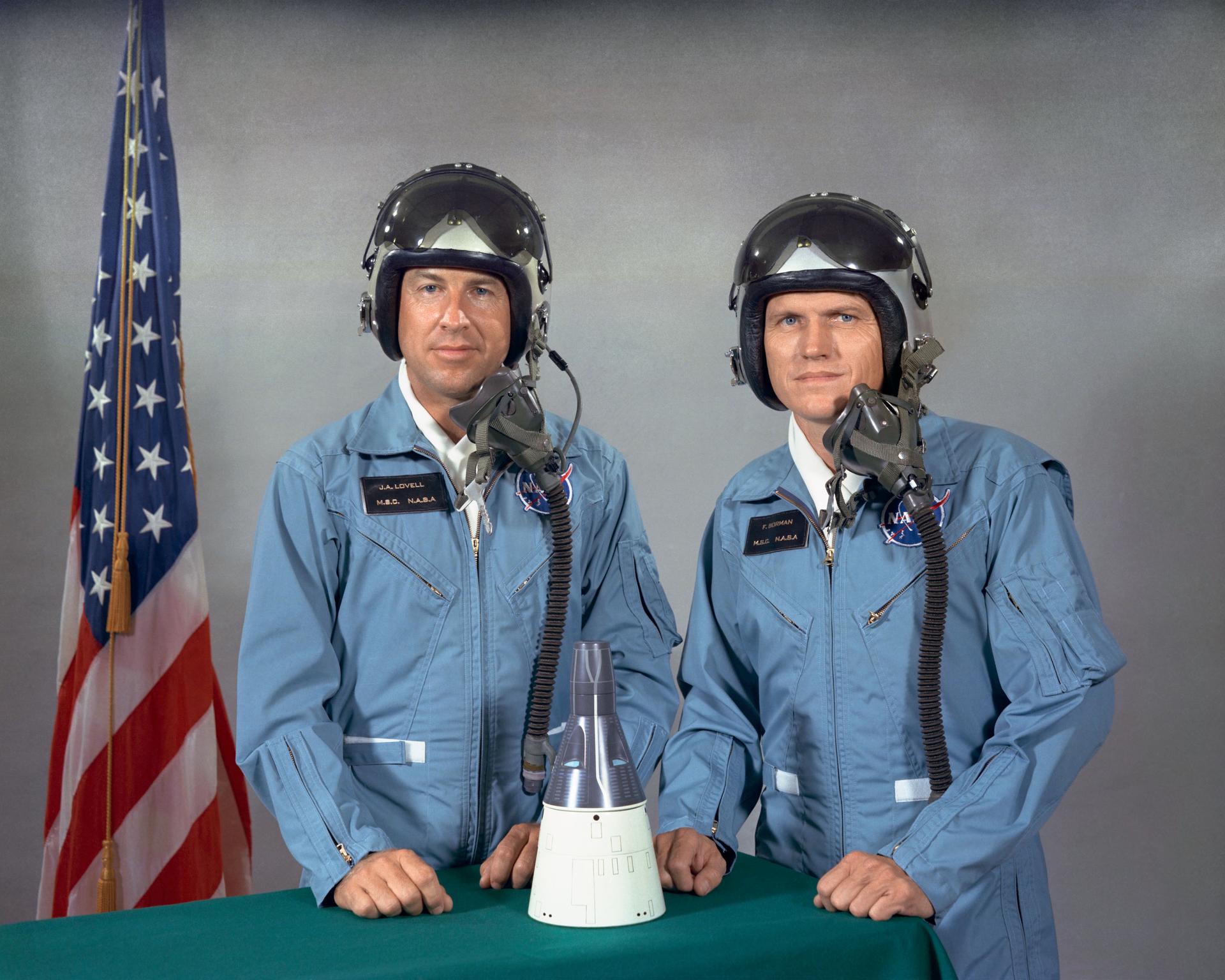
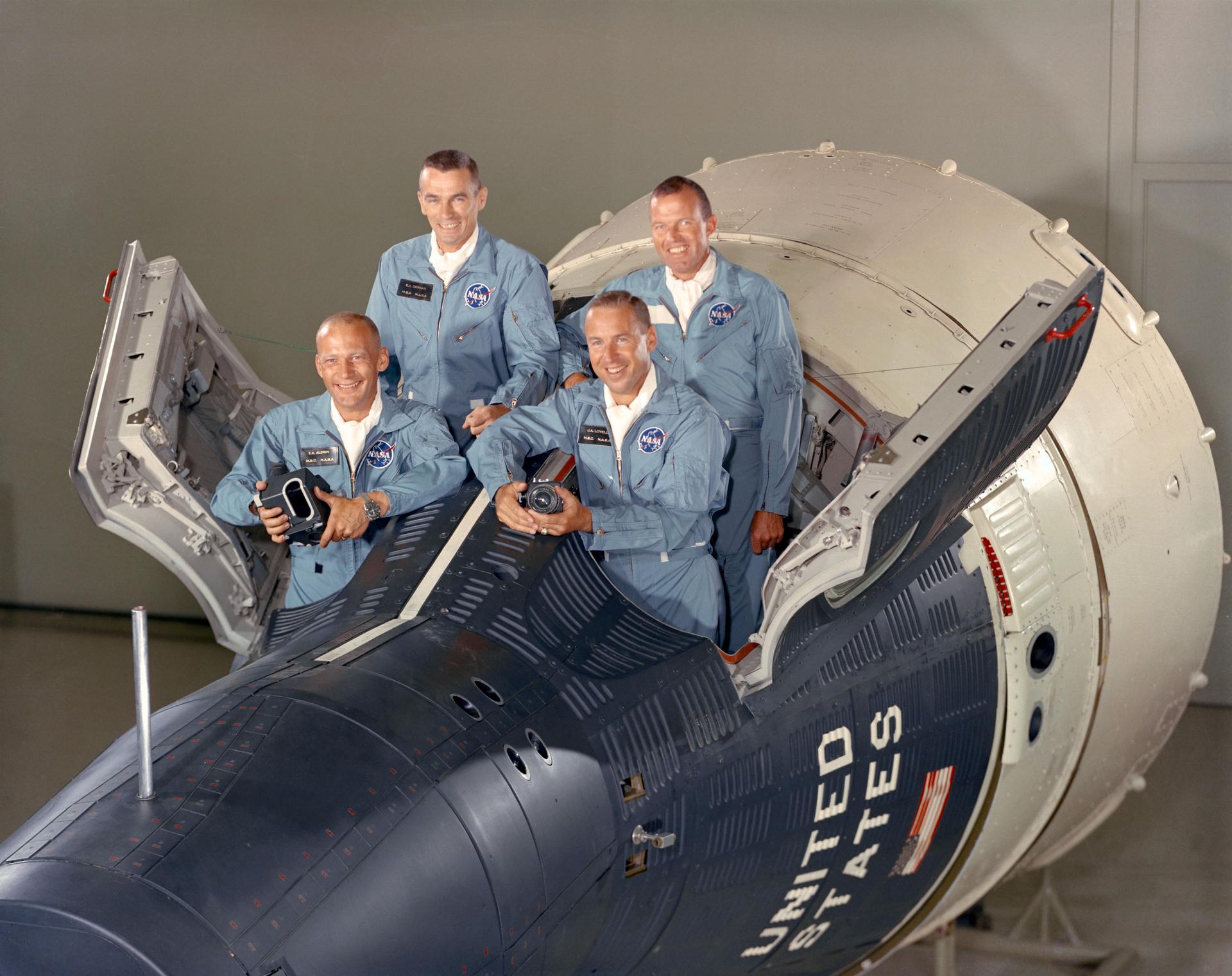
Atlas Agena target lifts off from Pad 14 to rendezvous and dock with Gemini 11. November 11 marks the 40th anniversary of the launch of Gemini XII, the final mission in the groundbreaking program that bridged the gap between Mercury and Apollo. When Jim Lovell and Buzz Aldrin landed 4 days later, NASA had learned valuable lessons about living and working in space that paved the way for the first trips to the moon.

+ View Photo Gallery:
Gemini: Bridge to the Moon


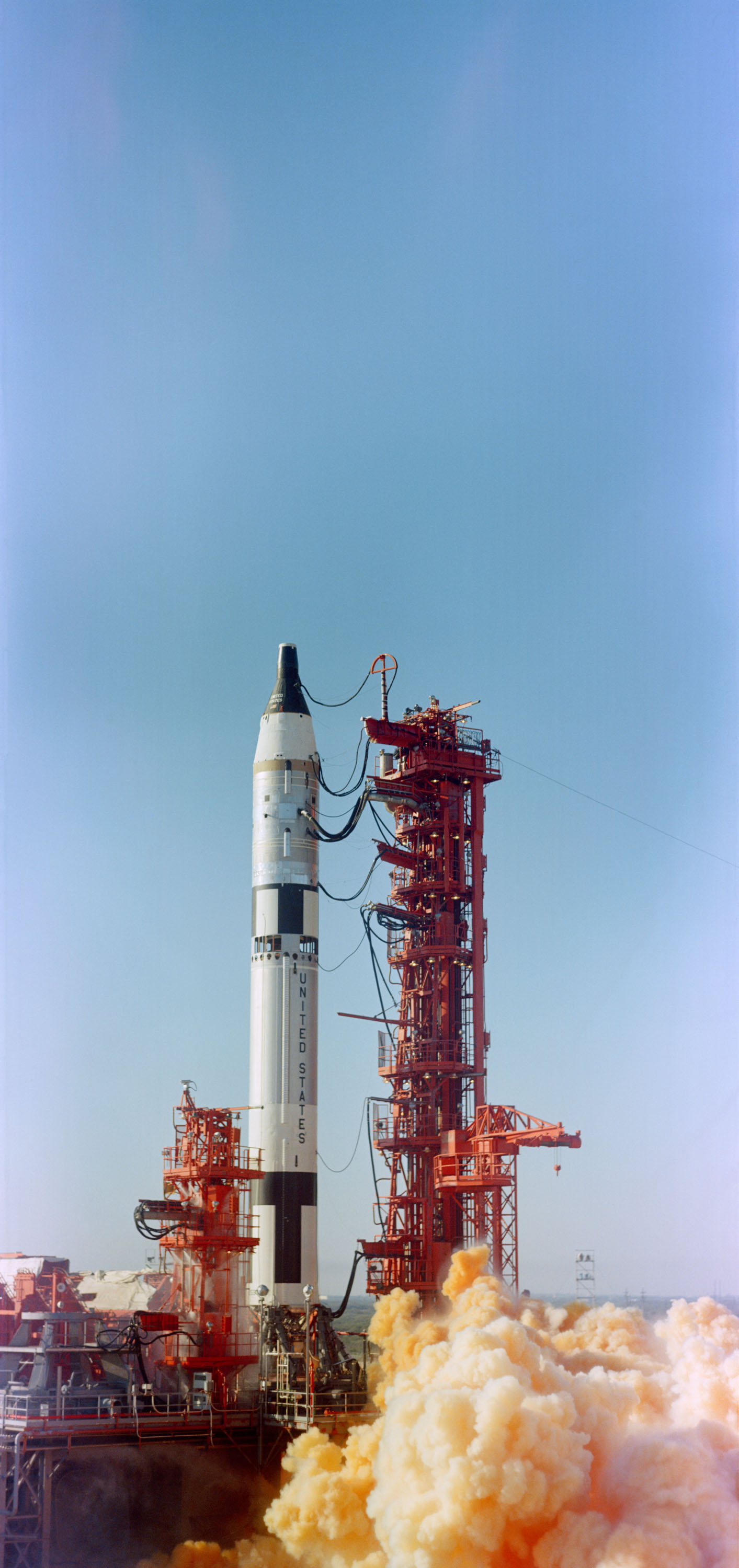
Image left: Atlas Agena target vehicle lifts off for Gemini 11 from Pad 14. Once the Agena was in orbit, Gemini 11 rendezvoused and docked with it.

On May 25, 1961, three weeks after Mercury astronaut Alan Shepard became the first American in space, President John F. Kennedy announced the goal of sending astronauts to the moon before the end of the decade.

To facilitate this goal, NASA expanded the existing manned space flight program in December 1961 to include the development of a two-man spacecraft. The program was officially designated Gemini on January 3, 1962.

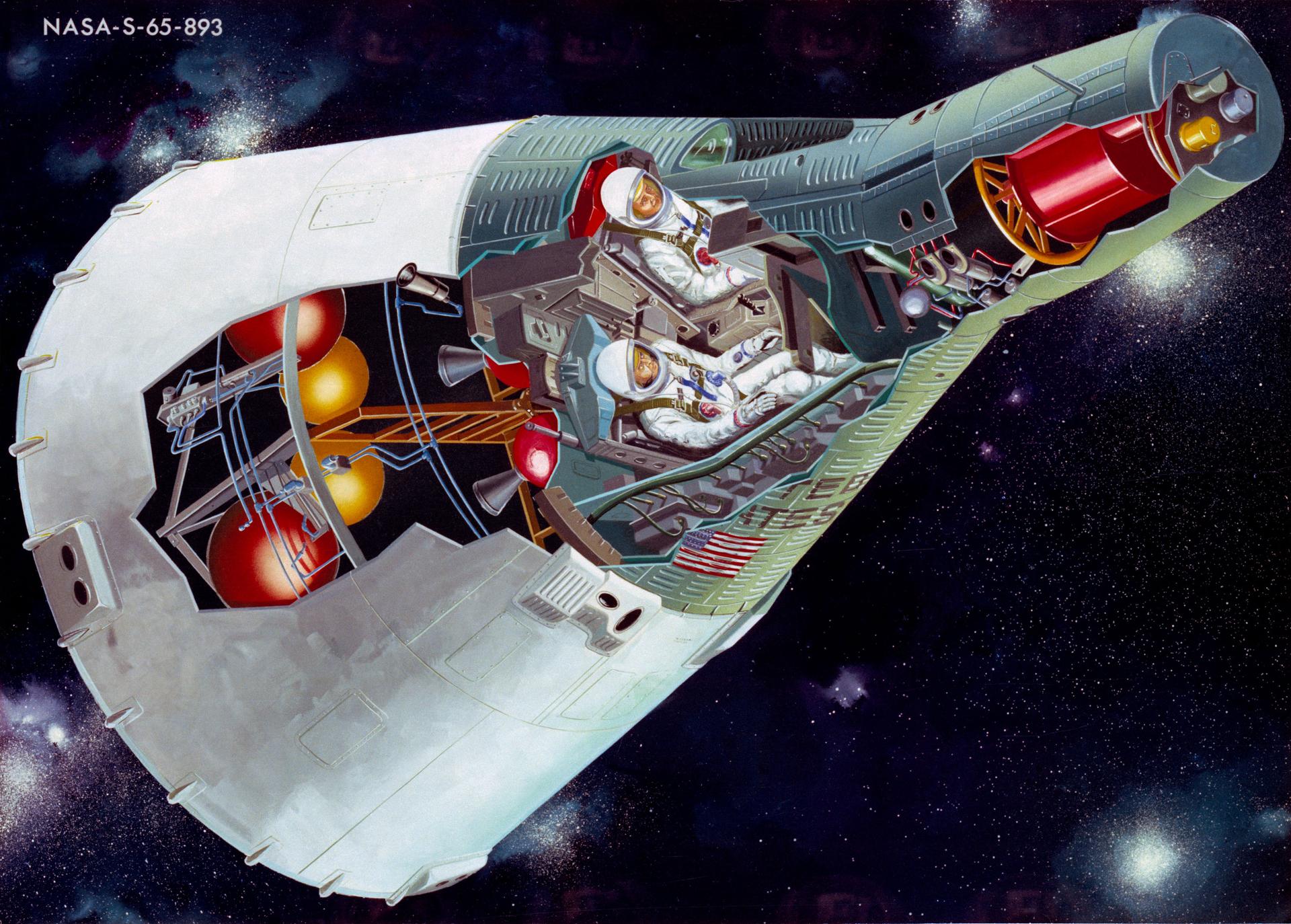
The Gemini Program was a necessary intermediate step between Project Mercury and the Apollo Program, and had four objectives: 1) To subject astronauts to long duration flights- a requirement for projected later trips to the moon or deeper space; 2) to develop effective methods of rendezvous and docking with other orbiting vehicles, and to maneuver the docked vehicles in space; 3) to perfect methods of reentry and landing the spacecraft at a pre-selected land-landing point; 4) to gain additional information concerning the effects of weightlessness on crew members and to record the physiological reactions of crew members during long duration flights.

+ Project Gemini Overview
+ Chronology of U.S. Astronaut Missions (1961 - 1972)


  FEATURES
 
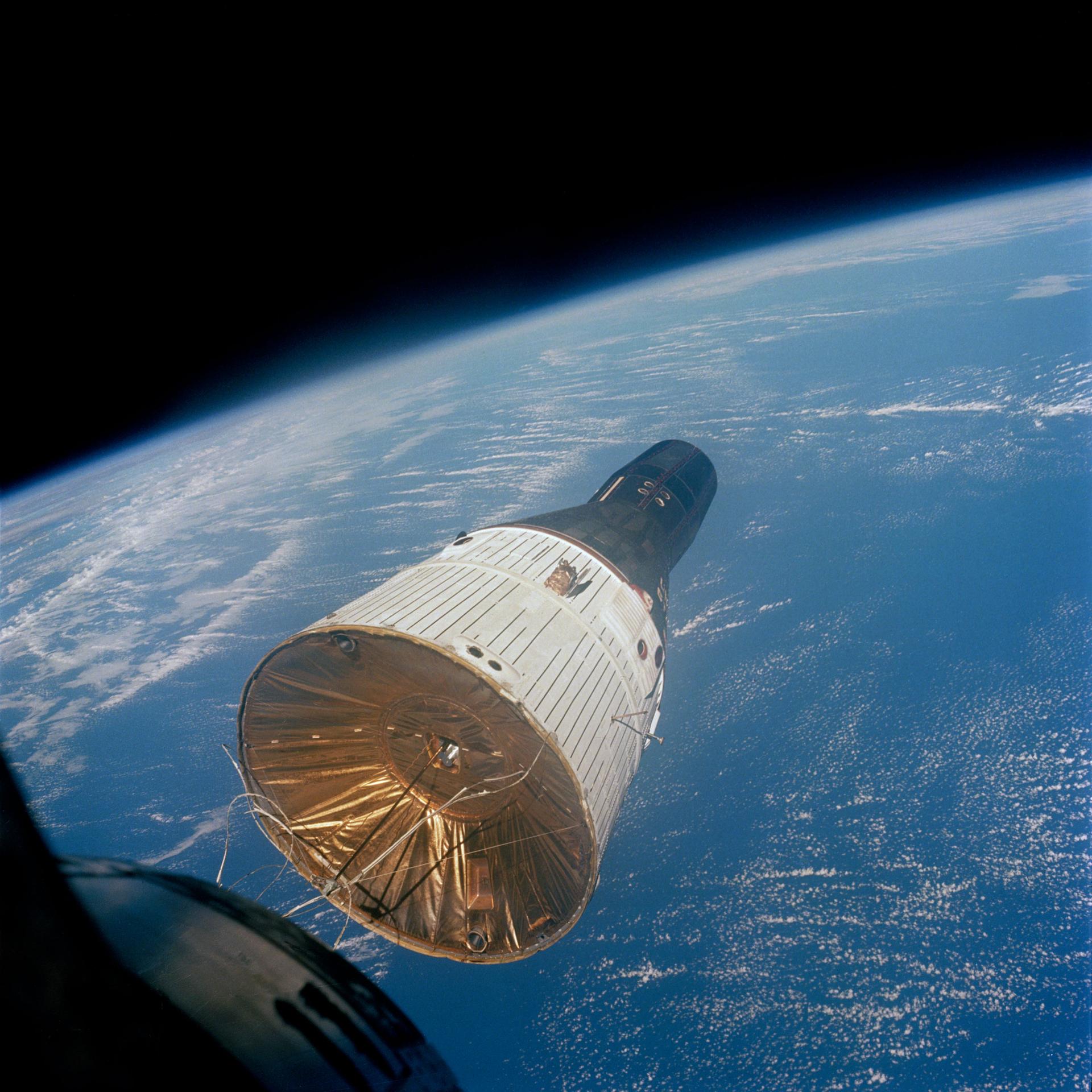
 Gemini 7 from the hatch of Gemini 6 on December 15, 1965
Project Gemini: A Chronology
The initiation of the program was timed to take advantage of the knowledge gained in the first series of manned space flights - Project Mercury.
+ Read More
 
 Astronaut John Young
From Gemini to Shuttle: John Young Retires
After four decades, half a dozen space flights, a moonwalk and the first Shuttle mission, veteran astronaut John Young is hanging up his flight suit.
+ Read More
 
  RELATED MULTIMEDIA 
 
 Ambassador Exploration Award
Ambassador of Exploration Award
The award recognizes the sacrifices and dedication of the Apollo, Gemini and Mercury astronauts.
+ Read More
 
 Gemini patch
JSC Digital Image Collection
Browse the collection.
+ View site
 
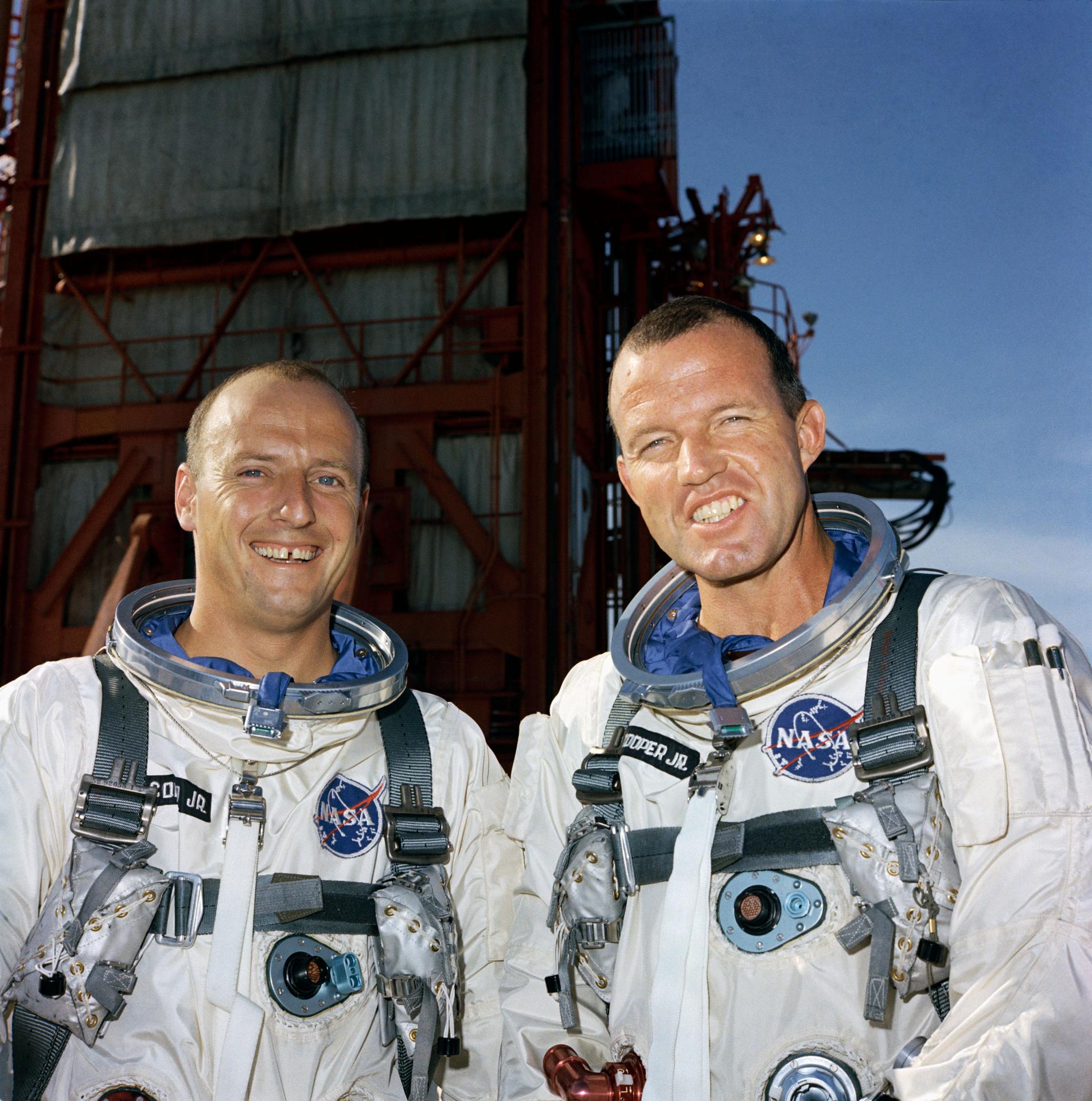
 Gemini-Titan 4 (GT-4) Prime flight crew, Ed White and Jim McDivitt, at Pad 19.
Great Images in NASA
View the collection's images of the U.S. space program.
+ View site


  WORLD BOOK AT NASA 
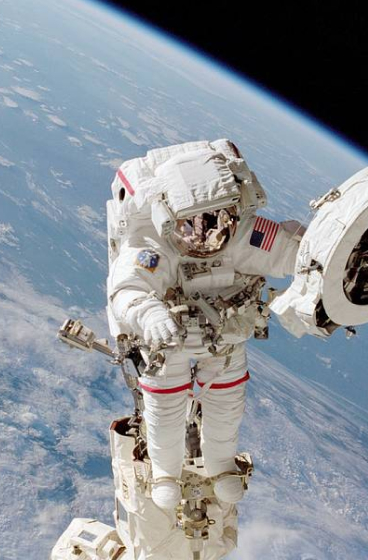
 STS-114 astronaut Soichi Noguchi
Space Exploration
Our human response to curiosity about Earth, the moon, the planets, the sun and other stars, and the galaxies.
+ Read More


  RELATED SITES 
 
 
+ Project Gemini Drawings and Technical Diagrams


+ NASA Missions Event Archive

+ Defining Events in NASA History, 1958-2003

+ Aerospace Scholars: Mercury, Gemini, and Apollo Programs


+ Back to Top


+ Freedom of Information Act
+ Budgets, Strategic Plans and Accountability Reports
+ The President's Management Agenda
+ Privacy Policy and Important Notices
+ Inspector General Hotline
+ Equal Employment Opportunity Data Posted Pursuant to the No Fear Act
+ Information-Dissemination Priorities and Inventories
+ USA.gov
+ ExpectMore.gov
NASA
Editor: Yvette Smith
NASA Official: Brian Dunbar
Last Updated: April 24, 2007
+ Contact NASA
+ SiteMap