



















Gemini IX
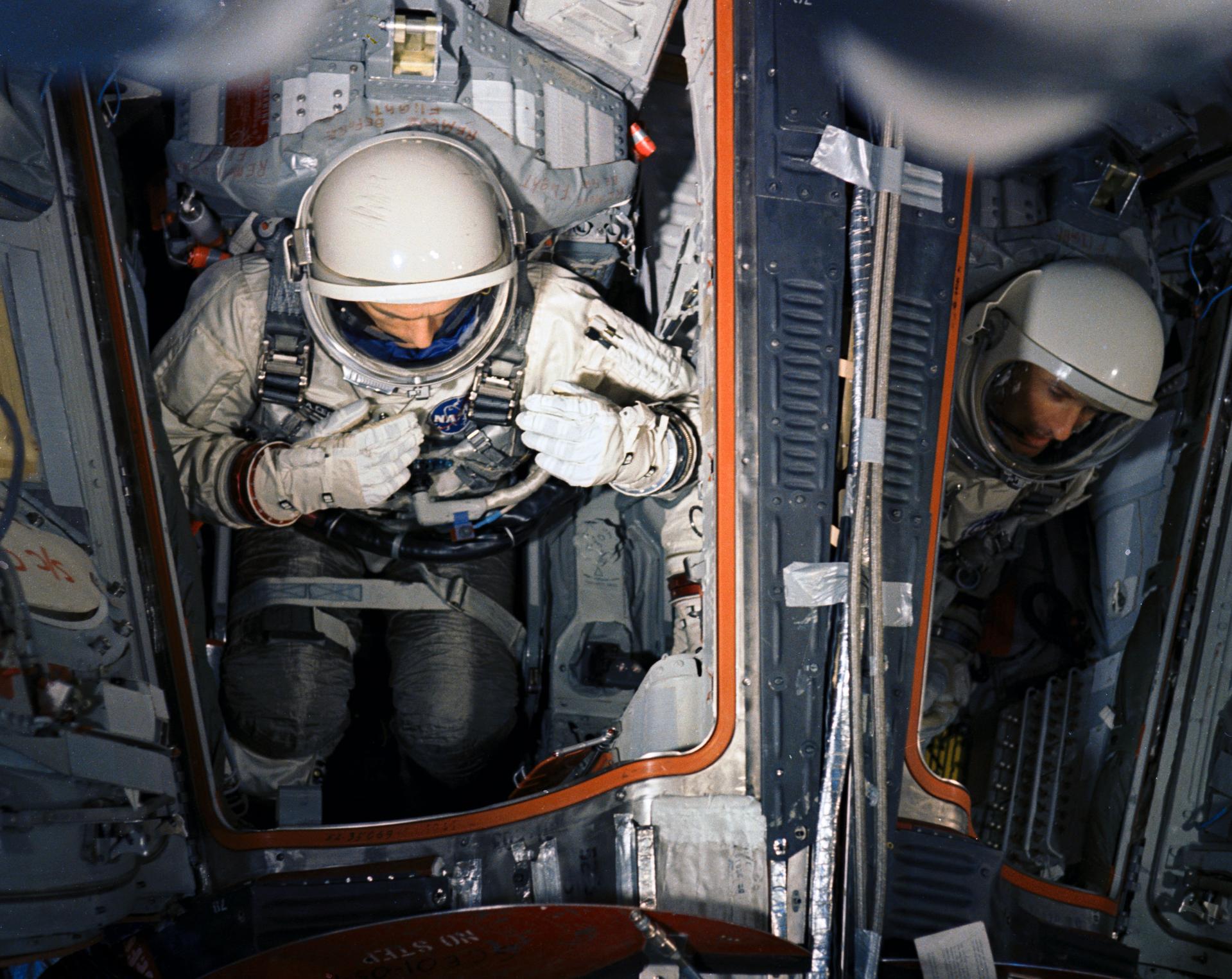
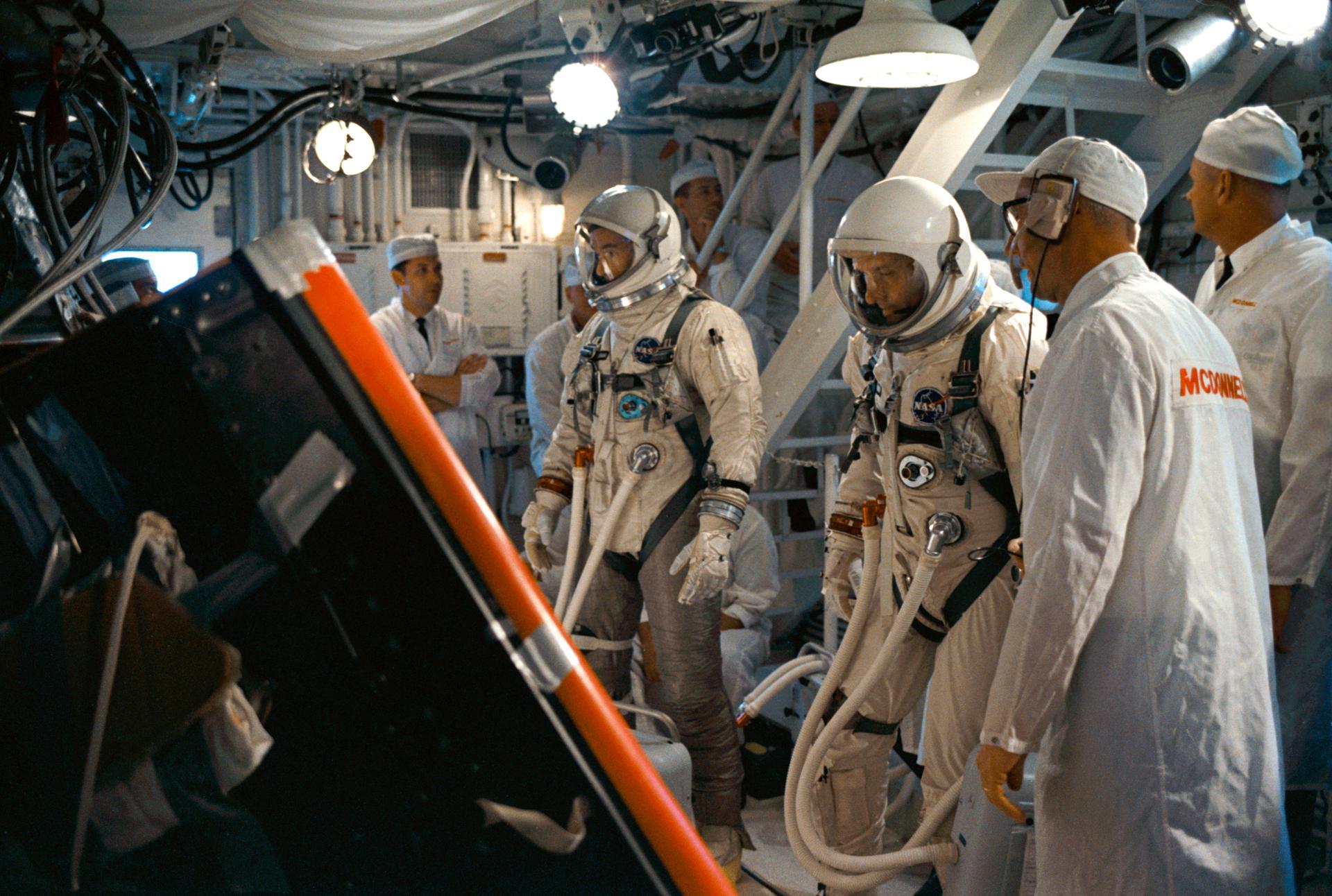
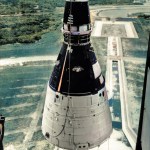
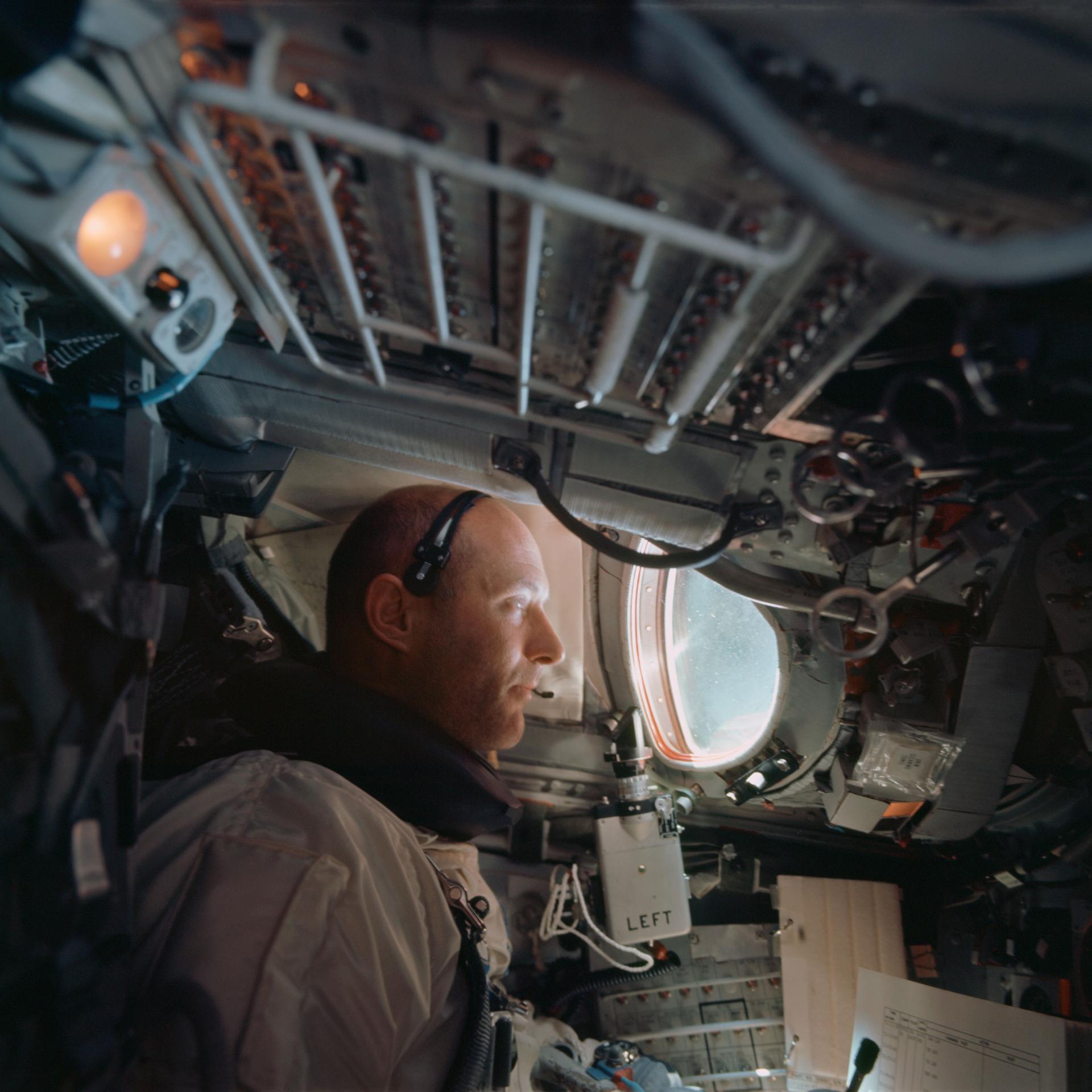
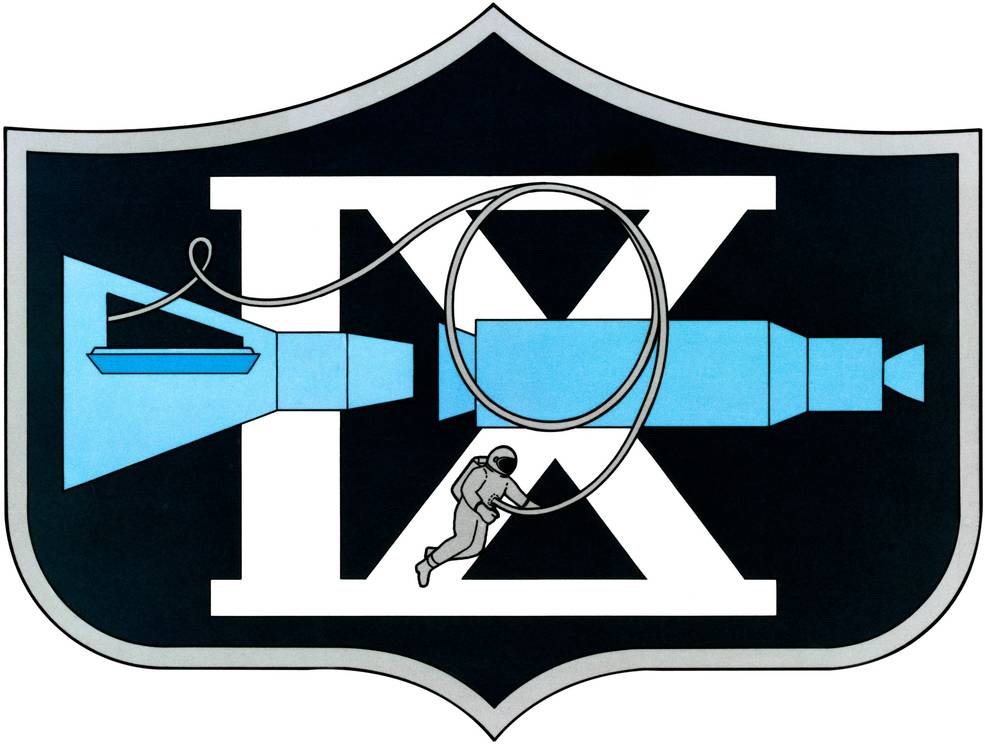
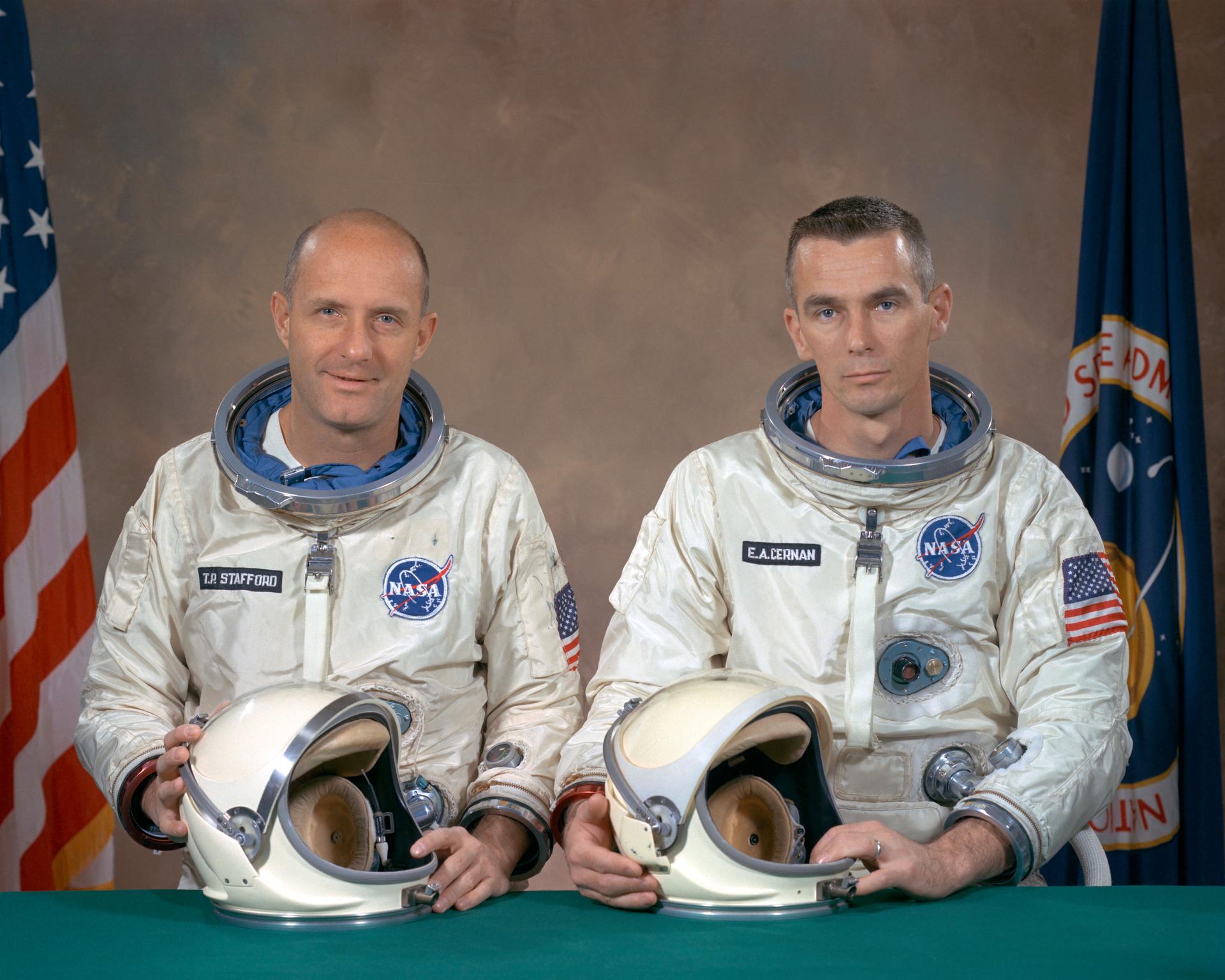
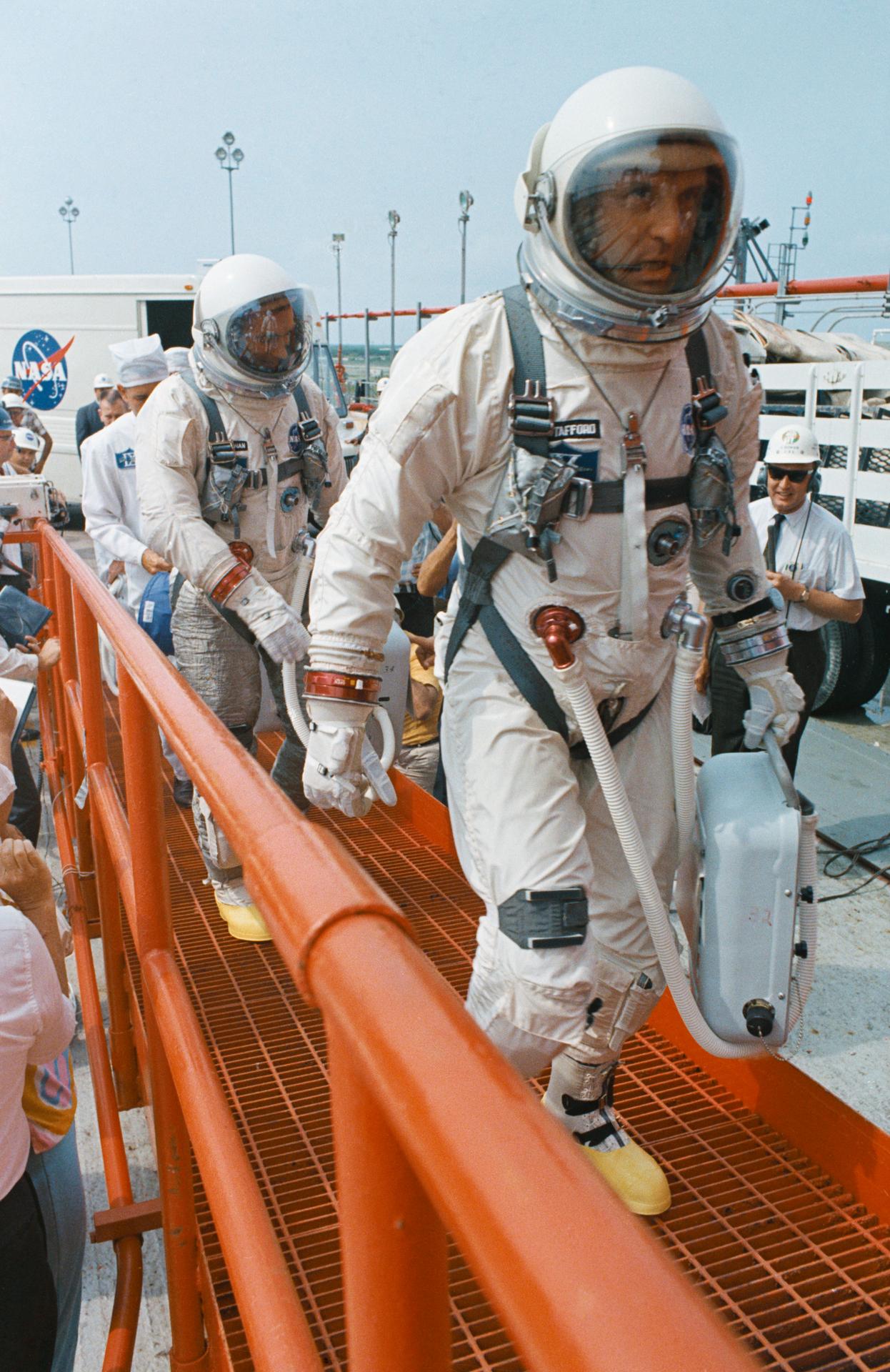
The mission, originally designated Gemini IX, was renamed Gemini IX-A after the original May 17, 1966, launch date was scrubbed. On June 3, Thomas P. Stafford and Eugene A. Cernan launched into orbit for the seventh crewed flight of the Gemini program.
Mission Type
mission duration
Launch
Landing
Objectives
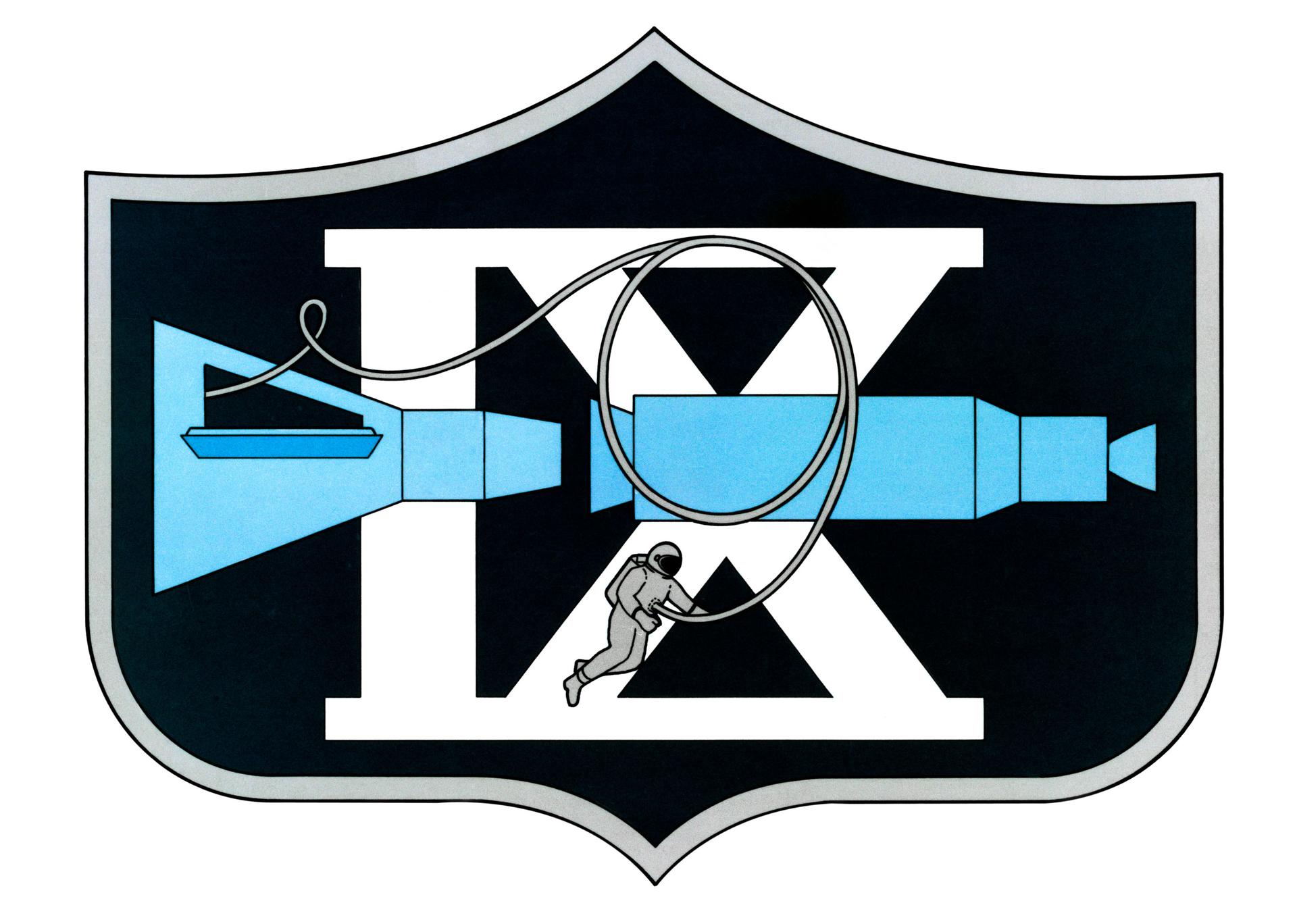
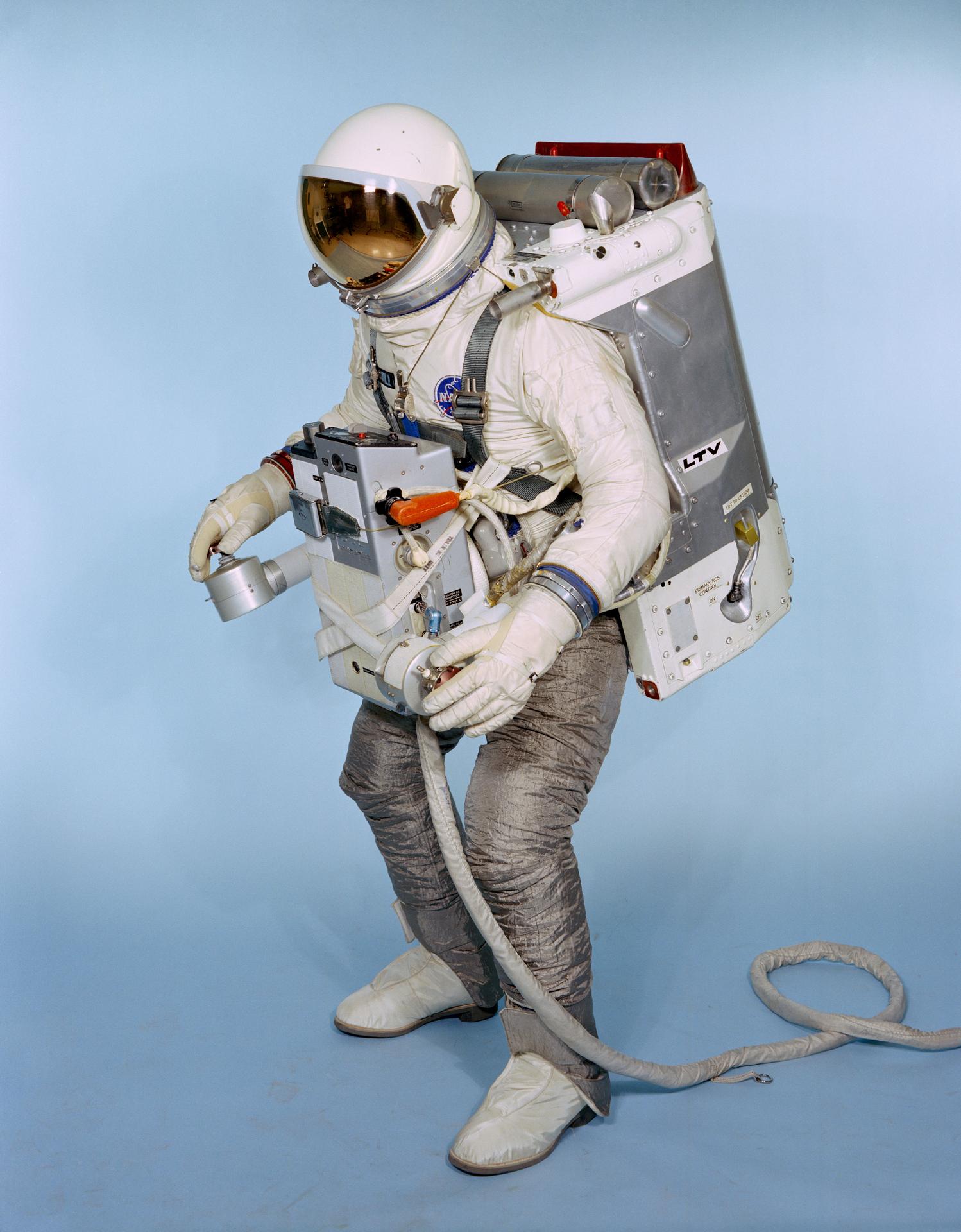
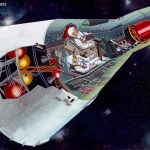
Gemini IX-A was the seventh crewed Earth-orbiting spacecraft of the Gemini series, flown by astronauts Thomas P. Stafford and Eugene A. Cernan. Primary mission objectives were to demonstrate (1) rendezvous techniques and docking with a target vehicle to simulate maneuvers to be carried out on future Apollo missions, (2) an extravehicular activity (EVA) to test the Astronaut Maneuvering Unit (AMU), and (3) precision landing capability. Scientific objectives included obtaining zodiacal light and airglow horizon photographs. Two micrometeorite studies were to be carried out, and there were also one medical and two technological experiments.
Gemini IX Crew Found ‘Angry Alligator’ in Earth Orbit
NASA’s Gemini IX mission was another step in developing technology for future spaceflights from Apollo to the agency’s Journey to…
Read the Story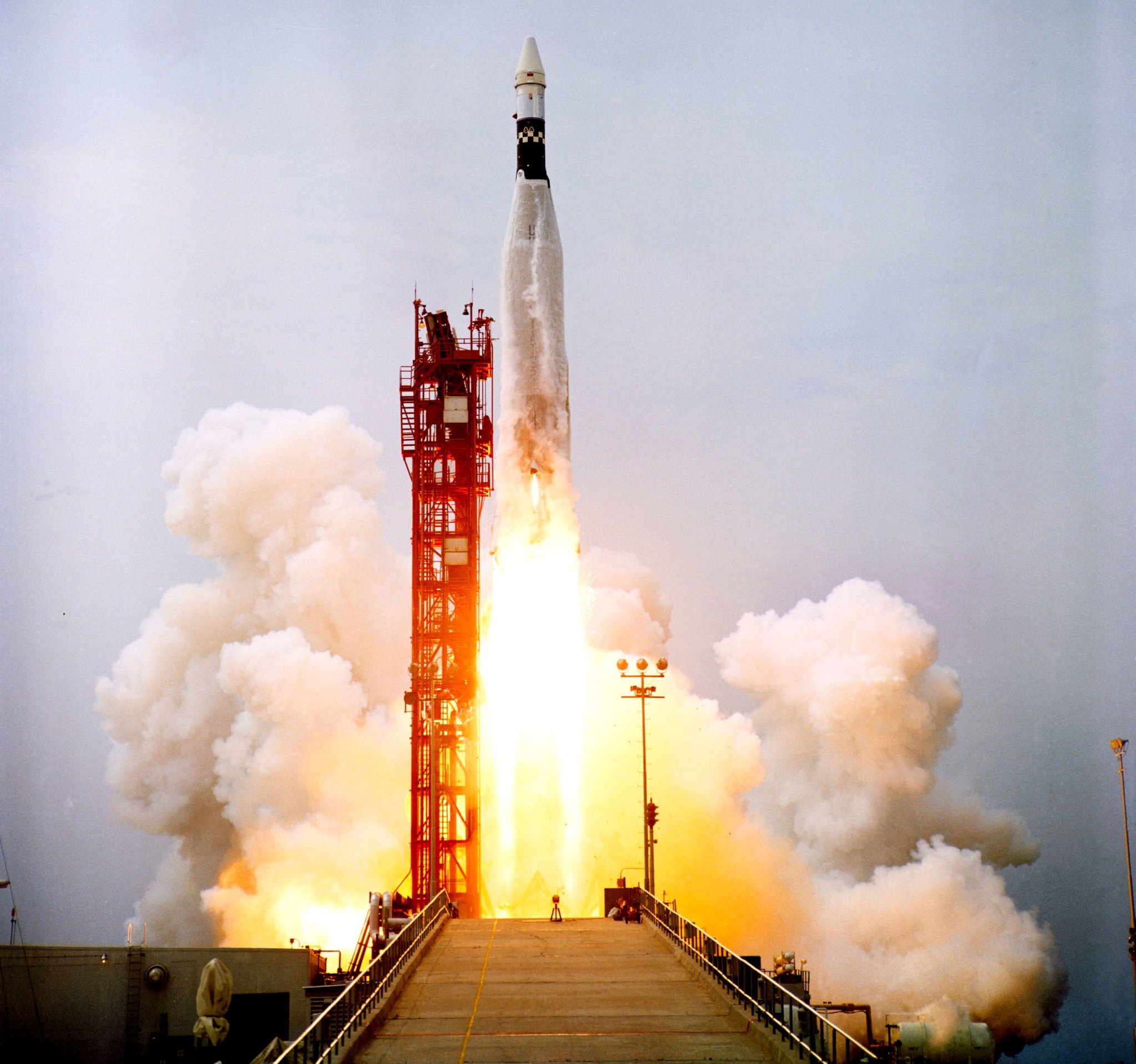
Milestones
Feb. 28, 1966: A tragic plane accident kills Elliot M. See Jr. and Charles A. Bassett, the Gemini IX prime crew.
May 17, 1966: Originally scheduled date for launch. Mission postponed when the Agena Target Vehicle failed to achieve orbit.
Jun. 3, 1966: Gemini IX-A launch and rendezvous with the Agena Target Vehicle.
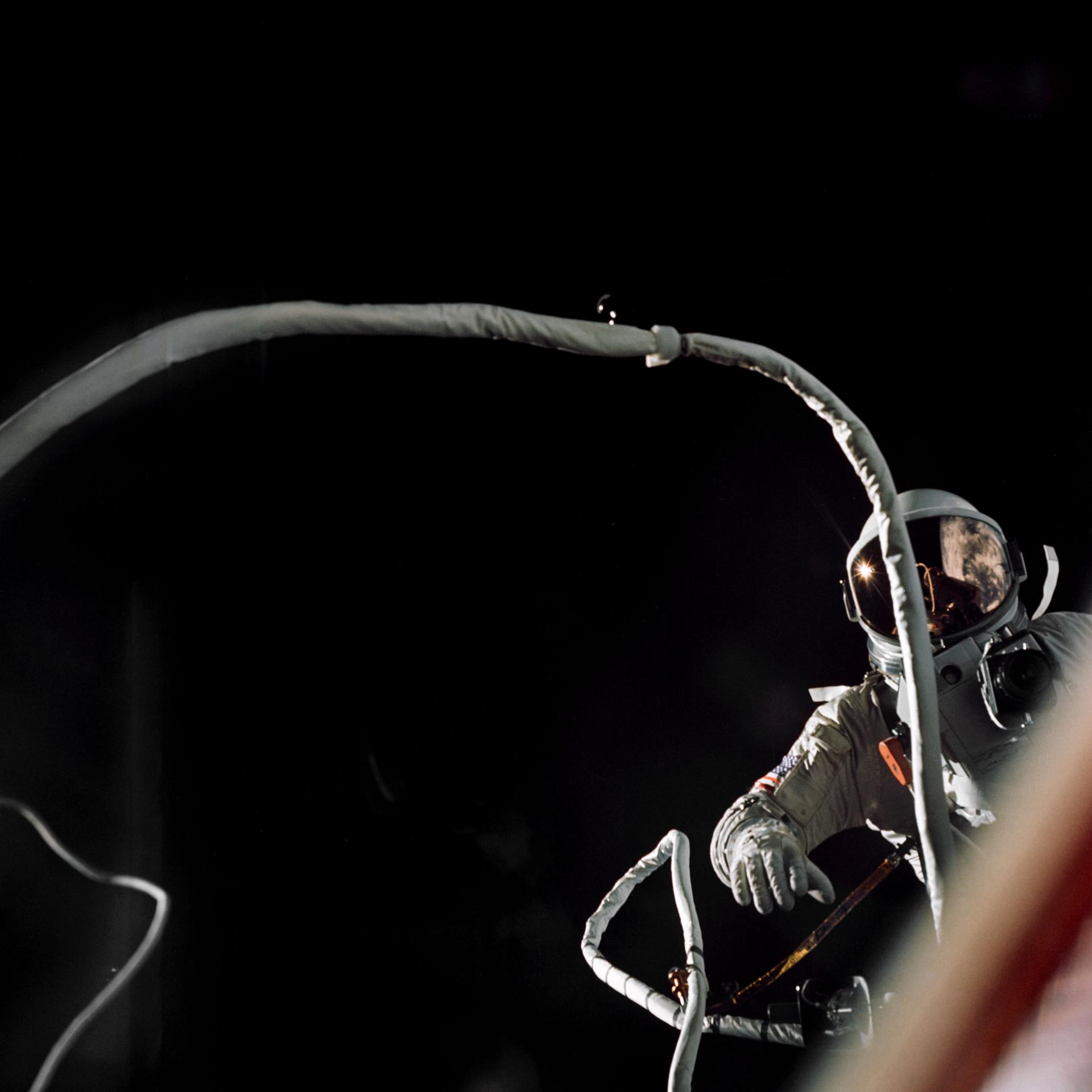
Jun. 5, 1966: Eugene Cernan performs a 2 hour, 7 minute spacewalk (third spacewalk in history).
Jun. 6, 1966: Splashdown in the western Atlantic.
Thomas P. Stafford
Command Pilot
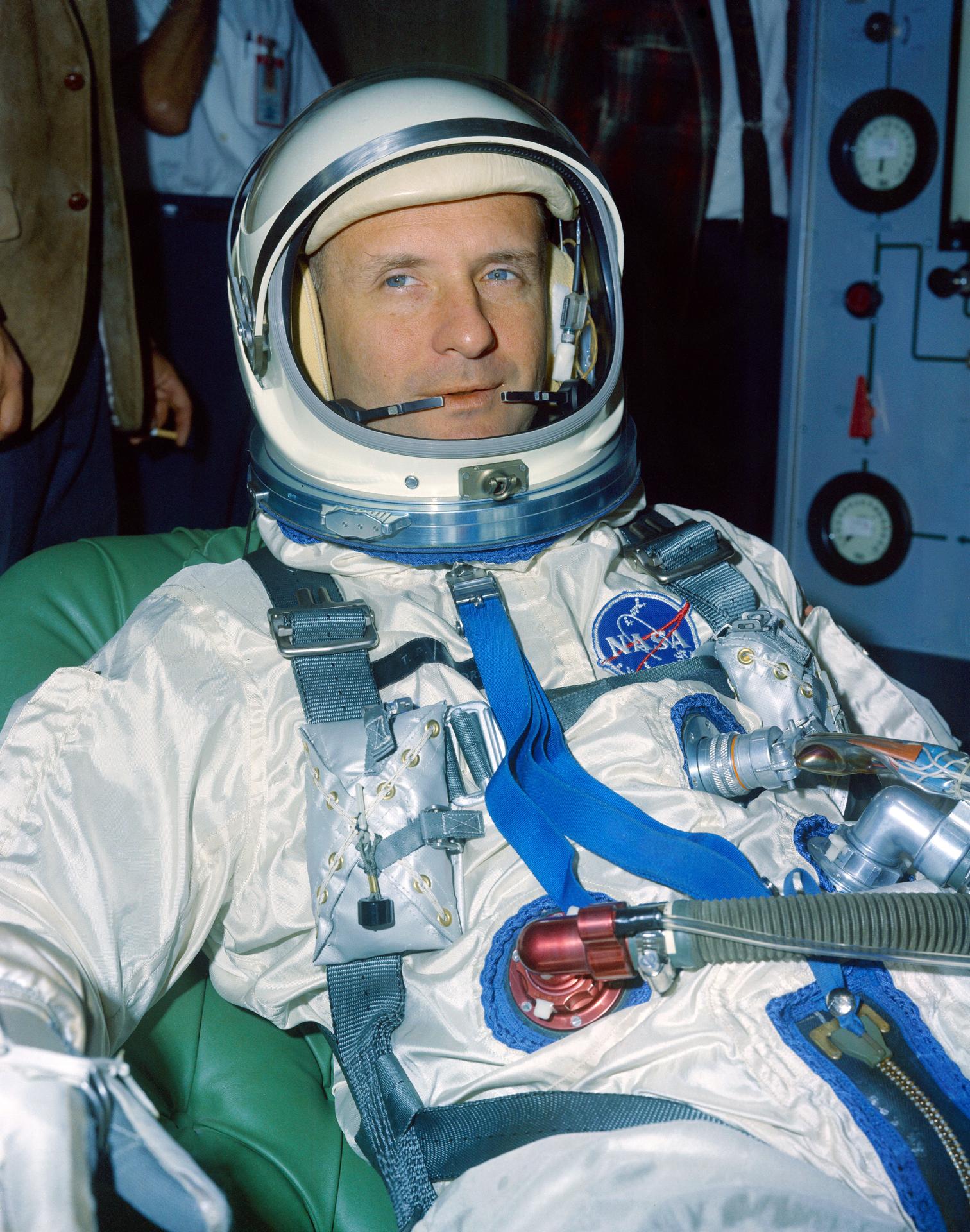
In September 1962, Thomas P. Stafford was selected as an astronaut in NASA’s second astronaut group. Gemini VI-A was his first of four spaceflights, resulting in a total of 507 hours and 43 minutes in space.
Eugene A. Cernan
Pilot
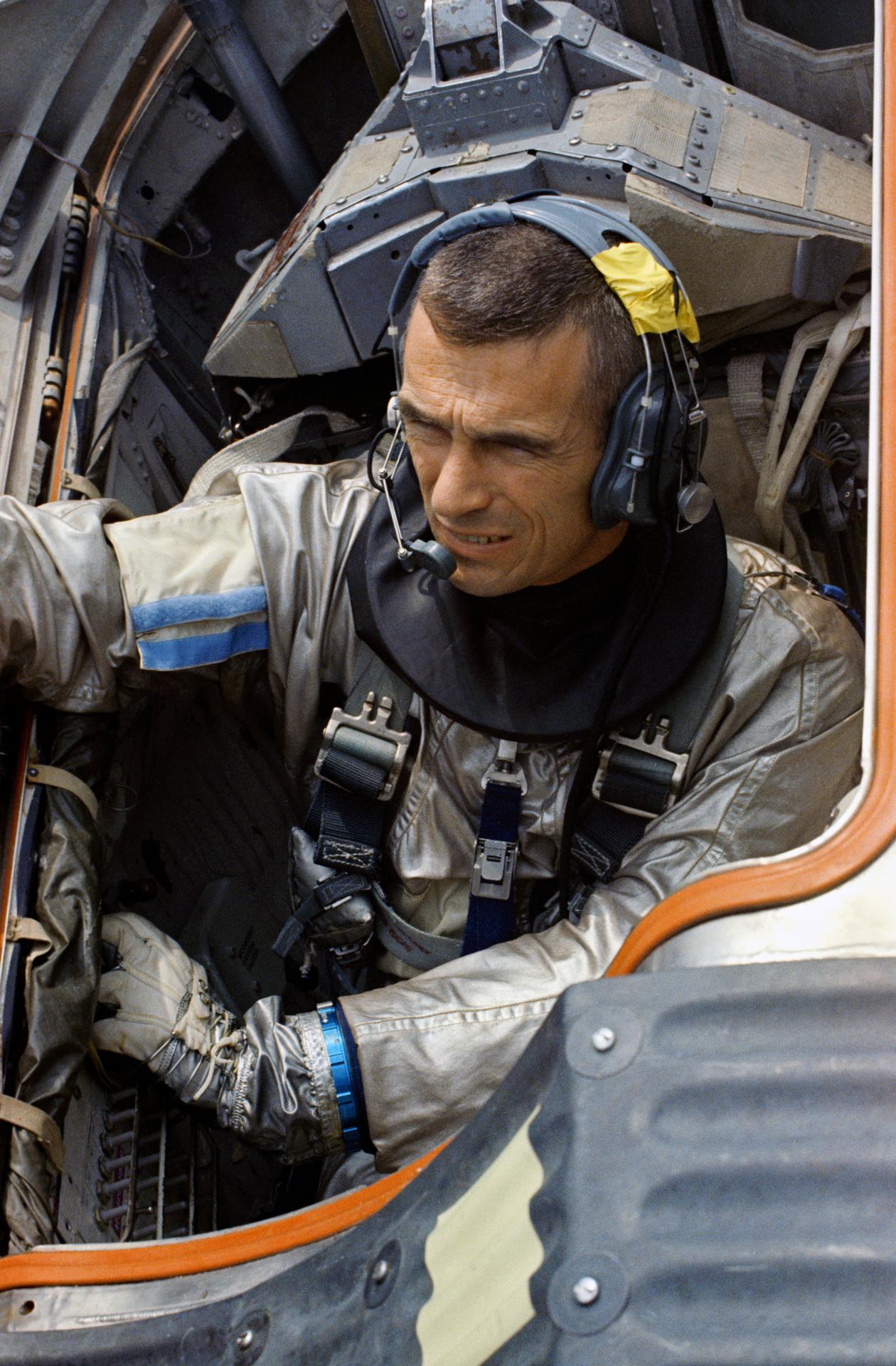
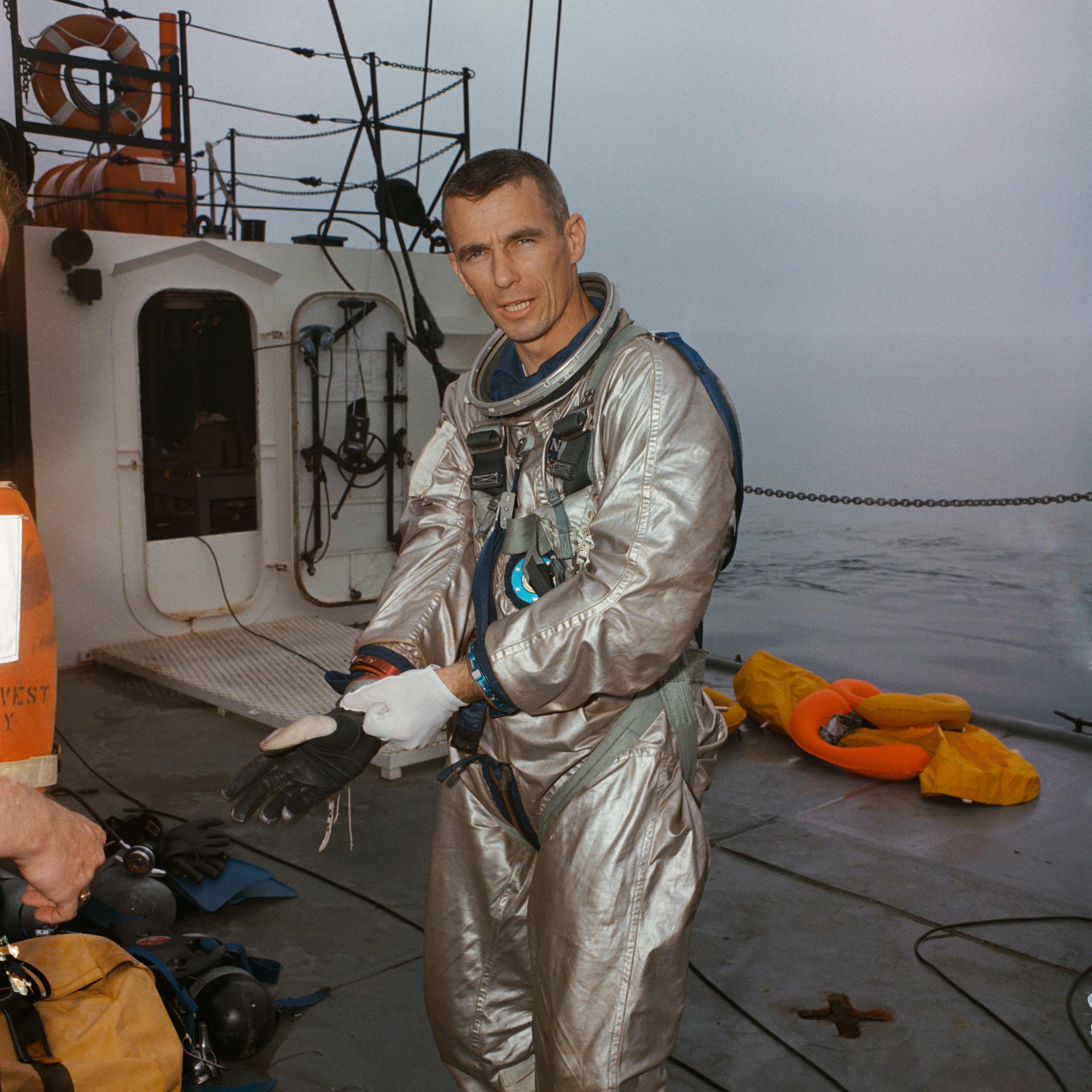
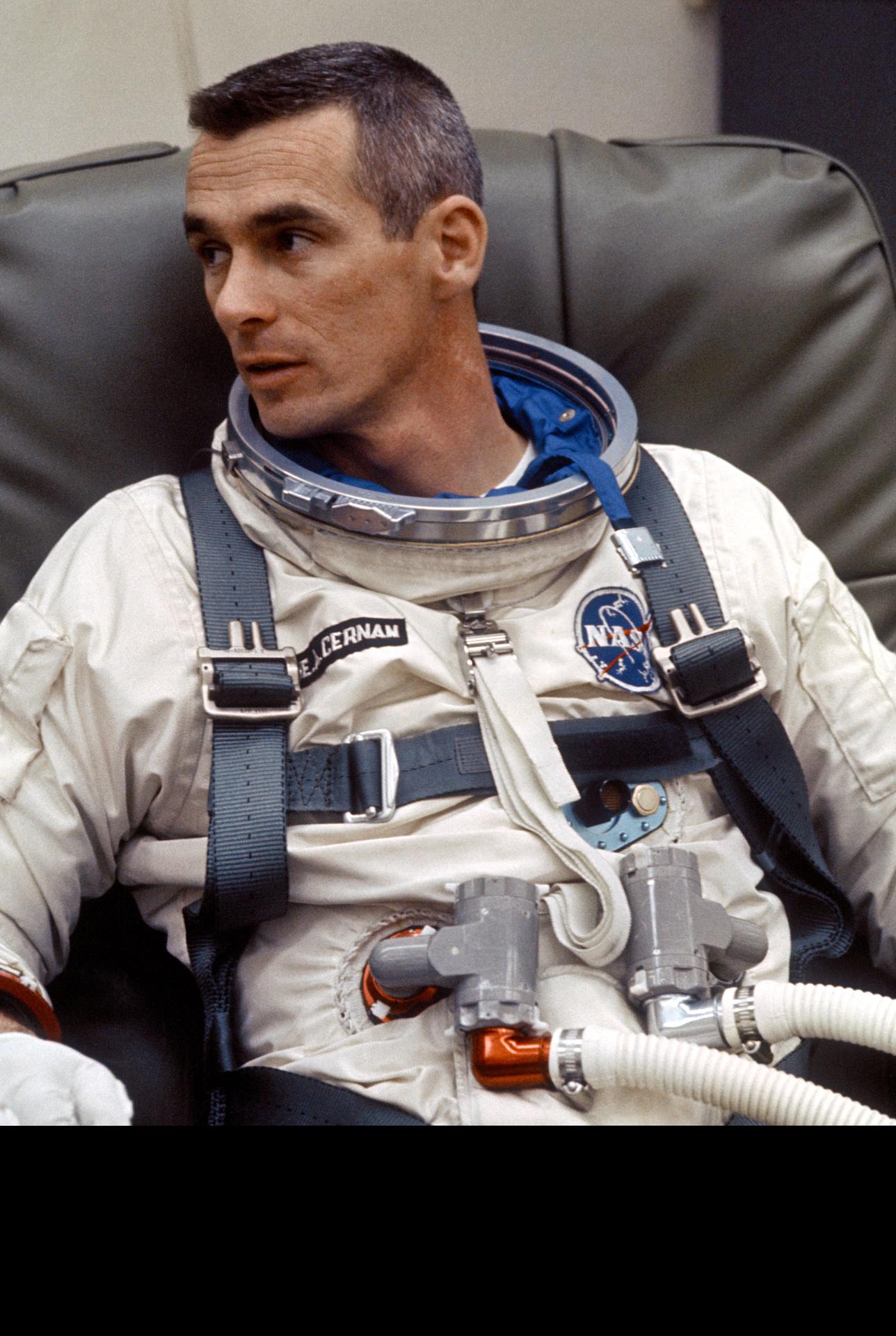
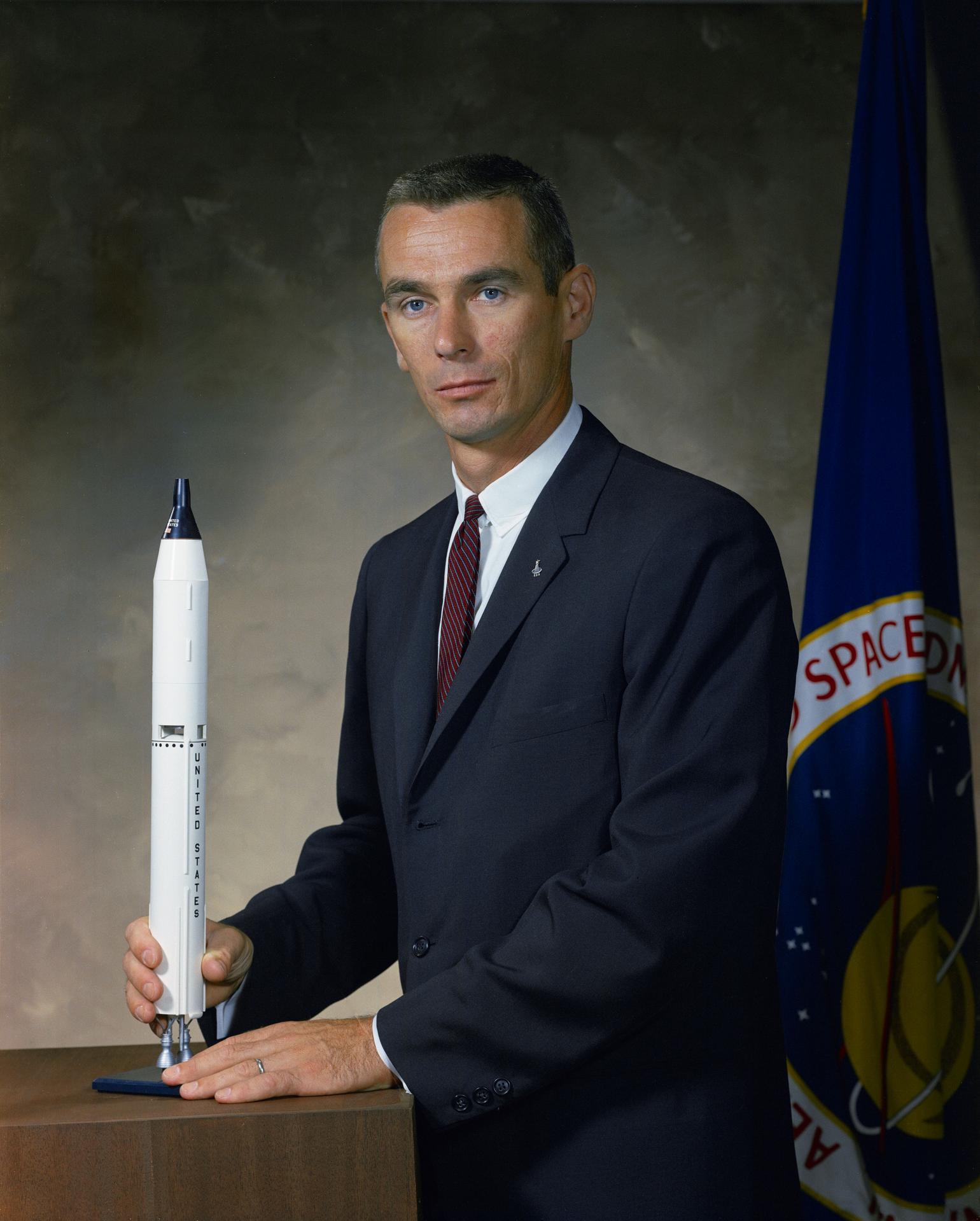
The Gemini IX mission was astronaut Eugene A. Cernan’s first flight to space. He also flew to the Moon twice, once for Apollo 10, the second as commander of the Apollo 17 mission. He was the final man to walk on the Moon as part of the Apollo program.
Mission Facts
Original Prime Crew: Elliot M. See Jr. (Command Pilot) and Charles A. Bassett II (Pilot)—killed in a plane accident on Feb. 28, 1966.
Original Backup Crew and New Prime Crew: Thomas P. Stafford (Command Pilot) and Eugene A. Cernan (Pilot)—promoted to the prime crew after the deaths of See and Bassett
New Backup Crew: James A. Lovell Jr. and Edwin E. “Buzz” Aldrin Jr.
Payload: Gemini 9
Mass at launch: 3,750 kg
Launch Date: Jun. 3, 1966, 8:39:33 a.m. EST (13:39:33 UT)
Launch Site: Complex 19, Cape Canaveral, United States
Launch Vehicle: Titan II
Revolutions Completed: 45
Duration: 72 hours, 20 minutes, 50 seconds (3 days, 20 minutes, 50 seconds)
Landing Date: Jun. 6, 1966, 9:00:23 a.m. EST (14:00:23 UT)
Landing Site: Western Atlantic Ocean, 27.87° N 75.00° W
Recovery Ship: U.S.S. Wasp
Mission Overview
The mission was originally scheduled for launch (as Gemini IX) on May 17, 1966, but was postponed when the Gemini Agena Target Vehicle failed to achieve orbit due to a booster failure earlier that day. The replacement Augmented Target Docking Adapter (ATDA) was launched successfully into Earth orbit on Jun. 1, 1966, but telemetry indicated that the shroud had failed to jettison properly. Gemini IX-A was to launch shortly thereafter but ground equipment failure resulted in a postponement until Jun. 3.
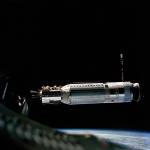
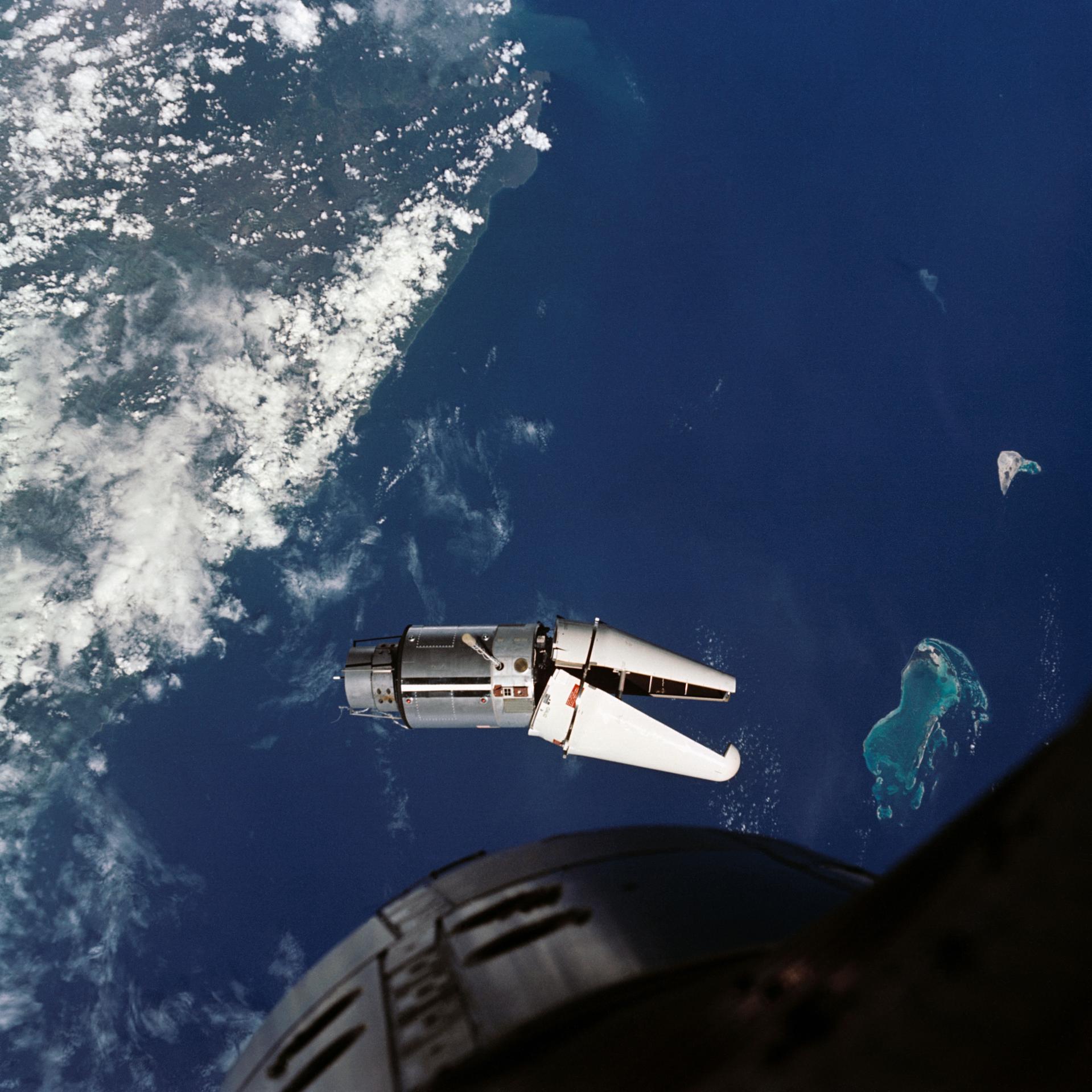
Gemini IX-A was launched from Complex 19 on Jun. 3 at 8:39:33 a.m. EST (13:39:33 UT) and inserted into a 158.8 x 266.9 km orbit. After three orbital maneuvers, rendezvous within 8 meters of the ATDA was achieved on the third revolution. It was confirmed that the launch shroud on the ATDA had failed to deploy and was blocking the docking port. The flight plan was then revised to include two equiperiod passive re-rendezvous maneuvers in place of the docking. The first, using optical techniques without on-board radar, was completed at 3:15 p.m. EST, and the second, a rendezvous from above simulating rendezvous of an Apollo command module with a lunar module after abort from the Moon, was completed at 6:21 a.m. EST on Jun. 4 and final departure from the ATDA took place at 7:38 a.m. The scheduled EVA was postponed due to crew fatigue, and the second day was devoted to experiments.
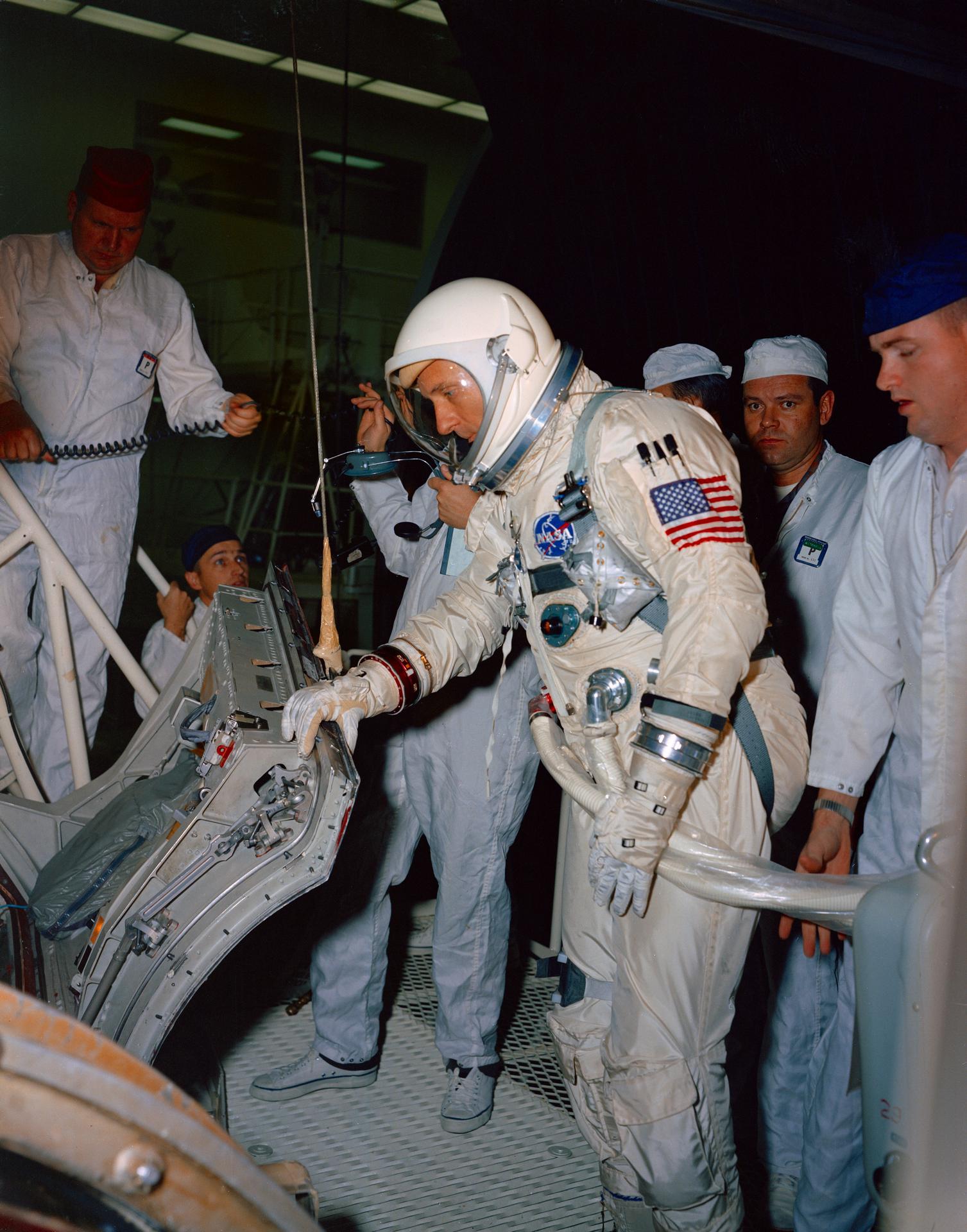
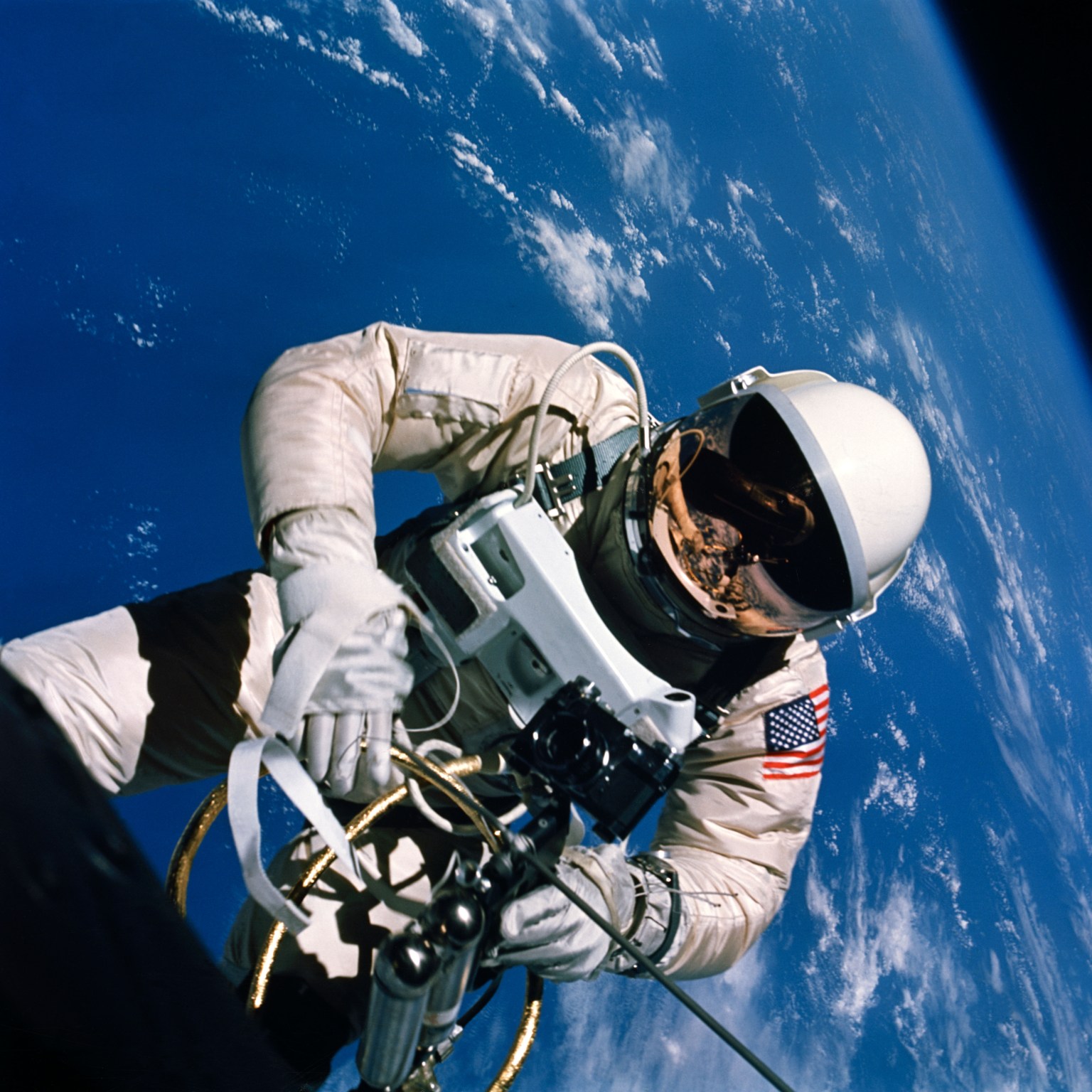
On Jun. 5 at 10:02 a.m. EST the Gemini capsule was depressurized and the hatch above Cernan opened. Cernan was out of the spacecraft at 10:19, attached by an 8-meter-long tether which was connected to Gemini’s oxygen supply. He had no gas maneuvering unit as was used on Gemini IV. He retrieved the micrometeorite impact detector attached to the side of the capsule and then moved about the spacecraft. He had great difficulty maneuvering and maintaining orientation on the long tether. He took photographs of Gemini from the full length of the tether and finally moved to the back of the capsule where the Astronaut Maneuvering Unit (AMU) was mounted. He was scheduled to don the AMU, disconnect from the Gemini oxygen supply (although he would still be attached to the spacecraft with a longer, thinner tether) and move to 45 meters from the capsule. The task of donning the AMU took “four to five times more work than anticipated,” overwhelming Cernan’s environmental control system and causing his faceplate to fog up, limiting his visibility. It was also discovered that the AMU radio transmissions were garbled. These problems caused Stafford to recall Cernan to the spacecraft. He reentered the spacecraft at 12:05 p.m. and the hatch was closed at 12:10. Cernan was the third person to walk in space and his total time of 2 hours, 8 minutes was the longest spacewalk yet.
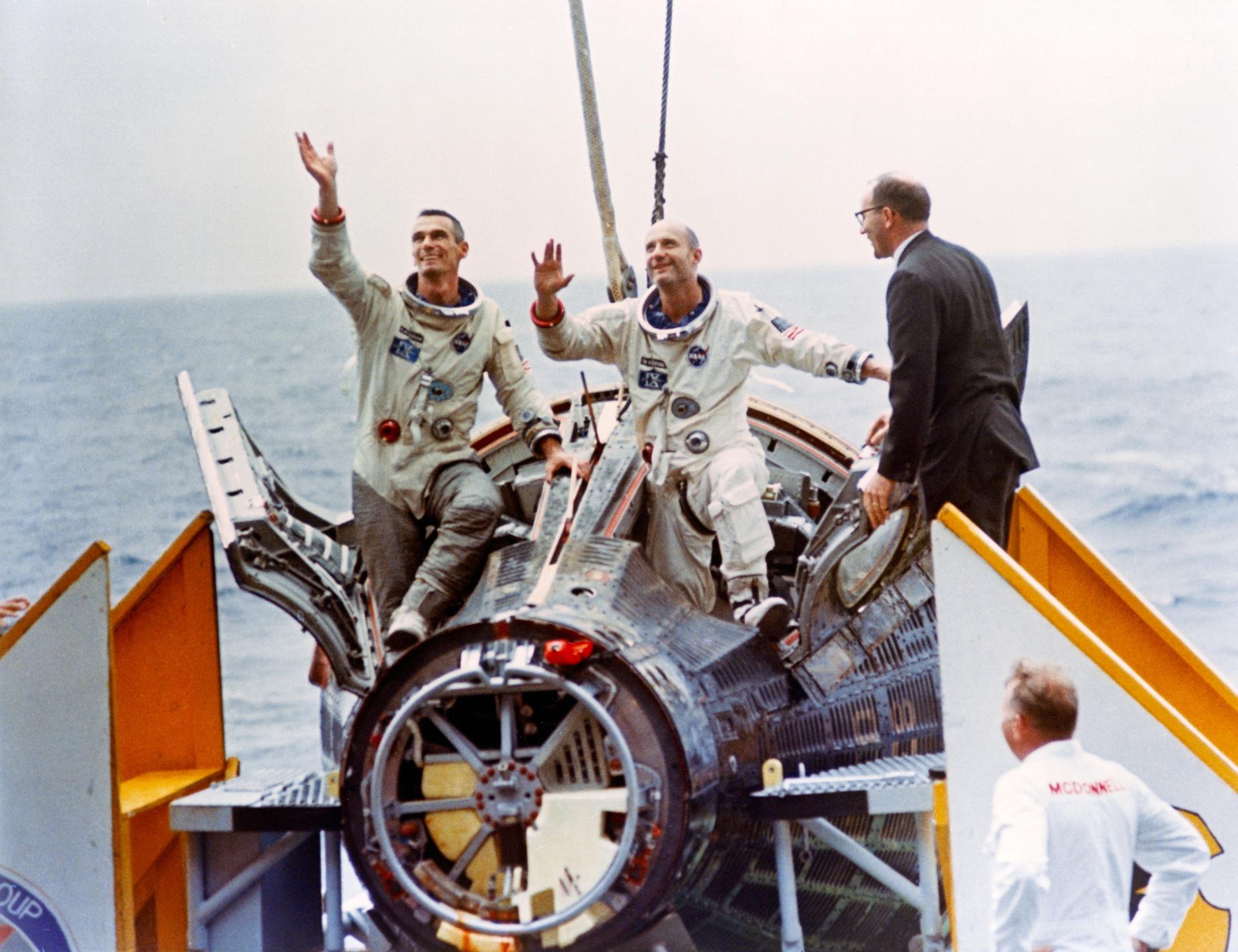
Retrofire occurred at the end of the 45th revolution on Jun. 6 at 8:26:17 a.m. EST. Splashdown was at 9:00:23 in the western Atlantic at 27.87° N, 75.00° W, 550 km east of Cape Kennedy and 0.7 km from the target point. The astronauts stayed inside the spacecraft and were brought aboard the recovery ship U.S.S. Wasp at 9:53 a.m. Total mission elapsed time was 72:20:50. Of the primary objectives, three rendezvous techniques were demonstrated, although docking could not be achieved due to the failure of the augmented target-docking shroud to jettision. Testing of the AMU was not completed. The Agena micrometeorite experiment hardware was lost when the Agena target vehicle failed to achieve orbit. Other experiments functioned normally.
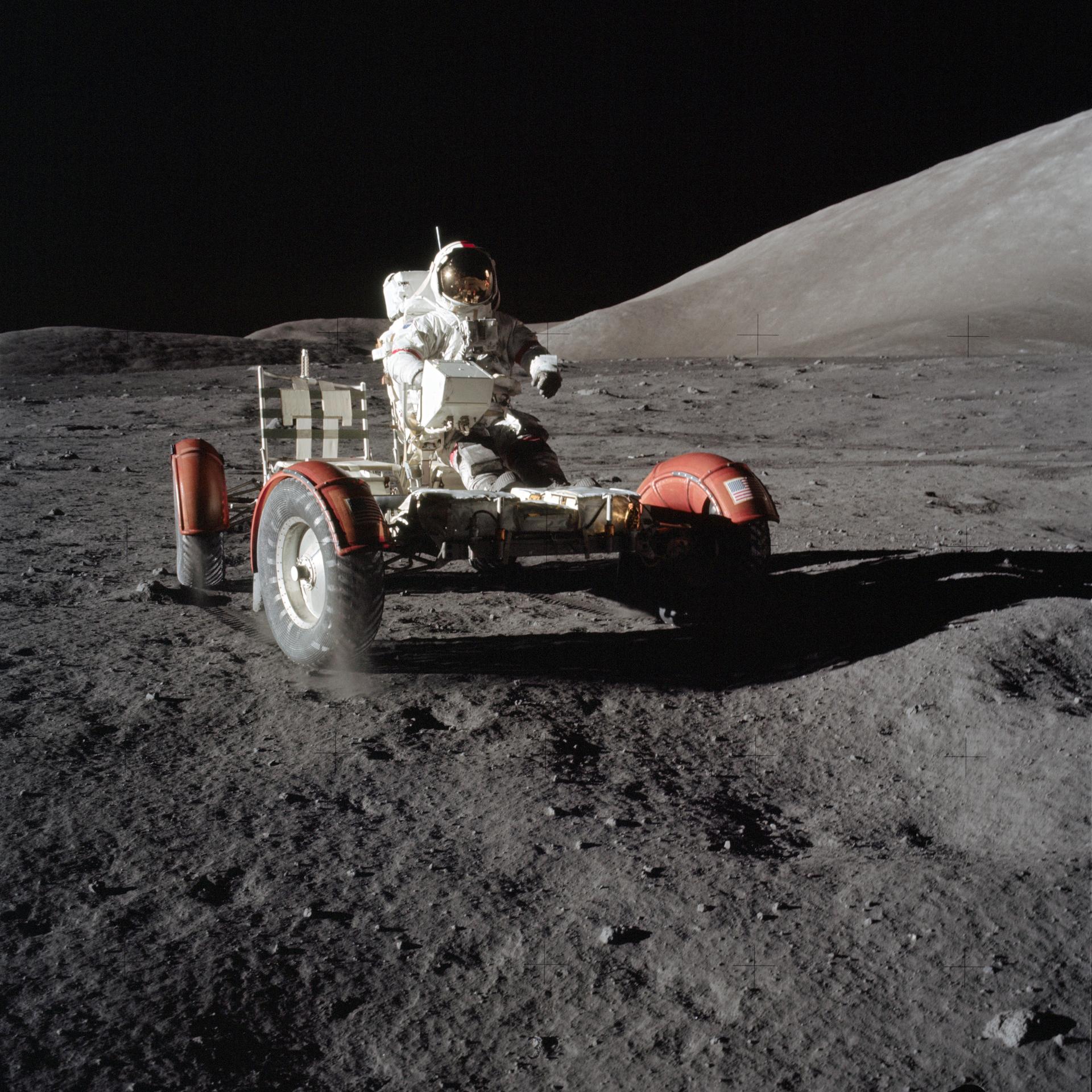
Eugene Cernan, the last man to walk on the moon, died Monday, Jan. 16, surrounded by his family. Cernan, a Captain in the U.S. Navy, left his mark on the history of exploration by flying three times in space, twice…
The primary goals of Project Gemini included proving the techniques required for the Apollo Program to fulfill President John F. Kennedy’s goal of landing a man on the Moon and returning him safely to Earth before the end of the…
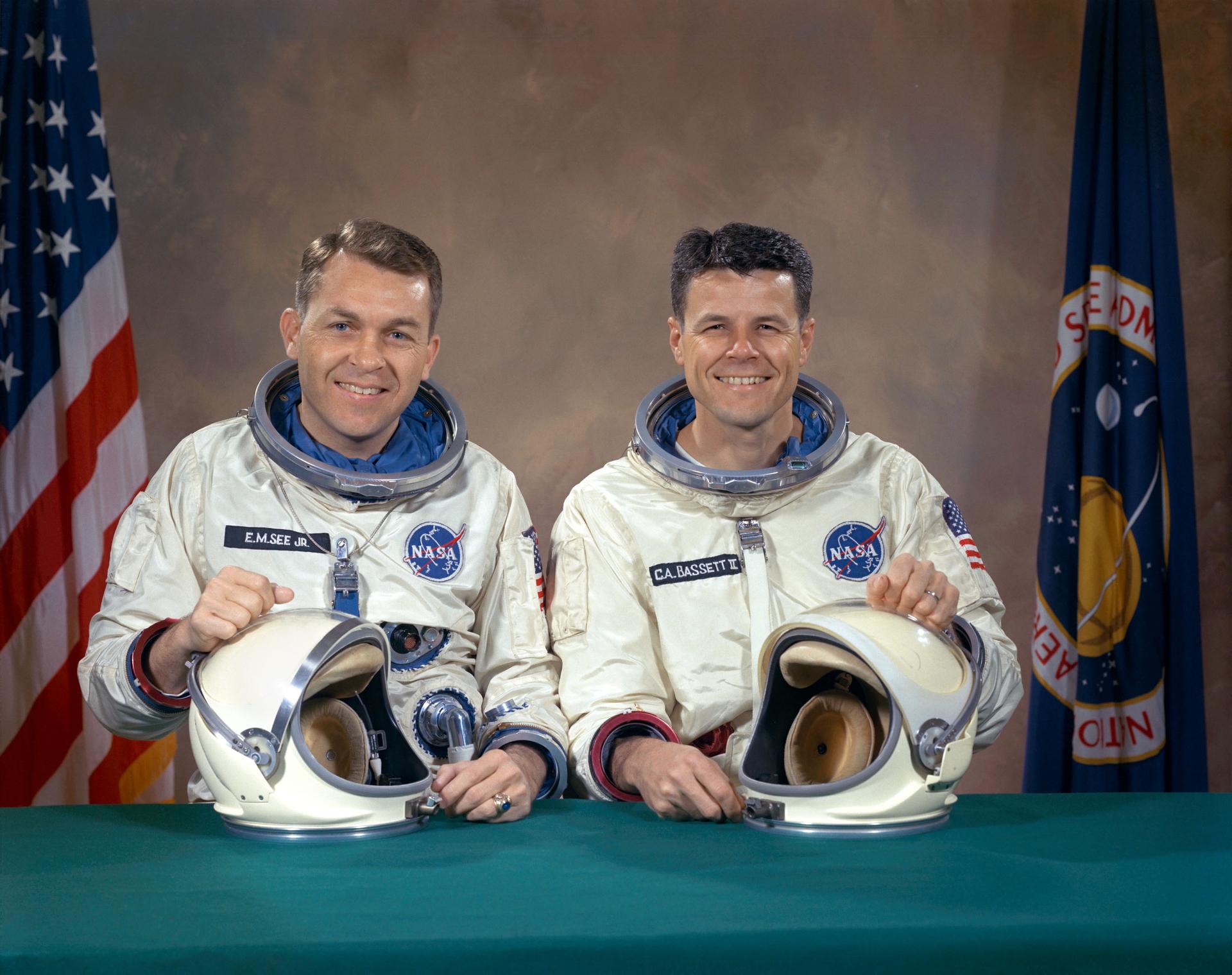
Tragedy struck the NASA community on Feb. 28, 1966. Gemini-IX prime crew members Elliot M. See and Charles A. Bassett were flying a T-38 Talon aircraft from Houston to St. Louis to attend a rendezvous simulation at the McDonnell Aircraft…
NASA’s Gemini IX mission was another step in developing technology for future spaceflights from Apollo to the agency’s Journey to Mars. But this mission included developing alternate plans when faced with the unexpected. Gemini IX provided NASA with crucial experience…