



















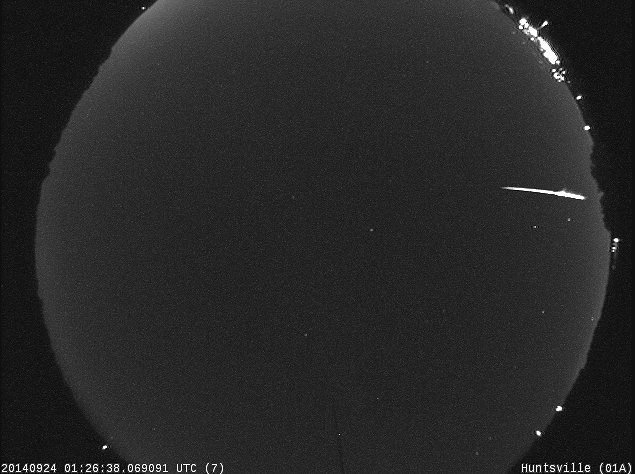
On Tuesday, Sept. 23, a second fireball occurred about 40 minutes after the fireball in Tennessee. The Michigan fireball is close to the edge of the camera because the meteor was at extreme range, over 200 miles away, for the camera. The Michigan fireball was produced by a piece of a comet over 2 feet across, …
Fireball Over Southern Tennessee
At 8:26:38 pm CDT on Tuesday, Sept. 23, a 2 inch piece of an asteroid entered the atmosphere above the town of Lutts in southern Tennessee. Moving almost due west at a speed of 46,300 miles per hour, it traveled some 52 miles before burning up 25 miles above the Tennessee farmland. At its peak, …
Did a Meteorite Cause a Crater in Nicaragua?
At approximately midnight local time on the night of September 6 (September 7, 6 UTC), a loud explosion was heard in an area near Managua, Nicaragua. A crater some 39 feet in diameter was found near 86.2 degrees west longitude, 12.2 degrees north latitude, in good agreement with the reports of explosive sounds. It has …
Viewing Tips to Enjoy the Perseid Show
North America has a pretty good seat for this cosmic event. 1. First, check the visibility map to make sure it’s visible from your location. 2. Then check the weather – if you are expecting clouds, then Mother Nature has just rained on your parade and you won’t be able to see any meteors from outside your …
LIve Chat and Ustream! 2014 Perseid Meteor Shower
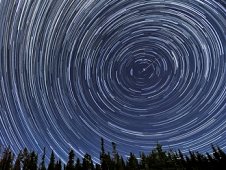
The annual Perseid meteor shower will peak in the skies over Earth on the night of Aug. 12-13. Despite a bright moon, there should still be a good show from this prolific shower. Projected peak rates are 30-40 meteors/hour. Much of the world can see Perseids any time after full dark, with peak viewing projected …
Alabama Fireball of August 2, 2014
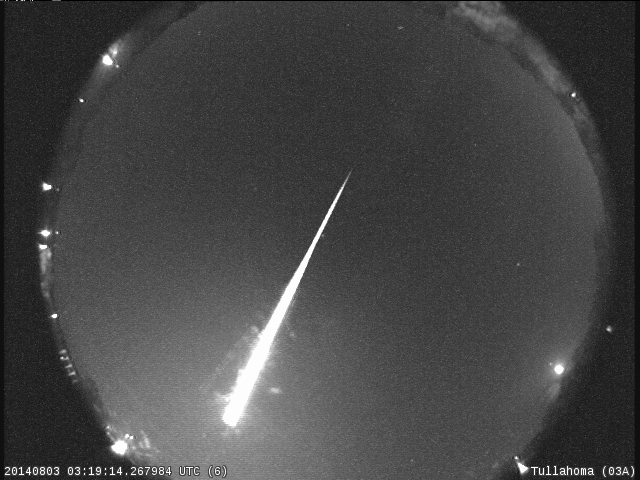
We have completed our analyses and here’s what we know: At 10:19 PM Central Daylight Time on August 2 (Saturday night), NASA meteor cameras detected a very bright fireball at an altitude of 57 miles above Hoodoo Road just east of the town of Beechgrove, TN. The meteoroid, which was about 15 inches in diameter …
NASA All Sky Cameras Find Camelopardalid Meteors
The first-ever Camelopardalid meteor shower peaked in the wee hours of Saturday, May 24, offering stargazers a rare sight — the debut meteor display from the dusty Comet 209P/LINEAR. Below is video footage of a Camelopardalid meteor recorded by our NASA camera at Allegheny Observatory near Pittsburg, PA at 11:22 PM EDT on May 24. …
Getting Ready For Camelopardalids!
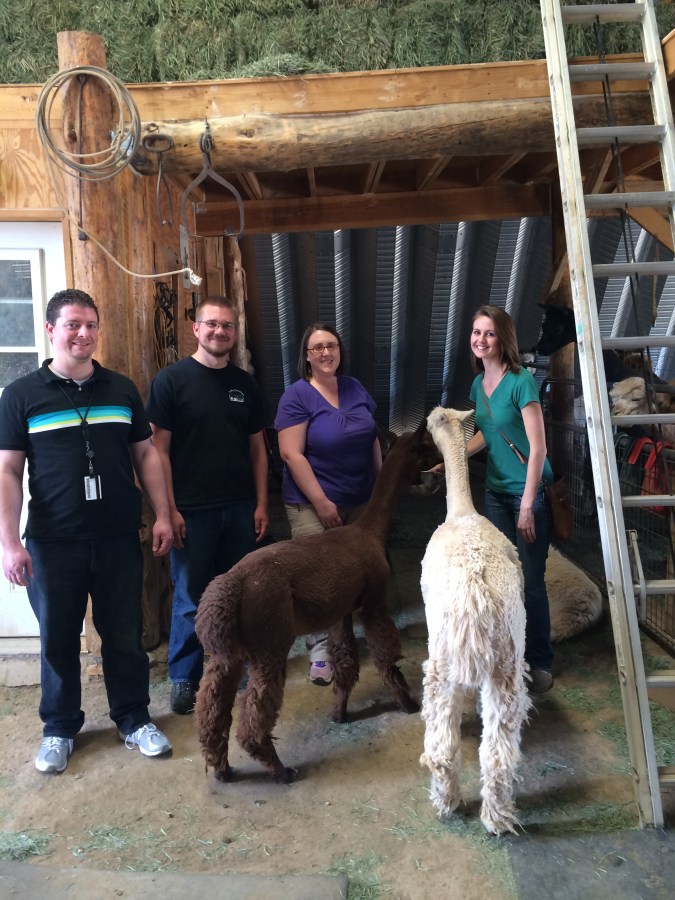
Part of our team of experts is in Kingman, Arizona, getting ready for the highly anticipated May Camelopardalid meteor shower tonight. They sent back some black & white and false color (blue) meteor image composites from two NASA meteor cameras deployed to Arizona for this meteor shower. This first night of observational results comes before the expected …
Frequently Asked Questions About the Camelopardalid Meteor Shower

As the date of the possible new May Camelopardalid meteor shower looms, we wanted to offer some answers to frequently asked questions. We hope this question and answer post will be helpful as you observe the shower. Frequently Asked Questions Q: How do you pronounce the name of this meteor shower? A: Ask a different …
Join Us For the May Camelopardalids!
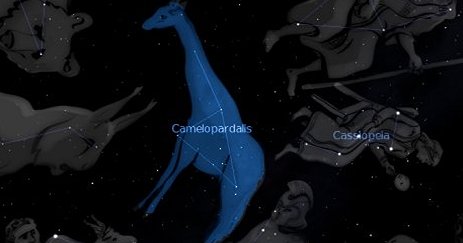
Step outside and take a look at the skies on the evening of May 23 into the early morning of May 24. Scientists are anticipating a new meteor shower, the May Camelopardalids. No one has seen it before, but the shower could put on a show that would rival the prolific Perseid meteor shower in …