
















Suggested Searches

Watch the Skies

  • Comet Lovejoy – January 2015

    LoveJoy

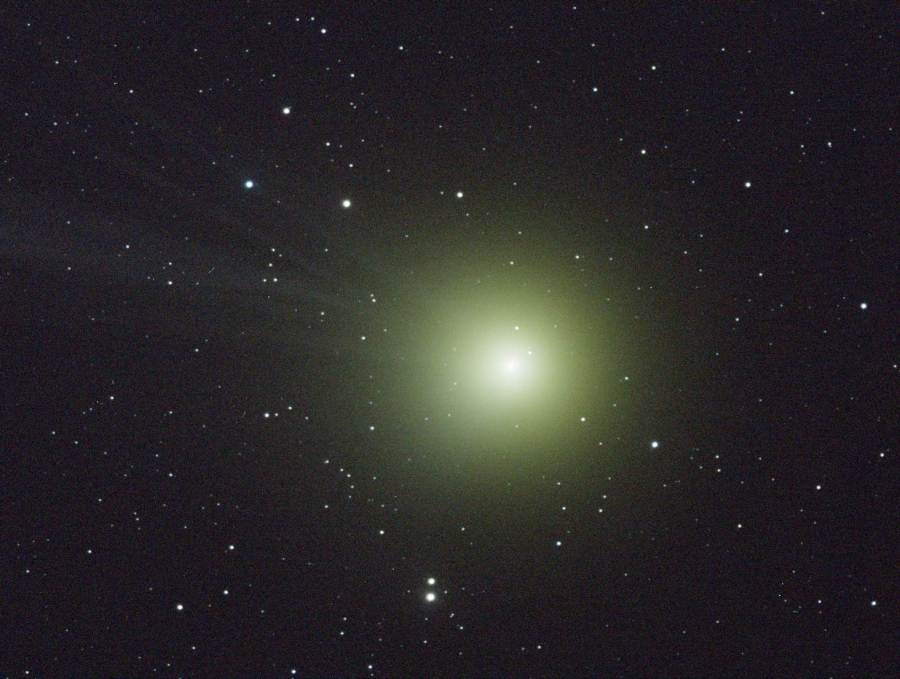
    Image of Comet Lovejoy taken Saturday, January 10, by Dr. Bill Cooke. Image is a 3 minute exposure using the iTelescope T3 refractor. At the time of this image, the comet was some 45 million miles from Earth. Discovered in August of 2014, Comet Lovejoy is currently sweeping north through the constellation Taurus, bright enough …

  • Fireballs West of Nashville, Tennessee also seen in Alabama

    Nashvillefireball_2

    Two fireballs were seen in the night sky on January 5th, both in the Nashville area. Here are details on the first one: There was a fireball just to the west of Nashville at 5:46:55 CST tonight. Creating a streak of light brighter than the planet Venus, the object weighed about one pound and moved …

  • It’s the Most Wonderful Time of the Year

    Geminid_Share

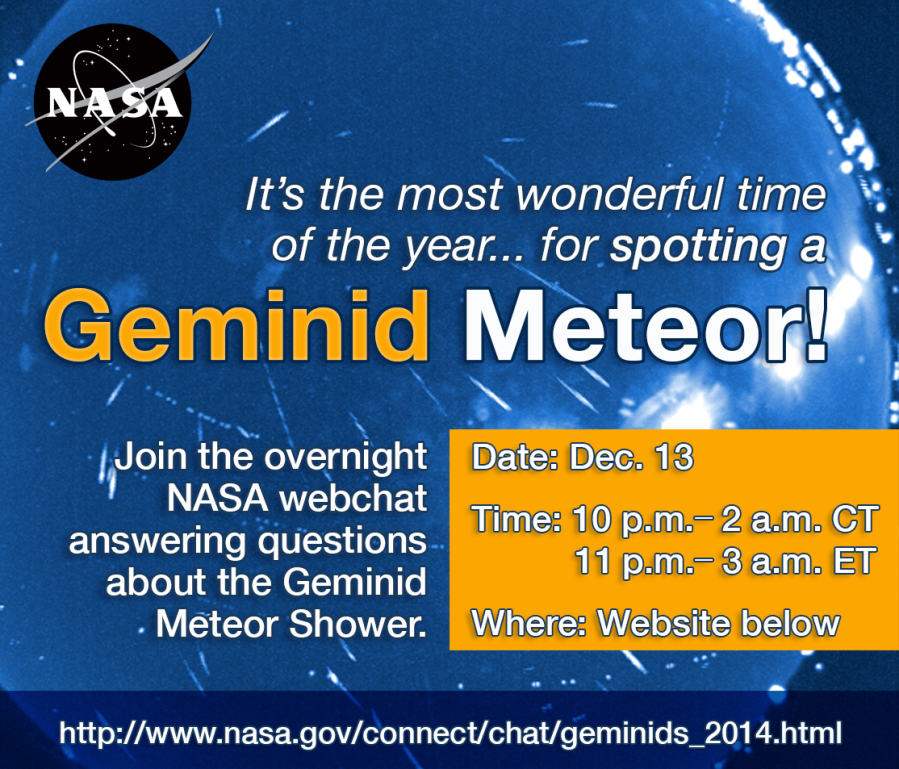
    It’s the most wonderful time of the year — for spotting a Geminid meteor! The 2014 Geminid meteor shower is forecast to be a lively meteor shower with great views in the skies over Earth. The week of Dec. 8 is a good window for Geminid-watching, but the night of Dec. 13-14 is the anticipated …

  • Brilliant Leonids Meteor Shower Peak Occurs Morning of Nov. 18

    leonid

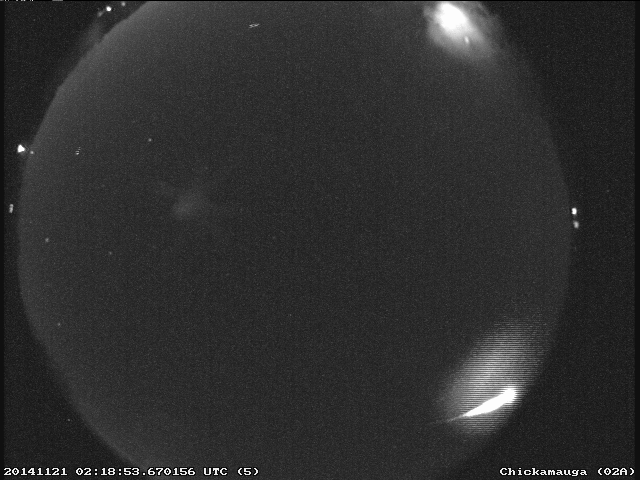
    This year’s Leonids meteor shower peaks on the morning of Nov. 18. If forecasters are correct, the shower should produce a mild but pretty sprinkling of meteors. The waning crescent moon will not substantially interfere with viewing the Leonid shower. “We’re predicting 10 to 15 meteors per hour,” says Bill Cooke of the Meteoroid Environment …

  • Daylight Fireball on Monday, Nov. 3

    There was a daylight fireball seen from Arkansas to Alabama this morning at about 9:38 CST. If you saw the meteor and have information on its directionality, where you saw it from, etc., please comment below. Also, it would be helpful if you filled out an eyewitness report on amsmeteors.org.

  • Fireball Lights Evening Sky Over Tri-State Area

    fireball

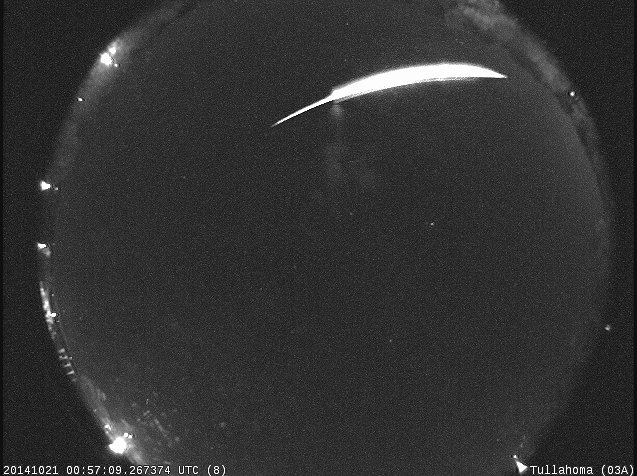
    There was a very bright fireball over middle Tennessee last night, October 20, at 7:57:09 PM CDT. Four NASA all sky cameras, located in Tullahoma, Huntsville, Chickamauga, and North Georgia College, first detected the fireball at an altitude of 54 miles, moving slightly north of west at 47,000 miles per hour. The meteor, estimated to …

  • Marshall Scientists to Take Questions via Twitter About the Partial Solar Eclipse

    On Thursday, October 23, 2014, from 5:00pm – 6:00pm CDT, Marshall scientists Mitzi Adams, Sabrina Savage and Alphonse Sterling will be taking questions about the partial solar eclipse on the NASA Marshall Twitter account: http://twitter.com/NASA_Marshall, using the hashtag #askNASA. At approximately 4:54 p.m. CDT, the eclipse will begin, with maximum eclipse occurring at 5:54 p.m. The partial eclipse …

  • Bright Meteor Spotted Over Tennessee

    meteor

    A bright meteor occurred around 5:18 am CDT the morning of September 30th. It was first detected 66 miles above Tennessee City, TN by four NASA All Sky Fireball Network cameras (located in Huntsville, AL, Chickamauga, GA, Tullahoma, TN, and Rosman, NC) and moved slightly south of east at a speed of 147,600 mph. It …

  • Second Fireball Occurs Over Northern Michigan

    On Tuesday, Sept. 23, a second fireball occurred about 40 minutes after the fireball in Tennessee. The Michigan fireball is close to the edge of the camera because the meteor was at extreme range, over 200 miles away, for the camera. The Michigan fireball was produced by a piece of a comet over 2 feet across, …