













Suggested Searches

Watch the Skies

  • Heads Up, Earthlings! Watch the Skies Is Getting a Reboot.

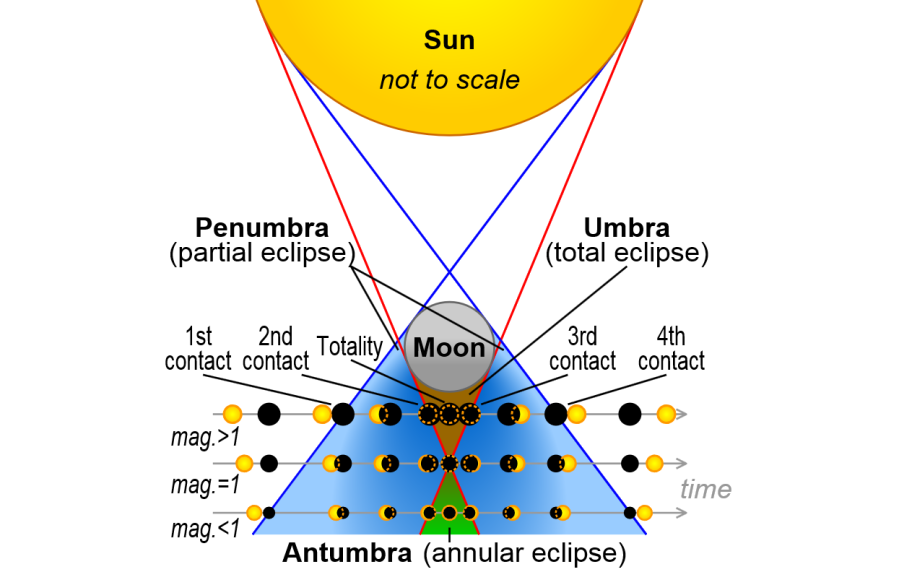
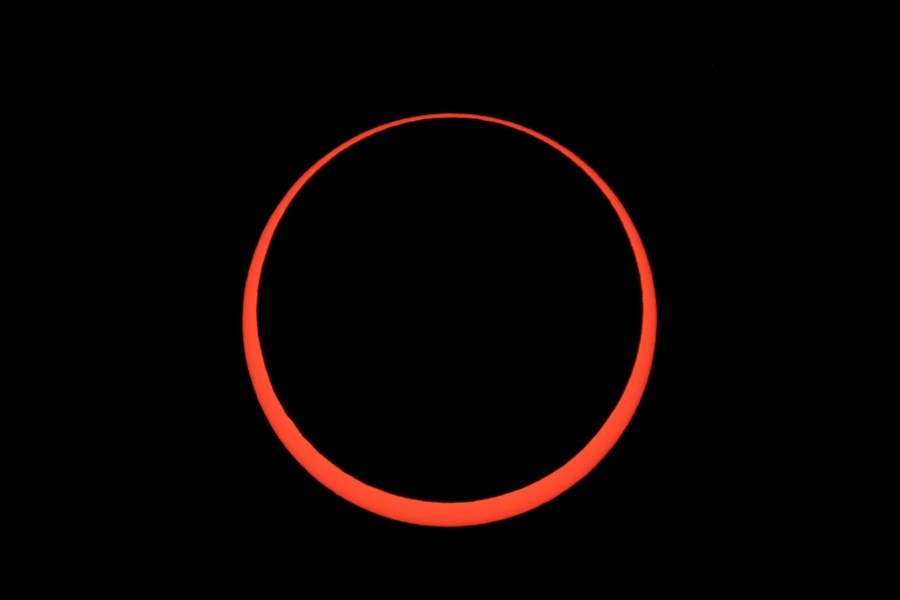
    By Kevin Matyi Want to find out more about this year’s total solar eclipse — like what totality means and why the path of totality is so much smaller than the overall eclipse? Wonder how long it takes photons from the sun to reach Earth? Curious about dark matter and what we know about it? …

  • Fireball spotted northwest of Chicago, February 6, 1:25 AM CST

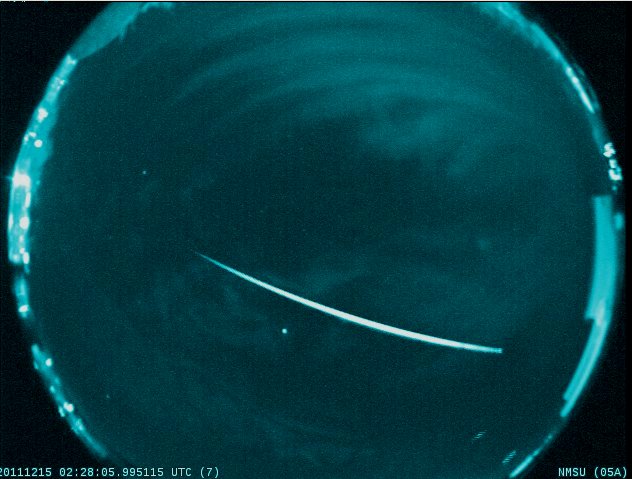
    There was a very bright green fireball seen by hundreds of eyewitnesses surrounding Lake Michigan early this morning at 1:25:13 AM Central Time (February 6, 2017). The reports from these individuals and the video information from dash cameras and other cameras in the region indicate that the meteor originated 62 miles above West Bend, Wisconsin …

  • Get Ready for the 2016 Geminids!

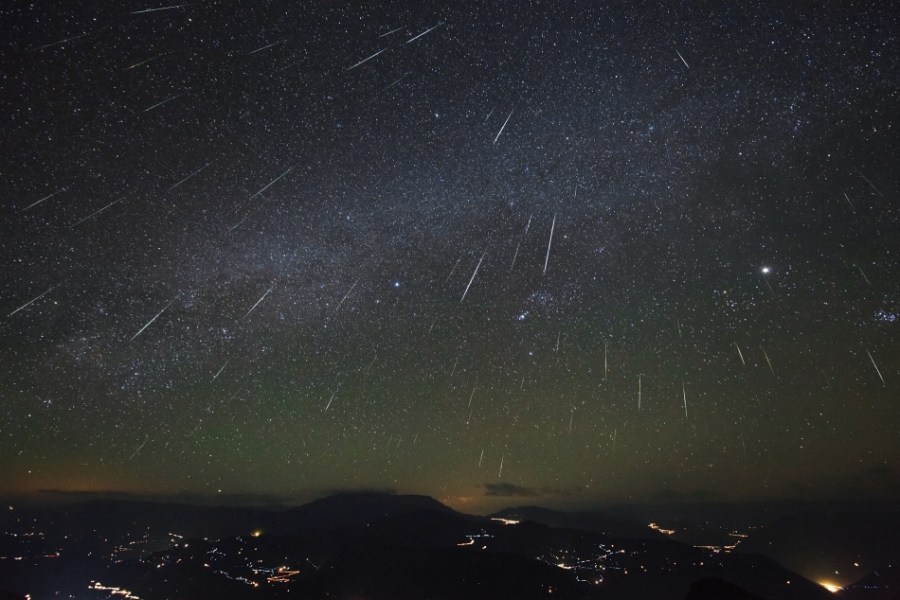
    The Geminids are a meteor shower that occurs in December every year. The best night to see the shower is Dec. 13 into the early hours of Dec. 14. The Geminid meteor shower is caused by a stream of debris left by the asteroid, 3200 Phaethon. When the Earth passes through the trails of dust …

  • NASA’s Marshall Center Celebrates International Observe the Moon Night

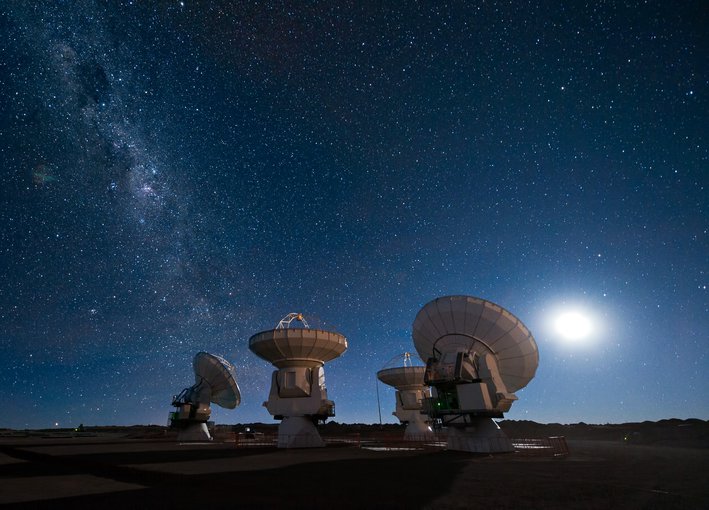
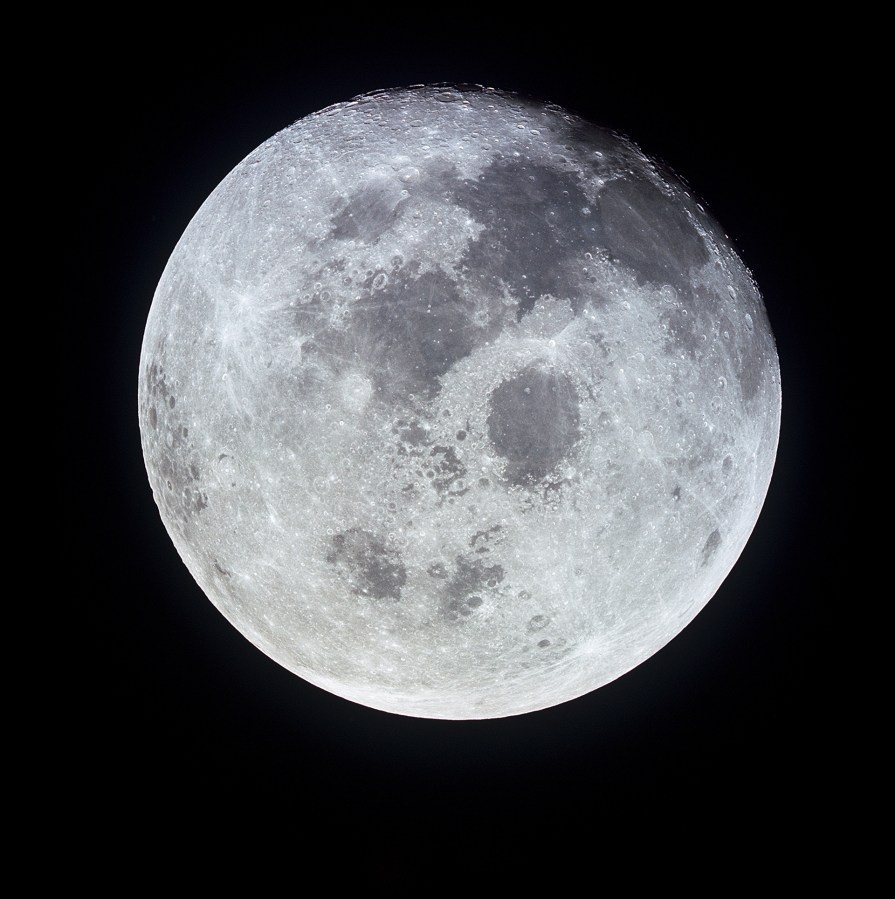
    On Saturday, Oct. 8, from 5:30 to 9 p.m. the public and media are invited to attend the 6th annual International Observe the Moon Night celebration, hosted by NASA’s Marshall Space Flight Center at the Davidson Center for Space Exploration at the U.S. Space & Rocket Center, both in Huntsville, Alabama. The free event will …

  • Look Up! Perseid Meteor Shower Peaks Aug. 11-12

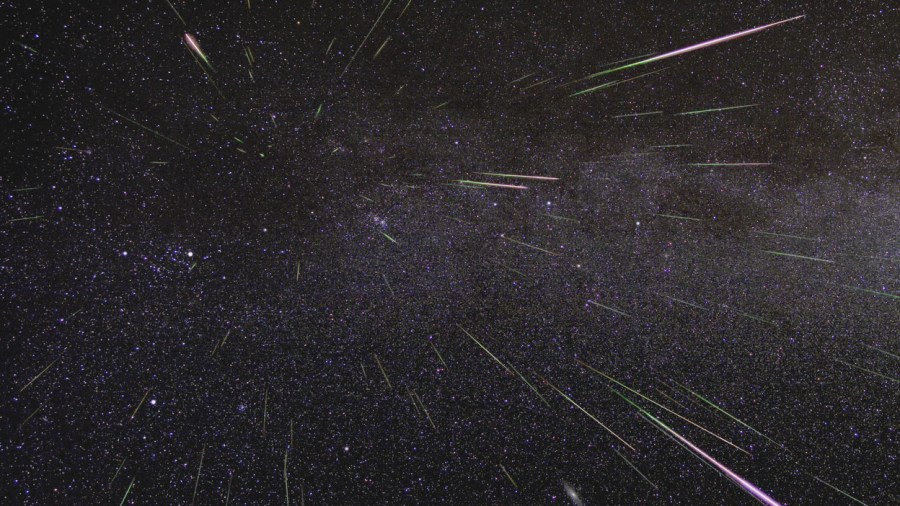
    Make plans now to stay up late or set the alarm early next week to see a cosmic display of “shooting stars” light up the night sky. Known for it’s fast and bright meteors, the annual Perseid meteor shower is anticipated to be one of the best potential meteor viewing opportunities this year. The Perseids …

  • Fireball Over Arizona

    For a few seconds early Thursday, night turned into day as an extremely bright fireball lit the pre-dawn sky over much of Arizona, blinding all-sky meteor cameras as far away as western New Mexico. Based on the latest data, a small asteroid estimated at 5 feet (1-2 meters) in diameter – with a mass of a …

  • Fireball Seen Over Tennessee and North Carolina

    We observed a fireball the morning of May 4 around 12:50am EDT, traveling southwest at about 77,000 mph over the Nantahala National Forest on the Tennessee/North Carolina state line. At its brightest point, it rivaled the full moon. According to Dr. Bill Cooke in NASA’s Meteoroid Environment Office at NASA’s Marshall Space Flight Center in Huntsville, Ala. , …

  • Five Planets Align in Early Morning Sky

    five_planets

    The graphic below illustrates the five planets as they are visible, with the naked eye, from Huntsville, Alabama.  It shows their positions in the sky around 6:30 AM during the week of January 18 and continuing for the next few days. Mercury will be close to the Sun, over in the East, and Jupiter will …