


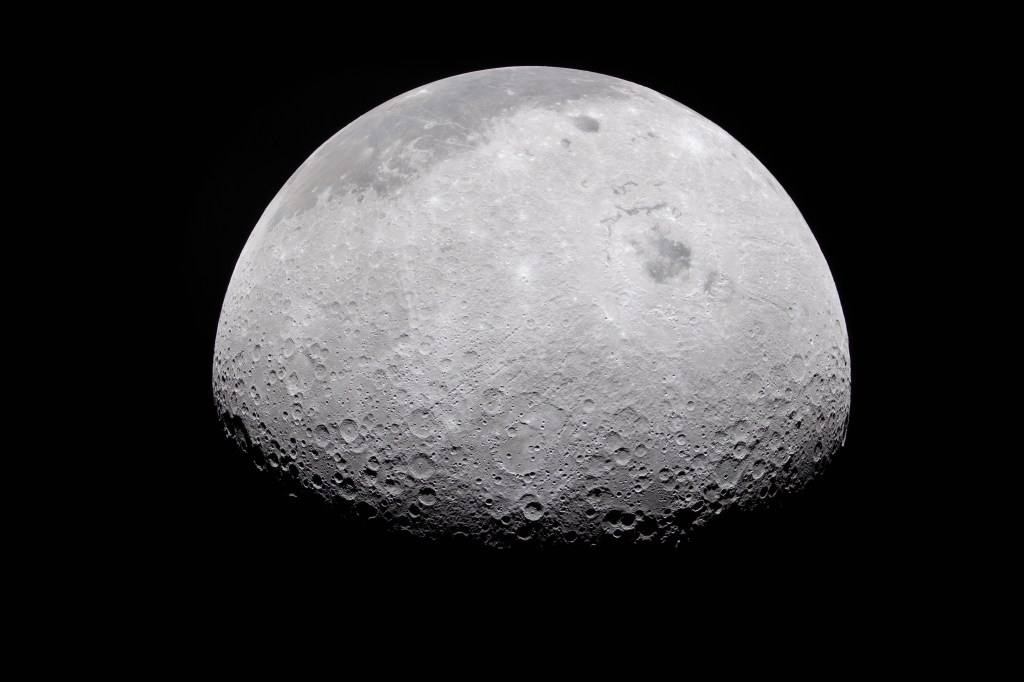





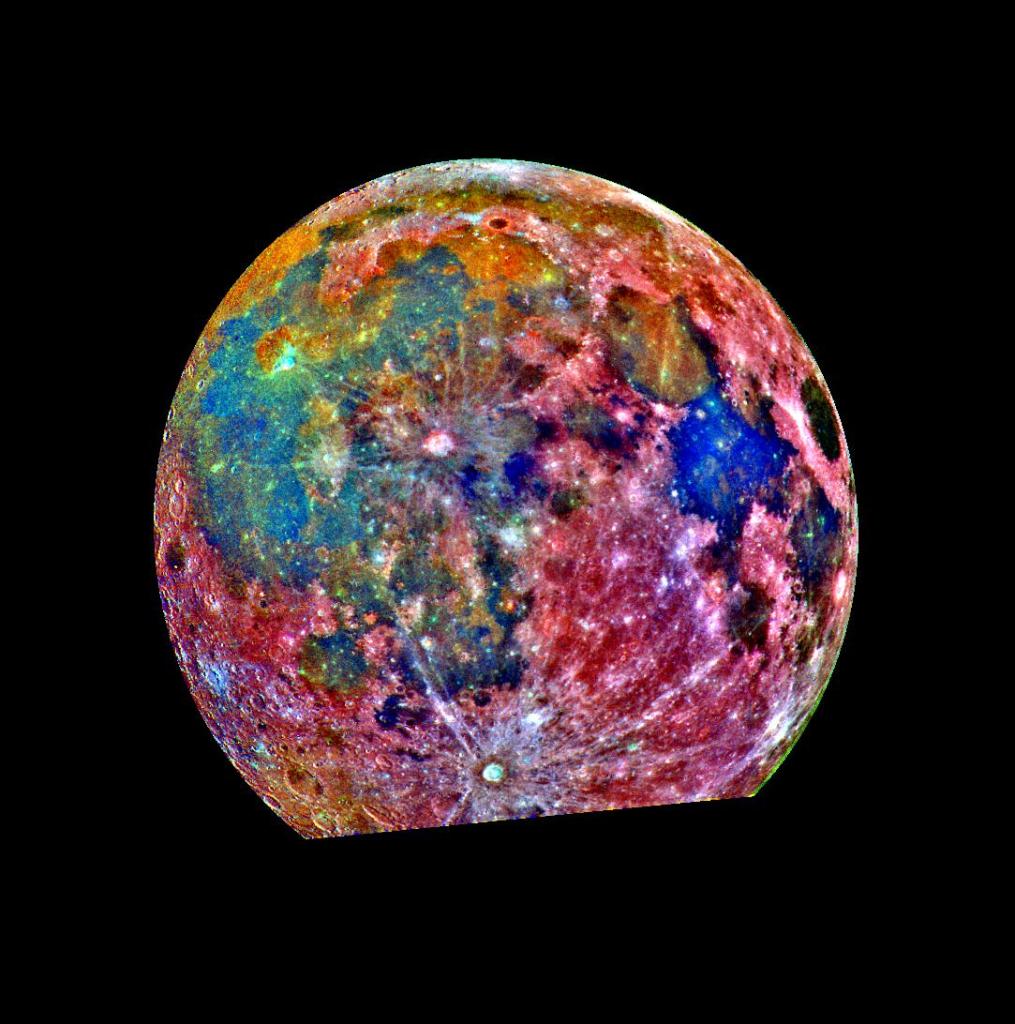





This month spot the Moon together with Mars and Venus, along with the flickering star Fomalhaut, which had itself a planet…until it didn’t! Check out the video below produced by NASA’s Jet Propulsion Laboratory to learn more.
Perseids Peak: Watch Best Meteor Shower of the Year!
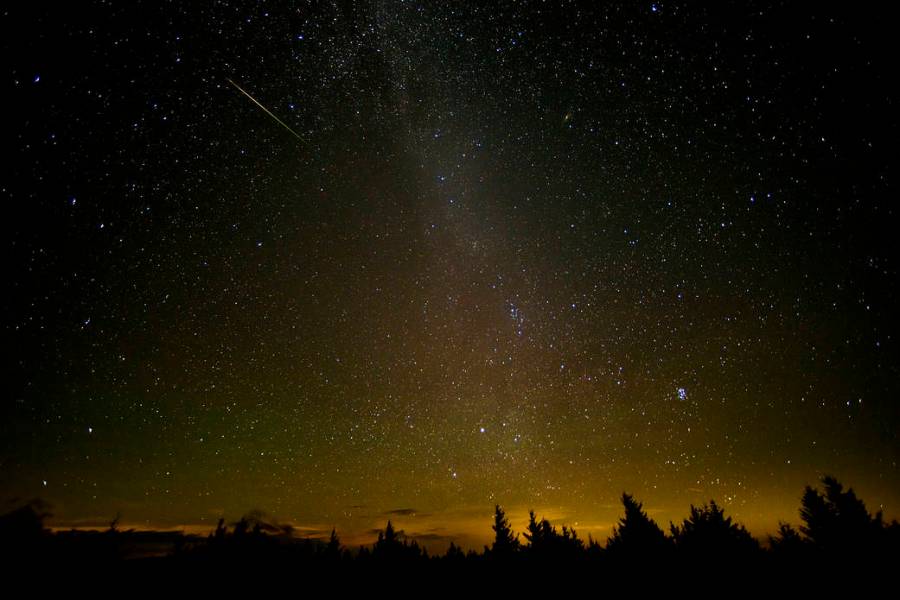
By Emily Clay The Perseid meteor shower is here! With Comet NEOWISE making its way out of the solar system, it is time for a celestial show caused by a different comet. Perseid meteors, caused by debris left behind by the Comet Swift-Tuttle, began streaking across the skies in late July and will peak in …
Sky Watching Highlights for August 2020
The month of August brings a bunch of opportunities to see the Moon posing with the planets. Plus, here come the meteors! Learn more via the video below produced by NASA’s Jet Propulsion Laboratory.
See Comet NEOWISE! A Once-in-a-Lifetime Event
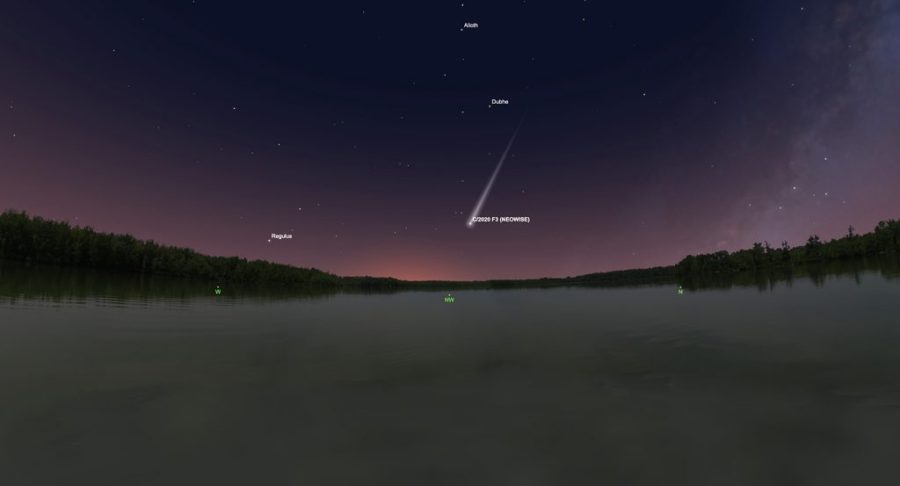
For Comet Vocabulary, please read to the end of the post. For most, early July is when most people living in the United States look to the skies to watch dazzling firework shows. However, this month there is a different kind of show happening in the sky. Comet Near-Earth Object Wide-field Infrared Survey Explorer (NEOWISE) …
See the Red Planet in July 2020
NASA’s Mars 2020 mission is planned to launch this summer, sending the Perseverance rover and the first-ever Mars helicopter to the Red Planet. So, if you’re a Mars exploration fan, this month is a great time to spot Mars yourself. Check out the video below produced by NASA Jet Propulsion Laboratory to learn more.
Lyrids Peak for Earth Day
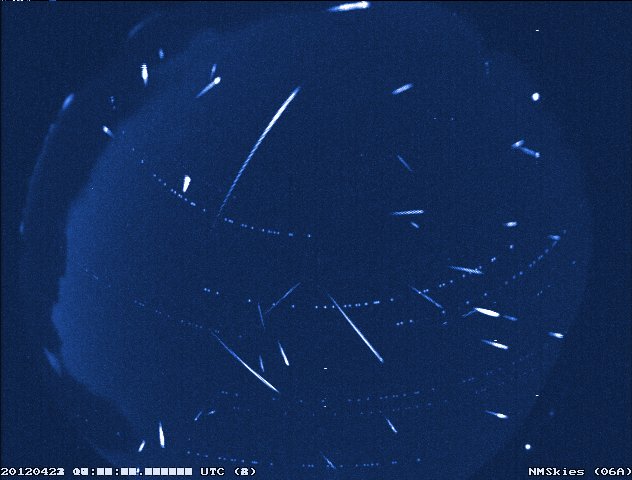
April has already been an active month for celestial events and it is about to get even better with the Lyrid meteor shower beginning April 19. Just in time for the 50th anniversary of Earth Day, the Lyrids will peak on April 22 during the predawn hours. A new Moon this year will make way …
Rare Sights for Spring
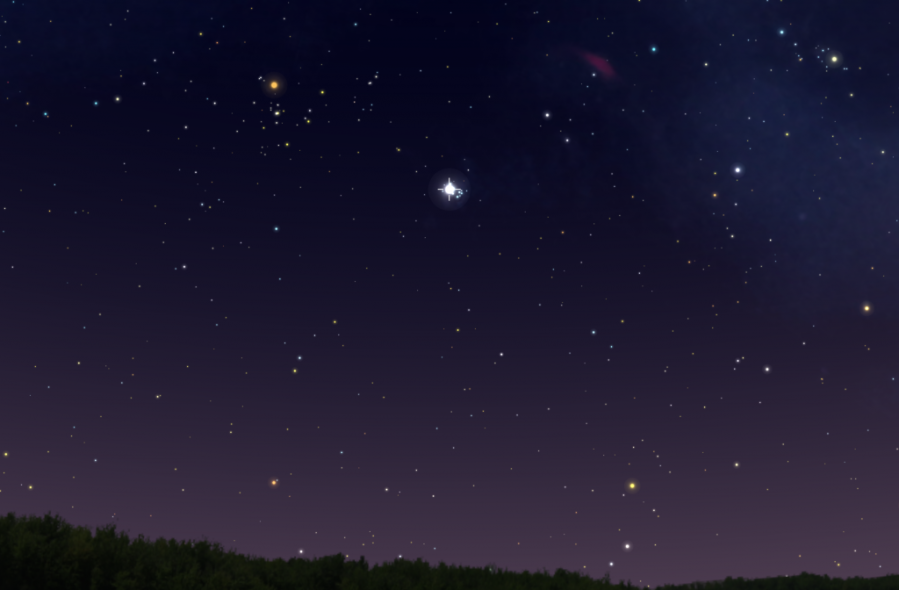
As spring blooms in the Northern Hemisphere, here’s what’s happening in the night sky! Venus On April 3, Venus will pass near a star cluster known as the Pleiades. Also known as the Seven Sisters or M45, the Pleiades lies about 400 light years away from Earth, toward the constellation of the Bull — or …
Go Outside and See the Geminids!
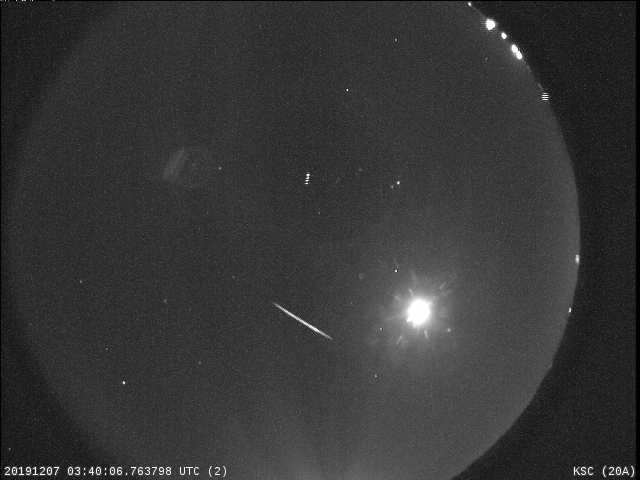
With the holidays right around the corner, most of us are in gift-giving mode… and one of our favorite gifts every December is the Geminid meteor shower! This year, the peak is during the overnight hours of December 13 and into the morning of December 14. If you can’t catch the Geminids on Friday night, …
About the Upcoming (maybe) Alpha Monocerotid Meteor Shower Outburst…

By: Bill Cooke Lead, NASA Meteoroid Environment Office The media is currently broadcasting the prediction of an outburst of the alpha Monocerotid meteor shower on the night of November 21. The researchers making the prediction, Dr. Peter Jenniskens and Esko Lyytinen, have made calculations that indicate that there may be zenithal hourly rates as high …
A Transit of Mercury Happens Nov. 11
The sky will put on a show Nov. 11 when Mercury journeys across the Sun. The event, known as a transit, occurs when Mercury passes directly between Earth and the Sun. From our perspective on Earth, Mercury will look like a tiny black dot gliding across the Sun’s face. This only happens about 13 times a …