







Suggested Searches

Watch the Skies

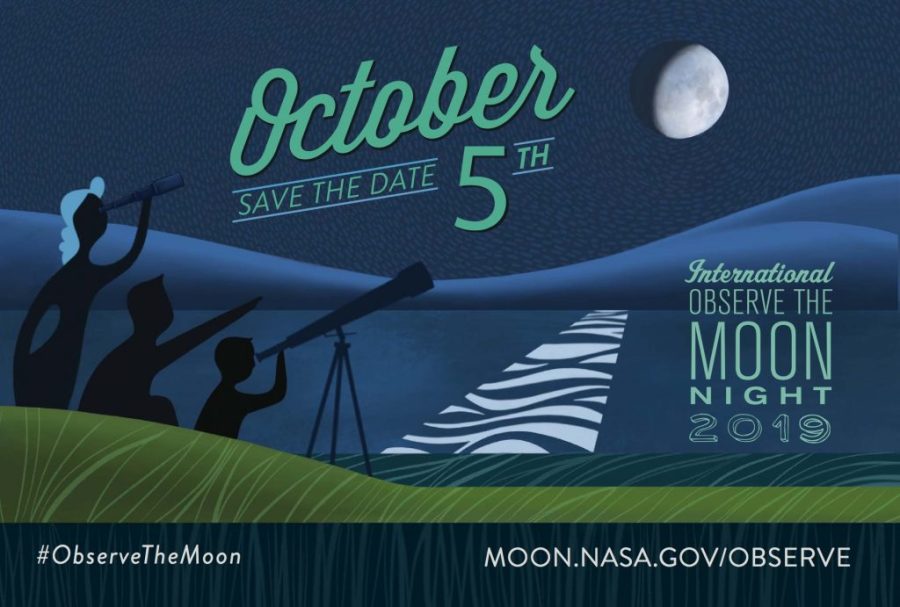
  • International Observe the Moon Night 2019

    International Observe the Moon Night 2019 flyer.

    Heads up, skywatchers! Did you know there’s a night set aside each year to celebrate and observe our Moon? International Observe the Moon Night has been held annually since 2010. This year it’s Saturday, Oct. 5. This year also offers an opportunity to celebrate lunar exploration at a time when we are preparing to land American astronauts, …

  • Look for the Harvest Moon this Weekend

    Take a moment this weekend to gaze at the beautiful Harvest Moon! The Moon will appear full Thursday night through Sunday morning. Early Saturday morning, Sept. 14, will mark the actual full Moon. The Harvest Moon gets its name from agriculture. In the days before electric lights, farmers across the Northern Hemisphere depended on bright …

  • Perseids Peak August 11-13

    Perseid meteor streaks over sky

    The Perseid meteor shower is here! Perseid meteors, caused by debris left behind by the Comet Swift-Tuttle, began streaking across the skies in late July and will peak on the night of August 12. The Perseid meteor shower is often considered to be one of the best meteor showers of the year due to its …

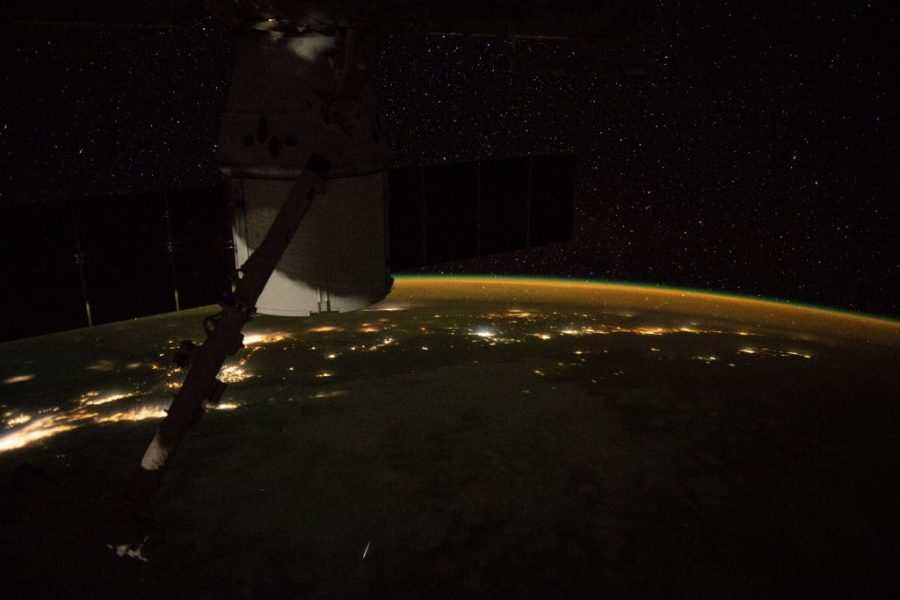
  • Space Station Sees Meteor over California Coast

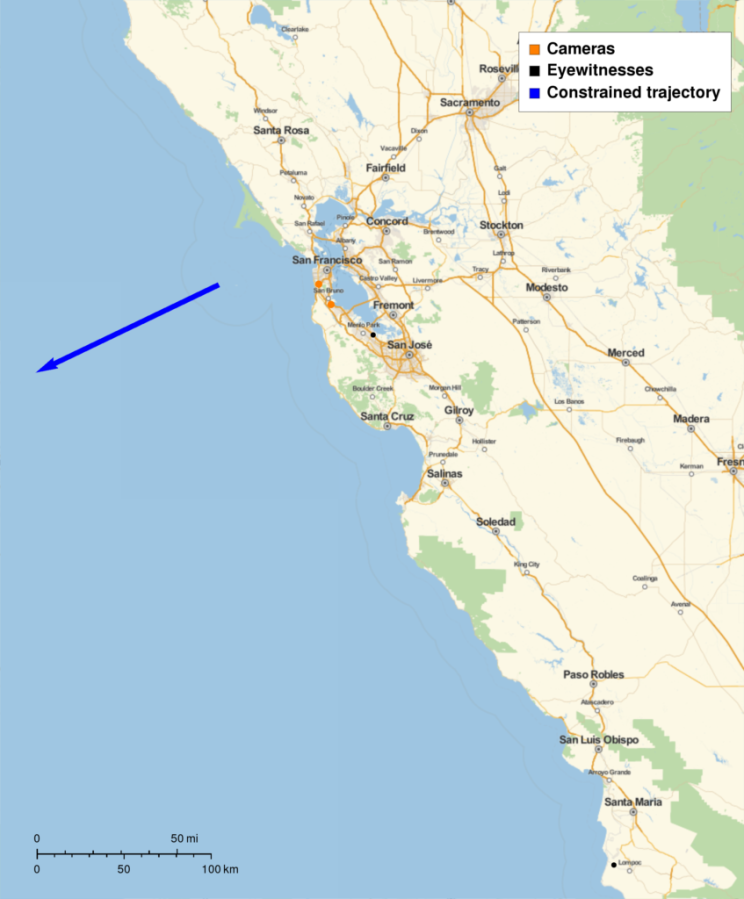
    The Expedition 59 crew on board the International Space Station captured this image of a meteor at 7:21:23 GMT on May 10, on a night pass over the Pacific Ocean and California coast. (Image courtesy of the Earth Science and Remote Sensing Unit, NASA Johnson Space Center)

    The Expedition 59 crew on board the International Space Station captured this image of a meteor at 7:21:23 GMT on May 10, on a night pass over the Pacific Ocean and California coast. (Image courtesy of the Earth Science and Remote Sensing Unit, NASA Johnson Space Center)

  • Happy Solstice, Skywatchers

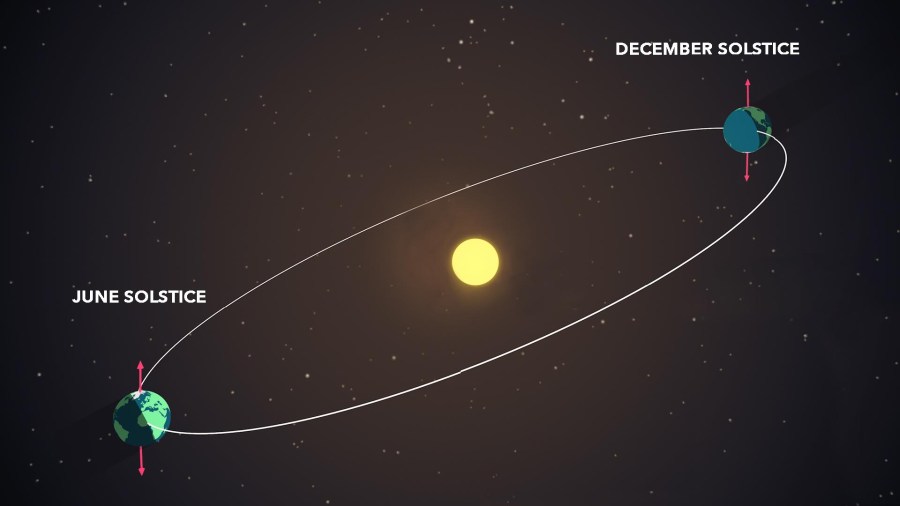
    diagram of Earth's position at summer and winter solstices

    It’s the first day of summer here in the Northern Hemisphere, and the first of winter in the Southern Hemisphere. Why the difference? It’s all about Earth’s tilt! Earth’s axis is an imaginary pole going right through the center of Earth from “top” to “bottom.” Earth spins around this pole, making one complete turn each …

  • Here Comes the Sun… and Moon!

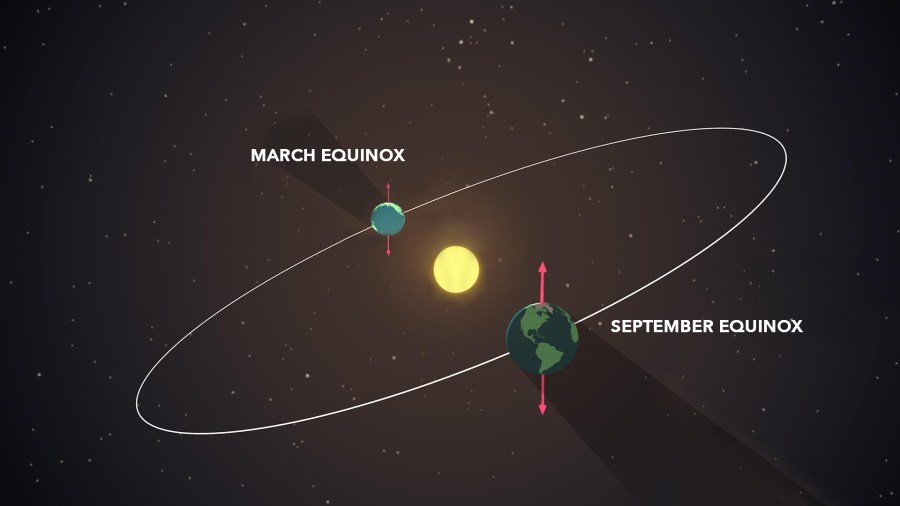
    diagram showing placement of Earth at equinoxes

    Happy equinox, Earthlings! March 20 marks the spring equinox, one of two seasonal markers in Earth’s year-long orbit when the Sun appears to shine directly over the equator, and daytime and nighttime are nearly equal lengths–12 hours–everywhere on the planet. It’s the start of astronomical spring in the Northern Hemisphere, meaning more sunlight and longer …

  • Ask an Astronomer: What’s a Supermoon?

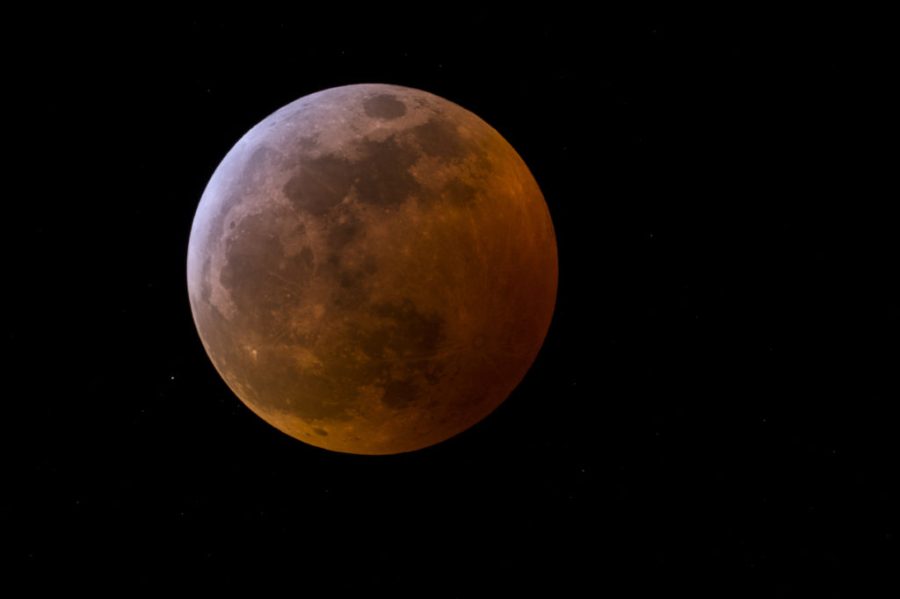
    A total lunar eclipse accompanied the first in a trilogy of supermoons in 2019.

    “The second supermoon of 2019 happened Feb. 19. The third of 2019 will happen March 19. But what’s a supermoon? We asked NASA astronomer Mitzi Adams what’s really going on here. Here’s her answer!”

  • Fireball Leaves Persistent Train over Western Skies

    Well over 100 people in California, Nevada, Arizona and Oregon observed a fireball at 5:35 p.m. PST Dec. 19. This event was unusual not for the brightness of the fireball—similar to that of a crescent Moon—but for the persistent train left behind after the object ablated. This persistent train lasted for minutes (compared to the …

  • Get Ready Stargazers: The Geminids Are Coming!

    The second week of December heralds the beginning of the strongest meteor shower of the year – the Geminids. It’s a good time to bundle up, go outside and watch one of Mother Nature’s best sky shows! The Geminids are active every December, when Earth passes through a massive trail of dusty debris shed by …