















Suggested Searches

Watch the Skies

  • Asteroid 2012 DA14 and the Eta Carinae Nebula

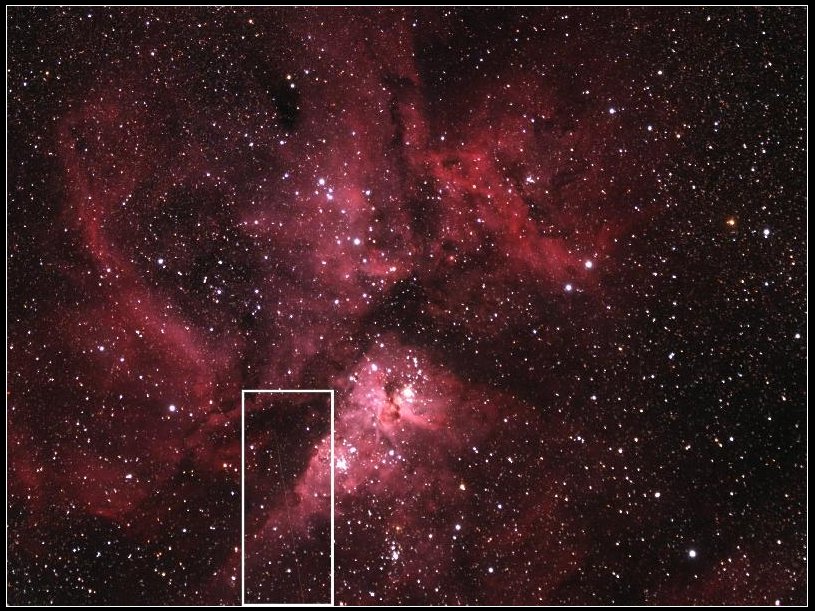
    This image shows asteroid 2012 DA14 and the Eta Carinae Nebula, with the white box highlighting the asteroid’s path. The image was taken using a 3″ refractor equipped with a color CCD camera. The telescope is located at the Siding Spring Observatory in Australia and is maintained and owned by iTelescope.net.Image credit: NASA/MSFC/Aaron Kingery 

  • NASA Experts Discuss Russia Meteor in Media Teleconference Today

    NASA experts will hold a teleconference for news media at 4 p.m. EST today to discuss a meteor that streaked through the skies over Russia’s Urals region this morning. Scientists have determined the Russia meteor is not related to asteroid 2012 DA14 that will pass safely pass Earth today at a distance of more than …

  • The Upcoming Asteroid Flyby — Can I See It?

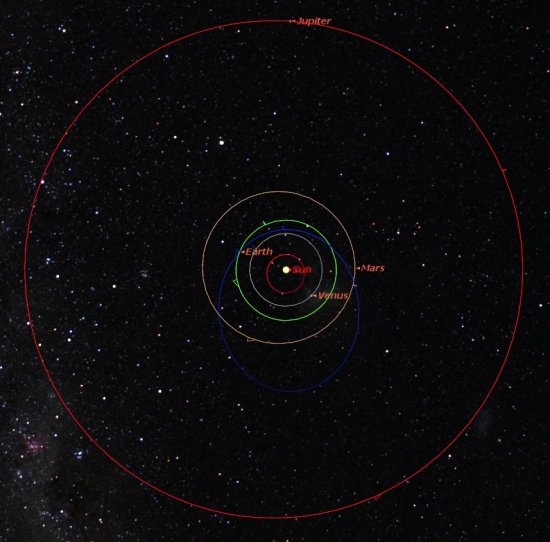
    This is the most common question we are asked, and the answer is “maybe.” It all depends on where you are located and what sort of equipment you have. Closest approach will be around 19:25 UTC on February 15; this will be when the asteroid will be at its brightest. Even at this time, when 2012 …

  • Geminids: How Low Do They Go?

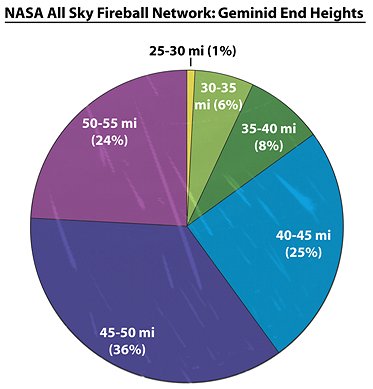
    The Marshall Meteoroid Environment office put together the plot below showing the distribution of end heights of Geminids seen with our fireball camera network. 85% of Geminids burn up 40 to 55 miles above Earth’s surface and 15% get below 40 miles altitude.  Geminids penetrate deeper into the atmosphere than the Perseids because they are …

  • Behind the Scenes Team of a Web Chat

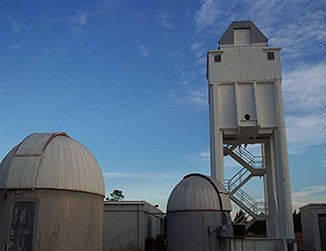
    Ever wonder what it takes to pull together our web chat series? The chats usually consist of two components, live streaming and web chats. The Automated Lunar and Meteor Observatory, or ALaMO, at NASA’s Marshall Space Flight Center in Huntsville, Ala., is where the live streaming component of “Watch the Skies” begins. The ALaMO consists …

  • Meteor Over Texas

    This morning at 6:43 AM Central Standard Time, eyewitnesses across Texas and adjacent states saw a very bright fireball streaking across the sky, moving roughly east to west. It was also recorded by a NASA meteor camera in Mayhill, New Mexico some five hundred miles to the West, which is very unusual and testifies to …

  • Will We See A New Meteor Shower?

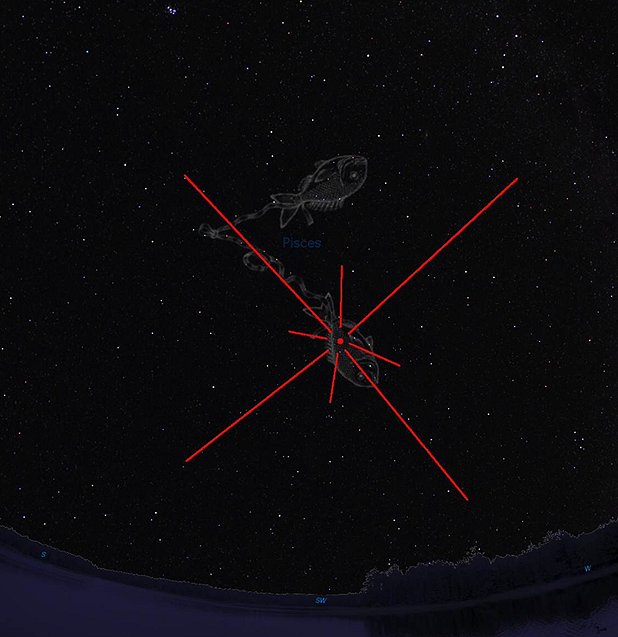
    Some computer models indicate that the Earth may pass near decades old debris left behind by Comet Wirtanen in mid December, creating a new meteor shower. In the most optimistic scenario, viewers could see as many as 10-30 meteors per hour radiating from a point in the constellation Pisces in the early evenings, sometime between …

  • Bright Leonid Fireball

    There are numerous reports of a bright fireball over northwest Alabama on Sunday, Nov. 18 at approximately 7:30 p.m. EST (6:30 p.m. CST). Southeastern cameras  managed by NASA’s Meteoroid Environment Office recorded the fireball, which was brighter than the moon. (Credit: NASA/MFSC/MEO) (Credit: NASA/MFSC/MEO)The image above is from the Marshall Space Flight Center camera. The moon …

  • Young Moon Sets Stage for Annual Leonids Meteor Shower

    This year’s Leonids meteor shower peaks on Nov. 17 at 4:30 AM Eastern Time. If forecasters are correct, the shower should produce a mild but pretty sprinkling during the night of the 16th/morning of the 17th. The moon will be a waxing crescent setting before midnight, clearing the way for some unobstructed Leonid viewing. “We’re …

  • Halloween Fireballs also known as Taurid Meteors are Upon Us

    “Halloween fireballs” or Taurid meteors are frequently seen in the night sky from mid-October until mid-November. The Marshall all-sky camera network captured an image of an early Halloween fireball Tuesday morning. The fireball appeared low on the horizon from Huntsville at 6:10 a.m. Tuesday morning and was visible just above trees from the Tullahoma station. …