

















Suggested Searches

Watch the Skies

    Bright Sky Event Over Southeastern United States – June 29
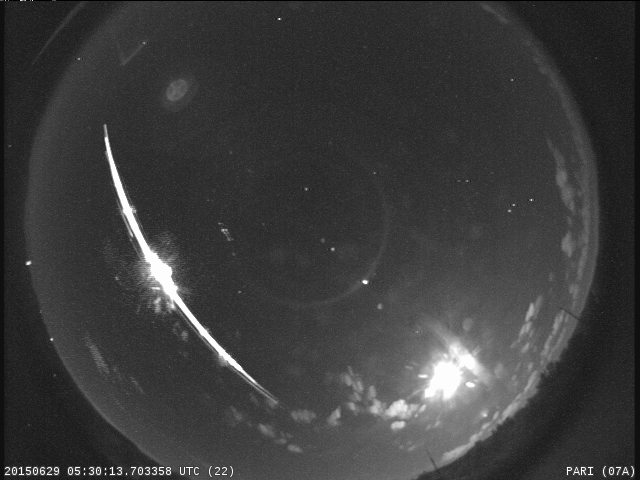
    Meteor across SE

    Composite image showing bright event located near Rosman, North Carolina. There was a bright event seen across several Southeast states last night at 12:29:30 AM CDT (1:29:30 EDT). Based on the data we currently have, this object was not a meteor or fireball. Tracked by 5 NASA cameras in the SE, it is moving at …

    Read Full Post

    The 2015 Eta Aquarid Meteor Shower

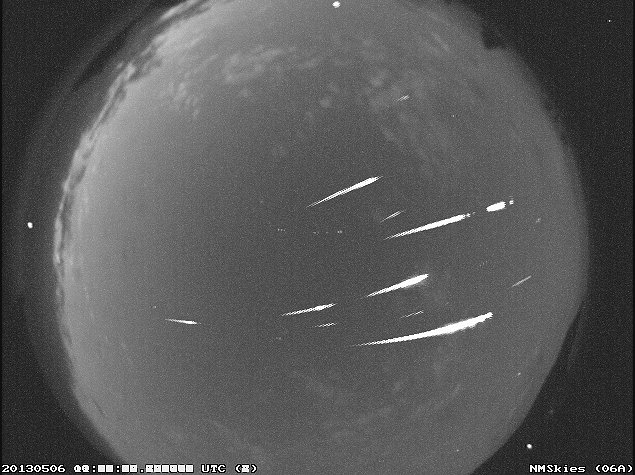
    1037759main_eta.jpg

    Each spring as Earth passes through the debris trail from Halley’s Comet (1P/Halley), the cosmic bits burn up in our atmosphere and result in the annual Eta Aquarid meteor shower. This year the peak will occur on May 6 about 9 AM EDT with meteor rates of about 30 meteors per hour near peak. Best …

    Read Full Post

    Lyrid Meteor Shower Peaks Tomorrow, April 22

    Lyridsequence_20140422_092714_04

    Dust off the lawn chairs and get ready for the peak of the Lyrid meteor shower which will occur on the night of April 22. “The Lyrids are really unpredictable,” Cooke said. “For the 2015 shower, I’m expecting 15 to 20 Lyrid meteors an hour. Peak rates should occur after 10:30 PM on April 22 your local time, …

    Read Full Post

    Ask an Astronomer About the Shortest Lunar Eclipse of the Century on April 4

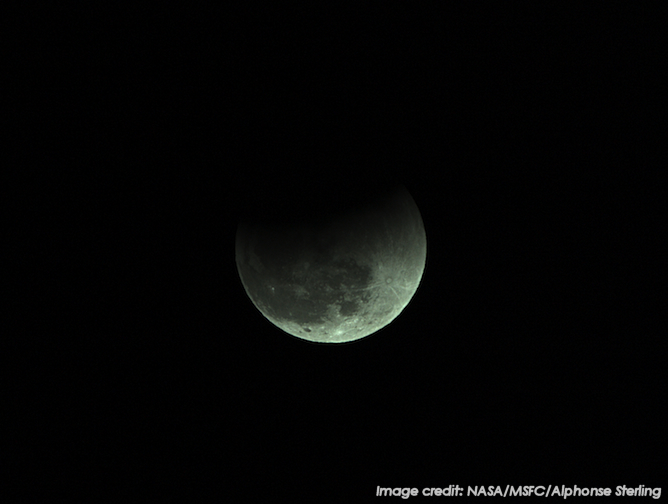
    lunar_eclipse

    On Saturday morning, April 4, 2015 not long before sunrise, the bright full moon over North America should turn a lovely shade of celestial red during a total lunar eclipse. Join NASA astronomer Mitzi Adams as she takes questions via Twitter @NASA_Marshall. For Twitter questions, use the hashtag #eclipse2015. The question and answer via Twitter will …

    Read Full Post

    Fireball Reported in Colorado Early this Morning

    A fireball occurred over southern Wyoming/northern Colorado at 6:01 AM Mountain Daylight Time. The available eyewitness and video information indicates that the meteor moved from East to West at about 45,000 miles per hour and weighed a few pounds (2 to 4 pounds are the preliminary estimates). The fireball belongs to a class of meteors called …

    Read Full Post

    Fireball over Jacksonville, Florida on Feb. 21

    A fireball west of Jacksonville, FL on Saturday, Feb. 21st  at 22:59:45 PM EST was detected by two all sky cameras, located in Melbourne, belonging to the Sky Sentinel Network. The American Meteor Society has a write-up on this fireball at http://www.amsmeteors.org/2015/02/florida-fireball-with-boom/. There were over a hundred eyewitness reports, and the trajectory determined from these …

    Read Full Post

    Bright Fireball Seen Over New York, Pennsylvania and Ohio

    fireball2_17

    A very bright fireball seen over New York, Ohio, and Pennsylvania at 4:45:17 EST this morning, February 17th. It was captured by three NASA cameras. The video came from a NASA camera located at Allegheny Observatory near Pittsburgh, PA. The other two cameras are located at Hiram College and Oberlin College, both in northern Ohio.

    Read Full Post

    Marshall Scientist to Observe Asteroid 2004 BL86

    On Monday evening, January 26 from 10 p.m. to midnight CST Marshall scientists will observe the large Asteroid 2004 BL86 as it passes by Earth. The public is welcome to follow their observations via the Marshall Ustream feed The asteroid will safely pass about three times the distance of Earth to the moon, or approximately …

    Read Full Post

    Marshall Scientist to Observe Asteroid 2004 BL86

    comet

    On Monday evening, January 26 from 10 p.m. to midnight CST Marshall scientists will observe the large Asteroid 2004 BL86 as it passes by Earth. The public is welcome to follow their observations via the Marshall Ustream feed The asteroid will safely pass about three times the distance of Earth to the moon, or approximately …

    Read Full Post

    Comet Lovejoy – January 2015

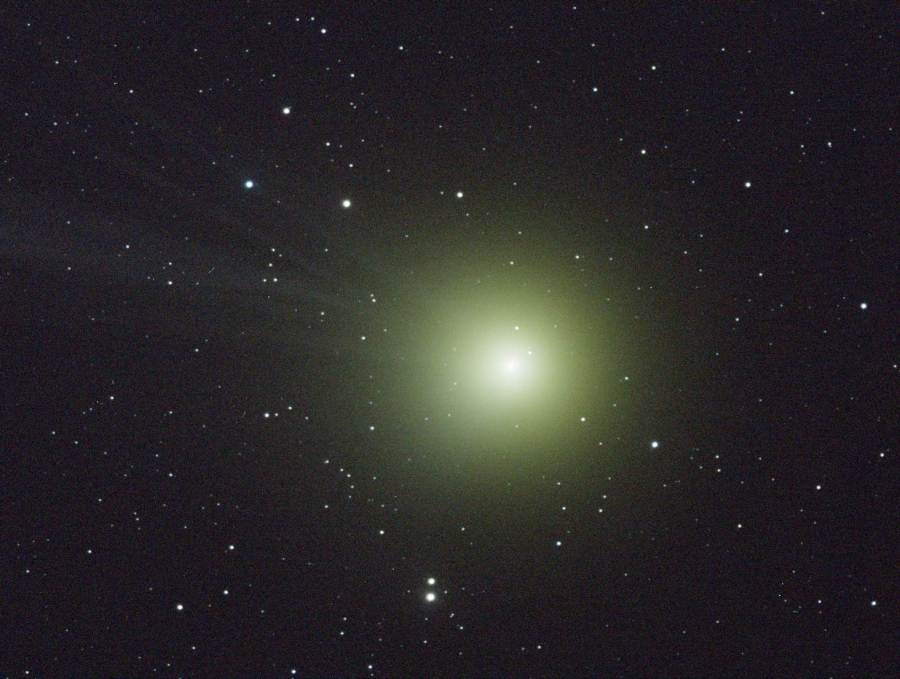
    LoveJoy

    Image of Comet Lovejoy taken Saturday, January 10, by Dr. Bill Cooke. Image is a 3 minute exposure using the iTelescope T3 refractor. At the time of this image, the comet was some 45 million miles from Earth. Discovered in August of 2014, Comet Lovejoy is currently sweeping north through the constellation Taurus, bright enough …

    Read Full Post

Subscribe to this blog

Show Past Archives