













Suggested Searches

Small Satellite Missions

  • NASA’s PREFIRE Mission: Launch Coverage Underway

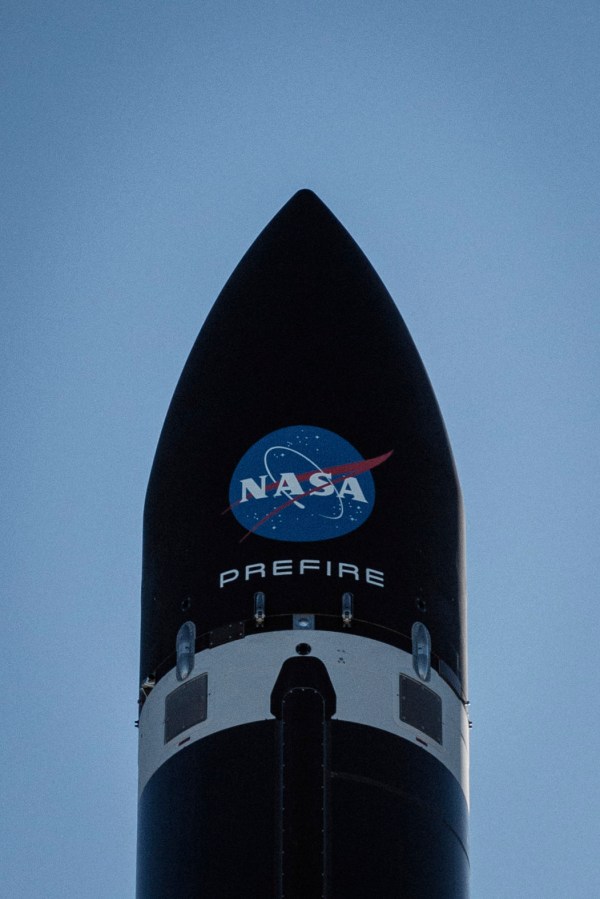
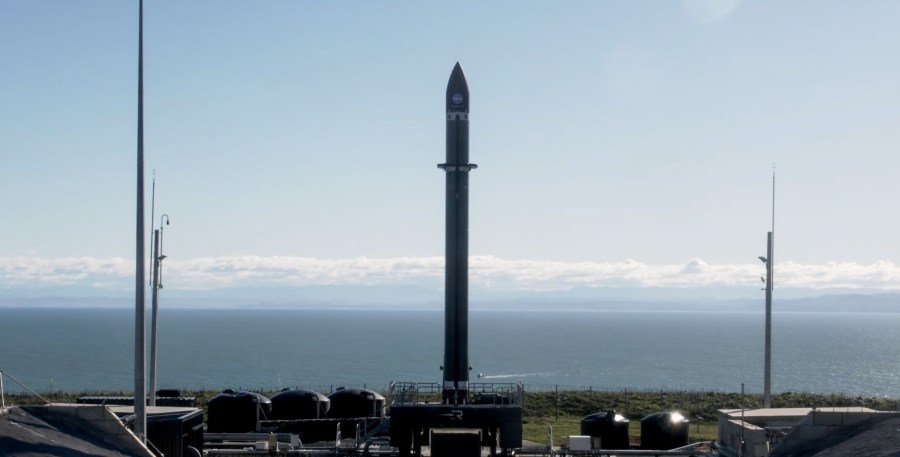
    A Rocket Lab Electron rocket is erect on the launch pad.

    Launch day is here for the first of two launches of NASA’s PREFIRE (Polar Radiant Energy in the Far-InfraRed Experiment) mission. Rocket Lab of Long Beach, California, is providing the launch service. A small satellite – a CubeSat, about the size of a shoebox – waits on Rocket Lab’s Electron rocket for liftoff from Launch …

  • Stormy Weather Delays First NASA PREFIRE Launch

    NASA and Rocket Lab are now targeting no earlier than Saturday, May 25, for the launch of NASA’s PREFIRE (Polar Radiant Energy in the Far-InfraRed Experiment) mission from Launch Complex 1 in Mahia, New Zealand. The team is standing down while a severe weather system moves across the launch site over the coming days. The …

  • Ahoy! NASA’s Solar Sail Mission Successfully Phones Home

    NASA’s Advanced Composite Solar Sail System has now connected with ground operators following its April 23 launch aboard Rocket Lab’s Electron rocket. The satellite is on its way to testing next-generation solar sail technology, which uses the power of sunlight to propel a spacecraft. The results from this mission will advance future space travel to …

  • Launch Date Set for NASA’s PREFIRE Mission to Study Polar Energy Loss

    NASA and Rocket Lab are targeting no earlier than Wednesday, May 22, 2024, for the first of two launches of the agency’s PREFIRE (Polar Radiant Energy in the Far-InfraRed Experiment) mission to study heat loss to space in Earth’s polar regions. For the PREFIRE mission, two CubeSats will launch on two different flights aboard the company’s …

  • Solar Sail CubeSat Has Deployed from Rocket

    NASA’s Advanced Composite Solar Sail System is confirmed to have deployed from Rocket Lab’s Electron kick stage. The satellite has reached low Earth orbit to begin its mission to test next-generation technology that uses the power of sunlight as propulsion.   Next, the solar sail satellite will power up and attempt initial contact with the ground; …

  • NASA’s Solar Sail: We Have Liftoff!

    NASA’s Advanced Composite Solar Sail System Mission is on its way! The spacecraft has lifted off from the launch pad aboard Rocket Lab’s Electron rocket.   The microwave oven-sized satellite is on its way to low Earth orbit to test its next-generation solar sail technology, using the power of sunlight as propulsion.   Rocket Lab is providing …

  • It’s Launch Day for NASA’s New Solar Sail Mission!

    Welcome to launch day for NASA’s Advanced Composite Solar Sail Mission! This next-generation solar sail technology, which uses the pressure of sunlight for propulsion, waits for liftoff atop a Rocket Lab Electron rocket at the company’s Launch Complex 1 in Māhia, New Zealand. This launch will send the solar sail satellite to low Earth orbit, where …

  • NASA Set to Launch Four CubeSats to Space Station

    This photograph shows two women working on a small spacecraft.

    NASA’s CubeSat Launch Initiative is sending a group of four small satellites, called CubeSats, to the International Space Station as ELaNa 51 (Educational Launch of Nanosatellites). These small payloads have been developed by NASA and universities and will be deployed from low Earth orbit.  Once circling Earth, the satellites will help demonstrate and mature technologies …

  • What’s On Board NASA’s Next CubeSat Launch Initiative Mission?

    Two students from the Missouri University of Science and Technology research team work on the CubeSat called M3, short for Multi-Mode Mission. The team submitted their project to NASA’s CubeSat Launch Initiative for a launch into space.

    NASA’s CubeSat Launch Initiative is sending a small satellite to orbit intended to demonstrate a multi-mode-capable thruster that can operate with both chemical and electrical modes potentially saving mass and reducing costs for larger missions. The Multi-Mode Mission, or M³, developed by Missouri University of Science and Technology’s Satellite research team, is a CubeSat intended …

  • NASA’s Starling CubeSats Succeed in Early Space Navigation Test

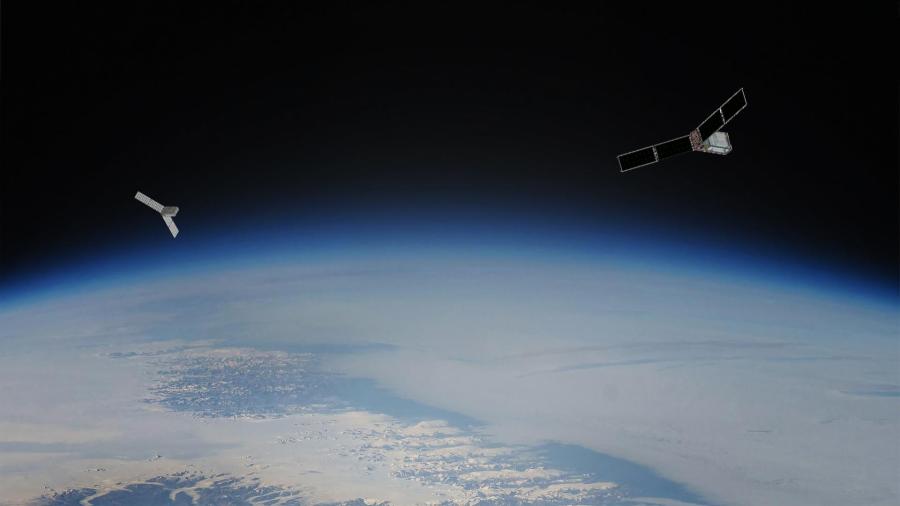
    NASA’s Starling mission accomplished a significant objective for the StarFOX (Starling Formation-Flying Optical Experiment) experiment, a test of autonomous navigation, co-location, and situational awareness in space. Using downlinked images from onboard “star tracker” sensors, the team used ground-based software to demonstrate StarFOX’s ability to autonomously differentiate the background field of stars and other orbiting spacecraft from fellow …