
Satellites designed to track water dynamics and temperature changes across Earth’s surface launch in 2027
NASA Completes Prelaunch Instrument Testing for Hydrosat Osiris







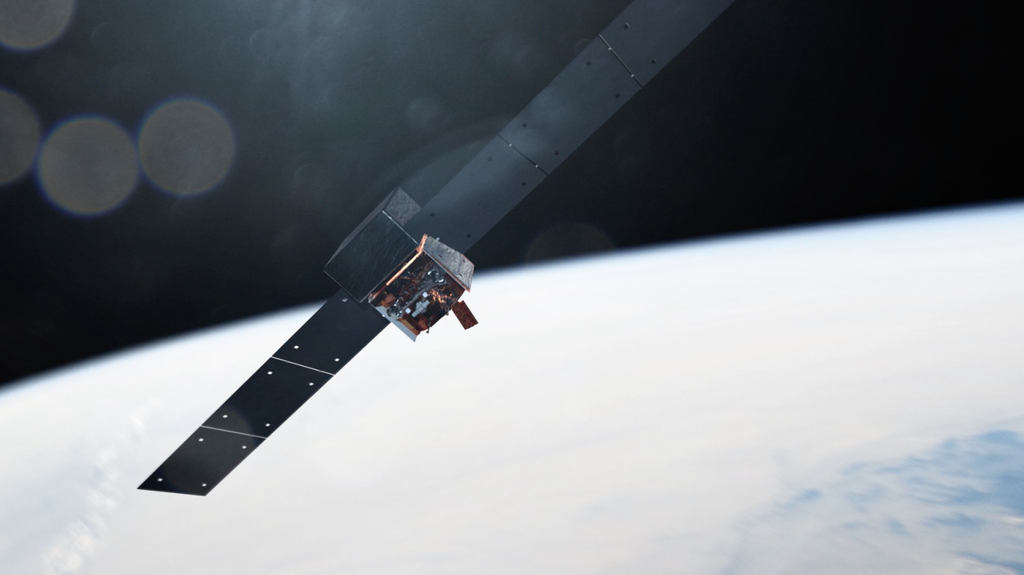
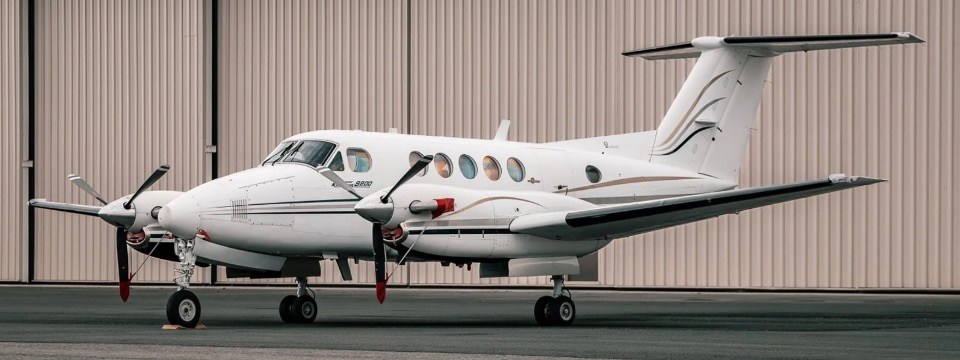

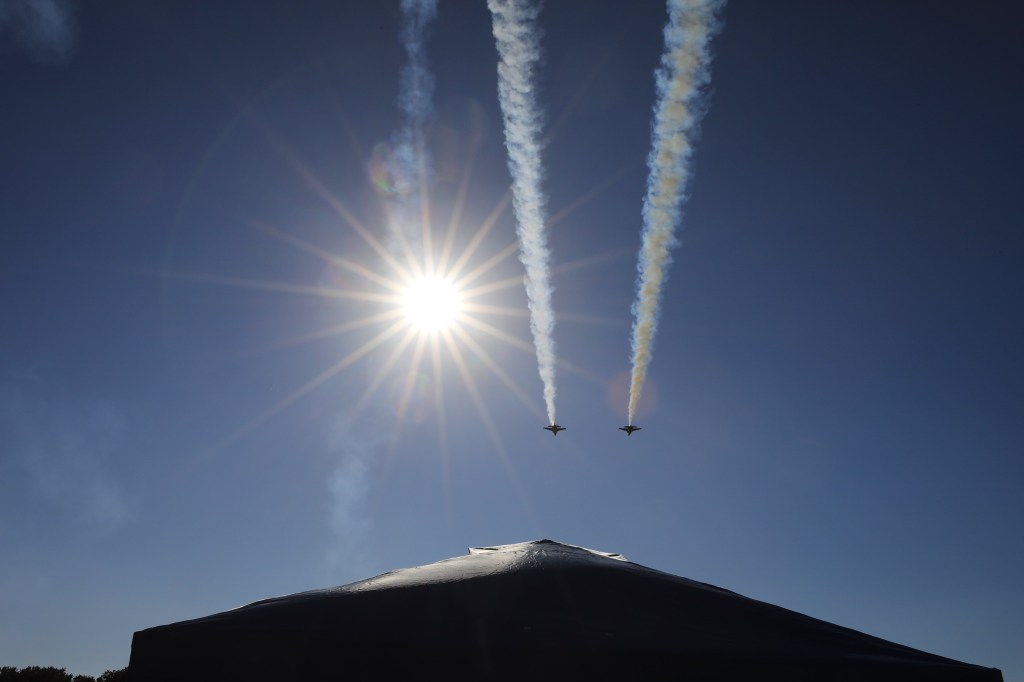

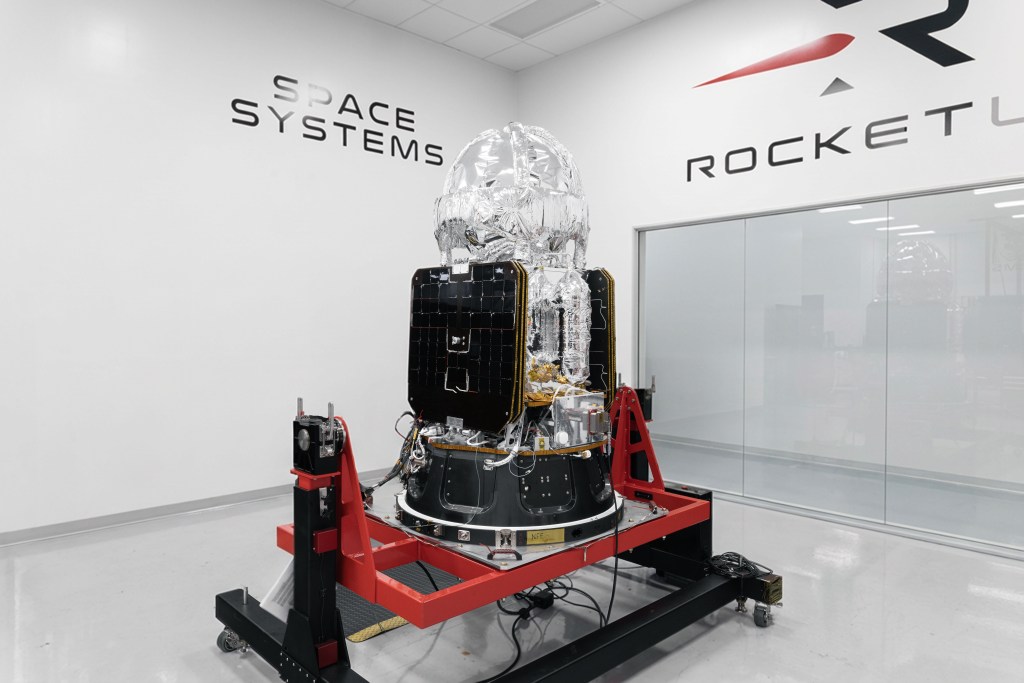




Satellites designed to track water dynamics and temperature changes across Earth’s surface launch in 2027
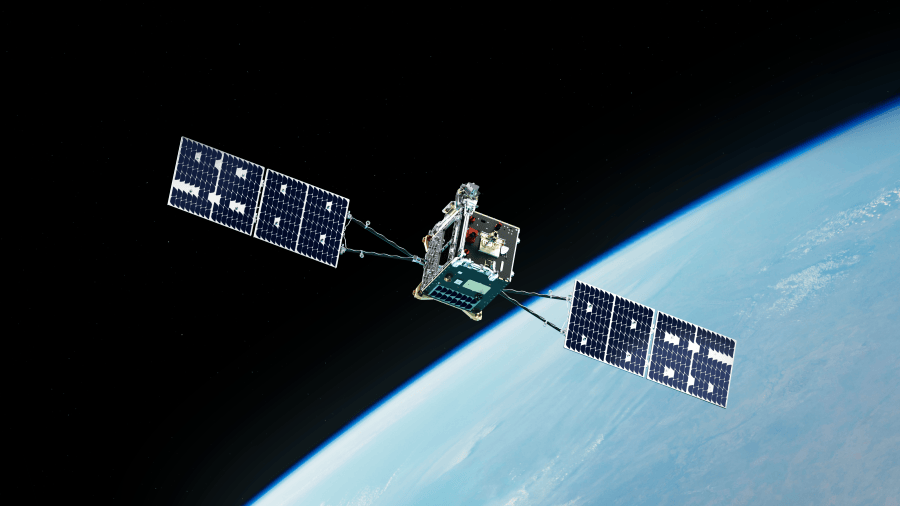
A NASA-supported small satellite launched in October as a technology demonstration has lost contact with its owner and operator, Starfish Space. NASA and Starfish have concluded the spacecraft is not recoverable due to an issue preventing communications between the SmallSat and ground operators. Led by Starfish Space, NASA’s Small Spacecraft Propulsion and Inspection Capability (SSPICY) […]
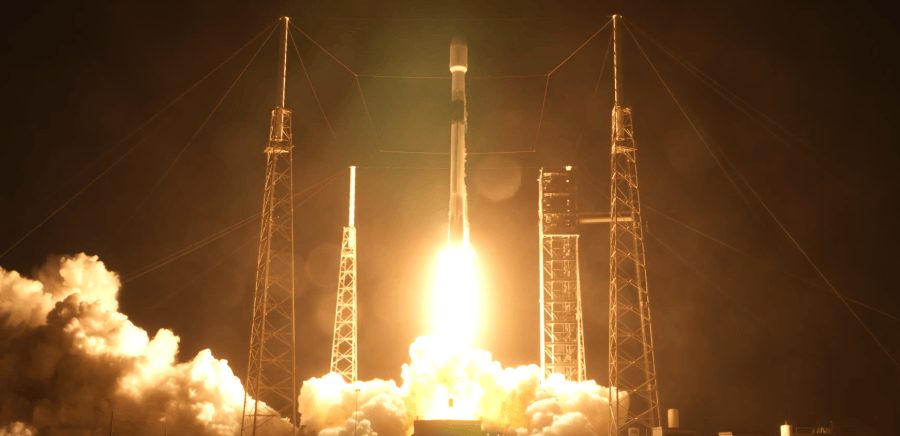
Two NASA-funded demonstrations have successfully launched into low Earth orbit aboard the SpaceX Bandwagon-5 rideshare. Over the coming weeks, both spacecraft will showcase advanced satellite communications capabilities designed to support the agency’s science missions. After Tuesday’s launch, two of NASA’s partners, Viasat and SES Space and Defense, will prepare to test high- and low-rate communications […]
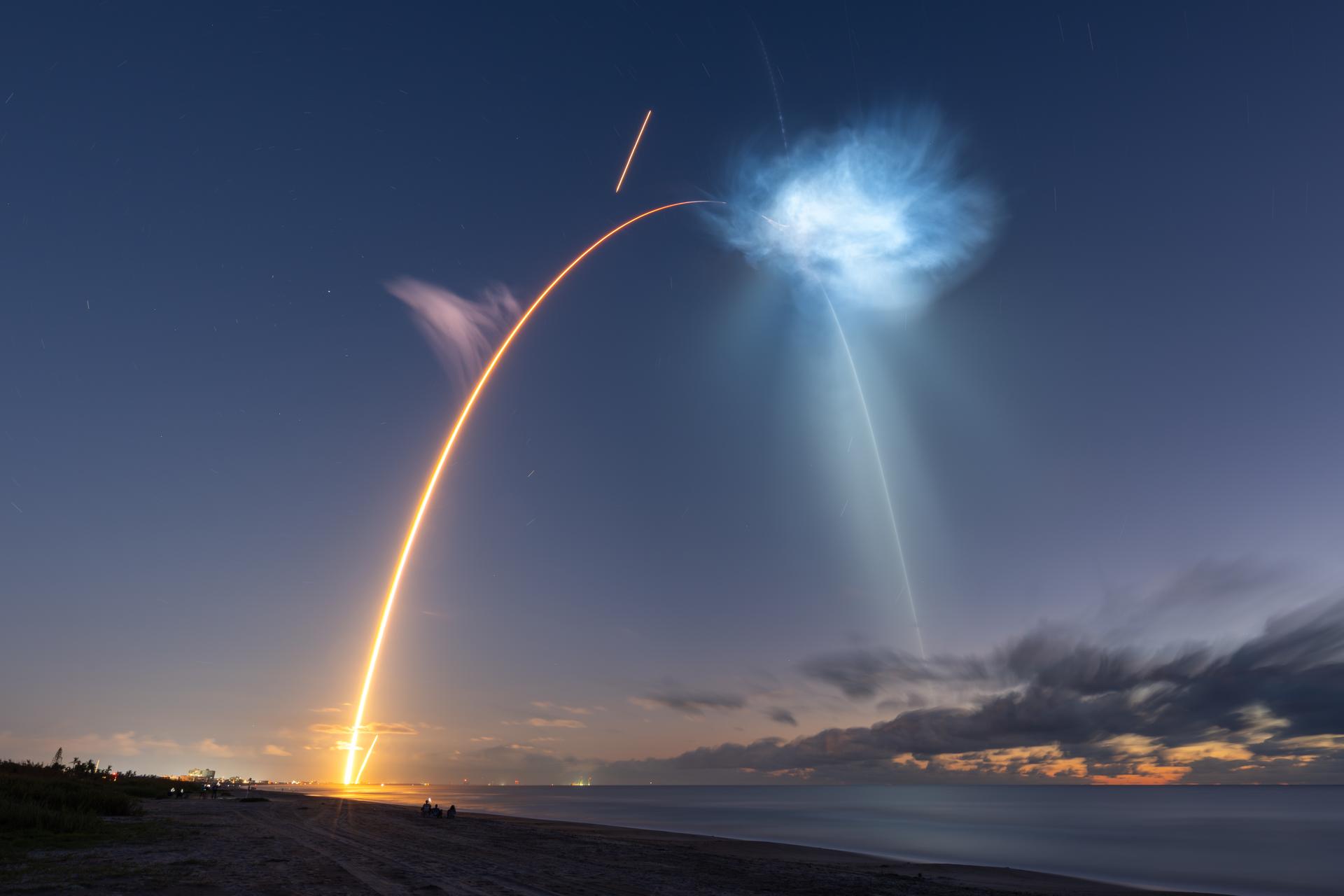
Two student-built satellites launched on Tuesday to the International Space Station to take university engineering projects beyond the classroom and into orbit. The two CubeSats were part of more than 6,300 pounds of cargo that lifted off aboard the 35th SpaceX commercial resupply mission for NASA. A SpaceX Falcon 9 rocket launched at 6:33 a.m. […]

Three NASA-supported small spacecraft launched at 11:32 a.m. PDT Thursday to demonstrate new propulsion technologies, study how galactic dust and high-energy radiation move through galaxies, and advance capabilities for inspecting inactive satellites. The missions launched aboard a SpaceX Falcon 9 rocket from Space Launch Complex 4 East at Vandenberg Space Force Base in California as […]
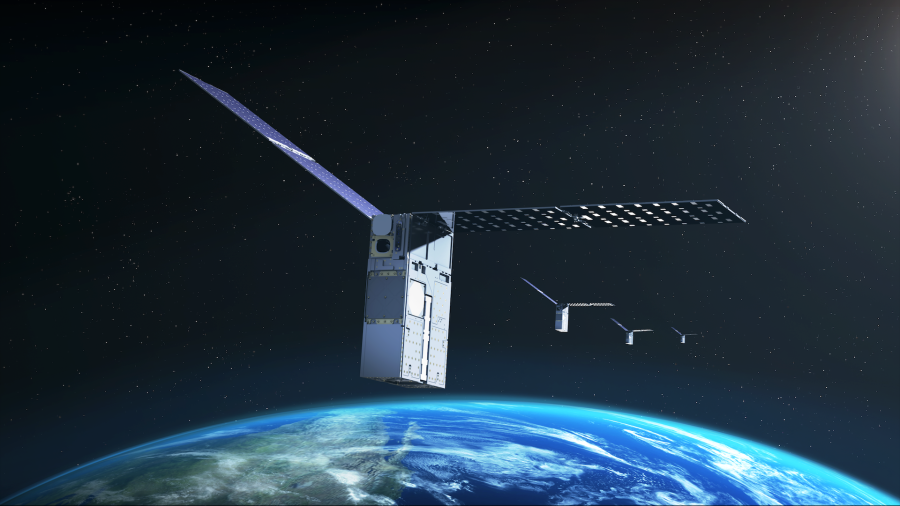
NASA’s Starling mission has marked another milestone in spacecraft autonomy by using a new system that determines a satellite’s position in orbit by referencing other objects in space, instead of relying on a navigational network. The FALCON (Fast Autonomous Lost-in-space Catalog-based Optical Navigation) technology demonstration is a step toward spacecraft being able to operate more independently. As NASA prepares for more missions beyond Earth’s orbit, technologies like FALCON can support lunar satellite swarms, distributed science missions, and human exploration. Traditional satellite navigation […]
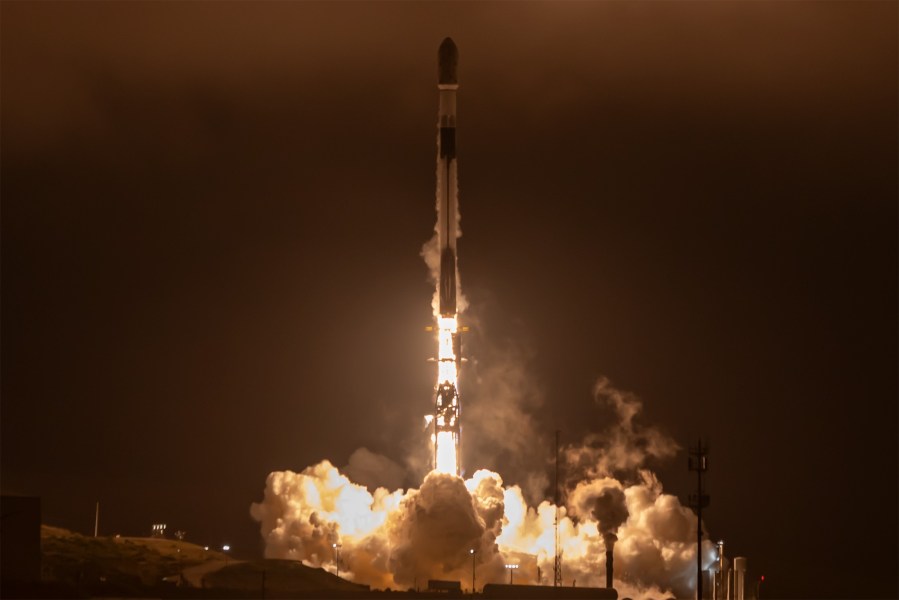
The R5-S9 (Realizing Rapid, Reduced-cost high-Risk Research project Spacecraft 9) CubeSat, developed by NASA’s Johnson Space Center in Houston, lifted off at 12:12 a.m. PDT Tuesday, July 7, aboard a Falcon 9 rocket from Space Launch Complex 4 East at Vandenberg Space Force Base in California as part of the Transporter-17 rideshare mission with SpaceX. […]
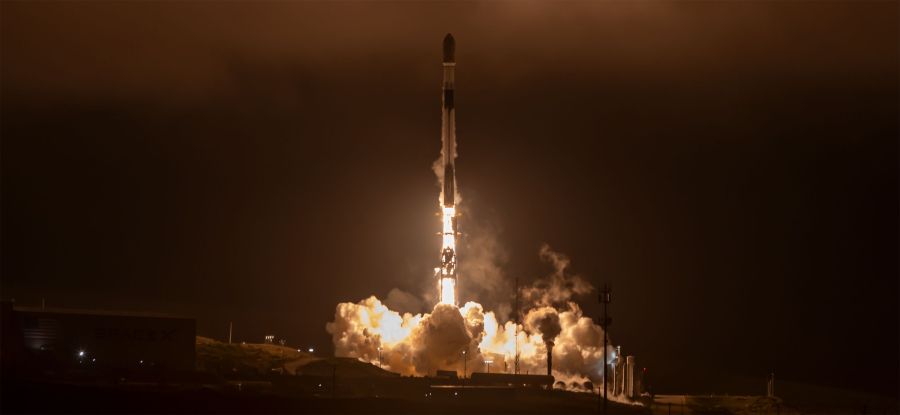
GRITSS will demonstrate the feasibility of a new technique for improving precision navigation and geodetic measurements.
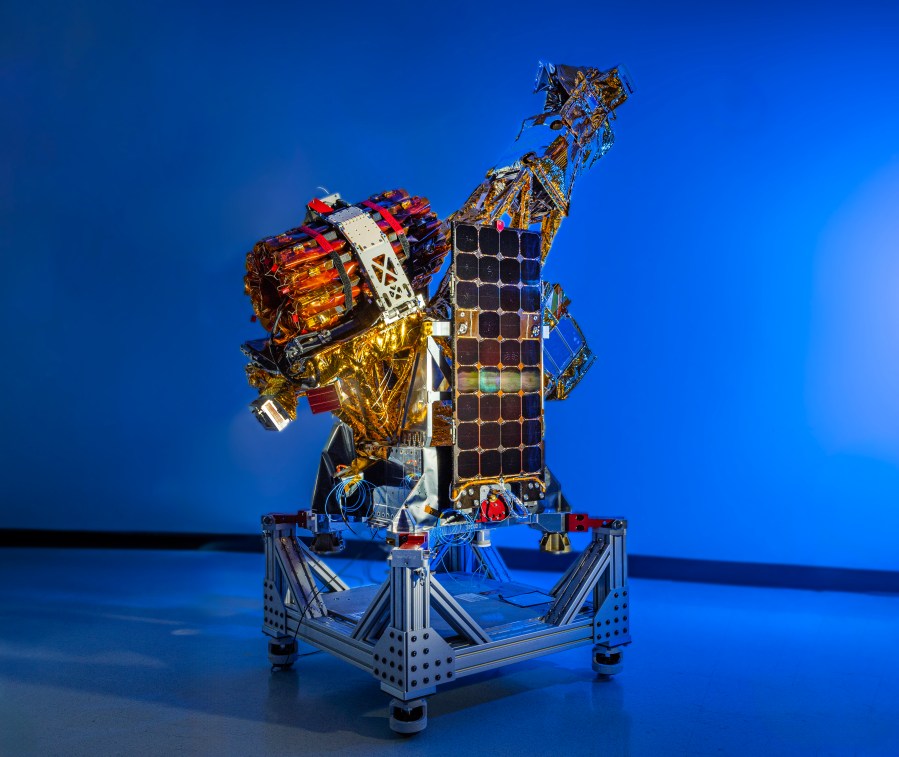
Teams working on NASA’s INCUS (Investigation of Convective Updrafts) mission, the first space-based survey of the dynamics of tropical convective storms, have completed assembly and tested two of the mission’s small satellites, or SmallSats. Testing continues on the third SmallSat and is scheduled for completion no earlier than September in advance of a 2027 launch. […]
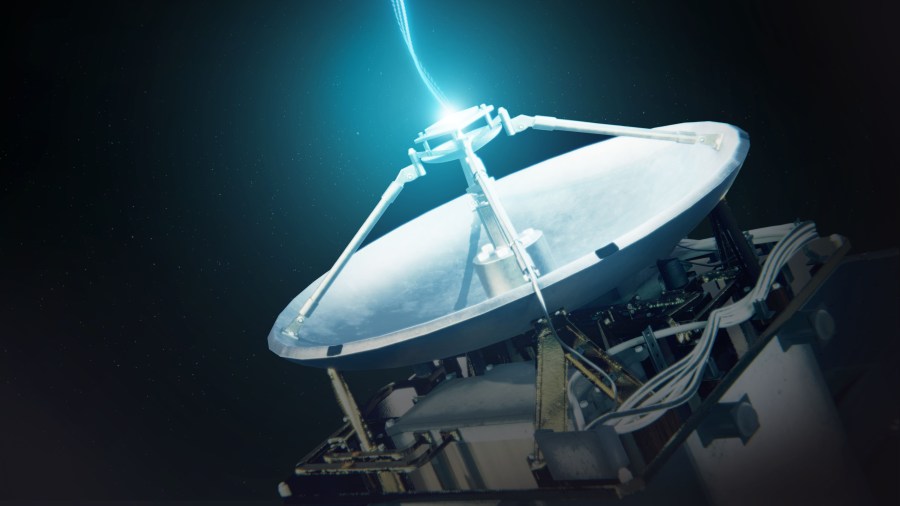
NASA’s Polylingual Experimental Terminal (PExT), designed to enable interoperability between satellite relay networks, has completed its planned technology demonstration. Given the primary mission’s success and the flexibility of the technology, NASA has extended operations to pursue new partnership opportunities and additional capability demonstrations. The terminal launched July 23, 2025, aboard York Space Systems’ BARD spacecraft […]