












Media Contacts
NASA Headquarters: Rachel Kraft, James Gannon
Artemis media resources
Explore more about Artemis
Artemis News and Articles
Stay up-to-date with the latest Artemis content from NASA as we explore the Moon for scientific discovery and to prepare for human missions to Mars.
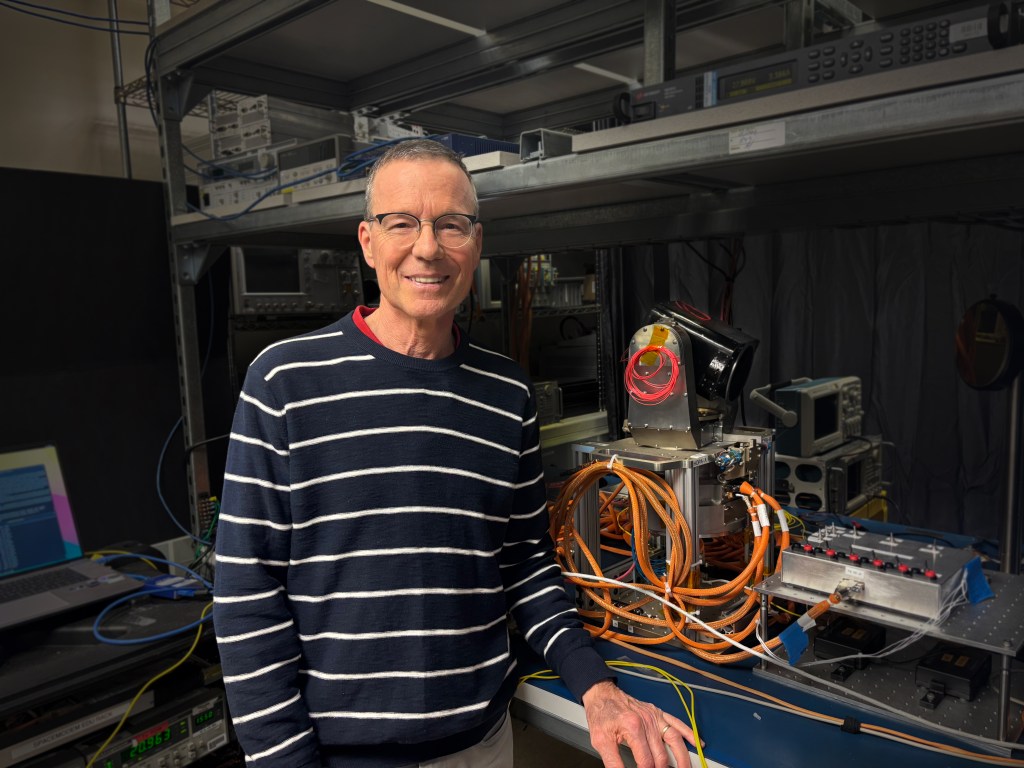
Listen to this audio excerpt from Peter Rossoni, Orion Artemis II Optical Communications System flight manager: As a child, Peter Rossoni watched the Apollo missions launch with his family. In April 2026, he became a part of NASA’s Artemis II…

The National Space Club & Foundation announced its annual award recipients March 13, 2026, in Washington, D.C. Two dedicated leaders from NASA’s Johnson Space Center were recognized for their contributions to human spaceflight. Orion Program Manager Howard Hu received the Norman L.…

The Hashemite Kingdom of Jordan signed the Artemis Accords Thursday during a ceremony hosted by NASA at the agency’s headquarters in Washington, becoming the latest nation to commit to responsible space exploration to benefit humanity. “It is my privilege to welcome Jordan as the newest signatory to…

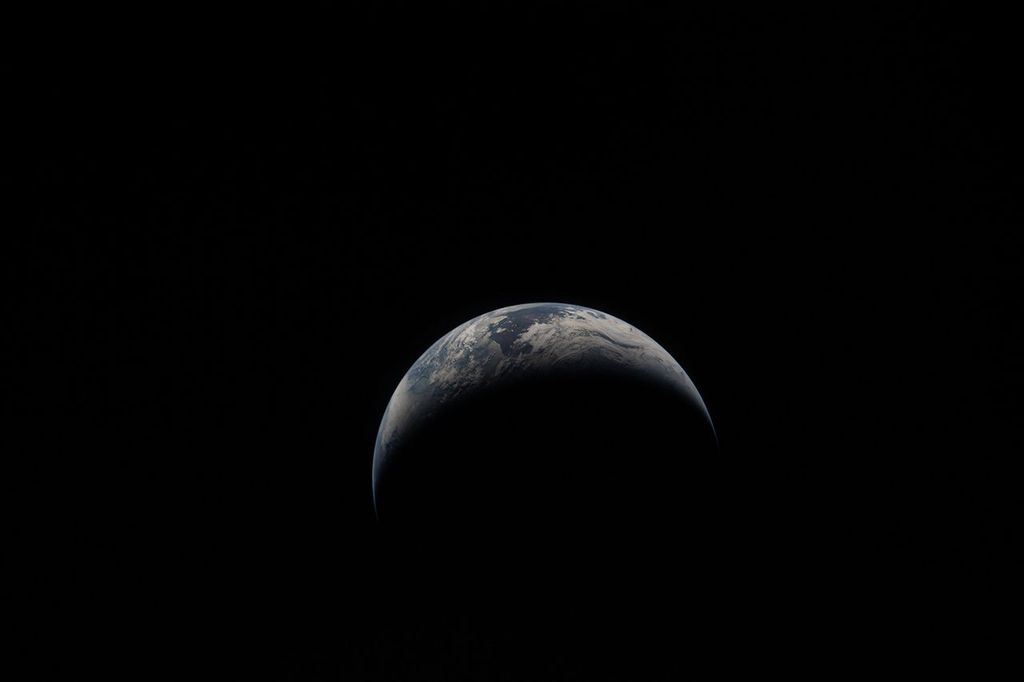
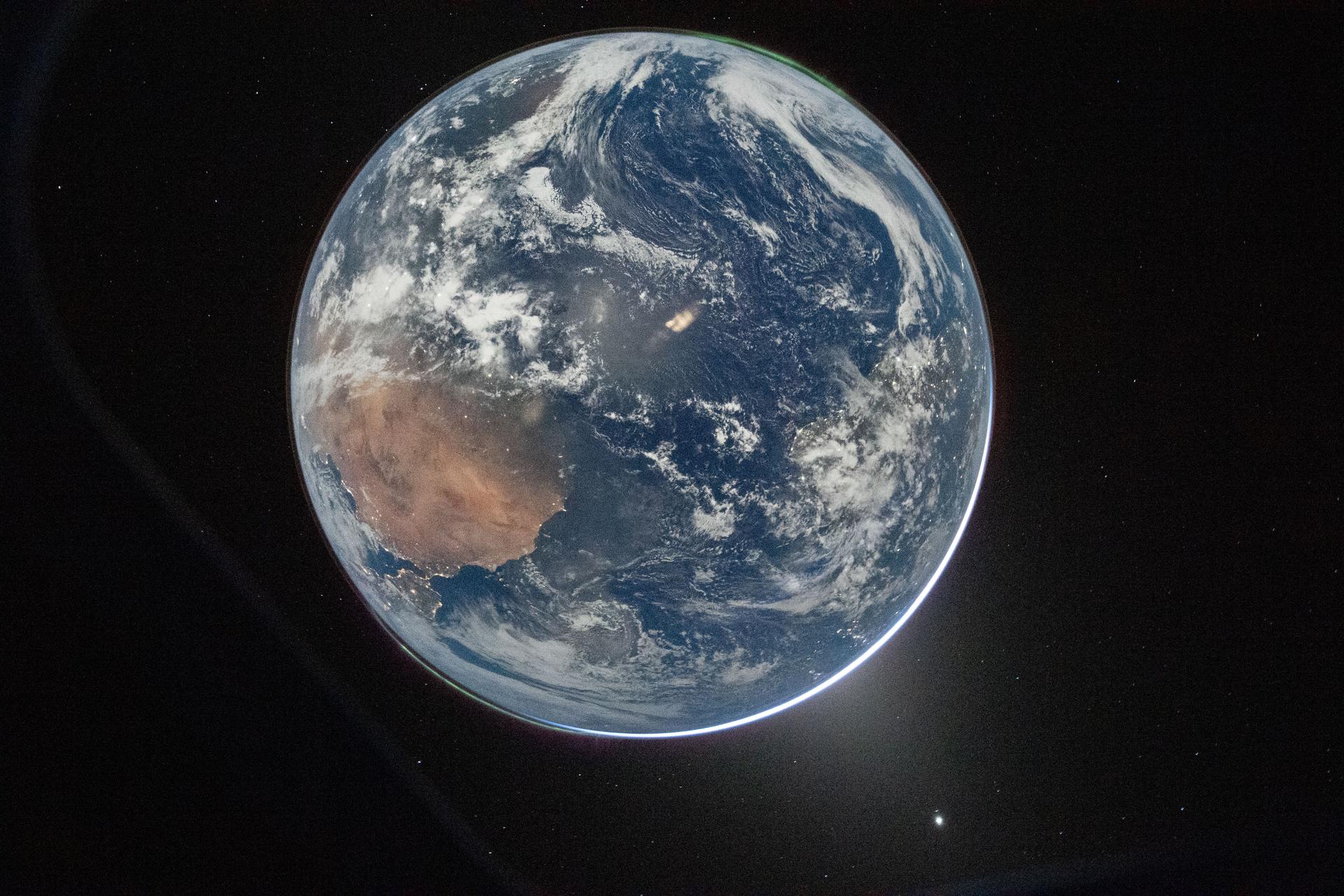
This image, released in celebration of Earth Day, shows the terminator – the line between night and day – on Earth. The Artemis II astronauts captured this view on April 2, 2026, during their journey to the Moon. NASA science…
On April 1, 2026, Artemis II launched on a nearly 10-day voyage around the Moon, marking the first crewed flight of NASA’s Orion spacecraft. NASA astronauts Reid Wiseman, Victor Glover, and Christina Koch, along with CSA (Canadian Space Agency) astronaut Jeremy Hansen, splashed down on…

On March 21, 2026, NASA’s Johnson Space Center Director Vanessa Wyche took the stage at the Space House event at South by Southwest in Austin, Texas, to outline NASA’s next giant leap in human spaceflight — from low Earth orbit to the Moon, and ultimately…
NASA successfully sent four astronauts around the Moon for the first time in more than 50 years, setting the stage for future lunar landing missions. As the agency continues to push the bounds of space exploration, NASA’s Ames Research Center in California’s Silicon Valley provided…
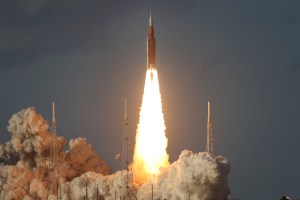
Following NASA’s Artemis II mission successfully splashing down on Earth, engineers started diving into detailed analysis of data to assess how key systems and subsystems on the Orion spacecraft, SLS (Space Launch System) rocket, and systems at the launch pad…

Following the recent successful test flight of NASA’s Artemis II mission around the Moon, NASA rolled out the core stage, or the largest section, of the agency’s SLS (Space Launch System) rocket that will launch the crewed Artemis III mission…

The Republic of Latvia signed the Artemis Accords Monday during a ceremony hosted by NASA at the agency’s headquarters in Washington, becoming the 62nd nation to commit to responsible space exploration for all humanity. “We are proud to welcome Latvia to the Artemis Accords,” said NASA Administrator Jared Isaacman.…

The Republic of Latvia will sign the Artemis Accords during a ceremony at 9 a.m. EDT Monday, April 20, at NASA Headquarters in Washington. NASA Administrator Jared Isaacman will host Dace Melbārde, Latvia’s minister for education and science; Jānis Beķeris,…
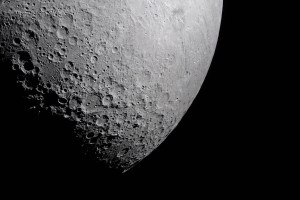
In this photo taken on April 6, 2026, a portion of the Moon’s far side is seen along the terminator—the boundary between lunar day and night—where low-angle sunlight casts long shadows across the surface. A section of Orientale Basin is…
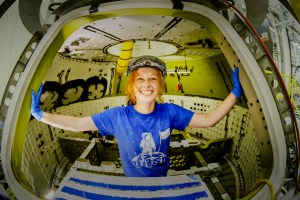
Listen to this audio excerpt from Rebekah Tolatovicz, a mechanical technician lead supporting the Orion spacecraft’s main contractor Lockheed Martin: At NASA’s Kennedy Space Center in Florida, there is a fleet of Orion spacecraft in work, and Rebekah Tolatovicz’s hands…

NASA’s Artemis II astronauts are back home. Hear reactions from the Artemis II crew—Reid Wiseman, Victor Glover, Christina Koch, and Jeremy Hansen—as they returned to Earth.
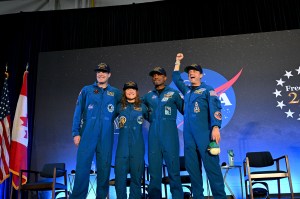
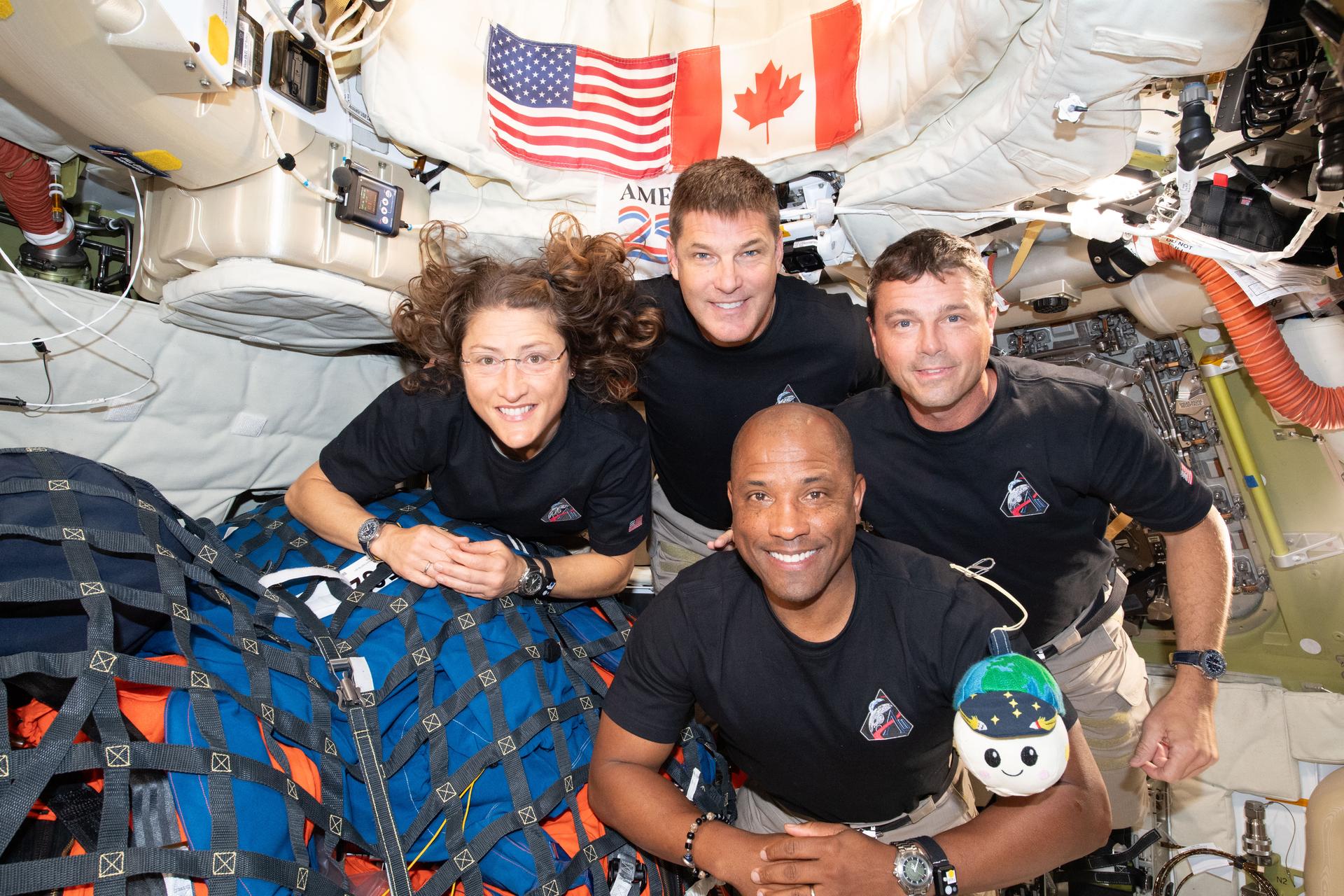
NASA’s Artemis II crew – NASA astronauts Reid Wiseman, Victor Glover, and Christina Koch, and CSA (Canadian Space Agency) astronaut Jeremy Hansen – smile at friends, family, and colleagues. They shared brief remarks with the crowd after landing at Ellington…
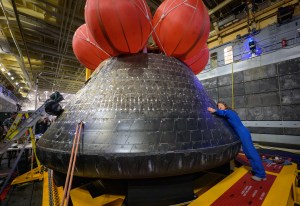
NASA astronaut Christina Koch, Artemis II mission specialist, hugs the Orion spacecraft in the well deck of USS John P. Murtha, Saturday, April 11, 2026. NASA astronauts Reid Wiseman, Victor Glover, and Koch, and CSA (Canadian Space Agency) astronaut Jeremy…
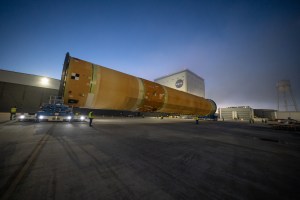
NASA will roll the largest section of the agency’s SLS (Space Launch System) rocket, which will launch the second crewed Artemis mission, out of the agency’s Michoud Assembly Facility in New Orleans on Monday, April 20. What’s called the top…
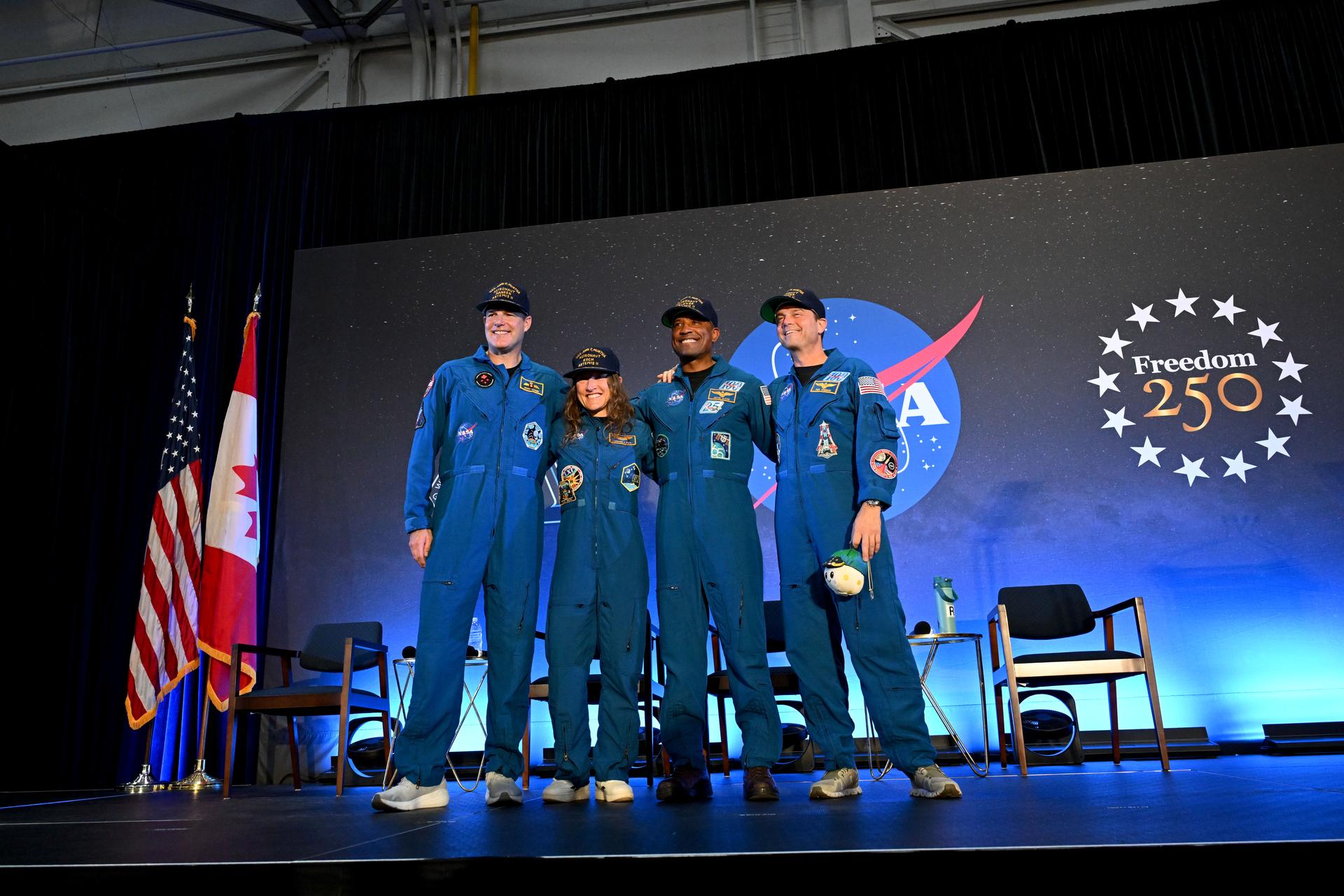
Fresh off their return to Earth, the Artemis II astronauts will hold a news conference at 2:30 p.m. EDT Thursday, April 16, at NASA’s Johnson Space Center in Houston to discuss their historic mission around the Moon. NASA astronauts Reid…
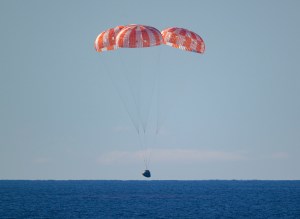
This image from April 10, 2026, captures NASA’s Orion spacecraft, with its parachutes deployed, seconds before splashdown in the Pacific Ocean. The Artemis II crew accomplished many milestones on their nearly 10-day mission, surpassing the Apollo 13 record for farthest…
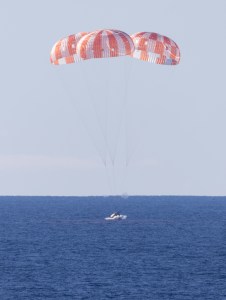
The first astronauts to travel to the Moon in more than half a century are back on Earth after a record-setting mission aboard NASA’s Artemis II test flight. NASA astronauts Reid Wiseman, Victor Glover, and Christina Koch, and CSA (Canadian…
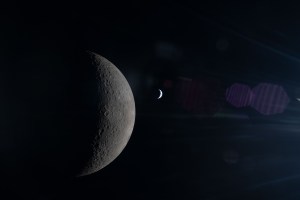
Seen during Artemis II’s lunar flyby on April 6, 2026, the Moon and Earth align in the same frame, each partially illuminated by the Sun. The Moon’s surface appears in sharp detail in the foreground, while Earth sits much farther…
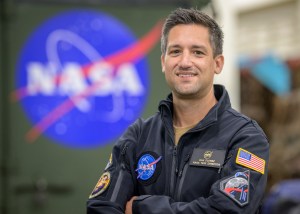
Listen to this audio excerpt from Dan Florez, test director for NASA’s Exploration Ground Systems Program: At 1:47 a.m. EST November 16, 2022, as the Artemis I engines ignited, NASA astronaut Reid Wiseman and Dan Florez, NASA test director for…

The Artemis II crew captured this photo of our galaxy, the Milky Way, on April 7, 2026. The Milky Way’s elegant spiral structure is dominated by just two arms wrapping off the ends of a central bar of stars. Spanning…
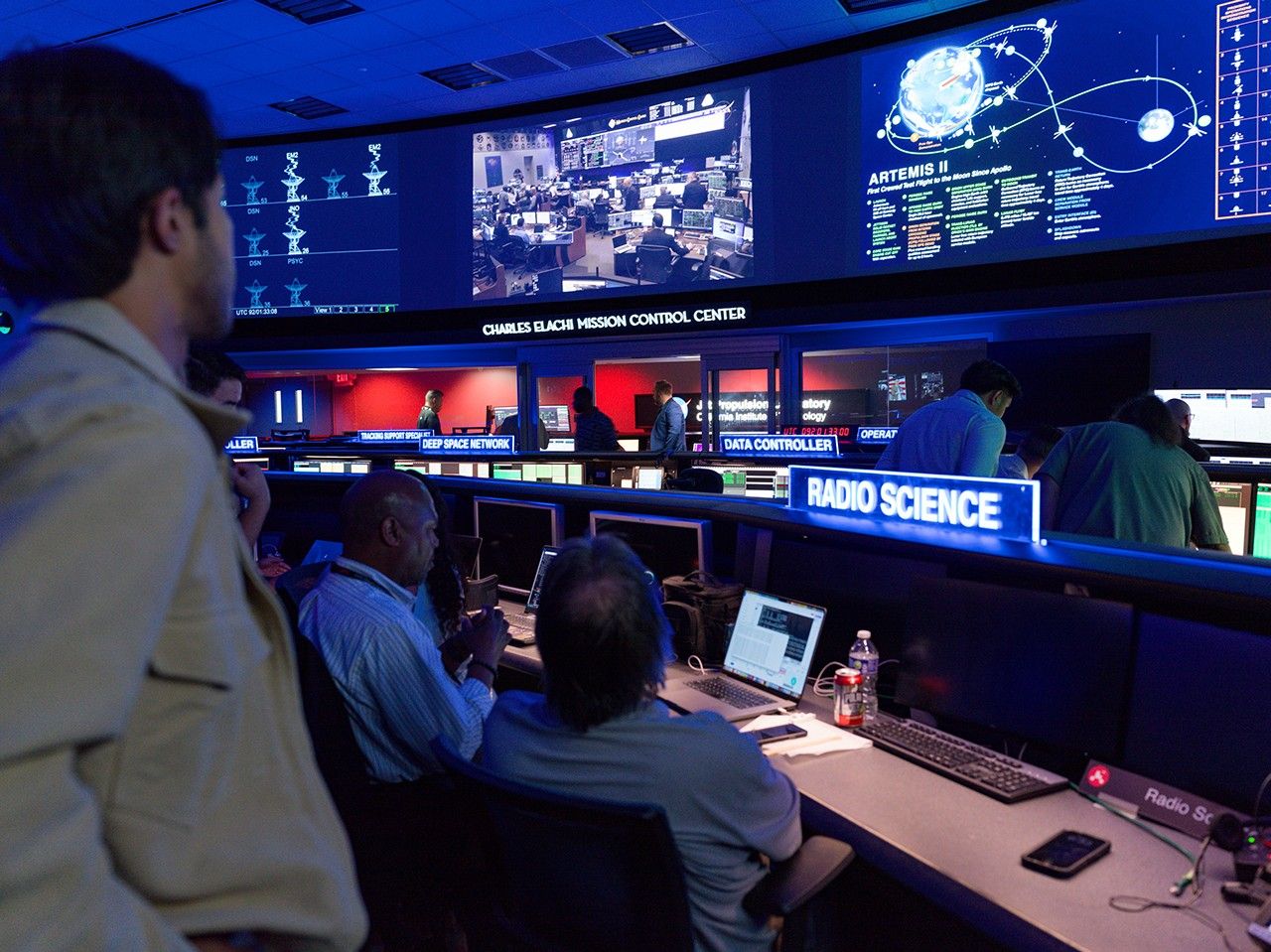
Description Staff at NASA’s Jet Propulsion Laboratory in Southern California watch the agency’s Artemis II mission unfold soon after launch on April 1, 2026, at the Space Flight Operations Facility, which operates the Deep Space Network (DSN). The DSN comprises…
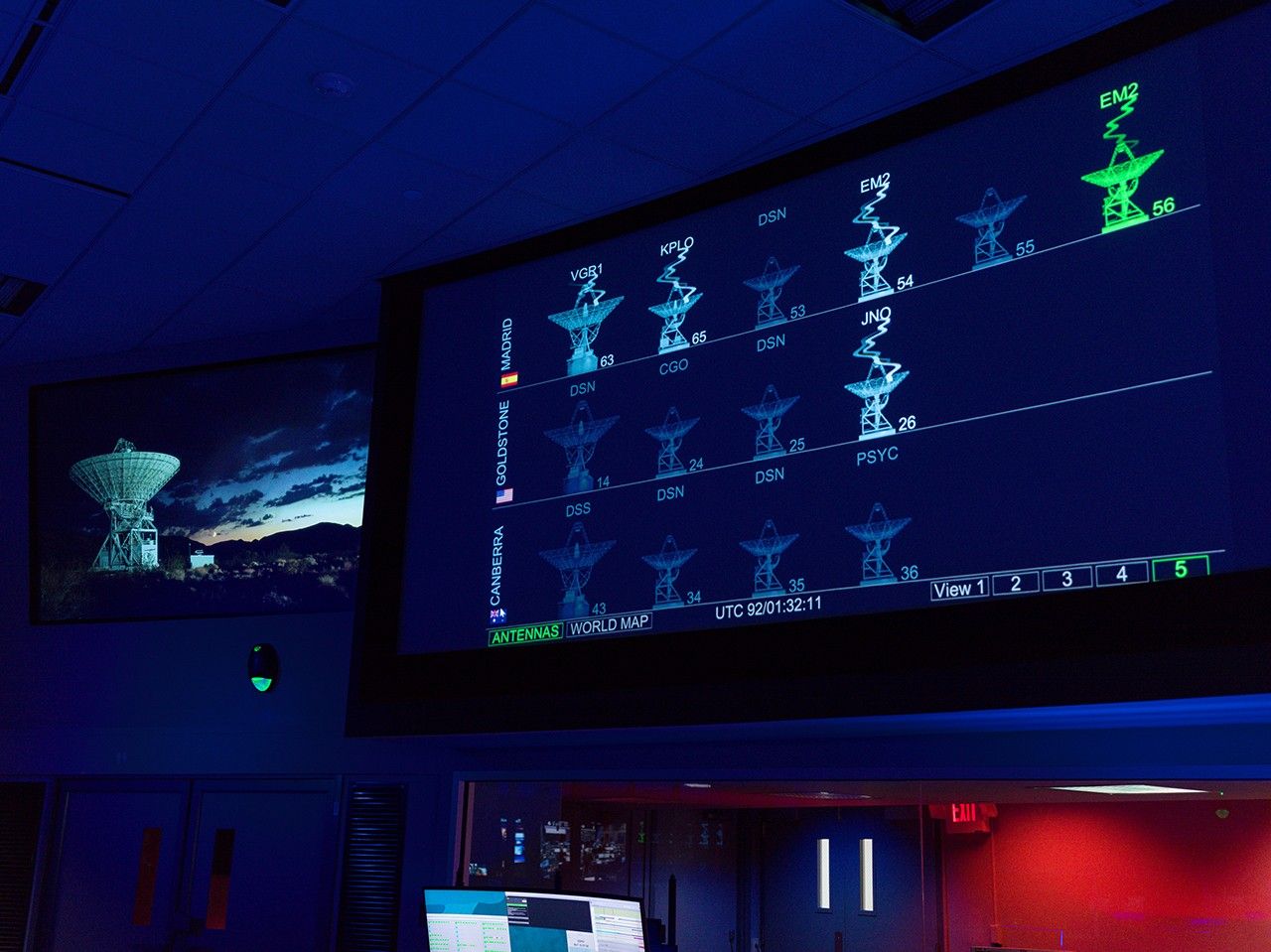
Description A graphical representation of the Deep Space Network’s radio frequency antennas indicate signal acquisition from NASA’s Artemis II mission to the Moon on April 1, 2026, inside the Space Flight Operations Facility at NASA’s Jet Propulsion Laboratory in Southern…