
















Let’s Fly!
Welcome to NASA’s online home for all things related to the first “A” in NASA —Aeronautics. Here you can stay informed about NASA’s research to improve air travel and make it more sustainable. And if you’re interested in how NASA airplanes support the agency’s science programs and flight operations, we’ve got you covered. NASA is with you when you fly.
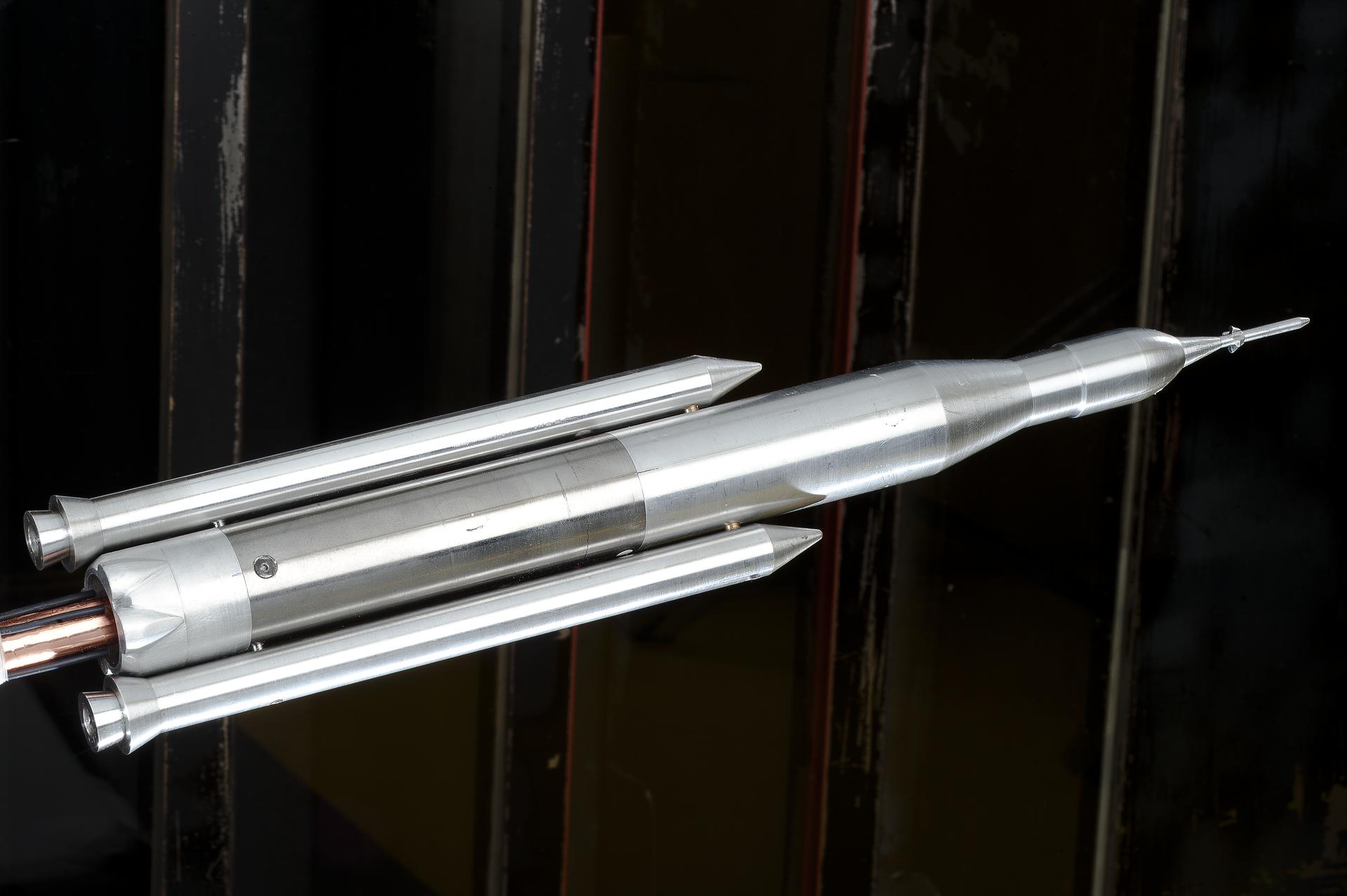
pictured: a model of nasa's space launch system rocket being tested in a langley research center wind tunnel.
welcome to the flight line – FEATURED AERONAUTICS content

Wind Tunnel
Discover NASA's Unitary Plan Wind Tunnel and its history.
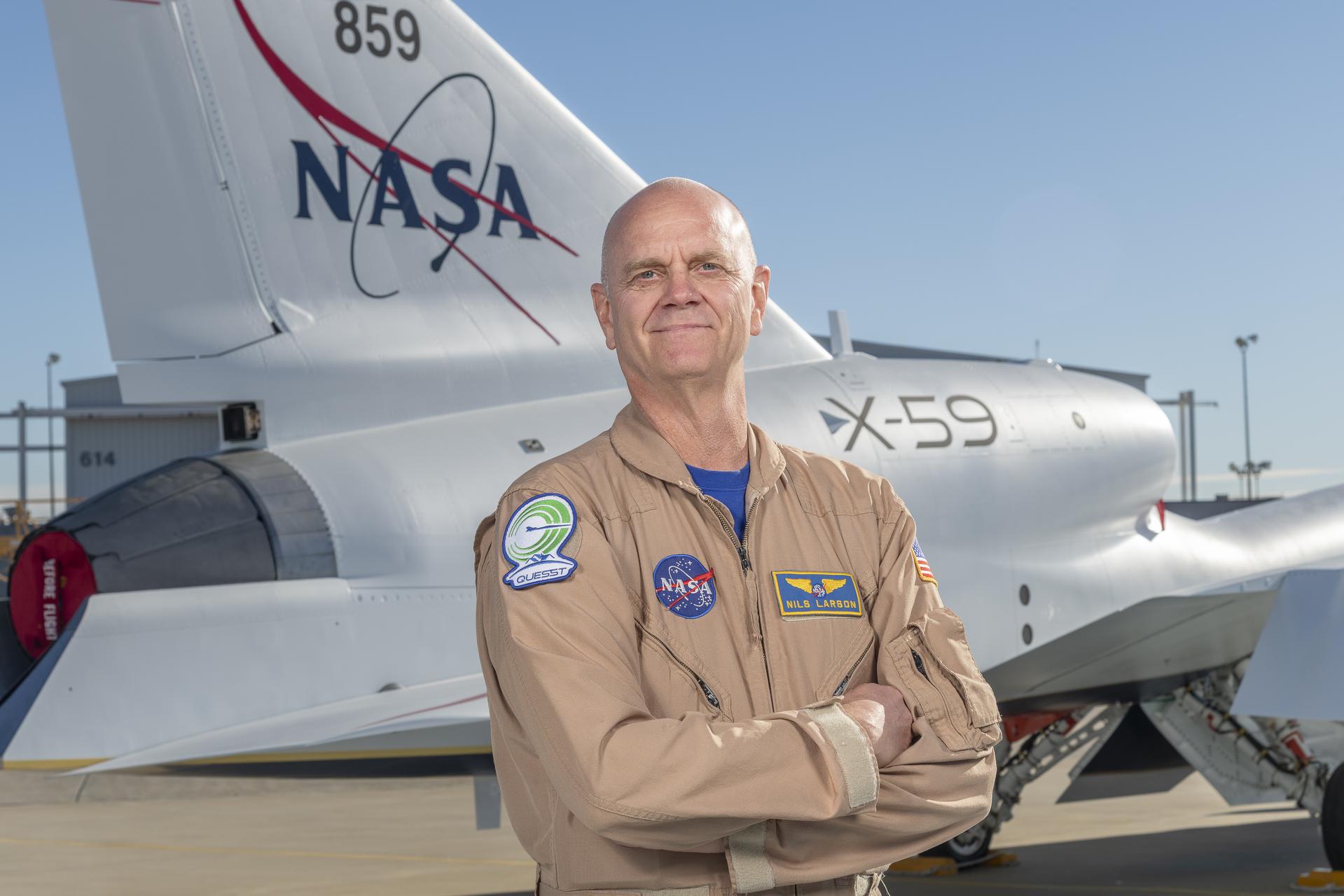
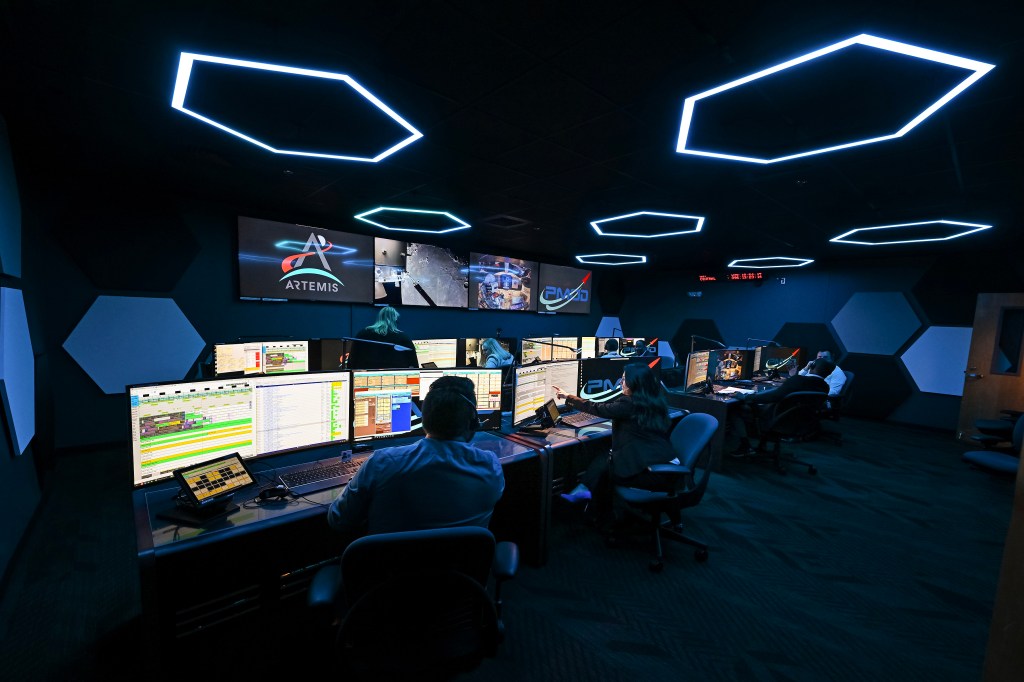
Test Pilot
Meet NASA test pilot Nils Larson.

Aero e-Book
X-15: Extending the Frontiers of Flight
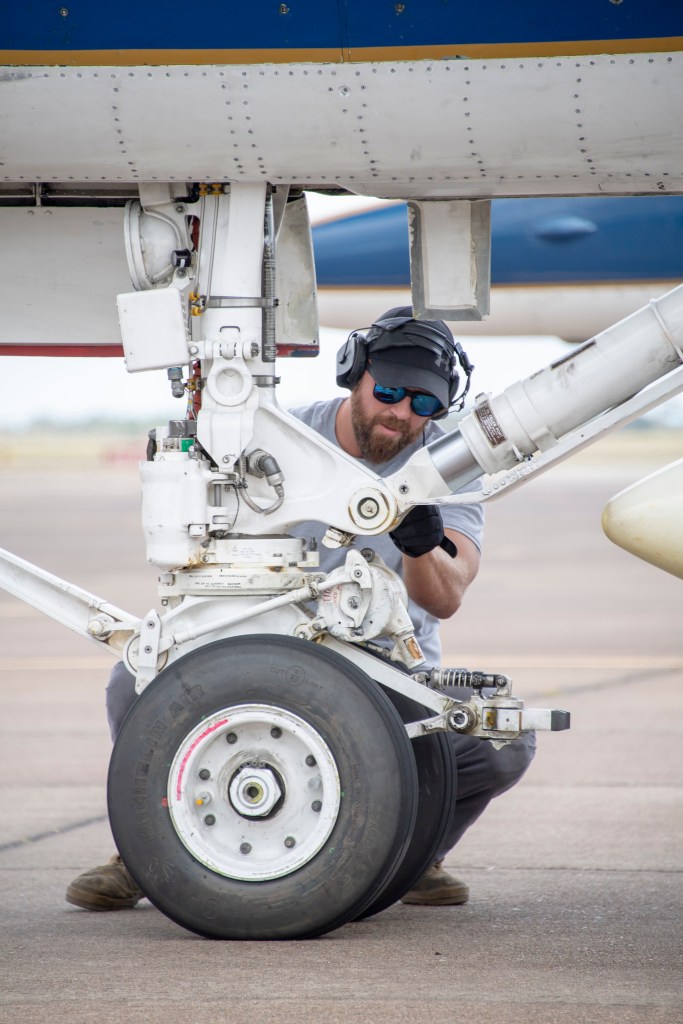
From the Hangar
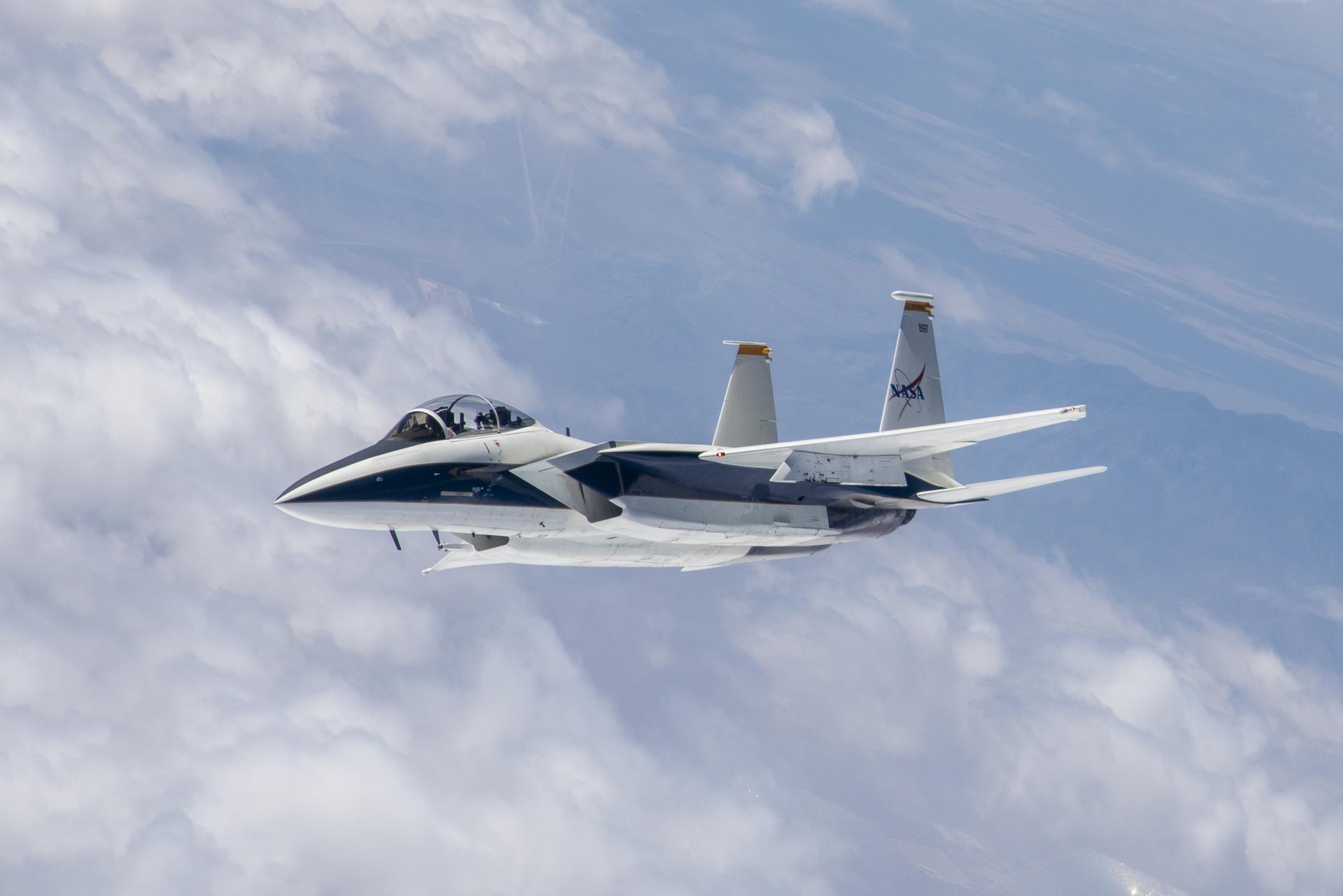
Learn more about NASA's F/A-18 mission support aircraft.
Glenn Research Center
Take a virtual tour of research facilities at NASA's Glenn Research Center in Cleveland.
Latest Aeronautics News
Quesst
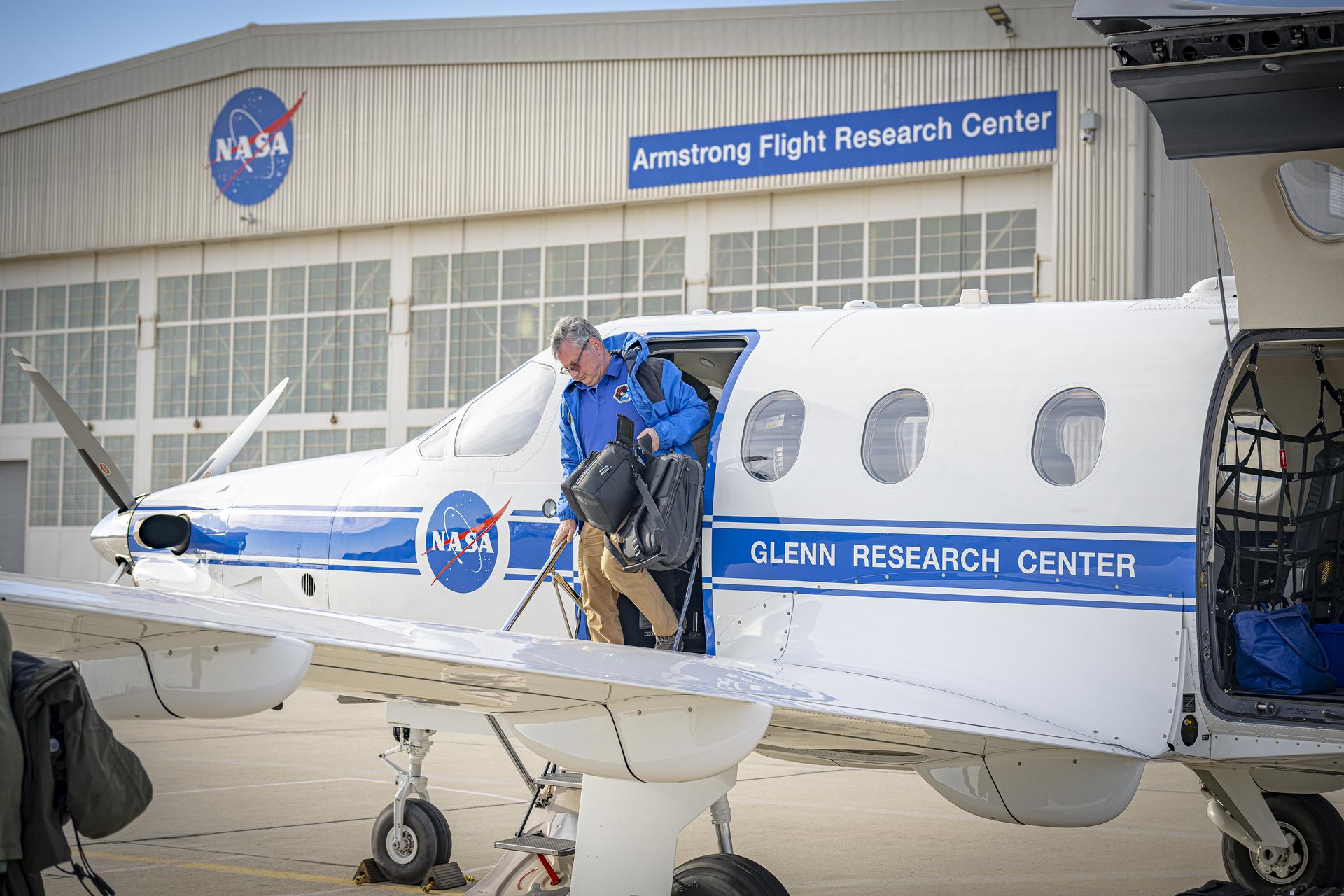
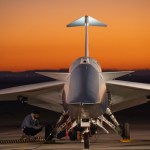
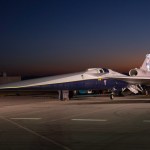
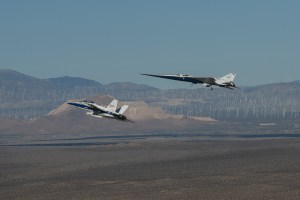
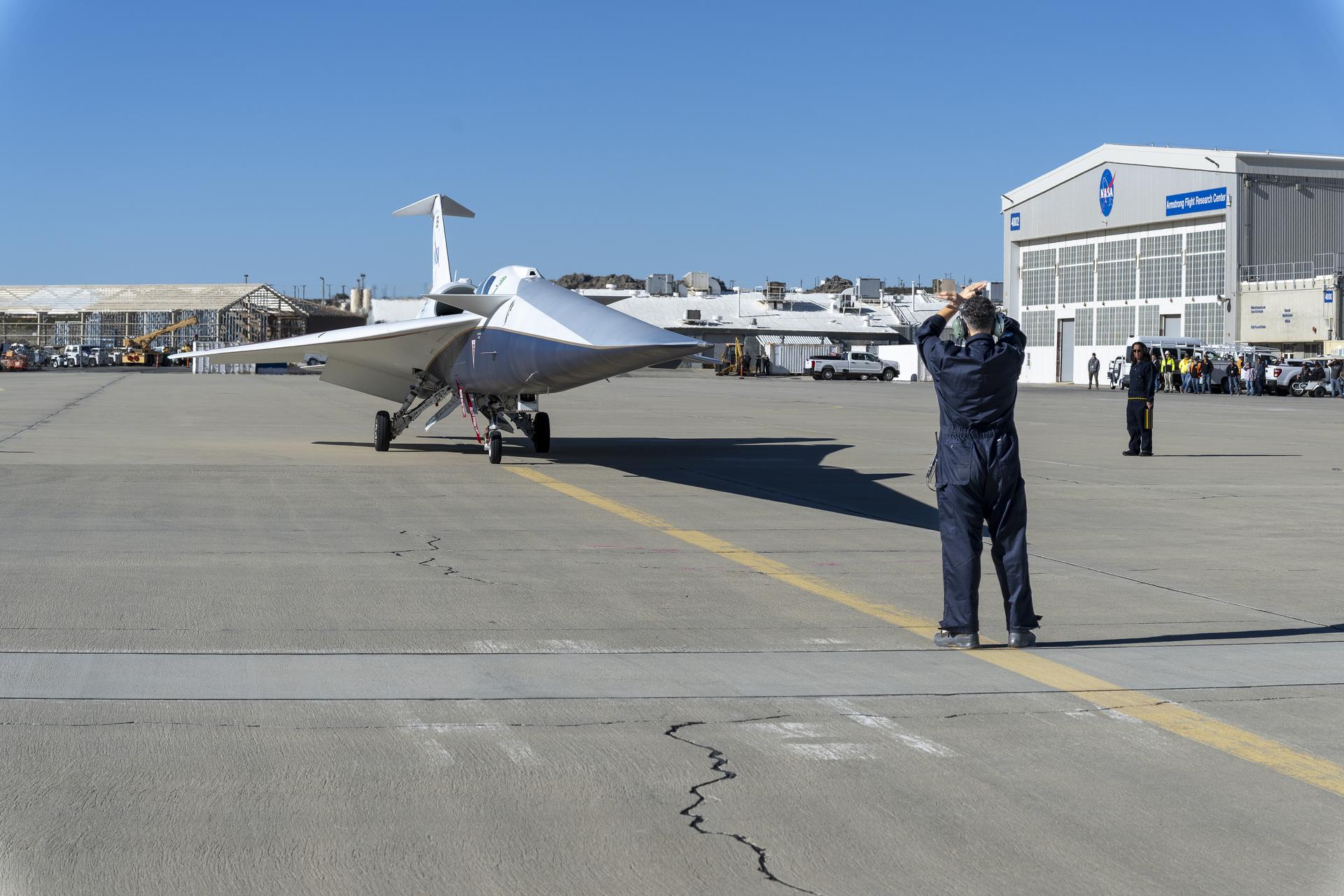
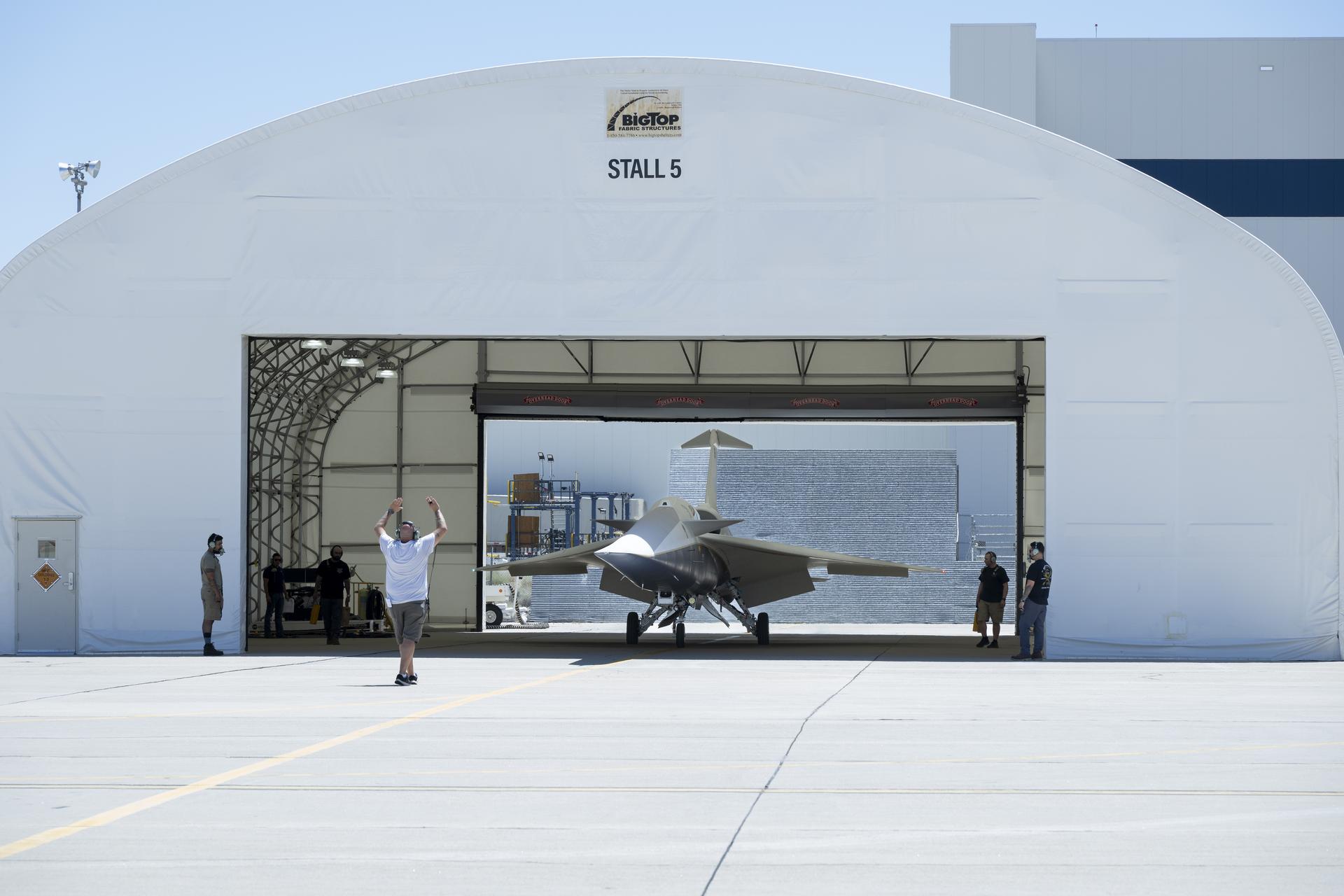
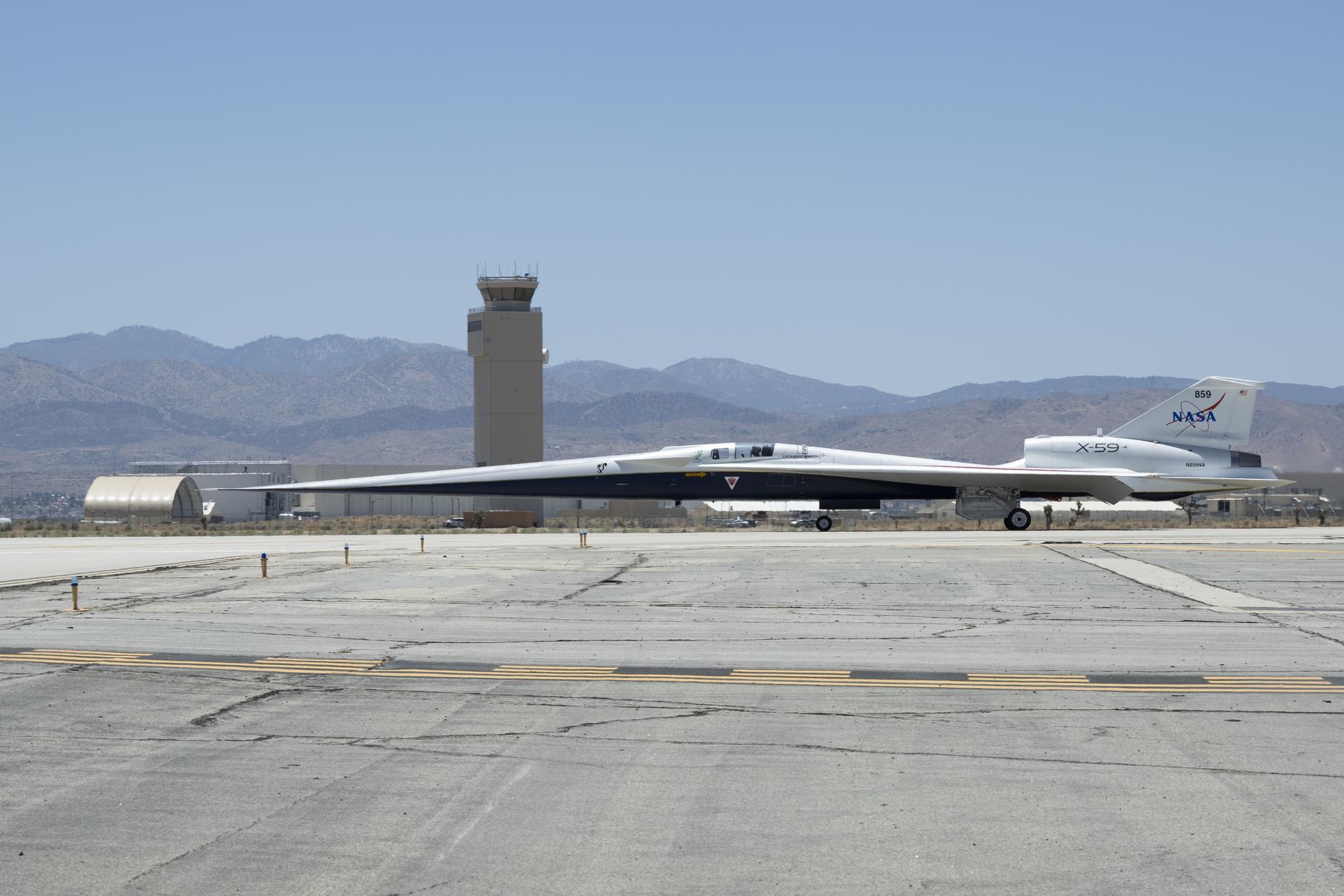
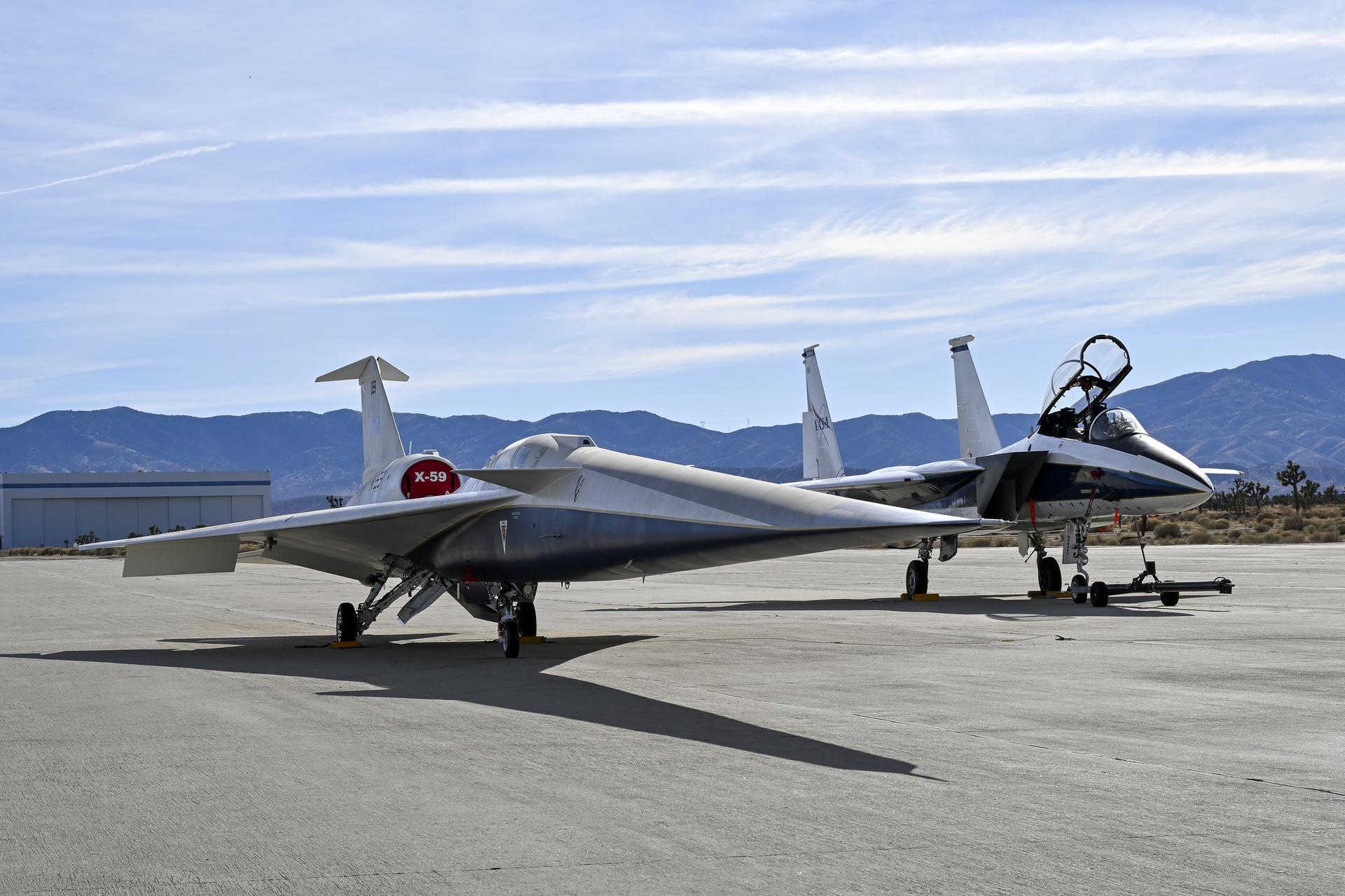
Quesst is the name of NASA Aeronautics' mission to help take the first step toward enabling commercial, faster-than-sound air travel over land. The centerpiece of the mission is NASA's X-59 research aircraft. The experimental supersonic jet is designed with technology that reduces the loudness of a sonic boom to a gentle thump. NASA will fly the X-59 over select U.S. communities and take surveys to record what people think of the quieter sonic thumps. The human response data will be delivered to U.S. and international regulators, who will consider setting new rules that allow supersonic flight over land.
Stay up to date at the Quesst mission page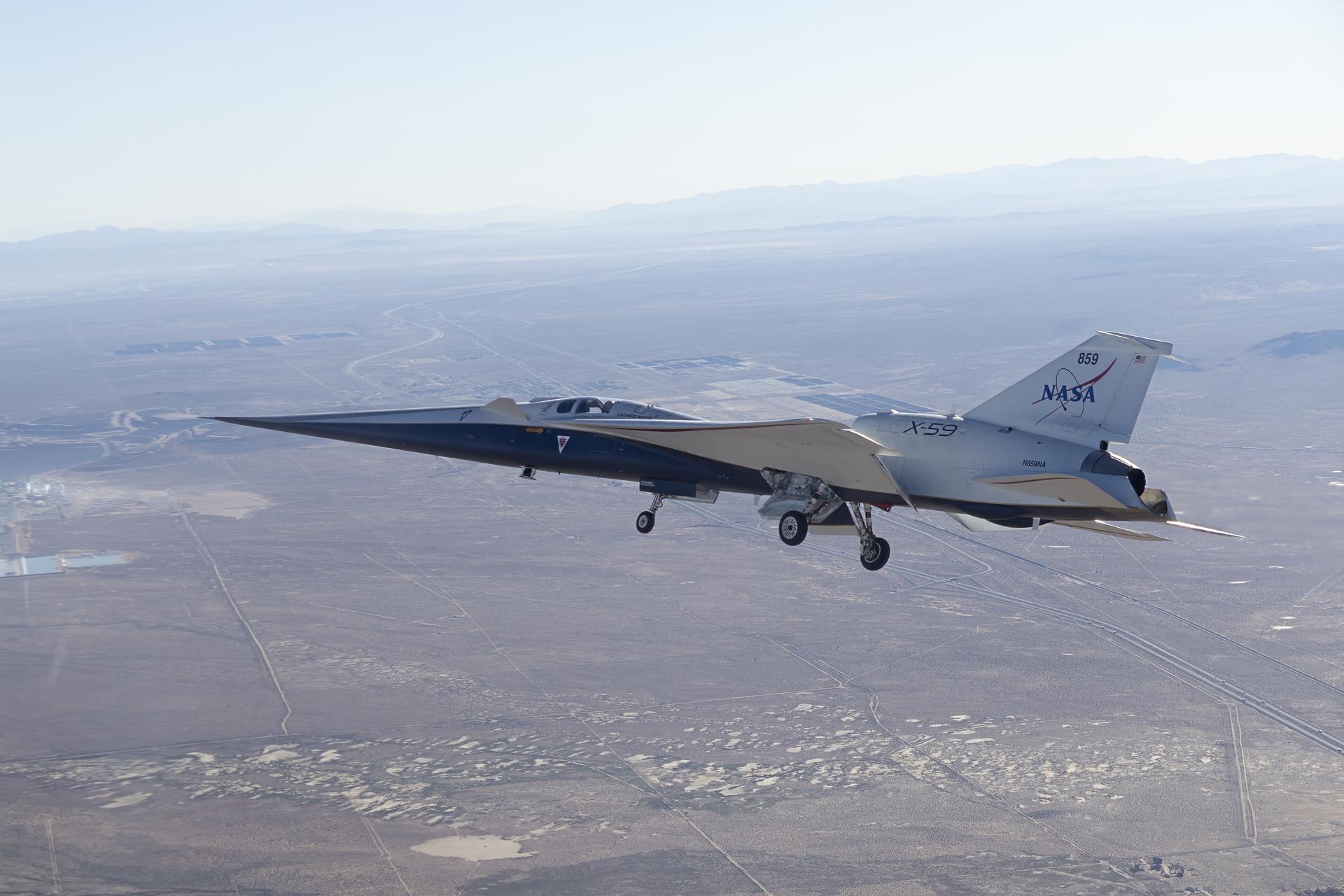
Watch Videos about Quesst and the X-59
Aeronautics Research Mission Directorate
NASA's first "A" stands for Aeronautics. With a research heritage that goes back more than 110 years, today every U.S. commercial aircraft and air traffic control facility incorporates NASA-developed technology. The innovations continue at NASA's Aeronautics Research Mission Directorate. Get to know the programs and projects transforming aviation for the 21st century.
Learn more about NASA's Aeronautics Research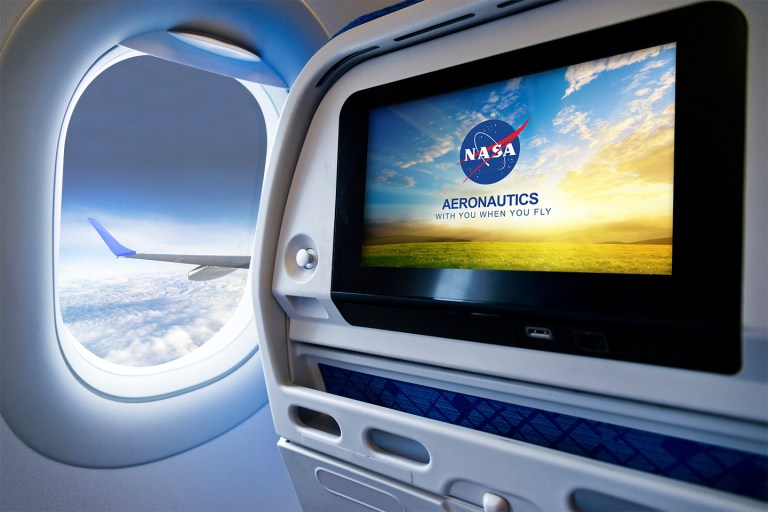
NASA Aeronautics – Shaping the Future of U.S. Aviation
NASA’s Aeronautics Research Mission Directorate is transforming U.S. aviation across four key areas, delivering benefits for the industry and air travelers nationwide.
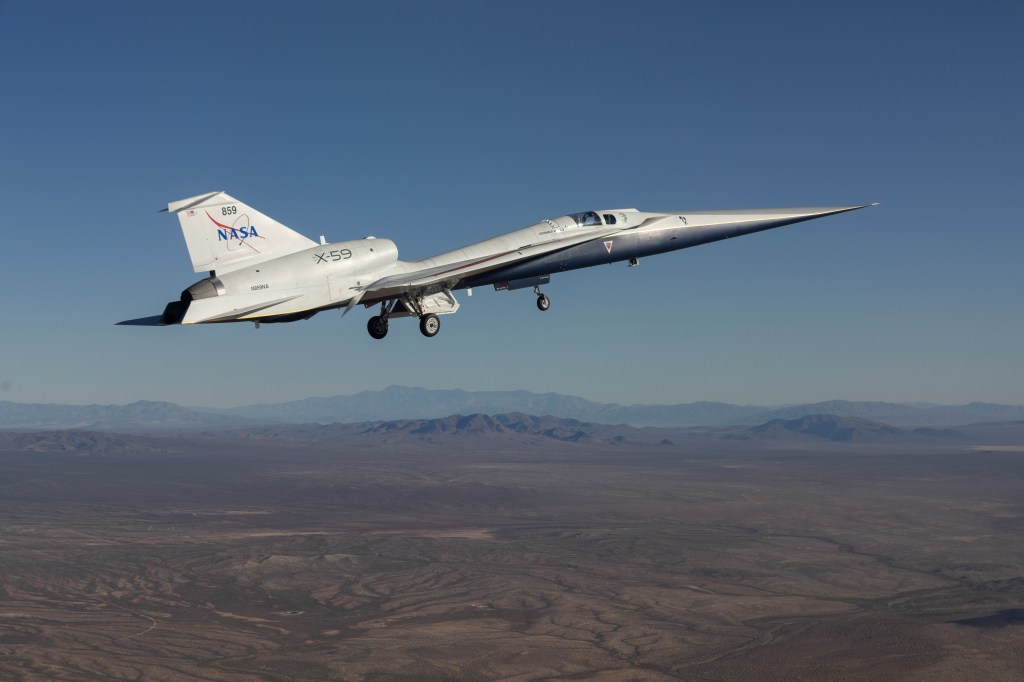
Pioneering High-Speed Flight
Speed defines modern air transportation, and faster journeys bring economic opportunity. NASA is pushing the envelope to enable routine commercial supersonic flight over land and open opportunities for flight over five times the speed of sound.

Transforming Airframes and Propulsion
Modern airliners are foundational to worldwide travel. Meeting future demand and improving fuel efficiency require new breakthroughs. NASA is exploring new designs, advanced propulsion, and novel integration techniques to enhance aircraft performance.
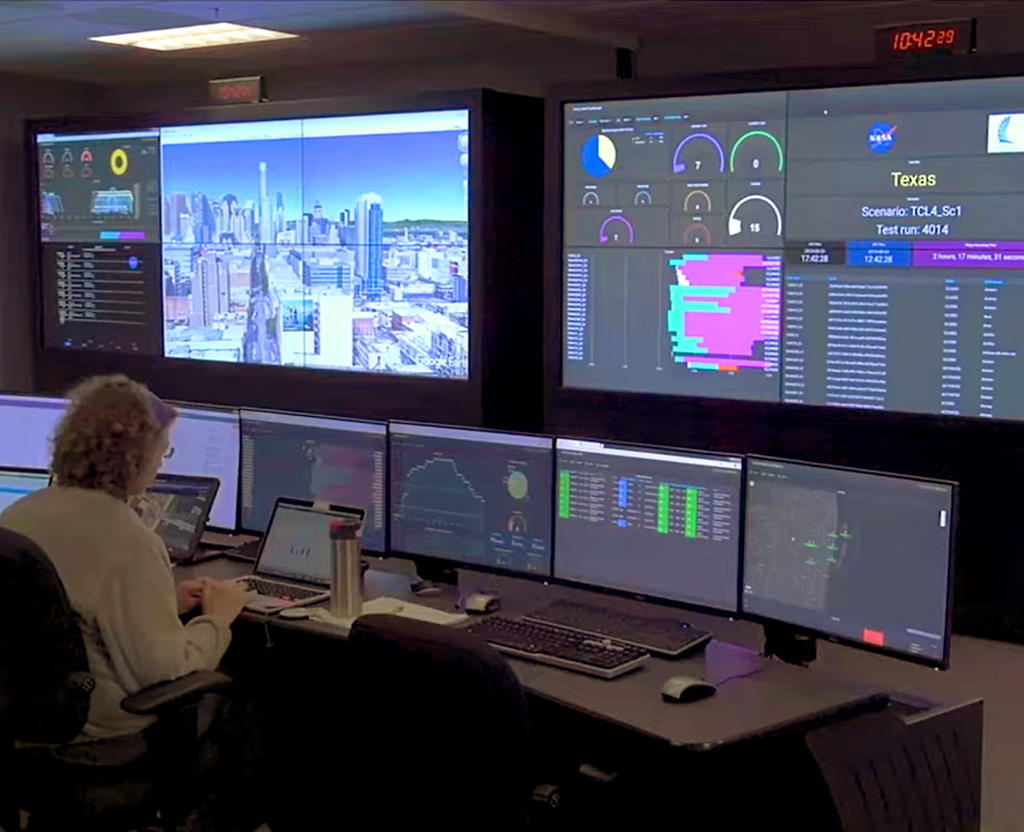
Automating Airspace and Safety Management
As demand grows and airspace becomes more complex, the U.S. needs a modern system that can safely accommodate more crowded skies. NASA develops technologies and collects data needed to ensure aircraft of any size, purpose, or altitude can operate safely and efficiently.
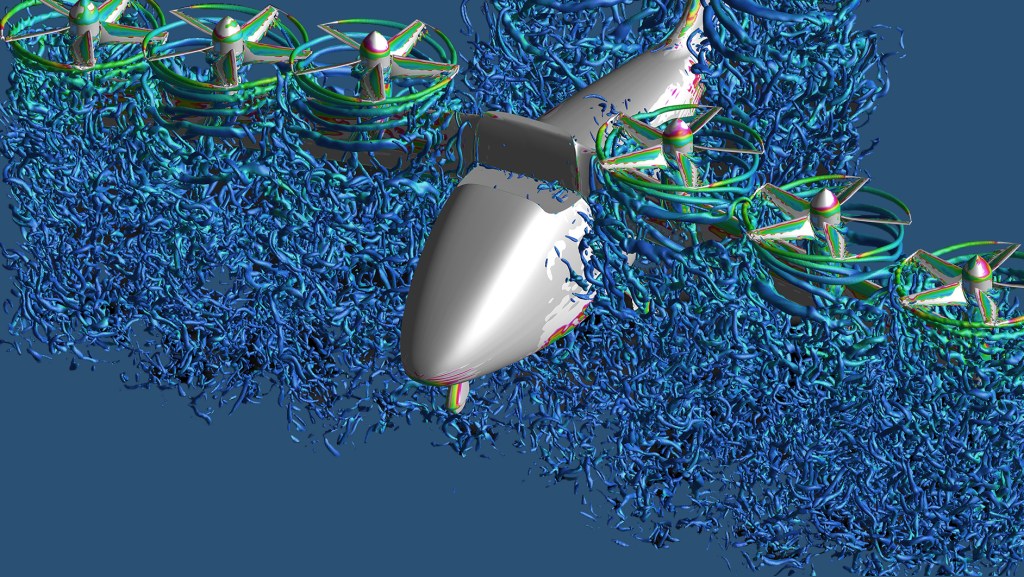
Revolutionizing Engineering Methods
Designing next generation aerospace systems demands faster, smarter engineering. NASA operates unique test facilities and develops advanced tools to drive the future of aviation. Many of these tools support space exploration missions and strengthen the broader industry.
Advanced Air Mobility
NASA’s Advanced Air Mobility (AAM) research will transform our communities by bringing the movement of people and goods off the ground, on demand, and into the sky.
Learn More About Advanced Air Mobility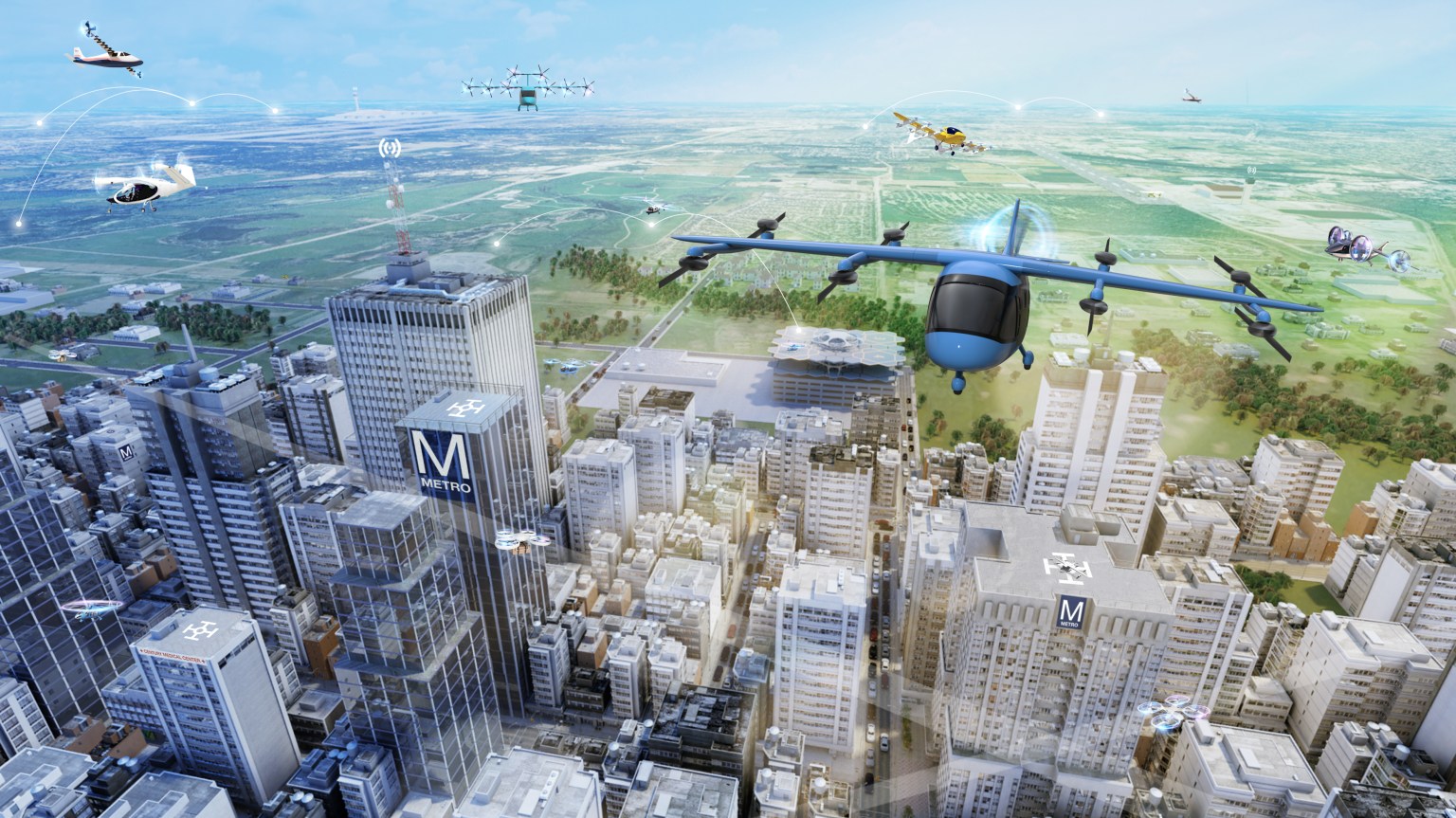
Current Aeronautics Image Gallery


Aeronautics Videos Playlist
Your next binge worthy series is right here. Enjoy this collection of videos that help tell the story of how NASA Aeronautics is transforming aviation for the 21st century.
See the Aeronautics Video PlaylistAeronautics Innovation Challenges
NASA’s Aeronautics Innovation Challenges are your entry points to the exciting, fast-moving aviation world of today. And they’re valuable ways for us to get inputs and ideas that may never have occurred to us. Thank you for joining our journey!
Learn More about Aeronautics Innovation Challenges about Aeronautics Innovation Challenges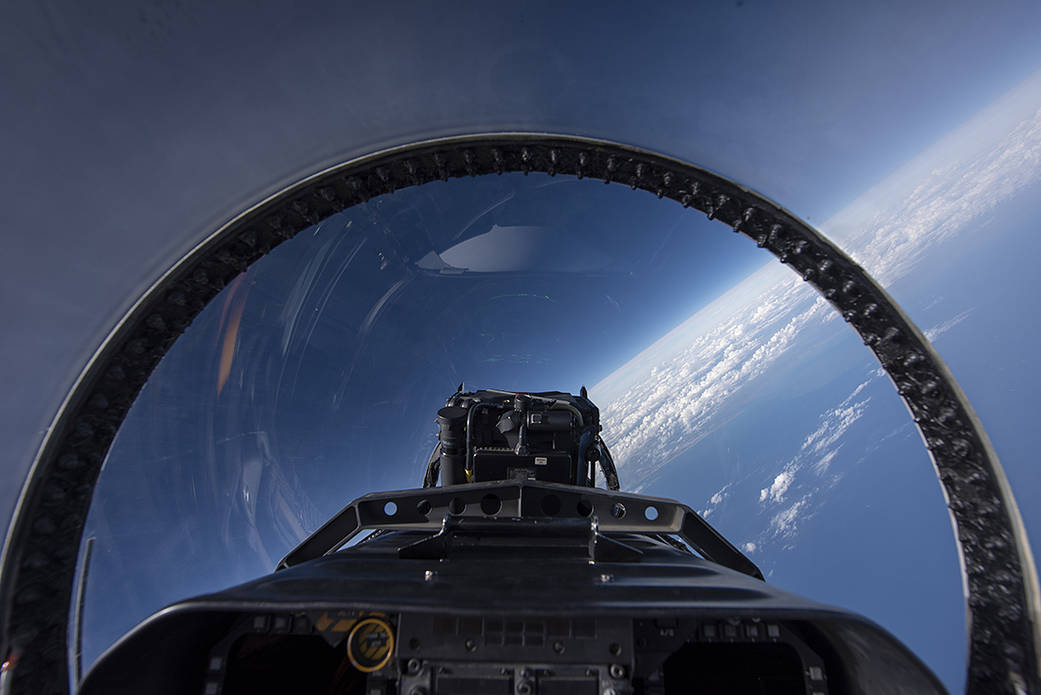
Fly With Us!
Start Your Own Aeronautics Flight Log Book
NASA invites you, your family – even your friends and classmates – to sign up and add your name to our list of virtual passengers. Your name can ride with us on our X-planes, drones, and other flights as NASA explores ways to improve aviation for everyone. Print your personalized boarding passes, enter flights into your virtual flight log, and access activities, videos, and more!
Set Up Your Flight Log Here about Start Your Own Aeronautics Flight Log Book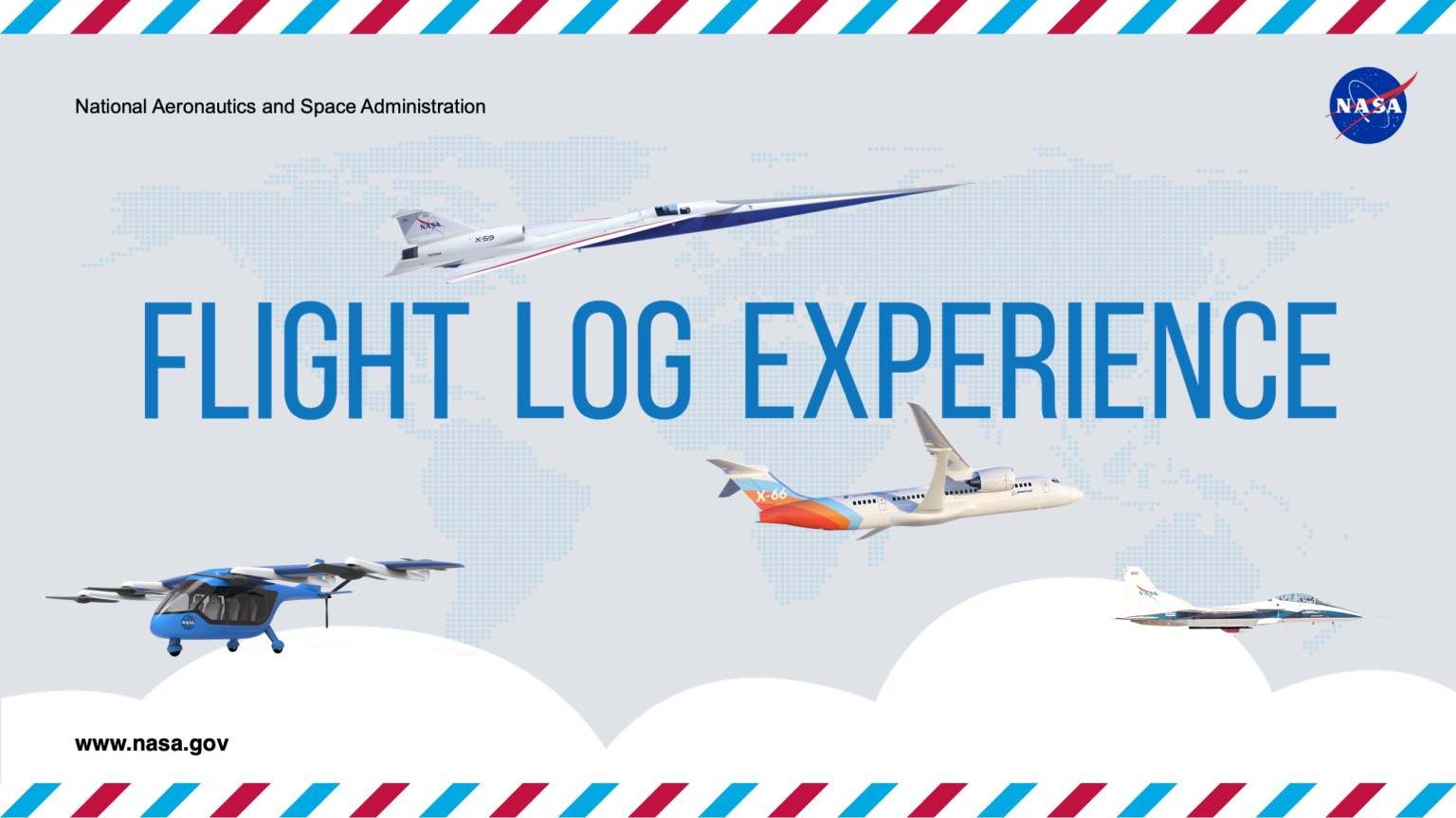
The NACA
The predecessor of NASA, the National Advisory Committee for Aeronautics (NACA) was founded in 1915 with the intent of being an advisory committee that would coordinate research underway elsewhere. It quickly became a leading research organization in the new field of aeronautics, pushing back the boundaries of flight until its transformation into NASA in 1958.
Read More about the NACA about The NACA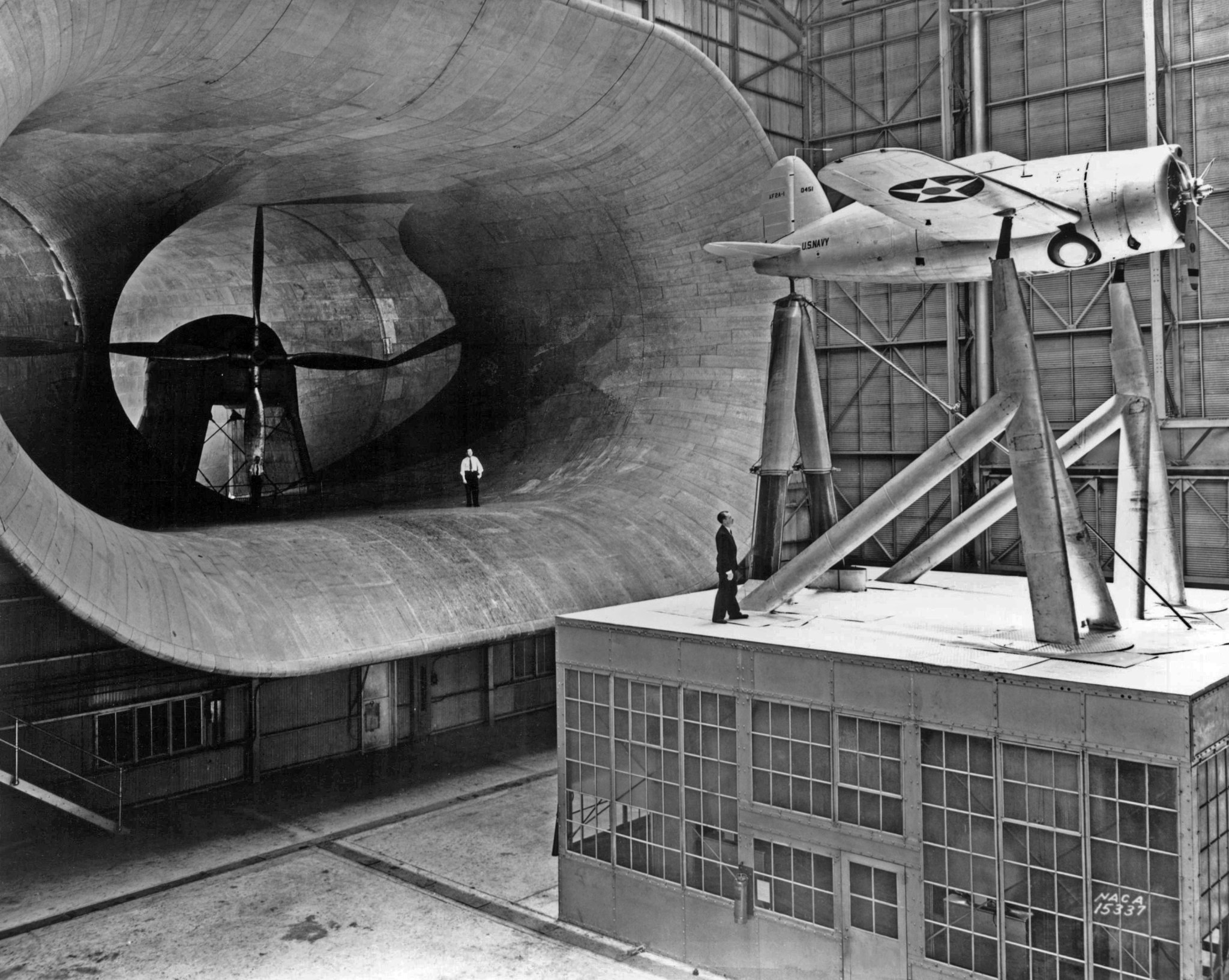
Here are Some Other Cool NASA Aeronautics Stuff to Check Out


Other Aeronautics topics
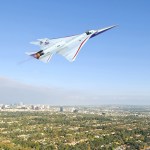
Supersonic Flight
Research about flying faster than the speed of sound.

Flight Innovation
Stories about pioneering the frontiers of 21st century flight.
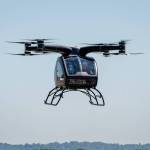
Drones & You
All about new ways to get from here to there in the air.
Ultra-Efficient Aviation
Learn about research to make aviation more sustainable.

Air Traffic Solutions
Read about how NASA is opening up the sky for all.
NASA Aircraft
Information about NASA's fleet of aircraft.
Science in the Air
News about using NASA aircraft to better understand our world.
Aeronáutica en español
Conozca los avances tecnológicos desarrollados por la NASA, la industria de la aviación está mejor equipada que nunca para transportar pasajeros y carga de manera segura y eficiente a destinos alrededor del mundo en español.
Lee la noticia en español aquí