







Colleges and Universities
Explore STEM Resources for Colleges, Universities, and Technical and Vocational Institutions.
Act Now!
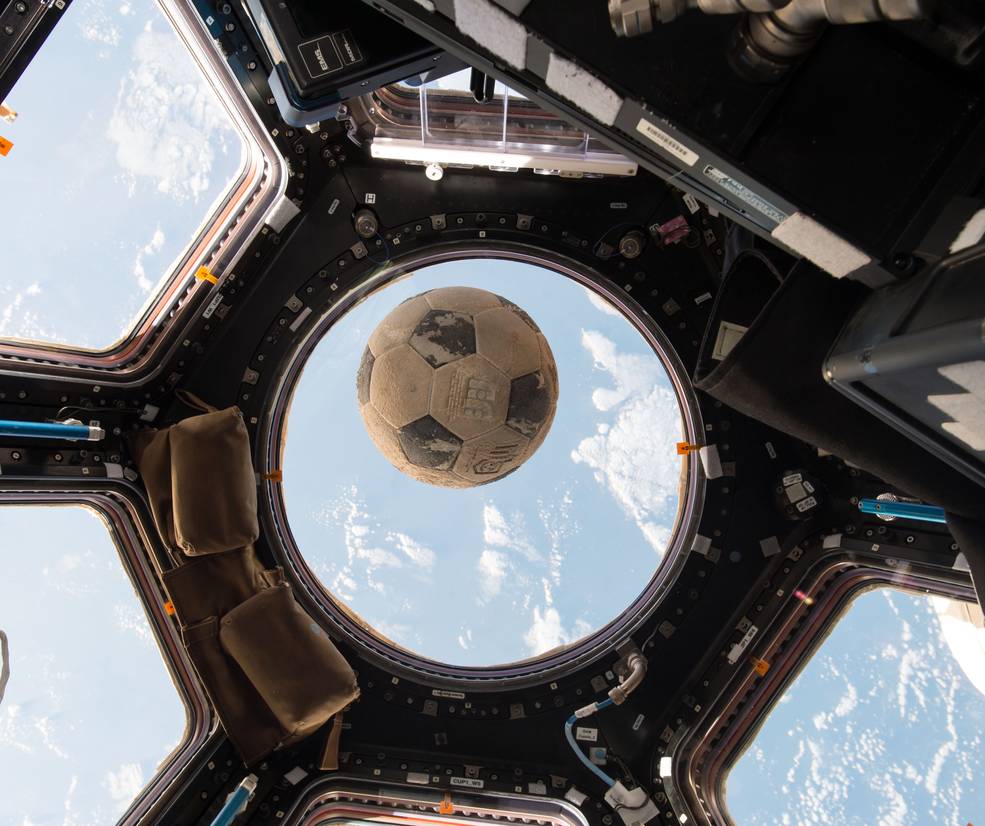
GLOBE Cup Challenge
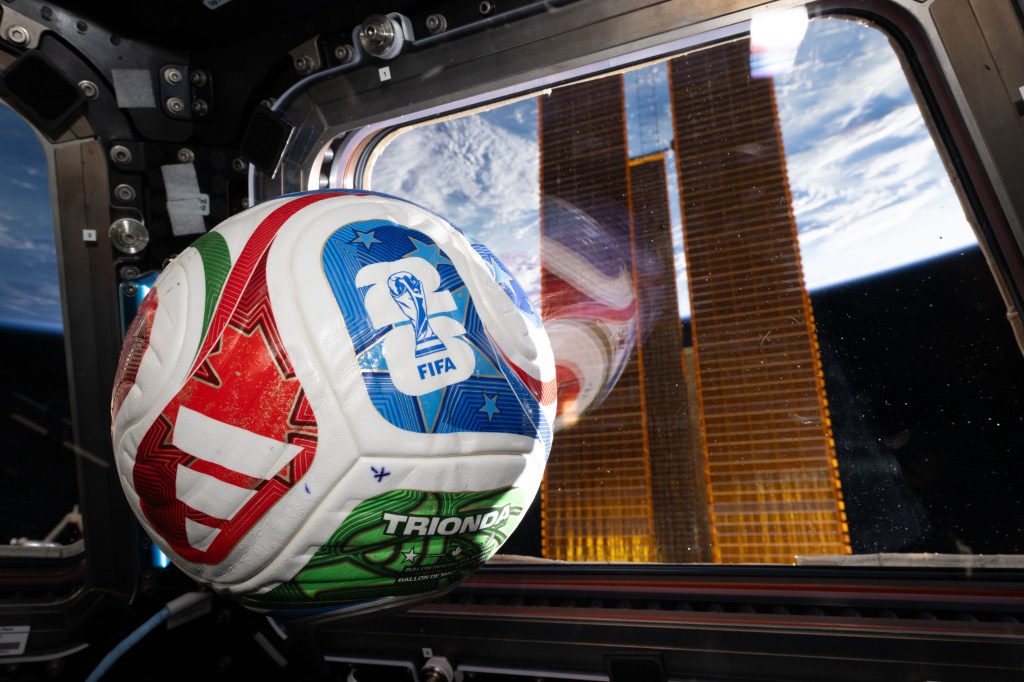
During the World Cup, GLOBE (Global Learning and Observations to Benefit the Environment) invites you to join participants around the world to take observations of air temperature, surface temperature, and/or land cover at your local soccer field, park, schoolyard, or anywhere people play soccer. Your observations can help us explore how playing environments differ across regions, climates, and field surfaces. Challenge Dates: June 11 – 19
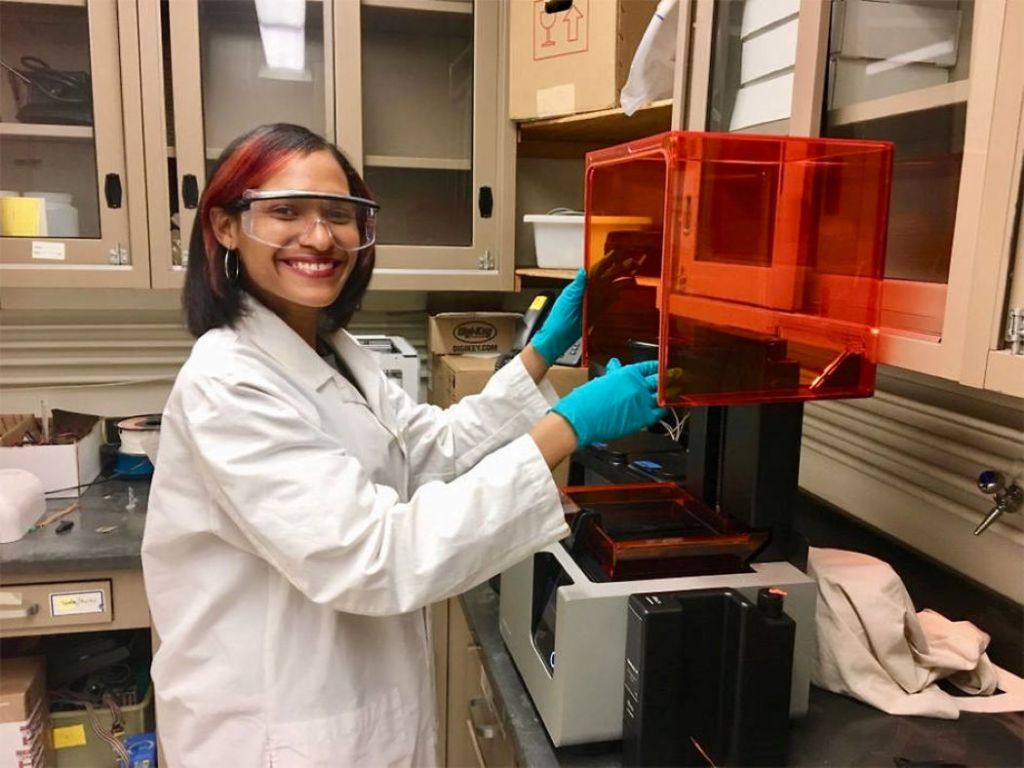
Call for Proposals: MUREP Partnership Learning Annual Notification (MPLAN) Awards
NASA’s Office of STEM Engagement’s Minority University Research and Education Project (MUREP) is seeking proposals from minority-serving institutions (MSIs) to promote research collaboration with NASA mission directorates. Funding up to $50,000 per award supports teams from universities, colleges, and community colleges designated as MSIs to develop innovative ideas and action plans for commercialization. Proposal Deadline: June 18
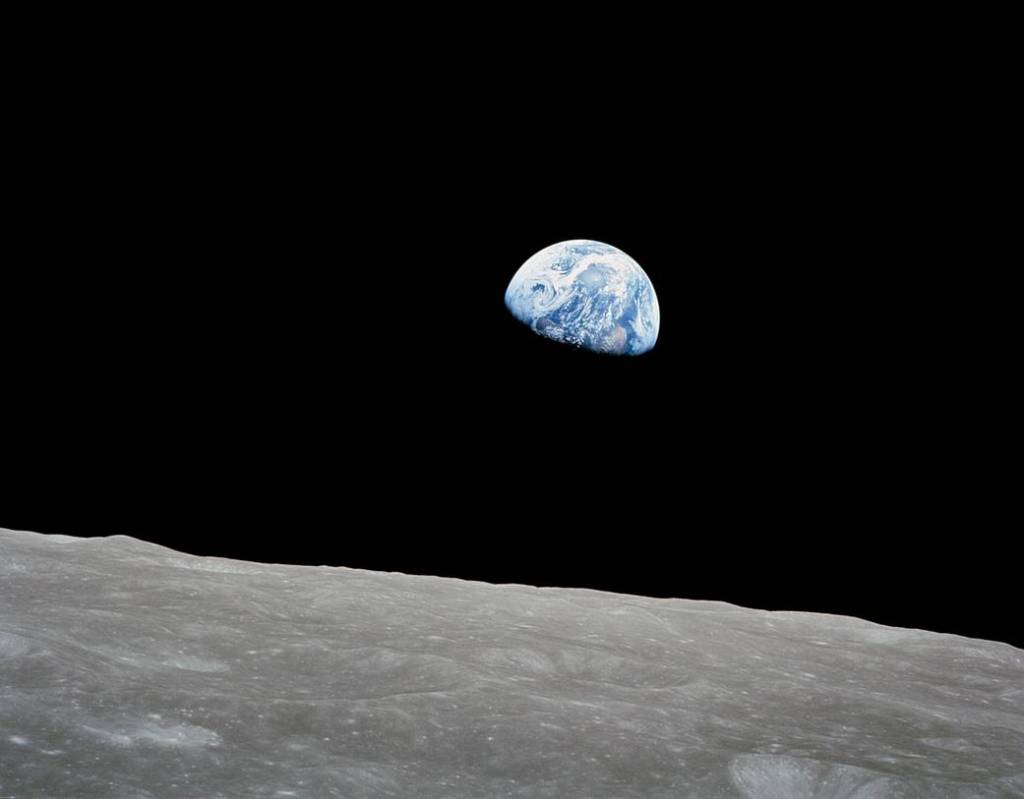
NASA EarthRISE Developers Academy
The NASA EarthRISE Developers Academy is a workforce development program that builds the next generation of science and technology leaders by immersing students and early career professionals in projects using NASA Earth observation data to address real-world challenges. Working in teams and with the support of project coordinators, science advisors, and subject matter experts, participants build research and science communication skills that help them succeed in the workforce. Application Deadline: June 26
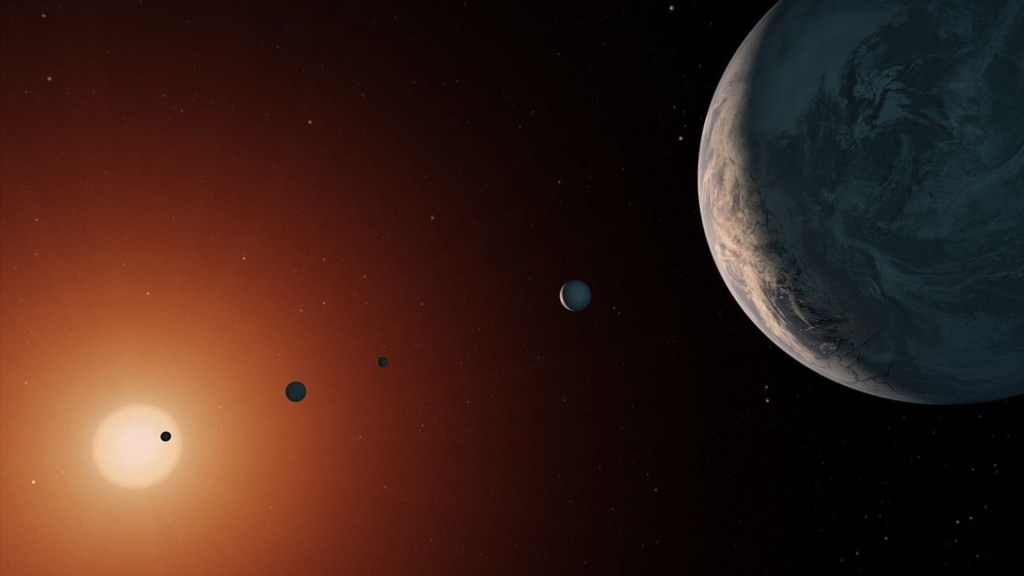
Call for Proposals: Future Investigators in NASA Earth and Space Science and Technology
NASA’s Science Mission Directorate (SMD) seeks proposals from accredited U.S. universities or other grant-eligible organizations for research grants to begin no earlier than 2027. Projects must contribute to SMD’s science, technology, and exploration goals. Proposal Deadline: July 14

NASA TechLeap Prize – Robotically Manipulated Payload Challenge
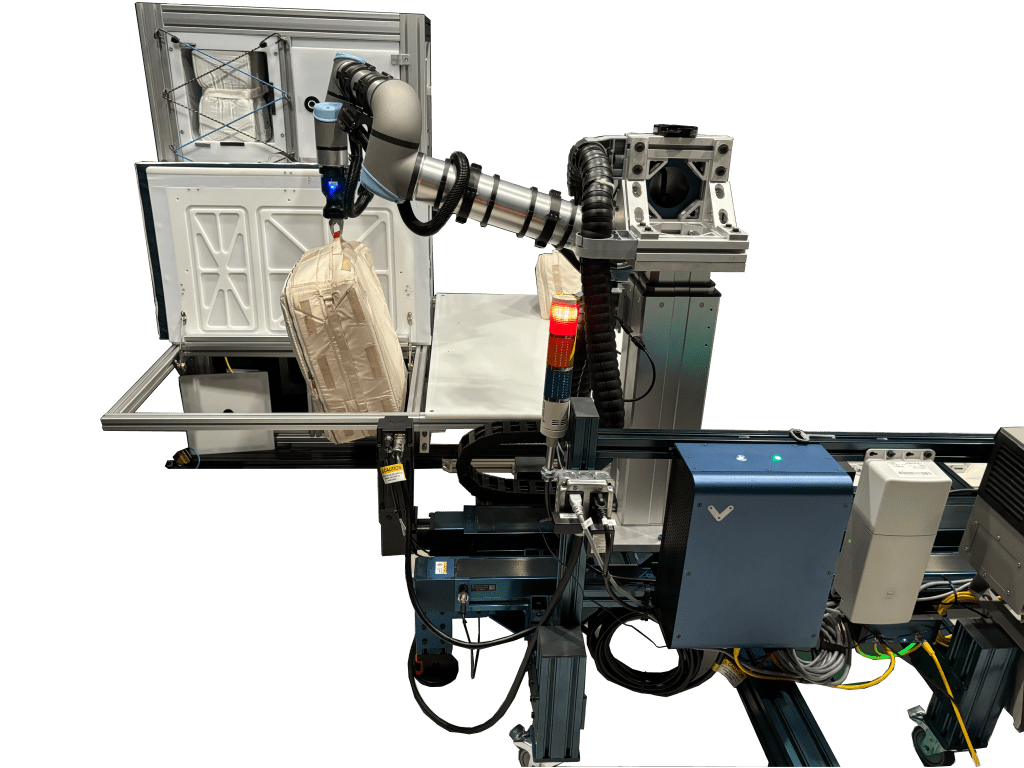
Managed by NASA's Flight Opportunities program, this challenge aims to advance persistent infrastructure for in-space servicing, assembly, and manufacturing. Applicants are invited to propose payloads that can interact with, be manipulated by, or be reconfigured by a robotic arm in low Earth orbit. Registration Deadline: July 29
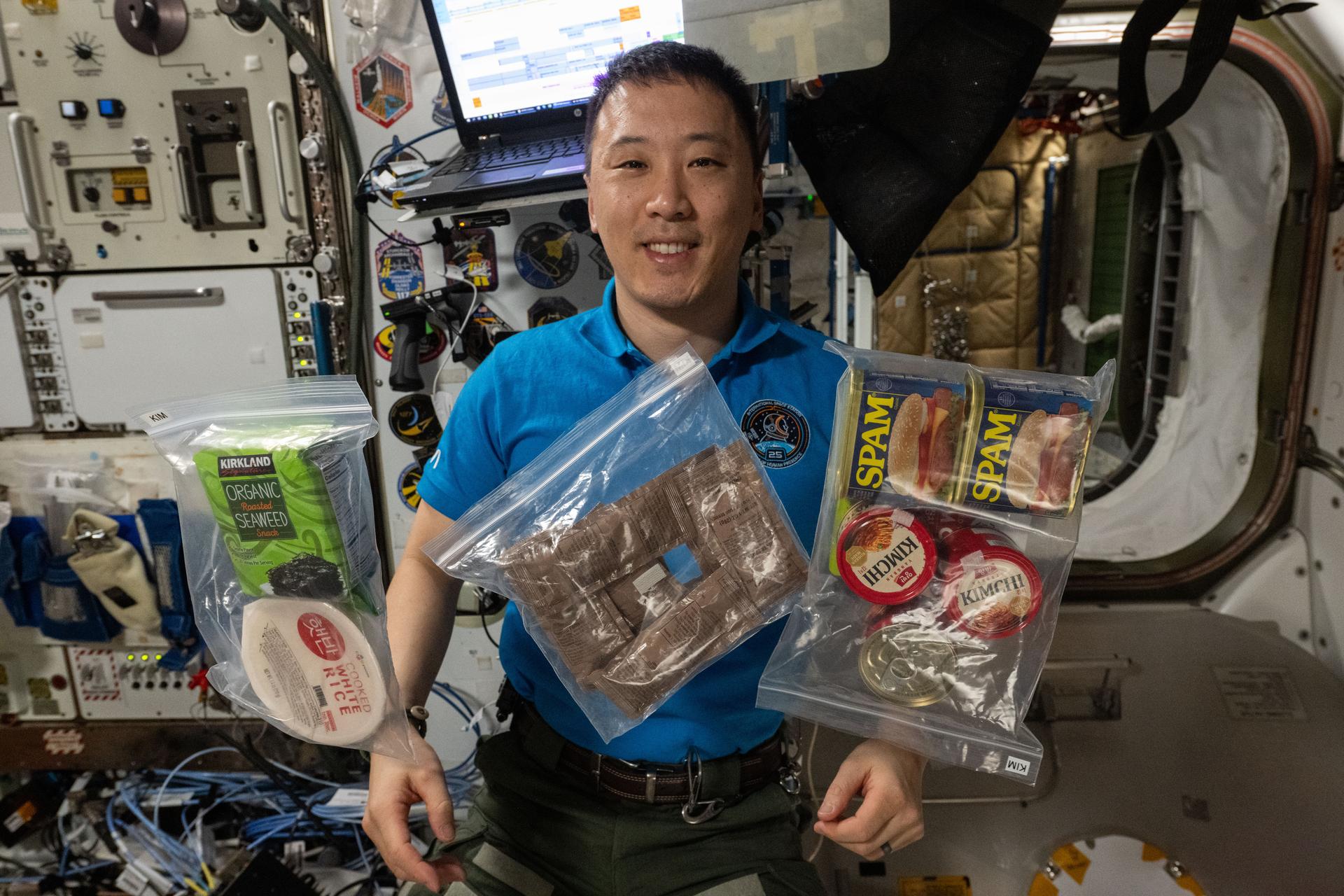
Deep Space Food Challenge: Mars to Table
As NASA plans for deep space missions that could last months or years, new ways to feed astronauts that are independent of Earth must be developed. The Deep Space Food Challenge: Mars to Table is a global competition inviting chefs, innovators, culinary experts, higher-education students, and citizen scientists to design a complete, Earth-independent food system for long-duration space missions. Registration Deadline: July 31
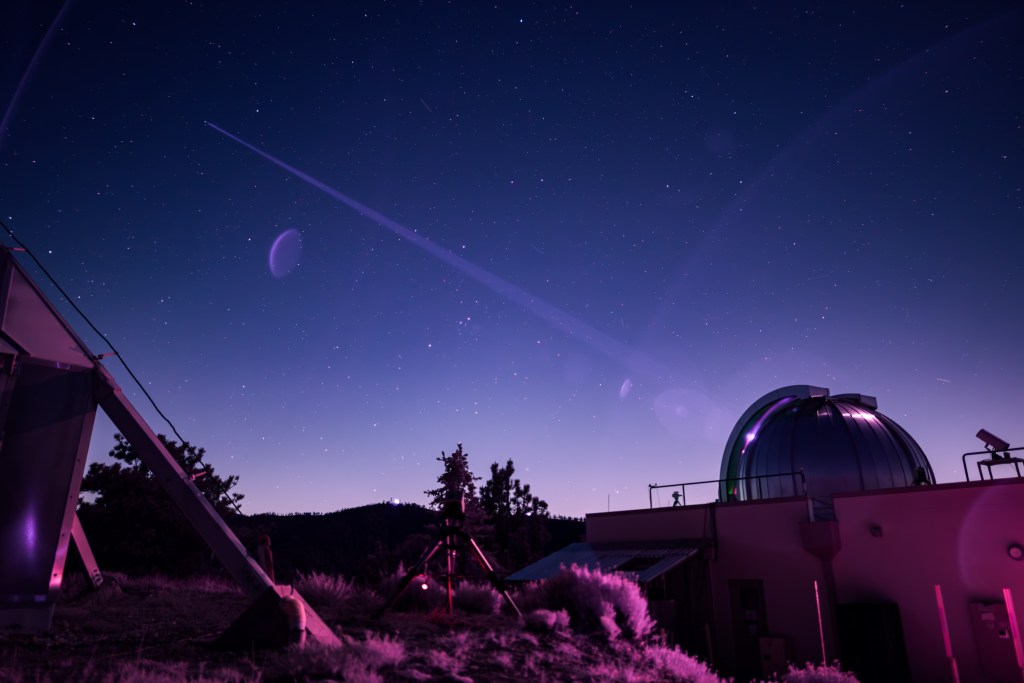
NASA Psyche Inspired Internship
NASA's Psyche mission invites full-time, enrolled undergraduate students majoring in any subject at universities and community colleges in the U.S. and its territories to apply to become part of this year’s cohort of Psyche Inspired interns. Psyche Inspired brings undergraduate students together to share the excitement, innovation, and scientific and engineering content of NASA’s Psyche mission with the public through artistic and creative works. Application Deadline: Aug. 28

Open Science Training Courses
NASA has developed two freely accessible open science training courses designed for learners who are seeking to enhance their knowledge of open science concepts. Our Open Science Essentials and Open Science 101 courses are the perfect starting point for researchers and managers of all disciplines!
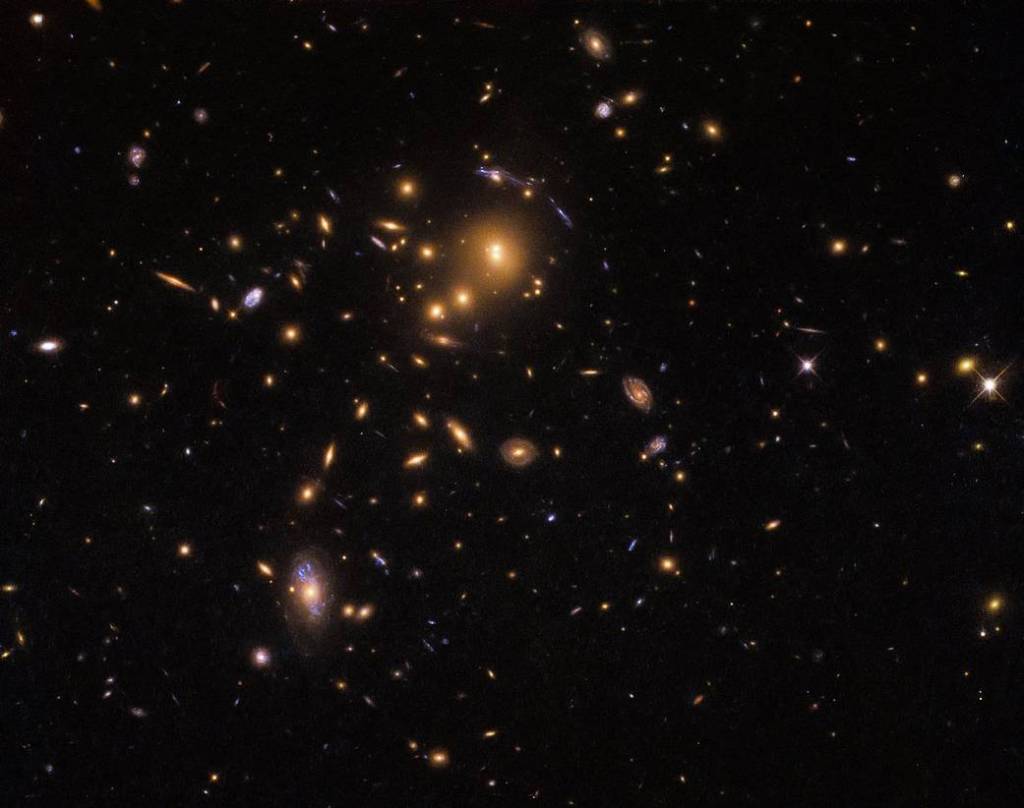
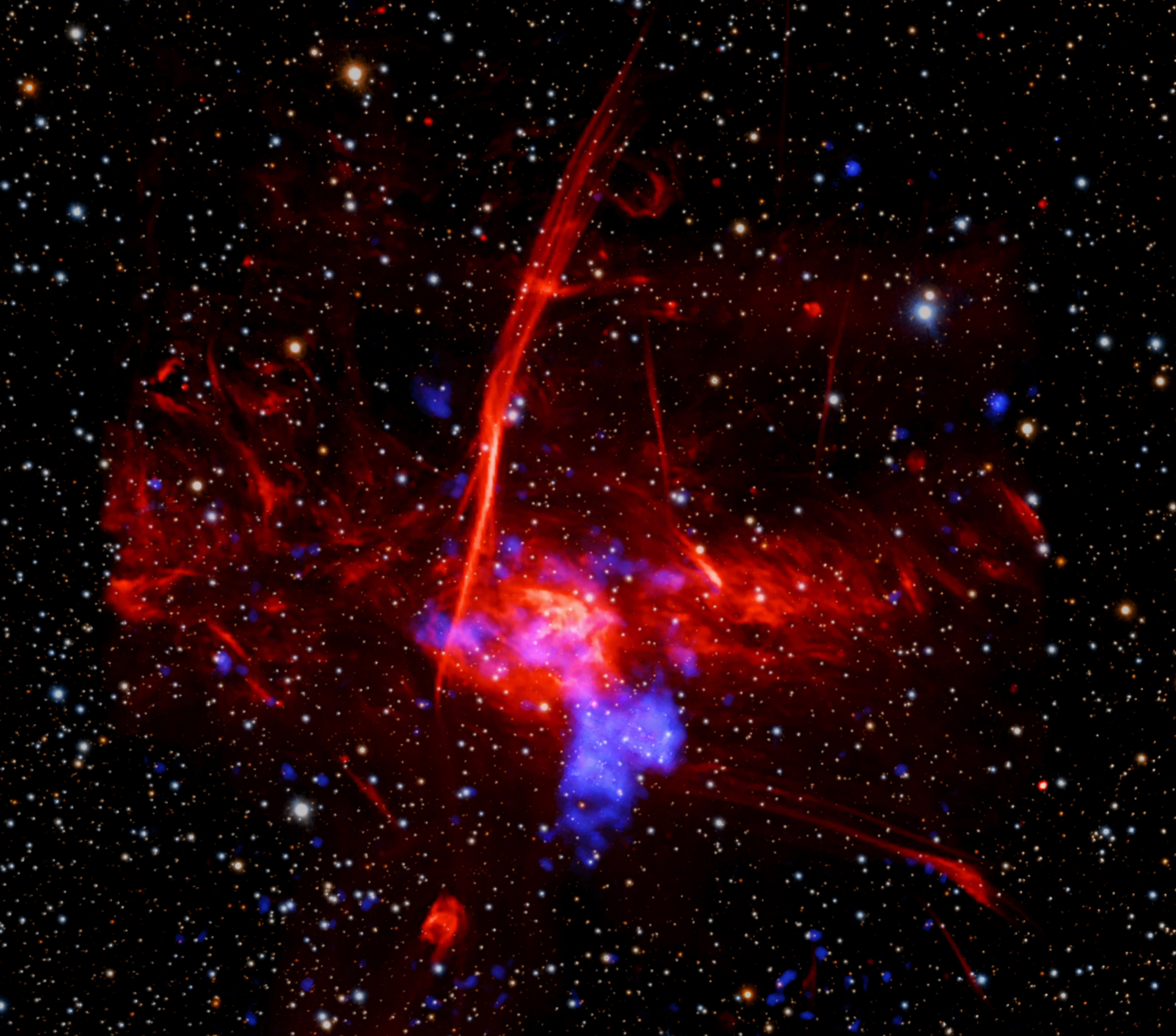
Help Identify Distant Star-Forming Regions With Galaxy Zoo’s Clump Scout II Project
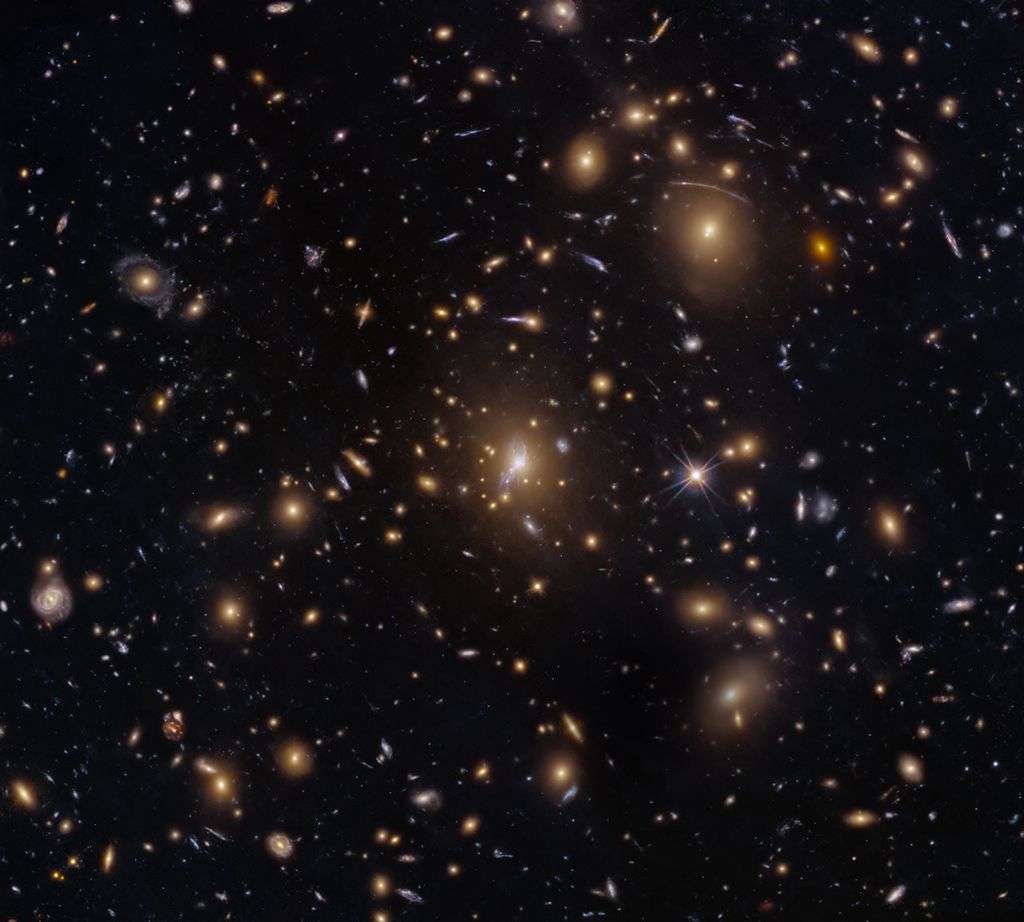
Galaxies often contain “clumps,” bright spots where stars are forming fastest. Observatories like the European Space Agency’s Euclid telescope are capturing ever-more detailed images of galaxies and these areas of interest. The Galaxy Zoo: Clump Scout II project lets you help scientists train a machine learning model to better identify and mark these clumps.
Citizen Science: Become a Shock Detective
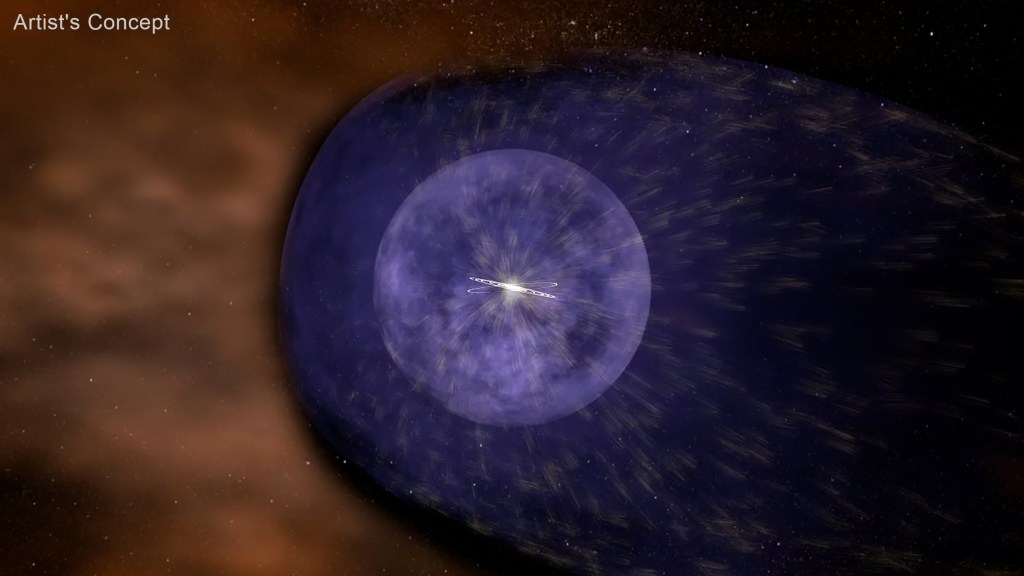
Earth is constantly immersed in a stream of charged particles flowing outward from the Sun: the solar wind. As this fast-moving solar wind encounters Earth’s magnetic field, it creates a massive shock wave in space – stretching hundreds of thousands of miles beyond our planet. Volunteers are needed to help scientists examine NASA data about this “bow shock” as part of a new research project: Shock Detectives. You can help by identifying patterns in data from NASA’s Magnetospheric Multiscale mission. What we learn here may help us better understand how other stars affect their orbiting planets.
Journey Through the Heliosphere: The Sun-Earth System in Color
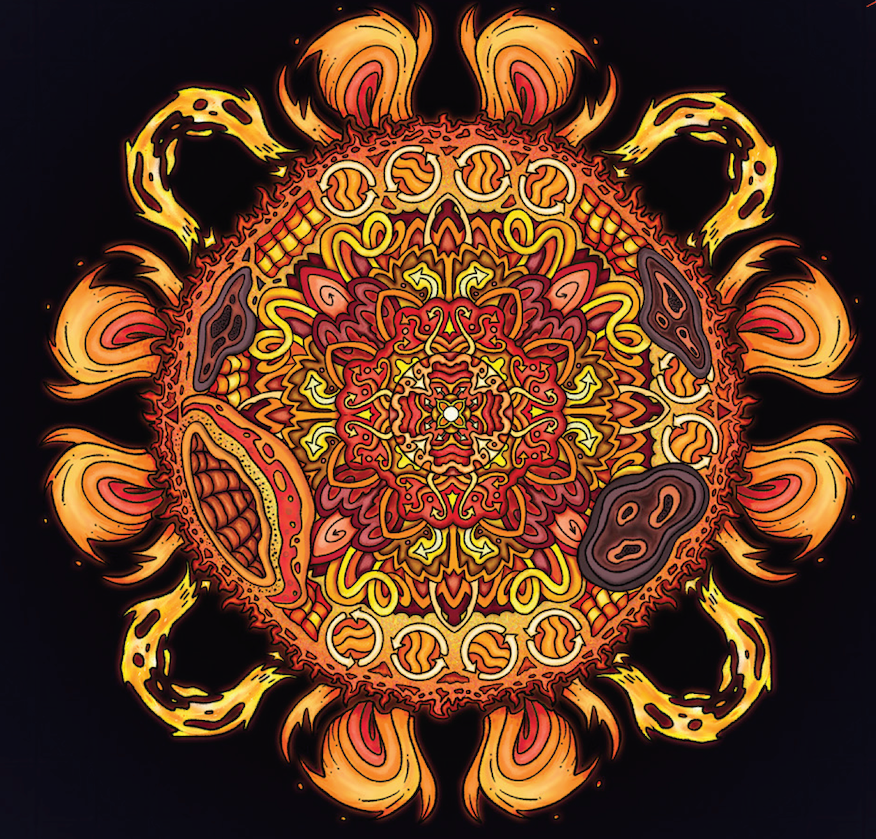
Spark curiosity and creativity with the new “Journey Through the Heliosphere” coloring book. Designed for adults and students in grades 6-12, the downloadable resource includes science facts and coloring pages for ten themes, including the Sun’s magnetic field, solar wind, aurora, eclipses, and how the Sun influences Earth.
Help Map Earth’s Magnetic Field With Space Umbrella
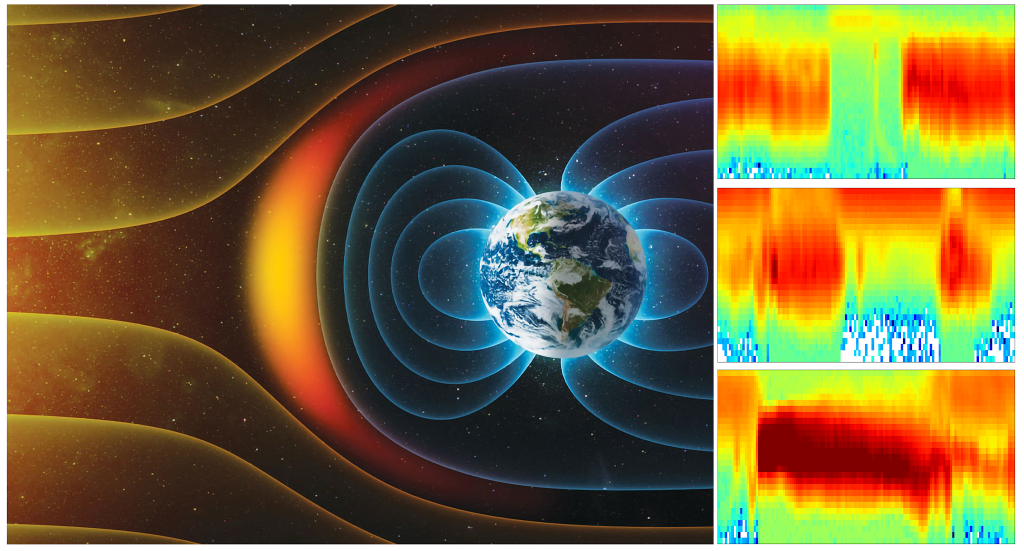
When charged particles in the solar wind reach our planet, Earth’s magnetic field acts as a giant umbrella to shield us. NASA’s Magnetosphere Multiscale mission has been collecting data in this dynamic region of space since 2015. And now, the Space Umbrella project lets you help scientists examine mission data to better understand solar storms.
Celebrate 50 Years of NASA Spinoffs
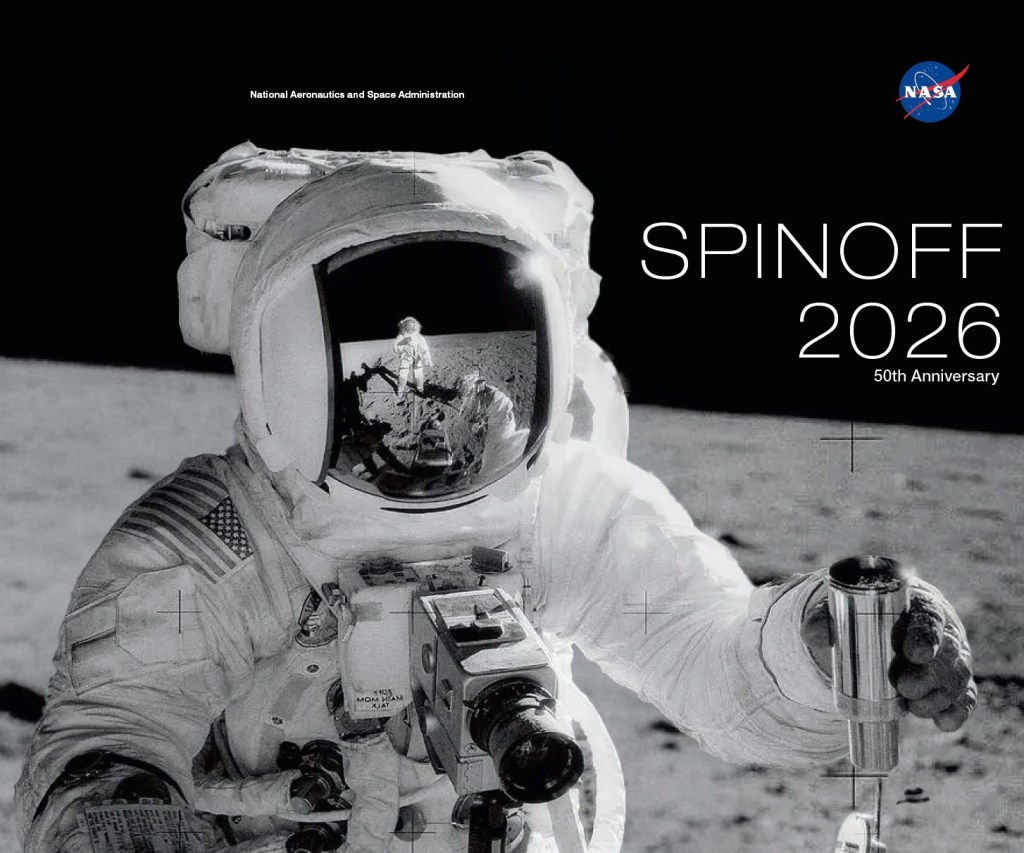
Where is NASA in your life? Everywhere! In your car, in your home, in your school, and in the world around you. This year, the NASA Spinoff publication is celebrating 50 years of spotlighting the NASA technologies that improve everyday life on Earth. Check out the latest spinoff technology innovations in the Spinoff 2026 publication.
Latest News
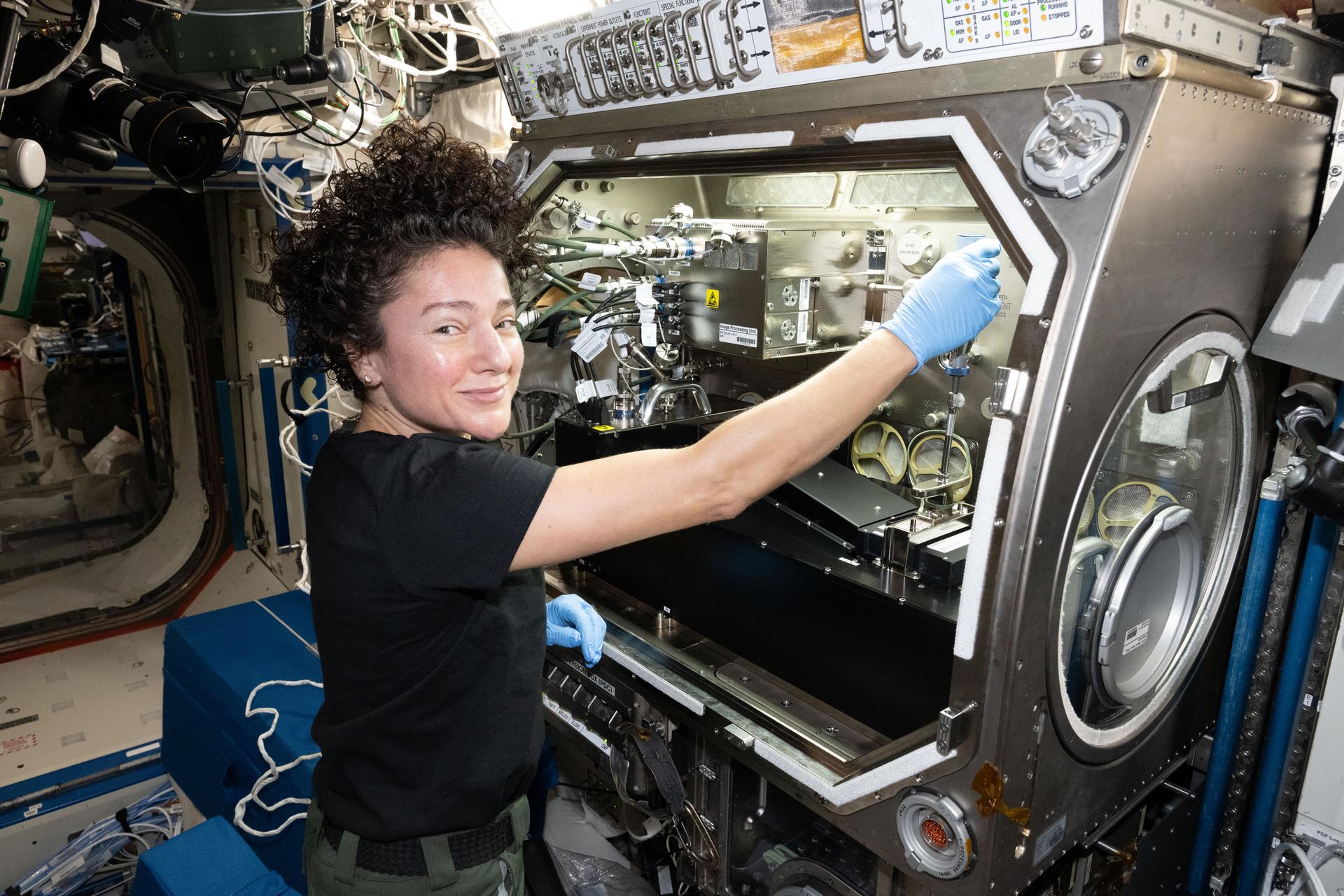

NASA Astronauts to Answer Questions from Missouri Students
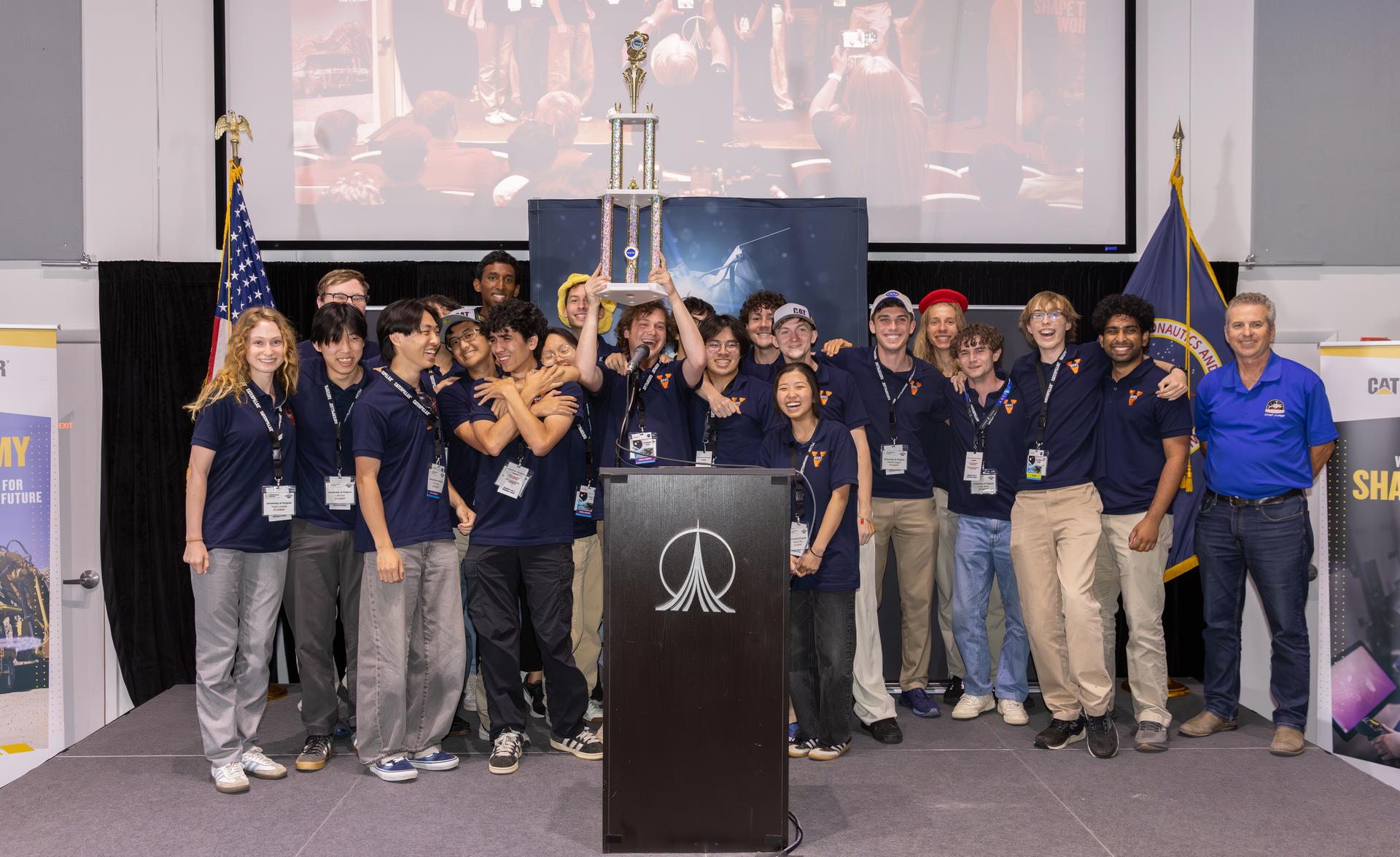
NASA Announces 32nd Annual Human Exploration Rover Challenge Winners
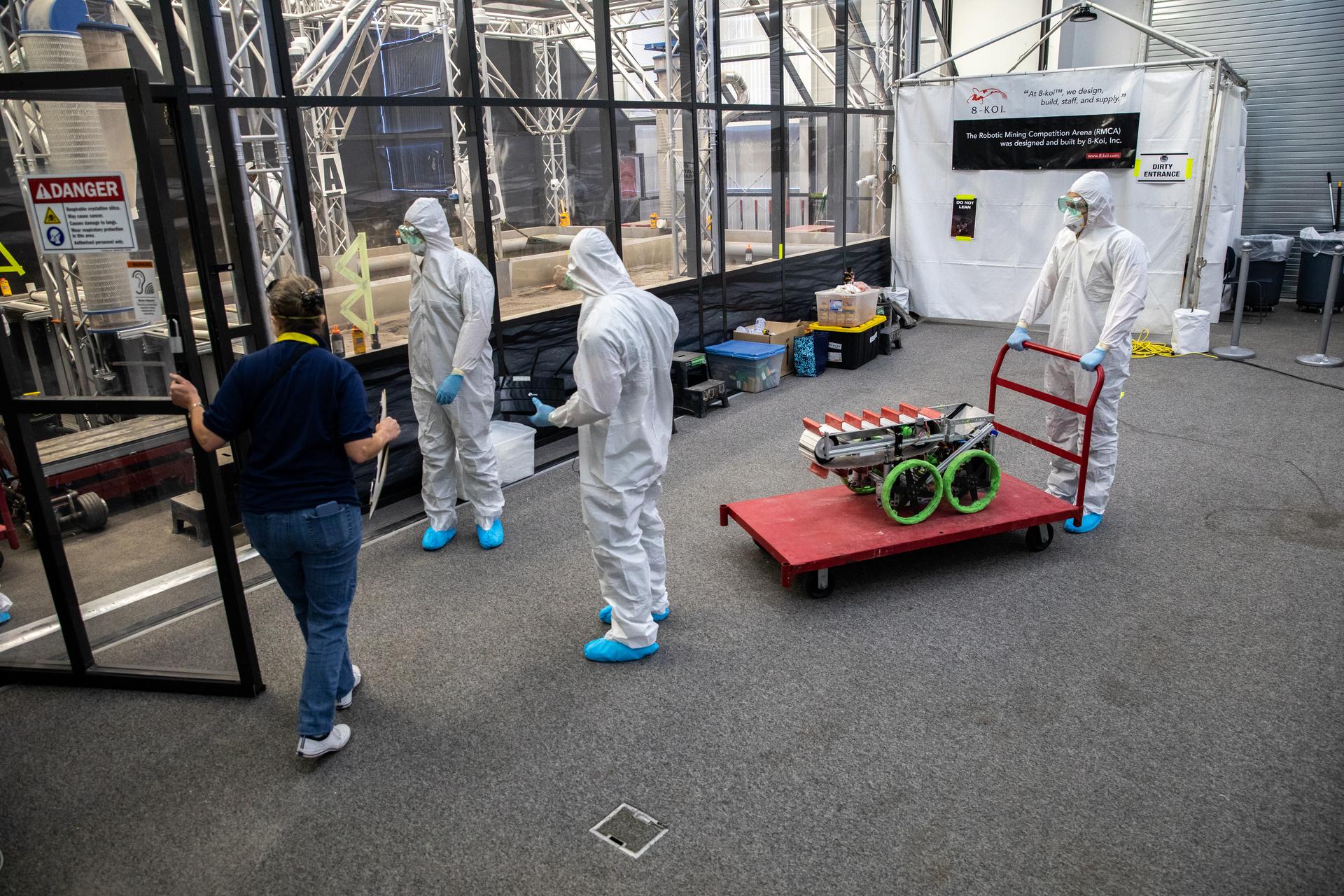
3 Ways Students Can Get Involved With Artemis

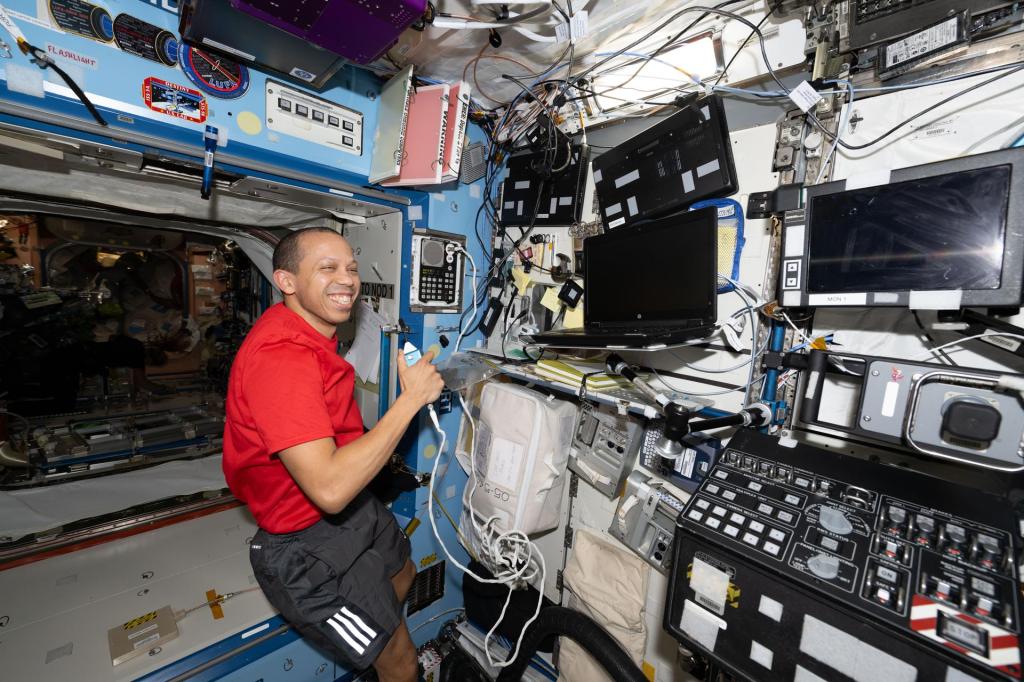
NASA Astronauts to Answer Questions from Students in New York
Be a NASA Intern
NASA Office of STEM Engagement paid internships allow college-level students to contribute to agency projects under the guidance of a NASA mentor.
Learn More About NASA Internships about Be a NASA Intern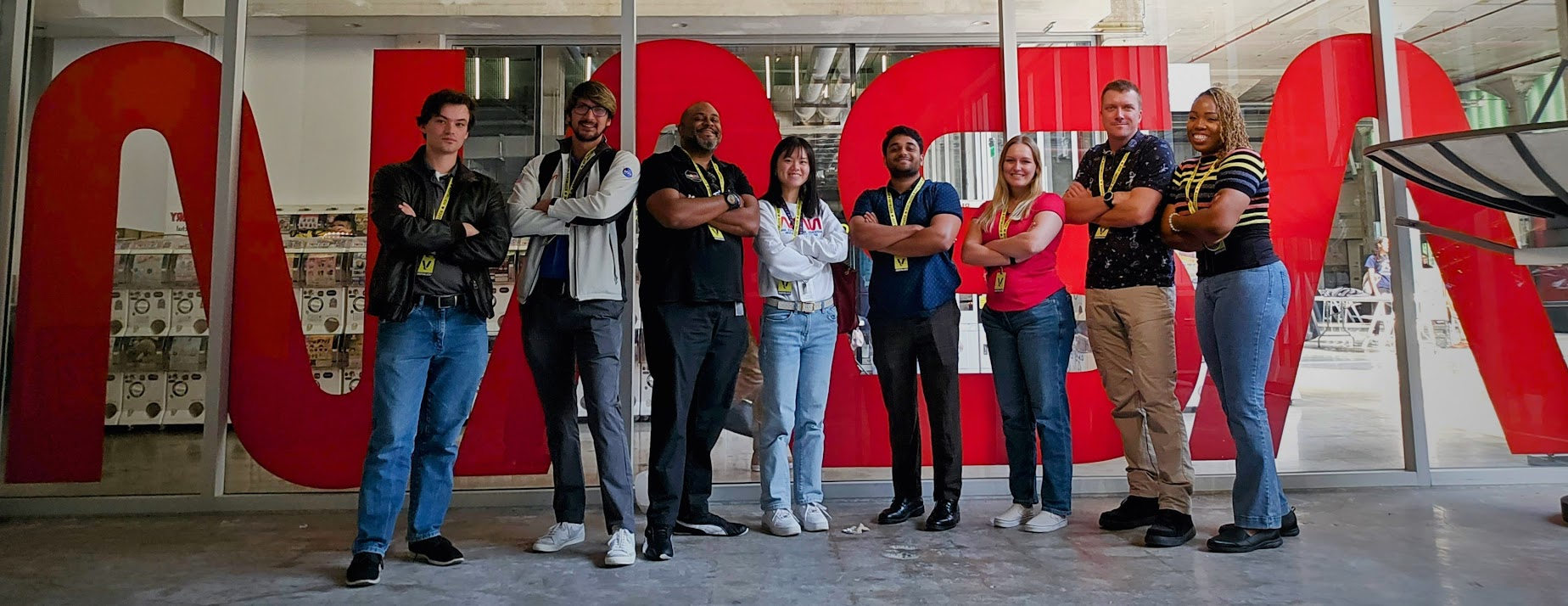
NASA STEM Engagement Funding Opportunities
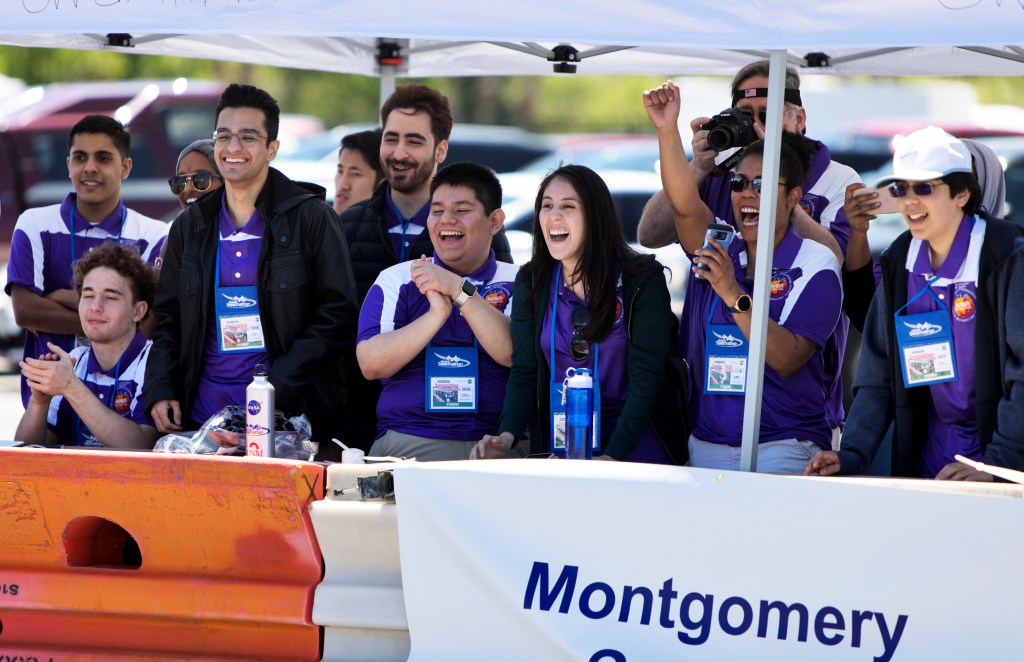
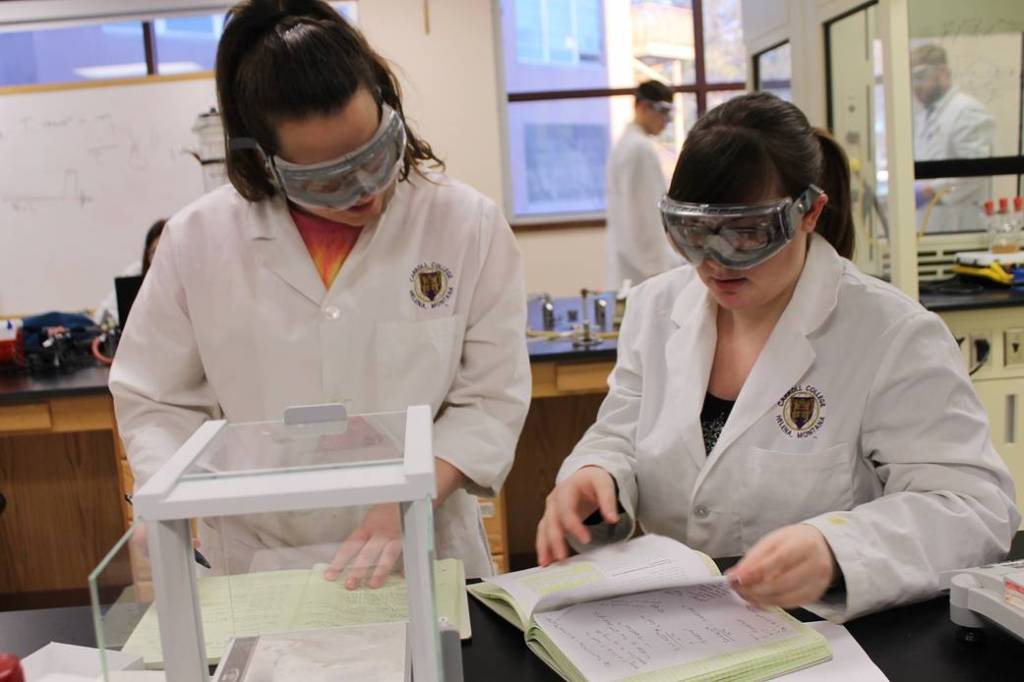

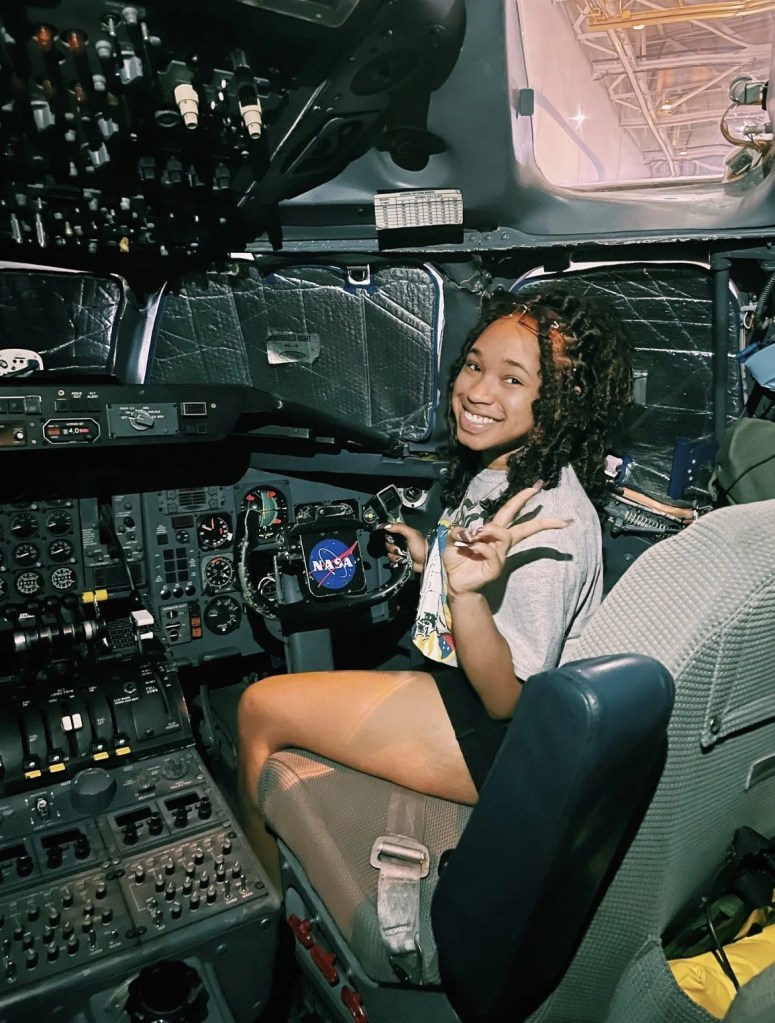
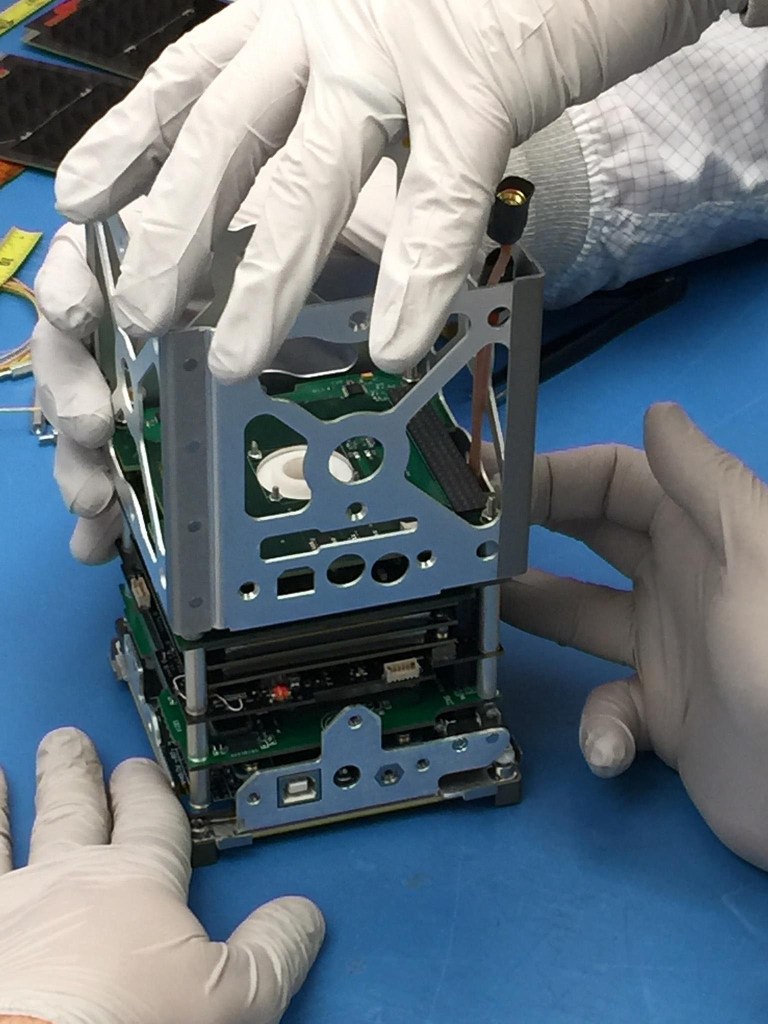
NASA STEM Opportunities and Activities For Students
Multiple challenges and opportunities reaching a broad audience of middle and high schools, colleges, and universities across the nation.
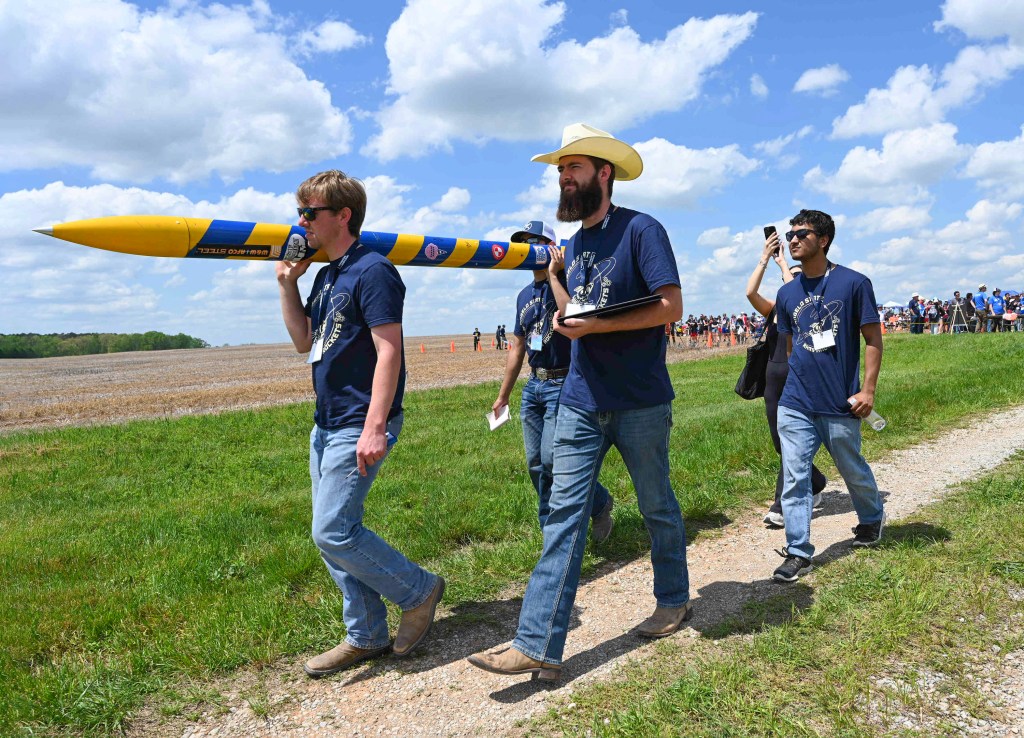
NASA Student Launch Challenge
Student Launch is a research-based, competitive, experiential exploration activity. This project offers multiple challenges reaching a broad audience of middle and high schools, colleges, and universities across the nation.
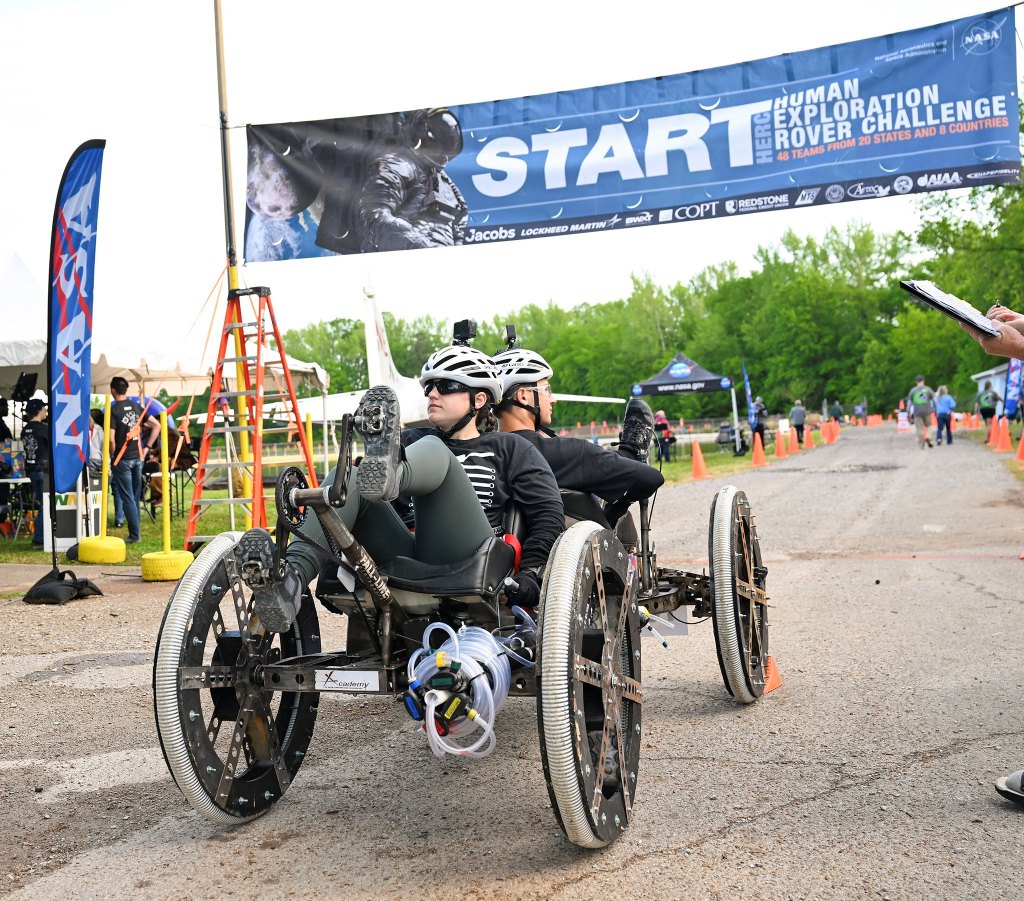
NASA Human Exploration Rover Challenge
HERC is a rigorous and continuously evolving activity which engages middle school, high school, and college/university level students in hands-on engineering design correlated to NASA’s Artemis missions.

App Development Challenge
The ADC is a coding challenge in which NASA presents technical problems to high school and community college students seeking student contributions to deep space exploration missions.
Next Gen STEM for Careers
The aerospace industry offers outstanding career opportunities for skilled technical workers who possess strong technological, scientific, and engineering capabilities—many of which do not require a bachelor’s degree for entry.
Explore Aerospace Skilled Technical Workforce Opportunities about Next Gen STEM for Careers
Get Your Research On The Station
Reference information and resources to provide insight into sending your science experiment or technology demonstration to the space station.
Conducting research on the ISS National Laboratory demonstrates to U.S. citizens and the world that space is accessible, affordable, and capable of supporting the research and development necessary to make the fundamental business case for sustainable industrial demand in low Earth orbit.
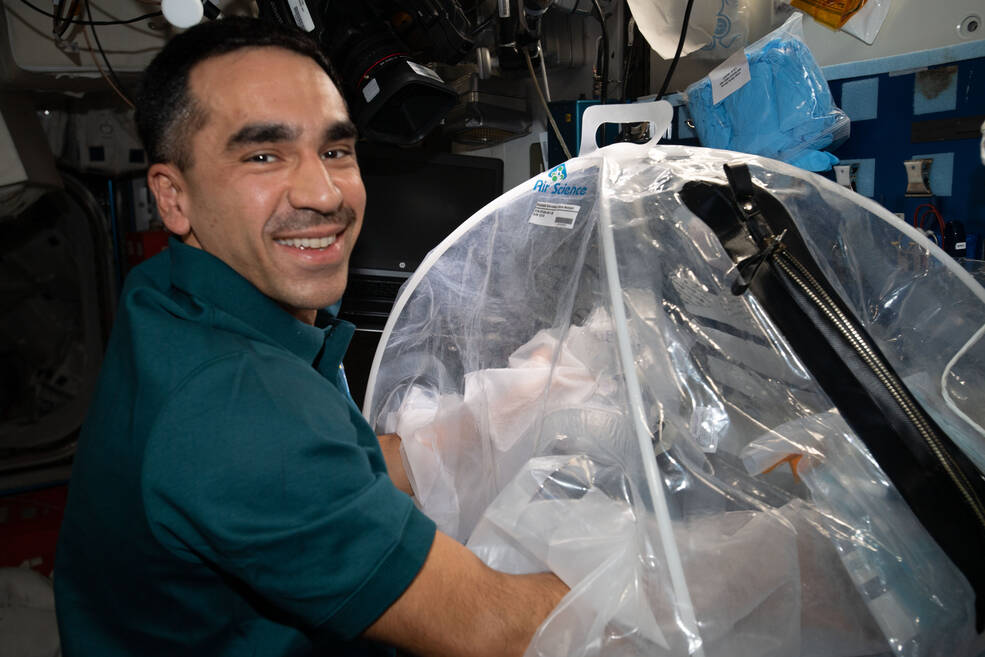
Research Opportunities for Professionals
Find Opportunities for Funding and More
Supporting research in science and technology is an important part of NASA’s overall mission.
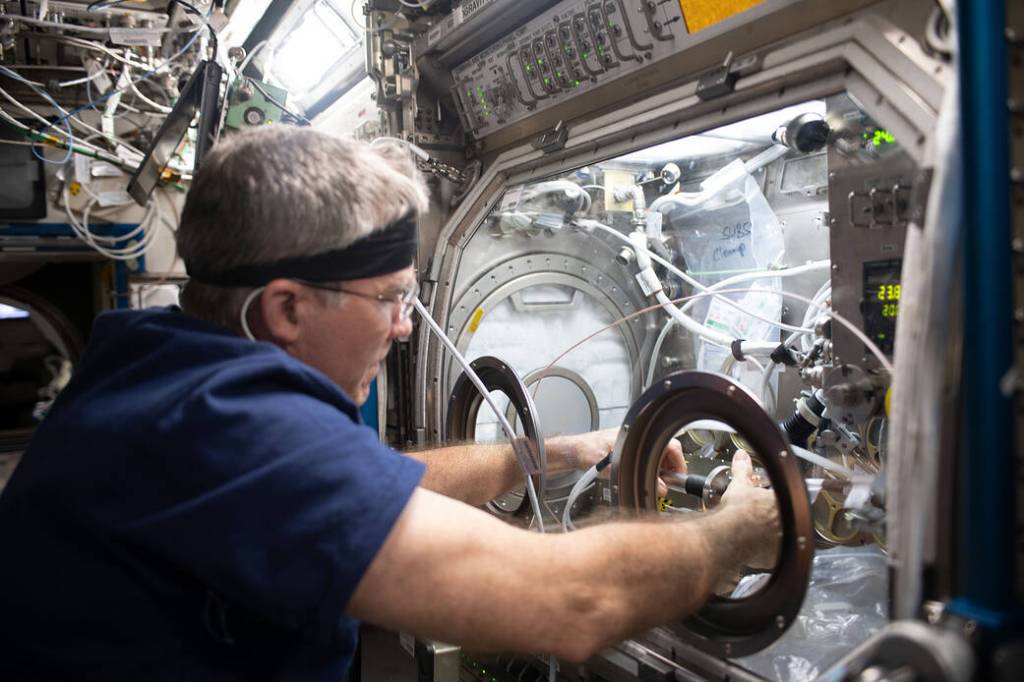
Science Activation
NASA Science Events and Activities
Let NASA’s Science Activation program bring the universe to you! We’re inviting every student, educator, and lifelong learner to share in the excitement of scientific discovery and space exploration through these unique opportunities. Science Activation reaches learners in all 50 states and more than 110 countries around the world.
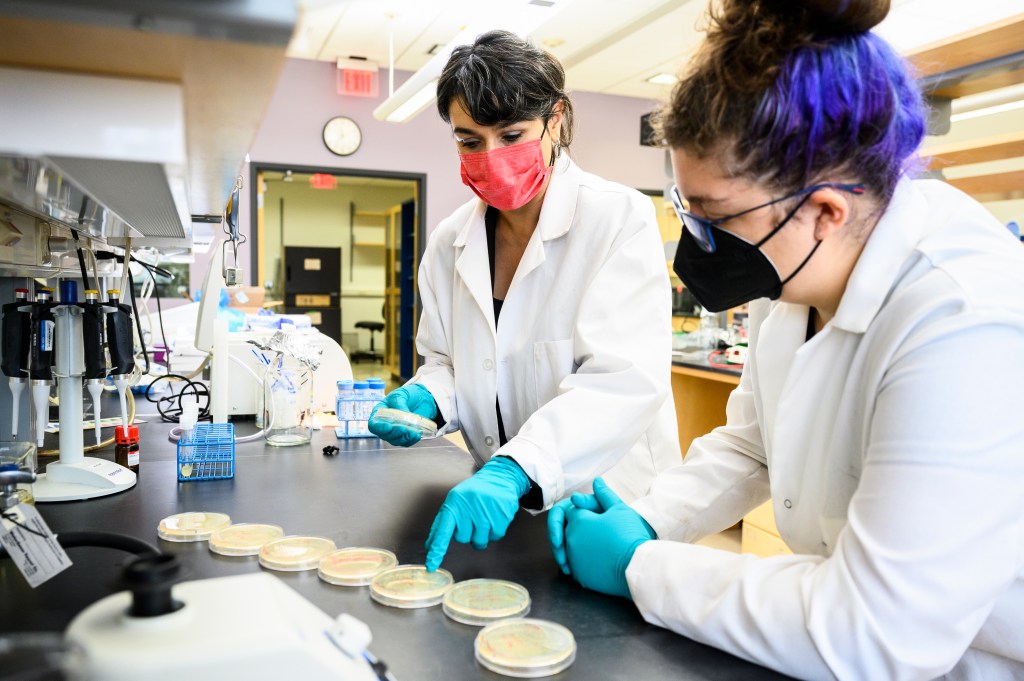
Citizen Science
NASA’s citizen science projects are collaborations between scientists and interested members of the public.
Through these collaborations, volunteers (known as citizen scientists) have helped make thousands of important scientific discoveries. More than 410 NASA citizen scientists have been named as co-authors on refereed scientific publications. NASA citizen science projects are open to everyone around the world, not limited to U.S. citizens or residents.
Explore Careers at NASA
Interested in working at NASA? Start now to be part of NASA’s future. Visit the Careers page to learn more about exciting opportunities at NASA.
Learn More about Explore Careers at NASA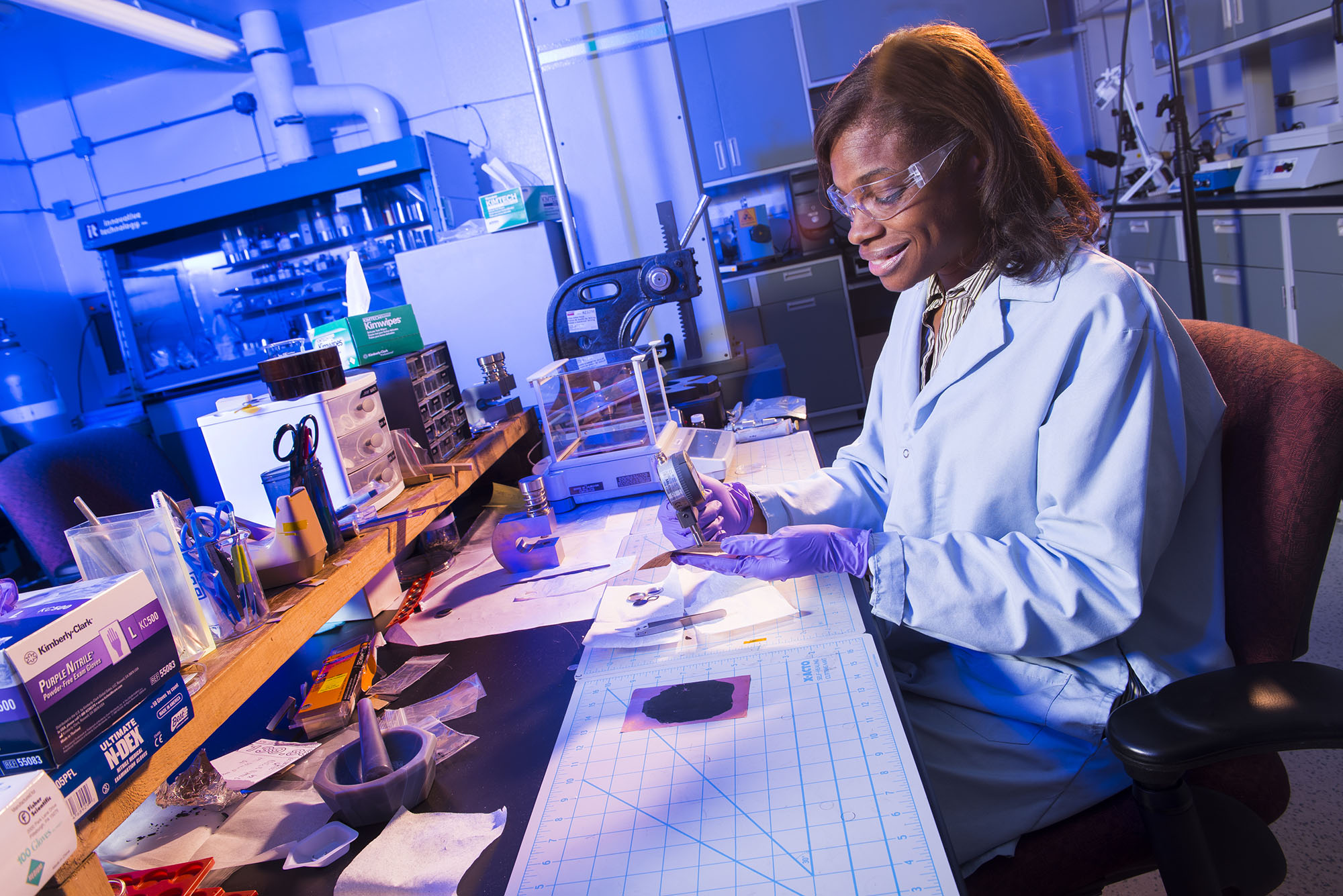
Get Social With NASA
NASA Podcast on Spotify

Social Media at NASA
NASA Podcasts
Be NASA's Virtual Guest!
NASA e-books
NASA Blogs
NASA+
Now Available: NASA+, a new ad-free, no-cost, family-friendly streaming service that embeds you into our missions through new original video series.
Start Exploring NASA+ about NASA+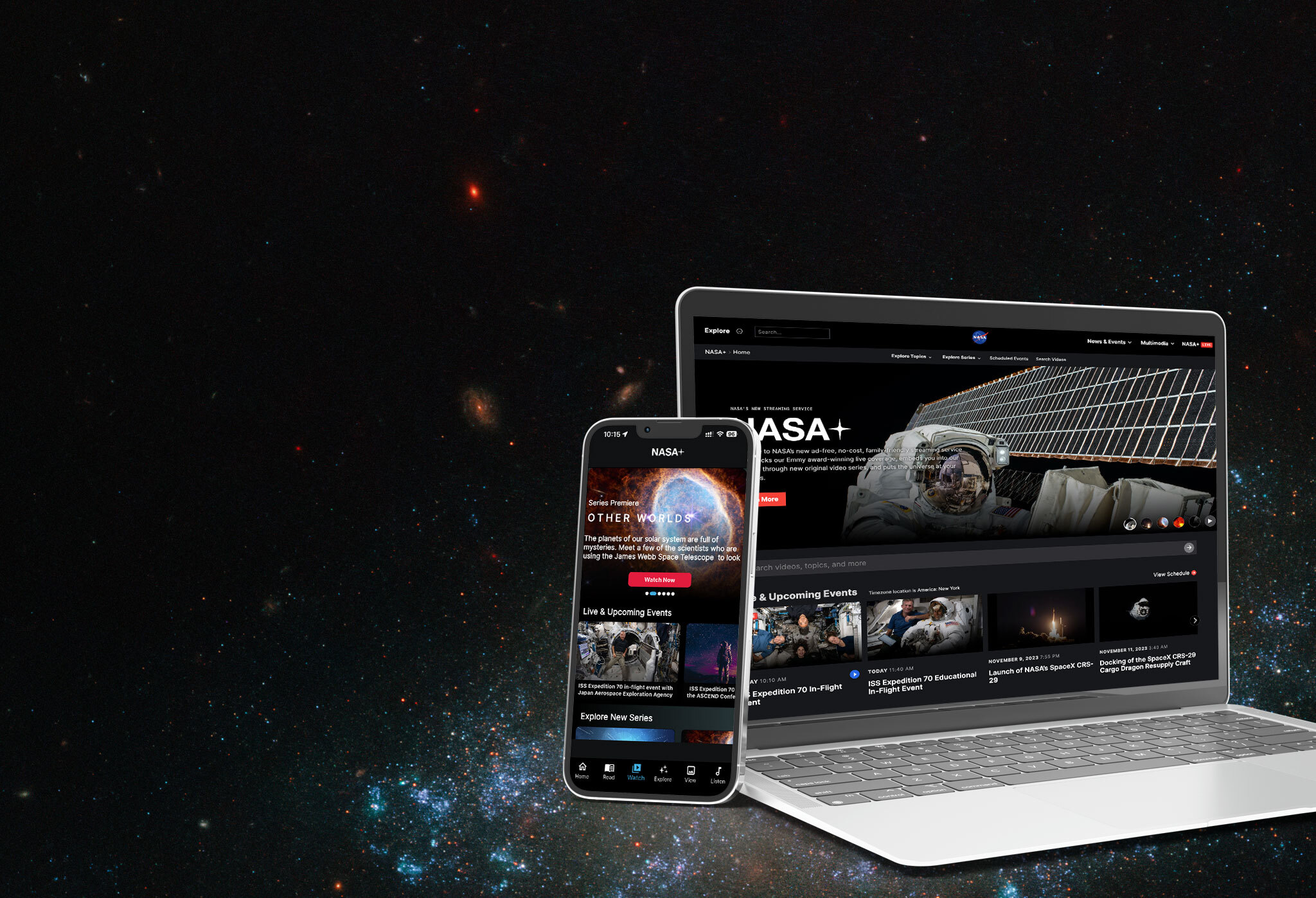
Join the Artemis Mission to the Moon
Make, launch, teach, compete and learn. Find your favorite way to be part of the Artemis mission.
Go to the Website about Join the Artemis Mission to the Moon
get social with nasa stem engagement
NASA Kahoot!
Learn With NASA YouTube
Learn With NASA Pinterest
Learn With NASA X
Learn With NASA Facebook