






Station Research News
The latest news on scientific research, crew activities, and milestones on the space station.
Current mission
Expedition
Crew Members Aboard
Latest News
Power Up: Roll Out Solar Arrays Boost Space Station Power Supply
From the International Space Station’s unique position 250 miles above Earth, the Sun is a vital source of energy. Solar power supports the station’s life support systems, daily activities, and hundreds of research investigations that improve life on Earth and prepare humans for deep space exploration.
Learn More about Power Up: Roll Out Solar Arrays Boost Space Station Power Supply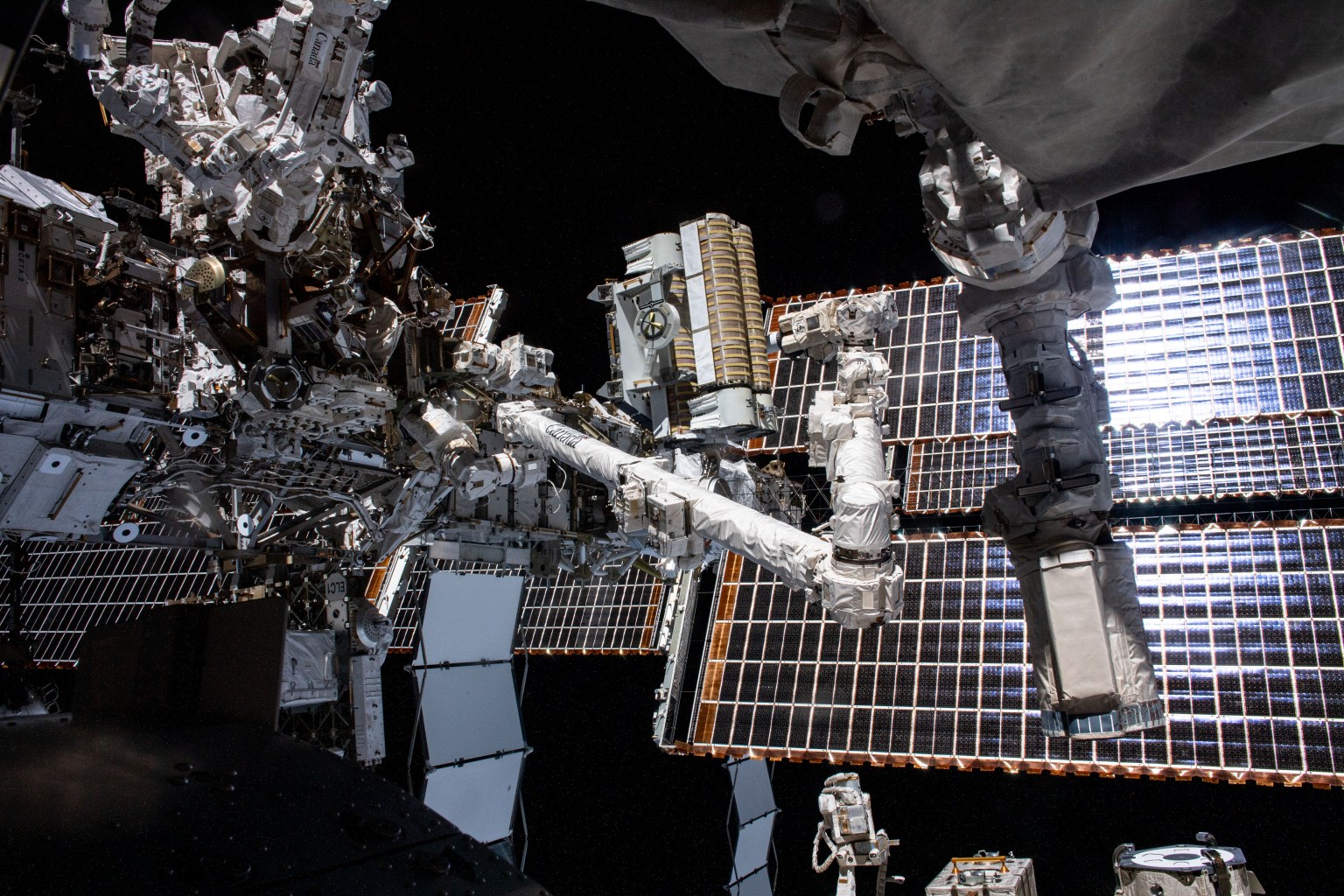
Heading Home: NASA’s SpaceX Crew-12 Concludes Station Science Mission
NASA’s SpaceX Crew-12 mission has ended, with the crew returning to Earth on October 8, 2026. NASA astronauts Jessica Meir and Jack Hathaway, ESA (European Space Agency) astronaut Sophie Adenot, and Roscosmos cosmonaut Andrey Fedyaev returned from the International Space Station after supporting research that benefits life on Earth and prepares humans for missions into deep space.
Learn More about Heading Home: NASA’s SpaceX Crew-12 Concludes Station Science Mission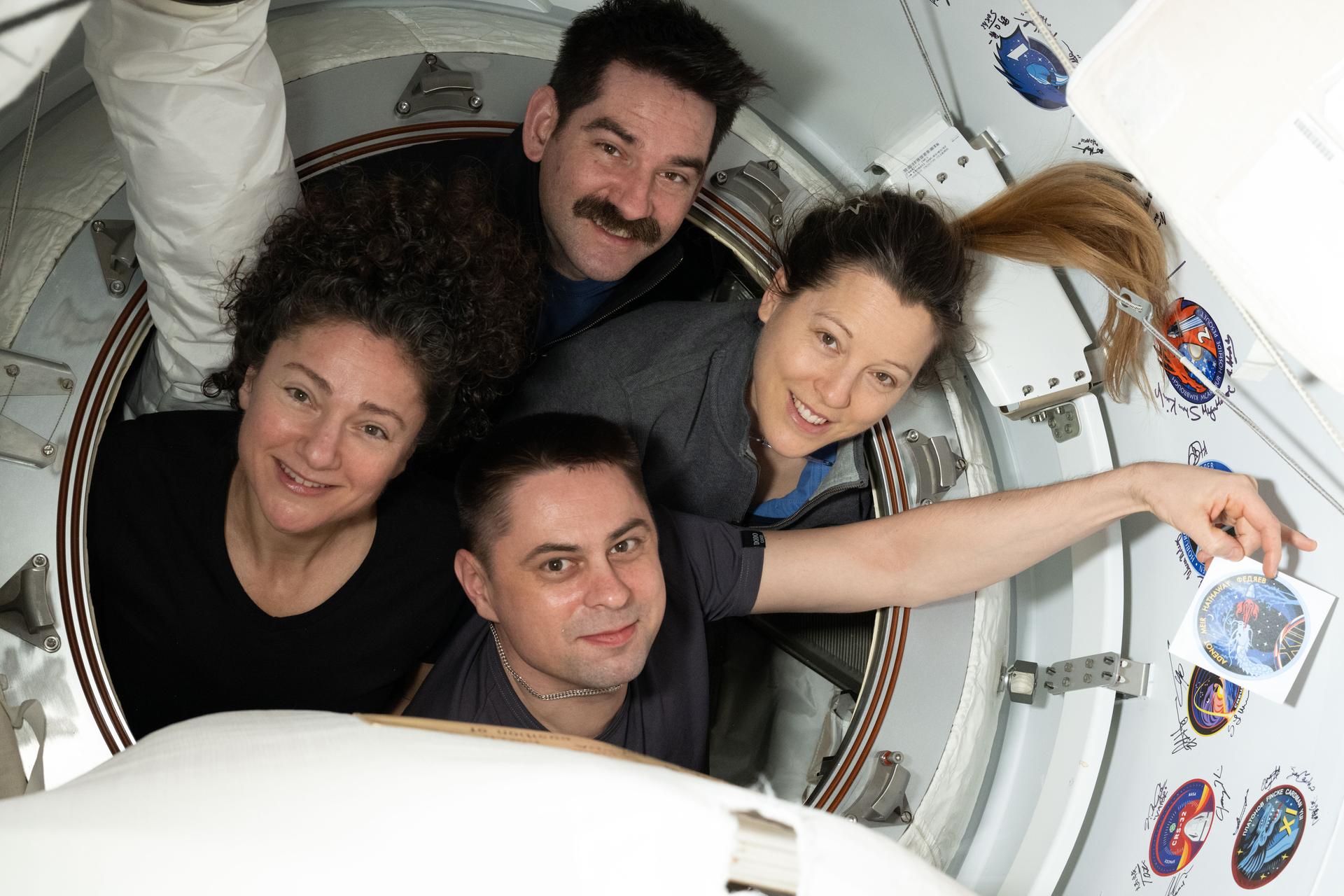
NASA to Study Human Health, Performance During Crew-13 Mission
During NASA’s SpaceX Crew‑13 mission aboard the International Space Station, astronauts will support a series of biomedical and human performance investigations, including a new collaborative effort to study how spaceflight affects blood flow and clotting.
Learn More about NASA to Study Human Health, Performance During Crew-13 Mission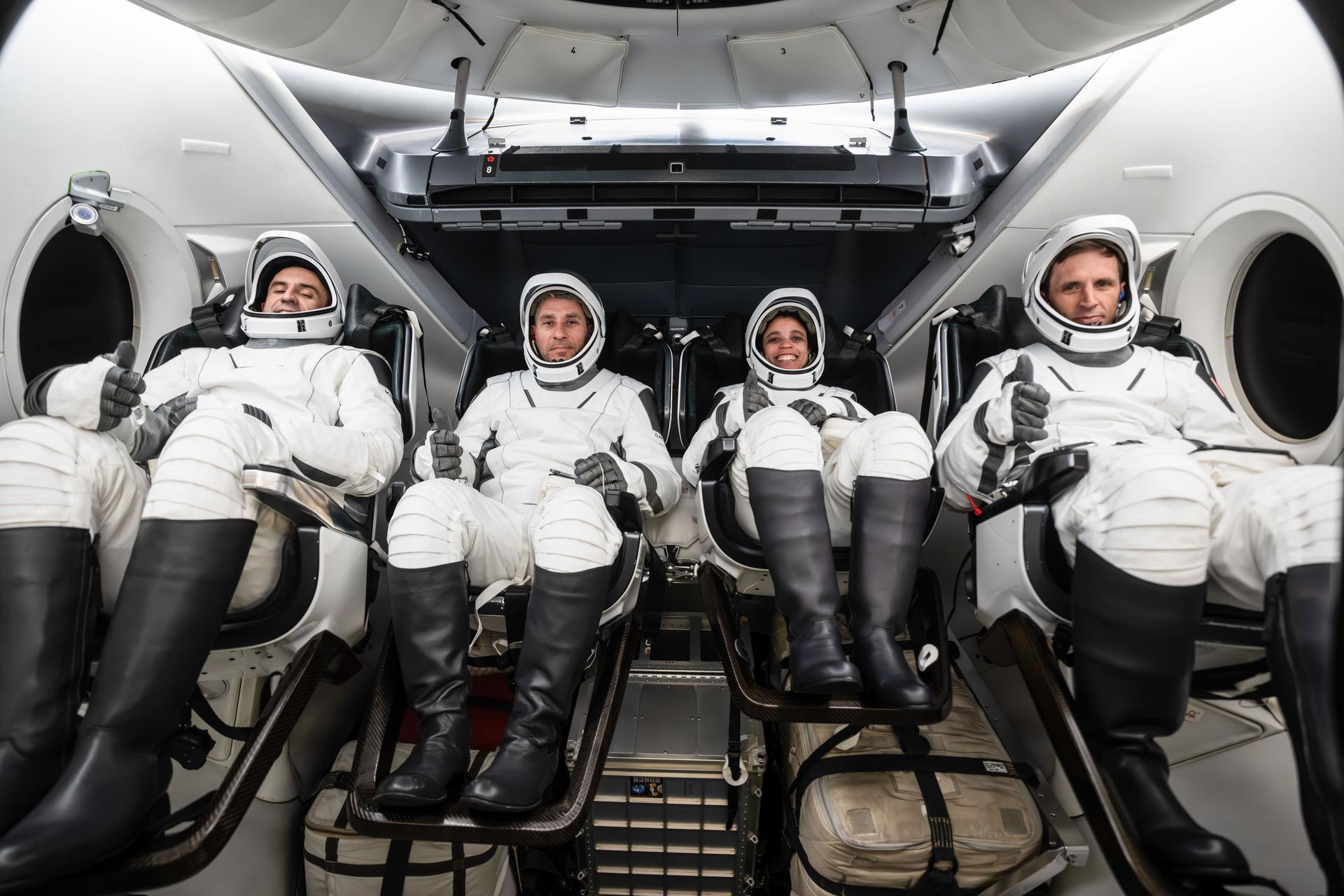
NASA Shares Station Research Today Supporting Moon, Mars Tomorrow
The International Space Station has been busy throughout 2026, as it continues to be a bustling workspace for astronauts conducting a variety of scientific experiments that lay the groundwork for missions to the Moon and beyond.
Learn More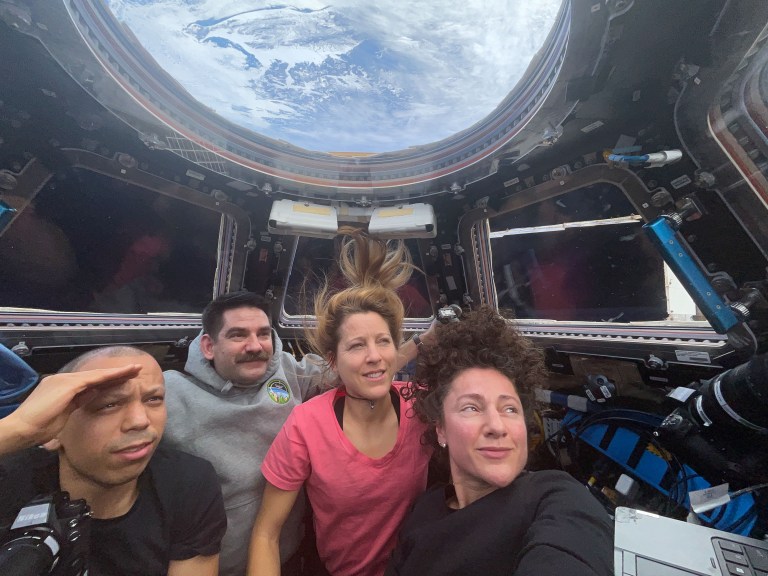
Advanced Mini-laboratories Automate Space Station Research
The International Space Station hosts hundreds of science experiments at a time. Some experiments can take hours to perform, and researchers need to account for astronauts’ limited time. Fully automated devices, like Redwire’s ADvanced Space Experiment Processors (ADSEPs), have been designed to conduct more space science with less crew time.
Learn More about Advanced Mini-laboratories Automate Space Station Research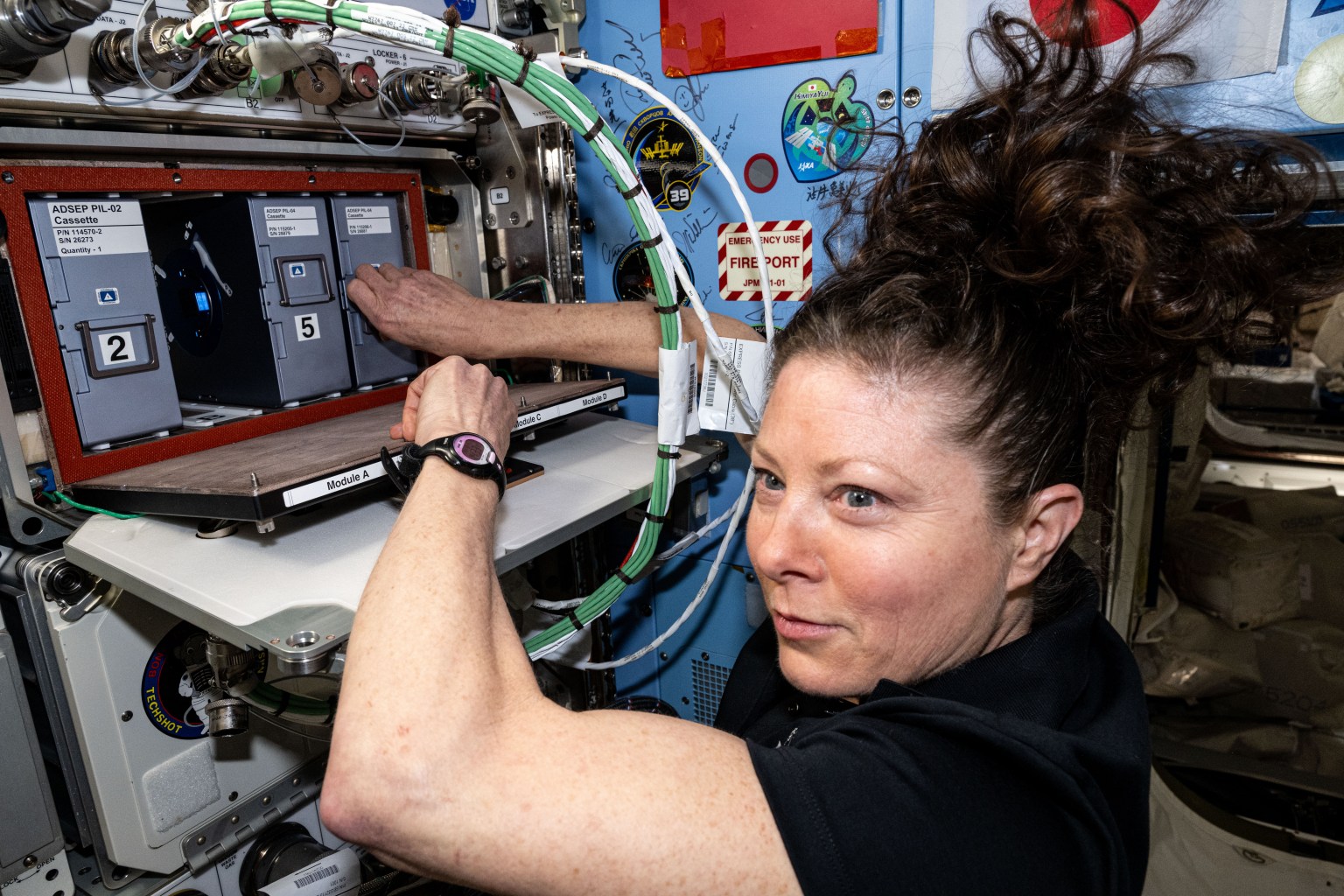
NASA Astronaut Chris Williams Closes Out Space Station Mission
After eight months aboard the International Space Station for his first mission, NASA astronaut Chris Williams is preparing to return to Earth. Williams’ work aboard the space station helped to improve life on Earth and prepare for future missions to the Moon and Mars.
Learn More
NASA’s SpaceX CRS-34 Dragon Returns Packed with Space Station Science
Scientists await a big splash in the Pacific Ocean as one of the most research-packed Dragon spacecraft to date returns, completing the 34th SpaceX commercial resupply mission to the International Space Station for NASA.
Learn More about NASA’s SpaceX CRS-34 Dragon Returns Packed with Space Station Science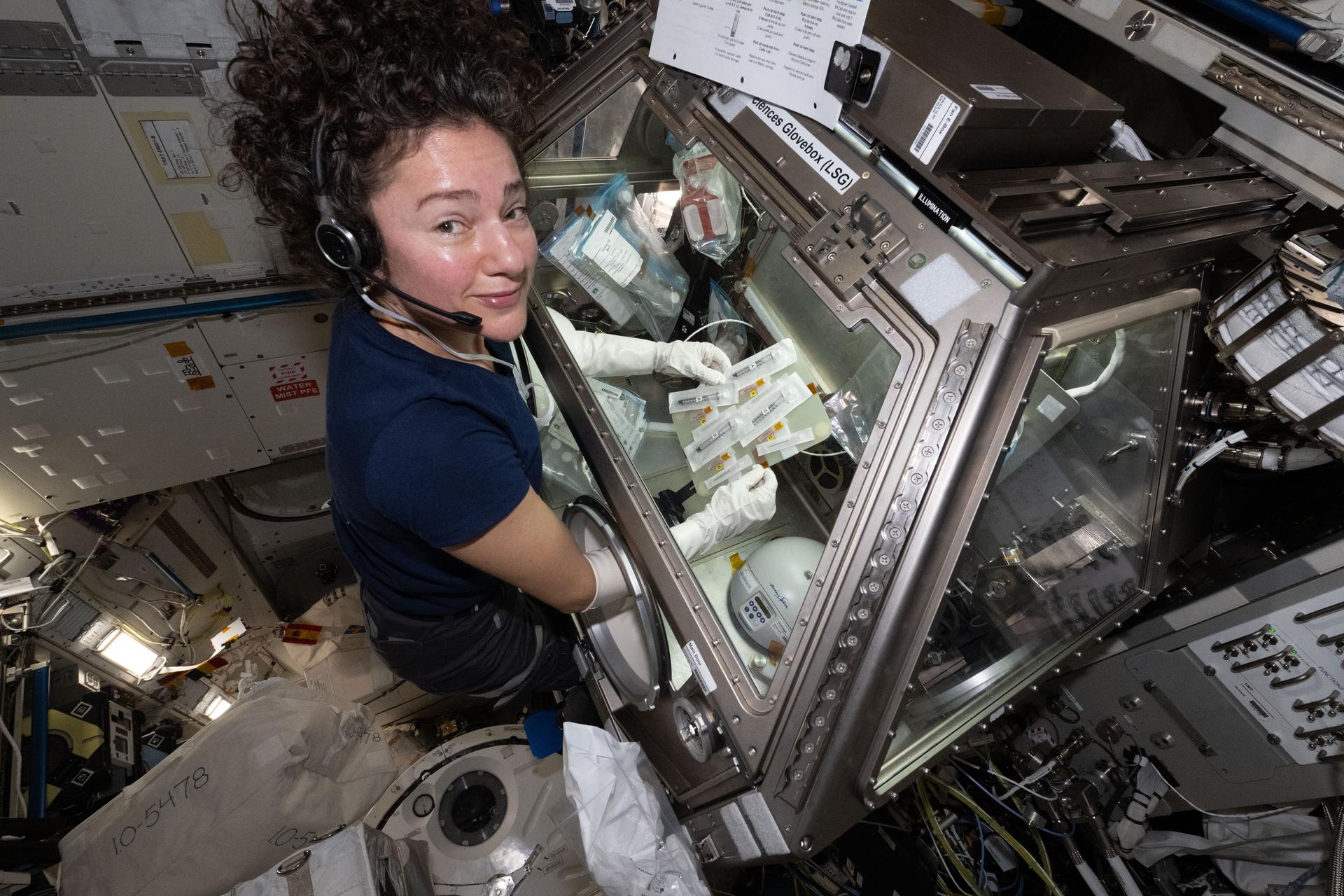
Holding Space for Science: 100K Hours of Microgravity Science Glovebox
On June 9, 2026, the Microgravity Science Glovebox (MSG) aboard the International Space Station reached 100,000 hours of operation since its installation in the Destiny Module in 2002! In recognition of the facility’s milestone, check out this MSG image gallery highlighting science and scientists throughout its 100,000 hours of holding space for science.
View the Images
Growing Stem Cells in Space to Improve Cancer and Disease Treatments
Expedition 74 astronauts aboard the International Space Station are continuing research efforts to manufacture large quantities of stem cells for therapies on Earth. The InSPA-StemCellEX-H2 investigation is aiming to demonstrate large scale production of blood stem cells for pharmaceutical and clinical use.
Learn More
2025 Annual Highlights of Results from the International Space Station
In 2025, researchers using the orbital laboratory conducted more than 750 investigations that advanced understanding of life in space, drove innovations to benefit people on Earth, and supported NASA’s exploration of the Moon and Mars. Results include a study that could protect astronaut performance on future long-duration missions and a biomaterials investigation aimed at advancing tissue engineering and regenerative medicine.
Learn More
Science in Orbit
Studying Pneumonia in Space for Heart Health on Earth
Expedition 74 astronauts aboard the International Space Station are uncovering how bacteria that causes pneumonia can lead to long-term damage in the heart. Researchers are leveraging the space environment to observe how stem cell derived heart tissues respond to bacterial infections, to discover new methods to manage cardiovascular health and infectious diseases.
Learn More about Studying Pneumonia in Space for Heart Health on Earth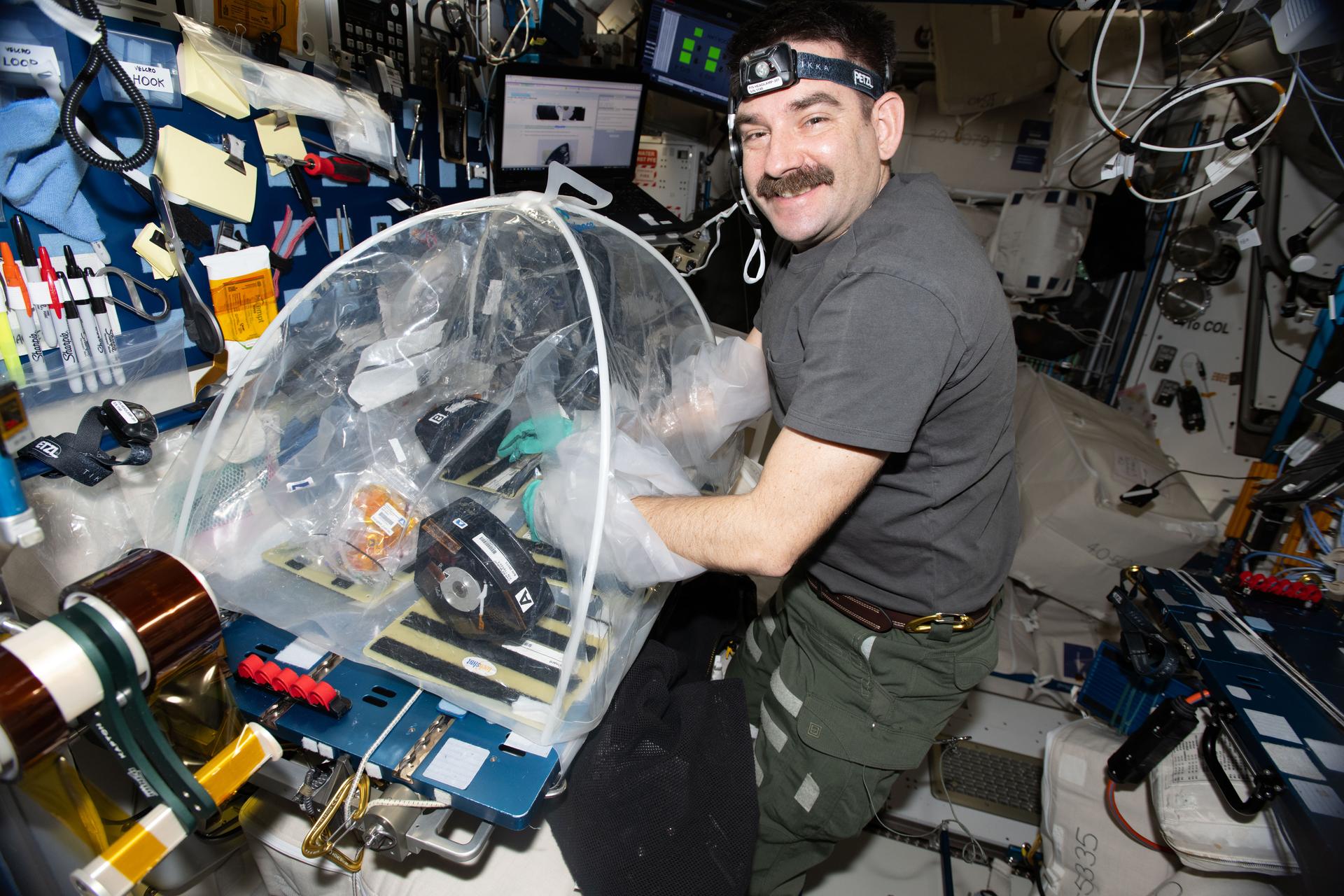
NASA’s STORIE Mission to Tell Tale of Earth’s Ring Current
NASA is preparing to launch a mission designed to provide a unique, inside-out view of the ring current. Called STORIE (Storm Time O+ Ring current Imaging Evolution), it is scheduled to launch in May aboard the 34th SpaceX commercial resupply services mission to the International Space Station for NASA.
Learn More
Science in Orbit
Liquid Lifeline: NASA Tech Could Create IV Fluid In Space
On every crewed mission, NASA packs pouches of a potentially life-saving liquid in its cargo, known as IV (or intravenous) fluid. A simple mix of sodium chloride and purified water, it can treat up to 30% of medical conditions in flight, resolving things like dehydration, burns, and more. To avoid the complications of stocking a perishable supply of prepacked IV fluid, experts at NASA’s Glenn Research Center in Cleveland have created a technology that can transform water into IV fluid on demand.
Learn More about Liquid Lifeline: NASA Tech Could Create IV Fluid In Space
Nutrition Research Arrives Aboard Space Station
Before planning long-term stays on the Moon, Mars, and beyond, humans must learn to grow and care for plants and other sources of nutrition like algae to keep the explorers taking part in these adventures fed. Several investigations aboard Northrop Grumman’s 24th commercial resupply mission for NASA support efforts to maintain crew diets as humanity ventures deeper into the cosmos.
Learn More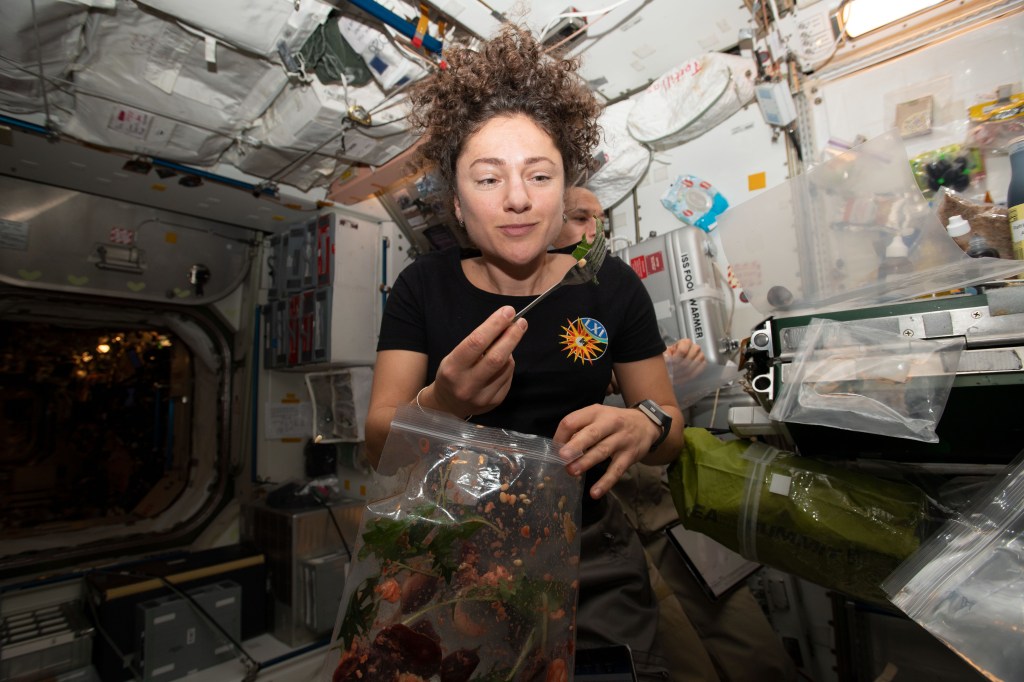
Space Station Research Contributes to Artemis II
Have you ever heard the saying, “You have to learn how to walk before you can run?” The same can be true in human space exploration.
To push capabilities further and ensure safe, successful missions, NASA must test ideas and solve challenges ahead of time. While Earth-based research and engineering helps NASA progress through various challenges, it can’t fully replicate the space environment. That’s where the International Space Station comes in — an out-of-this-world laboratory where astronauts help prepare for missions to the Moon, Mars, and beyond.
Learn More about Space Station Research Contributes to Artemis II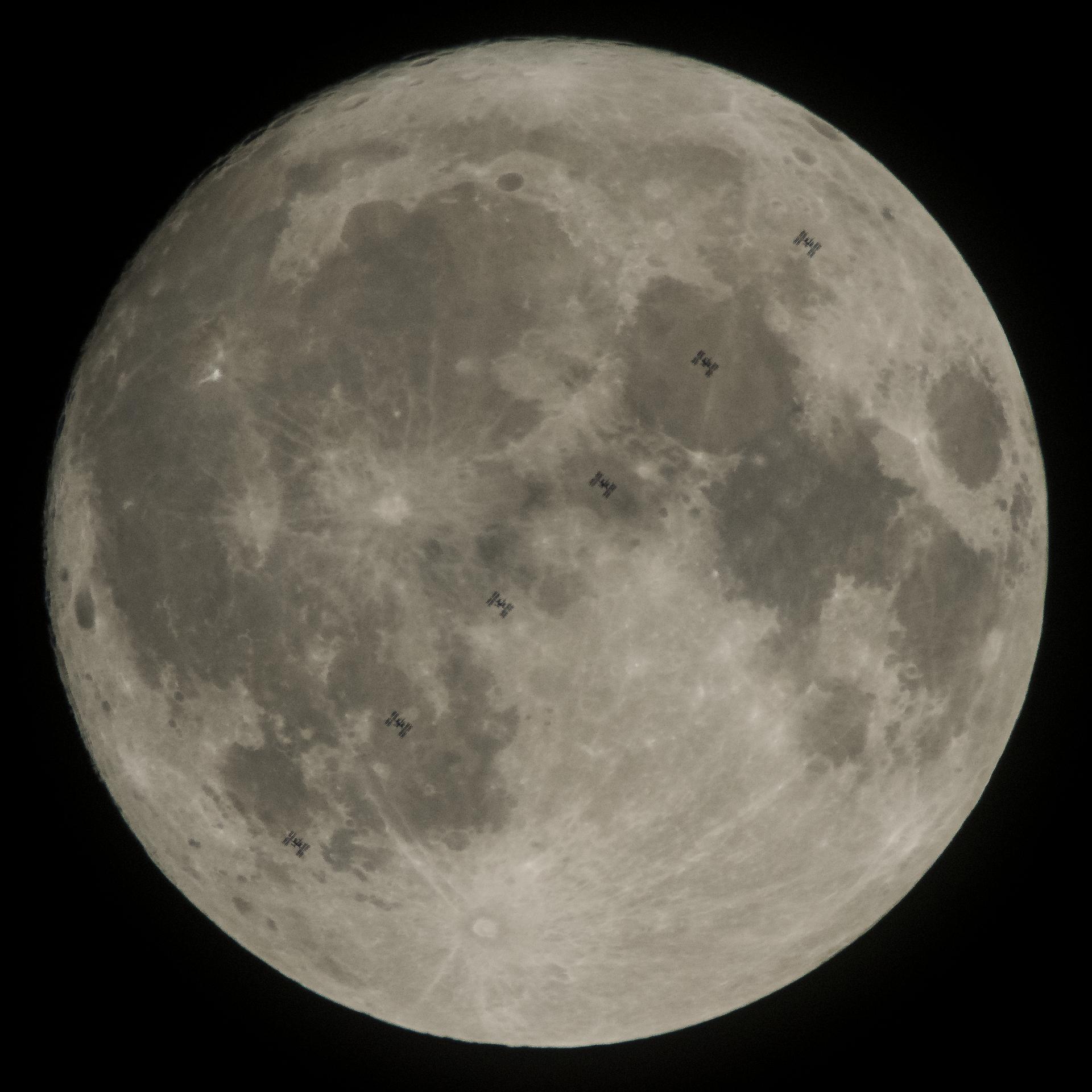
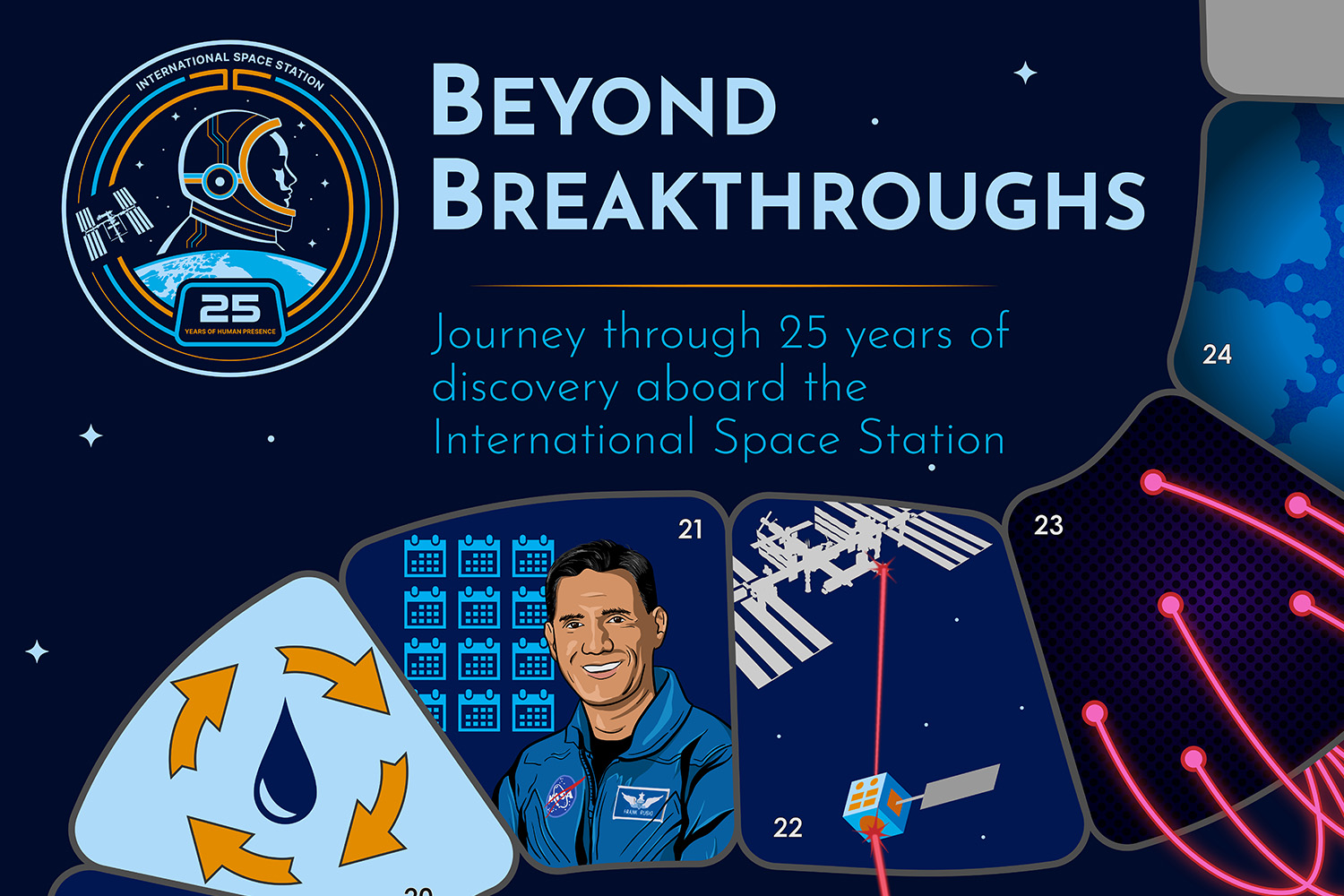
Beyond Breakthroughs
Journey through 25 years of discovery aboard the International Space Station
November 2025 marked 25 years of continuous human presence aboard the International Space Station. A global endeavor, the space station
has been visited by more than 290 people from 26 countries and a variety of international and commercial spacecraft.
Explore a few of the many research accomplishments aboard the space station over the last quarter century.

25 Years of Scientific Discovery Aboard the International Space Station
November marks 25 years of human presence aboard the International Space Station, a testament to international collaboration and human ingenuity.
Since the first crew arrived on Nov. 2, 2000, NASA and its partners have conducted thousands of research investigations and technology demonstrations to advance exploration of the Moon and Mars and benefit life on Earth.
Learn More about 25 Years of Scientific Discovery Aboard the International Space Station
Houston We Have a Podcast
From Earth orbit to the Moon and Mars, explore the world of human spaceflight with NASA each week on the official podcast of the Johnson Space Center in Houston, Texas. Listen to in-depth conversations with the astronauts, scientists and engineers who make it possible.
View Series
Station Research Features and Articles
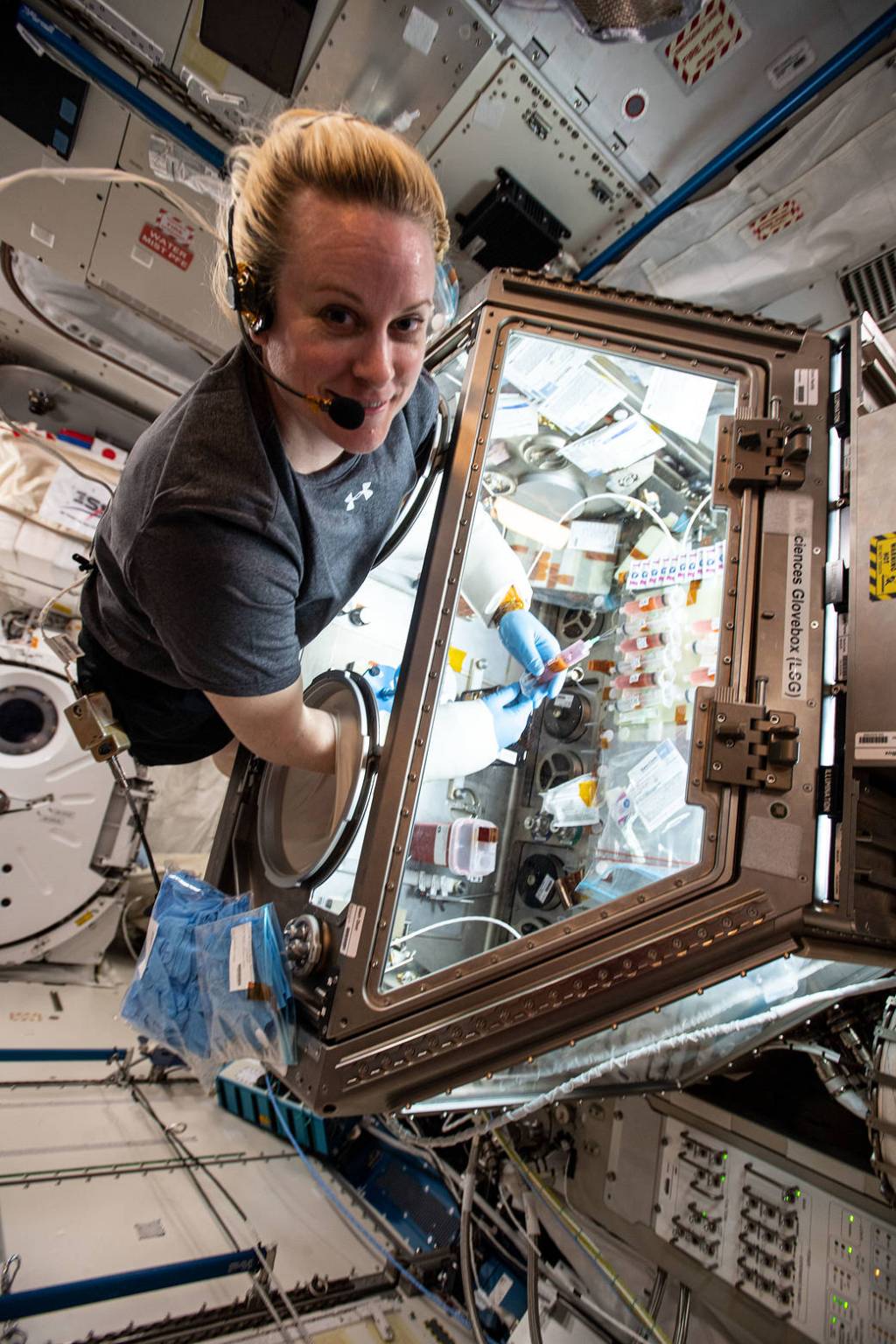
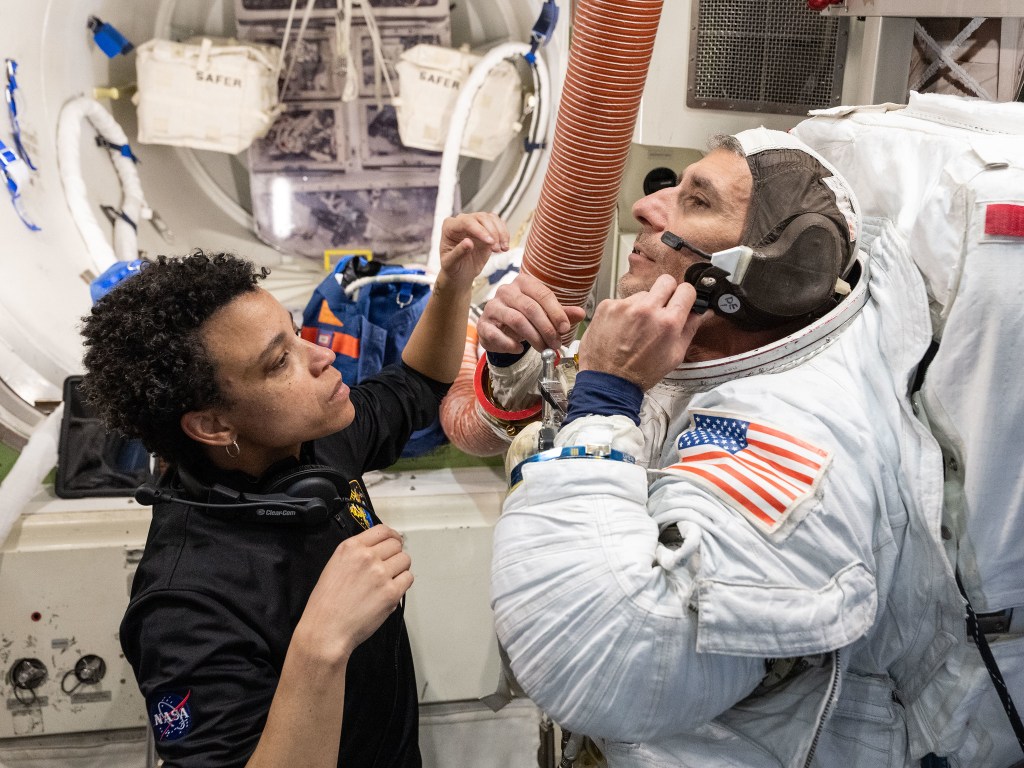
NASA astronaut and Expedition 75 flight engineer Jessica Watkins works inside the Kibo laboratory module’s Life Science Glovebox on Oct.…
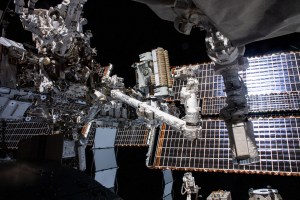
From the International Space Station’s unique position 250 miles above Earth, the Sun is a vital source of energy. Solar…
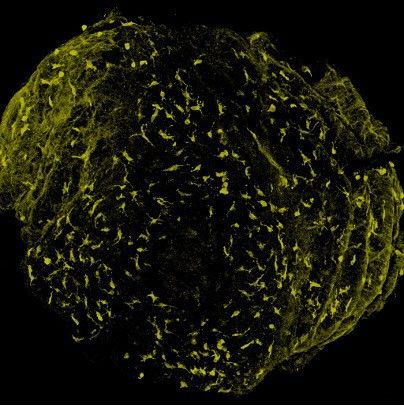
NASA experiments focused on human and plant health and drug-resistant organisms will travel to the International Space Station aboard SpaceX’s…
Monthly Newsletter
Find out the latest about the research onboard the space station from our weekly newsletter!
Subscribe to Our Newsletter