



















Backbone assembly
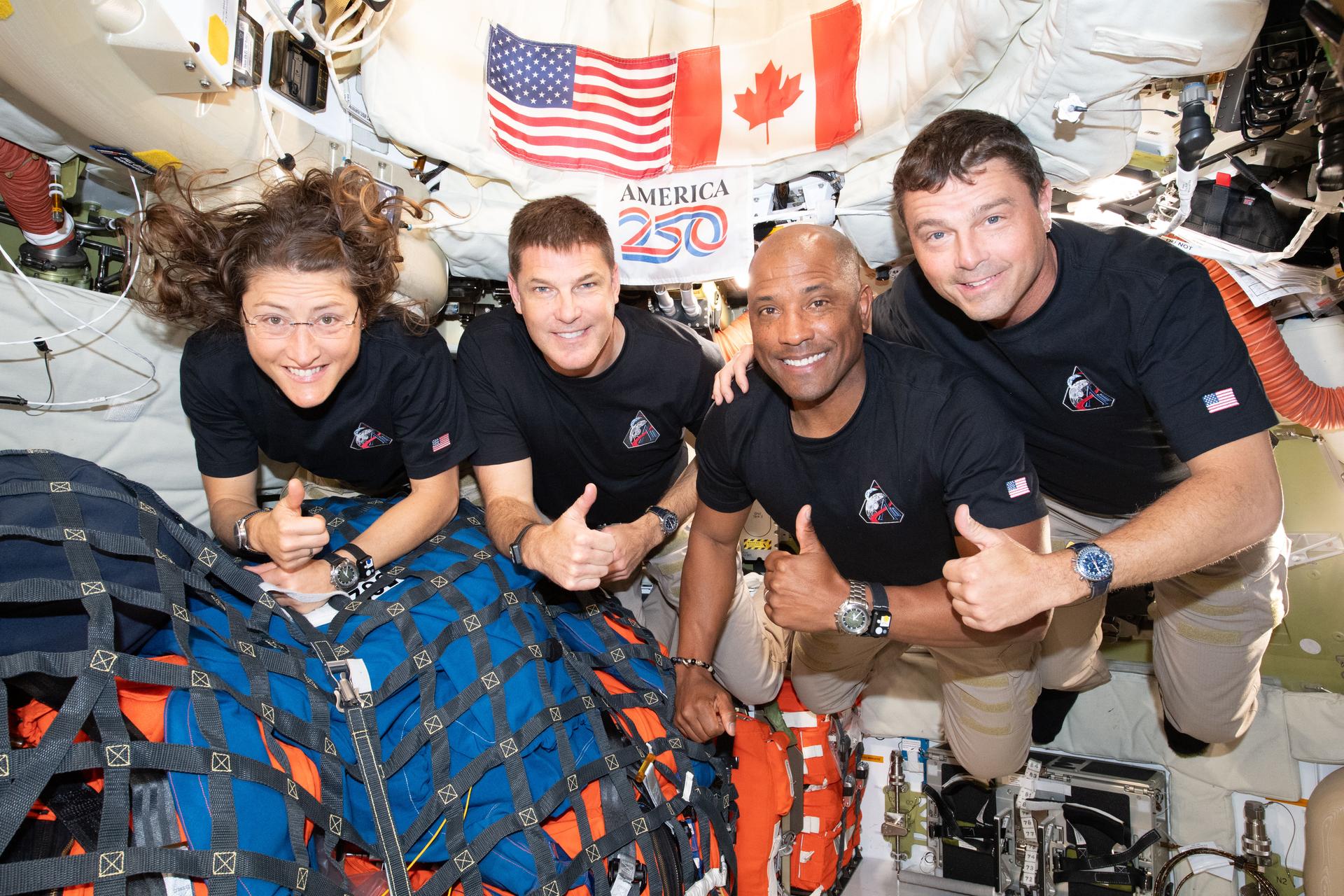
Inside the crew module, the floor structure is called the backbone assembly. This is where the crew seats are attached and where the crew stowage lockers are located. It consists of a nine piece bolted structure of crisscrossing beams. The backbone, made of aluminum, also provides additional structural support for the crew module.
Crew Seats
The Orion crew module includes four crew seats. Viewed from the side-hatch opening, the crew seats for the commander and pilot are located to the left of the side capsule, facing the display and control units placed at an arm’s length away. The two other seats for the mission specialists are located on right side of the capsule. When configured for launch and re-entry, the astronauts will be lying on their backs, their knees bent at a 90-degree angle, with their feet resting on foot pans.
The seats are designed to accommodate anyone from the 1st to the 99th percentile of body anthropometries — from a 4-foot-10-inch, 94-pound female to a 6-foot-5-inch, 243-pound male. They can be adjusted in multiple ways to fit the astronauts more comfortably. This includes adjusting the seat pans, foot plate, head and arm rests of the seats, and adjusting hand-controller mounts to make sure that astronauts of any height or weight can reach all the controls while in their pressurized suits. Once in space, the foot pans on the pilot and commander seats can be removed and stowed, allowing the crew more open space in the cabin.
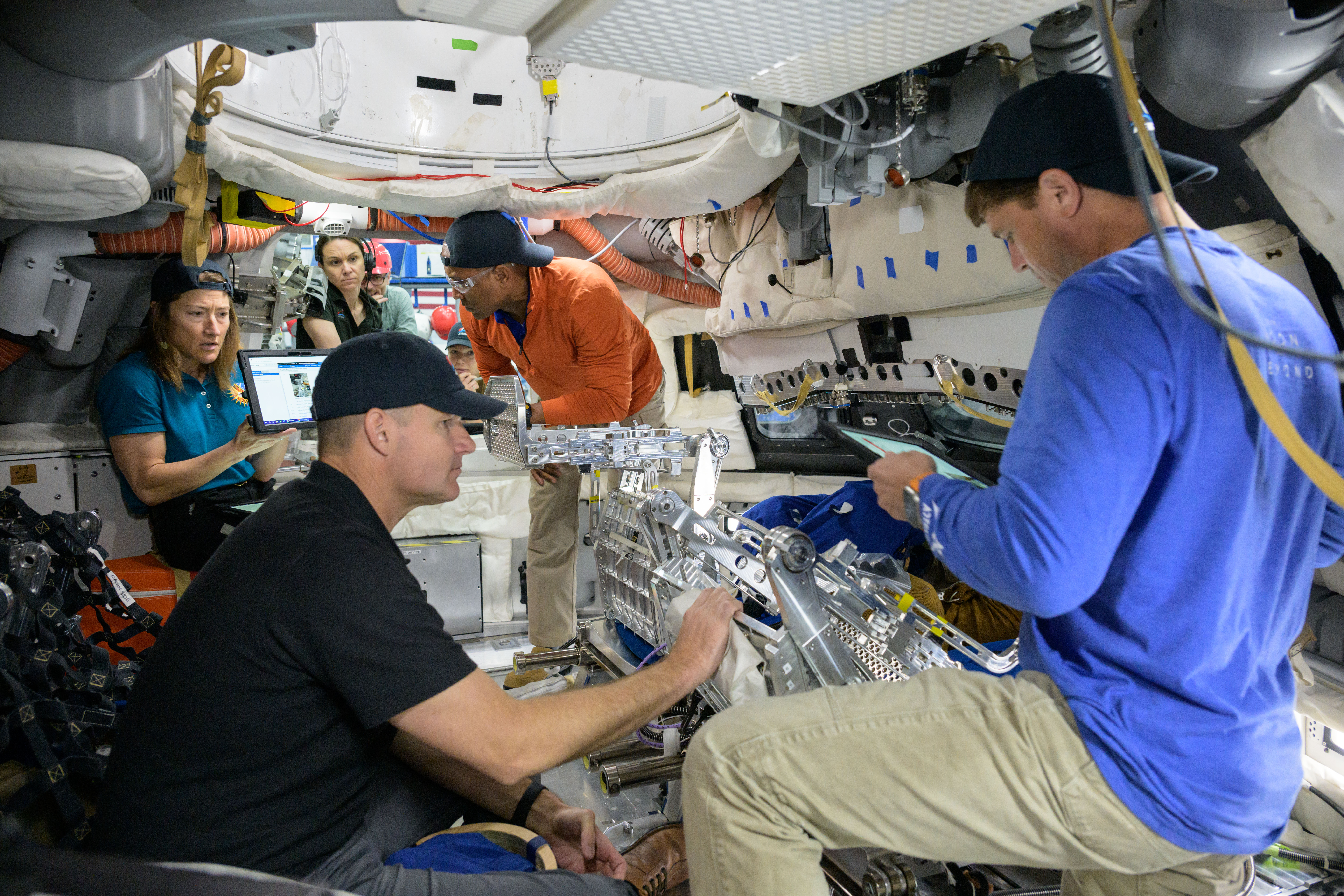
The crew seats have features to help secure crew members during flight phases of the mission. A five-point harness — or seatbelt — restraint, a concave headrest, shoulder and hip bolsters, and a peg in the foot pan that locks into the crew boots to minimize the movement of the crew member’s body.
The seats also include a crew impact attenuation system that helps protect the Orion crew from excessive g-load during landing. This mechanism attaches to each crew seat and Orion’s backbone structure and helps absorb shock when Orion splashes into the ocean after returning to Earth. It decreases the impact energy the astronauts will feel and limits the load by allowing the seat to slide on guard rails. Each seat has 6 inches of room to slide; however, the crew impact attenuation system will not slide back and forth during the regular vibrations of spaceflight. It only engages on landing.
Displays and Controls
The Orion display and control equipment is the crew interface to the Orion systems. The displays and controls consist of three display units, seven switch interface panels, two rotational hand controllers, two translational hand controllers, and two cursor control devices. The switch panels and hand controllers’ hardware interfaces through serial interfaces to the power and data units, then via the onboard data network to either flight control modules or the display units for processing. The display units utilize a variety of display formats to provide data to the crew for awareness and action when necessary.
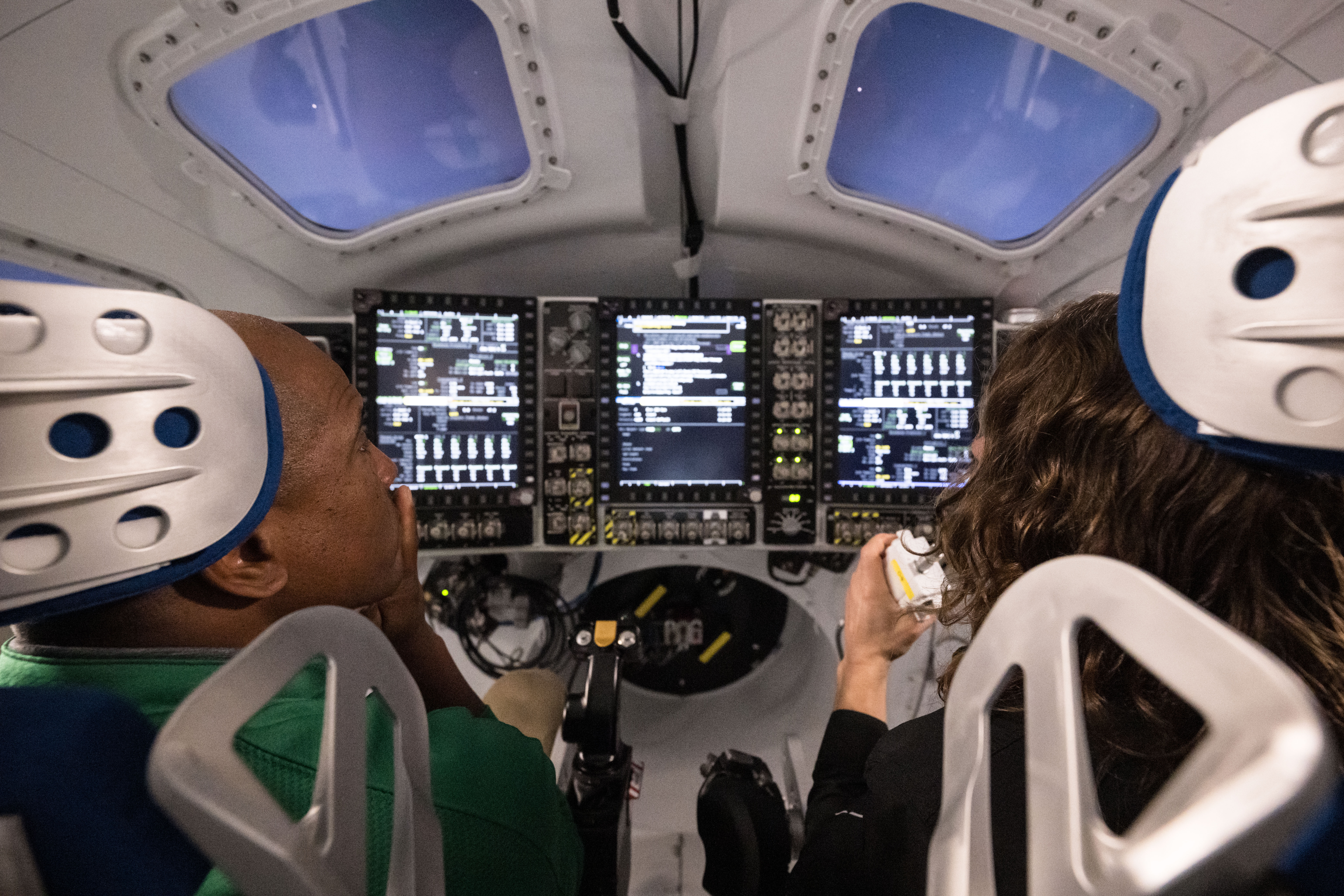
The Orion displays and controls are designed for an intensive amount of crew interaction, both in nominal and off-nominal scenarios. Electronic procedures have been developed for Orion that allow direct interaction with the display formats, reducing workload on the crew. The electronic procedures efficiently step the crew through planned tasks and reduce crew workload by highlighting various telemetry on a display format or queuing up commands. Additionally, the electronic procedures have built-in links to the caution and warning system aboard, which alert the crew when faults and anomalies occur. The electronic procedures link provides the ability for the crew to bring up the urgent actions the crew needs to take to address any caution and warning conditions.
Display Units
The Orion crew module uses three display units, or DUs, to convey all display and control information to the crew members. These three units are set into the switch panel stationed directly in front of commander and the pilot seats, with the commander positioned about eye level with the left-most unit (DU1), and the pilot stationed in front of the rightmost unit (DU3). The middle unit (DU2) acts as a shared display screen that can be reached and operated by both the commander and pilot.
The display units can be controlled by the edge keys and twizzle knob located on the frames surrounding each of the three screens. The pilot and commander can also use the cursor control devices, or CCDs, to control the DUs and select options being displayed.
The cursor control devices are located on the left side of each of their seats and allow for easy access — even when gravitational forces are acting against the astronauts.
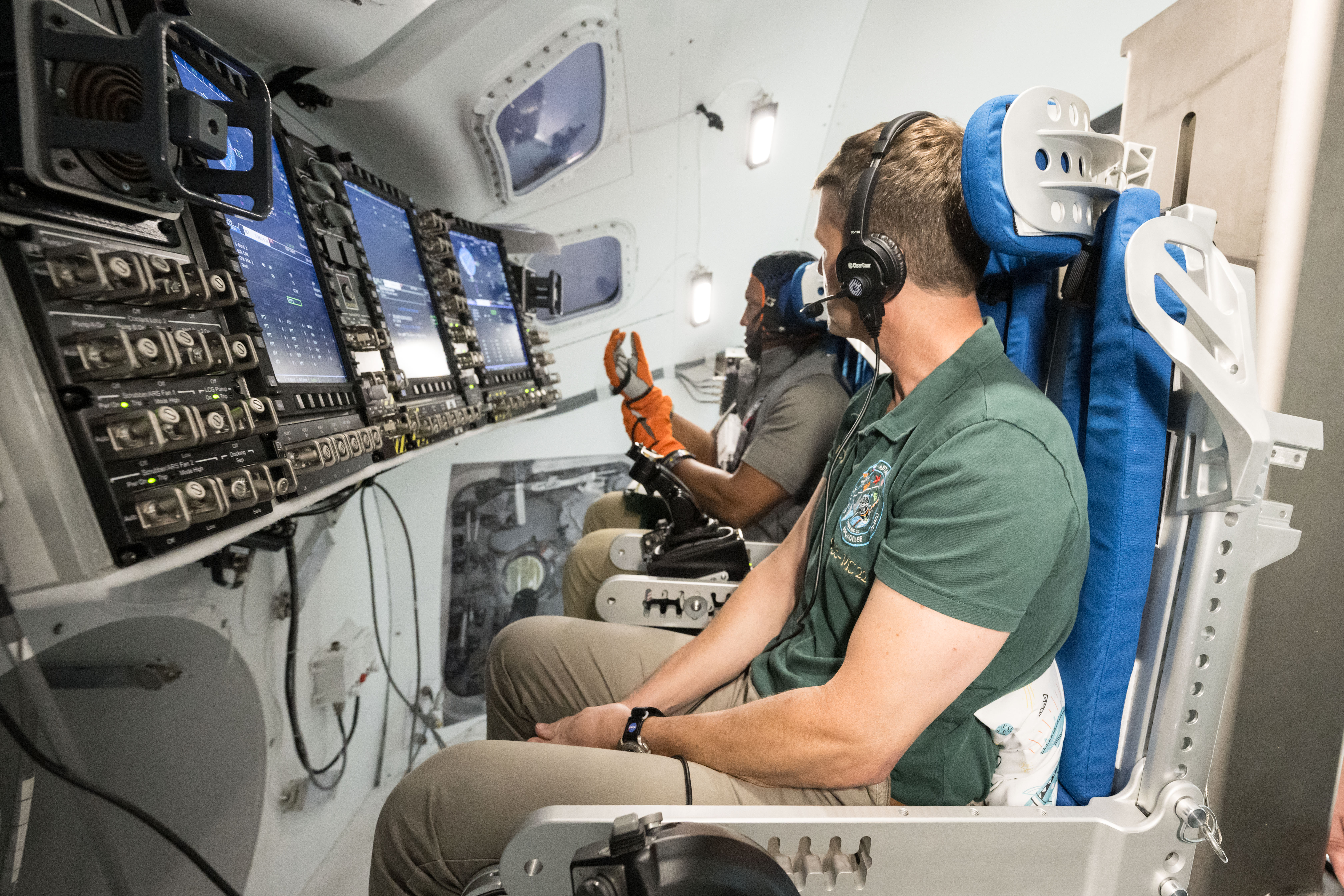
The display units are the main point of interface between the crew and the spacecraft. Through this system, the crew can receive vehicle status updates, command new operations or edit information, and interact with the spacecraft systems, making the display units one of the most crucial systems on Orion.
Next to Orion’s displays, the spacecraft also has a series of switches, toggles, and dials on the switch interface panel. Along with switches the crew will use during normal mission operations, there is also a backup set of switches they can use to fly Orion if issues arise with the display or hand controller.
Hand Controllers
Crew members will use two different controllers, called rotational and translational hand controllers, to steer the spacecraft.
The rotational hand controller (RHC) allows the pilot and commander to rotate the spacecraft using their right hand to control. This controller directs Orion’s attitude, allowing the crew to control the orientation of Orion’s nose, to pitch up or down, or roll right or left.
The translational hand controller (THC), located on the right or left side of the display screens, allows the spacecraft to move from one point to another. It enables the crew to move the spacecraft forward and backward, pushing the translational hand controller inwards and outwards. Similarly, the controller can also be pushed up or down and left or right to move in the directed orientation.
Orion Crew Survival System Suits
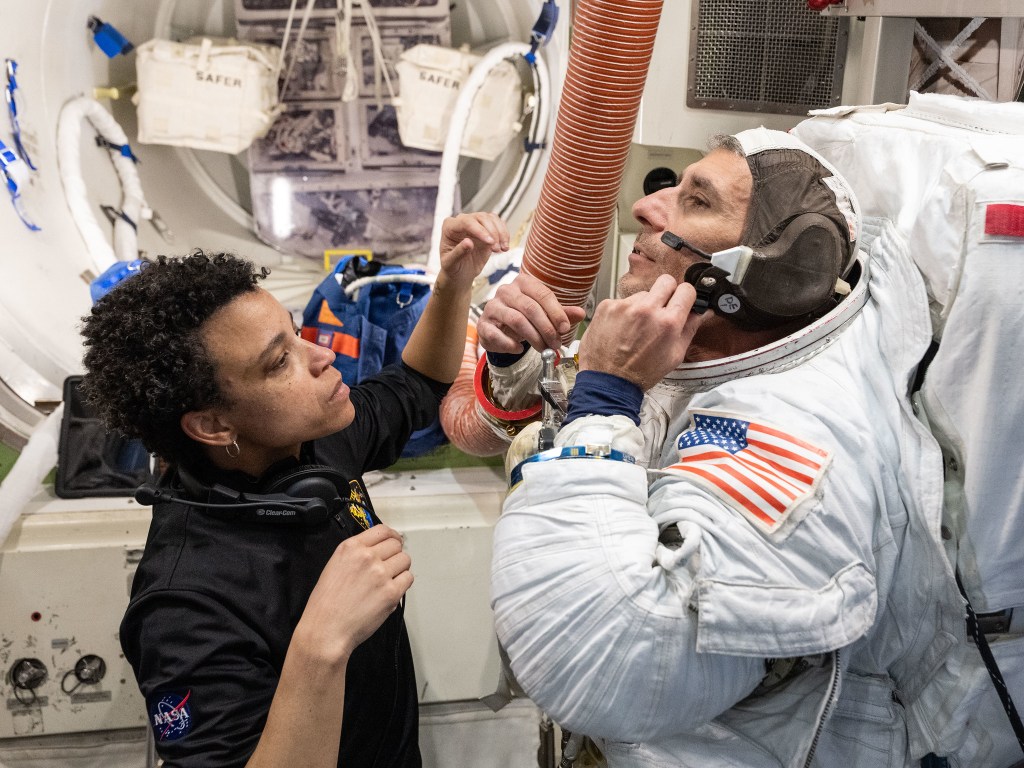
At several points during Artemis missions, astronauts will wear a bright orange spacesuit called the Orion Crew Survival System (OCSS) suit, which is designed to protect them on their journey. Improvements have been made from head to toe to the suit previously worn on the space shuttle and now, for Orion.
Elements have been reengineered to improve safety and range-of-motion for astronauts. Instead of the small, medium, and large sizes from the shuttle era, they are custom fit for each crew member.

The suits can keep astronauts alive for up to six days if Orion were to lose cabin pressure during its journey, with interfaces that supply air and remove carbon-dioxide. They are also equipped with a suite of survival gear in the event astronauts must exit Orion after splashdown, in the ocean, before recovery personnel arrive. The color is easily recognizable beacon in ocean waters.
The outer layer is fire resistant, and a stronger zipper allows astronauts to quickly put the suit on. Improved thermal management helps to keep them cool and dry. A lighter, stronger helmet improves comfort and communication, and the gloves are more durable and touch-screen compatible. Better-fitting boots also provide protection in the event of fire and help astronauts move more swiftly.
Astronauts will wear the suit on launch day, in emergency situations, during high-risk parts of missions near the Moon, and for the high-speed return to Earth. Its design and engineering enhancements provide an additional layer of protection for astronauts and ensure they return home safely from deep space missions.
Environmental Control and Life Support Systems
On Orion, environmental control and life support systems make the crew module a habitable, safe place for astronauts, and is key to survival as they travel to the Moon. The key components of the systems include atmosphere revitalization, pressure control, crew water supply, and crew waste management. For Orion, these systems must be mass and volume efficient, as well as dependable. Orion provides an environmental control and life support system that balances between the constraints of launch mass, volume, system fault tolerance, and reliability of resources to sustain astronauts and keep them safe.
Atmosphere revitalization is the highest priority on deep space missions. Systems must not only provide oxygen and remove carbon dioxide from the atmosphere, but also prevent gases like ammonia and acetone, which humans emit in small quantities, from accumulating. They must also provide adequate ventilation for the crew and filter particles and microbes.
Orion has a new carbon dioxide and humidity removal system that is regenerable, a key for saving mass and volume on deep space vehicles. The system, when exposed to the cabin air, absorbs carbon dioxide and humidity. When exposed to the vacuum of space, the carbon dioxide and humidity are vented overboard, and the system regenerates back to a clean state to return to cleaning the cabin air. On other human spacecraft such as the space shuttle, a method using expendable chemicals was used to remove carbon dioxide. For perspective, these chemicals took up the volume of nearly 143 basketballs. Orion’s system takes up the space of only 16 basketballs and saves more than 100 pounds.
Orion uses high-pressure oxygen and nitrogen tanks to provide the pressure control for the crew environment. Using these tanks simplifies the system to provide for greater reliability on Moon missions. The pressure control system can be manually operated by the crew, if required, in a severe situation.
A water supply system stores and distributes potable water to the crew for drinking, food preparation, and medical and hygiene needs. Environmental monitoring maintains the spacecraft’s temperature, humidity, and pressure, and detects when the spacecraft’s enclosed environment is compromised, causing it to become unsafe.
Flywheel Exercise Device
Exercise is an essential requirement for crewed spaceflight missions. Without consistent exercise routines, microgravity environments can cause a noticeable reduction in muscle mass and bone density. Artemis crews will exercise inside Orion using the flywheel exercise device, a device that uses a flywheel, a series of pulleys, and a torque limiter encased in a frame the size of an extra-large shoe box, which functions like a rowing machine.
The crew will use a strap placed between their feet, attached to either a bar or a harness, to interact with the device. Pulling on the strap allows the crew to perform aerobic, resistive, and rowing exercises. The crew member straps their feet against the footplate of the device, which is held at a slight angle from the front of the frame. Using the bar, the crew can perform exercises such as bicep curls, bent-over rows, and deadlifts for resistance training, as well as rowing ergometry for aerobic training. With the harness, the crew can also perform exercises such as squats and calf raises.
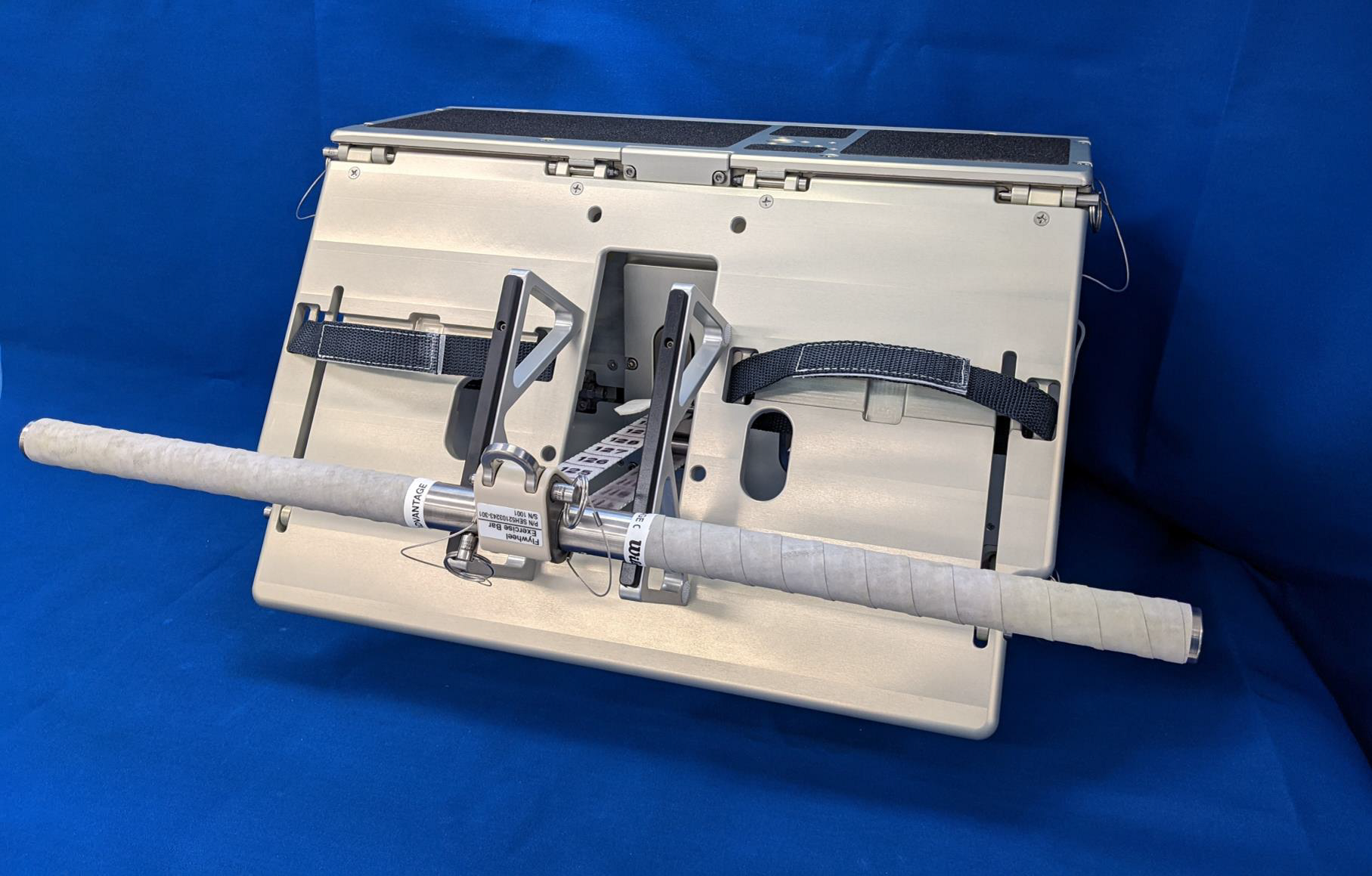
The footplate, bar, and harness are stowed during launch and return to Earth. The flywheel is located directly below the Orion’s side hatch and above the hygiene bay, and can be multipurposed as a step into and out of the vehicle.
With three main resistance-level options and other adjustments, the loading or resistance of the flywheel can be tailored to the crew member’s strength and adjusted for specific exercises. The options include “low,” “medium,” and “high” gears, which are toggled using the gear selector. The exact load of each exercise is determined by the energy put into the flywheel system by the user, similar to a yo-yo. When moved, the gear selector shifts a lever arm that engages specific pulleys that either increase or decrease the amount of resistance in the traction of the device. The highest expected load of the flywheel is 400 to 500 pounds.
The flywheel was used aboard Orion for the first time during the Artemis II mission. Each astronaut spent approximately 30 minutes a day performing exercises, allowing an additional 15 to 30 minutes before and after each session to allow for prep time, data collection, and cooldown. Part of this process for Artemis II included attaching accelerometers to the flywheel and its mounting point on the Orion vehicle to verify the interacting forces between the exercise device and the surrounding structures. This data, amongst other observations such as video of exercise sessions, will be used to further develop the flywheel in preparation for future Artemis missions.
Potable Water Dispenser
Orion’s potable water dispenser gives the crew easy access to water inside the crew module during their missions to the Moon. The potable water dispenser will be used to rehydrate food and drink packages and can also be used for medical emergencies.
Orion’s European Service Module will carry four water tanks, each containing about 125 pounds of water. These tanks contain bellows, which pressurize the water by a regulated nitrogen source. Each of the four tanks is connected to a water manifold, which has two water lines that lead to the crew module. The two lines each have a manually operated valve at the crew end and a quick disconnect. This allows the crew to turn the water on and off at any given time.
The water that dispenses from the potable water dispenser is used for rehydrating freeze-dried food or powdered drinks. The water is analyzed to be within a crew-tolerable range for medical use, but isn’t necessarily dispensed at a controlled temperature, meaning it cannot be set to hot or cold like a home faucet.
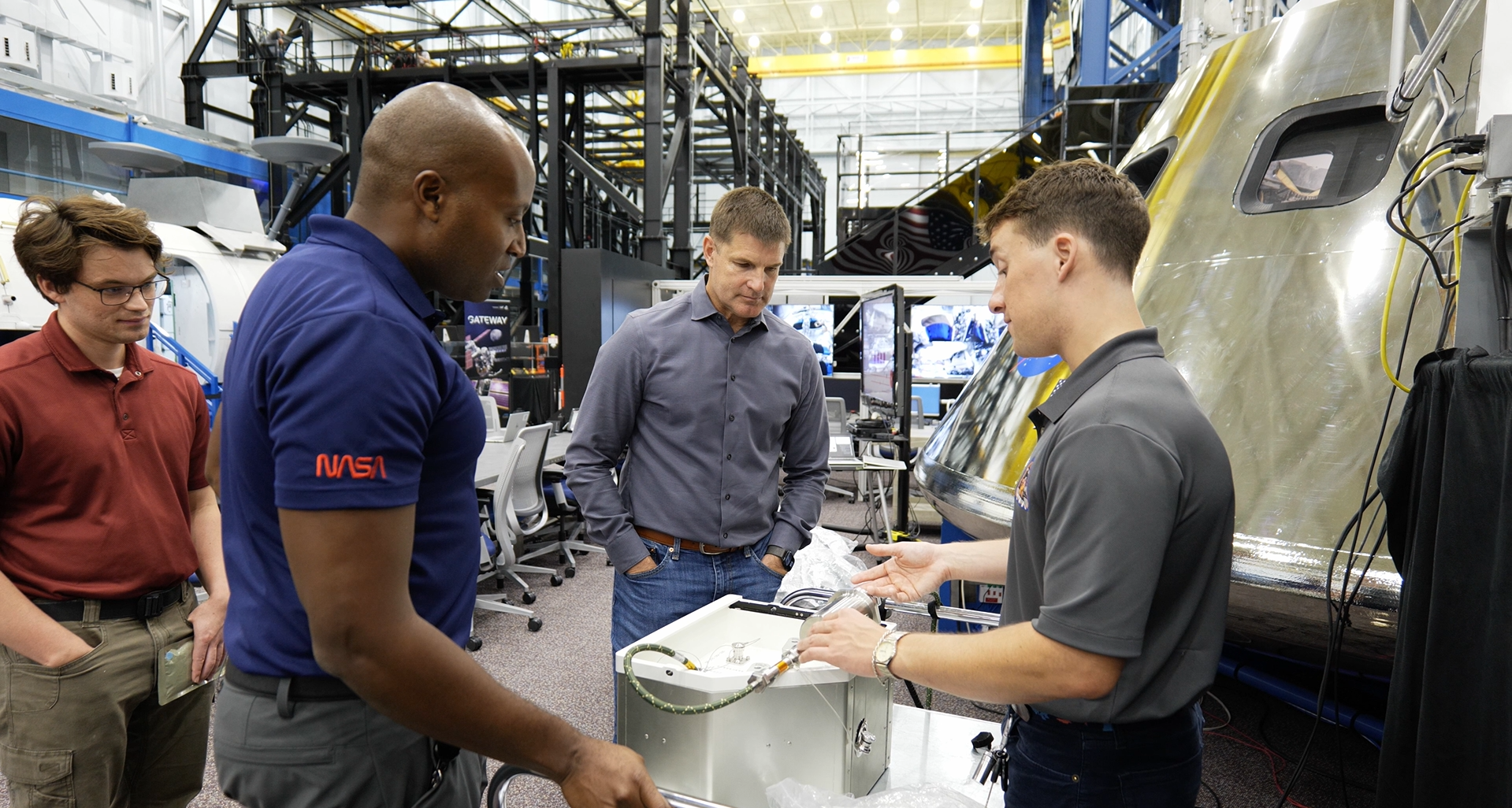
When the crew is ready to dispense water, they will attach an external potable filter assembly to one of the two quick disconnects. The assembly includes a filter to remove impurities from the water and a small needle assembly, which is used to puncture the crew’s food or drink bag packages.
Daily tables will be generated for the crew that will inform them how long they need to open the isolation valve for a specified volume of water, which is based on cabin pressure, temperature, and water-tank pressure. Once the crew knows their desired time, they will set up a timer or watch a clock, open the manual valve, and then close the valve once the desired time has elapsed. The crew can then disconnect their food or drink package and, if they need to warm it further, the crew can insert it in the food warmer.
Food Warmer
Artemis crews have designated mealtimes to follow throughout their mission. To assist the crew during mealtimes, the Orion spacecraft is equipped with a custom-made food warmer system similar to the International Space Station’s suitcase-style food warmer. Crews use it to heat up rehydratable and thermostabilized food and drink packages.
On Artemis II, each crew member received three meals per day, with one shared 60-minute mealtime each day. The food warmer was used during these mealtimes.
Prior to launch, the Orion food warmer is stowed in the spacecraft’s stowage lockers. Once in orbit, it is unstowed by the crew and stuck to the walls or acoustic blankets with Velcro.
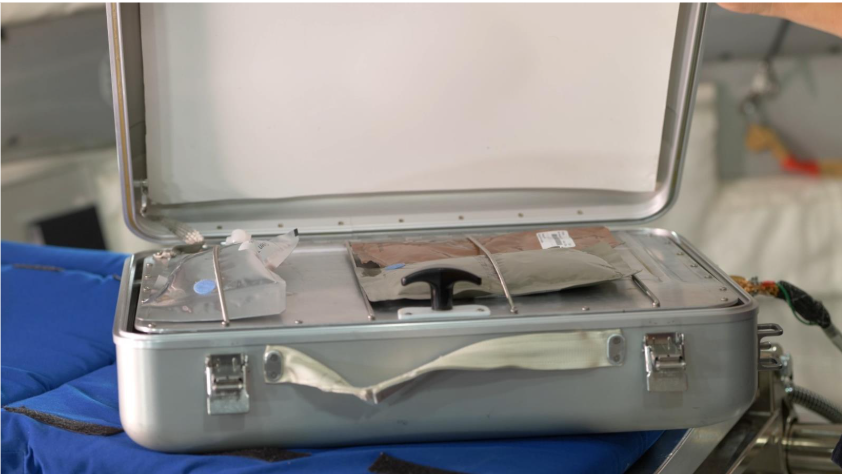
To power the food warmer on, crew members plug the warmer into the power utility panel with the food warmer power cable. When not in use, the food warmer is turned off to conserve power and stowed near the potable water dispenser to save space inside the cabin.
The mission control team stays in constant communication with the crew regarding power limitations for the food warmer, allowing the crew to prepare in advance of any restrictions. The mission control team enables the crew to identify when power is limited, off, or when the food warmer can be used outside of designated mealtimes.
Universal Waste Management System
Orion’s crew module has a new space toilet, called the Universal Waste Management System, that makes the essential task of going to the bathroom easier for both women and men and reduces the ever-important mass and volume calculation of the system launching into deep space.
Astronauts on Mercury, Gemini, and Apollo did not have toilets. They urinated into diapers and bags and brought their solid waste, mixed with bactericide, back home in bags. Skylab was the first American spacecraft with a toilet, followed by the space shuttle. The space shuttle toilet was a full size larger (about 12.3 cubic feet) and a massive system, using several separate motors and fans for operations.
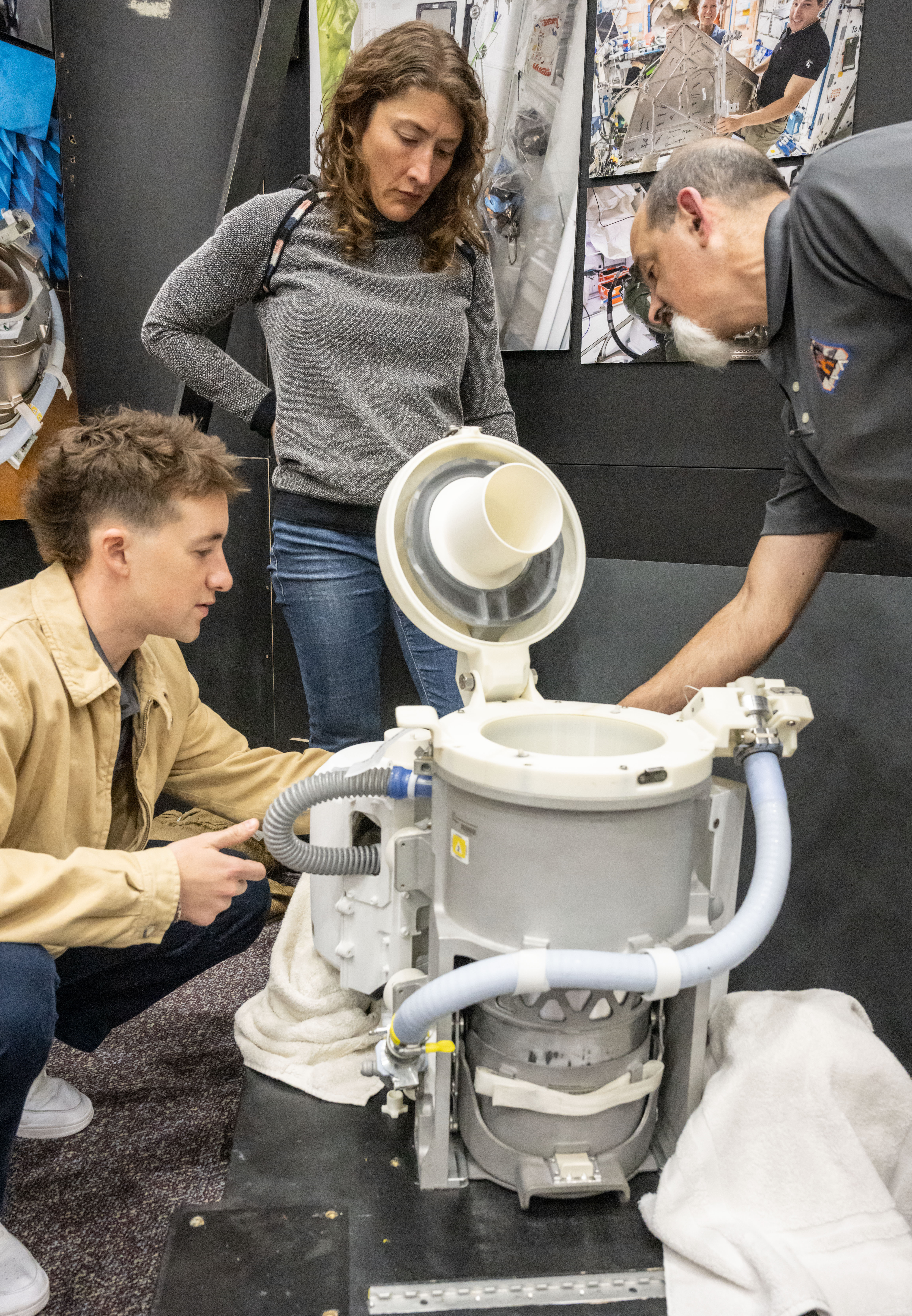
Orion’s toilet works in a similar way, using air flow to pull fluid and solid waste away from the body and into the proper containers, but is improved for the needed mass and volume constraints of deep spaceflight in Orion and is more accommodating to female astronauts. Based on their input, the shape of the seat for solid waste and design of the funnel for urine has been changed, and they can be used simultaneously.
The Universal Waste Management System is self-contained and compact, about 5 cubic feet in volume, and thus approximately 60% smaller and lighter than the space shuttle toilet, as well as easier to use and more comfortable. A new automatic air-flow feature helps with odor control, fewer control interfaces simplify crew operations, and a more ergonomic design requires less cleanup and maintenance time for its corrosion-resistant, durable parts.
Pre-treated urine, which prevents the generation of ammonia from the breakdown of the urine, is stored in a special tank and then vented overboard each day by the crew, much like on the space shuttle. Solid waste is collected in fecal canisters, which the crew replaces every few days, and can be stored in Orion up to 21 days. The canisters have filtered caps to control odor and gas buildup generated within.
Sleeping Bags
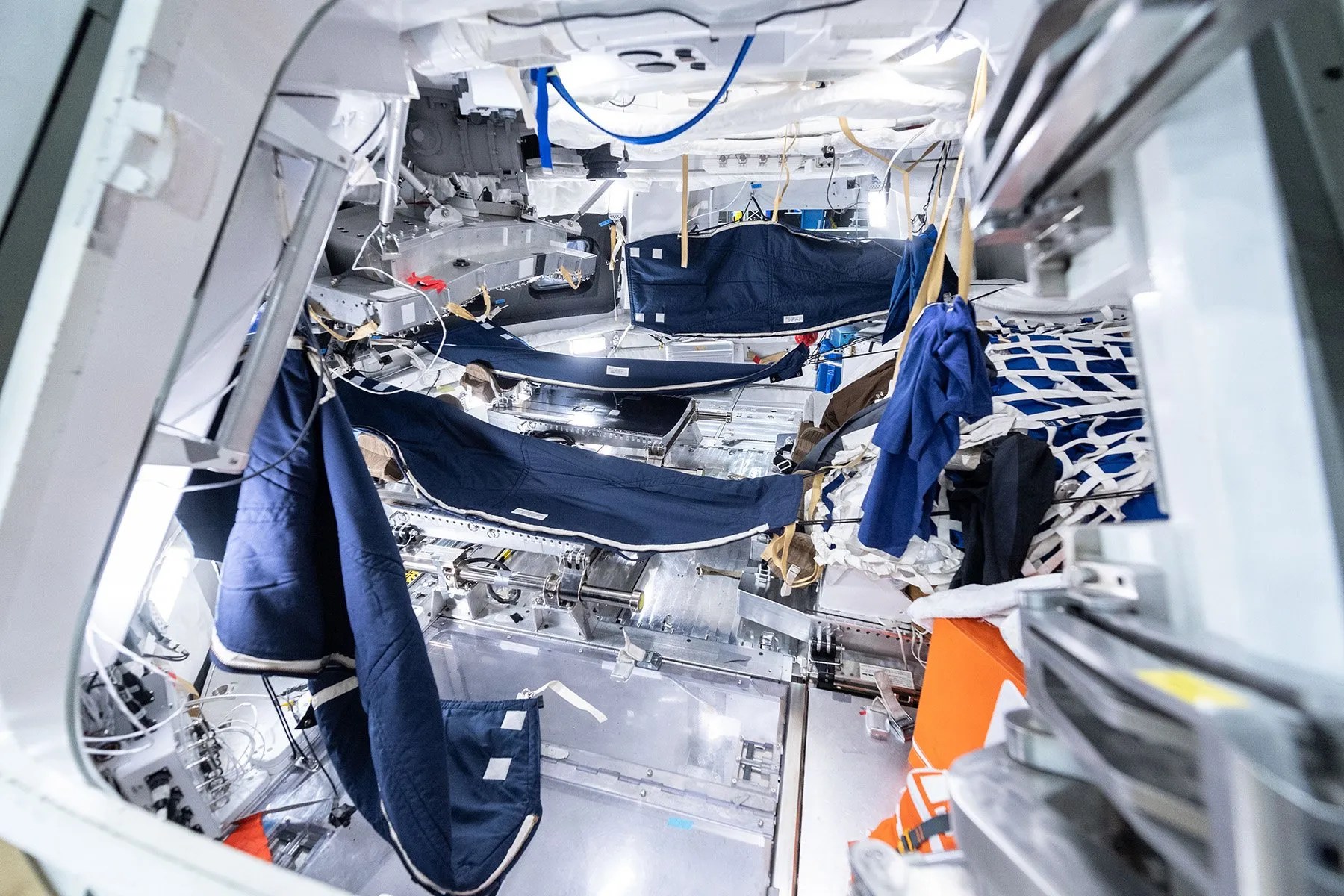
Astronauts inside Orion sleep in lightweight, wall-attached sleeping bags. The bags are secured to attach points on the crew module’s walls or ceiling and will function like four stretched hammocks across the cabin. For Artemis II, a full eight hours of sleep was built into the crew’s schedule, with the four astronauts sleeping at the same time in their secured sleeping bags ensuring they were well-rested for the mission.
Medical Kit
The Orion medical kit aboard the Orion crew module is a unique collection of hardware and items designed to provide comprehensive medical care to the astronauts during their mission. The system has four main components: the Orion prime medical kit, the Orion secondary medical kit, the Orion medical accessory kits, and the seat-accessible medical items.
The overall design of the system is adaptable and caters to the specific health needs of the crew. Varying from routine to emergent care, the system can address 128 identified medical conditions and has 139 medical resources at the crew’s disposal. It was influenced by the medical kits provided by the Apollo, Space Shuttle, and International Space Station programs.
The majority of the hardware is placed in storage lockers within Orion, with a subset accessible to the crew in their seats for easier access while suited. The system is equipped with a wide range of medical resources, including medications (e.g., anti-inflammatory, antibiotics, space motion sickness, sleep, and allergic-reaction medications), therapeutics (e.g., wound, urinary, and dental care), diagnostics (e.g., vital sign, electrocardiogram, and oximetry devices), and even basic life support and limited trauma care.
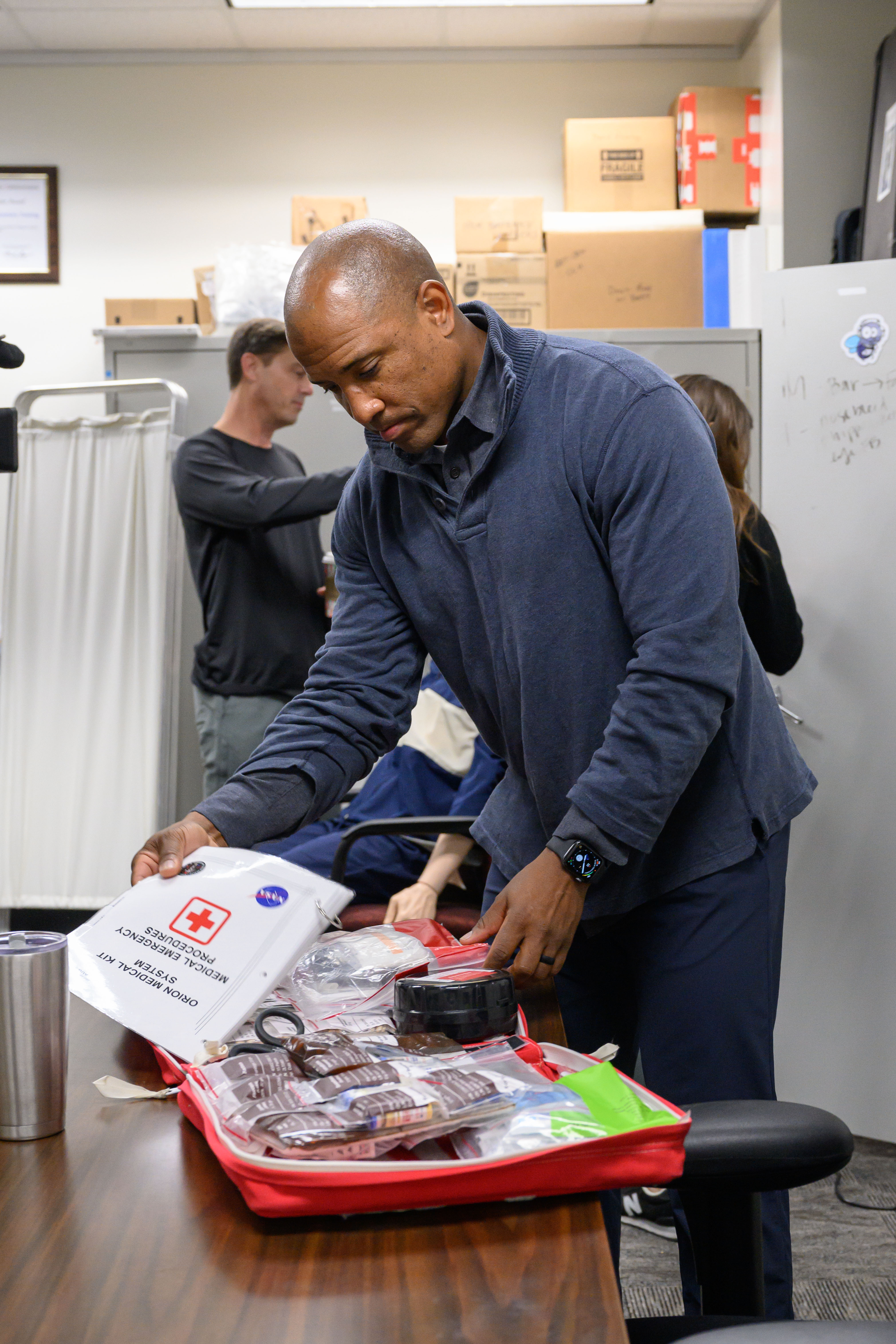
The prime medical kit contains most of the medications flown for communal use, and has items bundled inside for emergency access, such as the in-suit pill delivery tool for administering medication to a pressurized, suited crew member through the helmet’s drink port. The secondary medical kit treats clinical cases such as urinary retention, wounds, physical injuries, limited dental care, medical device diagnostics, and medical oxygen delivery hardware.
The Orion medical accessory kit contains a crew member’s personal medications and other personal items, such as prescription eyewear or custom earplugs. One of these kits is flown for each crew member in selection with their flight surgeon’s recommendations. These are also stowed in lockers during launch and landing. The seat-accessible medical items, containing mostly medications, are in a small container that is required to be in reach of a restrained crew member prelaunch, after ascent, and postlanding. These are stored in an astronaut’s suit-leg pocket.
During the mission, a space-to-ground support plan is detailed with audio/video connection capabilities for videoconferencing, with a flight surgeon available for medical discussions or guidance — similar to “tele-visits” on Earth. The crew is trained on operating the available equipment, built by subject-matter experts, to prioritize safety on missions to the Moon.
Stowage Lockers
Most of the equipment the crew will need during their mission, such as food, clothing, medical kits, emergency equipment, sleeping bags, tools, cameras, computers, and science payloads, are stored in 12 lockers located under the crew seats. These lockers can hold up to 1,050 pounds of cargo.
The crew stowage lockers are mounted onto the backbone assembly, and the locker doors provide the floor on which the crew will walk when entering and exiting the spacecraft. Inside the lockers, equipment is organized into stowage bags or foam cushions. The stowage bags are sized to fit the unique shapes of the lockers, including curved edges around the barrel wall. The bags allow equipment to be organized to support specific mission tasks or prioritize access to certain items, such as emergency equipment.
Orion will use up to 34 custom-sized stowage bags inside the lockers to carry all the equipment needed on the mission. Foam cushions will be used when items need additional protection against the vibration loads of launch, or for large items that do not fit inside the stowage bags. This ensures that the hardware is protected against damage inside the metal locker. Combined, these stowage accommodations will provide about 54 cubic feet of cargo space for the flight, which is equivalent to a compact SUV, or about 38 carry-on suitcases.
Radiation Shelter
One of the many challenges astronauts face during journeys to deep space is radiation. Earth’s magnetosphere partially shields space station astronauts from radiation from the Sun (e.g., solar particle radiation and galactic cosmic rays); however, when astronauts travel into deep space, they will no longer have that protection.
In the case of a radiation contingency such as a solar particle event, NASA developed a system to repurpose resources aboard Orion to put enough low-mass materials, such as stowage bags, between the astronauts and the radiation source to protect the crew without increasing the total mass of the spacecraft during their mission.
Orion is equipped with a radiation-sensing instrument integrated into the vehicle called the hybrid electronic radiation assessor, which provides a warning if crew members need to take shelter in the case of a radiation event. They will have up to one hour to prepare the shelter.
During a radiation event, the crew will open two large storage bays located beneath their seats in the central part of the crew module and remove all the stowage bags in the bays. They will then strategically position the stowage bags so that the mass of the bags creates a barrier between the bays and the less-shielded parts of the crew module. For example, the bottom of Orion, where the heat shield and service module are attached, will provide more shielding than other areas, and stowage bags can be used for the parts of the spacecraft’s interior with less shielding. This method protects the crew by shielding localized radiation points using existing stowage and does not add mass to the crew module itself.
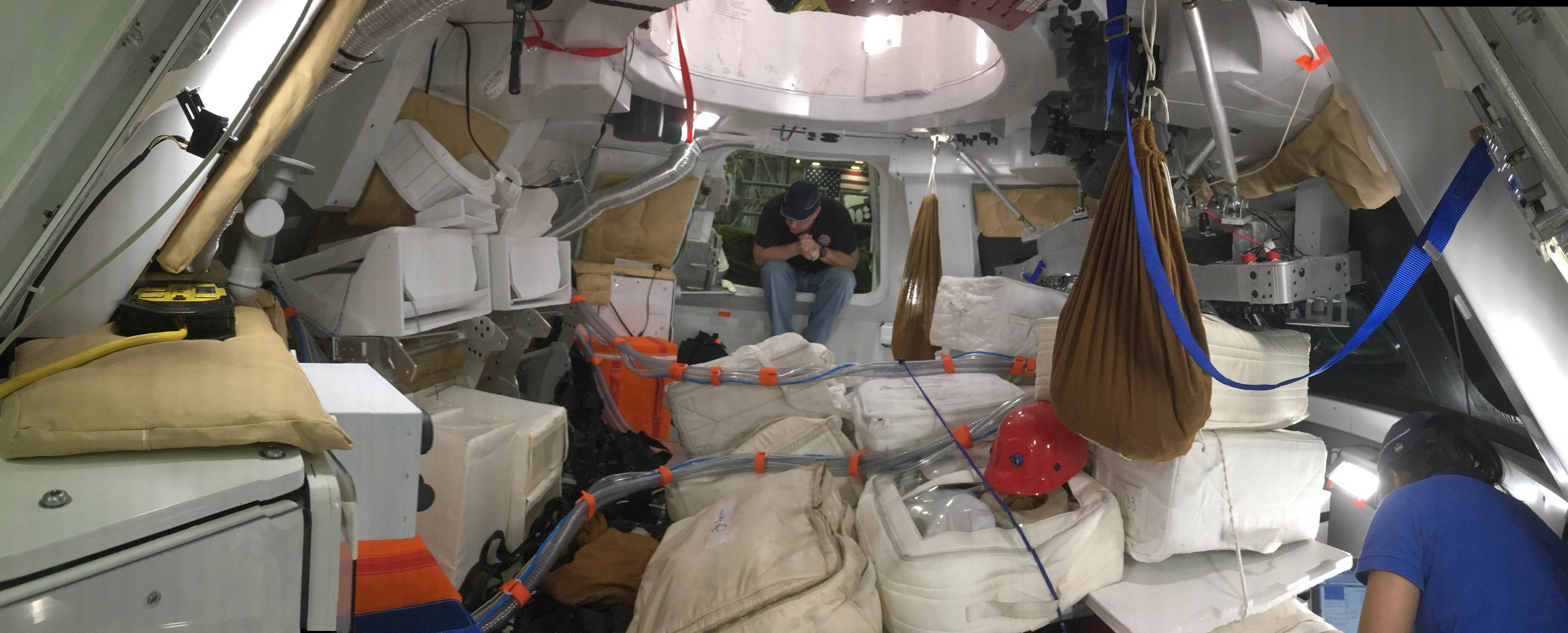
Two astronauts will get into each storage bay. The crew will bring necessary food, water, medical supplies, air lines, and computers inside with them, since they may need to stay inside the storage bays for up to 24 hours. Once the danger has passed, they can leave the shelter, restow their gear, and continue their mission.
The Orion crew module is equipped with other systems to help the crew monitor radiation levels. Five ESA (European Space Agency) active dosimeter detectors will be mounted around Orion at optimal locations, ranging from least- to most-protected areas from radiation. The detectors will assess radiation levels in the surrounding deep space environment, collecting data that will help the crew maintain radiation awareness.