
















Introduction
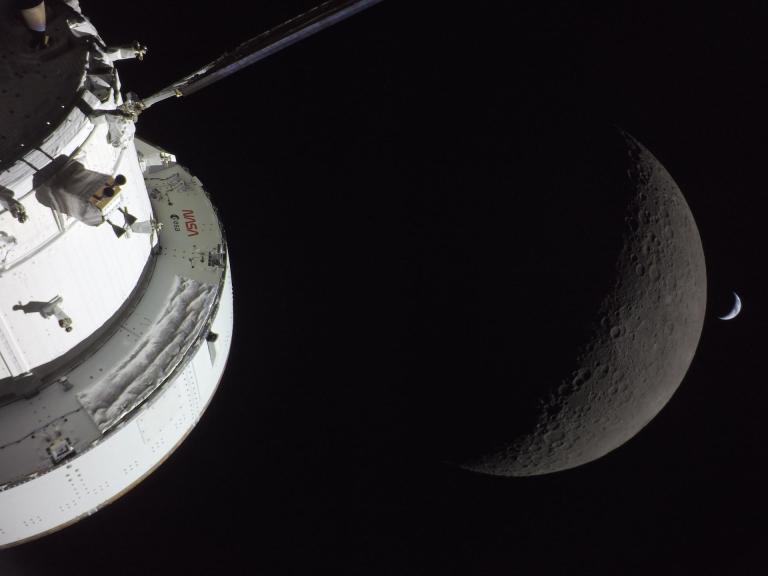
Orion is the spacecraft carrying and sustaining the crew on Artemis missions to the Moon and returning them safely to Earth. Orion is comprised of three main elements and supporting subsystems. The main elements are 1) the crew module, where astronauts live and work; 2) the service module, which provides power, propulsion, and critical supplies; and 3) the launch abort system, which can pull the spacecraft and crew to safety in the event of an emergency during launch or ascent to orbit. Orion builds on more than 50 years of spaceflight research and development, and during the Artemis II mission it carried astronauts farther from Earth than ever before. As NASA looks toward the future, the spacecraft is key a part of eventually sending humans to Mars.
Artemis Overview
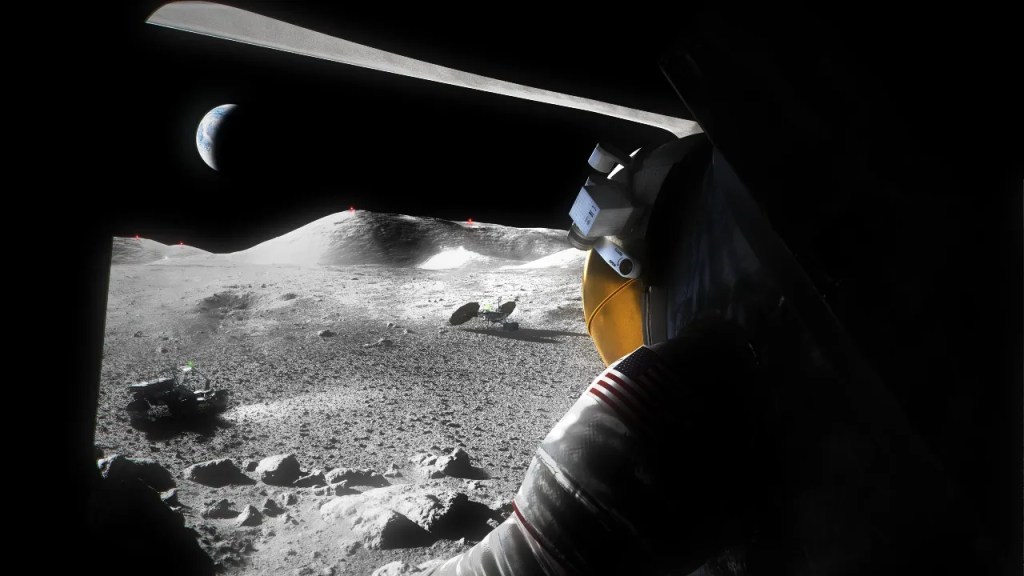
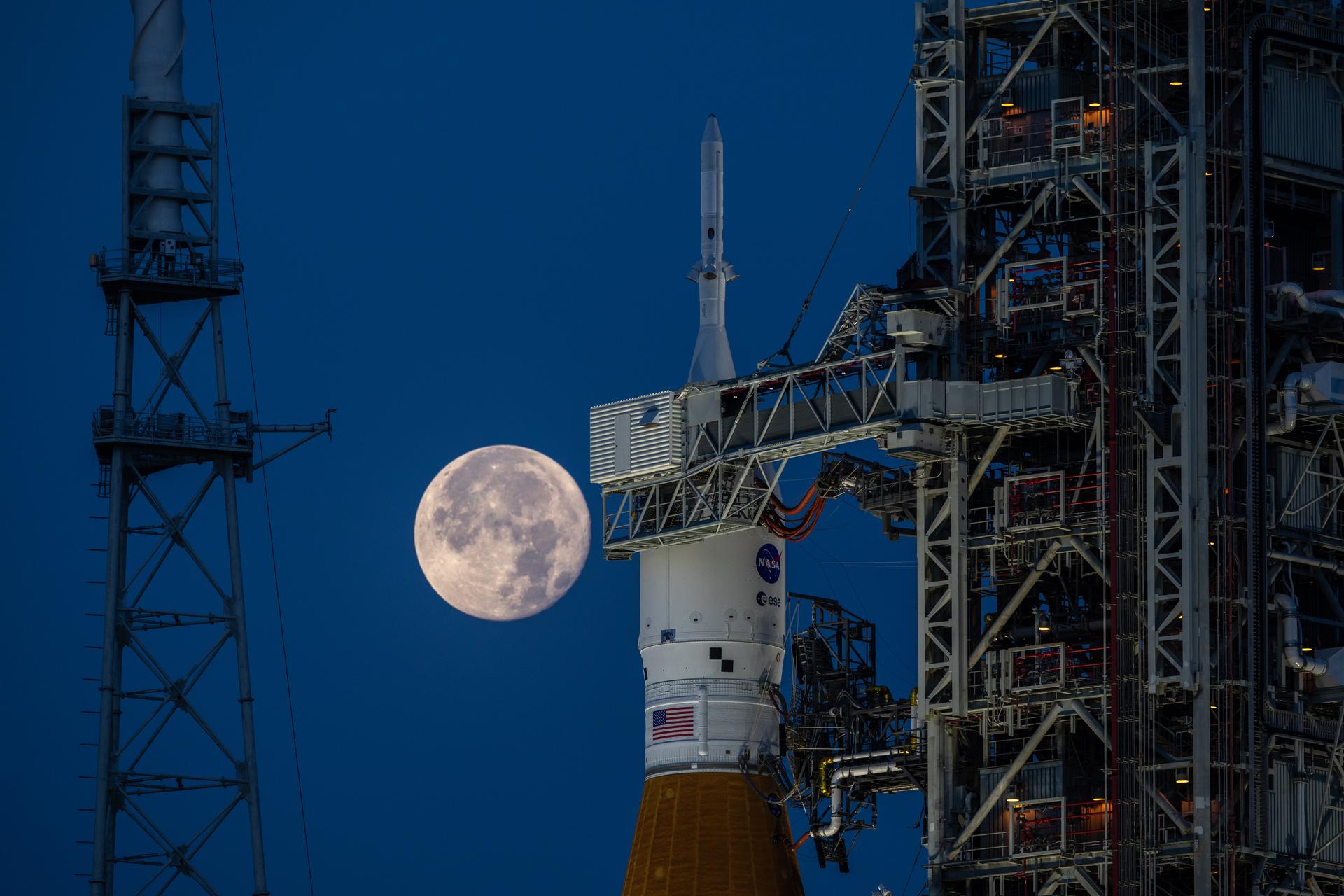
Along with robotic missions, human-led Artemis missions will unveil more of the Moon than ever before. The lunar South Pole is an area shrouded in mystery but enticing in its scientific potential. For more than 25 years, astronauts have lived and worked in low Earth orbit aboard the International Space Station. Now, through NASA’s Artemis missions, astronauts will learn how to live and work farther away from Earth, for longer periods of time. NASA is investing in a long-term exploration campaign of the Moon, which will lead to Mars, connecting near-term achievements with the technologies, science, and partnerships necessary for sending the first people to another planet. Artemis returns American astronauts to the Moon in order to stay. Each flight fulfills a methodical list of test objectives that build an enduring presence in deep space. It is the foundation of our future among the stars, and that future begins now.
Orion Overview
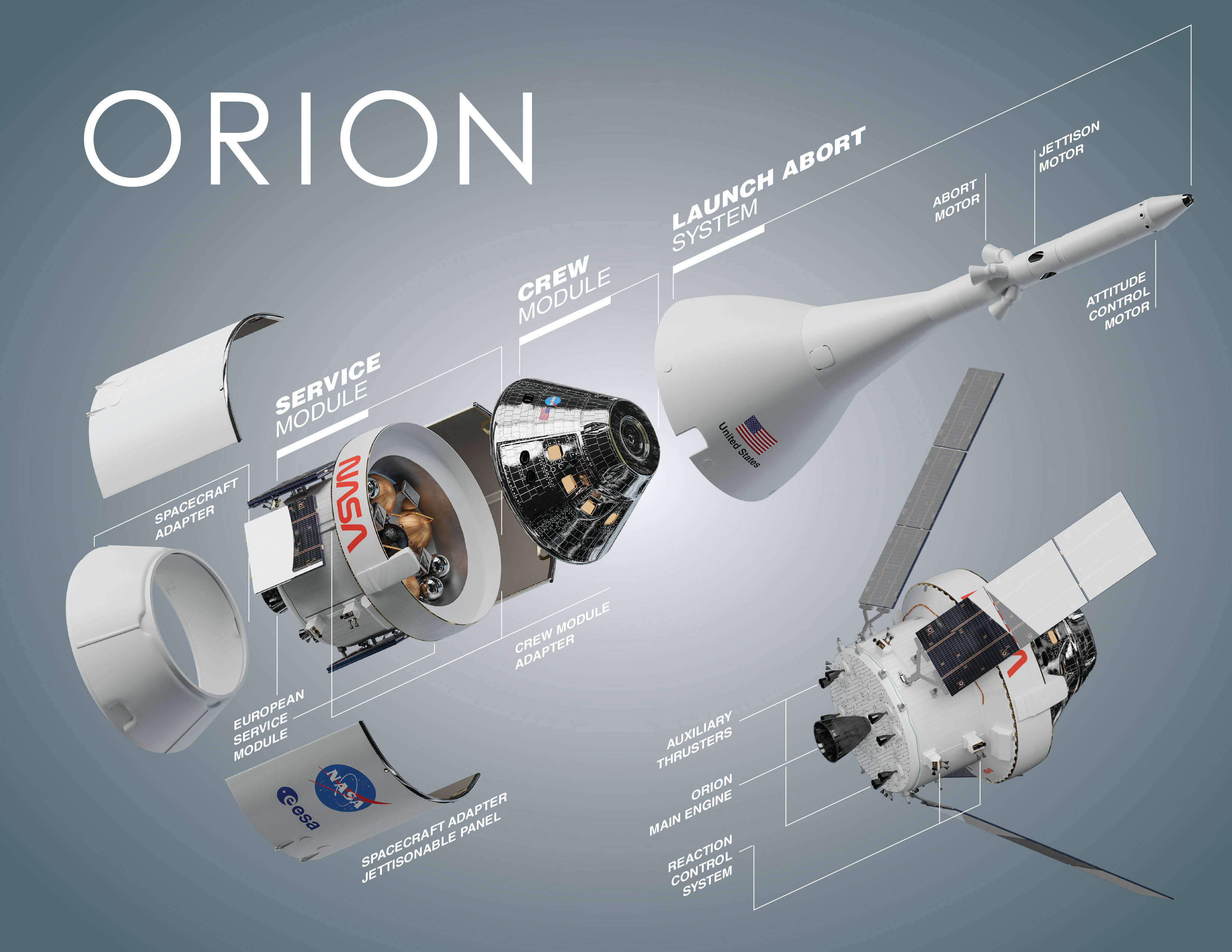
The Orion spacecraft, built by lead contractor Lockheed Martin for NASA, is specifically designed to carry astronauts on deep space exploration missions farther than ever before and requires an array of features to keep the spacecraft and its crew safe. No other spacecraft has the technology to endure the extremes of deep space, such as advanced environmental and life support, navigation, communications, radiation shielding, and the world’s largest heat shield to protect astronauts and return them safely home.
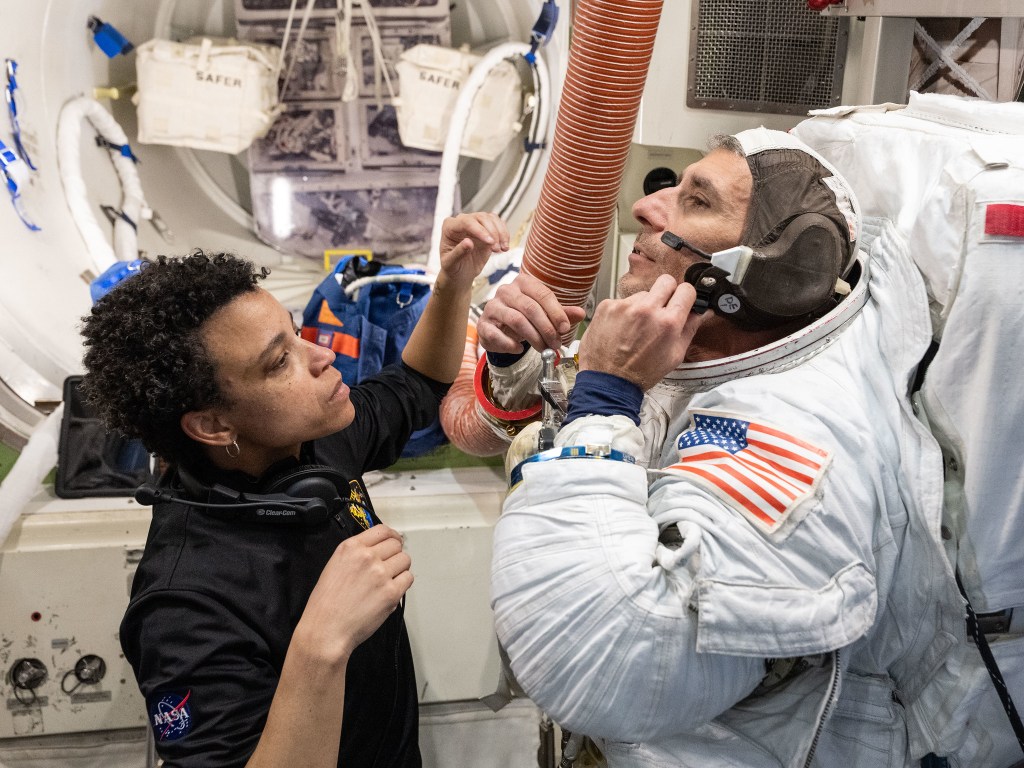
Distance and duration both dictate the capabilities and advanced technologies needed on deep space missions and have shaped Orion’s design. Orion is equipped with advanced environmental control and life-support systems designed to be highly reliable while taking up minimal mass and volume. Additional crew systems include advanced display and control panels, a compact toilet, exercise equipment to help prevent muscle and bone atrophy, and spacesuits capable of keeping the astronauts alive for six days in the event of cabin depressurization to support a multi-day return from the Moon.
Orion requires highly reliable systems for deep space missions because astronauts at the Moon will not have the benefit of frequent resupply shipments to bring spare parts from Earth, like those to the International Space Station. Orion’s compact systems maximize available space not only for crew comfort, but also to accommodate the volume needed to carry consumables, such as food and water for the entirety of a mission lasting days, weeks, or even months. Beginning with the Artemis III mission, Orion will be equipped with a rendezvous and docking system for docking to a human landing system, which will take astronauts from Orion to the surface of the Moon or to another spacecraft.
Artemis II was the first crewed Orion flight, building on the uncrewed Artemis I flight test by demonstrating a broad range of Orion capabilities needed on deep space missions. This mission proved Orion’s critical life support systems are ready to sustain our astronauts on longer duration missions ahead and allowed the crew to practice operations essential to the success of Artemis III and beyond.
The crew completed an array of objectives to evaluate Orion’s systems over the course of the Artemis II mission, including a proximity operations demonstration to asses Orion’s handling qualities; performance of the life support systems, including while wearing Orion crew survival system spacesuits, and during exercise and sleep periods; communication and navigation systems; demonstrating Earth departure and return operations; practicing emergency procedures; and a number of other tests and evaluations of the spacecraft’s critical systems, proving Orion’s readiness to carry crew on increasingly complex Artemis missions.