
















Artemis
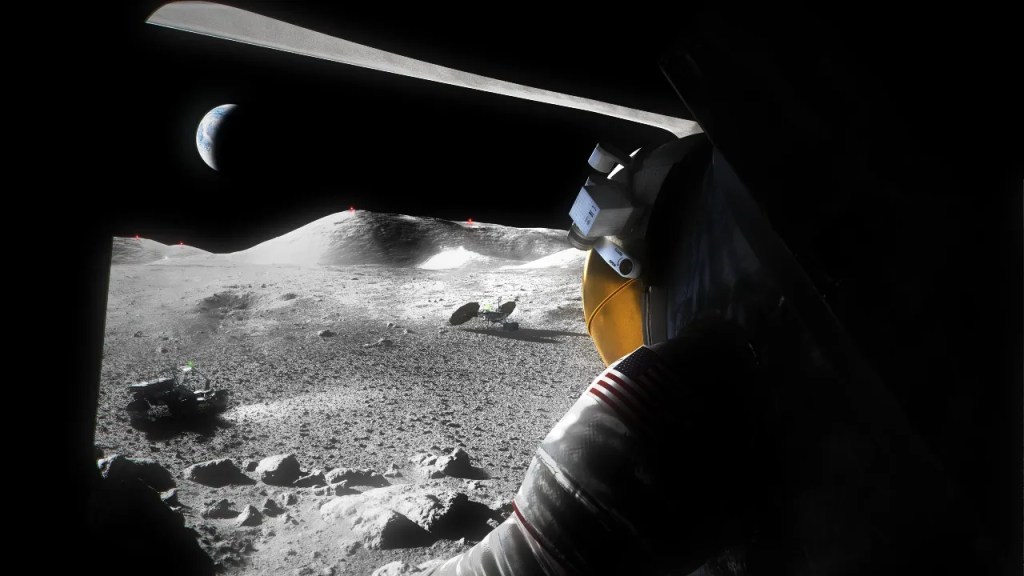
Under Artemis, NASA will send astronauts on increasingly difficult missions to explore more of the Moon for scientific discovery, economic benefits, and to build on our foundation for the first crewed missions to Mars.
Missions

Artemis I
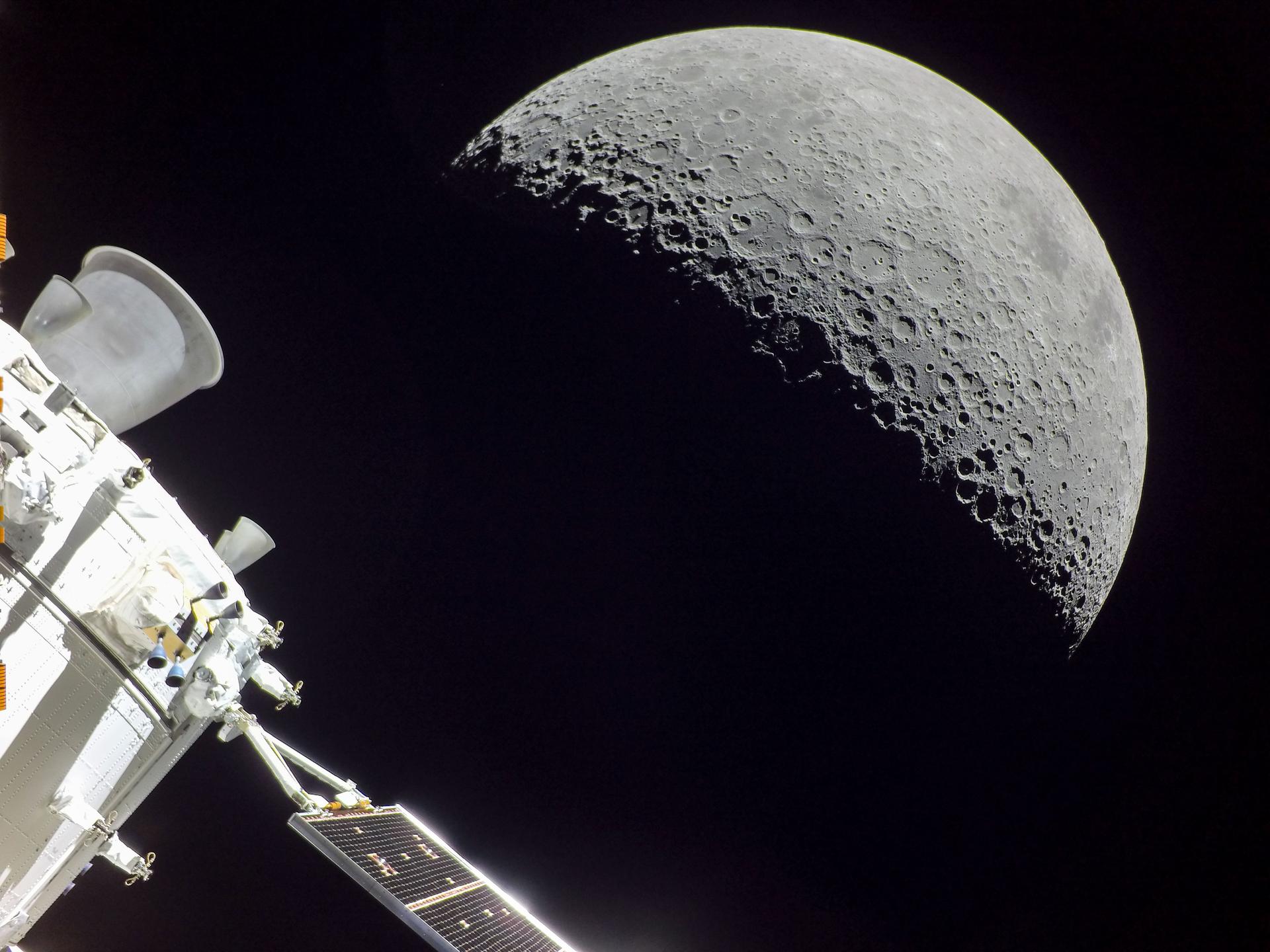
NASA successfully completed an uncrewed test flight of the SLS (Space Launch System) rocket and Orion spacecraft in Nov. 2022. This mission marked the first launch of the rocket using new exploration ground systems and evaluated Orion’s systems without astronauts or the critical life support systems planned for future crewed missions.
Artemis II
In April 2026, Artemis II launched on a nearly 10-day voyage around the Moon, marking the first crewed flight of NASA’s Orion spacecraft. NASA astronauts Reid Wiseman, Victor Glover, and Christina Koch, along with CSA (Canadian Space Agency) astronaut Jeremy Hansen, traveled 252,756 miles from Earth, setting a record for the greatest distance humans have traveled in space and observing the lunar surface like never before.

Artemis III
Demonstration mission in low Earth orbit, planned for 2027, to evaluate one or both commercial human landing systems developed by SpaceX and Blue Origin. The mission will launch a crew aboard Orion on the SLS (Space Launch System) rocket and will test the critical rendezvous and docking operations between Orion and the commercial lander systems needed for future lunar surface missions.
Artemis IV
NASA continues to target the first Artemis lunar landing for 2028, a date that has remained consistent since mid‑2025. After launch, the crew will transfer from Orion to a commercial human landing system that will transport them to the lunar surface. Beginning with Artemis IV, NASA is standardizing the configuration of the SLS (Space Launch System) rocket.
Our Artemis III Crew
Meet the astronauts who will carry out a series of objectives to demonstrate critical systems needed for a future lunar landing, helping NASA and its partners reduce risk before Americans return to the Moon on Artemis IV.
Paving the Way about Our Artemis III Crew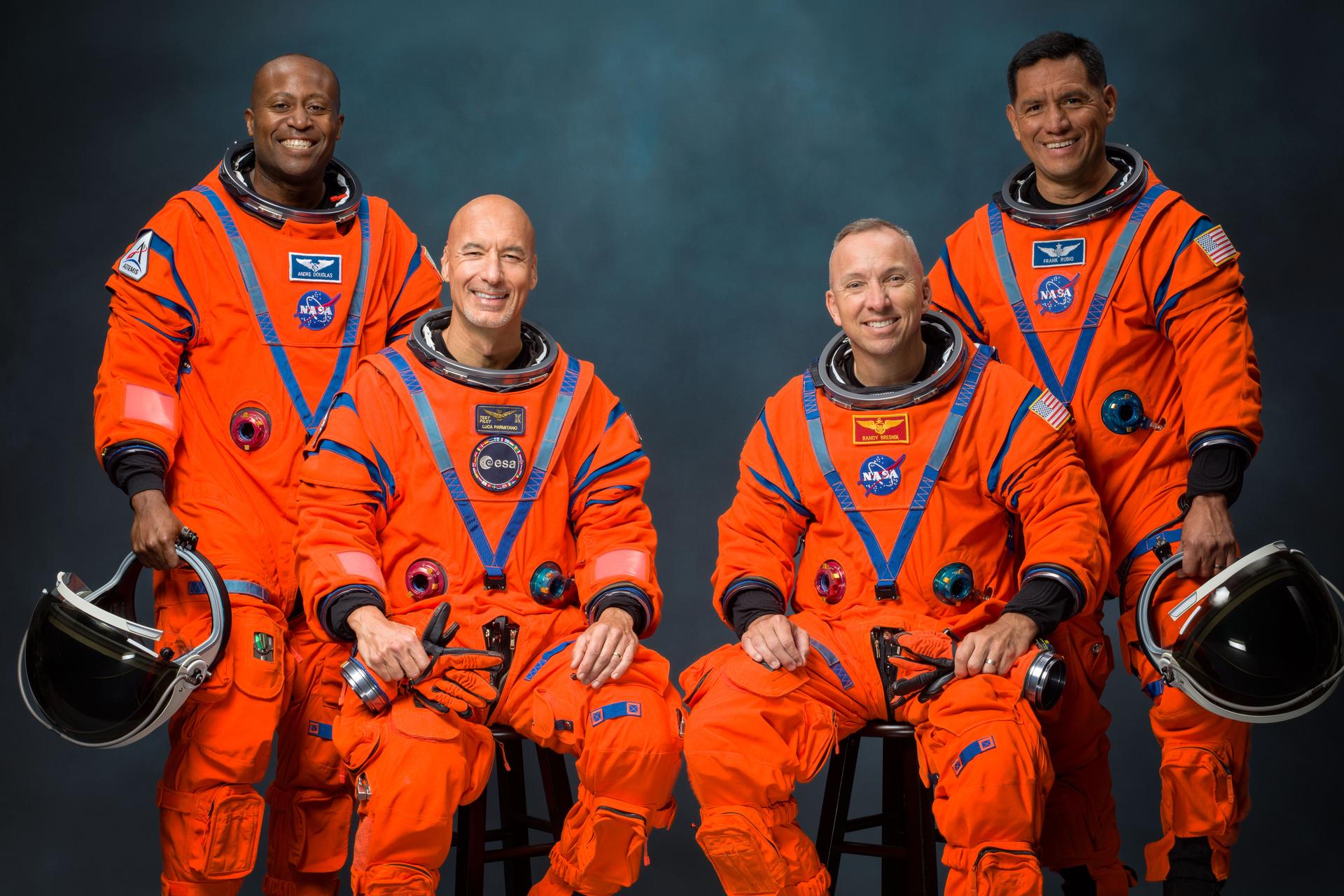
Artemis News





Carrying Humanity to the Moon
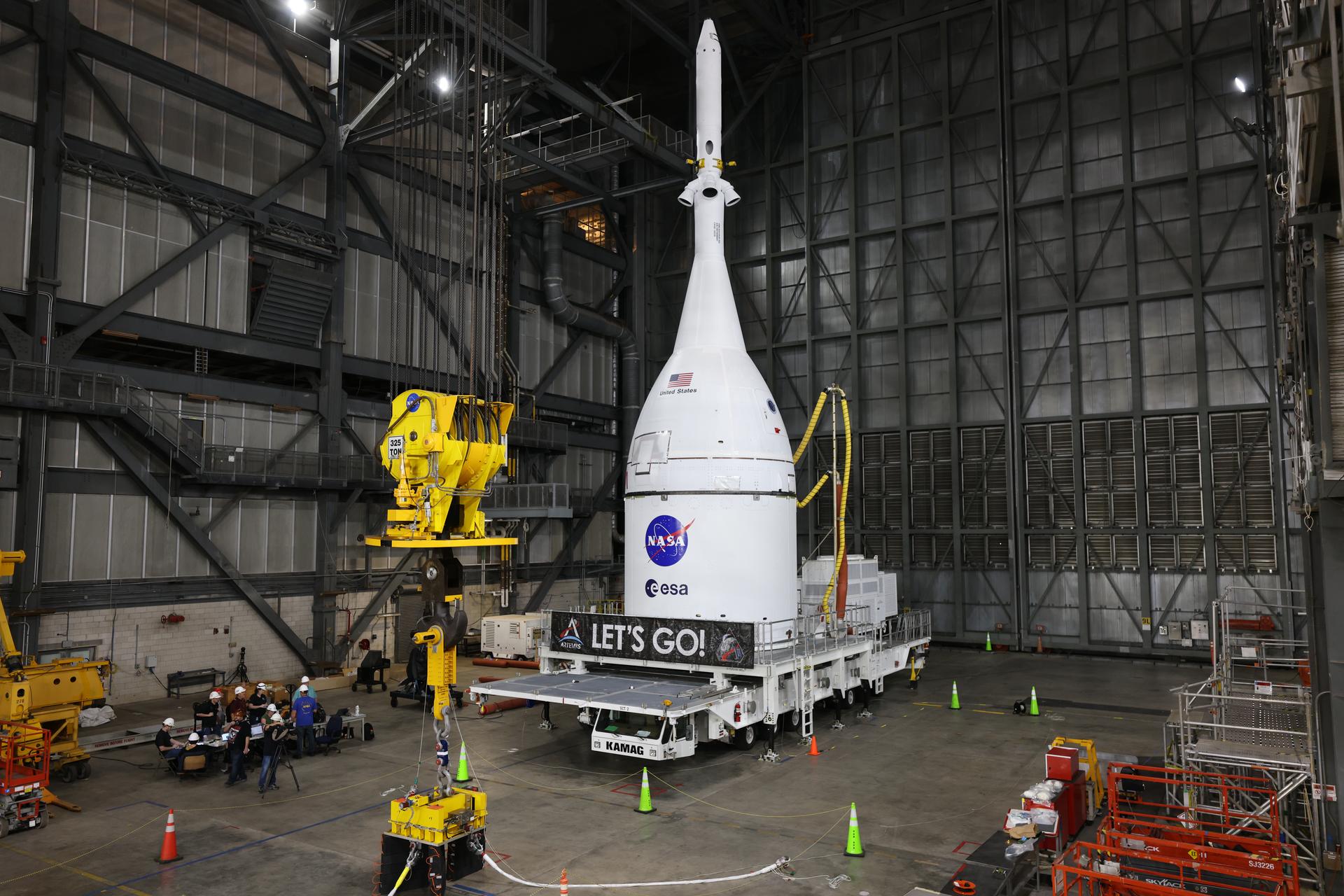
Orion is developed to be capable of sending astronauts to the Moon and is a crucial step toward eventually sending crews on to Mars.
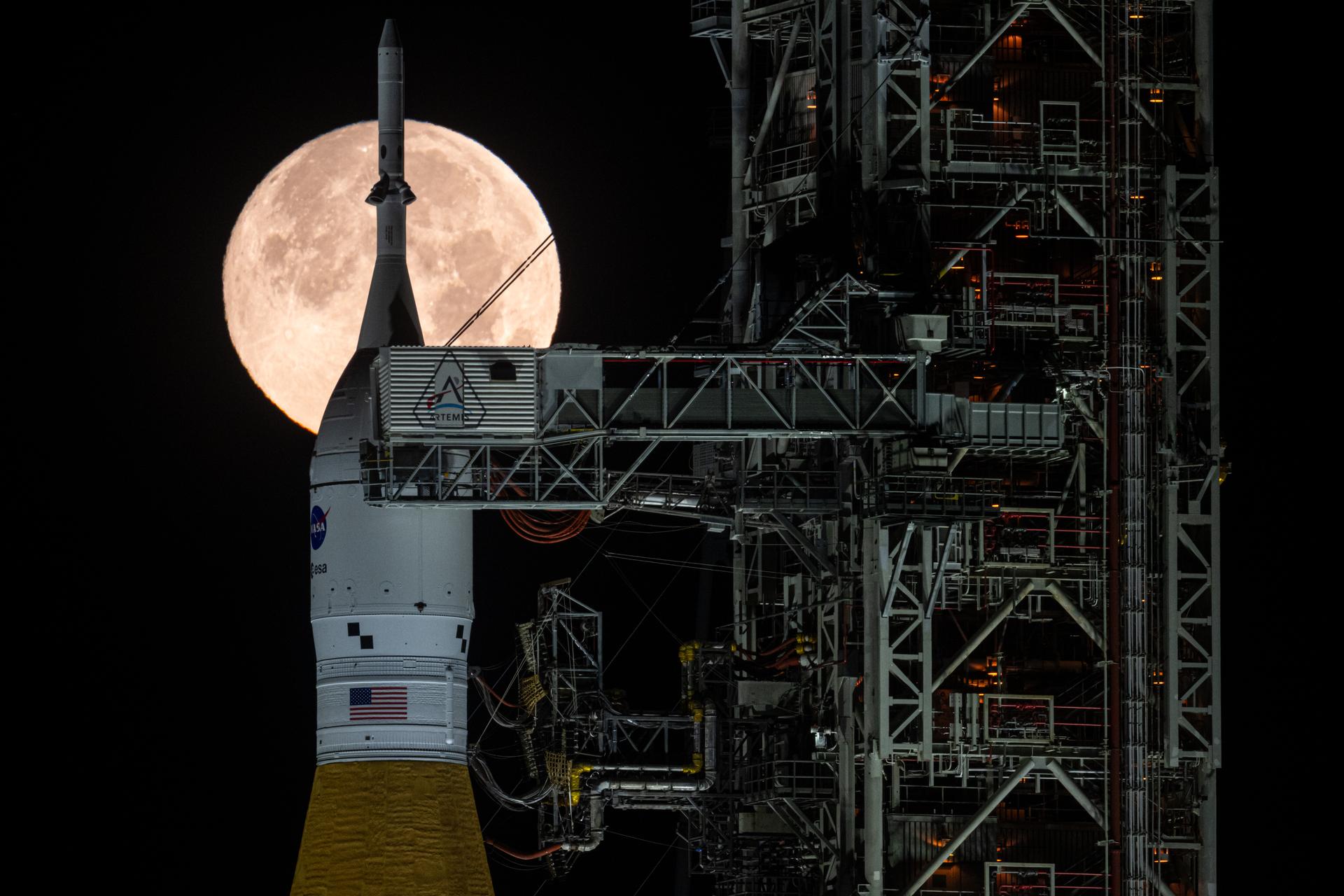
The Orion spacecraft will serve as the exploration vehicle that will carry and sustain the crew on Artemis missions to the Moon and return them safely to Earth. Orion will launch on NASA’s new heavy-lift rocket, the SLS (Space Launch System).
A Single Launch
NASA’s Space Launch System (SLS) offers more payload mass, volume, and departure energy than any other single rocket.
Combining power and capability, NASA’s SLS (Space Launch System) rocket is part of NASA’s backbone for deep space exploration and Artemis. SLS is the only rocket that can send Orion, astronauts, and cargo directly to the Moon in a single launch.
The Infrastructure
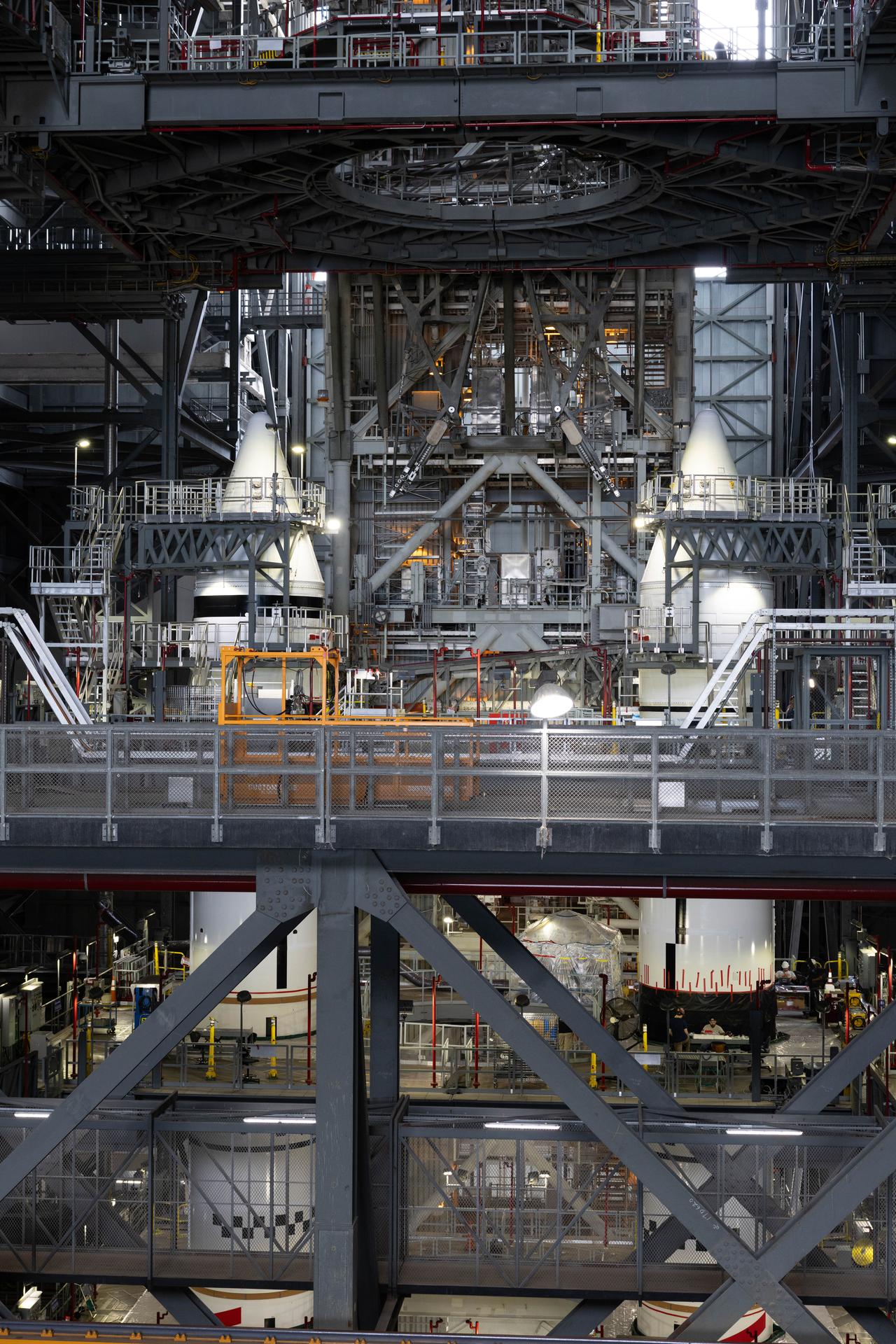
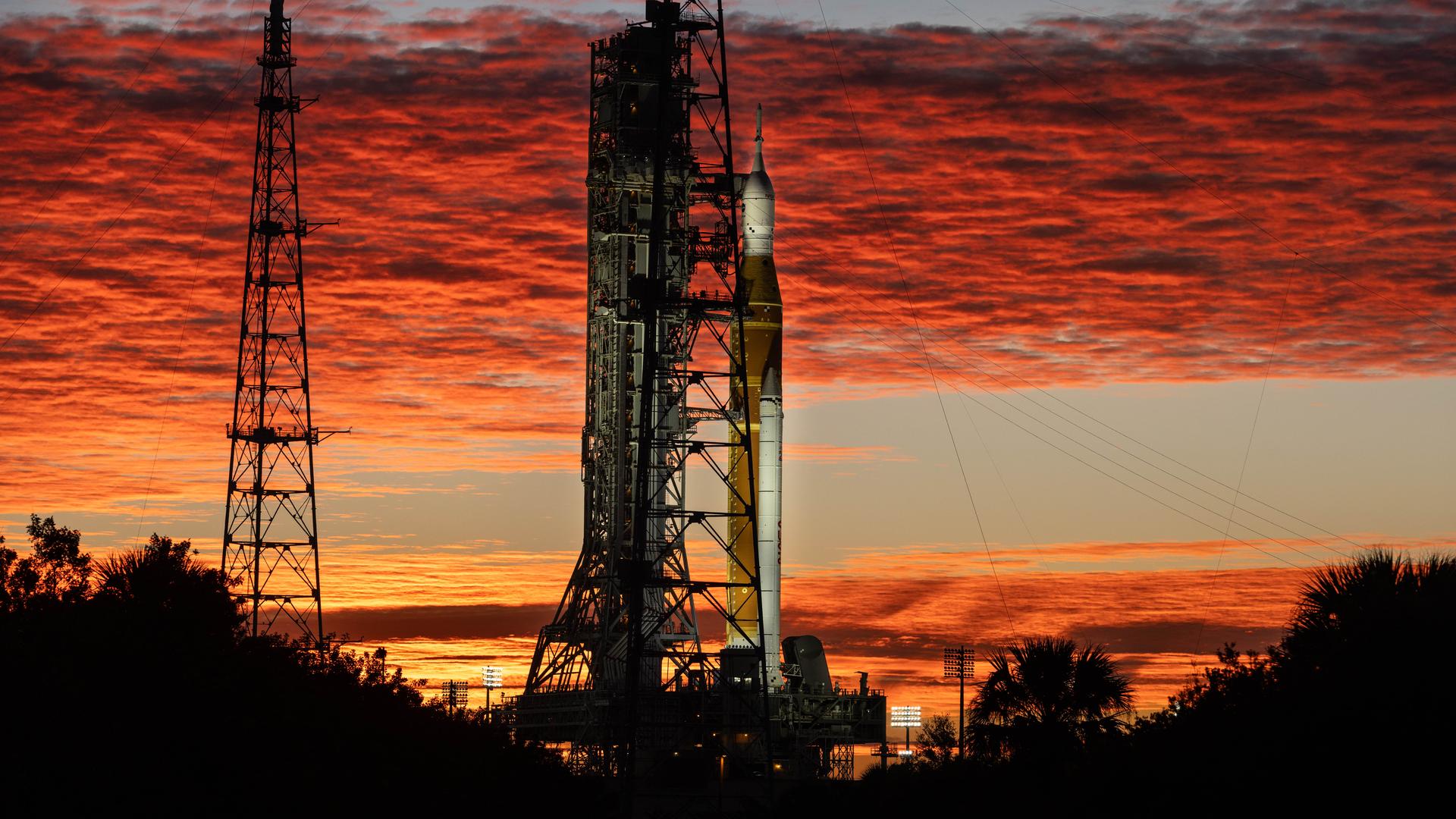
Preparing the infrastructure to support NASA’s SLS (Space Launch System) rocket and Orion spacecraft.
Exploration Ground Systems, based at Kennedy Space Center in Florida, develops and operates the systems and facilities needed to process, launch, and recover rockets and spacecraft for NASA’s Artemis missions.
Delivering Crew, Cargo to the Lunar Frontier
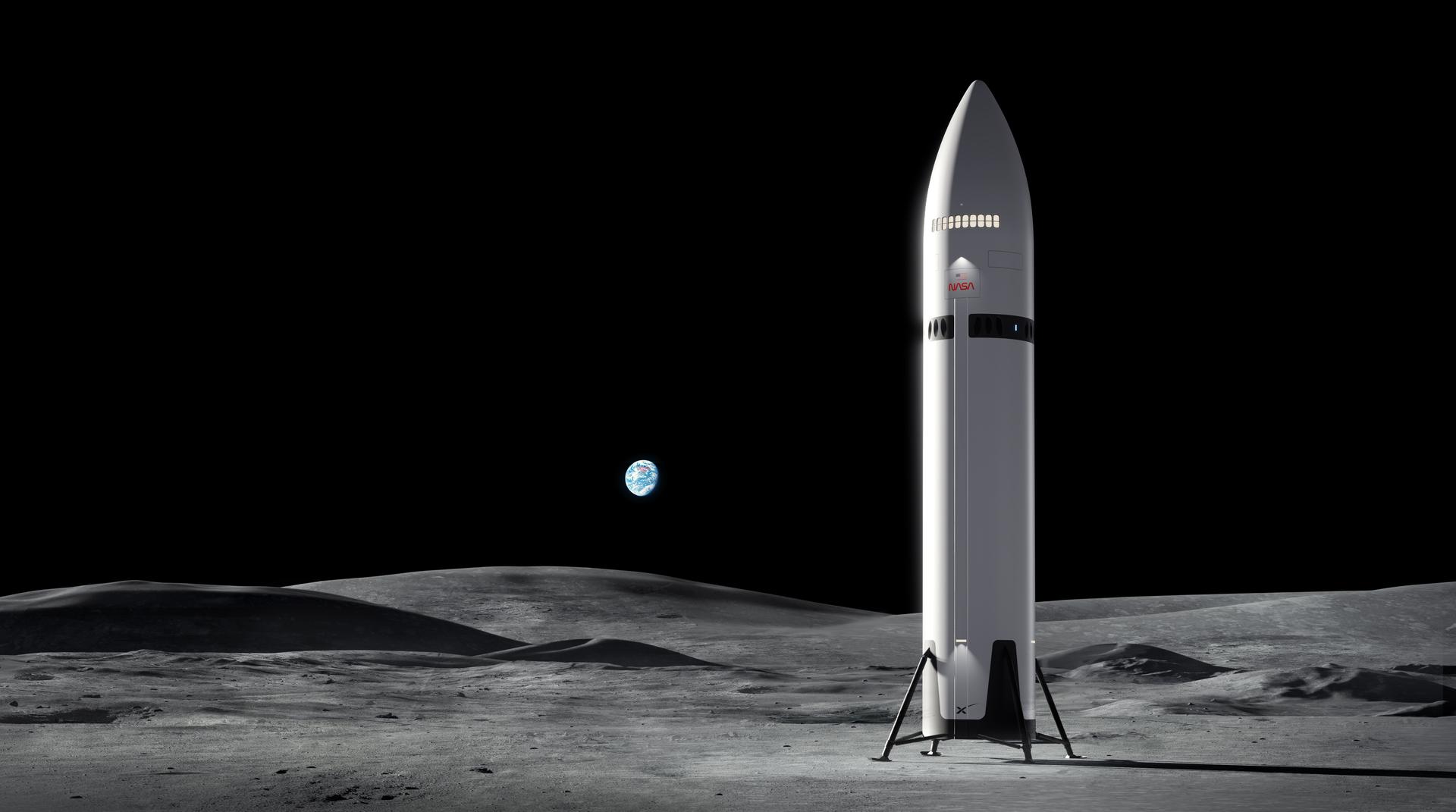
Working with American industry to send crew, cargo, and supplies to the Moon.
NASA is working with industry to develop the human landing systems, or next-generation landers, that will safely carry Artemis astronauts from lunar orbit to the Moon’s surface and back for future crewed exploration of the Moon.
Mobility for Every Mission
Providing spacesuit capabilities and surface mobility systems for humanity’s return to the Moon.
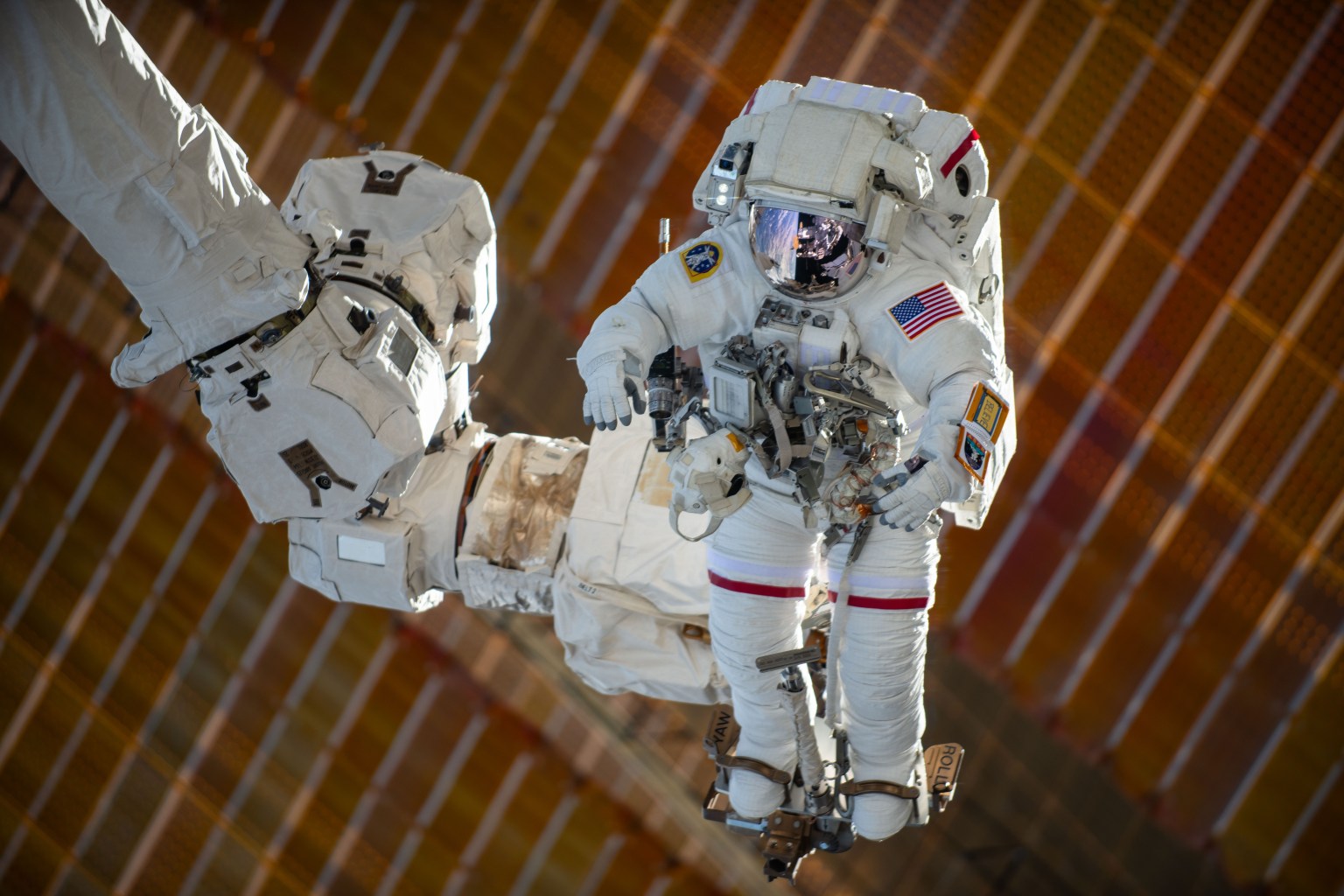
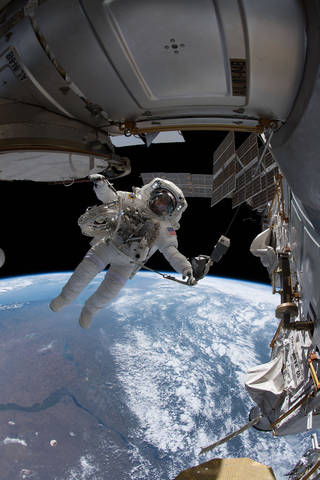
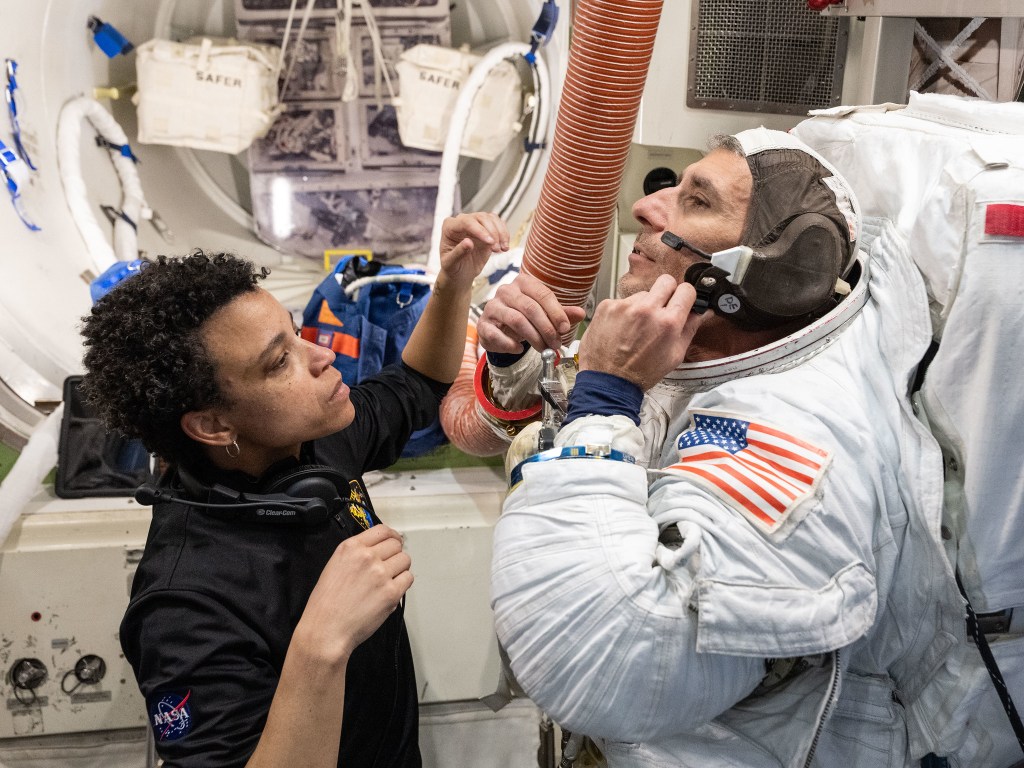
The Extravehicular Activity and Human Surface Mobility Program serves as NASA’s program to develop next-generation spacesuits, human-rated rovers, tools, and the spacewalk support systems that will enable astronauts to survive and work outside the confines of a spacecraft to explore on and around the Moon.

Landing on the Moon
Working with American companies to deliver science and technology to the Moon’s surface.
The Commercial Lunar Payload Services (CLPS) initiative allows rapid acquisition of lunar delivery services from commercial vendors to send NASA science and technology payloads, enabling industry growth and supporting long-term lunar exploration. The CLPS model offers a unique opportunity to test and refine technologies and integrate systems that will provide insight for future crewed missions to the Moon.

Deep Space Exploration
Humanity’s first space station around the Moon.
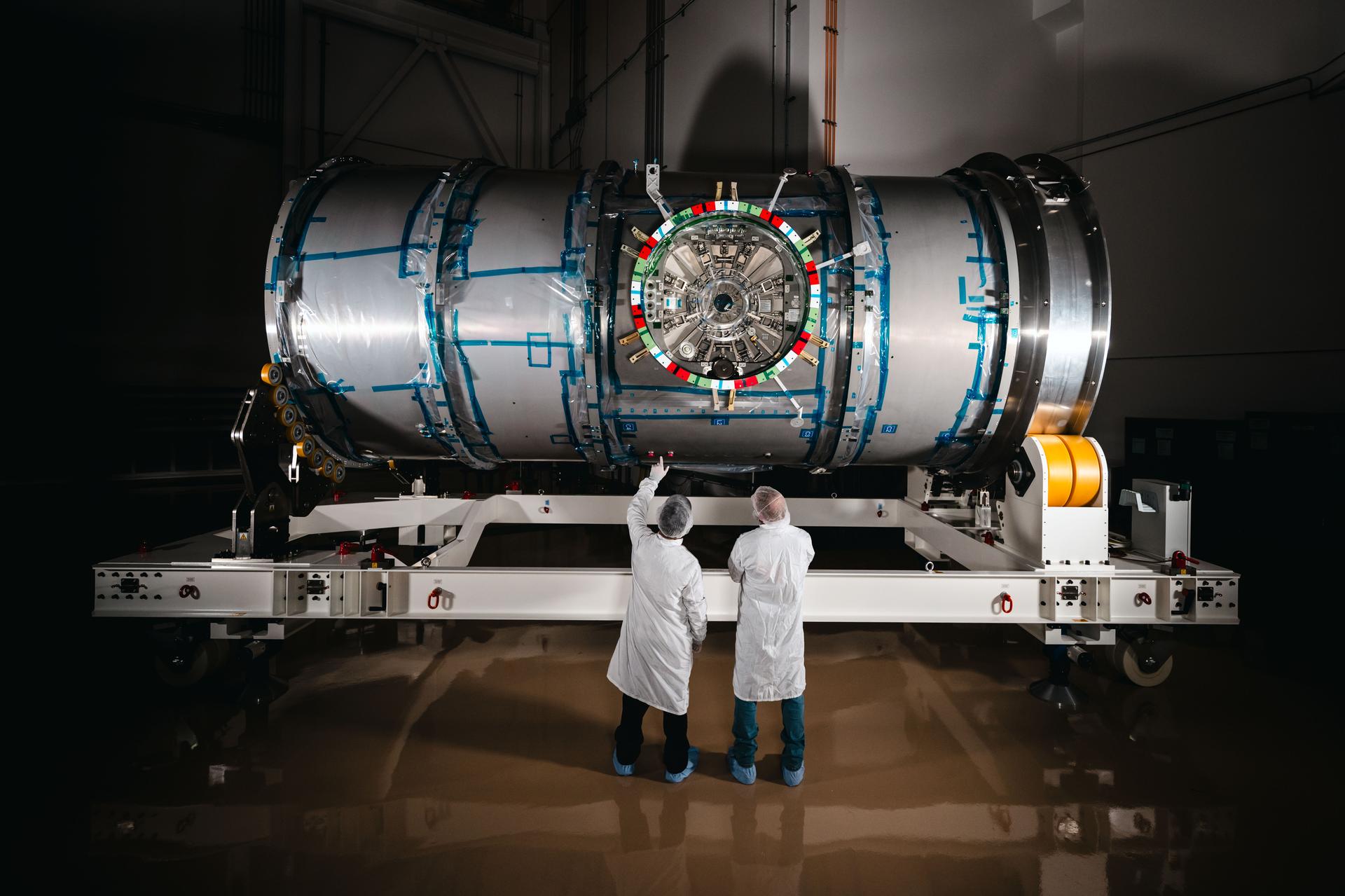
Gateway is central to the NASA-led Artemis missions to return to the Moon for scientific discovery and chart a path for the first human missions to Mars and beyond. The small space station will be a multi-purpose outpost supporting lunar surface missions, science in lunar orbit, and human exploration further into the cosmos.
A Lunar Economy
Men and women across America and around the world are building the systems to support missions to the Moon, Mars, and beyond.
Since its inception, every state in America has made a contribution to the success of NASA’s Artemis campaign, with companies hard at work on innovations that will help establish a long-term human presence at the Moon. These missions are critical to an expanding space economy, fueling new industries and technologies, supporting job growth, and furthering the demand for a highly skilled workforce.

Artemis Accords
NASA, in coordination with the U.S. Department of State and seven other initial signatory nations, established the Artemis Accords in 2020. The Artemis Accords provide a common set of principles to enhance the governance of the civil exploration and use of outer space as many countries and private companies conduct missions and operations around the Moon.
Civil Space Exploration about Artemis Accords
Lunar Exploration
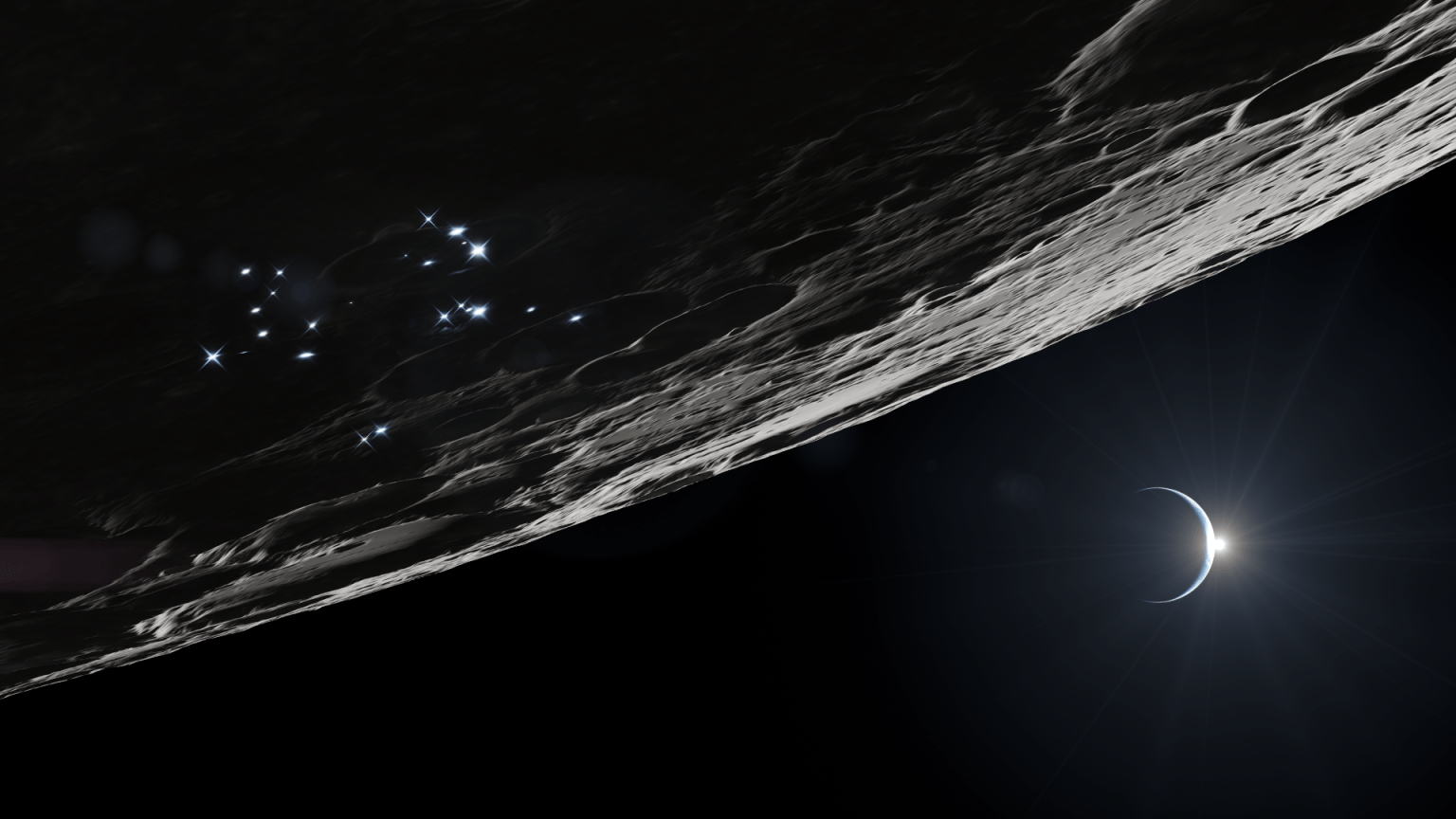
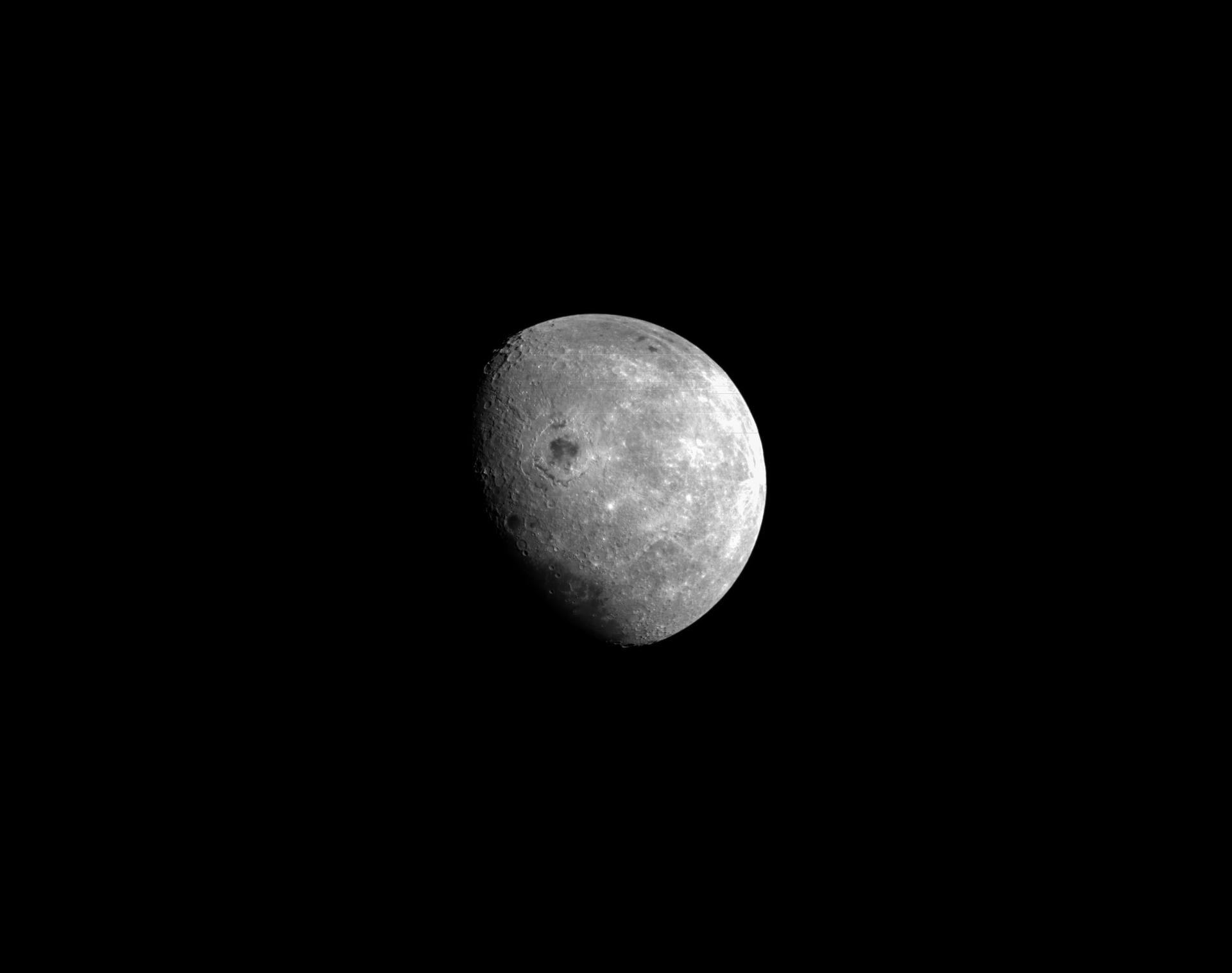
The Moon is a 4.5-billion-year-old time capsule.
We’re going back to the Moon for scientific discovery, economic benefits, and inspiration for a new generation of explorers. While maintaining American leadership in exploration, we will build a global alliance and explore deep space for the benefit of all.
Lunar Discovery
The Moon holds clues to the evolution of Earth, the planets, and the Sun.
Through Artemis, NASA will address high priority science questions, focusing on those that are best accomplished by on-site human explorers on and around the Moon and Mars by using robotic surface and orbiting systems.

Moon to Mars
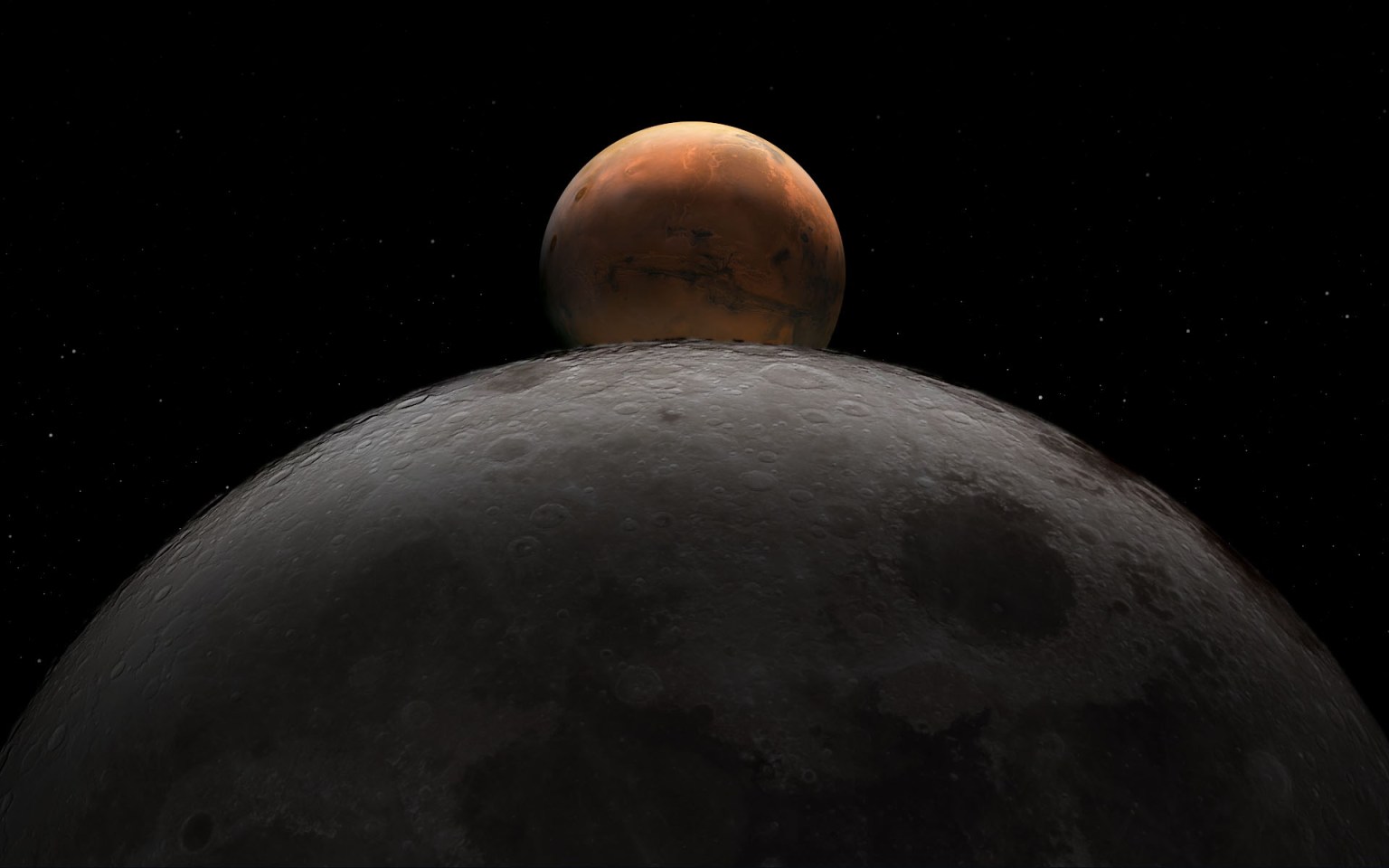
Like the Moon, Mars is a rich destination for scientific discovery.
Mars remains our horizon goal for human exploration because it is one of the only other places we know where life may have existed in the solar system. What we learn about the Red Planet will tell us more about our Earth’s past and future, and may help answer whether life exists beyond our home planet.

Learning Resources
Join Artemis
Find your place in space.
Make, launch, compete and learn. Find your favorite way to be part of the Artemis mission.
Start Exploring about Join Artemis