













Human-Centered Systems Laboratory (HCSL)
The goal of the Human-Centered Systems Lab (HCSL) at NASA Ames Research Center was to conduct human-system interaction research supporting NASA aeronautics projects and space missions, and, during the course of that research, determining guidelines and principles of human-system interaction relevant to the effective design, efficient and safe performance, and the procedural and operational implications of such systems. Specific, noteworthy topics and efforts included:
Human-Centered Design
A human-centered design and evaluation process method was employed successfully to identify system and display designs. This method integrated task analyses, technology and operational assumptions, and information requirements analysis into system requirements that then were instantiated as the defined system. A methodology for developing nominal and off-nominal scenarios allowed for performance evaluation and definition/integration of procedures. A prototype tool for the tracking of system design rationales was developed.
Human Performance Modeling
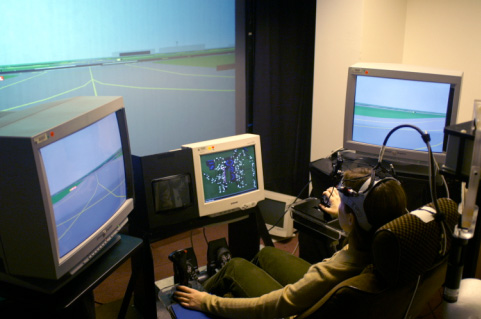
Multiple modeling techniques described and provided NASA-supplied data on two aviation flight deck problems: pilot surface operations taxi errors, and approach and landing with synthetic vision systems. This 6-year aviation safety project was documented in the book “Human Performance Modeling in Aviation” (2007, Foyle & Hooey, Eds.),” in which the modeling approaches were compared, insights into the modeling process and its complexities were provided, and issues of model validation were discussed.
Flight Deck Surface Operations (Taxiway Navigation and Situation Awareness System, T-NASA)
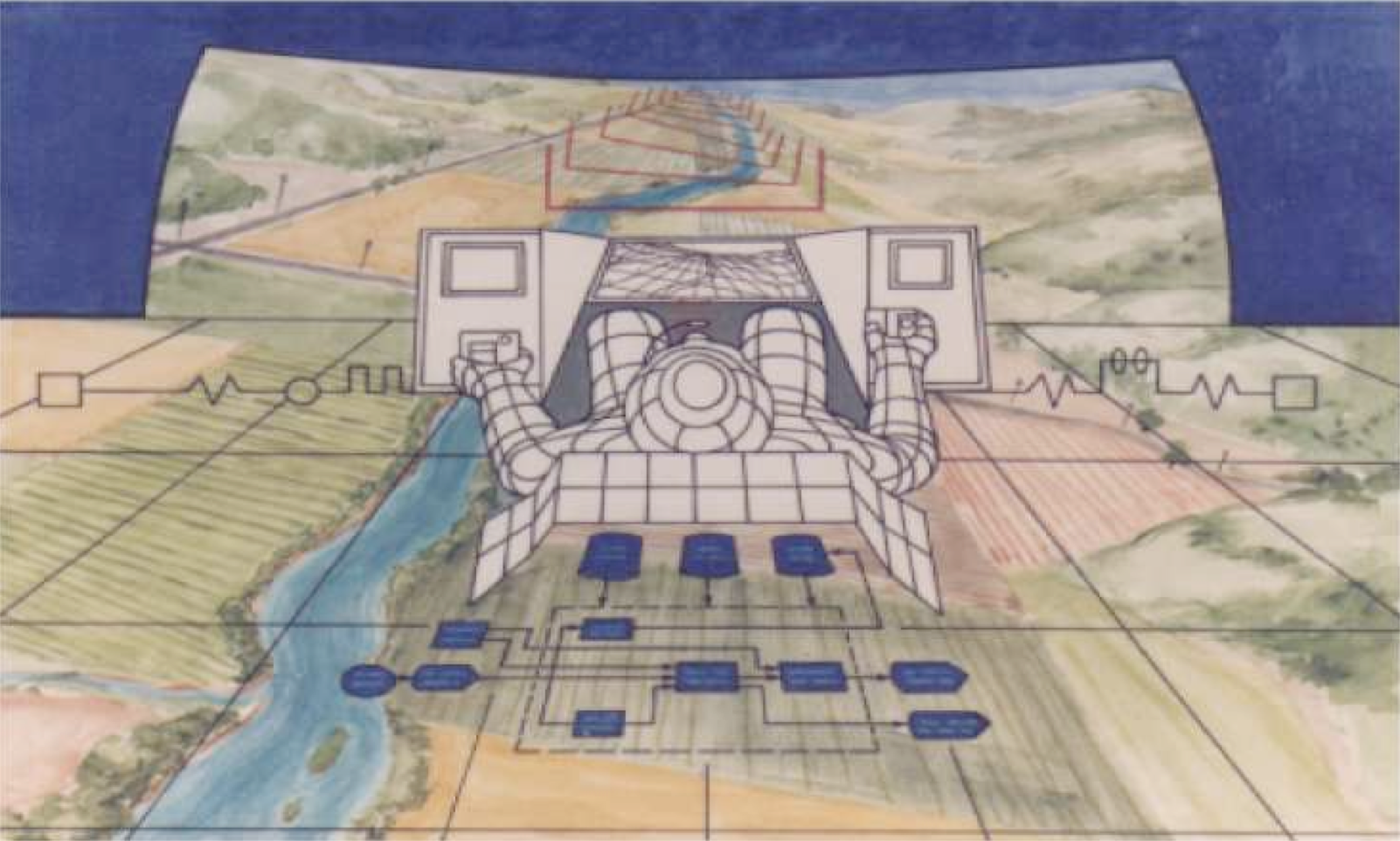
Since 1995, research studies on pilot taxi operations have determined information requirements and error conditions, and the relative contribution of specific displays for the mitigation of taxiway navigation errors. This research enabled the human-centered design of a prototype flight deck display suite for safe and efficient taxi operations (Taxiway Navigation and Situation Awareness System, T-NASA). Design principles related to local guidance, and global and route awareness have also been developed.
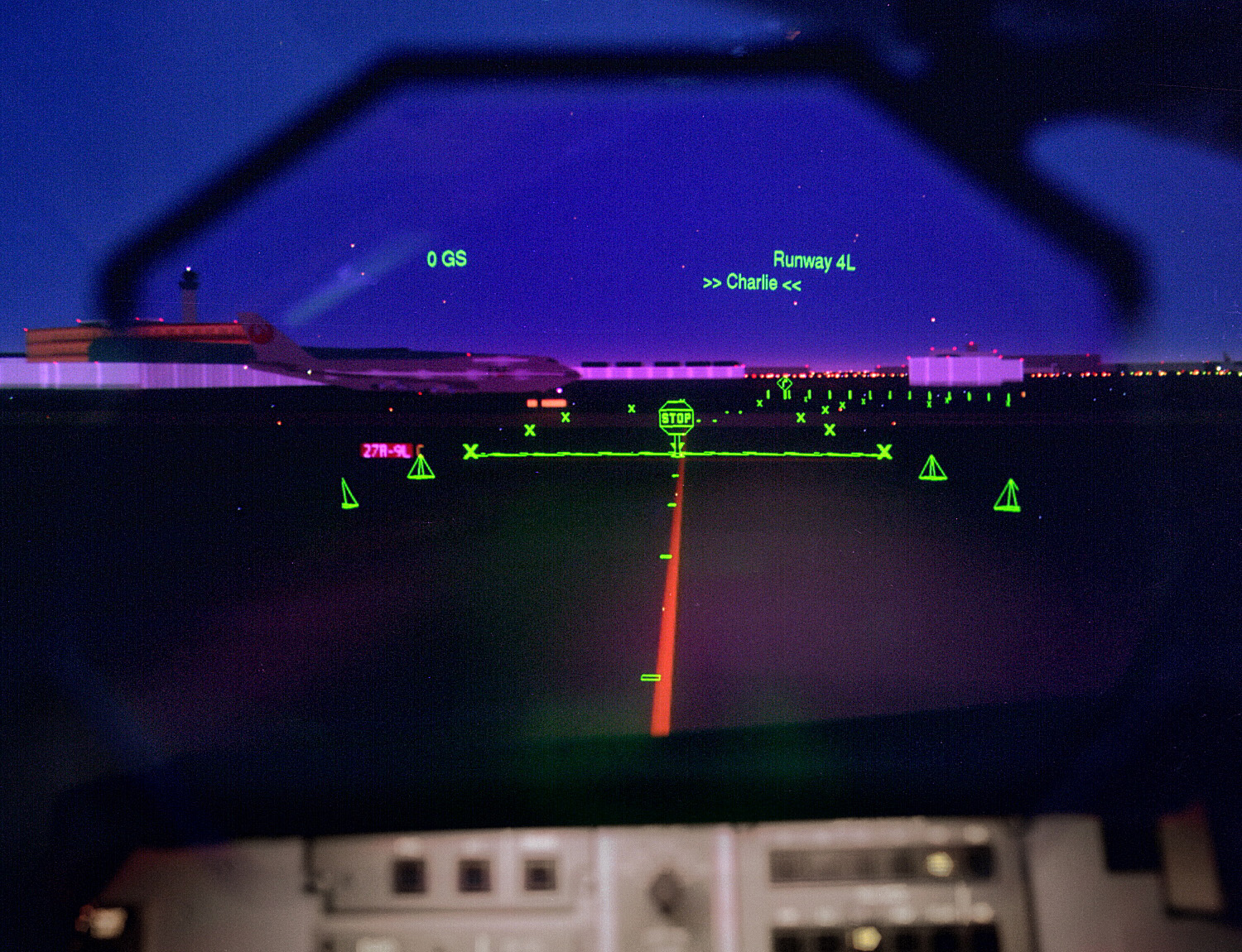
Situation Awareness with Advanced Avionics Displays
Research was conducted on the design of advanced avionics displays including enhanced/synthetic vision systems (E/SVS), electronic moving maps (EMMs), and head-up displays (HUDs). Guidelines and novel concepts for the design of HUD symbology (e.g., “scene-linked symbology” and fixed location symbology) to minimize attentional tunneling have been determined.
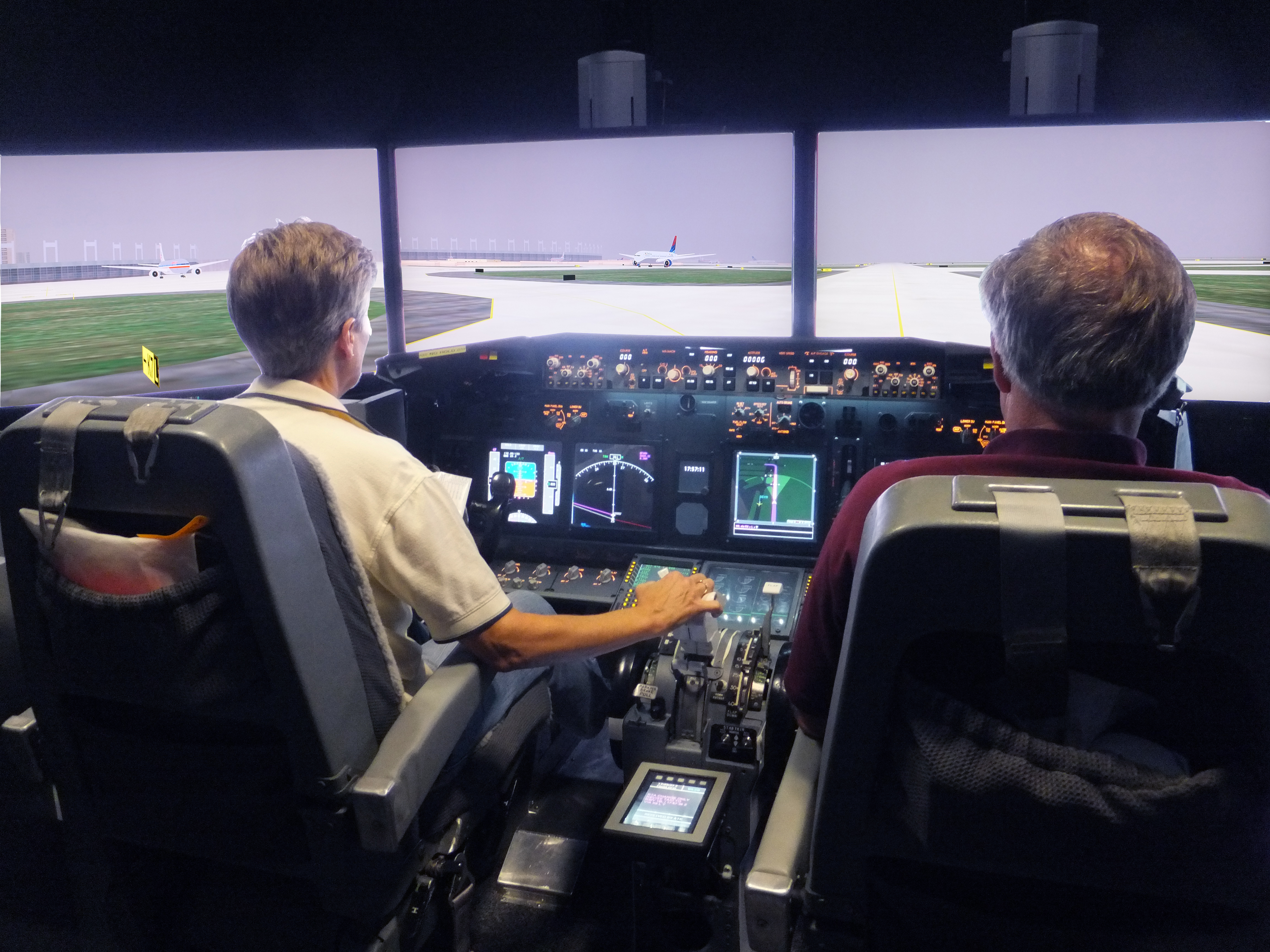
Noteworthy Publications
Foyle, D.C., Andre, A.D., McCann, R.S., Wenzel, E.M., Begault, D.R., Battiste, V (1996). Taxiway Navigation and Situation Awareness (T-NASA) system: Problem, design philosophy, and description of an integrated display suite for low-visibility airport surface operations, Proceedings of the SAE/AIAA World Aviation Congress, paper 96555, SAE Transactions: Journal of Aerospace, 105, 1411-1418.
Hooey, B.L., Foyle, D.C., Andre, A.D. (2000). Taxiway Navigation and Situation Awareness (T-NASA) system: Problem, design philosophy, and description of an integrated display suite for low-visibility airport surface operations, (Paper 2000-01-5521) Proceedings of the AIAA/SAE World Aviation Congress. SAE International: Warrendale, PA.
Foyle, D.C., Hooey, B.L., Andre, A.D. (2000). A human-centered methodology for the design, evaluation, and integration of cockpit displays, In proceedings of the NATO RTO SCI and SET Symposium on Enhanced and Synthetic Vision Systems. September, 10-12, 2002. Ottawa, Canada.
Foyle, D.C., Hooey, B.L. (2006). Human Performance Modeling in Aviation, CRC Press / Taylor & Francis.
* Please note, this webpage is not actively maintained and is for historical reference only.