


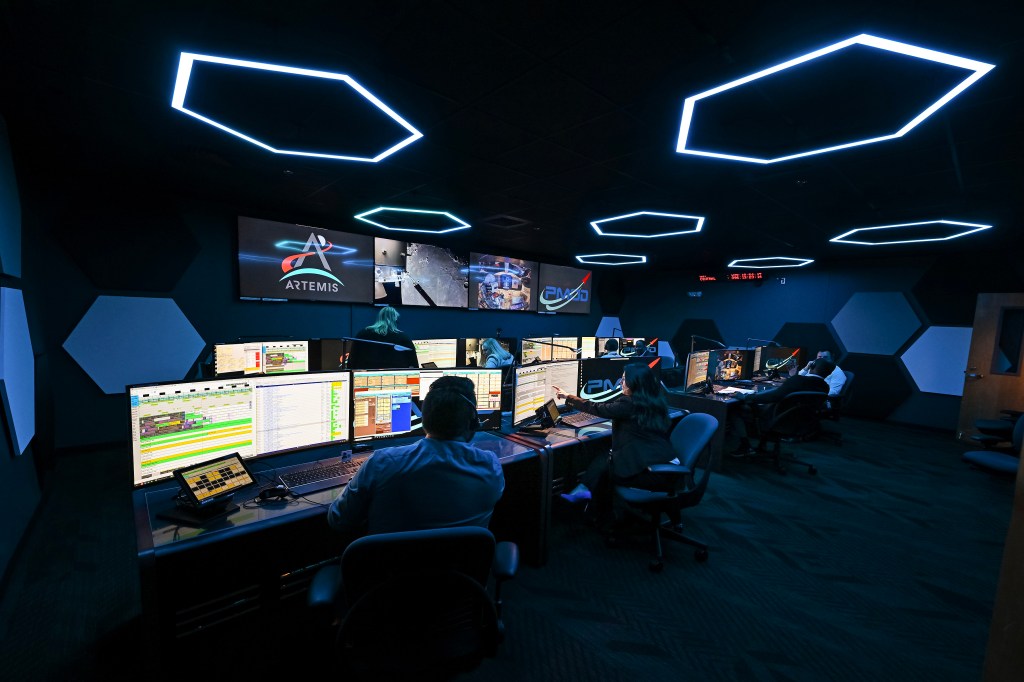















Space Communications & Spectrum Management
The Space Communications and Spectrum Management office at Glenn, part of NASA’s Space Communications and Navigation Program, advances exploration and discovery through technology development, commercial collaboration, and management of the electromagnetic spectrum.

Communicating in Space
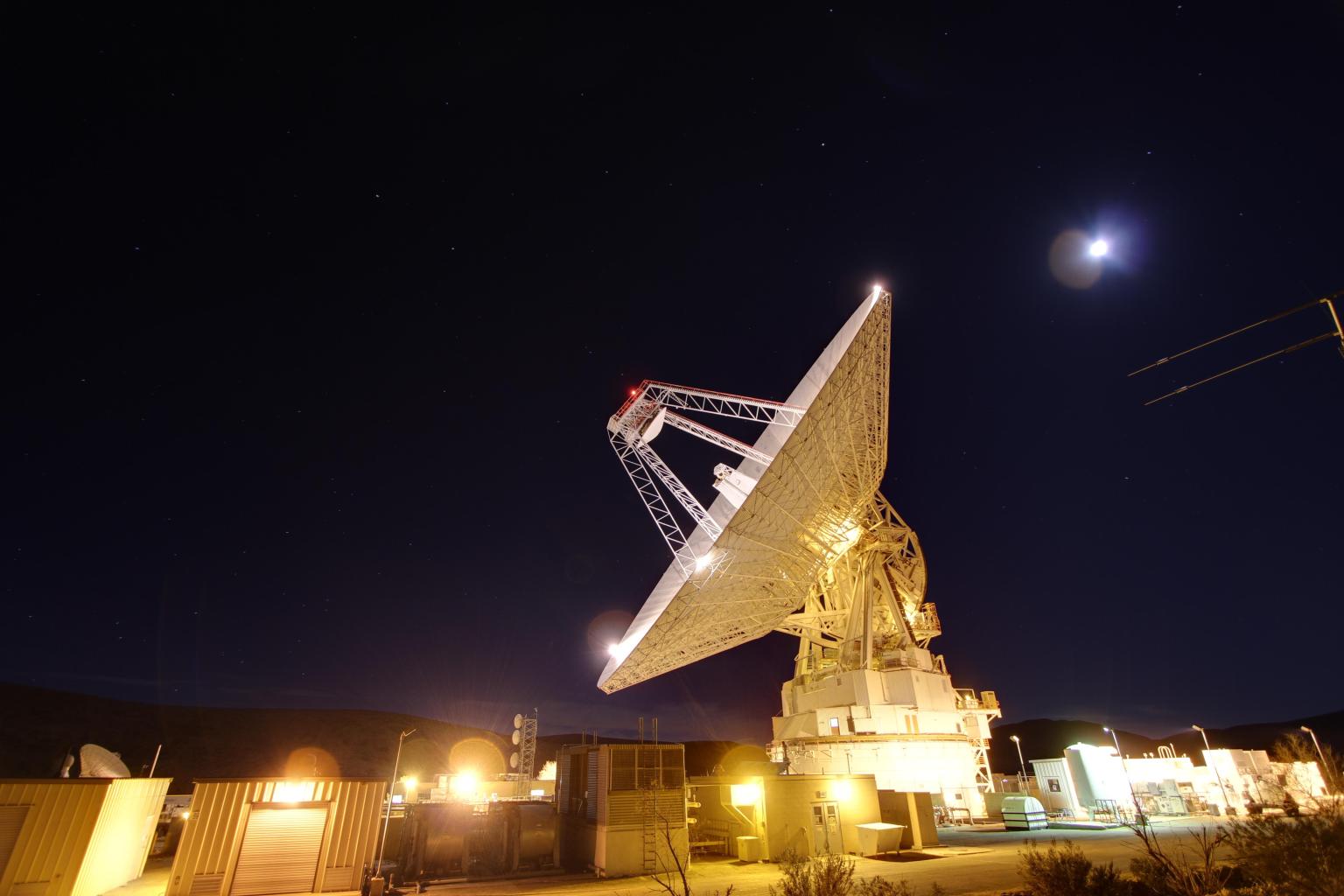
Reliable space communication and navigation systems are critical to every NASA mission. Spacecraft commands, never-before-seen images, and scientific data are sent and received daily by large antennas on Earth.
The SCaN (Space Communications and Navigation) Program leads the agency’s space communications operations. SCaN’s networks and technology advancements enable more than 100 missions to explore the unknown, innovate for the benefit of humanity, and inspire the world through discovery.
Our Projects
The Space Communications and Spectrum Management office at NASA Glenn uses cross-cutting expertise and partnerships with commercial industry to develop the communications technology of the future, enable upgrades to NASA’s networks, and manage use of the electromagnetic spectrum. These efforts empower the agency to unlock more data and more discoveries as humanity returns to the Moon and journeys onward to Mars.

Communications Services Project (CSP)
NASA is working with the U.S. satellite communications industry to commercialize services for future science missions.

Lunar 3rd Generation Partnership Project (Lunar 3GPP)
NASA is bringing 5G cellular networks to the Moon, ensuring astronauts can reliably communicate with each other, their vehicles, and their instruments.
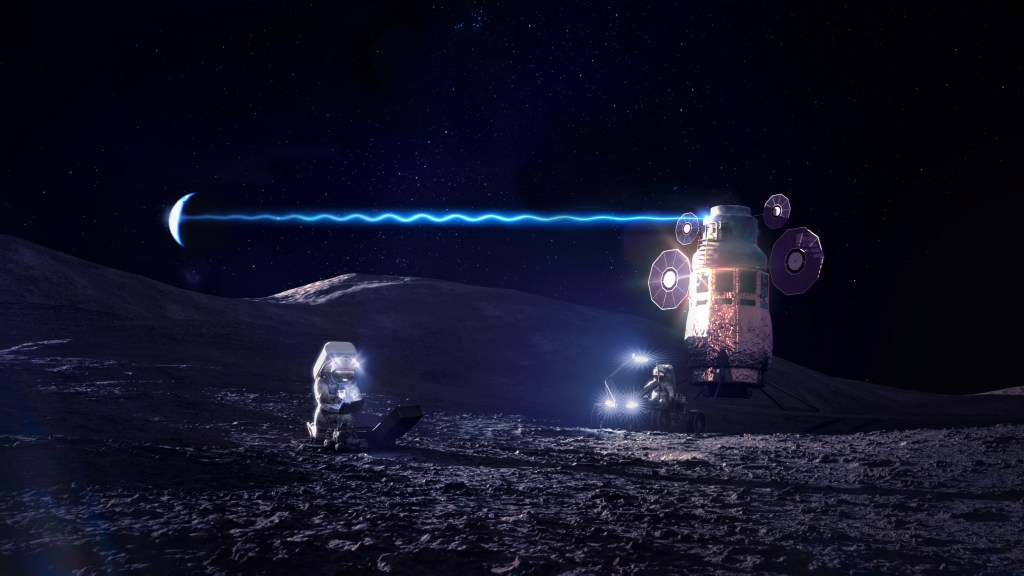
Lunar Surface Propagation (LSP)
NASA is using real data from the lunar south pole to improve communications systems for future exploration, unlocking more data and more discoveries.
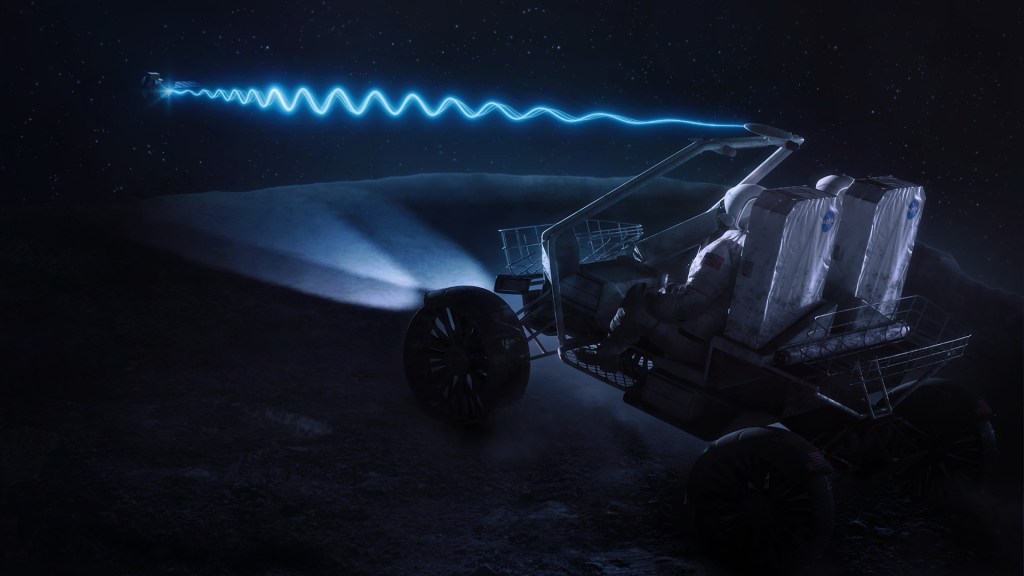
Ka-band Steerable Terminal for Lunar Environments (KaSTLE)
NASA and industry are developing a communications antenna that can empower lunar vehicles to send data while driving across the surface of the Moon.

Spectrum Management
Every NASA mission requires use of the electromagnetic spectrum to communicate with our spacecraft and send vital data back to Earth.
We Are SCaN
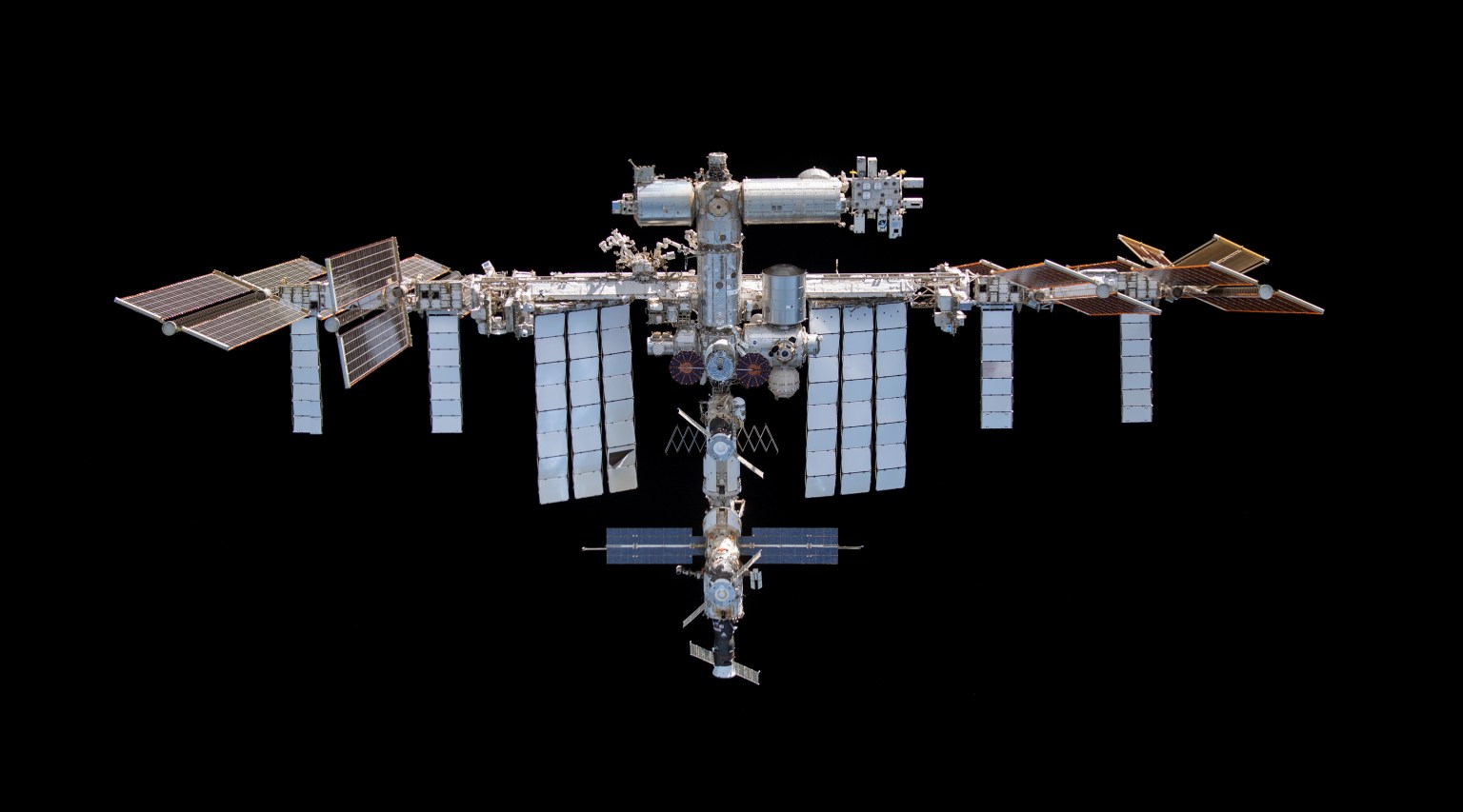
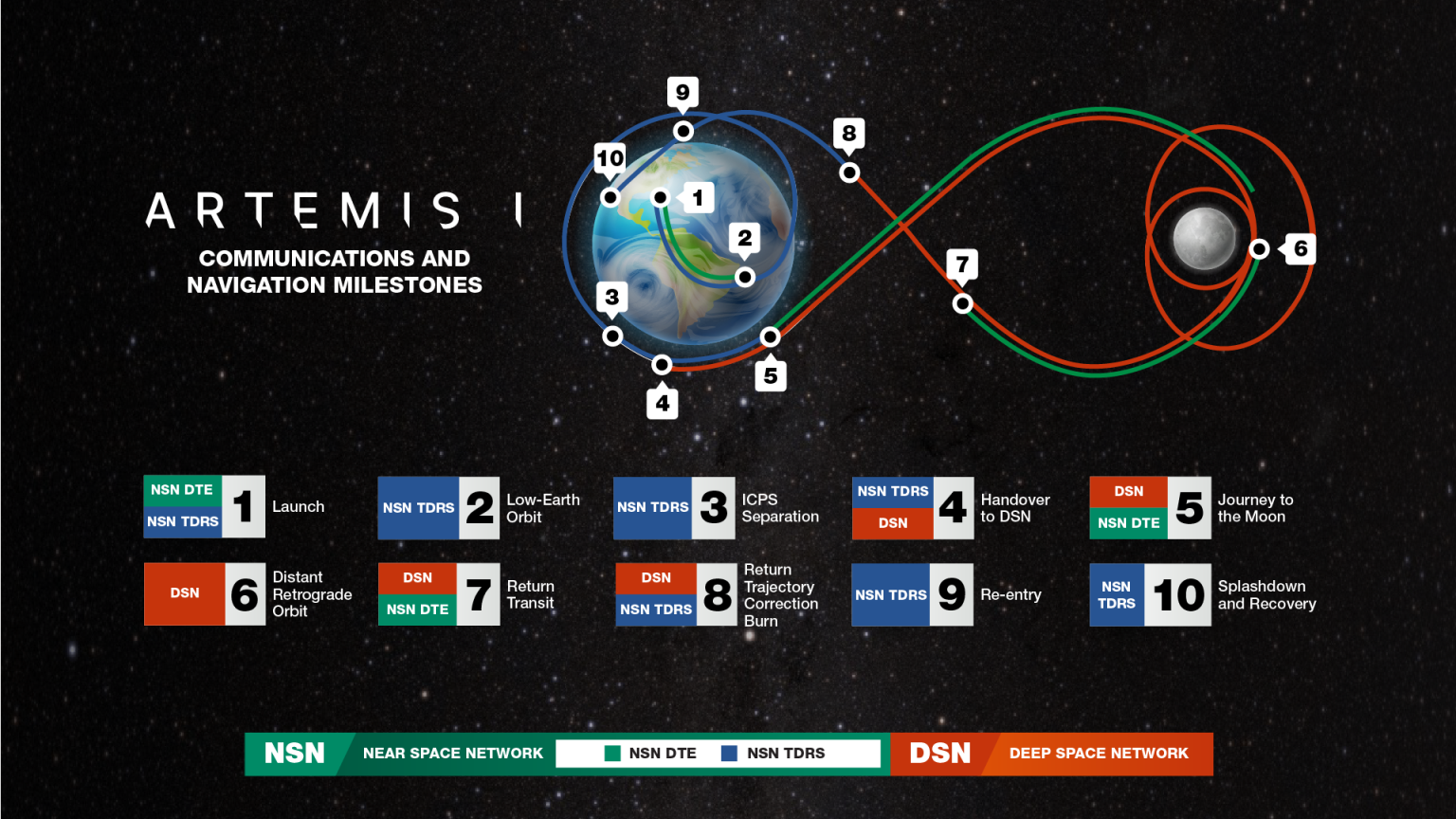
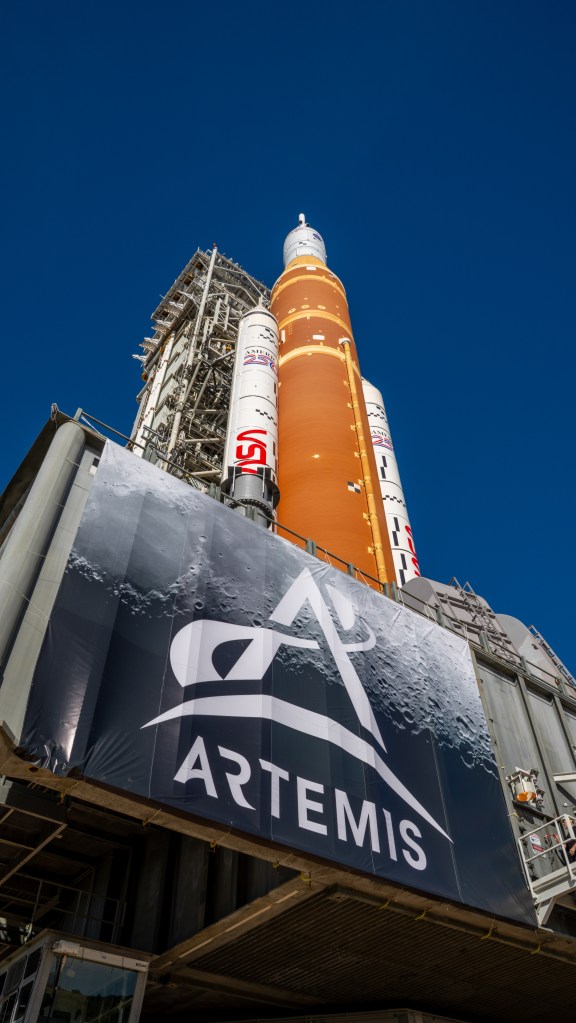
Communicating to and from space is a challenging endeavor. Fortunately, NASA has the experience and expertise to get space data to the ground. The SCaN Program enables these data exchanges, whether it’s with astronauts aboard the International Space Station, rovers on Mars, or the Artemis missions to the Moon.
Learn MoreLatest News


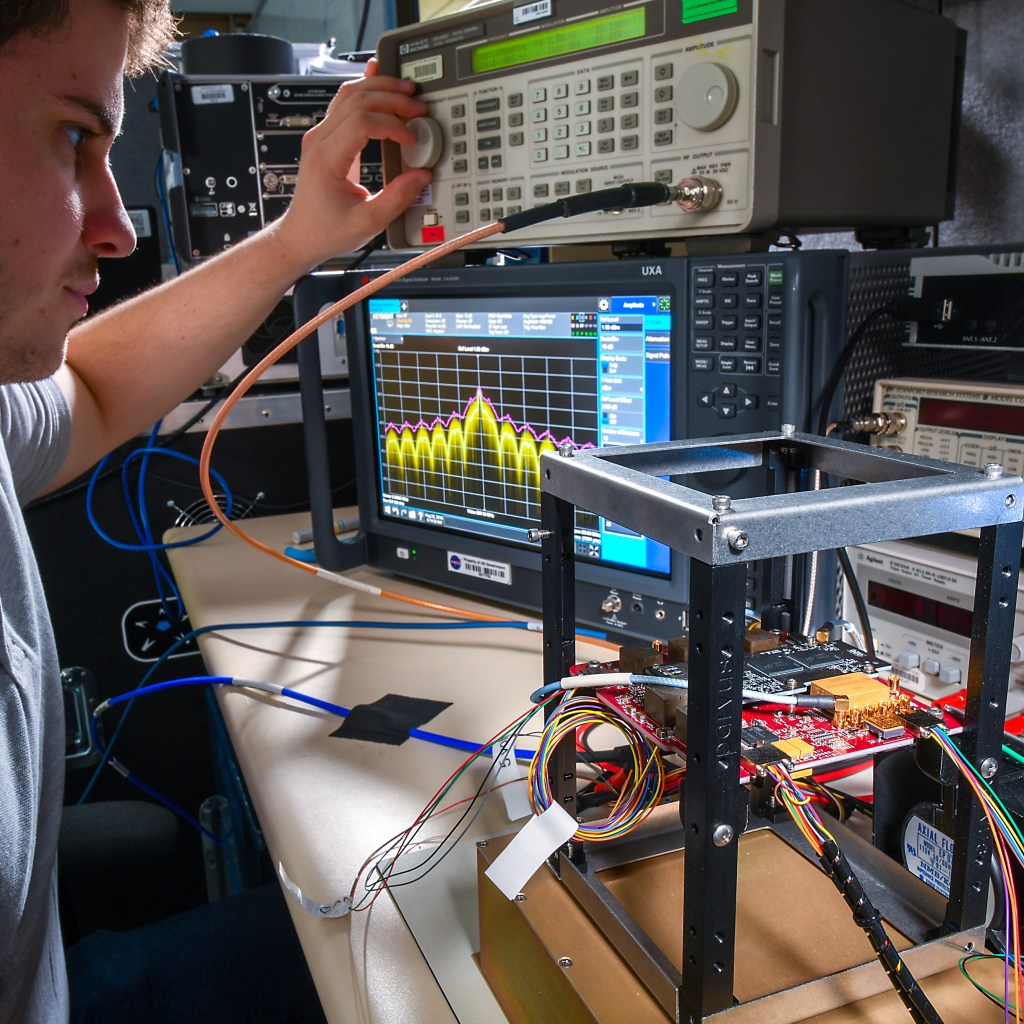
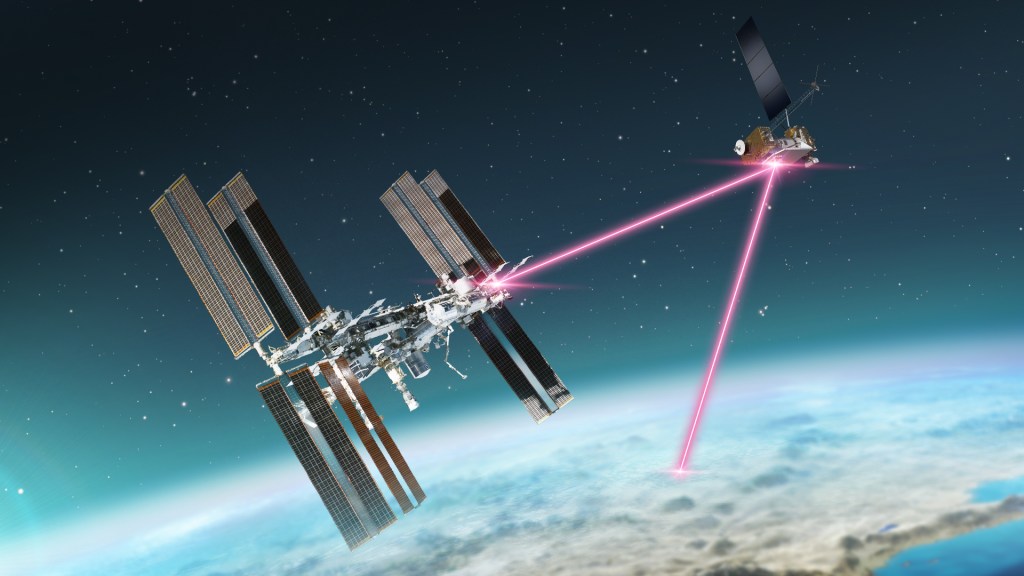
Past Projects
The Space Communications and Spectrum Management office has provided nearly two decades of critical support to the agency. Explore past initiatives led by Glenn Research Center.
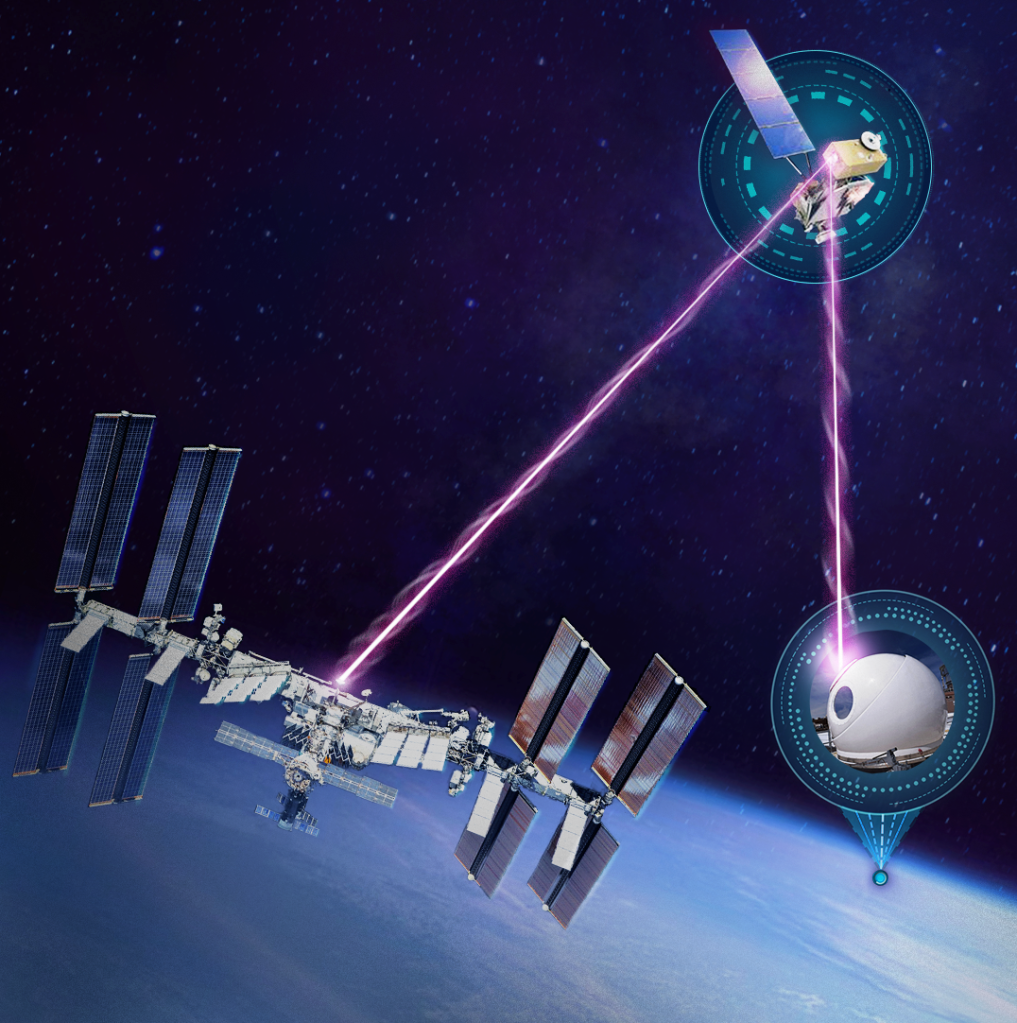
High-Rate Delay Tolerant Networking (HDTN)
Bringing the scalability, reliability, and performance of the terrestrial internet to space using radio frequency and laser communications.

Real Time Optical Receiver (RealTOR)
A high-speed, low-cost solution for developing laser communications ground receivers using commercial parts.
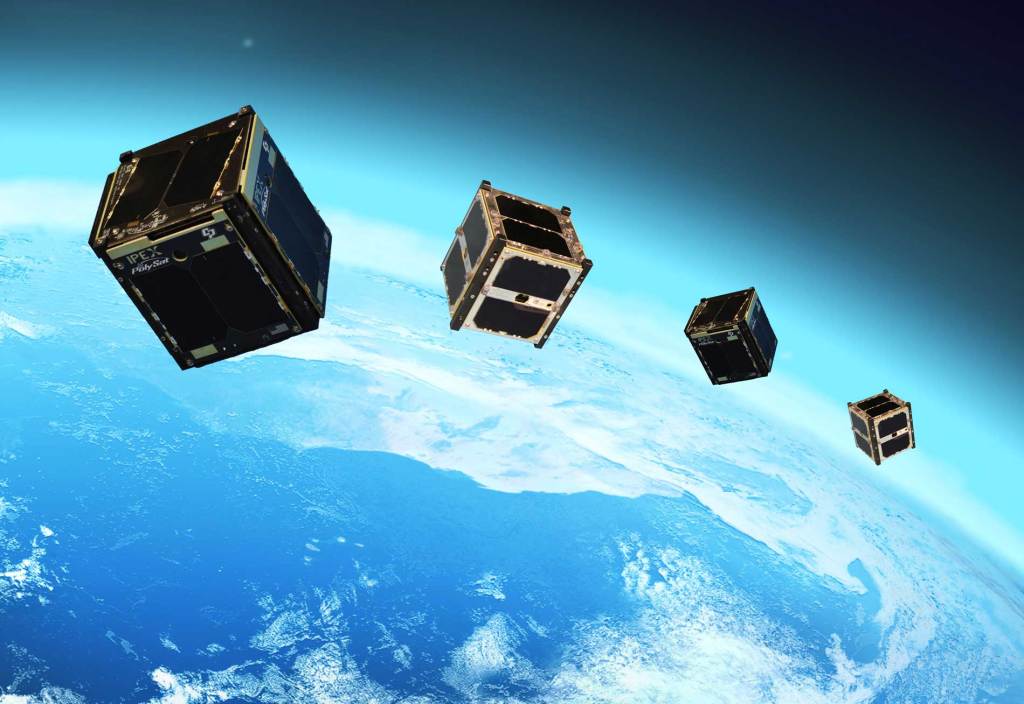
Cognitive Communications Technology
Intelligent, autonomous space communications systems working together to optimize the exploration of our solar system.

Lunar LTE Studies (LunarLiTES)
Evaluating how the 4G and 5G technologies that connect our mobile devices on Earth can translate to the lunar environment using models and simulations.

Quantum Communications
Quantum communications is an emerging space-based technology that could increase the capacity of space networks while ensuring secure communication links.
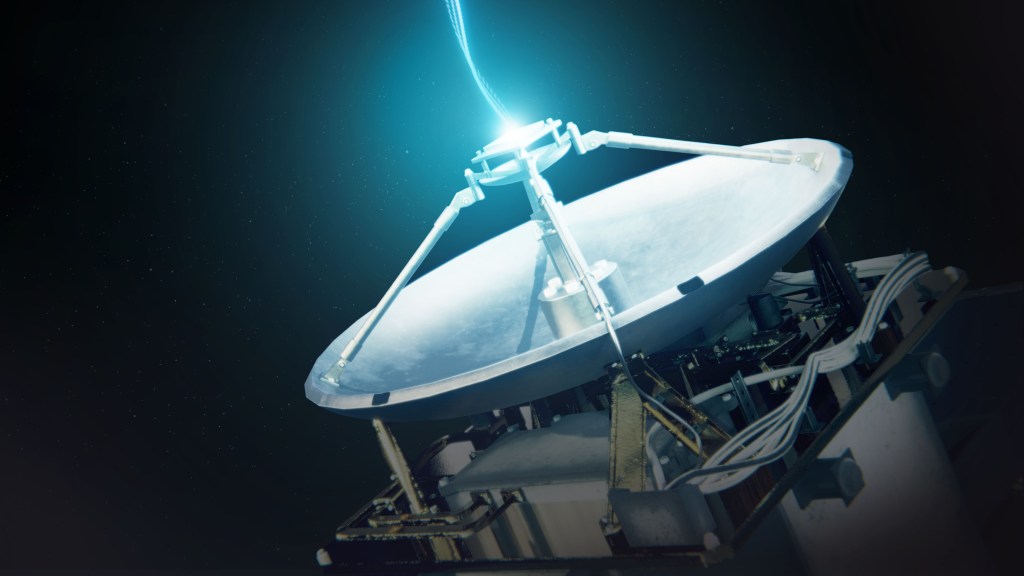
Wideband Technology
New technology that allows missions to communicate across both government and commercial networks, originally lab tested at NASA Glenn.
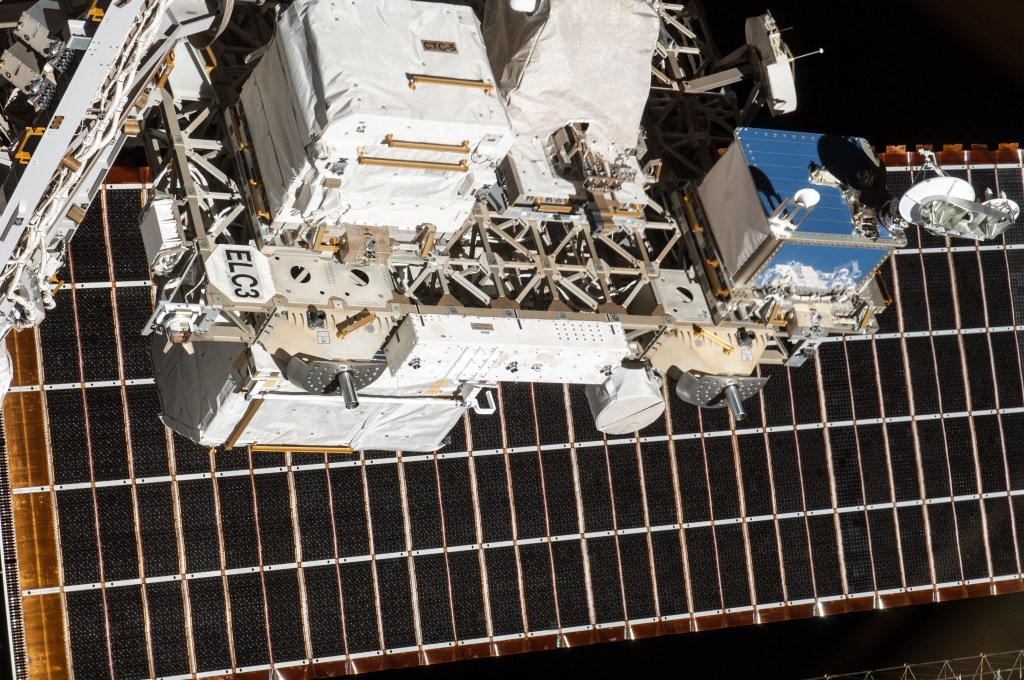
SCaN Testbed
Launched in 2012, the SCaN testbed was installed aboard the International Space Station and leveraged for seven years as an on-orbit space communications test facility.