













Suggested Searches

Artemis

    Artemis II Flight Day 10: Live Re-Entry Updates
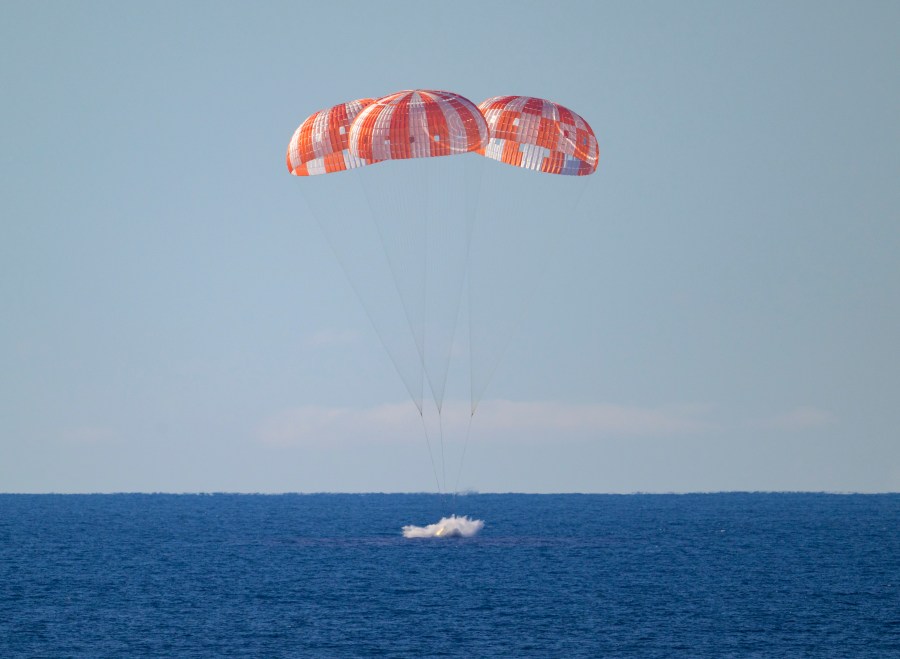
    Live re-entry updates for NASA’s Artemis II mission will be published on this page. All times are Eastern. 9:58 p.m. The Artemis II crew is safely aboard the USS John P. Murtha, where they will undergo post-mission medical evaluations in the ship’s medical bay before traveling back to shore to board a NASA aircraft bound for […]

    Read Full Post

    Artemis II Flight Day 10: Crew Completes Final Burn Before Splashdown 

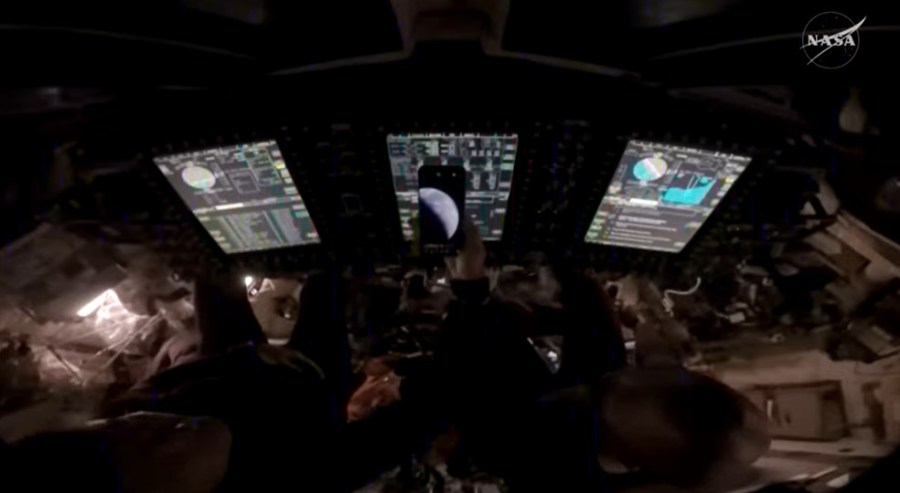
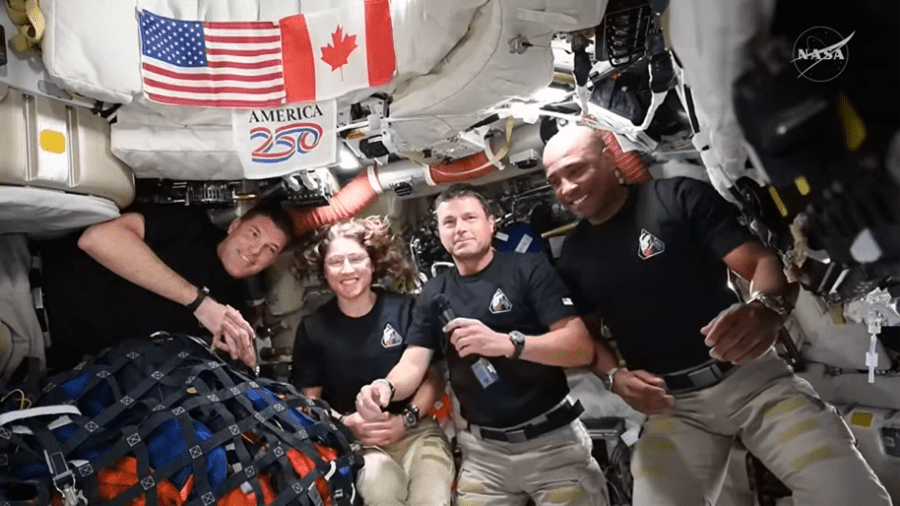
    NASA astronauts Reid Wiseman and Victor Glover show a photo of Earth taken just moments after the Orion spacecraft ignited its thrusters for a final burn for 8 seconds, pushing Artemis II toward Earth. Credit: NASA

    At 2:53 p.m. EDT, the Orion spacecraft ignited its thrusters for 8 seconds, producing a change in velocity of 4.2 feet-per-second and pushing Artemis II toward Earth. NASA astronauts Reid Wiseman, Victor Glover, Christina Koch and CSA (Canadian Space Agency) astronaut Jeremy Hansen reviewed procedures and monitored the spacecraft’s configuration and navigation data.

    Read Full Post

    Artemis II Flight Day 10: Crew Sets for Final Burn, Splashdown

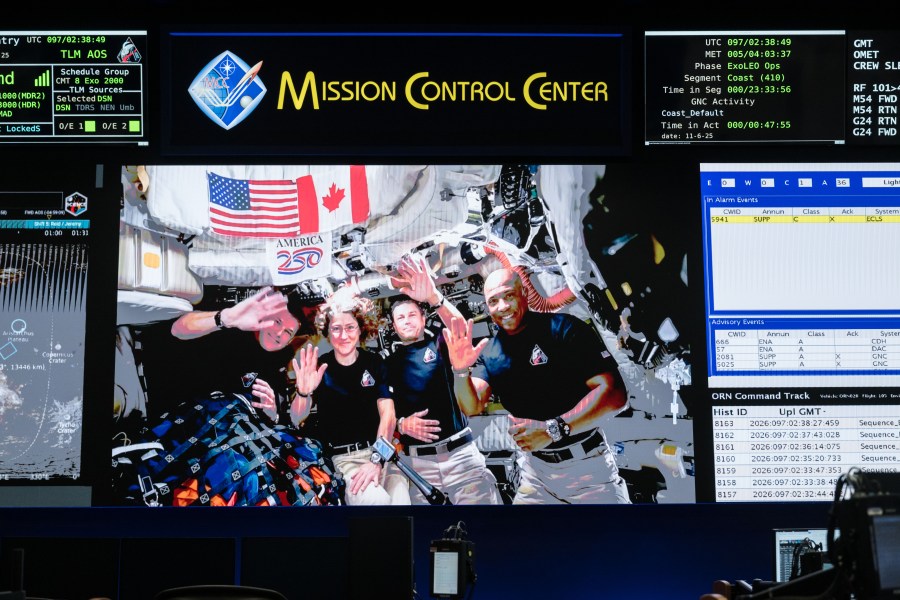
    jsc2026e020504 (April 6, 2026) - The Artemis II crew – CSA (Canadian Space Agency) Astronaut Jeremy Hansen (far left) and NASA astronauts Christina Koch (center left), Reid Wiseman (center right), and Victor Glover (right) – pauses to wave after a live conversation with President Donald J. Trump following their historic lunar flyby during Flight Day 6. They are pictured on the screens of the White Flight Control room at NASA’s Mission Control Center at the agency’s Johnson Space Center in Houston. Credit: NASA

    The Artemis II crew — NASA astronauts Reid Wiseman, Victor Glover, Christina Koch and CSA (Canadian Space Agency) astronaut Jeremy Hansen — began the final phase of their journey home to the songs “Run to the Water” by Live, selected by the crew, and “Free” by Zac Brown Band, as they prepared for their third return trajectory correction burn and shifted into full re-entry and splashdown preparations. When they woke up, they were 61,326 miles from Earth.

    Read Full Post

    Artemis II Flight Day 8: Crew Conducts Key Tests on Return to Earth

    017A7337.NEF

    Editor’s Note: This blog was updated on April 8, 2026, to update the time for the crew news conference. In addition, flight controllers elected to forgo the 10:55 p.m. EDT manual piloting demo. Editor’s Note: This blog was updated to provide information on the originally scheduled radiation shielding demonstration. Aboard the Orion spacecraft, named Integrity, […]

    Read Full Post

    Artemis II Flight Day 7: First Return Correction Burn Complete

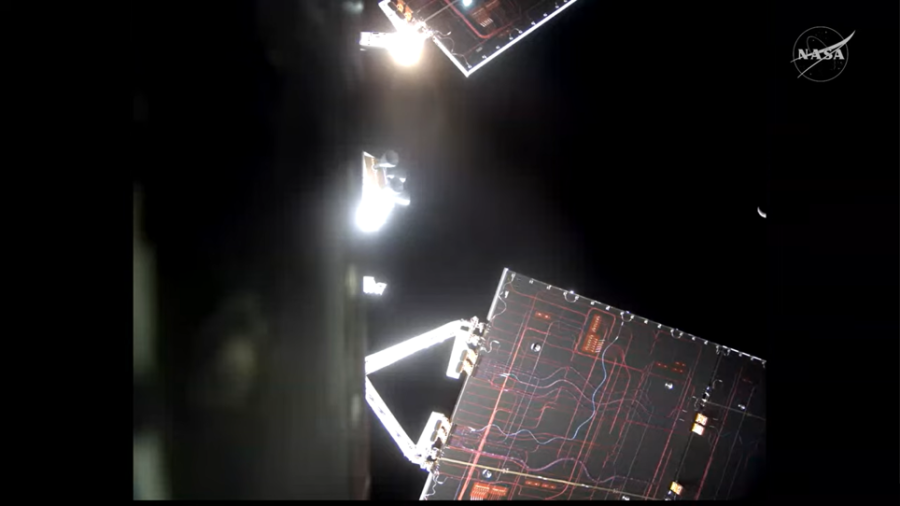
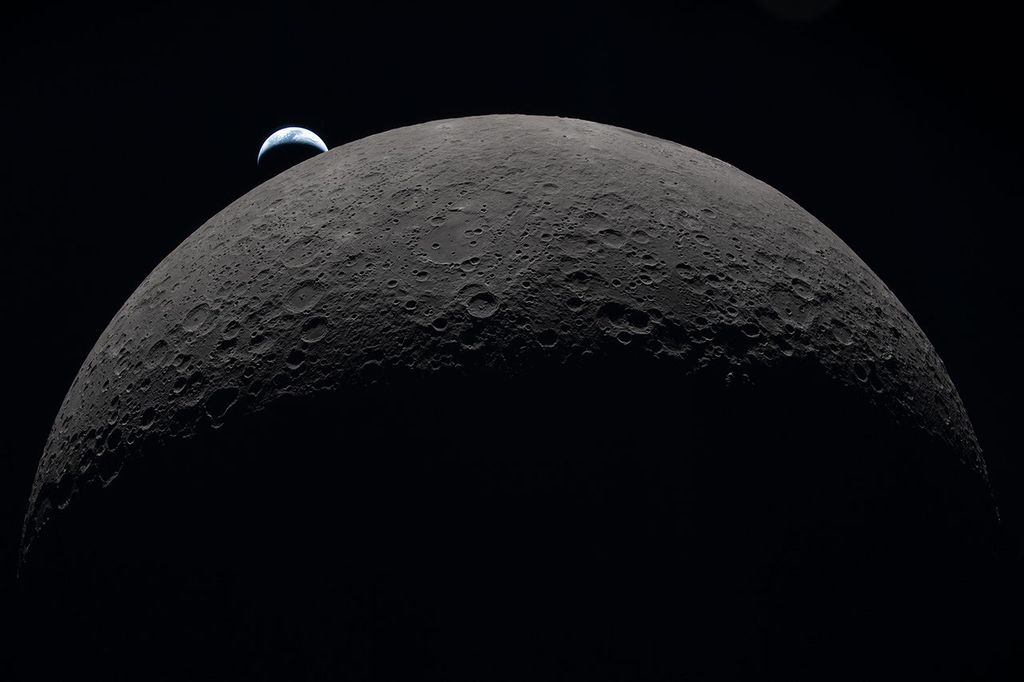
    The Artemis II Orion spacecraft and its solar arrays appear in the foreground, with a sliver of Moon showing in the black background of space.

    At 8:03 p.m. EDT, the Orion spacecraft, named Integrity, ignited its thrusters for 15 seconds, producing a change in velocity of 1.6 feet-per-second and guiding the Artemis II crew toward Earth. NASA astronaut Christina Koch and CSA (Canadian Space Agency) astronaut Jeremy Hansen reviewed procedures and monitored the spacecraft’s configuration and navigation data.   During today’s mission status briefing, NASA officials shared the first images received from the crew during the lunar flyby and […]

    Read Full Post

    Artemis II Flight Day 6: Crew Wraps Historic Lunar Flyby

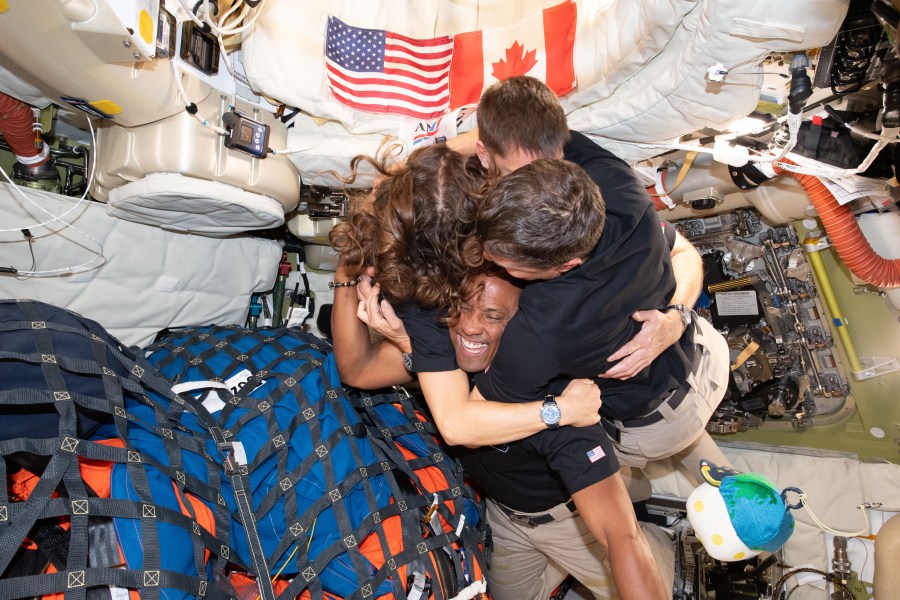
    The four Artemis II crew members participate in a live downlink on flight day six, following the conclusion of their lunar flyby.

    The Artemis II mission wrapped up a historic seven-hour lunar flyby, marking humanity’s first return to the Moon since Apollo 17 in 1972 and capturing images of the lunar far side. After the lunar observation period concluded, the Artemis II crew was congratulated by President Donald J. Trump, in a live conversation that aired as […]

    Read Full Post

    Artemis II Flight Day 6: Lunar Flyby Updates 

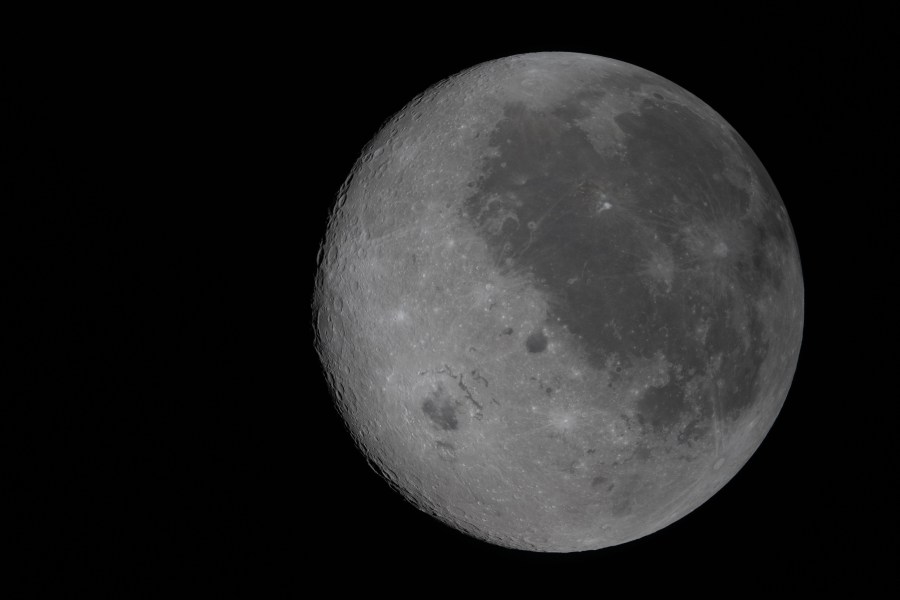
    n this fully illuminated view of the Moon, the near side (the hemisphere we see from Earth), is visible on the right. It is identifiable by the dark splotches that cover its surface. These are ancient lava flows from a time early in the Moon’s history when it was volcanically active. The large crater west of the lava flows is Orientale basin, a nearly 600-mile-wide crater that straddles the Moon’s near and far sides. Orientale's left half is not visible from Earth, but in this image we have a full view of the crater. Everything to the left of the crater is the far side, the hemisphere we don’t get to see from Earth because the Moon rotates on its axis at the same rate that it orbits round us.

    NASA’s live coverage of the Artemis II lunar flyby is underway on NASA+, Amazon Prime, Apple TV, Hulu, Netflix, HBO Max, and Roku, alongside the agency’s 24/7 coverage on its YouTube channel. Learn how to stream NASA content through a variety of online platforms, including social media.  

    Read Full Post

Subscribe to this blog