
















Aerospace and Aeronautics Maintenance Procedures
Research Objective
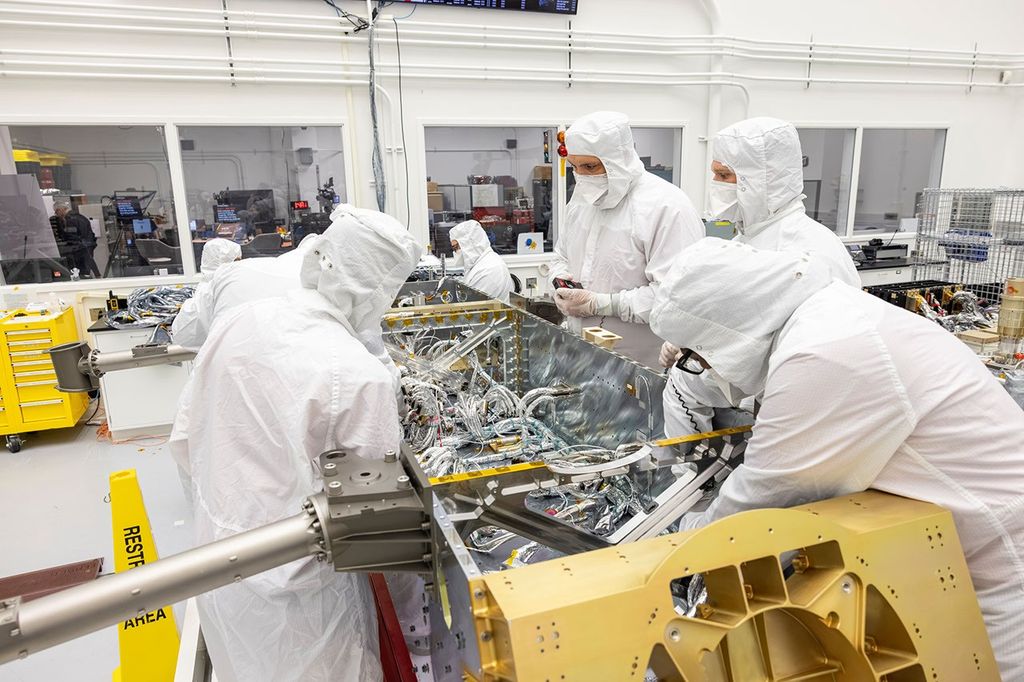
To goal of this aerospace and aeronautics research was to develop procedures and innovations to clarify the roles and responsibilities of spacecraft and aircraft maintenance teams; improve safety by reducing accidents associated with human error; and enhance safety and effectiveness in maintenance operations.
Research Approach
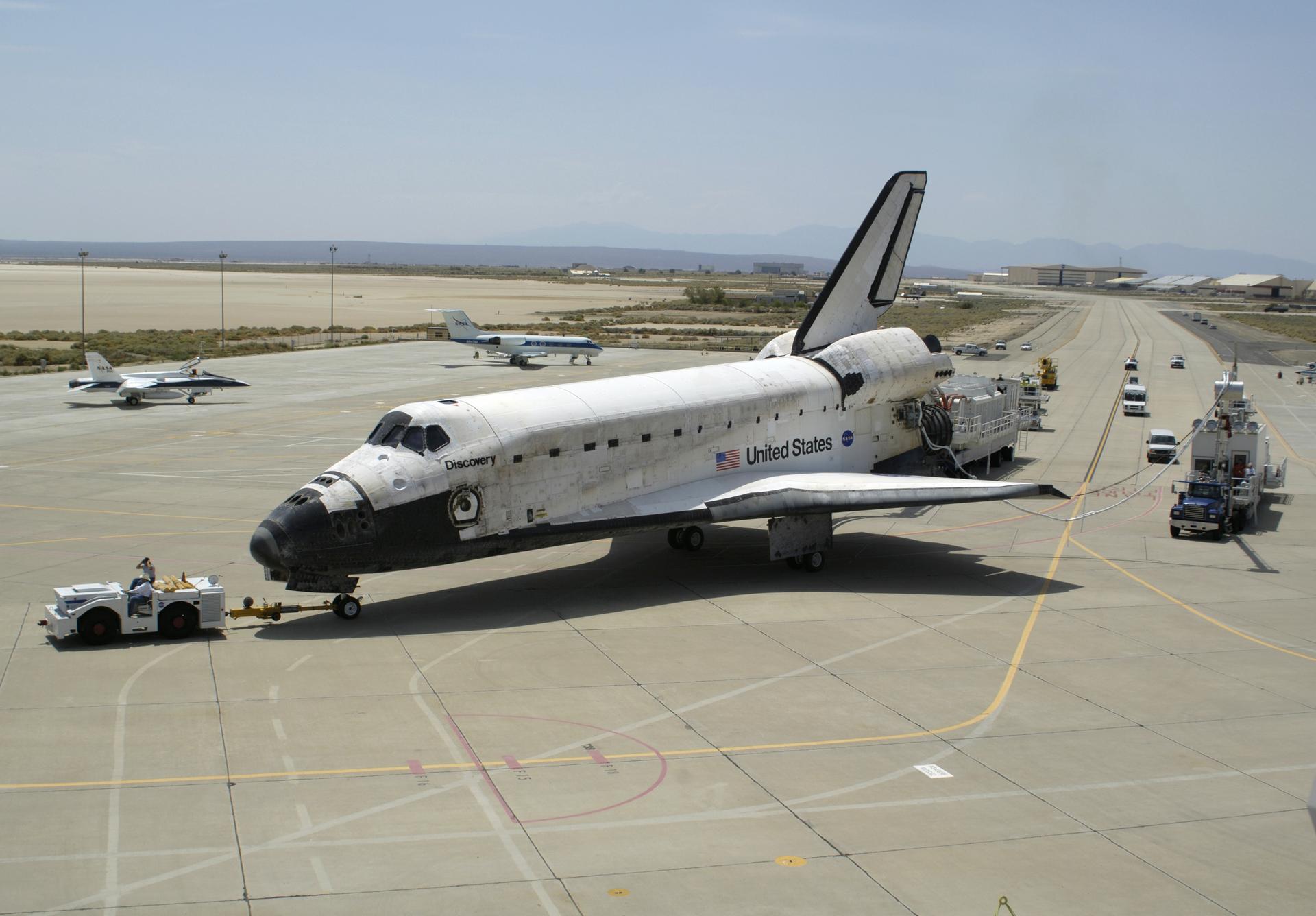
Collaborative working groups comprising both space and aeronautics maintenance teams worked to develop improved procedures; to advance the understanding of maintenance tasks and develop tools needed to support those tasks; to improve the inspection process; to provide a means of analyzing incidents; to apply crew resource management (CRM) skills and training to maintenance teams; and to develop advanced tools necessary for maintenance aiding.
Research Impact
Maintenance errors can have a devastating effect on safety and efficiency of operations. By developing improved procedures and documenting design and task analysis tools, this research area helped the industry to establish standards and performance metrics to improve the quality of maintenance operations. By applying the lessons of CRM to maintenance teams, the industry improved their training of team members for more effective communication and coordination. By developing advanced displays, maintenance team members can be provided an intuitive understanding of the steps to be taken, thereby significantly reducing the time required to perform these tasks
Noteworthy Publication
Kanki, B.G., Hobbs, A.N. (2023). Maintenance Human Factors and Flight Safety. Human Factors in Aviation and Aerospace (Third Edition) 2023, Pages 477-515.
* Please note, this webpage is not actively maintained and is for historical reference only.