















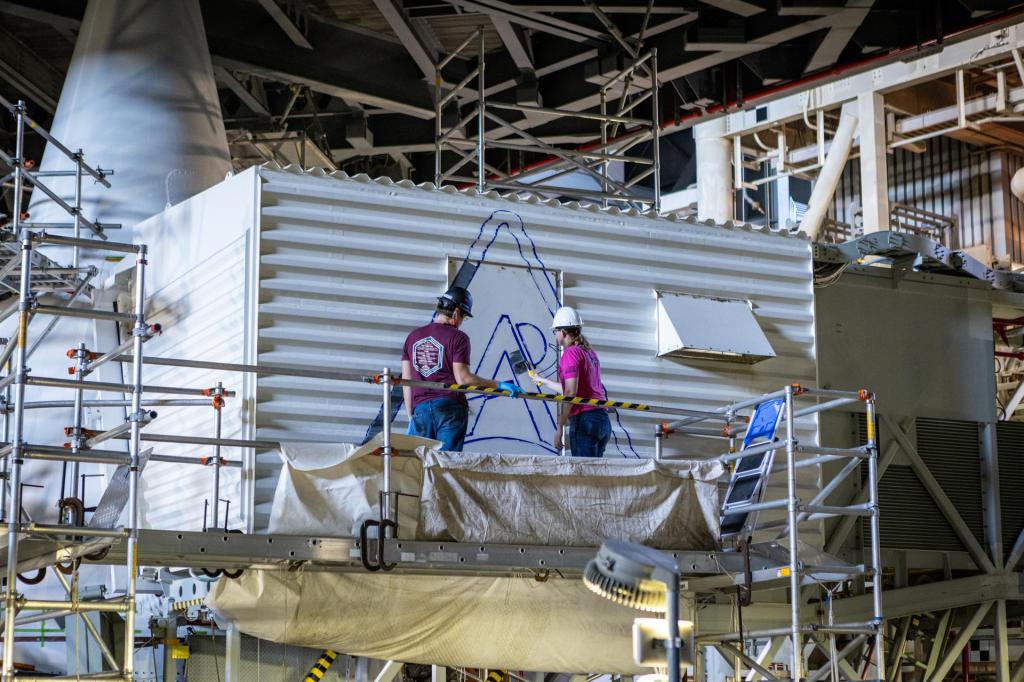




Cross-Program Integrated Data System (CPIDS)
The Cross-Program Integrated Data System (CPIDS) is a collection of digital solutions developed and managed by the Human-Computer Interaction (HCI) group in the Human Systems Integration Division. The Columbia Accident Investigation Board (CAIB) provided motivation and a recommendation to address this initiative:
The Space Shuttle Program has a wealth of data tucked away in multiple databases without a convenient way to integrate and use the data for management, engineering, or safety decisions. (F7.4-11, pg. 193)
NASA programs, projects, and facilities have historically generated large volumes of data — failure modes, hazard analyses problem reports, non-conformances, etc. — during the design lifecycle, but the paper often used for capturing this knowledge is not suitable for use by decision-makers or real-time operators. Again from the CAIB:
In addition, the information systems supporting the Shuttle – intended to be tools for decision-making – are extremely cumbersome and difficult to use at any level. (p. 188)
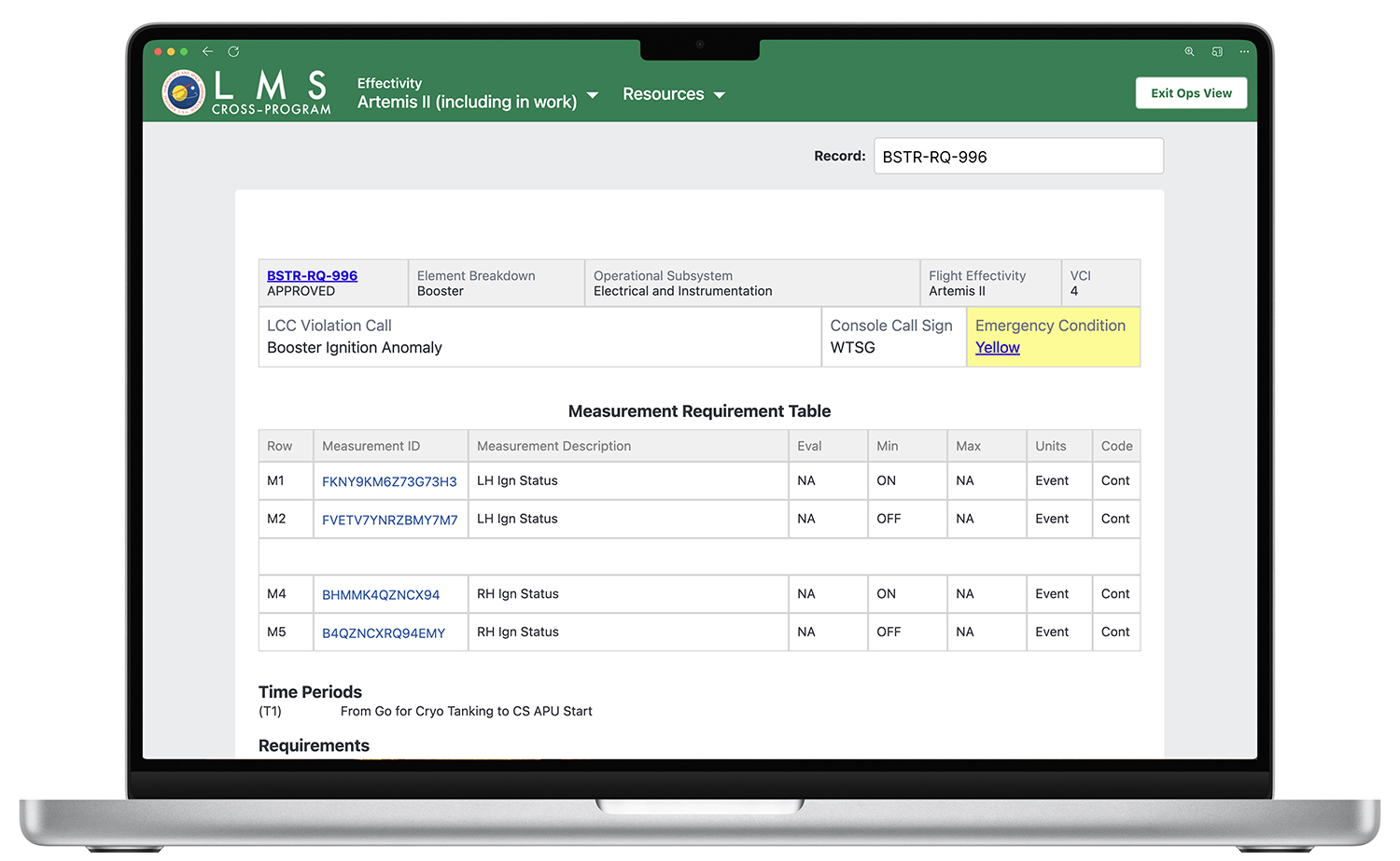
Historically, teams have resorted to manual labor to achieve their decision support: copying data or generating reports from various information systems and then manually cross-referencing the data via spreadsheets. Segregated data in disparate applications or documents increases the time of engineering analyses, increases the opportunities for data entry errors, and increases the chance for drift in the currency of the data. This includes products developed for efforts such as vehicle integration, mission integration, or system test and verification.
The CPIDS project implements common solutions and standard integration mechanisms using cost-effective, well-established technology to share data between disparate computer systems, leverage originating and authoritative sources, and minimize data conversions and process burdens. A federated, tool-agnostic, and interconnected set of data can enable reliable decision support across a geographically and organizationally diverse workforce. The target architecture is adaptive to new contractors, partners, and technologies for decadal partnerships. By managing and presenting critical data quickly and accurately, CPIDS has played an integral role in ensuring crew and vehicle safety for human spaceflight missions.
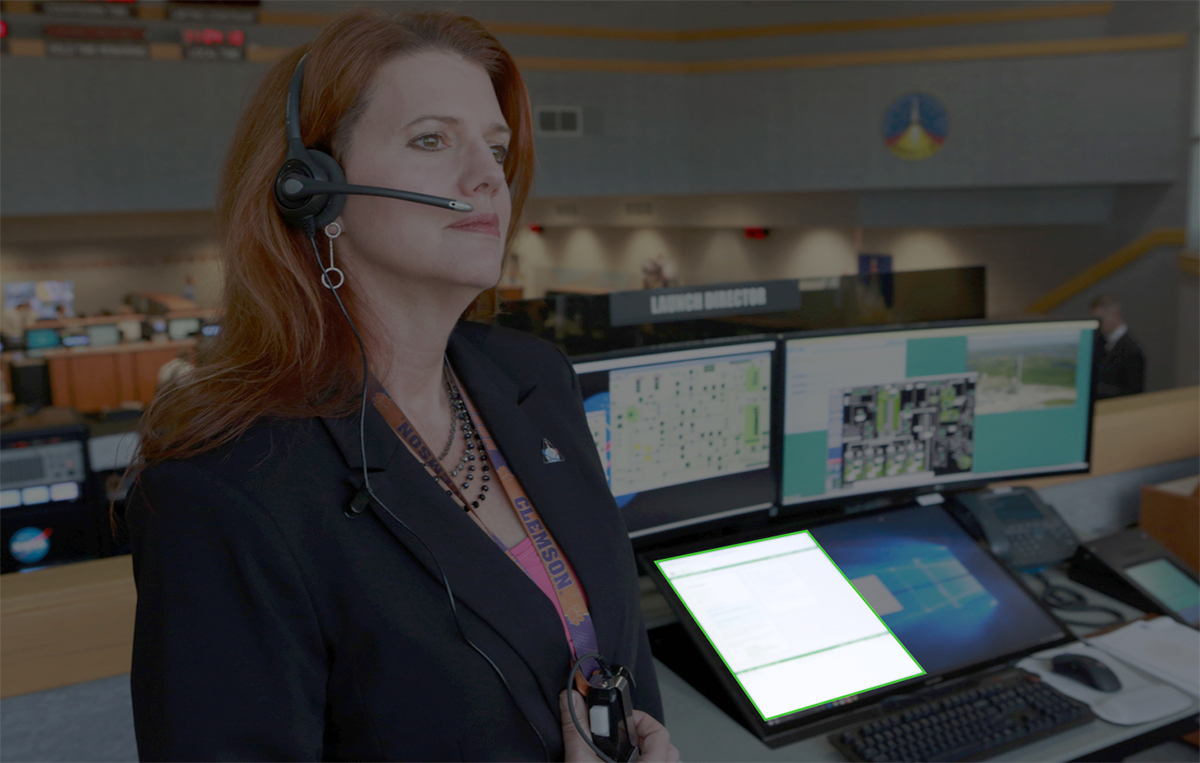
The primary product, Mission Assurance Systems (MAS), is sufficiently flexible and configurable that the project team can customize it to support the needs of many programs, projects, and facilities across the agency without requiring software code changes. The team also builds and maintains additional software products to support those organizations. Additional required capabilities are added in a phased, iterative approach in close coordination with funding organizations.