
.png?w=1024)



Bioprinting Cartilage, Producing Stem Cells Fill Thursday’s Research Schedule
3D bioprinting and stem cell research were the main research topics aboard the International Space Station on Thursday. The Expedition 74 crew members also photographed growing plants and lab windows for inspection while continuing to pack a U.S. cargo spacecraft.
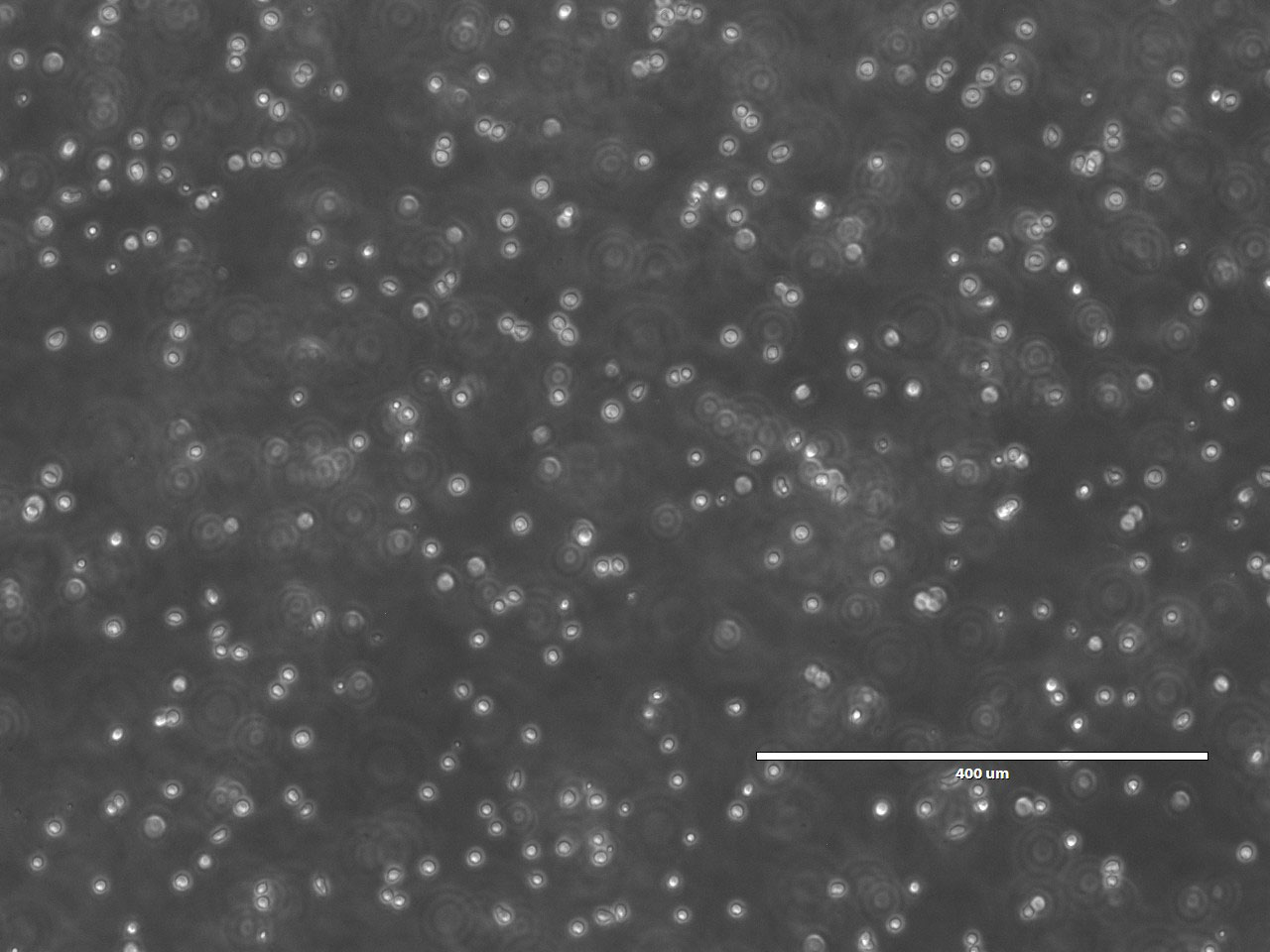
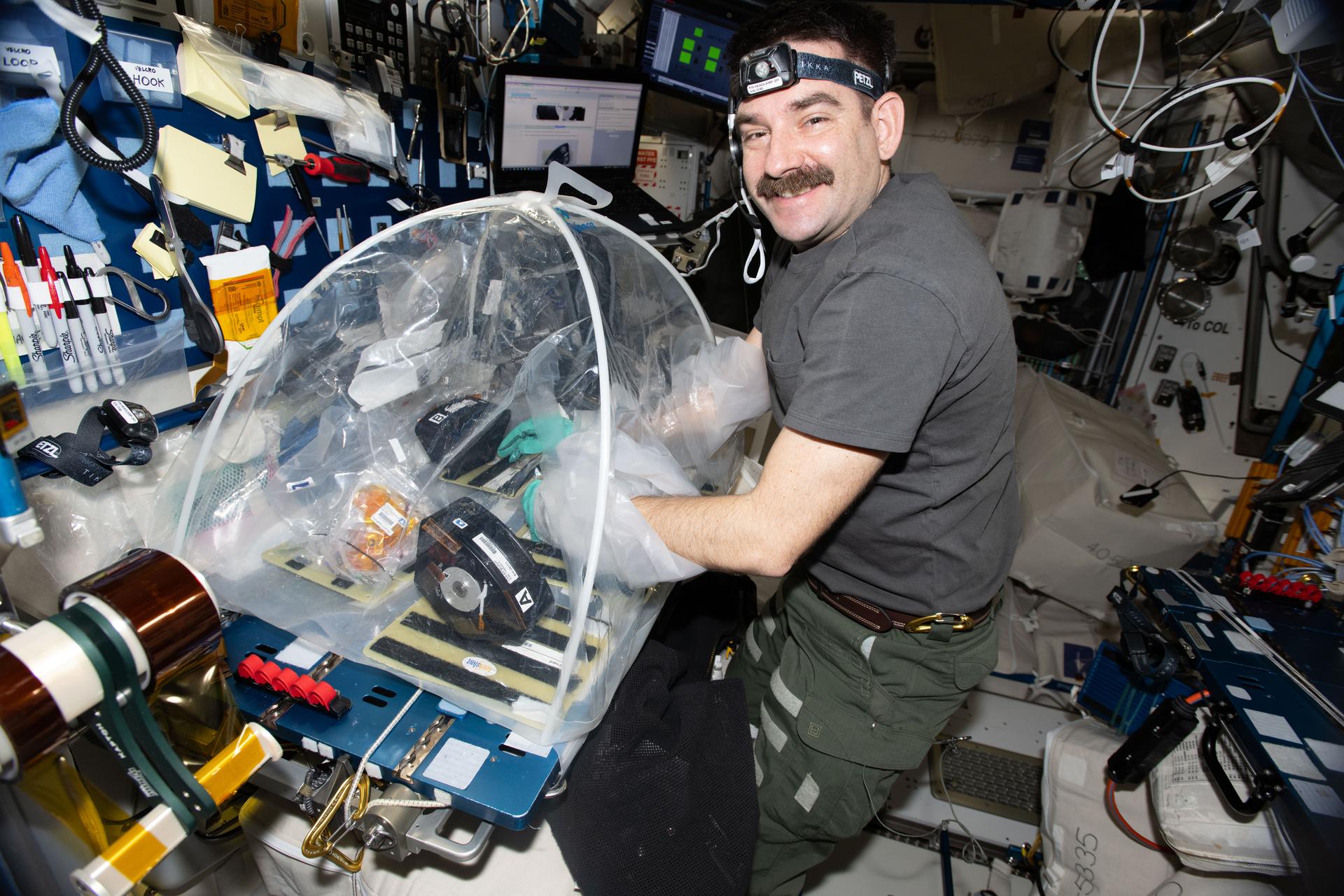
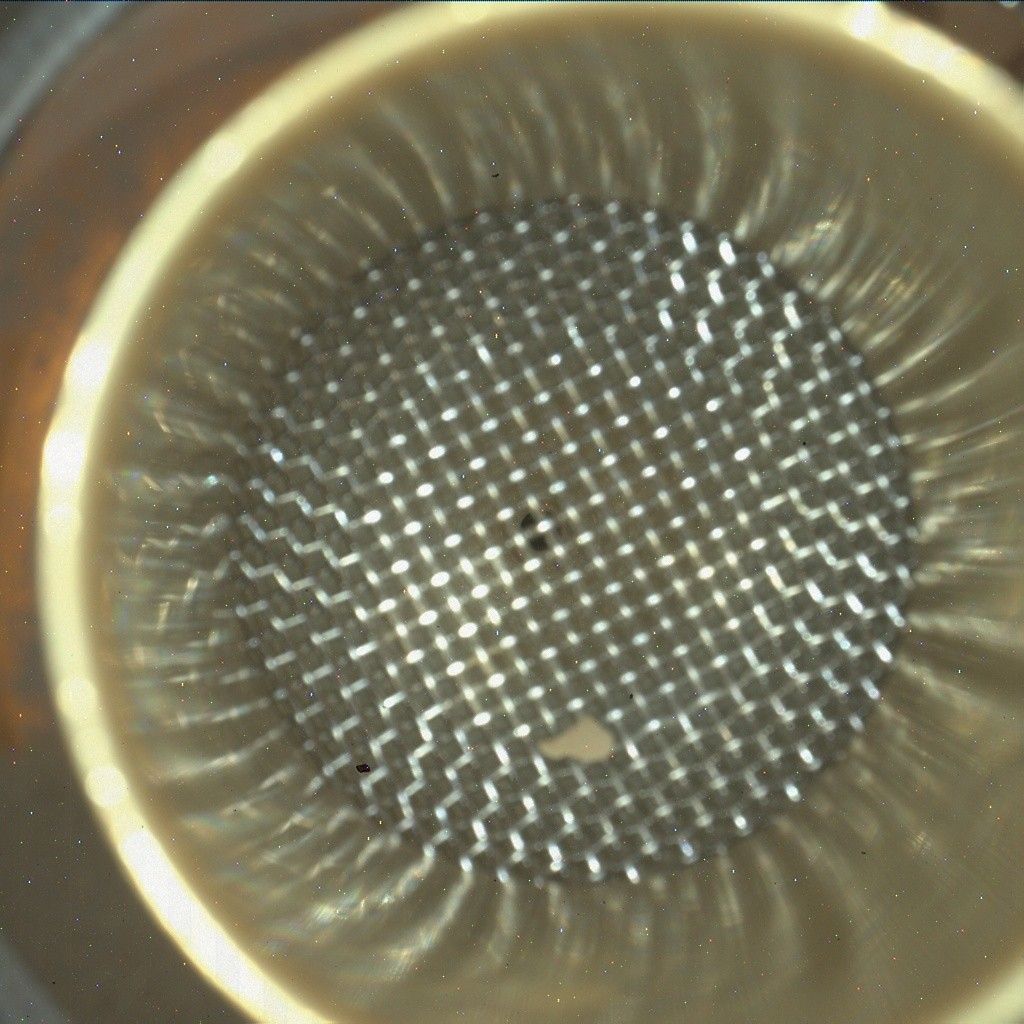
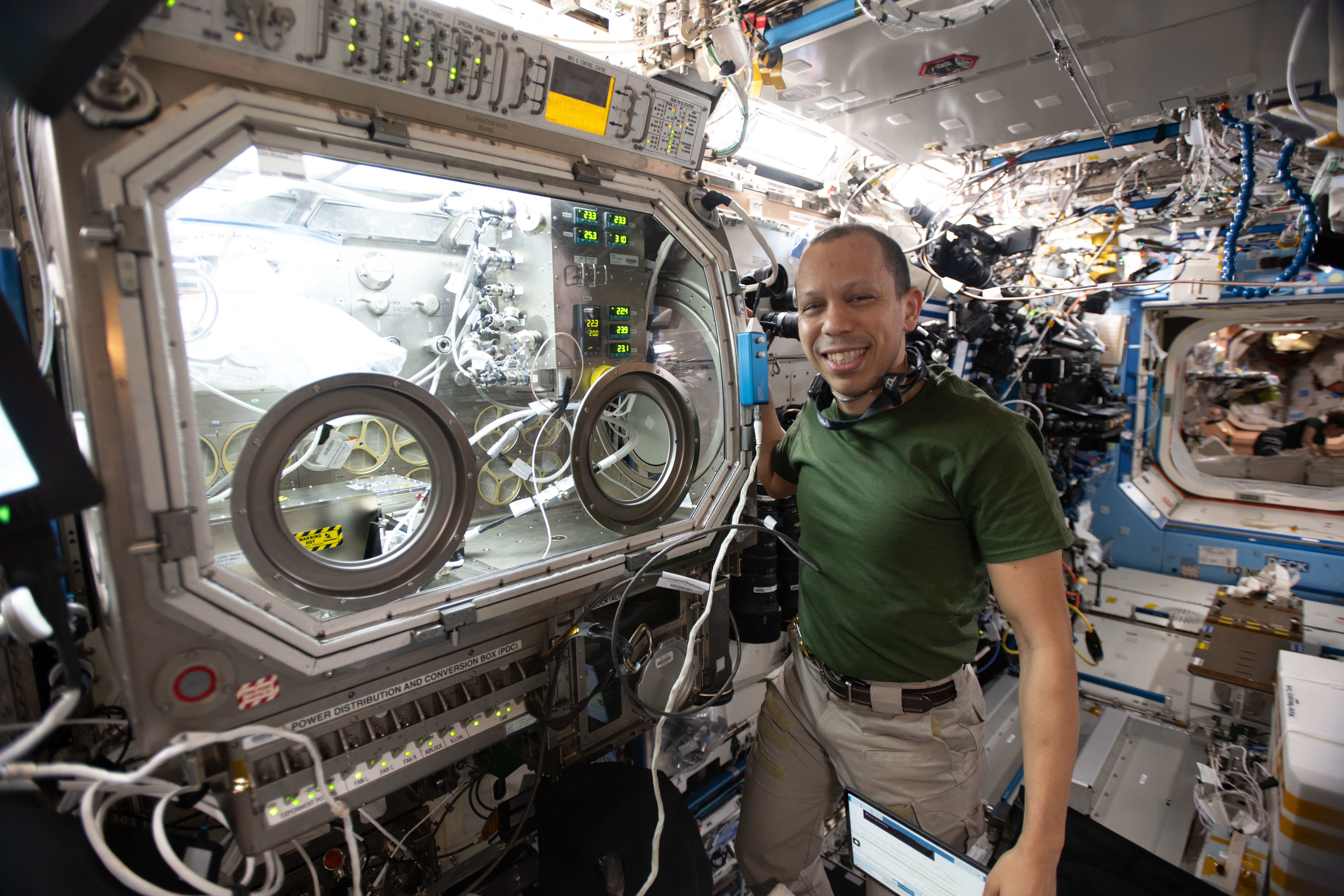
Flight engineers Jessica Meir of NASA and Sophie Adenot of ESA (European Space Agency) joined each other at the beginning of their shift and tested the operation of a 3D bioprinter inside the Kibo laboratory module. Adenot first mixed cartilage cell samples with bio-ink then handed them to over Meir for insertion inside a bioprinter cartridge to print human tissue. The biotechnology device may advance regenerative medicine leading to on-demand, personalized medical implants using the patient’s own cells. Later, Meir nourished blood stem cell samples inside Kibo’s Life Science Glovebox at the end of her shift for another investigation. The cell samples are growing inside a research incubator to help doctors learn how to manufacture and commercialize space-designed therapies for a variety of blood cancers and immune diseases.
Adenot later partnered with NASA flight engineer Jack Hathaway packing cargo inside a SpaceX Dragon cargo spacecraft as it nears the end of its stay docked to the Harmony module’s forward. Hathaway spent the first half of his shift tending plants growing for a pair of botany studies to promote space agriculture and self-sustaining space missions. He began watering and photographing alfalfa plants growing inside the Columbus laboratory module’s Veggie facility for the Veg-06 study. Next, he photographed microgreens, or plants with higher vitamin and mineral content than mature leaves, growing inside specialized chambers in the Destiny laboratory module. Hathaway wrapped up his shift downlinking data to Earth that documents how space radiation affects semiconductor transistors.
NASA flight engineer Chris Williams primarily spent his day on hardware maintenance beginning inside Kibo and cleaning dust and debris collected in the module’s ventilation system. Williams then moved over to the Columbus lab and relocated parts and components associated with the European Enhanced Exploration Exercise Device. Next, he collected space radiation data recorded on the Lumina device before inspecting tethers that secure spacewalkers on the space station.
The station’s three cosmonauts, Sergey Kud-Sverchkov, Sergei Mikaev, and Andrey Fedyaev, coordinated throughout Thursday on inspections in the orbital outpost’s Roscosmos segment. The trio partnered together in the Zvezda service module inspecting its hull and photographing windows in the Zvezda and Poisk modules.
Learn more about station activities by following the space station blog, @space_stationon X, as well as the ISS Facebook and ISS Instagram accounts.
Get the latest from NASA delivered every week. Subscribe here.
